2027 Can You Get Into a Physics Bachelor's Degree Program with a Low GPA? Admission Chances & Workarounds
Audited and Verified:
Our Editorial and Data Verification Process
Research.com uses government datasets, official education statistics and primary institutional information to support its career and degree guides. Our review process checks factual accuracy, occupational definitions, source dates and the requirements associated with the credentials discussed.
How This Article Was Fact-Checked
Our editorial team verifies salary estimates, employment projections, education requirements and program information against original data providers and official organizations. Salary figures are checked against the relevant occupational definitions and reporting periods. Information about licensure, accreditation and required in-person training is reviewed separately.
Fact-checked and verified on:

Co-Founder and Chief Data Scientist
Imagine a student with a low GPA aiming to enter a physics bachelor's degree program at a competitive university. Many programs require a minimum GPA of around 3.0 for admission, creating a significant barrier for applicants with weaker academic records. Despite this, the demand for physics graduates is rising, with the U. S. Bureau of Labor Statistics projecting a 7% growth in physics-related jobs by 2030. This article explores realistic admission chances for low GPA applicants and effective strategies-such as strengthening other parts of the application or enrolling in alternative pathways-to improve acceptance into physics bachelor's degree programs.
Key Things to Know About Physics Bachelor's Degree Program Admission Chances & Workarounds
- Applicants with low GPAs can consider alternative pathways like community college transfer programs, which often have more flexible admission standards and strong articulation agreements with four-year institutions.
- Many programs use holistic review, weighing factors such as research experience, recommendation letters, and personal statements alongside GPA to assess a candidate's potential in physics.
- Enhancing an application through relevant internships, STEM tutoring, or strong performance in advanced math and physics courses can significantly improve admission chances despite a low GPA.
Can I Get Into a Physics Bachelor's Degree With a Low GPA?
Admission chances for a physics bachelor's degree with a low GPA can be limited but not impossible. Many institutions evaluate candidates beyond GPA alone, considering other aspects of the application holistically. For STEM fields, the average acceptance rate is about 65%, indicating that while there is competition, many applicants with varied academic profiles are accepted. Prospective students should understand that how to get accepted into a physics bachelor's program with a weak GPA often depends on presenting strengths elsewhere in their application.
Admissions committees focus on more than just grades; they also assess intellectual curiosity, resilience, and potential for growth. Personal statements, recommendation letters, and evidence of dedication to physics or related research can influence decisions positively. This broad evaluation approach means applicants with lower GPAs still have opportunities if they demonstrate promise and commitment. For those exploring alternatives or less competitive paths, resources highlighting the easiest degree to get may offer additional insights and options.
What Is the Minimum GPA for Physics Bachelor's Degree Programs?
Universities offering physics bachelor's degree programs typically expect applicants to meet a minimum GPA requirement that reflects their ability to handle challenging coursework. Most programs generally seek a GPA between 2.5 and 3.0 on a 4.0 scale, with admitted students often having averages closer to 3.2 to 3.5. This range highlights the importance of maintaining solid academic performance, since admission GPA criteria for physics degrees can influence acceptance chances. Prospective students should note that reaching at least a "B-" average or better is usually advisable for competitive programs.
GPA requirements for physics programs can vary widely depending on institutional selectivity, program emphasis, and admissions standards. Some schools with less competitive admissions might accept students with GPAs below 2.5 if other parts of the application demonstrate promise. On the other hand, highly selective universities focused on rigorous research may prefer applicants with GPAs exceeding 3.5. Applicants aiming for such degrees should research specific programs carefully and consider that physics remains one of the fields that generally rewards strong academic backgrounds-often regarded as the best degree in the world for both intellectual challenge and career potential.
2026 Update: Physics Prerequisite Readiness Before Applying
This 2026 update adds a practical checklist for low-GPA applicants to review math and science readiness before choosing where and how to apply to a physics bachelor’s program.
- Whether the program expects prior coursework in calculus, pre-calculus, chemistry, or lab-based science
- If placement exams can move you into the right math or physics starting level
- Whether repeating key STEM courses can show stronger recent academic performance
- If the school offers a pre-physics, exploratory science, or undeclared entry option
- How first-year physics course sequences affect graduation timelines
- Whether tutoring, bridge courses, or summer math refreshers are available before enrollment
Checking these details helps students avoid applying only based on GPA policies and instead choose programs where they are academically prepared to start and progress successfully.
Many colleges assess applicants to physics bachelor's degree programs through a range of criteria beyond GPA. Over 60% of U.S. institutions adopt holistic review processes that weigh various elements of a candidate's profile. These factors together help balance the picture for students whose grades may not fully reflect their potential.
Key components often considered include:
- Standardized Test Scores: Strong results in math and science sections of exams like the SAT or ACT can highlight academic ability even if GPA is lower. Although some schools have moved to test-optional policies, competitive scores still bolster an application.
- Personal Statements: Essays provide a platform to share motivation for studying physics, explain hardships, and showcase problem-solving skills. A well-crafted narrative can help contextualize GPA challenges and convey passion for the field.
- Extracurricular Activities: Engagement in science clubs, research, internships, or competitions demonstrates commitment and practical knowledge. Admissions committees value students who pursue physics beyond the classroom environment.
- Letters of Recommendation: Endorsements from teachers or mentors offer insights into work ethic, curiosity, and character that grades alone might miss. Strong recommendations can emphasize personal and academic strengths.
- Academic Trends: Admissions may look for demonstrated improvement, particularly in math and science courses, signaling resilience and growing capability over time.
Talking with a physics bachelor's degree graduate about admission factors beyond GPA revealed how important persistence and narrative are. He recalled, "My early college grades were shaky, but I focused on improving each semester and highlighted this in my personal statement." He also emphasized the value of mentorship, saying, "Strong recommendation letters from my physics professor really helped me stand out." Despite anxiety about his GPA, he found that showcasing dedication and growth made a significant difference during the application process.
Several U.S. institutions maintain more flexible admission policies that can benefit students with a low GPA aspiring to earn a physics bachelor's degree. For instance, many regional state universities report acceptance rates above 70%, illustrating opportunities beyond highly competitive schools. These options provide alternatives for those seeking admission despite modest academic records. Consider the following types of institutions that often accommodate lower GPA applicants:
- Open-Admission Colleges: These schools focus on accessibility and typically accept most applicants regardless of previous grades. They often offer foundational support tailored to help students excel in challenging STEM areas like physics.
- Less Selective Universities: Public universities with more lenient admission standards commonly have higher acceptance rates, easing access for students with lower GPA scores to pursue physics bachelor's degree programs in the US.
- Online Universities: Featuring rolling admissions and flexible course schedules, these institutions often place less emphasis on GPA. This flexibility helps non-traditional students balance education with other commitments.
- Community Colleges: Many provide physics-related associate degrees or transfer pathways, enabling students to improve academic performance before moving to four-year programs. Such routes are widely recognized for overcoming initial GPA hurdles.
Students interested in broadening their academic options may also explore accelerated MBA programs as an example of flexible degree pathways in other fields.
Several bachelor's degree programs in physics have started embracing more flexible admissions policies, reflecting a broader trend in U.S. higher education where over 1,800 colleges have adopted test-optional approaches since 2020. These programs often reduce reliance on traditional GPA and standardized test scores, instead considering a combination of factors through holistic reviews, which include personal essays, letters of recommendation, and extracurricular accomplishments. Some also accept alternative evidence of capability, such as portfolios or subject-specific assessments, to capture a fuller picture of an applicant's strengths. While these flexible policies are becoming more common, particularly in STEM fields like physics, the competition remains intense, and applicants benefit from demonstrating clear passion and relevant experience beyond grades and scores.
When I spoke with a graduate from a physics bachelor's program who gained admission despite a low GPA, she described the process as both challenging and encouraging. She explained, "I worried my grades wouldn't reflect my true potential, but the admissions team seemed interested in my research work and the motivation I expressed in my statement." She emphasized how the holistic review allowed her to showcase skills and experiences that traditional metrics overlooked. "It felt like the program saw beyond my GPA and gave me a chance to prove myself, which made all the difference," she reflected. This experience highlights how flexible admissions can open doors for capable students who might otherwise be overlooked.
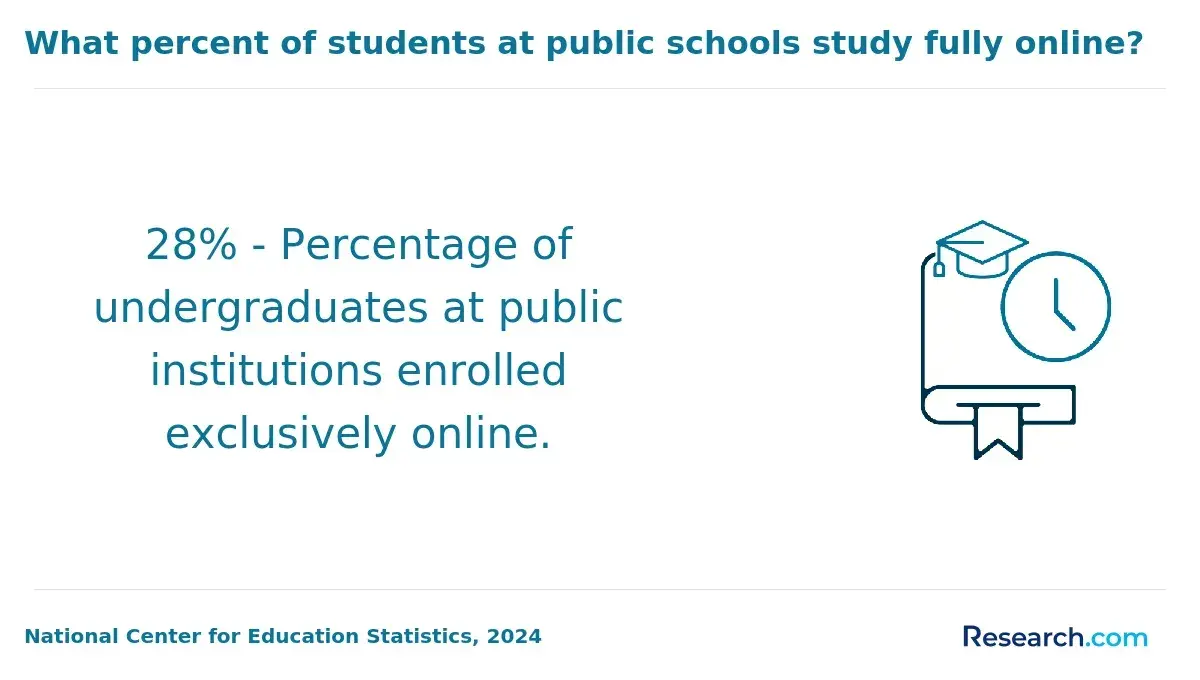
Conditional admission offers students with lower GPAs a chance to enroll in physics bachelor's degree programs by meeting specific academic conditions. Approximately 20% of colleges nationwide provide such pathways, especially for STEM disciplines, to widen access for those facing traditional admission hurdles. Below are key points that explain how conditional admission functions.
- Eligibility: Admission often depends on alternatives to GPA, such as standardized test scores, personal statements, or relevant experiences that demonstrate potential to succeed in physics coursework.
- Academic Expectations: Students admitted conditionally must fulfill certain course requirements or maintain defined grades during an initial trial period to prove readiness for the program's demands.
- Performance Management: Progress is monitored closely, with probationary status in place that can be removed once students meet the established academic standards.
- Advancement to Full Admission: Completing the conditional requirements successfully usually results in transition to regular admission status within the physics program.
- Support Services: Additional academic support, such as tutoring or advising, is commonly offered to help students meet their conditional terms and succeed.
Starting at a community college can provide students with lower GPAs an opportunity to strengthen their academic records and prepare for a physics bachelor's degree program. This pathway allows learners to complete foundational courses in math and science within smaller class sizes and with more personalized instruction. Nearly 40% of STEM bachelor's degree recipients begin at community colleges before transferring, underscoring the important role these institutions play in supporting students on their educational journey.
This route offers several advantages, including reduced costs and a more manageable introduction to college-level coursework in subjects like calculus and introductory physics. Students can demonstrate their academic improvement, which may enhance their appeal to four-year programs later on. However, challenges include varying transfer acceptance rates, the potential for extended degree timelines if credits don't transfer smoothly, and the lack of specialized upper-division physics courses at most community colleges. Careful academic planning and understanding transfer policies are essential to making this pathway an effective stepping stone toward completing a physics bachelor's degree.
Students with lower GPAs can still enhance their chances of admission into a physics bachelor's degree program by adopting targeted strategies to strengthen other parts of their applications. Studies show that applicants with below-average academic records who bolster their profiles can see acceptance rates increase by up to 30%. The following approaches illustrate practical ways to improve admissions chances for physics bachelor programs.
- Highlight Achievements: Emphasize strengths beyond GPA, such as excelling in advanced coursework, achieving high scores on physics or math standardized tests, or participating in science fairs and competitions. These demonstrate genuine interest and capability in the subject.
- Craft a Strong Personal Statement: Write a compelling essay that clearly expresses your passion for physics, discusses obstacles you have overcome, and outlines your future goals. Admission committees value motivation and resilience conveyed through a well-structured statement.
- Gain Relevant Experience: Develop practical exposure via internships, research projects, or volunteer work in physics or related STEM fields. These experiences highlight commitment and provide insights beyond academic performance.
- Show Academic Improvement: Provide evidence of recent progress by showcasing strong grades in upper-level math and science courses during late high school or post-secondary studies, indicating preparedness for college-level physics.
- Secure Recommendations: Obtain letters from teachers or mentors who can attest to your intellectual curiosity and work ethic, adding persuasive support to your application.
For students interested in expanding their STEM expertise beyond the bachelor level, exploring options such as a masters in crypto may offer additional pathways. Applying these strategies can effectively improve your profile and strengthen physics degree application with low GPA tips tailored to your academic journey.
It is possible to succeed in a physics bachelor's degree program even after being admitted with a low GPA. Academic performance in physics relies on factors beyond initial grades, such as study habits, motivation, time management, and access to academic resources. Research indicates that students admitted with lower GPAs may have a graduation rate about 15-20% lower than those with higher GPAs, yet many still complete their degrees successfully. Understanding how to improve physics degree admission chances after low GPA involves recognizing that past performance does not dictate future success and that perseverance plays a crucial role.
Students who cultivate effective strategies can thrive in a physics program despite early academic setbacks. Key behaviors include engaging consistently with coursework, seeking help from professors or peers, and managing time well to handle complex assignments. Utilizing resources like academic advising and workshops further supports success. Maintaining strong motivation by linking coursework to long-term goals is also vital. For those exploring alternative educational routes, short certificate programs that pay well may offer additional pathways to build skills while pursuing a physics degree or related fields.
After earning a physics bachelor's degree, the significance of GPA commonly decreases for most employers. Studies show that around 65% of hiring managers value GPA less once candidates have over two years of professional experience. As a result, recruiters shift their attention to other qualifications that better reflect a candidate's current capabilities.
Several key factors often outweigh GPA in hiring decisions, including:
- Relevant Experience: Practical work or research involvement showcases a graduate's ability to apply physics concepts and solve real-world problems beyond academic settings.
- Internships: Hands-on training through internships offers industry exposure and builds valuable professional connections.
- Technical Skills: Proficiency in areas like programming, data interpretation, and laboratory methods demonstrates essential competencies employers seek.
- Professional Milestones: Achievements such as published articles, conference presentations, or participation in competitions highlight dedication and expertise.
- Soft Skills: Communication, teamwork, and adaptability are critical traits that employers use to assess candidates' potential for success in collaborative environments.
What Graduates Say About Physics Bachelor's Degree Program Admission Chances & Workarounds
- Otis: "Getting into a physics bachelor's degree program with a low GPA felt daunting at first, but exploring alternative pathways like community college courses and strong recommendation letters really opened doors for me. I spent months preparing by boosting my math skills and engaging with online physics communities to build confidence. Completing the degree not only sharpened my analytical thinking but also gave me a fresh start in a technology consulting career I had never imagined before."
- Ronan: "Looking back, carefully assessing my options as a low GPA applicant helped me focus on schools with supportive admissions policies and holistic application reviews. My preparation involved retaking key subjects and attending summer programs to demonstrate my commitment. The impact of earning a physics degree has been profound, allowing me to transition smoothly into research and development roles in renewable energy, which feel truly fulfilling professionally."
- Brooks: "The road to a physics bachelor's program was quite challenging due to my low GPA, but focusing on preparing through extra tutoring and applying to programs with flexible admission criteria made it possible. That preparation gave me both the technical foundation and the resilience needed to succeed. Graduating in physics completely changed my career trajectory, giving me credibility and skills that helped launch a promising career in data science."
Other Things You Should Know About Physics Degrees
Participating in research projects can significantly enhance your admission chances. It showcases your commitment to the field, provides practical experience, and can compensate for a lower GPA by demonstrating your passion and skills in physics.
Retaking foundational courses in physics or math and earning higher grades can enhance an application by showing academic improvement and mastery of critical subjects. Many programs consider upward grade trends positively. This strategy signals resilience and a commitment to mastering essential content for a physics degree.
Many colleges set conditional admission at a 2.0–2.5 GPA, with stronger weight on recent math and science grades. Students may also need at least one year of algebra, one semester of calculus, and proof they can raise grades before full admission is confirmed.
- Colleges That Accept Low GPA Scores | Find Options https://www.educationconnection.com/resources/colleges-that-accept-low-gpa/
- Undergraduate Students https://www.colorado.edu/physics/academics/undergraduate-students
- Future Physics student that is considering Community College https://talk.collegeconfidential.com/t/future-physics-student-that-is-considering-community-college/2092706
- Low GPA, Some Experience & Guidance? https://www.physicsforums.com/threads/low-gpa-some-experience-guidance.909991/
- Conditional Admission—Prerequisites https://vancouver.nyit.edu/academics/degrees/master-of-energy-management-mem/admission-requirements/conditional-admission-prerequisites/
- Best Colleges That Accept Lower GPAs: How to Find and Get In https://www.road2college.com/low-gpa-colleges/
- Bachelor studies - Politechnika Wrocławska - Rekrutacja https://rekrutacja.pwr.edu.pl/en/for-foreigners/fee-paying-basis-of-studies-and-scholarship-holders/admission/bachelor-studies/
- Is it too late for me to start pursuing a degree in physics? https://academia.stackexchange.com/questions/220261/is-it-too-late-for-me-to-start-pursuing-a-degree-in-physics
- Undergraduate entry requirements | King's College London https://www.kcl.ac.uk/study/undergraduate/how-to-apply/entry-requirements
- Criteria for the individual academic aptitude https://www.uni-marburg.de/en/fb13/academics/degree-programs/msc-fm/how-to-apply/criteria-for-the-individual-academic-aptitude