2027 How Hard Is an Online Physics Bachelor's Degree?
Audited and Verified:
Our Editorial and Data Verification Process
Research.com uses government datasets, official education statistics and primary institutional information to support its career and degree guides. Our review process checks factual accuracy, occupational definitions, source dates and the requirements associated with the credentials discussed.
How This Article Was Fact-Checked
Our editorial team verifies salary estimates, employment projections, education requirements and program information against original data providers and official organizations. Salary figures are checked against the relevant occupational definitions and reporting periods. Information about licensure, accreditation and required in-person training is reviewed separately.
Fact-checked and verified on:

Co-Founder and Chief Data Scientist
Many assume an online physics bachelor's degree is easier than traditional programs, yet the reality demands rigorous comprehension of complex subjects like quantum mechanics and electromagnetism. Working adults balancing jobs with study must also develop strong time management skills to keep up with challenging coursework and lab simulations. Recent data shows that over 40% of online STEM students report navigating higher stress levels from self-directed learning.
Understanding these factors is crucial for setting realistic expectations. This article explores the academic rigor, workload, and specific hurdles of earning a physics degree online, helping prospective students assess how demanding this path may be.
Key Things to Know About the Difficulty of an Online Physics Bachelor's Degree
- Online physics bachelor's degrees demand strong self-discipline, as students manage complex topics like quantum mechanics without daily in-person guidance.
- Programs vary widely; some offer rigorous lab simulations, while others rely heavily on theoretical work, affecting time and effort needed.
- Students should expect a weekly workload comparable to on-campus studies, often 15-20 hours, balancing assignments, problem sets, and virtual labs.
How Hard Is an Online Physics Bachelor's Degree?
An online physics bachelor's degree is typically defined by its rigorous academic standards, demanding mastery of complex theoretical concepts and mathematical applications. Program expectations often include a mix of independent study, problem-solving skills, and the ability to comprehend abstract scientific principles. The learning structure usually incorporates recorded lectures, interactive tools, and digital assessments to maintain quality while adapting to remote education formats. According to the National Center for Education Statistics, nearly 45% of undergraduate students recently enrolled in at least one distance education course, showing the rising acceptance of online learning.
The perceived academic rigor of online physics degrees can vary significantly depending on factors such as an institution's reputation, curriculum design, and instructional resources. Differences in program structure, including the presence of collaborative projects or lab components, influence student engagement and learning experiences. Additionally, individual aptitude for self-directed learning and interaction with faculty and peers shape how challenging a program may seem. Prospective students interested in related fields might also explore online BCBA masters programs as complementary educational paths.
What Is the Workload and Time Commitment for an Online Physics Bachelor's Degree?
Prospective students considering an online physics bachelor's degree benefit from understanding workload expectations to better plan their academic and personal commitments. Knowing the typical time investment helps set realistic goals and improves chances of success in these rigorous programs. According to the National Survey of Student Engagement (NSSE), undergraduates engaged in online learning report spending a median of 15 to 20 hours per week on academic tasks, highlighting the demands of online study.
Key aspects of workload and time commitment in online physics programs include:
- Academic Pacing: Programs often require around 120 to 130 credit hours for graduation, with course durations varying widely. Some institutions offer accelerated degree programs online that compress terms into 7 to 8 weeks, while others adhere to traditional 15-week semesters, affecting overall study intensity and weekly hours.
- Course Scheduling: Many online physics bachelor's degree programs follow a sequential course structure where foundational courses must be completed before advancing. This can extend the time needed to graduate if courses are repeated or delayed, underscoring the importance of timely progress.
- Study Hours: Students should expect to dedicate about two to three hours of study time per credit hour each week. For a typical 15-credit semester, this translates to roughly 30 to 45 hours weekly outside of class for activities such as lectures, experiments, assignments, and exam preparation.
- Time Management: The combination of credit load and scheduling structure demands consistent time management. Balancing coursework and personal responsibilities is critical for maintaining steady progress toward degree completion.
- Program Variation: Differences across institutions mean students can find programs with varied pacing and formats. Exploring options like accelerated degree programs online may reduce total time to graduation for those prepared for a faster pace.
How Difficult Are the Courses in a Physics Bachelor's Degree?
Students considering an online physics bachelor's degree often weigh course difficulty heavily because it shapes their academic experience and success strategies. Notably, STEM fields including physics tend to have graduation rates around 10-15% lower than the national average for bachelor's degrees, highlighting the demanding nature of these programs. The following points explore key aspects that contribute to the rigorous academic environment in online physics degrees.
- Curriculum Rigor: The program combines challenging mathematical frameworks with abstract scientific theories, requiring students to master and apply advanced concepts consistently throughout their studies.
- Subject Complexity: Topics range from the principles of classical mechanics to the nuances of quantum physics, demanding both conceptual insight and analytical precision at each stage.
- Assessment Methods: Evaluations include comprehensive problem sets, laboratory simulations, and cumulative exams that test students' critical thinking and deep understanding of both theory and application.
- Institutional Variation: Some programs emphasize theoretical and mathematical depth, while others incorporate more applied and experimental physics, influencing the learning experience based on the school's focus.
- Academic Progression: Coursework begins with fundamental subjects like calculus and general physics, then advances through increasingly complex material to equip students for independent research and scientific inquiry by graduation.
When asked about his experience, a graduate of an online physics bachelor's degree described the journey as "intellectually demanding but rewarding." He recalled nights spent working through intricate problem sets that felt overwhelming at times, and the persistence needed to grasp abstract theories without a traditional classroom environment. "There were moments when I doubted if I could keep up, but the structure pushed me to develop stronger problem-solving skills and deeper focus," he shared. His reflection emphasizes how challenging courses required constant adaptation and dedication to succeed.
In bachelor's programs for physics, the perceived difficulty between online and in-person learning largely depends on instructional format and course structure rather than core content, which remains consistent in complexity. A 2022 study in the Journal of STEM Education demonstrated that final course grades for students in both online and campus-based physics classes showed no significant differences when curricula and assessments were carefully aligned. This suggests that academic rigor is preserved regardless of delivery mode, although the challenges of online physics degree compared to campus classes often arise from how students interact with material and peers.
Differences in difficulty typically stem from the design of assessments and the learning environment unique to each format. In-person physics education benefits from direct faculty interaction and hands-on experiments, facilitating immediate feedback and collaboration, while online programs often rely on virtual simulations and project-based evaluations. These variations require students to adapt their study habits and can influence how challenging the experience feels. Overall, distinctions between online and in-person physics education come down to teaching strategies and institutional frameworks rather than the physics concepts themselves, much like the considerations in pursuing a master of construction management.
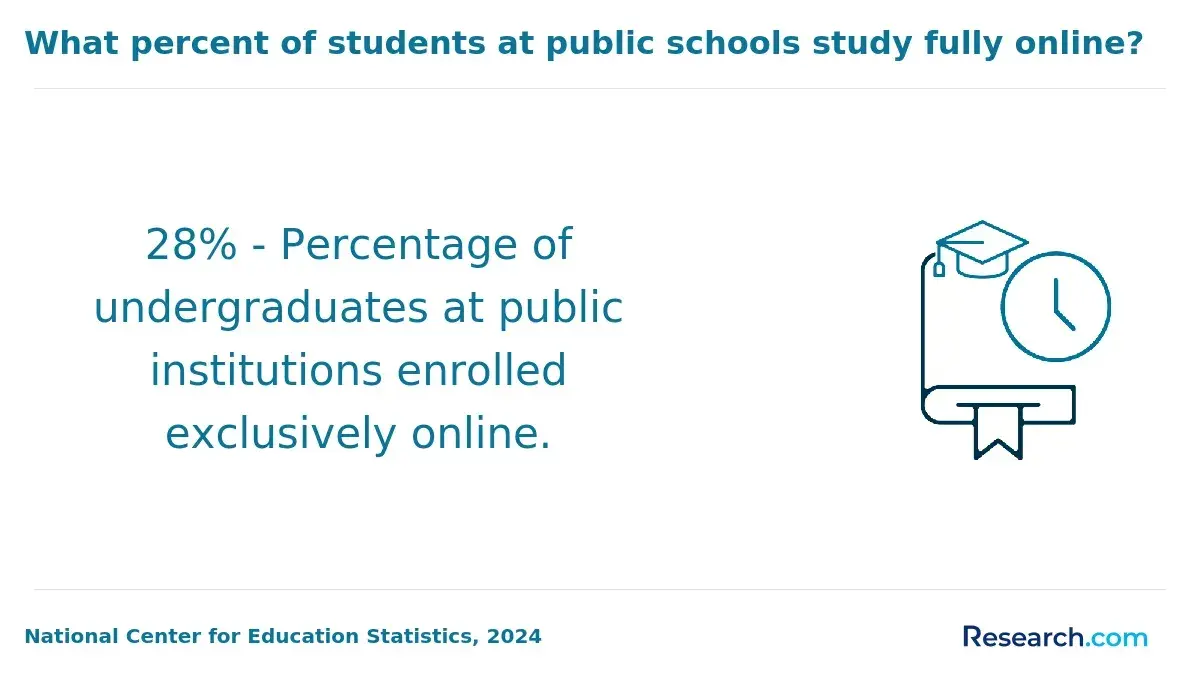
Working students need adaptable learning options to juggle job duties alongside academic commitments when pursuing an online physics bachelor's degree. Flexibility helps ease time conflicts between employment and coursework, making education more manageable for busy adults. Data from the National Center for Education Statistics shows that nearly 29% of students studying fully online are age 25 or older, demonstrating widespread demand for flexible programs among working learners.
Key flexibility features in online physics degrees include:
- Delivery Methods: Programs often incorporate varied formats such as video lectures, virtual labs, and interactive tools, enabling students to engage with material in ways that fit their preferences and technology access.
- Scheduling Options: Many schools offer asynchronous courses, allowing learners to complete work at convenient times instead of fixed class schedules, reducing clashes with professional hours.
- Pacing Flexibility: Some programs allow self-paced progress within terms, while others follow semester deadlines but provide recorded sessions to accommodate different learning speeds.
- Part-Time Enrollment: Students can often choose to take fewer courses per semester, balancing workload and work commitments more effectively.
- Accessibility and Support: Continuous access to materials and online forums, plus specialized advising for adult learners, foster engagement beyond traditional classroom hours.
One student pursuing an online physics bachelor's degree shared how she initially struggled with balancing weekend work shifts and study deadlines. She found comfort in being able to watch lectures at night and appreciated the availability of instructors via online discussion boards. The flexibility to adjust her course load each term helped reduce stress, allowing her to maintain steady progress despite a demanding job. Her experience highlights how tailored program features can make a significant difference for working adults pursuing rigorous academic goals.
Developing certain skills is critical for students aiming to thrive in an online physics bachelor's program, as these skills directly impact their academic success and persistence. Studies indicate that learners who effectively manage their own education experience retention rates up to 20% higher than those who do not. Such findings highlight the value of key competencies in navigating the demands of remote study.
Below are several fundamental skills essential for succeeding in online physics courses:
- Time Management: Consistently dedicating focused study periods and juggling coursework alongside personal duties are fundamental. This skill helps students stay on track in self-paced environments where external structure is limited.
- Self-Directed Learning: Without the immediate guidance of instructors, students must independently understand complex physics theories and proactively seek out clarification or resources to support their learning.
- Digital Literacy: Comfort with online platforms, virtual labs, simulations, and electronic submissions is vital. This proficiency ensures learners can fully engage with the technological tools integral to online education.
- Communication Skills: Clear and active interaction with professors and peers through forums, emails, or video calls enables students to address challenges and collaborate effectively despite physical separation.
- Academic Discipline: Sustained motivation and concentration when working through intense theoretical and mathematical content are necessary to meet the rigorous standards typical of physics curricula.
These capabilities collectively empower students not only to grasp demanding course material but also to manage the particular challenges of the virtual learning environment, leading to improved engagement and academic achievement.
Students frequently compare the difficulty of a physics bachelor's degree with other majors because perceptions of academic rigor vary significantly across disciplines. These perceptions shape students' decisions and preparedness for college challenges. Physics is often seen as a demanding field due to its heavy focus on abstract theoretical concepts, advanced mathematics, and hands-on experimental work. A 2021 report from the National Center for Education Statistics shows STEM majors, including physics, have about a 55% graduation rate within six years, lower than the 63% average for all majors, reflecting the challenging nature of these programs.
Difficulty differences among majors often stem from curriculum structure, subject complexity, types of assessments, and institutional grading standards. Physics programs typically require students to master advanced math topics alongside core subjects like mechanics, electromagnetism, and quantum theory, demanding high analytical skills. Assessments usually involve problem sets, lab reports, and timed exams that test both conceptual understanding and practical application. Additionally, universities' varying standards and the intensive workload, including laboratory hours, contribute to the unique challenges faced by physics majors compared to other fields.
Recognizing the common difficulties in online physics programs is crucial for students considering this path. Awareness of these challenges enables informed decisions and better preparation for the unique demands of distance learning. The following points highlight the primary obstacles learners face in physics bachelor's degree online programs.
- Autonomous Learning: Students must independently manage complex theoretical concepts and rigorous coursework without constant in-person guidance. This requires strong self-motivation and discipline to create and follow their own study schedules.
- Time Management: Balancing academic responsibilities with personal and professional life is more complex online. Students often navigate asynchronous deadlines and coordinate participation across different time zones, increasing the challenge of effective time allocation.
- Digital Platform Navigation: Proficiency with learning management systems, virtual labs, and simulation software is essential. Technical difficulties or limited digital fluency can hinder progress, contributing to stress and delays in mastering key topics.
- Academic Workload: The demanding coursework covering mathematics, mechanics, electromagnetism, quantum theory, and experimental methods remains unchanged online. In some cases, limited real-time interactions with peers and instructors may intensify the perception of workload rigor.
- Institutional Support Variation: Support services like virtual tutoring, academic advising, and technical assistance differ widely among programs. Limited access to these resources can impact a student's ability to address issues and stay on track.
Knowing how to overcome challenges in physics bachelor's degree online often involves understanding these fundamental barriers before enrollment. Prospective students may also explore related advanced options such as a masters in blockchain online to expand their career pathways.
Strong academic support systems are crucial for students pursuing an online physics bachelor's degree, as they help overcome the challenges of remote learning in this rigorous STEM field. About 85% of students using these resources report higher satisfaction and better course completion rates. The following key aspects illustrate the support and resources typically available.
- Academic Advising: Personalized advising helps students choose appropriate courses, manage their workload, and develop career or graduate study plans. Many programs also offer specialized mentoring to maintain motivation through challenging topics.
- Digital Learning Tools: Interactive simulations, video lectures, and virtual labs provide dynamic ways to engage with material, enabling repeated practice and visualization of complex physics concepts beyond traditional textbooks.
- Student Services: Writing centers, tutoring, and technical support tailored for online learners assist students in overcoming both academic and logistical barriers, ensuring smoother progress through the program.
- Peer Collaboration: Discussion boards, group projects, and virtual study sessions foster a collaborative environment that helps replicate traditional classroom interactions and build a learning community.
- Study Resources: Access to tutoring and supplemental materials enhances comprehension and retention, addressing specific needs through focused guidance and practice tailored to online physics degree tutoring and study resources.
Students exploring affordable program options can consider cheap online colleges offering robust support for online physics bachelor's students, ensuring quality education alongside accessible pricing.
Students often question whether pursuing an online physics bachelor's degree justifies the significant academic effort and time required. The demanding curriculum, which blends theoretical understanding with complex problem-solving, can make this degree challenging compared to other fields. Despite this, data from the U.S. Department of Education shows that STEM graduates, including physics majors, tend to have higher median earnings than many non-STEM fields within five years of graduation. This economic advantage motivates many to consider the substantial investment as worthwhile.
The value of an online physics degree depends largely on the institution's adherence to rigorous curriculum standards and proper accreditation ensuring academic quality. Accredited programs typically offer coursework and laboratory experiences aligned with industry and research expectations, which aids graduates in meeting workforce demands. Additionally, online degrees recognized by employers provide students with the credentials necessary to enter scientific, technical, and educational roles. Thus, the degree's worth is influenced not only by the intensity of study but also by how well it prepares students for relevant career paths.
What Graduates Say About How Hard Is an Online Physics Bachelor's Degree
- Taylor: "Choosing an online physics bachelor's degree was mainly about flexibility, as I needed to balance work and study. The coursework was definitely challenging, especially with complex topics like quantum mechanics, but the structured online resources and forums helped me stay on track. Today, this degree has opened doors in research and development roles I hadn't previously considered."
- Rachel: "At first, I underestimated how demanding an online physics program could be in terms of self-discipline and time management. Navigating lab simulations virtually was tough, but it taught me how to adapt and problem-solve independently. Reflecting back, the experience has strengthened my analytical skills and made me confident in pursuing a career in scientific consulting."
- Brooks: "Going for an online physics bachelor's degree was a strategic choice due to geographic constraints and personal commitments. The hardest part was maintaining motivation through dense theoretical topics without in-person lectures, but virtual study groups became a great support. Professionally, this degree distinguished me in the tech industry, especially in roles requiring strong critical thinking and technical expertise."
Other Things You Should Know About Physics Degrees
Online physics bachelor's programs typically use a combination of problem sets, written exams, lab reports, and timed quizzes to evaluate student understanding. Many courses emphasize analytical problem-solving and mathematical derivations, often requiring students to submit detailed solutions. Virtual lab assignments may simulate experimental work, while some programs incorporate proctored exams to ensure academic integrity.
Strong mathematical skills are essential in an online physics degree, as coursework heavily relies on calculus, differential equations, and linear algebra. The ability to manipulate complex equations and understand mathematical modeling directly impacts a student's ability to grasp core physics concepts. Without a solid foundation in math, progressing through advanced topics and solving physics problems becomes substantially more difficult.
Yes. Many online physics bachelor’s programs use proctored midterms and finals in core courses such as calculus-based mechanics and electromagnetism. Schools may use online proctoring software or approved testing centers, and some courses also require timed problem sets or lab practicals.
- Any good online physics degrees? Bachelors or Masters https://www.physicsforums.com/threads/any-good-online-physics-degrees-bachelors-or-masters.318426/
- Is physics hard? How to learn basic physics https://edlatimore.com/is-physics-hard-how-to-study-and-learn-basic-physics
- 16 key skills and attributes for a successful career in physics – Physics World https://physicsworld.com/a/16-key-skills-and-attributes-for-a-successful-career-in-physics/
- 2025 Best Online Degrees in Physics https://www.onlineu.com/degrees/physics
- Tips for Excelling in Online Physics Classes https://myclassprofessor.com/blog/tips-for-excelling-in-online-physics-classes/
- Challenges Faced by Online Physics Tutors¶ https://experimenters.app/blog/challenges-faced-by-online-physics-tutors/
- Why Students Struggle with Physics and How Online Coaching Can Help - https://daaconline.com/why-students-struggle-with-physics-and-how-online-coaching-can-help/
- Online Physics Course: 6 Helpful Considerations - Prereqcourses https://www.prereqcourses.com/online-physics-course/