2027 Can a Regulatory Science & Affairs Degree Lead to Remote Jobs?

Co-Founder and Chief Data Scientist
The growing prevalence of remote roles in Regulatory Science & Affairs reflects shifts in industry compliance, global collaboration, and the digitization of regulatory processes.
Degree programs increasingly incorporate training on platforms like Veeva Vault and Medidata, along with digital lab simulations and submission tracking software, equipping graduates with skills tailored for distributed teams. Data from the U. S. Bureau of Labor Statistics (2024) highlights a 35% increase in remote positions within regulatory affairs over the past two years, signaling employer confidence in remote competency.
This article examines how Regulatory Science & Affairs degrees prepare students for remote work and helps readers assess alignment with their career objectives.
Key Points About Regulatory Science & Affairs Degrees That Lead to Remote Jobs
- Remote roles such as regulatory affairs specialist, clinical trial coordinator, and compliance analyst require advanced certifications; this narrows the candidate pool but raises employer expectations for specialized practical experience.
- Employment growth in regulatory fields is steady, yet remote work remains competitive, pushing graduates to prioritize industry-specific skills and digital workflow fluency to secure flexible positions.
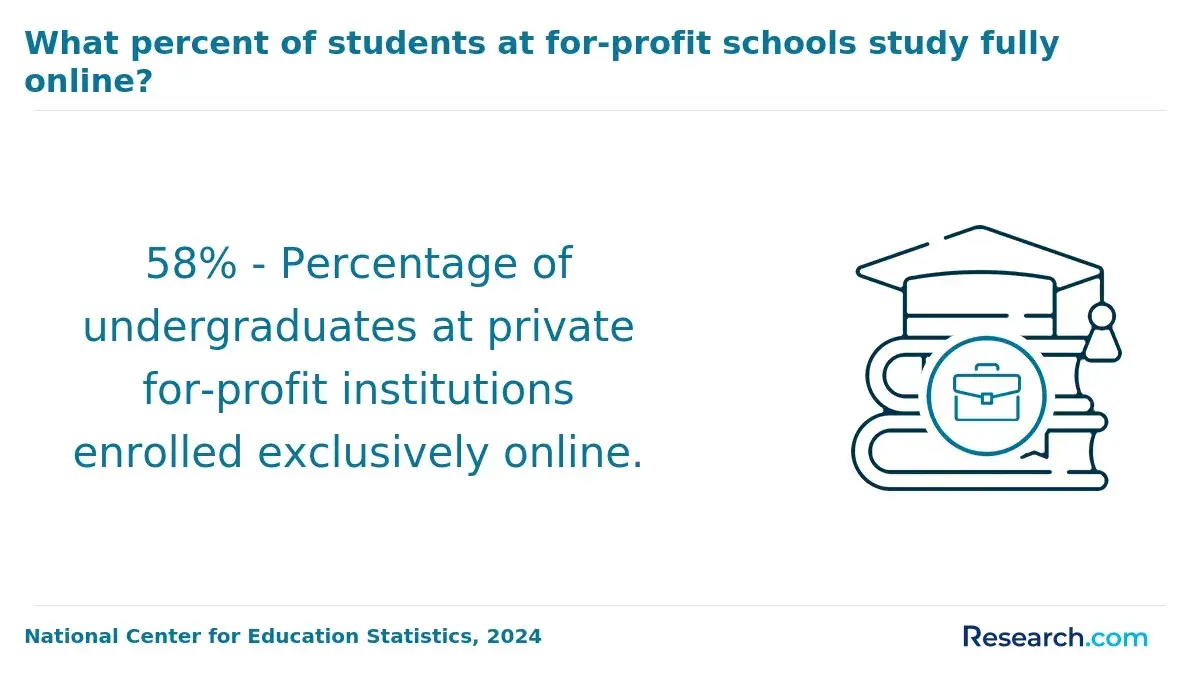
- Online program expansion, highlighted by a 15% rise in adult learner enrollment in 2024 per NCES, improves access but may extend time-to-degree, influencing early career progression and cost considerations.
Is it possible for Regulatory Science & Affairs graduates to work remotely?
Regulatory science & affairs graduates can access remote or hybrid work options, but these vary significantly by role and employer expectations. Positions that emphasize document review, submission preparation, and policy compliance frequently allow for remote execution, as these tasks rely primarily on digital communication and careful analysis rather than physical presence.
However, the feasibility of remote work depends largely on company policies and project complexity. Typical remote or hybrid roles for graduates include regulatory affairs specialist positions focused on dossier preparation, compliance analysts monitoring regulatory changes, medical writing, and quality assurance coordination.
Conversely, roles involving direct oversight of manufacturing processes, clinical trials, or cross-functional team leadership often necessitate on-site attendance. In these cases, flexibility is limited, and employers expect a hybrid approach to maintain operational efficiency and stakeholder collaboration.
Graduates should critically evaluate job descriptions and organizational culture to understand remote work expectations realistically. The balance between remote and in-person duties reflects practical tradeoffs driven by the nature of regulatory tasks and the need for real-time coordination in regulated environments.
What are the typical entry-level remote positions for new Regulatory Science & Affairs graduates?
Entry-level remote positions are available for new Regulatory Science & Affairs graduates, especially given the document-centric and digitally managed nature of many regulatory tasks. These roles often accommodate remote or hybrid work, reflecting employer adaptation to communication-based workflows and digital submission platforms.
Below are typical entry-level positions that graduates can pursue within remote positions for Regulatory Science graduates.
- Regulatory Affairs Associate: This role centers on preparing regulatory submissions, organizing documentation, and tracking compliance deadlines. Because much of the work involves electronic records and database interaction, it is commonly offered as a remote or hybrid position.
- Regulatory Documentation Specialist: Specialists in this position compile, format, and review technical documents necessary for regulatory filings. The work is highly independent and digital, allowing for remote collaboration with cross-functional teams.
- Compliance Coordinator: These coordinators monitor regulatory compliance across product development and marketing activities, supporting audits and regulatory updates primarily through virtual platforms. This role frequently offers hybrid or fully remote work options.
- Regulatory Submission Coordinator: Responsible for managing submission logistics to regulatory agencies, this position benefits from digital submission processes. It typically allows remote work for individuals with strong organizational and communication skills.
- Labeling Reviewer: Focused on reviewing product labels for regulatory compliance, this job involves detailed document analysis and coordination with marketing and legal teams via email and online tools. Remote or hybrid arrangements are common.
Employers increasingly seek graduates familiar with regulatory workflows that support remote or hybrid work, reflecting a broader trend across pharmaceutical and biotech sectors.
For students exploring credential options that enhance remote employability, combining regulatory science credentials with digital skills improves competitiveness. Similarly, cross-certifications such as a medical coding certification can complement regulatory expertise and broaden employment pathways in healthcare systems.
Are there senior-level remote positions for Regulatory Science & Affairs professionals?
Senior-level remote positions are available for Regulatory Science & Affairs professionals, though entry-level graduates seldom qualify immediately for these roles. Such positions typically require extensive experience managing complex regulatory frameworks and teams in varied healthcare sectors.
The following list highlights five senior remote roles common in this field, illustrating typical responsibilities and work arrangements.
- Senior Regulatory Affairs Manager: Leads regulatory strategies related to product approvals and maintains communication with health authorities. The role often supports remote work due to its focus on document management, strategic oversight, and virtual coordination across teams.
- Director of Regulatory Affairs: Oversees regulatory compliance across multiple project portfolios, ensuring adherence to policies and handling external audits. Directors frequently operate remotely to balance interactions with global regulatory bodies and multinational teams.
- Regulatory Compliance Lead: Specializes in enforcing regulatory standards within organizations through policy interpretation and database management. This position suits remote work since its core tasks rely on digital resources rather than on-site presence.
- Senior Regulatory Consultant: Offers expert guidance on submissions, labeling, and market entry strategies, typically for diverse clients. The consultancy nature allows considerable flexibility, making remote arrangements common.
- Regulatory Affairs Project Leader: Coordinates timelines and submissions across multifunctional teams. Remote work is well-aligned with this role's dependence on collaborative tools and global communication rather than direct laboratory or manufacturing oversight.
High-paying remote positions in Regulatory Science & Affairs for experienced professionals hinge on proficiency with digital communication platforms and regulatory document systems.
While occasional travel or on-site inspections may be required, senior roles primarily demand strategic decision-making skills executable in virtual settings.
For those considering further education to enhance remote job prospects, exploring online programs for healthcare administration can offer supplementary skills valuable in regulatory leadership and operational management contexts.
Remote work options exist across several industries for graduates with regulatory science & affairs degrees, though opportunities vary by sector based on operational needs and data security requirements.
Below are five primary industries that frequently hire remote professionals in this field.
- Pharmaceutical: This industry leads in employing remote regulatory experts due to the heavy need for documentation, safety monitoring, and compliance management. Roles often involve preparing regulatory submissions and liaising with authorities, functions that align well with hybrid or fully remote arrangements.
- Biotechnology: Startups and mid-sized biotech companies favor flexible remote setups to attract specialized talent. Regulatory tasks such as managing investigational new drug applications and adapting to changing guidelines are commonly handled from remote locations, provided secure data access is maintained.
- Medical Devices: These companies increasingly use hybrid models where onsite presence is necessary for product testing, but much regulatory paperwork and policy interpretation can be completed remotely. This approach allows wider recruitment while balancing hands-on requirements.
- Contract Research Organizations (CROs): CROs support multiple clients and their workflows naturally fit remote work. Regulatory specialists often manage clinical trial oversight, submissions, and audits digitally, making remote roles common and operationally efficient.
- Government and Consulting: Some government agencies and regulatory consulting firms offer flexible arrangements, especially for policy analysis, compliance monitoring, and guidance drafting. While certain government positions require onsite duties, many consultancy roles fully embrace remote work.
How regulatory science & affairs remote job salaries compare to on-site roles reveals notable variability shaped largely by employer compensation models and regional cost differences.
Generally, remote positions offer slightly reduced salaries compared to on-site roles, as many companies adjust pay to reflect employees' local living expenses. This geographic-based salary adjustment is common among firms that use tiered pay structures, resulting in lower remote salaries for workers located in less expensive areas.
Average pay differences for remote versus in-office positions in regulatory science & affairs tend to fall within a 5% to 12% range, narrowing for highly specialized or senior roles. Sub-roles involving rare expertise, such as regulatory strategy for cutting-edge therapies, often command competitive or equivalent pay even when remote due to scarcity of qualified talent.
For graduates and professionals, recognizing these patterns is essential for setting realistic expectations about earning potential when considering remote opportunities. Additionally, some students may explore options at no application fee colleges to enter this field with minimized upfront costs.
Remote work in regulatory science & affairs introduces operational barriers that affect daily functions and project delivery. Addressing these challenges is critical for professionals seeking to maintain efficiency and clarity in decentralized environments.
Below are key obstacles commonly encountered along with practical considerations for overcoming them:
- Restricted access to secure systems: Regulatory roles demand compliance with stringent cybersecurity protocols, which often means limited or delayed access to protected databases and document repositories. Professionals must coordinate closely with IT teams to establish secure remote access solutions and anticipate potential bottlenecks in data retrieval.
- Slower collaborative workflows: Remote setups limit informal, immediate interactions among regulatory specialists, scientists, and external partners, hampering rapid clarification and iterative review. Leveraging structured communication tools and scheduled check-ins can partially offset the reduction in real-time collaboration.
- Heightened risk of communication errors: Complex regulatory documents require precise exchange of information, and remote communication increases the chance of misunderstandings or overlooked details. Implementing rigorous review protocols and detailed documentation is essential to mitigate these risks.
- Visibility challenges due to proximity bias: Remote professionals may be undervalued in performance assessments as physical presence often correlates with perceived productivity. Building proactive visibility through regular progress updates and demonstrated deliverables helps counteract this bias.
- Difficulty integrating into interdisciplinary teams: Regulatory projects depend on close cohesion with scientists and stakeholders, which can suffer without shared physical space. Intentional team-building activities and leveraging cross-platform collaboration tools can nurture stronger remote working relationships.
When I spoke with a regulatory science & affairs professional who completed an online bachelor's program, he emphasized that the fragmentation of communication was the hardest part.
"Without being in the same room, a quick question often turns into an email thread that drags on for days," he explained. He also mentioned feeling isolated during critical project phases, which increased stress and required him to become more proactive in requesting feedback and clarifications.
Navigating strict digital security rules meant he sometimes had to plan workdays around system access windows, adding complexity to task management. "Remote work demands not only technical skills but also discipline in communication and time management that wasn't as necessary on-site," he reflected.
Certifications play a crucial role in improving remote hiring outcomes for Regulatory Science & Affairs graduates by validating specialized expertise that employers prioritize. Below are key professional qualifications that enhance prospects for remote Regulatory Science & Affairs roles:
- Regulatory Affairs Certification (RAC):This credential from the Regulatory Affairs Professionals Society demonstrates proficiency in global regulatory frameworks and best practices. It is widely valued for remote roles that require knowledge of diverse regulations. Candidates must meet educational and work experience criteria before passing a comprehensive exam.
- Certified Professional Regulatory Affairs Specialist (CPRAS):CPRAS certification focuses on practical regulatory affairs skills tailored for pharmaceutical and healthcare product oversight. It signals readiness for remote coordination of compliance activities, typically requiring documented industry experience and successful examination results.
- Project Management Professional (PMP):PMP certification from the Project Management Institute complements regulatory credentials by confirming skills in managing complex projects remotely. It supports roles where cross-functional team leadership and timeline adherence are critical. Prerequisites include relevant project management experience and passing a detailed exam.
- Certified Clinical Research Professional (CCRP):Offered through the Drug Information Association (DIA), CCRP certification validates expertise in clinical trial regulations and management, essential for remote clinical research roles within Regulatory Science & Affairs. Applicants typically need verifiable research experience and must pass a certification test.
- ICH and FDA Guidance Alignment:While not certifications themselves, standards set by the International Council for Harmonisation (ICH) and the Food and Drug Administration (FDA) strongly influence employer expectations and certification content, making familiarity critical for job candidates aiming for remote positions.
Choosing certifications that reflect these global standards and align with hiring trends can substantially increase remote job opportunities. Combining regulatory-specific credentials with project management skills often yields the most practical advantage for graduates focusing on remote employment in this field.
Students should weigh the upfront investment against the potential return, especially with competition in remote Regulatory Science & Affairs roles intensifying. For those exploring advanced degrees linked to regulatory science careers, options like an online PharmD can also enhance understanding of industry demands.
Students pursuing a regulatory science & affairs degree can improve their prospects for remote positions by adopting targeted strategies that align with employer expectations and the practical demands of distributed work.
Below are five key approaches that enhance a candidate's appeal in securing remote roles within regulatory functions.
- Develop a detailed online portfolio: Creating a comprehensive digital collection of case studies, regulatory submissions, and project summaries showcases skills and accomplishments. Demonstrating examples of independently managed dossiers or compliance analyses helps hiring managers assess self-sufficiency and results-driven capabilities.
- Leverage specialized remote job platforms: Engaging with job boards focusing on remote work like FlexJobs or We Work Remotely increases visibility to employers specifically seeking regulatory professionals comfortable with asynchronous environments and minimal supervision.
- Participate in industry-specific online communities: Joining LinkedIn groups and Slack channels dedicated to regulatory affairs supports networking and access to hidden job markets. These forums also facilitate ongoing insight into remote work culture and evolving best practices.
- Master digital collaboration tools: Familiarity with document management systems, video conferencing software, and other remote team technologies is critical. Demonstrating fluency in these platforms during recruitment signals readiness for virtual workflows and communication demands.
- Highlight adaptability and communication skills: Remote regulatory roles require clear written communication and proactive time management. Emphasizing these capabilities, alongside an understanding of remote hiring processes, positions candidates to better navigate asynchronous trial tasks and employer evaluations.
By integrating these strategies, regulatory science & affairs degree students can substantially increase their chances of landing remote roles tailored to their field. For related pathways, consider exploring RN to nurse practitioner programs as well.
Remote regulatory science & affairs roles shift career progression away from the informal networking and visibility common in traditional office environments. Without physical proximity, employees must rely more heavily on clear documentation of deliverables, consistent project success, and measurable outcomes to capture leadership attention.
This environment intensifies the need for self-motivation and exceptional written communication, as asynchronous tools like Slack and Microsoft Teams become primary modes of interaction.
Promotions increasingly depend on demonstrated impact rather than casual impressions, making it critical for remote professionals to regularly update supervisors on achievements and proactively engage in virtual team settings.
Leadership assessment also adapts, focusing on an individual's ability to guide remote, cross-functional teams and navigate digital collaboration effectively.
Maintaining strong professional relationships remotely demands deliberate effort, including active participation in online forums and virtual meetings. Pursuing remote-specific leadership development can further enhance promotion prospects.
Overall, advancing a regulatory science & affairs career remotely requires reframing influence through consistent output and visible engagement rather than traditional in-person presence.
Long-term sustainability of remote work in regulatory science & affairs depends heavily on balancing technology-enabled efficiencies with the sector's inherent needs for collaborative interaction.
While automation, AI-driven analytics, and secure cloud-based systems expand the scope of tasks that can be done remotely, such as compliance tracking and document management, many employers still emphasize hybrid arrangements to preserve face-to-face engagement for complex stakeholder coordination and regulatory negotiations.
This hybrid model reflects economic priorities to optimize productivity without sacrificing relationship-building critical to regulatory success.
Technological advances continue to reshape the regulatory landscape, but purely remote roles remain constrained by the requirement for real-time communication with cross-functional teams, regulators, and partners. Operational realities mean remote positions may favor individuals who leverage advanced digital tools and demonstrate agility in virtual project management.
The evolving workforce climate signals that sustained remote careers will hinge on professionals who actively integrate emerging technologies while maintaining strong interpersonal networks and adaptability to shifting corporate preferences.
One regulatory science & affairs professional shared that transitioning to a remote role after completing an online bachelor's program involved navigating a steep learning curve with new software platforms and virtual meeting protocols. He observed challenges maintaining visibility within his team and emphasized the importance of proactive communication and frequent check-ins to avoid isolation.
According to him, "Remote work in this field isn't just about handling tasks offsite; it requires intentional effort to build trust and stay aligned with diverse stakeholders." His experience underscores that sustaining a remote regulatory career requires continual upskilling and deliberate networking strategies.
What Graduates Say About Regulatory Science & Affairs Degrees That Lead to Remote Jobs
- Vanessa: "After completing my degree in regulatory science & affairs, I quickly realized that many employers were less focused on licensure and more interested in the hands-on experience and well-rounded portfolios that included internships and certifications. Landing a remote role required demonstrating my ability to independently manage complex documentation and cross-team collaboration, skills honed during my studies. Working remotely has allowed me to maintain flexibility in a fast-paced industry, though I've noticed that advancement can be slower without additional licensure or specialized credentials."
- Jaime: "My regulatory science & affairs degree opened doors for a remote position at a mid-sized biotech company, where I contribute to global compliance projects. The shift to remote work actually accelerated my entry into the workforce, as companies were eager to tap into talent beyond their immediate locations. However, competing for certain advanced roles has been challenging, requiring me to continuously upskill through online certifications and stay current with evolving regulations to remain competitive."
- Roman: "Transitioning into a remote role in regulatory science & affairs after graduation was a pragmatic choice for me, balancing career ambitions with personal circumstances. While the degree provided a solid foundation, the hiring process made it clear that employers prioritized proven project experience and adaptability over licensure alone. Remote work demands clear communication and proactive problem-solving, which I've grown into over time, though I remain aware that lateral career pivots may be necessary to access higher-level leadership positions within the field."
Other Things You Should Know About Regulatory Science & Affairs Degrees
The extent of hands-on regulatory experience integrated into a program significantly shapes remote work readiness. Programs that emphasize case studies, simulations, and real-time project collaborations better simulate the remote workflow, enhancing adaptability. Conversely, degrees focused mainly on theoretical knowledge with limited practical engagement often leave graduates less equipped for virtual teamwork and digital communication demands. Choosing a program with a strong applied component can reduce the early learning curve in remote roles.
Remote regulatory affairs employers usually expect proficiency in Microsoft Excel, SharePoint, and electronic document management systems such as Veeva Vault or MasterControl. They also look for strong experience with submission formats like eCTD, plus clear version control, audit trails, and accurate recordkeeping for FDA or EMA compliance work.
In 2027, communication skills are crucial for securing remote positions in regulatory science & affairs. Employers prioritize candidates who can effectively convey complex regulatory information digitally, collaborate with global teams, and manage virtual interactions, making communication a key component of remote work success.
Programs offering flexible pacing and asynchronous coursework are generally superior for individuals balancing work or caregiving roles. This flexibility allows for continuous skill development without career interruption, which is crucial because interruptions can stall momentum in the fast-evolving regulatory field. However, students should ensure that flexibility does not reduce access to live interaction or mentoring, which remain critical for mastering complex regulatory scenarios that impact remote job readiness.
- Regulatory affairs https://www.abpi.org.uk/careers/working-in-the-industry/research-and-development/regulatory-affairs/
- Regulatory Affairs Jobs | MSD Careers https://jobs.msd.com/gb/en/c/regulatory-affairs-jobs
- Navigating Remote and Hybrid Roles in Life Sciences: What Candidates Need to Know | Panda https://www.panda-int.com/insights/navigating-remote-and-hybrid-roles-in-life-sciences-what-candidates-need-to-know/
- Regulatory Affairs Jobs at Parexel https://jobs.parexel.com/en/Regulatory-Affairs
- Regulatory Affairs Specialist Career Roadmap: Essential Steps and Salaries https://ccrps.org/clinical-research-blog/regulatory-affairs-specialist-career-roadmap-essential-steps-and-salaries
- Regulatory Affairs Associate (Remote) https://www.entrytoregulatory.com/jobs/regulatory-affairs-associate
- Regulatory Affairs Remote Jobs https://www.virtualvocations.com/q-regulatory-affairs-remote-jobs.html