2027 Regulatory Science & Affairs Programs With Placement Support for Practicum or Clinicals

Co-Founder and Chief Data Scientist
Graduate students pursuing regulatory science & affairs often face a critical hurdle, securing high-quality practicum or clinical placements that effectively prepare them for licensing and employment. Placement support varies widely. Hybrid programs typically offer stronger partnerships with industry than fully online formats, while public institutions may provide more extensive on-site networking than private ones.
According to recent data, 68% of programs with dedicated placement coordinators report higher job placement rates within six months post-graduation. This variance in support directly impacts readiness for professional licensure and long-term career success. This article examines the practical differences in placement support across program types and guides readers in evaluating these essential services.
Key Things to Know About Regulatory Science & Affairs Programs With Placement Support for Practicum or Clinicals
- Placement support quality, ranging from dedicated coordinator guidance to vetted site partnerships, directly impacts practicum relevance and student preparedness for regulatory careers.
- Support intensity varies by program format and institution type. Many traditional campuses offer robust employer networks, while some online programs rely more on self-sourced placements.
- Effective placement infrastructure enhances licensing readiness and employment outcomes, with graduates reporting up to 25% faster job placement when programs provide structured, transparent practicum support.
What Are Regulatory Science & Affairs Programs With Placement Support for Practicum or Clinicals, and Why Do They Matter?
Regulatory science and affairs graduate programs with practicum placement support differ significantly from those requiring students to independently secure their clinical or practicum sites.
Programs with structured placement support actively broker, vet, and manage relationships with approved clinical partners, ensuring sites meet accreditation and industry standards. This institutional backing reduces administrative burdens, streamlines logistics, and guarantees timely access to quality hands-on training vital for licensing readiness.
Programs lacking this infrastructure often leave students to navigate site placement alone, which can lead to delays, inconsistent training experiences, or placements that do not satisfy regulatory or professional requirements.
Accreditation reports and graduate surveys reveal that programs providing robust placement support achieve higher practicum completion rates and better employer satisfaction. Employers view graduates from these programs as more professionally prepared and competitive in regulatory science and affairs clinical training placement in the US.
- Institutional Support: A vetted network of clinical sites ensures compliance and timely practicum fulfillment.
- Student Outcomes: Graduates report smoother practicum experiences and stronger job market competitiveness.
- Credential Integrity: Structured placements uphold educational quality consistent with regulatory expectations.
- Employment Perception: Employers favor candidates from programs with transparent, managed clinical partnerships.
Industries offering the highest mean and median starting salaries for graduates include:
- Pharmaceuticals: drug development and regulatory affairs roles
- Medical Devices: compliance and clinical evaluation specialists
- Biotechnology: innovation-focused regulatory advisors
- Government Agencies: regulatory policy and oversight positions.
Prospective students evaluating regulatory science and affairs graduate programs with practicum placement support should ask detailed questions about site partnerships, oversight mechanisms, and alumni feedback.
Those seeking alternative clinical education options may also consider RN to BSN without clinicals programs, which bypass traditional placement requirements. Armed with this understanding, applicants can better distinguish programs with genuine, transparent placement infrastructures from those that offer minimal or superficial support.
How Do Regulatory Science & Affairs Programs Define Practicum or Clinical Requirements, and What Counts Toward Completion?
Regulatory science & affairs programs define practicum or clinical requirements with a focus on ensuring students gain practical, supervised experience vital for career readiness. These programs vary widely, but common criteria shape what counts toward completion.
- Clock Hours and Supervision: Most require a minimum of 300 to 600 supervised contact hours. These hours must take place under direct supervision by qualified professionals to ensure adequate oversight and skill development.
- Approved Sites: Practicum or clinical training typically occurs at sites pre-approved by the institution, such as regulatory agencies, pharmaceutical companies, healthcare organizations, or research facilities focused on regulatory compliance. Experience at non-approved or unrelated sites generally does not qualify.
- Competency Outcomes: Programs emphasize reaching specific competency milestones, like mastering regulatory documentation, understanding compliance protocols, and participating in risk assessments, that align with both academic objectives and industry needs.
- Excluded Experiences: Observation-only hours, unpaid volunteer hours without proper supervision, and non-regulatory administrative tasks are often excluded. Programs differentiate passive observation from active, supervised participation to maintain rigor.
- Accreditation Standards: Unlike fields with uniform accreditation bodies such as CACREP or CCNE, regulatory science & affairs programs adhere to varied but strict criteria set by industry or university bodies. Those offering placement support often exceed minimum fieldwork hours to deliver richer, professionally relevant experiences.
- Placement Support Impact: Effective placement support connects students with quality sites and mentors, enriching learning and career prospects. Support quality varies significantly across program formats and institutional resources. Evaluating placement infrastructure during admissions is crucial for licensing readiness and employability.
Applicants curious about career advancement paths may consider related fields such as MSN to DNP online programs for additional clinical training frameworks. Ultimately, understanding how regulatory science & affairs programs define practicum or clinical requirements across different institutions and formats equips learners to assess rigor and return on investment effectively.
Criteria for practicum and clinical completion in regulatory science & affairs graduate programs in North America reflect these nuances, so prospective students should ask detailed questions about supervision, site approval, and competency evaluation during admissions.
What Types of Placement Support Do Regulatory Science & Affairs Programs Actually Provide, and How Extensive Is It?
Placement support in regulatory science & affairs programs ranges widely, from basic resource lists of approved practicum sites to comprehensive, actively managed services that guide students through each step of their clinical or practicum experience.
Common components found across programs include:
- Site Identification: Providing students access to directories or databases of vetted placement locations, usually requiring students to arrange their own site contact.
- Pre-Approval of Partner Organizations: Establishing formal partnerships with clinical or industry sites that comply with education and regulatory standards, ensuring quality training environments.
- Coordination of Student-Site Matching: Employing dedicated personnel who assist in aligning student interests and schedules with suitable sites, sometimes securing placements directly on behalf of students.
- Liability Insurance Coverage: Offering or mandating institutional insurance to protect both students and sites during placements, reflecting a commitment to risk management.
- Supervisor Credentialing: Verifying that site supervisors hold appropriate qualifications to meet accreditation and licensing requirements, supporting student readiness for their careers.
- Placement Monitoring: Conducting ongoing oversight through site visits, evaluations, and regular communication to maintain alignment with educational objectives and promptly address issues.
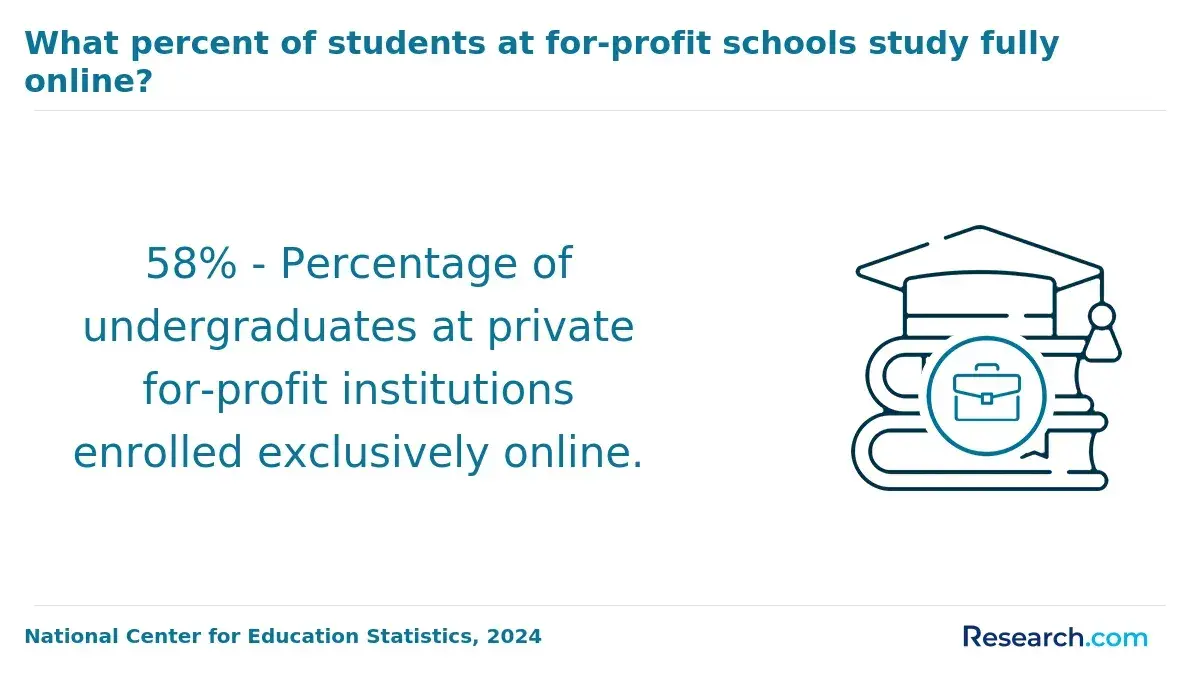
On-campus regulatory science & affairs programs tend to provide more robust, hands-on placement coordination through institutional networks and staffed offices. Online programs vary. Some mirror this level of support remotely, while others limit assistance to resource guidance, leaving much of the placement effort to students.
Marketing claims of "placement support" can be misleading without evidence of dedicated staff, formalized site agreements, or active oversight mechanisms. Prospective students benefit from asking about liability coverage, supervisor qualifications, and plans for ongoing placement monitoring with their program contacts.
One professional who completed a regulatory science & affairs degree described the placement process as "a mix of reassurance and challenge." He recalled, "The program's placement team provided a shortlist of approved sites, but I still had to navigate contacting them during a competitive COVID-19 period. The coordinator stepped in to negotiate timelines and paperwork when there were delays, which made a big difference.'
"Knowing there was insurance coverage and that my supervisor was credentialed added peace of mind. It wasn't hands-off support. I felt guided, but I also needed to be proactive." This balance reflected his overall view that the most valuable placement support blends institutional resources with clear communication and personalized assistance."
Placement support in online regulatory science & affairs programs faces unique challenges compared to on-campus formats, mainly due to students being spread across multiple states or countries.
On-campus programs often benefit from established local connections with healthcare providers, regulatory bodies, and pharmaceutical companies, facilitating practicum opportunities within easy distance.
To bridge this gap, online regulatory science & affairs programs commonly deploy several strategies:
- National Site Partnerships: Agreements that expand clinical and practicum options well beyond a single geographic region, creating a broader network for online learners.
- Regional Coordinators: Staff dedicated to helping students find placements close to their locations, utilizing local affiliates and networks specialized in regulatory practice.
- Reciprocal Placement Arrangements: Collaborations with multiple clinical affiliates that accept online students from outside their primary service areas, enhancing access to supervised experiences.
Despite these measures, out-of-state licensing requirements often complicate placement for online cohorts. Some regulatory science & affairs specializations mandate practicums at licensed or accredited institutions within particular states, limiting choices for remote students. Programs must provide clear guidance to navigate these constraints effectively.
Prospective students evaluating placement support in online regulatory science & affairs programs should inquire about:
- Site Availability: The geographic scope and number of active practicum partnerships maintained by the program.
- Placement Success Rates: The percentage of online students securing practicum spots within required timelines and how obstacles are addressed.
- Licensing Support: Whether the program assists with understanding and complying with state-specific clinical licensing regulations.
Asking these questions helps differentiate programs with robust, functional placement infrastructure from those relying on nominal or marketing-driven claims. Students needing flexibility might explore options at self paced online universities known for transparent placement support in regulatory science & affairs graduate training.
Regional and national accreditation bodies set essential standards for practicum and clinical placements in regulatory science & affairs programs to ensure educational quality and relevance. These include:
- Regional Accrediting Commissions: Examples like the Middle States Commission on Higher Education (MSCHE) and the Higher Learning Commission (HLC) provide broad institutional accreditation. They require programs to incorporate well-structured practicum or clinical components aligned with learning goals and appropriate supervision.
- National Specialized Accreditors: Discipline-specific accreditors, similar to the Accreditation Council for Pharmacy Education (ACPE), may impose additional standards. These agencies emphasize intensive experiential learning requirements that go beyond regional expectations.
Accreditation standards commonly demand a minimum number of supervised practical hours, qualified supervisors with proper licensure or professional expertise, and approved placement sites that guarantee safe and effective learning environments. Ongoing evaluation procedures, including formal assessments and feedback exchanges among students, clinical sites, and academic programs, are also critical elements.
Programs with current, active accreditation typically have more extensive placement support infrastructures. These include established partnerships with clinical affiliates, dedicated coordinators, and quality assurance measures that help safeguard students from unsuitable placements. Such infrastructure is crucial for meeting both academic and licensure prerequisites, directly influencing career readiness.
When considering enrollment, verifying that the program holds valid accreditation and confirming that their placement policies correspond with relevant licensing or certification standards is vital to prevent obstacles in credentialing or employment.
Reflecting on these standards, a professional who built her career post-graduation shared how navigating practicum placement was initially daunting balancing the search for sites that met rigorous program criteria while ensuring supervisors were qualified and engaged.
She appreciated programs that offered transparent guidance and robust support through coordinated placement services, which eased the uncertainty and boosted her confidence in fulfilling both academic and licensure obligations.
Graduate programs in regulatory science & affairs commonly set minimum undergraduate GPAs between 2.75 and 3.0 on a 4.0 scale, covering a broad spectrum of institution types such as major public universities, private nonprofits, and accredited online schools. Programs with more competitive admissions often require a higher minimum GPA-frequently 3.25 or above.
Higher GPA thresholds usually align with more rigorous clinical or practicum placements, illustrating how academic performance factors into readiness for practical, hands-on training essential for future licensure and professional success.
Applicants with GPAs below these cutoffs may sometimes qualify for conditional admission, provided they demonstrate strong experience or potential, though these pathways might come with limitations on placement support or extended completion timelines.
It is important for prospective students to distinguish the minimum GPA requirement from the average GPA of admitted cohorts. The minimum GPA represents a baseline for eligibility, while the average admitted GPA often exceeds this floor, showing the actual competitiveness of the applicant pool.
Candidates should inquire about both figures during admissions to understand realistic expectations and evaluate how each program's standards align with their own academic profile.
Since 2020, most regulatory science & affairs programs with placement support have moved away from requiring GRE or other standardized test scores, reflecting a wider trend in health and social sciences graduate admissions toward test-optional or test-free policies that promote equitable access.
However, GRE requirements persist mainly in research-intensive and highly competitive programs, especially those with rigorous clinical practicum placements or a strong emphasis on research credentials.
Programs that retain GRE or comparable tests argue that these scores provide a standardized measure of analytical skills and academic preparedness, qualities predictive of success in demanding practicum settings and regulatory roles. The presence or absence of test requirements can also signal a program's selectivity, cohort profile, and the level of institutional resources devoted to placement support.
Applicants facing optional GRE policies should consider how submitting scores might strengthen their applications, particularly if their results fall within or above a program's recommended range. Those with scores below typical thresholds might instead highlight professional experience or academic achievements.
Testing policies also often reflect how programs allocate resources for securing quality practicum or clinical sites, a crucial factor for licensing readiness and career outcomes.
Completion timelines for regulatory science & affairs programs with practicum or clinical requirements vary considerably by program format, enrollment status, and placement support structure. Full-time students typically finish in about 18 to 24 months, reflecting supervised practicum hours completed either sequentially or concurrently when supported by structured scheduling.
Part-time students often take 3 to 4 years, especially when practicum requires 500 or more clinical hours, a common expectation aligned with counseling, social work, or nursing thresholds. This variation in time to complete regulatory science & affairs clinical training underscores the importance of program design and scheduling flexibility.
Accelerated options, though less common, combine intensive coursework with early, well-managed practicum placements. Schools that actively coordinate placements, maintaining clinical site relationships and aligning practicum with academic calendars, can help reduce total program length to under 18 months.
Without institutional placement support, students must secure sites themselves, risking delays due to site availability, supervisor matching, or logistical challenges that can push graduation back by a semester or more.
Transparent disclosure about practicum hour requirements and placement support quality is key. Prospective students should inquire about whether clinical hours can be concurrent with coursework and what contingency plans exist for placement disruptions.
These factors are crucial for licensure readiness and long-term career outcomes. For those exploring specialized programs or online options, such as online ASN programs, understanding placement support can significantly affect completion timelines.
Tuition for regulatory science & affairs programs with strong practicum placement support varies widely based on institution, program format, and dedicated placement resources.
Programs investing in staffing for placement, site partnership management, and clinical coordination often include these costs in higher tuition or additional fees. These infrastructure expenses are necessary to maintain ongoing relationships with practicum sites and employers, helping students meet licensing and clinical training requirements efficiently.
- Tuition Ranges: Typically between $20,000 and $60,000 for a graduate degree or certificate, though prestigious or private institutions may charge more to support comprehensive placement services.
- Financial Aid Options: Common aid includes federal graduate loans, such as Direct Unsubsidized Loans and Grad PLUS Loans, that cover tuition and living expenses; graduate assistantships offering tuition remission for teaching or research roles; employer tuition assistance plans for working professionals; and discipline-specific scholarships from professional associations in regulatory science & affairs graduate programs with clinical training.
- Evaluating Net Cost: It is essential to look beyond sticker price tuition to assess net cost after aid. Requesting detailed fee and aid breakdowns clarifies actual out-of-pocket expenses, which better reflects affordability and return on investment.
- Return on Investment: Programs with more robust placement support often show higher graduate employment rates and quicker job placements. Based on institutional disclosures and alumni data, these programs may lead to faster licensing readiness and higher starting salaries, justifying a higher tuition investment.
- Comparative Analysis: Comparing total cost of attendance, including tuition, fees, and living expenses, while valuing placement support as a risk-reduction factor helps prospective students. Strong placement infrastructure reduces delays in clinical placements and smooths navigation of complex licensing requirements.
- Informed Questions: During admissions, prospective students should inquire about the scope of placement services, graduate employment success metrics, and how the program supports practicum sites to ensure timely completion and licensing readiness.
For those exploring options, it can be helpful to compare the regulatory science & affairs programs with others, such as a degree in healthcare management, to understand how placement support and tuition costs align across clinical training fields.
Students in regulatory science & affairs programs with structured placement support often gain access to a wide variety of practicum or clinical sites through established institutional partnerships. These networks include facilities tailored to align with students' specific specializations and professional goals, critical for acquiring practical skills alongside academic study.
- Healthcare Facilities: Hospitals, rehabilitation centers, community clinics, and private practices where students engage in regulatory compliance, clinical trial oversight, and patient safety management.
- Government and Public Agencies: Federal and state regulatory bodies offering exposure to policy enforcement and broader regulatory systems.
- Academic and Research Institutions: Universities and research organizations providing opportunities for regulatory review and protocols compliance monitoring.
- Corporate and Industry Settings: Placement in pharmaceutical companies, biotech firms, or corporate wellness programs giving insight into product regulation, quality assurance, and private sector regulatory affairs.
- Community-Based Organizations: Mental health agencies, schools, and nonprofits focusing on pediatric regulation, educational compliance, or mental health policy specialties.
The scope and variety of placement sites directly influence professional development. When students access settings aligned with their career focus or target populations, their practical skills and professional networks grow more relevant.
Programs demonstrating transparency through published partner lists, placement success metrics, or alumni career outcomes typically possess robust, well-developed placement infrastructures.
Placement network availability varies according to geographic location, program tenure, and institution size. Prospective students should inquire specifically about the site types offered in their field or region to verify placement depth and quality.
Asking detailed questions during admissions ensures practicum experiences adequately support licensing preparation and long-term career goals in regulatory science & affairs.
Qualified clinical supervision is fundamental to practicum and field placements in Regulatory Science & Affairs graduate programs. Programs that rigorously vet and support site supervisors offer students guided, credible experiences essential for developing competencies and fulfilling licensing criteria.
Conversely, programs that approve supervisors solely based on minimal credentials or their willingness to accept students risk compromising training quality and jeopardizing licensure eligibility.
- Supervisor Credentialing: Accreditation standards require clinical supervisors to possess relevant professional licenses, certifications, or advanced degrees in Regulatory Science & Affairs or related disciplines, ensuring supervisors are properly qualified.
- Pre-Approval Process: Strong programs perform detailed audits of supervisors and placement sites prior to approval, verifying qualifications, experience, and compliance with regulatory requirements to safeguard student outcomes.
- Ongoing Quality Monitoring: Continuous assessment of supervisors during clinical training, via student feedback, site visits, and performance evaluations, helps maintain high supervision standards and promptly resolves issues.
- Risk Mitigation: Inadequate supervision risks invalid practicum hours, which can delay or prevent licensure. Robust programs mitigate this by enforcing strict supervisor criteria and thorough documentation.
- Student Advocacy: Prospective students should inquire about supervisor credentials, the methods used to monitor supervision quality throughout placements, and available remedies if supervisors fail to meet expectations.
Such structured oversight not only enhances training integrity but also improves career readiness and licensing success for Regulatory Science & Affairs students.
What Graduates Say About the Regulatory Science & Affairs Programs With Placement Support for Practicum or Clinicals
- Stuart: "The placement support within the Regulatory Science & Affairs program was truly exceptional-I was matched with a practicum site that not only aligned with my career interests but also provided hands-on experience critical for licensing readiness. What stood out the most was how institutions with in-person formats offered more personalized guidance throughout the placement process compared to online options. Thanks to this support, I felt confident stepping into my role post-graduation and secured a position that directly benefited from my practicum experience."
- Ara: "Reflecting on my journey, I realize that the variety in placement support across different program formats significantly impacted my learning curve. Institutions with hybrid models tend to offer a blend of virtual resources and onsite clinical opportunities, which made the transition into professional settings smoother for me. Placement support is indispensable-it bridges the gap between academic theory and real-world application, which is crucial for anyone aiming for a successful career in Regulatory Science & Affairs."
- Elsa: "From a professional standpoint, the career outcomes linked to Regulatory Science & Affairs programs with robust placement support are striking. My practicum placement was facilitated through a network the institution had cultivated with industry leaders-this not only enhanced my practical skills but also expanded my professional connections. The emphasis on licensing readiness through these placements was a game changer, giving me the confidence and competence needed to advance swiftly in my career."
Other Things You Should Know About Regulatory Science & Affairs Degrees
Most regulatory science & affairs programs have formal contingency plans to address placement conflicts or site failures. When issues arise-such as a clinical site being unable to accommodate a student-program coordinators typically act quickly to find alternative placements. Reassignments are managed through established partnerships with multiple sites to ensure students complete required practicum hours without delays.
Prospective students should evaluate placement support by examining the program's network of clinical sites, the availability of dedicated placement coordinators, and the success rate of student placements. Asking about policies for handling placement challenges and the extent of guidance provided during practicum can reveal much about support quality. Alumni feedback also offers insights into how effectively the program facilitates clinical experiences that meet licensing requirements.
Most practicum sites require a current background check, proof of immunization or immunity, a tuberculosis screening, and an annual drug screen if the site requests it. Students usually must submit these documents before placement approval and may need to follow hospital or sponsor onboarding rules.
- Regulatory Affairs in Clinical Trials: CROs Important Role https://clinmax.com/regulatory-affairs-in-clinical-trials/
- Clinical Regulatory Specialist Career Pathway Steps and Skills https://ccrps.org/clinical-research-blog/clinical-regulatory-specialist-career-pathway-steps-and-skills
- How to Become a Regulatory Affairs Specialist - Education & Certification https://www.mhaonline.com/faq/how-do-i-become-a-regulatory-affairs-specialist
- Regulatory Affairs Recruitment | Meet Life Sciences https://www.meetlifesciences.com/regulatory-affairs-recruitment/
- Entry level regulatory affairs work experience and course https://www.entrytoregulatory.com/how-to-get-a-job-in-regulatory-affairs
- Regulatory Affairs Recruitment | EPM Scientific https://www.epmscientific.com/en-us/request-talent/regulatory-affairs-recruitment
- Regulatory affairs https://www.abpi.org.uk/careers/working-in-the-industry/research-and-development/regulatory-affairs/
- A Step-by-Step Guide to Get Regulatory Affairs Jobs https://vforceinfotech.com/blog/a-step-by-step-guide-to-get-regulatory-affairs-jobs/