2027 Cheapest Regulatory Science & Affairs Degree Programs for Working Adults

Co-Founder and Chief Data Scientist
How can a full-time employee manage work, family, and the pursuit of an affordable regulatory science & affairs degree without overwhelming stress? Many working adults face this challenge amid rising tuition costs and demanding schedules. Programs designed with asynchronous learning and generous transfer credit policies can ease this burden.
Accredited low-cost degrees also offer financial aid and fit diverse career goals in regulatory fields. Notably, the U.S. Bureau of Labor Statistics projects a 9% growth in regulatory affairs jobs through 2031, underscoring increasing demand. This article explores the cheapest regulatory science & affairs degree programs for working adults, highlighting key factors like affordability, flexibility, and long-term value.
Key Things to Know About the Cheapest Regulatory Science & Affairs Degree Programs for Working Adults
- Cheapest regulatory science & affairs programs often offer low per-credit tuition, fully online formats, flexible scheduling, and generous transfer credit policies to accommodate working adults' complex schedules.
- Low-cost programs balance accessibility and accreditation but may involve tradeoffs like fewer elective options, accelerated timelines, or varied employer recognition in competitive industries.
- Evaluate total costs, financial aid, state eligibility, accreditation, student support, and career services to ensure the program aligns with long-term professional goals and industry standards.
What Are the Cheapest Accredited Regulatory Science & Affairs Degree Programs Online?
Accredited online regulatory science & affairs degree programs offer working adults flexible and cost-effective ways to further their education without compromising their professional or personal commitments. These programs often feature varying tuition structures, transfer credit opportunities, and delivery methods that can significantly influence affordability.
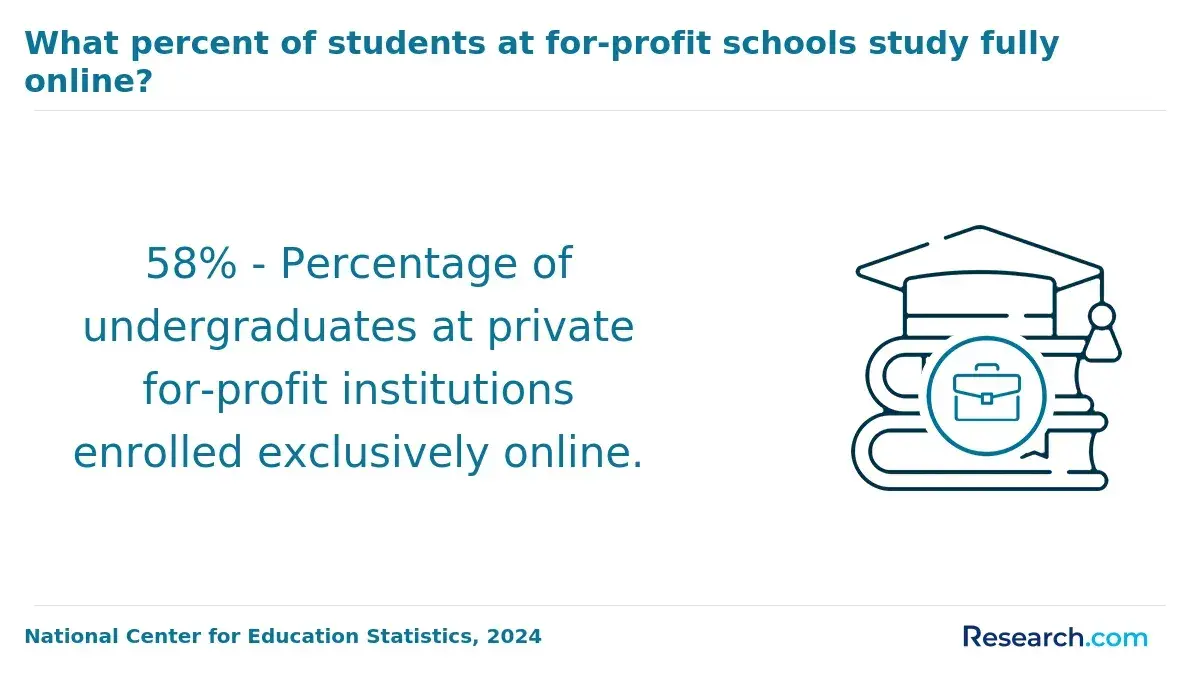
With nearly 41% of postsecondary students enrolled exclusively in distance education courses, many adult learners find these online options essential for balancing work and family responsibilities. When comparing the cheapest accredited regulatory science & affairs degree programs online, consider the following key factors:
- Accreditation Status: Ensuring a program is accredited by a recognized agency guarantees that the education meets quality standards valued by employers and other institutions. This accreditation also facilitates credit transfer and improves long-term career prospects.
- Tuition and Fee Structure: Some programs charge flat-rate tuition per term while others use per-credit pricing, affecting overall cost depending on workload. Look for programs offering discounted rates for online or part-time students to maximize affordability.
- Transfer Credit Acceptance: Adult learners often bring prior coursework or relevant professional certifications. Programs that accept transfer credits can shorten time to degree completion and lower total expenses.
- Scheduling Flexibility: Many self-paced bachelor's degree programs provide asynchronous formats, allowing students to access materials and complete assignments on their own schedule. This flexibility supports working adults juggling varying hours and family duties.
- Financial Aid and Support: Availability of scholarships, grants, employer tuition assistance, and federal aid can reduce out-of-pocket costs. Additionally, student support services and accelerated program options help learners stay on track without extending their studies unnecessarily.
How Much Does an Online Regulatory Science & Affairs Degree Cost for Working Adults?
The cost of an online Regulatory Science & Affairs degree for working adults varies significantly depending on tuition structure, residency status, transfer credit policies, and program format. Total expenses often include fees beyond tuition, such as technology and course materials. Financial considerations are critical, especially as about 42% of undergraduate students in online programs receive some form of financial aid to help ease college affordability challenges.
Several factors influence the average cost of online regulatory science & affairs degrees for working adults, including:
- Tuition Models: Many schools charge per credit hour, while others use flat semester rates. In-state or exclusively online learners often benefit from discounted pricing, which can impact affordability for nontraditional students balancing work and family.
- Transfer Credit Acceptance: Programs that allow transfer credits can shorten degree timelines and reduce overall tuition costs. This flexibility benefits adult learners with previous college or professional experience who want to maximize their prior learning.
- Financial Aid Opportunities: Scholarships, grants, employer tuition assistance, and federal aid programs significantly decrease out-of-pocket expenses. Exploring these options is essential for accessing affordable online regulatory science & affairs programs with flexible tuition plans.
- Additional Fees: Beyond tuition, costs like technology fees, administrative charges, and required materials vary by institution. These can impact the total expense, so understanding all fees upfront helps with budgeting.
- Accelerated Program Formats: Some online degrees offer accelerated tracks that compress coursework into shorter periods. These programs can lower the amount spent on tuition by enabling students to graduate faster while maintaining flexibility.
Working adults seeking affordable online degrees should also consider exploring related fields, such as a degree in healthcare administration, which often share similar cost structures and flexibility features.
Are Cheap Regulatory Science & Affairs Degree Programs Legitimate and Respected by Employers?
Affordability alone does not define the legitimacy or employer respect of a regulatory science & affairs degree program. Accreditation, institutional standing, curriculum rigor, and alignment with industry needs usually have a stronger impact on how employers view low-cost and online degrees. Notably, about 70% of employers now show favorable opinions toward online degrees earned from accredited institutions, reflecting a shift in acceptance among hiring managers.
Working adults often weigh these factors differently based on their career objectives, schedule flexibility, and credential requirements. Several key elements influence whether a cheaper regulatory science & affairs program is recognized and valued by employers:
- Institutional Accreditation: Accreditation from recognized bodies confirms that a program meets established academic standards, which is crucial for employer trust. Programs without proper accreditation may be viewed skeptically despite lower tuition.
- Program Quality: A current, industry-relevant curriculum coupled with qualified instructors ensures that students acquire practical knowledge. Faculty expertise signals educational rigor and commitment to workforce readiness.
- Employer Acceptance of Online Degrees: Increased familiarity with accredited online education has improved employer recognition of non-traditional formats, provided the program maintains academic integrity and relevance.
- Credit Transferability: Acceptance of transfer credits from accredited institutions or certifications aids working adults in efficiently progressing toward their degree without unnecessary repetition.
- Student Support Services: Access to career counseling, advising, and other supports can positively affect retention and successful completion, contributing to the perceived value of the program.
When asked about the soft skills honed during his studies, a regulatory science & affairs degree graduate reflected on the balance of technical and interpersonal abilities developed. He recalled navigating complex regulatory frameworks while also learning how to communicate effectively across diverse teams.
"Managing deadlines with a full-time job was stressful, but it taught me resilience and time management," he said. He emphasized that adaptability and problem-solving became as important as understanding policies, helping him build confidence to engage with stakeholders and contribute meaningfully in professional settings.
The best regulatory science & affairs degree programs for working adults combine affordability with flexibility, accreditation, and robust support services to meet the needs of nontraditional students. Online and hybrid learning options have broadened access, allowing adults to pursue degrees while balancing employment or family duties.
According to the National Center for Education Statistics, nearly 40% of postsecondary students attend part-time, underscoring the importance of programs tailored for adult learners. Key factors that define strong regulatory science & affairs degree programs for working adults include:
- Scheduling Flexibility: Programs offering asynchronous courses and varied start dates enable students to study at their own pace without conflicting with work commitments. This flexibility is vital for maintaining steady academic progress alongside personal responsibilities.
- Accreditation Standards: Attending an accredited institution ensures the program meets industry and educational benchmarks, which improves degree credibility and recognition by employers and academic entities.
- Transfer Credit Policies: Acceptance of prior college credits or professional experience can shorten the path to degree completion, making the program more accessible and affordable for adult learners with existing qualifications.
- Affordability and Financial Aid: Cost-effective tuition paired with financial aid opportunities helps reduce the economic barrier for working adults, enabling them to continue their education without significant financial strain.
- Student Support Services: Access to academic advising, technical support, and career counseling enhances the educational experience, assisting students in overcoming challenges and preparing for workforce demands.
For those searching within healthcare education fields, exploring nursing PhD programs offers a similar blend of flexibility and rigor found in quality regulatory science & affairs degree options, providing valuable pathways to advance careers. More details can be found at nursing PhD programs.
Flexible scheduling options enable working adults to pursue a regulatory science & affairs degree while managing job duties, family care, and personal time effectively. Online and hybrid learning formats have broadened access to customizable education pathways, with nearly 45% of graduate students engaging in some form of online coursework recently.
Scheduling flexibility varies depending on the institution, program design, or course delivery method. The following features often enhance flexibility in regulatory science & affairs degree programs:
- Asynchronous Coursework: Students can complete assignments and review lectures on their own timetable, allowing them to balance studies with irregular work hours or family needs without sacrificing learning quality.
- Evening and Weekend Classes: Offering live sessions outside regular business hours lets students remain professionally active while participating in interactive, real-time instruction.
- Part-Time Enrollment: Many programs allow students to take fewer courses per term, providing the chance to extend degree completion time and better accommodate professional and personal demands.
- Multiple Start Dates: Having several enrollment opportunities throughout the year helps students commence their studies when it suits their schedules best, avoiding long delays between terms.
- Transfer Credit Acceptance: Recognizing prior academic credits reduces the total time and cost required to finish the degree, easing financial and scheduling pressures.
A professional with a regulatory science & affairs degree shared how choosing a program with asynchronous learning and multiple start dates was crucial during a period of job transition and family care. She explained, "The ability to log in to lectures after work and complete assignments early in the mornings gave me control over my day."
Despite initial worries about staying motivated without a fixed schedule, she found that self-paced options helped maintain steady progress while handling unexpected work demands. This flexible structure was instrumental in allowing her to earn the degree without sacrificing career growth or personal responsibilities.
Many accredited Regulatory Science & Affairs degree programs cater specifically to working adults by offering accelerated pathways and flexible formats to balance education with other responsibilities. These options combine quick course rotations, online access, and credit transfers to lower costs and shorten time to graduation. Notably, enrollment in accelerated online programs for adult learners has increased by more than 35% in recent years.
Key features that help nontraditional students progress efficiently include:
- Accelerated Coursework: Intensive sessions lasting five to eight weeks replace traditional semesters, enabling students to complete more courses annually and reduce overall program length while retaining academic rigor.
- Transfer Credit Acceptance: Many programs credit previous college courses, professional certifications, or military training, minimizing redundant coursework and decreasing time and tuition required for graduation.
- Asynchronous Learning: Flexible online classes allow students to access lectures and assignments anytime, accommodating irregular work schedules and personal commitments without the need for commuting.
- Competency-Based Progression: By advancing based on demonstrated skills rather than fixed classroom hours, students with prior knowledge or relevant experience can complete degree requirements faster and according to their own pace.
- Multiple Start Dates and Enrollment Options: Programs often offer several start times each year and allow part-time or full-time enrollment, empowering students to tailor their study load around evolving work and life demands.
Transfer credit policies play a vital role in helping working adults reduce both the cost and time required to complete a regulatory science & affairs degree. By applying previously earned college coursework, military training, professional certifications, or other prior learning experiences toward degree requirements, students can accelerate progress and save on tuition.
Transfer flexibility varies by institution, accreditation standards, and program structure, with nearly 38% of undergraduates nationwide participating in some form of credit transfer. Several factors influence how many transfer credits are accepted for regulatory science & affairs programs for working adults:
- Accreditation Compatibility: Credits earned at regionally accredited institutions are generally more transferable. Ensuring both the original and receiving schools hold recognized accreditation supports smoother credit acceptance and reduces delays.
- Transfer Equivalency Evaluations: Schools often review course content and learning outcomes in detail to determine credit equivalency. Clear and transparent evaluation processes enable students to better plan their academic path and avoid unexpected credit denials.
- Prior Learning Assessments (PLAs): Some programs award credit based on relevant work experience, military training, or professional certifications without requiring additional coursework. PLAs enhance affordability and speed degree completion for adult learners balancing work and study.
- Articulation Agreements: Formal partnerships between community colleges and four-year institutions provide defined pathways for credit transfer. These agreements ease transitions and offer predictability for students seeking to advance their regulatory science & affairs education.
- Residency Requirements: Many institutions mandate a minimum number of credits completed within their own program. Lower residency rules increase flexibility by maximizing the applicability of transferred credits and helping working adults maintain steady progress.
Financial aid opportunities can substantially reduce the cost of earning a Regulatory Science & Affairs degree for working adults, easing the burden of tuition and associated expenses. Affordability is a key concern for many adult learners returning to college, with nearly 60% utilizing employer-sponsored tuition assistance to help manage costs. Availability and eligibility for aid vary by school, enrollment status, and institutional accreditation.
Several common financial aid options help working adults minimize out-of-pocket expenses and improve scheduling flexibility, including:
- Federal Grants and Loans: Programs like the Pell Grant provide need-based funding to reduce tuition costs, while federal student loans offer flexible repayment options tailored to part-time or nontraditional students.
- Employer Tuition Assistance: Many employers support continuing education by reimbursing a portion of tuition fees. This aid encourages degree completion by helping students balance their work and academic commitments.
- Scholarships for Adult Learners: Targeted scholarships from professional associations, academic institutions, and private groups reward merit, career focus, or demographic factors, offering one-time or renewable financial relief without increasing debt.
- Military and Veteran Benefits: Education benefits like the GI Bill can cover tuition, fees, and even living expenses for service members and veterans enrolled in regulatory science & affairs programs, enhancing affordability.
- Institutional Payment Plans and Prior Learning Assessments: Payment plans allow tuition to be paid over time, easing cash flow. Prior learning assessments may grant academic credit for work experience, shortening degree duration and lowering total costs.
Working adults exploring health information management degree options will find similar financial aid structures applicable to regulatory science & affairs students, highlighting the value of thorough research when seeking affordable, accredited programs.
A degree in Regulatory Science & Affairs prepares working adults for diverse career opportunities ranging from entry-level to specialized roles, depending on their education, professional experience, certifications, and goals. Flexible and affordable degree pathways offer valuable support for adult learners seeking career advancement or transitions, with employment in compliance, inspection, and regulatory affairs-related occupations projected to grow by about 6% over the next decade.
Common jobs for regulatory science & affairs degree graduates include roles such as:
- Support and Administrative Roles: These positions focus on assisting with documentation, regulatory submissions, and compliance tracking. They serve as important entry points for those building experience in regulatory environments.
- Technical and Specialized Occupations: Jobs in this category involve coordinating clinical trials, managing quality assurance, and overseeing product safety and labeling. Professionals with experience and certifications benefit greatly from flexible degree programs that boost their technical expertise.
- Management Pathways: These roles include leading regulatory teams or departments and require a strong understanding of regulatory frameworks, along with project management and communication skills emphasized in affordable degree programs.
- Industry-Specific Careers: Graduates may work as regulatory consultants or compliance officers in sectors such as pharmaceuticals, biotechnology, food and drug administration, or environmental health. These roles often provide opportunities for professional development and career mobility.
For working adults seeking affordable, accredited programs that accommodate busy schedules and credit transfer, considering options like the fastest online MHA can also provide flexible pathways to expand qualifications and support career objectives in related healthcare and regulatory fields.
Working adults typically weigh multiple factors such as affordability, flexibility, accreditation, and career relevance when selecting a regulatory science & affairs degree program, all while managing work and personal obligations. Online and hybrid learning options have broadened access, with nearly 40% of adult students now enrolling in fully online courses, supporting their degree completion and career advancement goals.
Considering these priorities can help nontraditional learners find programs fitting their unique circumstances. Key considerations include:
- Accreditation Status: Choosing a program with regional or programmatic accreditation ensures education meets quality standards and is recognized by employers and credentialing bodies. This validation is crucial for long-term career growth and professional credibility.
- Scheduling Flexibility: Programs offering asynchronous classes allow students to study without fixed schedules, accommodating work and family commitments. This flexibility can facilitate balancing responsibilities and potentially shorten the time to graduation.
- Transfer Credit Policies: Accepting previously earned college credits or professional certifications prevents redundant coursework and supports faster degree completion, which can reduce overall costs and time investment.
- Affordability and Financial Aid: Transparent tuition rates paired with accessible financial aid and scholarships designed for adult learners help minimize debt burden, making degree attainment more feasible.
- Student Support Services: Robust support such as academic advising, technical assistance, and career counseling enhances the online learning experience, increasing retention and post-graduation success.
What Do Students Say About Affordable Regulatory Science & Affairs Degree Programs?
- Axton: "As a working adult balancing a full-time job and family, I learned that finding an affordable regulatory science & affairs degree isn't just about the price-it's about accreditation and employer recognition. I recommend thoroughly checking whether programs accept transfer credits and offer flexible evening or weekend classes that won't disrupt your work schedule. Choosing a program that aligned with my long-term career goals made all the difference in staying motivated and advancing in my field."
- Jaime: "Reflecting on my journey as a nontraditional student, flexibility was my top priority when selecting a regulatory science & affairs degree program. Online courses with asynchronous options allowed me to study after work without added stress. I also emphasized verifying program legitimacy through proper accreditation because I wanted to ensure my degree would be respected by future employers and truly open doors for me."
- Roman: "In my professional opinion, it's crucial for working adults to scrutinize the quality of cheaper regulatory science & affairs programs. Many affordable options exist, but not all carry the same weight in the job market. I sought programs that were not only cost-effective but also accredited and known for strong industry connections. Additionally, confirming credit transfer policies helped me maximize the time and money I had already invested in my education."
Other Things You Should Know About Regulatory Science & Affairs Degrees
Yes, part-time students in regulatory science & affairs programs often have access to the same resources as full-time students. This can include library services, online databases, career counseling, and academic support tailored to meet the needs of working professionals pursuing their degrees.
Program accreditation is critical because it ensures that the curriculum meets industry standards and that credits earned will be recognized by employers and other institutions. Accredited programs, including those that are affordable, typically offer a quality education that prepares students effectively for careers in regulatory science & affairs. Working adults should prioritize accredited programs to safeguard their investment in education and future job prospects.
While many affordable programs for working adults are fully online, some may require occasional in-person residencies or lab sessions. These requirements vary by school and often depend on the level of hands-on training necessary for regulatory topics such as clinical trials or regulatory compliance. Prospective students should review program details carefully to ensure any in-person requirements fit their work and personal schedules.
Yes. Many employers reimburse tuition after grade submission, usually up to $5,250 per year in the United States before taxes apply to excess amounts. Some schools also require the program to be regionally accredited and the student to remain employed during enrollment.
- DGRA e.V. https://www.dgra.de/en/degree-programme/offered-courses/master-degree-programme
- Upcoming events https://www.topra.org/TOPRA_Member/Professional_Development/Regulatory_Careers_Live_/TOPRA/TOPRA_Member/Careers/jobs_careers.aspx
- STEM Professions: Jobs in STEM Regulatory Affairs | Science, Engineering & Life Science Recruitment, Jobs & Staffing | SRG https://www.srgtalent.com/blog/stem-professions-jobs-in-stem-regulatory-affairs
- Regulatory Affairs – Sciences https://www.algonquincollege.com/online/program-info/regulatory-affairs-sciences/
- Drug Safety - Choosing Right Degree for a Career in Drug Safety https://medipharmsolutions.com/blog/choosing-the-right-degree-for-a-career-in-drug-safety/
- Regulatory Science/Affairs https://www.fastweb.com/directory/scholarships-for-regulatory-science-affairs-majors
- Quality & Regulatory Jobs | Thermo Fisher Scientific https://jobs.thermofisher.com/global/en/quality-regulatory