2027 Regulatory Science & Affairs Internship Requirements: Hours, Placements, and Supervision

Co-Founder and Chief Data Scientist
What do internship requirements in regulatory science & affairs typically involve? For many students, understanding the necessary hours, how placements are secured, and the nature of supervision can be confusing. National surveys indicate that over 75% of regulatory science & affairs graduates attribute their early career success to structured internship experiences. These internships often take place within pharmaceutical companies, regulatory agencies, or contract research organizations, with close mentorship from seasoned professionals.
Clarifying these components helps students plan effectively and meet academic and industry expectations. This article explores internship hours, placement procedures, and supervision standards within regulatory science & affairs degree programs to guide aspiring professionals.
Key Things to Know About Regulatory Science & Affairs Internship Requirements
- Internship hours typically range from 120 to 200, requiring careful scheduling to balance academic coursework and site availability.
- Site placements depend on partner organizations' capacity, with limited availability impacting students' geographic flexibility and timing.
- Supervision standards mandate qualified mentors, while evaluations focus on practical skills and regulatory knowledge gained throughout the internship.
Do All Regulatory Science & Affairs Degrees Require an Internship?
Internships provide valuable hands-on experience for students in regulatory science & affairs programs, helping to bridge the gap between academic concepts and real-world application. A recent survey by the Regulatory Affairs Professionals Society found that about 68% of accredited programs require internships or equivalent experiential learning components.
The requirement for an internship varies widely across programs based on several important factors.
- Program Type: Degree levels and specific institutional policies influence internship mandates. Graduate programs, especially at the master's level, often encourage or require internships to enhance practical skills, while some undergraduate tracks might offer optional experiential components instead.
- Accreditation Expectations: Accreditation bodies emphasize experiential learning differently. Programs aligned with standards that prioritize competency-based education are more likely to mandate internships to fulfill regulatory science & affairs internship completion requirements.
- Specialization Focus: Tracks within regulatory science & affairs, such as pharmaceuticals, medical devices, or biologics, tend to have stricter internship prerequisites due to their technical complexity. Other interdisciplinary programs may provide alternatives like simulations or case studies in place of traditional internships.
- Alternative Experiential Options: Some programs allow substituting internships with capstone projects, research assignments, or professional certifications that demonstrate mastery of practical skills without requiring physical placement.
- Work Experience Waivers: A number of graduate programs provide flexibility by permitting prior relevant work experience or professional certifications to waive the internship requirement, recognizing diverse student backgrounds.
Prospective students interested in regulatory science & affairs fields seeking practical experience should explore specific program criteria carefully to understand the expectations around internship completion. For those looking for flexible learning pathways, programs like PharmD online programs may offer specialized options aligned with career goals.
What Requirements Must Be Met Before Starting a Regulatory Science & Affairs Internship?
Internship programs in Regulatory Science & Affairs establish prerequisites to ensure students are adequately prepared to handle complex regulatory frameworks and scientific concepts. Research shows that nearly 78% of internship opportunities in healthcare and life sciences require students to complete foundational coursework beforehand.
Below are several common eligibility criteria students must meet before beginning an internship.
- Minimum GPA: Many programs require a minimum grade point average of 3.0 or higher on a 4.0 scale to demonstrate academic aptitude and the ability to manage rigorous regulatory content.
- Completed Coursework: Interns typically must have finished specific classes such as regulatory affairs fundamentals, quality assurance, clinical trial regulations, or health policy to ensure they possess essential knowledge for contributing effectively.
- Advisor Approval: Formal approval from an academic advisor or internship coordinator is often necessary to confirm that students fulfill institutional prerequisites and that the internship aligns with their educational objectives.
- Background Checks: When internships involve sensitive information or compliance with federal guidelines, background screening requirements help protect both the student and hosting organizations from potential risks.
Adhering to these requirements helps students become academically prepared and positioned to derive meaningful experience during their Regulatory Science & Affairs internship placements.
How Many Internship Hours Are Required for Regulatory Science & Affairs Degrees?
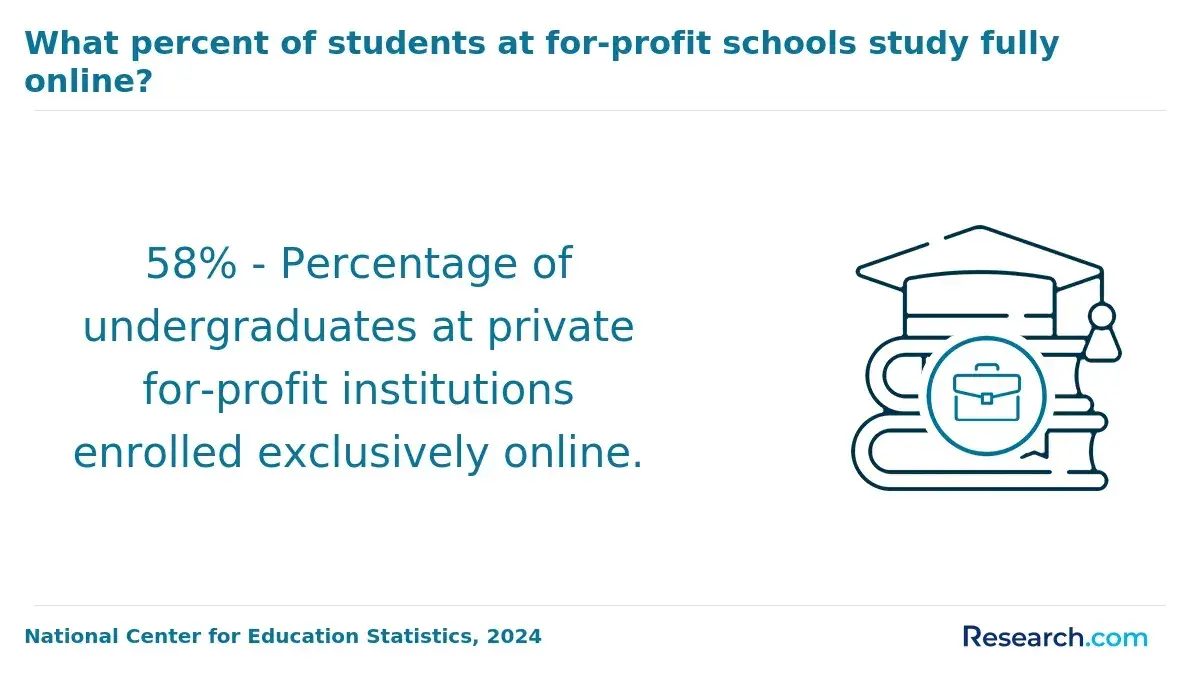
Internship hours serve as a vital bridge between academic knowledge and practical application in regulatory science & affairs programs. Typically, students complete between 120 and 240 internship hours, often translating into 3 to 6 academic credits based on institutional policies.
Several key factors influence the exact hour requirements across different degree programs.
- Academic Credit Equivalency: Many programs assign one credit for about 40 internship hours. Variations exist, however, with some institutions demanding more credits, which increases the total required hours accordingly.
- Program Level: Bachelor's, master's, and certificate programs set different hour expectations depending on their depth and duration, with advanced degrees generally requiring more practical experience.
- Accreditation Standards: Accrediting organizations often mandate minimum practicum hours to ensure students achieve adequate professional exposure, influencing program requirements to meet these benchmarks.
- Enrollment Status: Full-time students may complete internship hours within a condensed timeframe, while part-time learners often spread their internship commitments over longer periods to accommodate class schedules.
Reflecting on how many internship hours are required, a graduate of a regulatory science & affairs program shared that completing the hours involved balancing a demanding work schedule alongside coursework. He recalled, "It wasn't just about clocking the hours but finding meaningful tasks that aligned with my studies."
Navigating different supervisors' expectations added complexity, making it essential to remain adaptable and proactive. "The hours felt intense at times, especially when deadlines coincided, but the experience was crucial for building confidence and understanding real-world regulatory challenges," he added.
Internship placements in regulatory science & affairs are vital for bridging academic knowledge with practical experience across diverse sectors. Nearly 40% of students land internships in private companies, underscoring the strength of corporate environments as training hubs. This mix of settings enriches professional skills and ensures exposure to various regulatory frameworks.
Below are common organizations offering regulatory science & affairs internships.
- Corporate Firms: Interns often join pharmaceutical, biotechnology, or medical device companies where they engage in product development, regulatory filings, and quality assurance activities vital to bringing safe products to market.
- Government Agencies: Opportunities at federal and state levels, including agencies like the FDA and EPA, provide experience with regulatory policy formulation, enforcement, and protecting public health.
- Nonprofit Organizations: These internships involve roles such as advocacy, education, and monitoring safety standards, which contribute to broader public health and regulatory awareness.
- Research Institutions: Academic and independent research settings allow interns to participate in scientific investigations that guide regulatory decisions and support evidence-based policy.
This selection of regulatory science & affairs internship placement options in the United States allows students to develop well-rounded expertise tailored to their career plans. For those seeking affordable education pathways, exploring cheap RN to BSN programs can provide supportive academic foundations alongside internship pursuits.
Placement procedures in regulatory science & affairs programs are carefully designed to align students' interests with industry opportunities while ensuring educational goals are met. According to a recent report by the National Association of Colleges and Employers, nearly 60% of students in STEM-related fields receive internships through coordinated faculty or program efforts.
Below are common methods used to assign internships in these programs.
- Faculty-Guided Matching: Academic advisors and internship coordinators collaborate to pair students with appropriate placements based on their skills and career goals. This approach leverages advisors' knowledge of employer needs and student strengths for a tailored fit.
- Student-Driven Applications: Students research and apply independently to internships, often submitting their preferences and qualifications to internship coordinators for approval. This method encourages personal initiative and networking.
- Partnership-Based Assignments: Programs maintain formal relationships with pharmaceutical companies, regulatory agencies, and consulting firms that offer recurring internship slots. Placements are negotiated directly between program representatives and industry partners to streamline the process.
- Centralized Placement Systems: Some institutions use online platforms to manage listings and match students with available roles, facilitating transparency and efficient communication between all parties.
When asked about her experience, a regulatory science & affairs degree student described the process as "both systematic and flexible." She shared how initial uncertainty about available roles gave way to confidence as her advisor provided targeted suggestions, while also encouraging her to apply to internships she found independently.
"It felt reassuring that the program offered support without limiting my choices," she noted. The student emphasized how balancing guidance with self-driven efforts helped her secure an internship that truly matched her interests, highlighting the importance of proactive engagement throughout the placement journey.
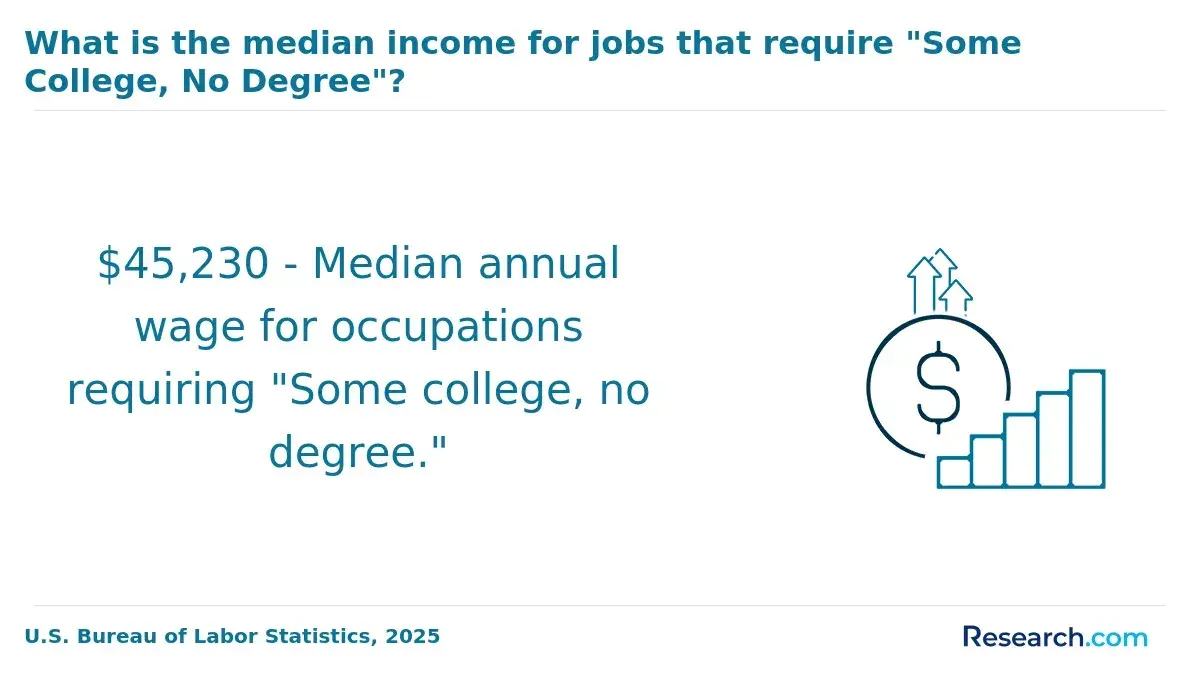
Remote and virtual internships are increasingly common across many fields, reflecting a broader shift toward flexible work arrangements and digital communication. A recent survey revealed that nearly 70% of internships offered a remote or hybrid option, highlighting this trend's rapid growth.
This evolution is particularly relevant in regulatory science & affairs, where many tasks such as research and documentation are well-suited for online formats. These changes have expanded how students engage with internships in the field.
Virtual internships often provide flexible scheduling, enabling students to manage academic and professional commitments without geographic limits. Digital tools like video calls, shared documents, and project management platforms facilitate effective collaboration despite physical distance.
Access to a wider range of employers, including government agencies and pharmaceutical firms, is another advantage, although not all regulatory science & affairs programs offer remote placements. The availability of such opportunities depends largely on individual program designs and the resources of participating organizations.
Balancing work and academics is a common reality for many students pursuing regulatory science & affairs degrees. In fact, nearly 60% of college students hold part-time jobs, making flexible internship options essential for gaining hands-on experience without sacrificing employment or coursework. The following aspects highlight how part-time internships accommodate working students in regulatory science & affairs programs.
- Scheduling Flexibility: These internships often allow work outside typical business hours, including evenings and weekends, enabling students to fit practical experience around their job and class schedules.
- Employer Accommodations: Regulatory affairs departments frequently adapt internship duties or timelines to align with students' employment commitments, recognizing their need for balance.
- Academic Workload Balance: Part-time internships usually require fewer hours weekly, so students can maintain their academic performance while gaining relevant industry exposure.
- Program-Specific Restrictions: Some regulatory science & affairs programs require a minimum total number of internship hours but permit those hours to be completed part-time over an extended period.
These flexible structures help students gain valuable regulatory science & affairs experience while managing their financial and educational responsibilities effectively.
Effective supervision is critical during regulatory science & affairs internships, as it supports both educational development and professional accountability. A recent survey by the National Association of Regulatory Professionals found that 85% of interns with consistent mentorship reported higher confidence in their professional skills.
The supervision process typically involves several coordinated elements that ensure interns gain practical experience while meeting academic and industry expectations.
- Faculty Oversight: Academic advisors oversee overall progress to ensure the internship aligns with degree program goals and industry standards. They provide guidance that connects theoretical knowledge with workplace application, maintaining educational quality throughout the internship.
- Workplace Mentors: Interns are assigned mentors with direct expertise in regulatory science & affairs who supervise daily activities. These mentors offer technical guidance on regulatory policies, submission processes, and compliance requirements, facilitating hands-on learning in a professional setting.
- Performance Feedback: Regular meetings between mentors and interns foster continuous improvement. Feedback sessions review completed work, discuss challenges, and set goals, helping interns develop critical competencies and ethical understanding.
- Progress Monitoring: Supervisors track completion of internship tasks and look for opportunities to enhance skills through practical activities like reviewing regulatory documentation or observing meetings with regulatory bodies. This ensures steady growth and adherence to industry best practices.
Students seeking internships in the United States can enhance their preparation by exploring resources from best online self-paced colleges. Understanding supervision requirements for regulatory science & affairs internships in the United States is essential for successfully navigating this learning experience and developing professional expertise.
Evaluating regulatory science & affairs internships is essential to ensure students gain meaningful experience aligned with academic and professional standards. Research shows that 78% of students who received comprehensive feedback during internships reported enhanced preparedness for regulatory science & affairs roles.
Effective evaluations measure both technical skills and professional competencies, helping maintain program quality and student growth. Common evaluation methods include:
- Supervisor Reviews: On-site mentors or preceptors provide detailed feedback on interns' work quality, application of regulatory concepts, and professional behavior. These reviews often follow standardized benchmarks tailored to regulatory science & affairs competencies.
- Reflective Assignments: Students complete essays or journals reflecting on their experiences, challenges, and lessons learned, which encourages critical thinking and deepens connections between theory and practice within regulatory science & affairs internships in the United States.
- Performance Benchmarks: Structured criteria serve as guidelines to consistently assess intern contributions, ensuring that evaluation standards align with key assessment criteria for regulatory science & affairs internship performance.
- Faculty Assessments: Academic advisors or internship coordinators review submitted work and communicate with supervisors to grade final deliverables. This maintains oversight for educational goals and grading fairness throughout the internship.
- Project Deliverables: Evaluation of presentations or reports completed during the internship provides tangible evidence of applied learning and professional development in regulatory science & affairs.
These multifaceted approaches ensure internships are structured learning opportunities bridging academic knowledge with industry demands. Students interested in advancing their career through internships may also explore options such as online associate nursing programs, which emphasize practical training and supervised experiences similar in structure to regulatory science & affairs internships.
Internships in Regulatory Science & Affairs can be crucial for gaining real-world experience but often come with demanding challenges. A recent survey found that 62% of interns reported moderate to high stress due to workload and expectations. Below are some common challenges students face while completing their internship requirements.
- Balancing Schedules: Managing internship hours alongside coursework and personal obligations often leaves students stretched thin. Meeting deadlines for both academic and professional responsibilities requires strong organization and prioritization skills.
- Adapting to Workplace Expectations: Interns must quickly learn to maintain accuracy and comply with strict regulatory standards. This adjustment to professional environments can be stressful as precision is essential in regulatory tasks.
- Transportation and Financial Constraints: Many internships are unpaid, creating financial pressure, especially when reliable transportation is needed. These factors can limit opportunities and add stress during the internship period.
- Managing Professional Responsibilities: For many students, internships present the first exposure to workplace communication demands and time management challenges. Developing these professional skills is vital but often difficult under pressure.
- Overcoming Internship Obstacles in Regulatory Science & Affairs Programs: Students must navigate typical difficulties while building their expertise and networks, which are critical for career progression in this field.
This blend of challenges highlights why internships represent both a valuable learning phase and a test of resilience for regulatory science & affairs students. For those seeking detailed information on related income prospects, consider exploring the psychiatric mental health nurse practitioner salary as a comparative example within healthcare careers.
What Graduates Say About Regulatory Science & Affairs Internship Requirements
- Axton: "Completing my regulatory science & affairs internship was a game-changer. The structured 600+ internship hours allowed me to work in diverse placements, from pharmaceutical companies to regulatory agencies, which gave me invaluable hands-on experience. The supervised nature of the internship ensured I continuously learned from seasoned professionals, greatly boosting my confidence as I transitioned into the professional world."
- Jaime: "Reflecting on my time in the regulatory science & affairs program, the internship stands out as the most pivotal experience. I appreciated how closely supervised the internship was, offering specific feedback that helped refine my analytical and compliance skills. This experience truly deepened my understanding of industry regulations and has been critical in shaping my career path in regulatory affairs."
- Roman: "My internship in regulatory science & affairs was intense but incredibly rewarding. It involved extensive hours in varied placements, which exposed me to the complexities of regulatory submissions and quality assurance processes. The structured supervision provided not only ensured my practical learning but also accelerated my professional growth, making me well-prepared for challenges in this fast-evolving field."
Other Things You Should Know About Regulatory Science & Affairs Degrees
In 2027, regulatory science & affairs interns need to maintain detailed records of their project work, meeting notes, and compliance reports. They must also document any regulatory processes they participate in, ensuring accurate and comprehensive tracking for evaluation and feedback purposes.
Yes, prior industry experience can affect how internships are assigned or structured. Students with relevant work history might receive placements tailored to build on their existing skills or target more advanced regulatory topics. However, programs generally ensure that placements still meet educational objectives and provide comprehensive exposure to regulatory processes.
Most programs require at least 120 supervised hours for a standard internship, with some placements set at 150 or 180 hours. Hours are usually completed over one academic term, and the site supervisor must verify attendance, duties, and progress in writing.
Mentors in regulatory science & affairs internships often serve not only as supervisors but also as career advisors and professional role models. They provide guidance on navigating the regulatory environment, offer feedback on performance, and help interns develop skills such as critical thinking and communication. This mentorship supports the intern's transition from an academic to a professional setting.
- How to Start a Career in Regulatory Affairs https://www.finenessinstitute.com/how-to-start-a-career-in-regulatory-affairs/
- Internship Guide: Compliance & Regulatory Affairs - How to Land Your First Compliance & Regulatory Affairs Internship https://www.sira.now/internship-guide/compliance
- Regulatory Affairs Intern at AstraZeneca in Warsaw | YGI https://youllgetit.eu/internships/9ec51b16-a813-5ed1-b3ca-f8459d6ae49d/regulatory-affairs-intern-at-astrazeneca-warsaw
- Telecommuting Regulatory Affairs Jobs https://www.virtualvocations.com/q-telecommuting-regulatory-affairs-jobs.html
- Praca: Staż w dziale Regulatory Affairs/Intern in Regulatory Affairs | Randstad https://www.randstad.pl/znajdz-prace/staz-w-dziale-regulatory-affairsintern-in-regulatory-affairs_poznan_103512/
- Virtual Operator https://www.virtualoperator.pl/
- Regulatory affairs as a career https://www.regulatoryrapporteur.org/regulatory-careers-live/regulatory-affairs-as-a-career/933.article