2027 Best Online Regulatory Science & Affairs Degrees for Jobs

Co-Founder and Chief Data Scientist
Choosing the best online regulatory science & affairs degree can be daunting, especially when accreditation, curriculum rigor, cost, and career outcomes vary widely. Prospective students must navigate programs requiring practical experience while ensuring strong student support.
About 65% of graduates from top-tier online programs report higher earnings within two years, highlighting the importance of selecting a high-quality degree.
This article examines these critical factors with data-backed insights, helping readers, whether recent graduates, career changers, veterans, or professionals, identify programs that maximize return on investment and career growth opportunities.
Key Things to Know About the Best Online Regulatory Science & Affairs Degrees for Jobs
- Accreditation standards ensure programs meet industry benchmarks—degrees from recognized institutions increase eligibility for certifications and enhance employer trust, directly impacting employability.
- Curriculum rigor in top programs integrates regulatory frameworks with scientific principles—graduates gain critical analytical skills aligned with current FDA and EMA requirements.
- Cost and return on investment matter—average Regulatory Science & Affairs graduates report 20% higher job placement rates and median salaries exceeding $75,000 within two years post-graduation, balancing affordability with career gains.
What Is a Regulatory Science & Affairs Degree, and What Can It Do for Your Career?
A regulatory science & affairs degree prepares students to manage the complex regulatory landscape that governs industries like pharmaceuticals, biotechnology, medical devices, and healthcare. The field integrates science, law, ethics, and business to ensure products comply with government safety standards before market release.
Key foundational domains include:
- Scientific Principles: Core understanding of biology, chemistry, and toxicology crucial for product safety and development.
- Regulatory Frameworks: Expertise in national and international agencies and laws like FDA, EMA, and ICH guidelines.
- Quality Assurance and Compliance: Maintaining standards and regulatory compliance throughout product lifecycles.
- Ethical and Legal Considerations: Focus on patient safety, data integrity, and intellectual property.
- Communication and Project Management: Coordinating interdisciplinary teams to navigate regulatory submissions and approvals.
Distinct from public health or biomedical science, regulatory science & affairs emphasizes applying scientific knowledge to satisfy regulatory requirements rather than focusing solely on research or clinical practice. Career opportunities with a regulatory science and affairs degree often require understanding these unique applied competencies.
Academic paths range from associate's to doctoral degrees, each aligning with different career goals:
- Associate's Degrees: Entry-level roles in regulatory support and documentation.
- Bachelor's Degrees: Prepare students for technical regulatory affairs and quality assurance positions.
- Master's Degrees: Designed for leadership, policy strategy, and advanced regulatory theory.
- Doctoral Degrees: Focus on research, policy development, and executive leadership roles.
This guide concentrates on the growing availability of online regulatory science & affairs degree benefits, catering to diverse learners such as recent graduates, professionals seeking career advancement, and military veterans.
It offers a detailed framework to evaluate programs based on accreditation, curriculum rigor, affordability, career outcomes, practical experience, and student support. Students interested in healthcare improvement pathways may also explore RN to BSN online programs as complementary options.
How Do Online Regulatory Science & Affairs Degree Programs Compare to Traditional Campus Programs?
Online regulatory science and affairs degree programs now closely mirror traditional campus offerings in curriculum depth and academic rigor, making them viable alternatives for many students.
Regional and specialized accreditation for top online programs matches that of their on-campus counterparts, ensuring comprehensive coursework in regulatory strategy, clinical research, and compliance.
This parity is critical for recent high school graduates and working adults comparing online regulatory science and affairs degree programs vs traditional campus programs.
- Faculty Qualifications: Both delivery modes attract instructors with strong academic and industry expertise. Online programs often feature faculty actively engaged in mentoring and current regulatory trends, consistent with campus standards.
- Student-Faculty Interaction: While online education limits face-to-face contact, synchronous video sessions, discussion boards, and virtual office hours foster meaningful engagement. Some students, however, prefer the immediacy of in-person interaction.
- Peer Collaboration: Cohort models and group projects in online programs simulate campus-based peer interaction, promoting networking and teamwork vital for regulatory roles.
- Clinical or Practicum Requirements: Practical experience remains indispensable. Leading online programs collaborate with local industry sites for internships and sometimes require short on-campus residencies or intensive modules to fulfill hands-on components.
- Employer Perception: Employment outcome data show accredited online degrees are increasingly recognized within the regulatory field. Employers prioritize competencies and certifications over program delivery mode.
- Accessibility: Online delivery offers structural advantages for working adults, caregivers, military veterans, and remote learners who lack campus access-balancing flexibility with educational quality. This makes online programs particularly relevant for a broad range of learners evaluating differences between online and campus regulatory science and affairs degrees.
- Limitations and Innovations: Challenges such as less spontaneous interaction and practicum coordination are addressed via advanced technologies, cohort scheduling, and hybrid residencies that enhance learning outcomes.
Program costs are another key dimension for prospective students. To assist with financial planning, many refer to resources such as the RN to BSN online programs cost comparison—a useful benchmark for evaluating the return on investment of online degrees in health-related fields, including regulatory science and affairs.
What Are the Accreditation Standards That Define a Reputable Online Regulatory Science & Affairs Degree?
Accreditation remains the most critical factor in judging the legitimacy of online regulatory science & affairs programs.
Regional accreditors—such as the Middle States Commission on Higher Education or the Higher Learning Commission—set rigorous standards covering faculty qualifications, curriculum quality, and student support. These accreditors are highly respected by employers and graduate schools nationwide.
Beyond regional accreditation, specific programmatic accreditors add value by focusing on the specialized content and skills needed in regulatory careers.
Examples include the Accreditation Council for Pharmacy Education (ACPE) and other organizations endorsing curriculum relevance for regulatory affairs professionals. National accreditors sometimes certify distance education providers, but their recognition varies widely and should be verified through official sources.
- Regional Accreditors: Comprehensive institutional evaluations trusted across multiple disciplines and sectors.
- National Accreditors: Varied recognition-check alignment with the U.S. Department of Education and the Council for Higher Education Accreditation (CHEA).
- Programmatic Accreditors: Agencies focused on specialized regulatory and pharmaceutical education standards.
Choosing an unaccredited or low-quality program carries substantial risks. Graduates may encounter difficulties securing required professional licenses or certifications, and credits may not transfer if changing schools later.
Employers frequently regard degrees from unaccredited programs with skepticism, which undermines career advancement opportunities.
To confirm accreditation, prospective students should consult the U.S. Department of Education's database and CHEA's directory. These reliable tools list recognized accrediting bodies and legitimate institutions-essential resources for avoiding fraudulent programs.
In weighing options, accreditation must be treated as a non-negotiable baseline-regardless of convenience or cost. It ensures academic integrity, professional acceptance, and a durable foundation for career success in regulatory science & affairs.
Reflecting on his journey, a professional who earned his degree in regulatory science & affairs recalled the anxiety caused by an initial lack of clarity around program legitimacy. "I spent weeks cross-referencing accreditation databases to ensure my school was recognized," he shared.
"Knowing my degree would count toward licensure and that employers respected the program gave me confidence through tough coursework and late nights. It wasn't just about earning credits—it was about investing in a credential that truly opened doors," he concluded.
Employer Confidence in Online vs. In-Person Degree Skills, Global 2024

Online Regulatory Science & Affairs degree programs are available at multiple academic levels, including bachelor’s, master’s, and doctoral degrees. Each level is designed to prepare students for different career paths, levels of expertise, and leadership roles within regulatory and compliance-related fields.
- Associate's Degree: Ideal for newcomers—often recent high school graduates or working adults seeking foundational insight. These two-year programs emphasize core regulatory principles, preparing graduates for entry-level technician roles or further education.
- Bachelor's Completion Programs: Designed for learners with some college experience or an associate's degree, these programs span roughly two to three years. They deepen regulatory expertise, positioning graduates for specialist roles in regulatory science & affairs online.
- Master's Degrees: Generally requiring a bachelor's in a science field plus sometimes relevant professional experience, these programs last one to two years. They focus on advanced compliance, policy, and leadership training, enhancing prospects for management or analyst positions with greater earning potential.
- Doctoral Programs: Targeted at professionals pursuing research, policy shaping, or academia, these programs demand a completed master's and significant work experience. Typically spanning three to five years, doctoral studies emphasize original research and strategic regulatory development.
- Post-Baccalaureate Certificates: Shorter in duration, these credentials offer timely upskilling or career shifts. Often stackable, they count toward higher degrees, enabling flexible advancement without long-term commitment initially.
IPEDS data shows bachelor's degrees have the greatest enrollment among programs, while certificates provide faster completion—ideal for working adults.
Master's and doctoral programs have lower completion rates due to their rigor. Students should weigh program length, intensity, and career goals carefully.
For those seeking accelerated paths, fast-track LPN programs online offer an example of targeted, efficient credentialing within healthcare-related fields.
The cost of an online regulatory science & affairs degree varies widely depending on the institution type and residency status. Public universities typically offer the most affordable tuition for in-state students-ranging from $5,000 to $15,000 annually-while out-of-state students often face fees between $15,000 and $30,000.
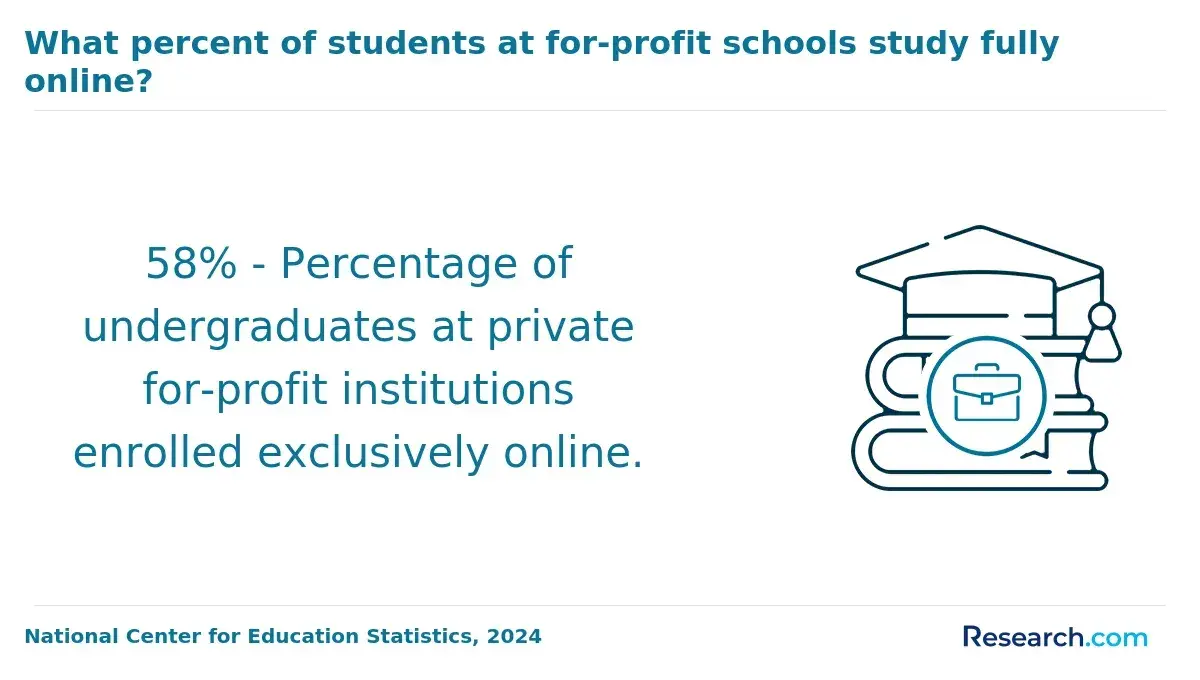
Private nonprofit schools generally charge between $20,000 and $50,000 per year. For-profit institutions may have similar or slightly higher tuition costs.
Beyond tuition, many programs include additional expenses such as technology fees and distance-learning support charges, which can add hundreds or even thousands to the total cost. Some curricula require short on-site residencies or clinical experiences, introducing travel and lodging costs that prospective students should consider.
Federal financial aid plays a crucial role in helping students manage these expenses. Key support options include:
- Pell Grants: Need-based funds that do not require repayment and can cover parts of tuition and fees.
- Federal Loans: Subsidized loans offer low interest rates with deferred payments during enrollment, while unsubsidized loans accrue interest immediately but provide higher borrowing limits.
- GI Bill Benefits: Available to eligible veterans and active-duty personnel, these benefits provide significant educational funding.
Scholarships are another vital funding resource. Multiple professional organizations, state workforce programs, and individual colleges award merit- or need-based scholarships tailored to students pursuing regulatory science & affairs degrees.
It's essential to calculate the full program cost-not just per-credit rates-to understand your investment accurately. Using tools like the College Scorecard's net price calculator helps estimate actual out-of-pocket expenses after aid, enabling better value comparisons among schools.
One professional who built a career after completing her regulatory science & affairs degree shared that financing was initially daunting. She recounted spending many hours researching aid options and carefully budgeting for unexpected fees like travel to required residencies.
"It felt overwhelming to juggle work, study, and the financial planning," she reflected, "but securing a combination of grants, loans, and scholarships made it manageable. Knowing exactly where every dollar went was empowering and helped me stay focused on my goals."
This experience highlights how thorough planning and awareness of all costs can make higher education more accessible and less stressful.
Associate degree programs in regulatory science & affairs generally take about two years full time, with some accelerated tracks allowing completion in 18 months. Part-time study may extend this to three years or more.
Bachelor's degrees typically span four years of full-time enrollment, though flexible online options and transfer credits can shorten the timeline to as little as three years.
Master's programs often range from one to two years full time, with part-time study and competency-based models possibly extending to three years or beyond. Doctoral studies vary widely, usually requiring three to six years depending on the program structure and dissertation demands.
- Transfer Credits and Prior Learning: Many programs accept transfer credits or offer prior learning assessments (PLA) to accelerate progress-particularly beneficial for working professionals who bring relevant experience.
- Full-Time vs. Part-Time Enrollment: Enrolling full time shortens completion times, while part-time options provide flexibility but often lengthen the overall duration considerably.
- Accelerated and Competency-Based Paths: Several online regulatory science & affairs programs feature accelerated formats, year-round enrollment, or competency-based progression, allowing motivated students to advance at their own speed.
- Program Length Limits and Financial Aid: Institutions often enforce minimum and maximum completion periods to maintain enrollment and financial aid eligibility. Exceeding maximum time frames can risk academic standing and loss of aid due to satisfactory academic progress (SAP) policies.
- Realistic Completion Expectations: Actual average completion times reported by accredited online programs usually exceed advertised durations, making it important for students to base plans on these real-world timelines.
Quality online Regulatory Science & Affairs programs align with established standards from professional organizations like the Regulatory Affairs Professionals Society (RAPS) and the Accreditation Council for Pharmacy Education (ACPE).
These programs blend theoretical understanding with hands-on competencies-skills employers require for success in this evolving field.
- Core Competencies: Rigorous curricula cover regulatory frameworks for drugs, medical devices, and biotechnology products, emphasizing global standards such as FDA, EMA, and ICH guidelines.
- Fundamental Coursework: Required courses include regulatory science principles, good clinical and manufacturing practices, quality assurance, risk management, and regulatory strategy development.
- Capstone and Integrative Learning: High-value programs demand a capstone project, thesis, or practicum that merges regulatory knowledge with real-world challenges-often involving partnerships with industry or regulatory agencies.
- Measurable Outcomes: Graduates demonstrate abilities in regulatory submissions preparation, protocol review, compliance auditing, and effective communication with multidisciplinary teams.
- Curriculum Currency: The strongest programs maintain relevance through regular curriculum reviews every 2-3 years, guided by advisory boards integrating emerging trends like digital health regulations and advancements in pharmacovigilance.
- Workplace Skills: Emphasizing critical thinking, ethical decision-making, and proficiency with regulatory databases equips students for dynamic roles across pharmaceuticals, biotechnology, and healthcare devices sectors.
- Transparency and Due Diligence: Prospective students should request detailed syllabi, sample course sequences, and measurable learning outcomes maps to assess depth and relevance-avoiding sole reliance on marketing materials.
A 2023 RAPS survey found that over 65% of regulatory affairs employers prioritize candidates with comprehensive hands-on experience and up-to-date regulatory expertise, highlighting how curriculum rigor and practical opportunities remain essential for career advancement.
When evaluating the best online Regulatory Science & Affairs degree programs for working adults in the United States, it is essential to weigh program costs against measurable career outcomes rather than relying on institutional prestige alone.
Data sourced from the College Scorecard and institutional outcome reports highlight that the strongest return on investment (ROI) is often found at public universities offering competitive tuition and strong employer networks—key for professionals looking to advance or change careers.
- Cost Efficiency: Public institutions frequently provide lower tuition rates, especially for in-state students, often enhanced by reciprocity agreements that allow reduced tuition for neighboring states. This significantly lowers expenses for working adults pursuing their degrees without sacrificing academic rigor or program quality.
- Employment Outcomes: Leading programs report high employment rates post-graduation, with median salaries increasing markedly at six and ten years after enrollment. Strong employer connections facilitate internships, networking, and practical experience that amplify graduates' marketability in regulatory science & affairs fields.
- Financial Support Mechanisms: Employer tuition reimbursement programs and targeted scholarships, including those for veterans, make these degrees financially accessible and reduce reliance on student debt, enhancing overall ROI for professionals advancing their careers.
- Loan Default Rates: Lower loan default rates among specific programs indicate graduates' ability to repay education investments-an important marker of long-term career and financial success.
- Outcome-Based Evaluation: Prospective students should prioritize program-specific data such as median earnings and employment rates over general rankings. A nuanced, data-driven approach uncovers the real value of online Regulatory Science & Affairs degrees tailored for working adults.
Working adults and professionals seeking top online regulatory science & affairs degrees with highest career outcomes for professionals should incorporate these factors—cost, employment data, financial aid, and repayment success—when selecting programs that genuinely align with their goals.
For those exploring advanced credentials, the online PharmD is an example of a related professional degree with strong employment integrations.
Admissions requirements for top online regulatory science and affairs program entrance criteria vary widely based on the institution's selectivity and the degree level. Applicants seeking competitive graduate degrees should expect evaluations of academic preparedness, professional background, and motivation for the field.
Typically, selective programs prioritize these elements:
- Academic Credentials: Most require a minimum undergraduate GPA-often around 3.0 on a 4.0 scale. Some programs may admit students with lower GPAs if offset by strong work experience or other strengths.
- Standardized Tests: Many graduate programs have shifted to test-optional policies for exams like the GRE, though some still require them. Always confirm the current policy, as guidelines evolve each admissions cycle.
- Letters of Recommendation: Usually two or three letters from academic faculty or supervisors who can attest to the candidate's analytical skills, drive, and ability to succeed in regulatory science and affairs studies.
- Personal Statement or Statement of Purpose: A detailed essay explaining the applicant's interest in regulatory science and affairs, career aspirations, and how the program aligns with their goals is vital.
- Professional Experience: Many graduate programs prefer or require relevant experience in healthcare, pharmaceuticals, biotechnology, or regulatory settings. Some admit recent graduates, offering foundational coursework.
- Prerequisite Coursework: Applicants lacking background in regulatory science, life sciences, or related fields may need to complete introductory classes before or during the program to build necessary foundational knowledge.
Requirements differ greatly—from open-enrollment community college programs with minimal prerequisites to highly selective research universities with rigorous criteria.
Prospective students should honestly assess their academic and professional accomplishments to target programs where they are competitive based on admissions criteria common across top regulatory science and affairs degrees.
To navigate this landscape effectively, reaching out to admissions advisors is essential because GPA minimums, test policies, and prerequisite expectations often change.
For those exploring healthcare-related regulatory fields, programs similar to online Psych NP programs can offer additional context for balancing professional experience and advanced education.
Graduates with an online regulatory science & affairs degree can pursue diverse roles across industries such as pharmaceuticals, biotechnology, medical devices, government agencies, and contract research organizations.
Entry-level positions commonly available to bachelor's degree holders include:
- Regulatory Affairs Specialist: Supporting the preparation of regulatory submissions, ensuring adherence to guidelines, and assisting product development teams in compliance matters.
- Quality Assurance Associate: Monitoring manufacturing or clinical processes to verify that products meet both internal standards and external regulatory requirements.
- Compliance Coordinator: Managing documentation related to regulatory policies and facilitating communication with regulatory bodies to keep pace with evolving legislation.
- Clinical Research Coordinator: Overseeing clinical trial operations, ensuring study protocols conform with regulatory expectations, and maintaining comprehensive compliance records.
Advancement to more specialized or leadership roles typically involves graduate education or professional certification, opening doors to titles such as:
- Regulatory Affairs Manager: Leading teams responsible for regulatory submissions and agency interactions, shaping strategy for product approvals.
- Regulatory Scientist: Evaluating regulatory frameworks, interpreting safety and efficacy data, and guiding product lifecycle management.
- Clinical Research Manager: Designing and directing clinical studies with a focus on compliance and regulatory standards.
- Policy Analyst: Advising organizations or government entities on regulatory legislation and compliance strategies.
This degree also enables mid-career professionals from fields like biology, nursing, engineering, or health sciences to transition into regulatory roles by obtaining targeted credentials and expertise.
Over a typical five- to ten-year career span, regulatory science & affairs professionals can expect to progress through:
- Lateral shifts into specialized areas such as pharmacovigilance, product labeling, or auditing functions.
- Promotions into management or director-level roles emphasizing regulatory oversight and strategic planning.
- Cross-functional leadership opportunities integrating regulatory affairs with quality assurance, clinical operations, or research and development.
Overall, a regulatory science & affairs degree equips graduates with multifaceted skills—merging technical knowledge with regulatory insight-that are essential for thriving in the highly regulated healthcare and life sciences sectors.
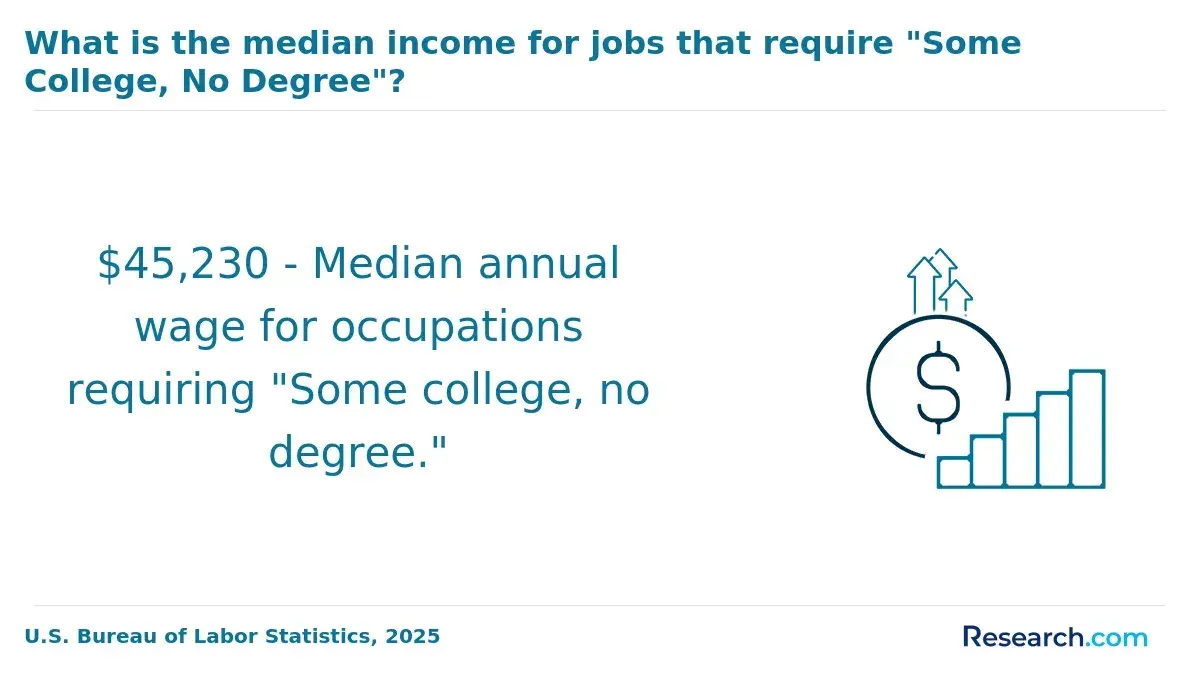
Salary outcomes for graduates with an online regulatory science & affairs degree vary widely, influenced by factors such as education level, experience, sector, location, and specialization. Median annual earnings for roles like regulatory affairs specialists or compliance analysts typically range from $65,000 to $95,000 nationwide.
- Degree Level: Bachelor's holders generally start near $65,000, while those with master's or doctoral degrees often earn between $85,000 and $120,000, reflecting deeper expertise and advanced knowledge.
- Experience: Entry-level salaries grow steadily—after five to ten years, median wages often exceed $90,000. Senior managers and directors in regulatory affairs can command salaries above $130,000 with substantial tenure.
- Industry Sector: Compensation fluctuates across pharmaceuticals, biotechnology, medical devices, and government. Pharmaceutical and biotech sectors typically offer 10%-20% premium salaries compared to public agencies due to regulatory complexity and innovation demands.
- Geographic Market: Urban centers known for healthcare and biotech industries—such as Boston, San Francisco, and Washington D.C.—pay higher wages but come with increased living costs. Remote or less dense regions may offer lower pay but greater scheduling flexibility.
- Specialization: Professionals focused on clinical trials, regulatory policy, or quality assurance often access niche roles with distinct salary benefits driven by industry demand and regulatory intricacies.
- Certifications and Credentials: Credentials like the Regulatory Affairs Certification (RAC) or Certified Clinical Research Professional (CCRP) provide documented salary increases—often 10% or more—and enhance career progression. Graduates can pursue these through professional organizations after completing their degrees to boost earning potential.
- Salary Projections: The regulatory science & affairs field is expected to maintain steady demand, with moderate wage growth aligned with evolving health regulations and product development trends. Staying current with skills and qualifications is crucial for maximizing earning opportunities.
Since salary figures shift with market conditions and regulatory changes, regularly consulting updated occupational and industry salary surveys is essential to obtain accurate, timely compensation data rather than relying on static estimates.
What Graduates Say About the Best Online Regulatory Science & Affairs Degrees for Jobs
- Ethan: "Choosing a program with rigorous curriculum standards was crucial for me-especially because I wanted to feel truly prepared for the complexities in regulatory science & affairs. The courses didn't just skim the surface; they pushed me to analyze real-world cases deeply, which gave me a significant edge in job interviews. Plus, knowing the degree met top accreditation standards reassured me about the credibility of my education."
- Ashton: "Looking back, the balance between cost and return on investment was what really stood out about my online regulatory science & affairs degree. I found a program that offered comprehensive student support infrastructure, which made all the difference during challenging projects and deadlines. The practical experience requirements meant I wasn't just learning theory-I was building skills my future employers valued highly."
- Karolina: "My experience with an online degree in Regulatory Science & Affairs was deeply shaped by the career outcomes its graduates achieved. The professional network and mentorship opportunities provided helped me transition smoothly into the industry. The program's emphasis on practical experience requirements prepared me to meet real job challenges confidently, which I appreciate every day in my work."
Other Things You Should Know About Regulatory Science & Affairs Degrees
The best online regulatory science & affairs programs emphasize developing expertise in regulatory guidelines, quality assurance, and compliance management. Graduates gain strong analytical skills to evaluate regulatory policies and make informed decisions during product development and approval processes. Communication skills-both written and verbal-are also prioritized to prepare students for effective collaboration with regulatory agencies and multidisciplinary teams.
Most reputable online programs integrate practical experience through internships, practicums, or field placements with industry partners or regulatory agencies. Students typically coordinate these experiences locally or remotely, following guidance from program coordinators. These opportunities offer direct exposure to the regulatory environment-critical for applying theoretical knowledge and enhancing employability in a competitive job market.
Many 2027 online regulatory science and affairs master’s programs require a capstone, thesis, or applied project in the final term. Schools often set a minimum of 30 to 36 credits, and the capstone may involve a regulatory strategy, compliance analysis, or submission dossier for an industry case study.
- Entry level regulatory affairs work experience and course https://www.entrytoregulatory.com/how-to-get-a-job-in-regulatory-affairs
- How to Become a Regulatory Affairs Specialist - Education & Certification https://www.mhaonline.com/faq/how-do-i-become-a-regulatory-affairs-specialist
- Online Master’s in Regulatory Science and Affairs Degree Programs https://www.onlineeducation.com/healthcare/masters-in-regulatory-science-affairs-programs
- Regulatory Affairs Career Path in Life Sciences https://pathologylabtraining.co.uk/biomedical-sciences/regulatory-affairs
- Regulatory affairs https://www.abpi.org.uk/careers/working-in-the-industry/research-and-development/regulatory-affairs/
- Roles in Regulatory Affairs | Responsibilities & Career Paths https://educolifesciences.com/what-regulatory-affairs-professionals-do-across-the-product-lifecycle/
- Regulatory Affairs Specialist - Salary, How to Become, Job Description & Best Schools https://www.onlinedegree.com/careers/business/regulatory-affairs-specialist/
- Introduction to Regulatory Requirements and Accreditation Standards https://www.powerpak.com/course/preamble/126056