2027 CACREP-Accredited Online Counseling Programs With No Campus Residency

Co-Founder and Chief Data Scientist
Choosing an online counseling master's program is risky if you need professional licensure: a convenient format is not enough if the curriculum or field placement will not satisfy your state board. CACREP accreditation and a true no-campus-residency model can narrow the search, while local clinical training remains essential. The U.S. Bureau of Labor Statistics reports a $59,190 median annual wage for substance abuse, behavioral disorder, and mental health counselors. This guide explains how to verify programs, compare costs and formats, and choose a degree that supports your intended license.
Key Things You Should Know
- CACREP-accredited clinical mental health counseling master's programs generally include at least 60 graduate semester hours, a 100-hour practicum, and a 600-hour internship; "no campus residency" does not mean no in-person clinical work.
- An online degree can support counselor licensure, but eligibility is determined by the licensing board in the state where you plan to practice, not by a school's online format or marketing language.
- The Bureau of Labor Statistics lists a $59,190 median annual wage for substance abuse, behavioral disorder, and mental health counselors and projects 19% employment growth from 2023 to 2033, making licensure-ready training especially important.
What are CACREP-accredited online counseling programs with no residency?
A CACREP-accredited online counseling program is a graduate counseling degree reviewed against standards set by the Council for Accreditation of Counseling and Related Educational Programs. For future clinical mental health counselors, the relevant degree is usually a Master of Arts or Master of Science in Clinical Mental Health Counseling.
A program described as having no campus residency delivers academic coursework without requiring students to travel to the university for an immersion, intensive weekend, orientation, or skills laboratory. This is different from a fully remote clinical experience. Counseling students still need supervised, in-person practice with clients at approved local sites.
Online delivery can work particularly well for working adults, caregivers, military-connected learners, and students who live far from a university. Readers comparing this format with other distance-learning options can also review best online degrees, but should remember that counseling has hands-on training requirements that many other online degrees do not.
The comparison below separates the parts of a counseling degree that may be online from the parts that ordinarily must happen in a professional setting.
| Program component | Usually completed online? | What applicants should confirm |
| Lectures, readings, discussions, and assessments | Yes | Whether classes are asynchronous, live, or a mix of both |
| Faculty skills instruction | Often | Whether live video role plays, virtual labs, or campus intensives are required |
| Practicum | No, client work is typically in person | Whether the school helps approve a local site and supervisor |
| Internship | No, client work is typically in person | Required hours, supervision rules, insurance, and site availability |
| Campus residency or immersion | Not in a no-residency program | Whether any visit is required before graduation, even if labeled optional |
Do not rely on "100% online" alone. Ask the admissions office for a written statement identifying every required travel event and request the current academic catalog. CACREP accreditation applies to a specific program, degree track, and approved location; institutional accreditation alone is not the same thing.
Do online counseling programs qualify for licensure?
They can, but no online counseling degree automatically qualifies a graduate for licensure in every state. Most states require a qualifying graduate degree, supervised post-degree clinical experience, a passing score on a required examination, and an application to the state counseling board. Requirements vary by jurisdiction and can change.
CACREP accreditation is a strong quality signal because its clinical mental health counseling standards align with many common licensing expectations. Still, state boards may have requirements involving course titles, credit hours, diagnosis training, telehealth, ethics, background checks, or supervisor credentials that deserve separate confirmation.
Before enrolling, take these steps to reduce the risk of a licensing mismatch.
- Identify the state where you expect to seek your first counseling license, including any state where you may relocate soon after graduation.
- Read that state board's current education and supervised-experience requirements.
- Give the requirements to the program's licensure disclosure contact and request a written determination of whether the curriculum meets them.
- Ask whether the school has placed students at practicum and internship sites in your state and whether it can approve your proposed site.
- Save the catalog, course descriptions, licensure disclosure, and written responses for your records.
A common mistake is assuming that CACREP status eliminates all state-specific checks. It does not. A second mistake is enrolling before confirming field placement options; if a school cannot approve a suitable local site, graduation may be delayed even when the coursework is fully online.
How do you choose a reputable online counseling program?
The best choice is not necessarily the lowest tuition or shortest advertised timeline. It is the program that combines active CACREP accreditation, a documented no-campus-residency policy, local placement feasibility, and curricular alignment with the license you want.
For students weighing counseling against other long-term education investments, reviewing top degrees for the future can provide broader career context. Counseling is most suitable for people who want sustained client-facing work, supervised clinical training, and a state-regulated professional path rather than a purely remote or quick-entry career.
Use the following comparison criteria when speaking with schools. The answers will reveal practical differences that rankings and promotional pages can miss.
| Decision factor | Strong sign | Potential red flag |
| CACREP status | The exact clinical mental health counseling program appears as accredited in the current directory | The school cites only institutional accreditation or says accreditation is pending |
| Residency policy | The catalog clearly states that no campus visit or in-person immersion is required | Required intensives are disclosed only after admission |
| Field placement support | Dedicated staff review local sites and explain approval timelines | The school places all responsibility on the student without clear standards |
| Licensure disclosure | State-by-state information is current and specific | Broad statements such as "designed for licensure" without state details |
| Live skills training | Faculty observe counseling skills through structured live sessions or recordings | Training relies mainly on quizzes and discussion boards |
| Total cost | Tuition, fees, books, technology, travel, insurance, and field costs are disclosed | Only a per-credit tuition figure is provided |
Ask whether classes are asynchronous, whether attendance at live sessions is mandatory, and how often students meet with faculty. Asynchronous coursework offers scheduling flexibility, but counseling skills development still benefits from regular feedback, observed role plays, and responsive supervision.
Be cautious with programs that make vague promises about licensure, guarantee placement sites, or will not state whether any campus attendance is required. Also verify that the accreditation applies throughout your anticipated enrollment period rather than assuming a school-wide designation covers every specialization.
What courses are in clinical mental health counseling?
Clinical mental health counseling curricula prepare students to assess concerns, build therapeutic relationships, develop treatment plans, provide counseling, make referrals, and practice ethically under supervision. CACREP-accredited programs organize this training around core professional counseling areas and specialty clinical mental health content.
Course names differ by university, but students commonly encounter the subjects below because each supports safe and licensure-oriented practice.
- Professional counseling orientation, ethics, and legal issues
- Social and cultural diversity in counseling
- Human growth and development across the lifespan
- Career development and counseling
- Helping relationships and counseling techniques
- Group counseling and group work
- Assessment, testing, and appraisal
- Research methods and program evaluation
- Psychopathology, diagnosis, treatment planning, and crisis intervention
- Practicum and internship under approved supervision
Students should expect role plays, recorded sessions, case conceptualizations, documentation exercises, and supervised clinical work. This is not a degree for someone seeking only theoretical psychology coursework. If your goal is research, industrial-organizational psychology, social work, marriage and family therapy, or school counseling, compare the license and curriculum before choosing clinical mental health counseling.
Technology is also affecting practice. Telehealth platforms, electronic records, and AI-enabled documentation tools may appear in clinical workplaces, but they do not replace ethical judgment, privacy protections, client consent, or the relationship-based skills taught in counseling training.
What admission requirements do online counseling programs require?
Most CACREP-accredited master's programs require a completed bachelor's degree from an appropriately accredited institution. An undergraduate psychology major can help, but it is usually not mandatory; programs often admit students from education, human services, business, social sciences, and other fields.
Requirements vary by school, so applicants should prepare for a review of academic readiness, communication skills, professional fit, and capacity to complete local clinical training. Common application materials include the following.
- Official undergraduate transcripts and a stated minimum GPA or evidence of academic readiness
- Application form, personal statement, and résumé
- Letters of recommendation, often emphasizing academic or professional potential
- An interview, group interview, recorded response, or writing sample
- Background-check acknowledgment and field-placement eligibility disclosures
- International transcript evaluation or English-language documentation when applicable
Do not interpret a flexible GPA policy as an easier path to licensure. Programs may use interviews and essays to assess communication, self-awareness, ethics, and readiness for client work. Applicants with a lower GPA can strengthen an application by clearly explaining their preparation, highlighting relevant helping experience, and demonstrating realistic knowledge of the profession.
Field placement eligibility deserves attention before paying an enrollment deposit. Some sites require immunizations, drug screening, background checks, transportation, daytime availability, or additional documentation. A prior legal issue does not always prevent enrollment or licensure, but candidates should seek individualized guidance from both the program and the relevant state board.
How long do online counseling programs take?
A 60-credit online clinical mental health counseling master's program commonly takes about two to three years of continuous study. The exact pace depends on credit load, course sequencing, availability of electives, and how quickly a student secures an approved practicum and internship site.
Full-time enrollment may suit students who can consistently attend live skills sessions and devote substantial time to fieldwork. Part-time study can be more manageable for employed adults, but it extends the timeline and may require careful planning when practicum and internship begin. Clinical placements often occur during standard business hours, so an otherwise flexible online program may still require changes to a work schedule.
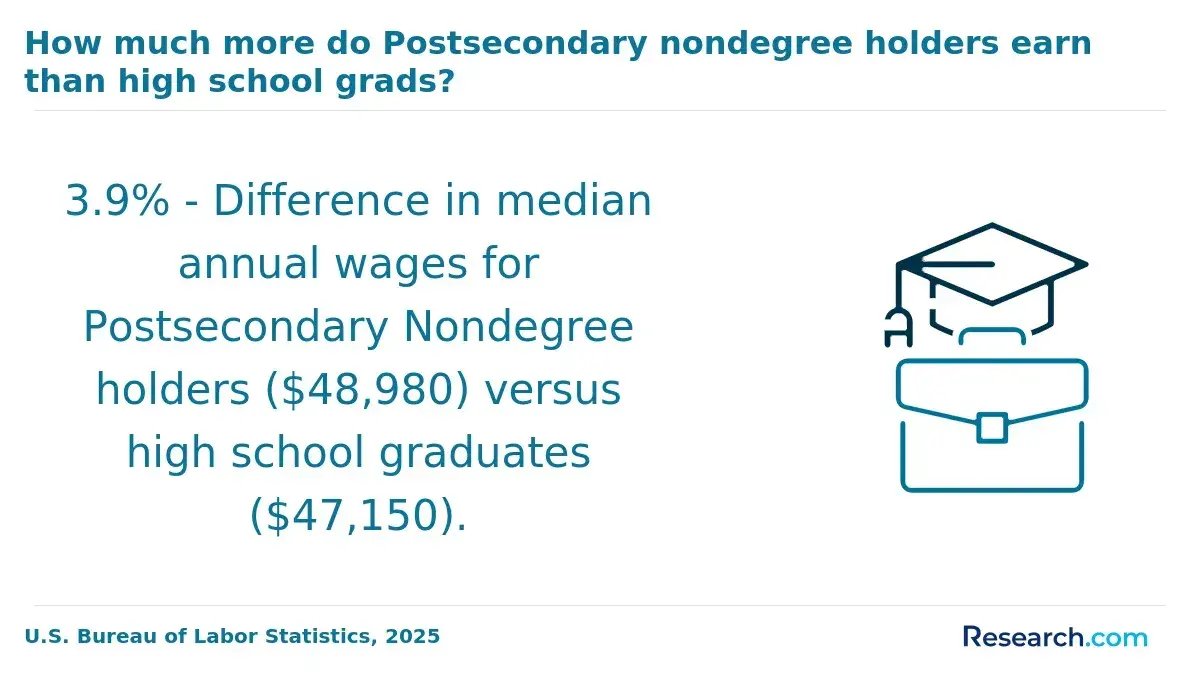
Students entering with an associate degrees generally need to complete a bachelor's degree before applying to a counseling master's program. Associate-level coursework may support transfer into a bachelor's program, but it does not replace graduate counseling education or qualify someone for independent clinical counseling licensure.
A realistic timeline includes more than coursework. Plan for application preparation, any prerequisite courses, site approval, the graduate degree, post-master's supervised experience, examination requirements, and board processing. Accelerated pacing makes sense only when the school can preserve sequenced skills training and when your work and family schedule can accommodate field placement demands.
How much do online counseling programs cost?
Total cost depends on the institution, residency status where relevant, number of required credits, transfer policies, and fees. Because CACREP-aligned clinical mental health counseling programs are commonly at least 60 credits, a per-credit tuition figure can understate the actual financial commitment.
Ask every school for a written estimate covering the full degree rather than comparing headline tuition alone. The following cost categories are especially important for online students because some are paid outside regular tuition bills.
| Cost category | Why it matters | Question to ask |
| Tuition and mandatory fees | Usually the largest direct expense | What is the estimated cost for all required credits at my start term? |
| Books, assessment tools, and technology | May include counseling platforms, proctoring, or clinical software | Which program-specific charges are not included in tuition? |
| Practicum and internship expenses | May include liability insurance, background checks, transportation, and site fees | What do recent students typically pay during field placement? |
| Lost work time | Clinical hours can affect employment availability | When are placements usually scheduled, and can evening sites be approved? |
| Licensure expenses after graduation | Exams, applications, fingerprints, and supervision continue after the degree | Which post-degree costs should I budget for in my state? |
Use the federal financial aid process, employer tuition assistance, scholarships, and payment plans where available, but compare borrowing against a conservative repayment budget. The degree may be a stronger investment when it leads to a license you can use in your intended state, you can complete placements without major income disruption, and the program offers transparent support through graduation.
A frequent mistake is choosing the lowest advertised tuition without pricing required fees, delayed graduation risk, or travel to a placement site. A slightly higher-cost program with proven local placement support may be the more practical option.
What careers can you pursue with this degree?
A clinical mental health counseling degree is primarily designed for a licensure pathway. After meeting state requirements, graduates may work as licensed professional counselors, licensed mental health counselors, or similarly titled professionals, depending on state terminology. Before independent licensure, many graduates work in supervised associate, resident, intern, or provisional roles.
Career setting affects the client population, pace, documentation burden, schedule, and earnings potential. This table shows common directions rather than guaranteed job outcomes.
| Setting | Typical work | Fit considerations |
| Community mental health agency | Individual counseling, crisis response, care coordination, and referrals | Often offers broad clinical exposure; caseloads can be demanding |
| Private practice or group practice | Scheduled outpatient therapy and documentation | Usually requires independent licensure or structured supervised employment |
| Hospitals and integrated care | Behavioral health assessment, discharge planning, and team-based care | May involve fast-paced work and coordination with medical professionals |
| Schools, colleges, or employee assistance programs | Short-term counseling, consultation, prevention, and referral | May require additional credentials or role-specific experience |
| Substance use treatment programs | Individual and group counseling, recovery planning, and family support | Some positions have separate state credential rules |
| Telehealth-focused practices | Remote therapy using secure platforms | Requires compliance with client-location, privacy, and state licensure rules |
Some counseling work can be performed remotely after appropriate training and licensure, but it is not automatically a work-from-home career. Client location rules, employer policy, crisis protocols, and privacy requirements matter. Explore related work from home degrees that pay good money if remote work is your primary goal, and compare whether counseling's substantial in-person training requirement fits your preference.
This path is a good fit for people who can listen carefully, tolerate ambiguity, document consistently, maintain boundaries, and engage in ongoing supervision. It may be a poor fit for applicants seeking immediate independent practice after graduation or those unable to complete supervised client-contact hours.
What salary can clinical mental health counselors earn?
The U.S. Bureau of Labor Statistics reports that the median annual wage for substance abuse, behavioral disorder, and mental health counselors was $59,190 in May 2024. A median is a midpoint, not a starting salary or a guarantee: half of workers in the occupation earned more and half earned less.
Pay varies substantially by state, metropolitan area, employer, specialization, caseload, reimbursement model, experience, and license status. Early-career supervised positions may pay differently from independently licensed roles. Private-practice income can also fluctuate because it depends on client volume, expenses, insurance participation, and time spent on administration rather than direct counseling.
Use salary information as one part of an ROI assessment. Compare local job postings and public wage data with your expected tuition, borrowing, placement-related work disruption, and the number of supervised years required before independent practice. Avoid programs or employers that suggest a degree alone guarantees a particular salary.
What is the job outlook for clinical mental health counselors?
The Bureau of Labor Statistics projects employment of substance abuse, behavioral disorder, and mental health counselors to grow 19% from 2023 to 2033, faster than the average for all occupations. This projection reflects expected demand for treatment related to mental health and substance use concerns, but it is a national estimate rather than a promise of openings in every community.
For prospective students, the outlook supports careful career planning rather than automatic enrollment. Demand may be strongest in settings serving communities with limited behavioral-health access, while local hiring can still depend on insurance networks, public funding, employer staffing models, and state licensing rules.
To improve career readiness, prioritize programs that offer robust clinical feedback, clear local placement procedures, professional networking opportunities, and licensure guidance. During training, develop competency with telehealth etiquette, clinical documentation, multicultural counseling, crisis response, and ethical use of digital tools. These skills can strengthen employability without replacing the need for supervised experience and state authorization.
Other Things You Should Know About Clinical Mental Health Counseling
No-campus-residency programs can eliminate travel to the university, but counseling students ordinarily complete practicum and internship client-contact hours at approved local sites. Confirm whether live virtual skills sessions are also required.
Not every state legally requires a CACREP degree, but many boards use standards that CACREP programs are designed to meet. Check the education rules of your intended licensing state before enrolling.
Some students do, especially during early coursework. Practicum and internship schedules can be difficult to combine with full-time work because sites may require daytime client hours. Ask programs about typical placement schedules.
A clinical mental health counseling master's degree is designed around counseling practice, supervised fieldwork, and a counselor licensure pathway. Psychology degrees can lead to many careers, but their licensure pathways and clinical training requirements differ by degree level and state.
References
- Directory - CACREP https://www.cacrep.org/directory/
- Best CACREP-Accredited Online Master's In Counseling 2025 https://www.psychology.org/rankings/masters/online-cacrep-accredited-school-counseling-degrees/
- 2026 Most Affordable CACREP-Accredited Online Counseling Programs - Master of Social Work Degrees https://www.mswdegrees.org/degrees/online/cheapest-cacrep-accredited-online-counseling-programs/
- CACREP-Accredited Online Counseling Programs https://onlinecounselingprograms.com/online-counseling-degrees/cacrep-accredited/