2027 Biotechnology Degree vs Bootcamp vs Certificate: Which Path Leads to Better Career Outcomes?

Co-Founder and Chief Data Scientist
Choosing between a biotechnology degree, a bootcamp, or a certificate often causes uncertainty for learners aiming to enter this evolving field. One recent survey revealed biotechnology degree holders earn 25% more on average than those with only bootcamp or certificate credentials. Employers still tend to favor degrees for research and development roles, though bootcamps and certificates can offer faster job placement and lower upfront costs.
The challenge is balancing salary expectations, networking access, and long-term career growth against time and financial investment. This article examines these pathways-comparing outcomes and suitability to help readers make informed decisions tailored to their goals.
Key Things to Know About Which Path Leads to Better Career Outcomes: Biotechnology Degree, Bootcamp, or Certificate
- Degree holders typically earn 15-25% higher salaries than bootcamp or certificate completers-employers favor degrees for complex R&D roles demanding comprehensive knowledge.
- Bootcamps offer faster job placement-often within six months-making them ideal for adult learners seeking rapid career shifts but with limited networking opportunities.
- Certificates provide cost-effective upskilling for current degree students or professionals-however, they usually support lateral movement rather than significant long-term advancement.
How Does Biotechnology Degree Compare to Bootcamps and Certificates in Total Program Cost and Time to Completion?
Prospective biotechnology students face a key decision: invest several years and a higher cost in a traditional degree or pursue faster, more affordable alternatives like bootcamps or professional certificates. Neither path guarantees success for every learner, but understanding each option's structure and investment helps clarify this trade-off.
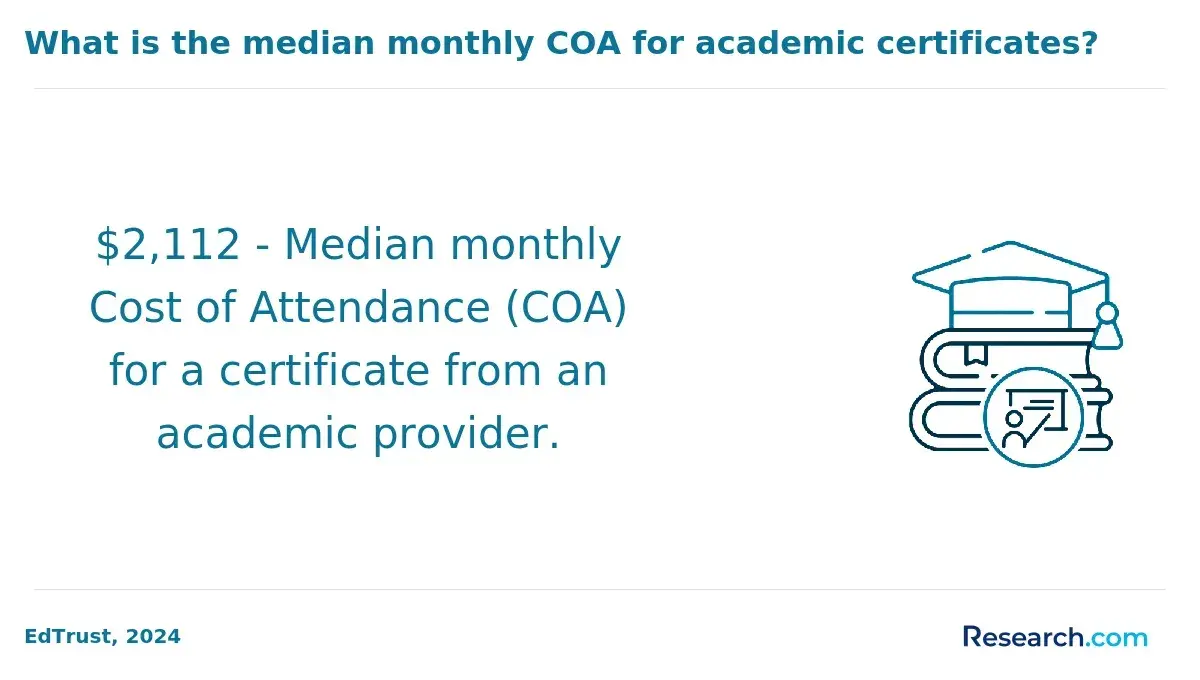
A biotechnology degree-usually a bachelor's or associate's-provides a broad, foundational education over two to four years. The National Center for Education Statistics (NCES) reports annual costs at public in-state institutions averaging $10,000-$15,000, with total expenses including living costs ranging from $20,000 to $60,000. Full-time attendance shortens completion time, while part-time study lengthens it but offers cost flexibility.
Bootcamps offer an intensive, practical alternative lasting roughly 8 to 26 weeks. They focus on rapid skills acquisition and job readiness rather than deep theory, often with the option of full-time or part-time schedules. Tuition averages between $7,000 and $15,000, according to aggregators like SwitchUp. This pathway appeals to learners prioritizing speed and hands-on experience.
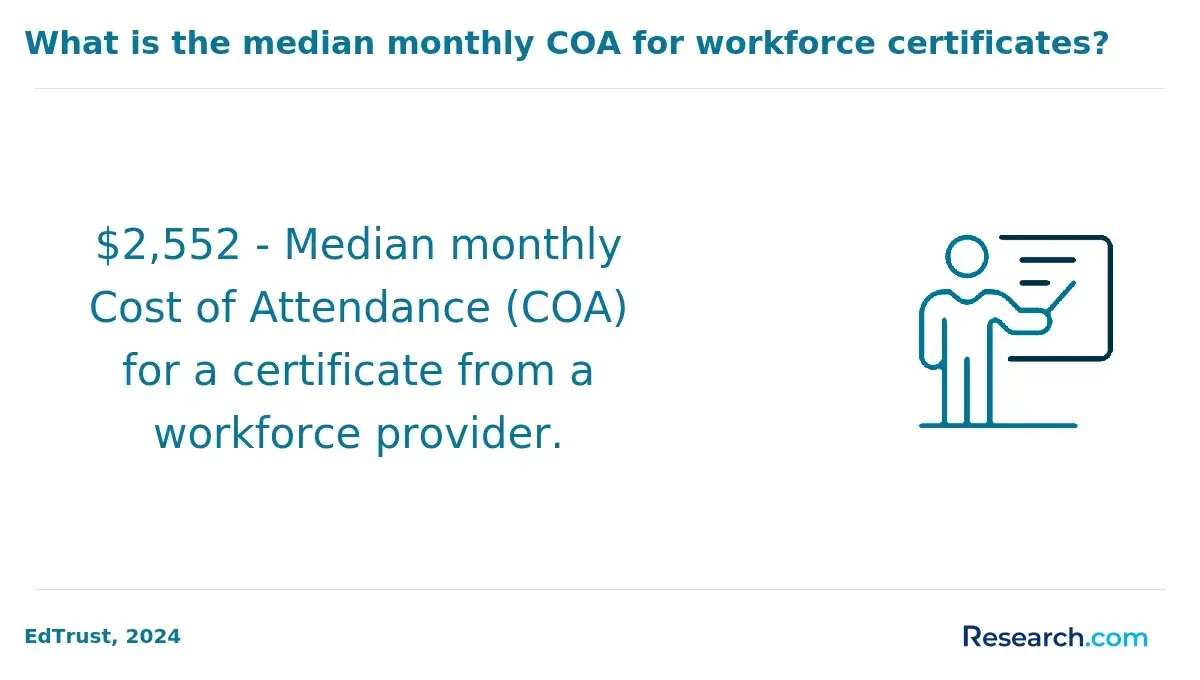
Professional certificates are typically shorter still-often self-paced or instructor-led over 3-6 months through platforms like Coursera, Google, or industry bodies. Costs usually remain below $3,000, making certificates an affordable supplement or standalone credential. Their flexibility often suits working adults and those looking for targeted expertise in biotechnology.
- Time to Completion: Degrees require 2-4 years; bootcamps take 2-6 months; certificates vary from a few weeks up to 6 months depending on pacing.
- Cost: Degrees typically range from $20,000 to $60,000 total; bootcamps average $7,000 to $15,000; certificates usually cost under $3,000.
- Flexibility: Certificates offer the most flexibility, bootcamps moderate, and degrees require the longest, most structured commitment.
- Depth vs. Speed: Degrees provide broad foundational knowledge; bootcamps emphasize rapid skills acquisition; certificates often focus on specific competencies or technologies.
Biotechnology degree program cost versus bootcamp and certificate expenses highlight critical differences in financial and time investments, but factors like job placement success, credential value to employers, salary potential, and networking access are essential to evaluate before deciding. For those considering accelerated options beyond traditional study, exploring medical assistant programs can provide perspective on comparable streamlined career pathways in related fields. Ultimately, selecting the right path hinges on balancing these outcomes against personal circumstances, goals, and career plans.
What Career Outcomes Can Biotechnology Degree Graduates Expect Compared to Bootcamp and Certificate Completers?
Career outcomes for biotechnology degree graduates generally outperform those of bootcamp and certificate completers, though the gaps vary significantly by field and employer preference. Labor market data from the Bureau of Labor Statistics (BLS), the National Association of Colleges and Employers (NACE) Early Career Salary Survey, and Course Report's bootcamp outcomes reveal nuanced trends in employment rate, median starting salary, and job title level shortly after program completion.
- Employment Rate Within Six Months: Degree holders often achieve employment rates exceeding 75%, especially in traditional biotechnology roles. Bootcamp and certificate completers exhibit wider variation-between 50% and 70%-shaped by program reputation and cohort quality.
- Median Starting Salary: Biotechnology graduates with degrees typically report median starting salaries from $50,000 to $65,000. Bootcamp completers average $40,000 to $55,000, while certificate holders show mixed results, sometimes matching bootcamp salaries when bolstered by relevant experience.
- Job Title Level at First Placement: Degree graduates frequently enter as research assistants, lab technicians, or junior scientists, with clearer advancement pathways. Bootcamp and certificate participants often take technician or specialist roles that require specific technical skills but may have limited upward mobility without further education.
- Employer Credential Preferences: While skills-based hiring is growing in fast-expanding subfields like bioinformatics and synthetic biology, many employers still prioritize degree credentials for core biotechnology positions due to the thorough training they represent.
- Data Transparency and Credibility: Bootcamp and certificate outcome data are often self-reported and susceptible to survivorship bias or selective disclosure. Prospective students should seek independently audited programs or those with CIRR membership for reliable outcomes.
- Contextual Factors Affecting Outcomes: Credentials alone don't determine success-portfolio strength, networking, geographic location, and industry demand are critical. These non-credential elements can level the playing field for bootcamp and certificate holders in niche roles, though degree holders benefit from greater access to internships, research projects, and alumni networks.
Recent high school graduates, working professionals, and adult learners evaluating biotechnology degree career outcomes compared to bootcamp and certificate pathways should use this framework to ask informed questions about salary differences for biotechnology graduates from degree programs versus bootcamps and certificates. For those interested in further healthcare career advancement, exploring FNP programs may provide additional perspective on educational pathways with proven labor market outcomes.
Which Biotechnology Pathway - Degree, Bootcamp, or Certificate - Offers the Highest Starting Salary for Graduates?
Starting salaries for biotechnology roles vary notably depending on educational background, according to data from the Bureau of Labor Statistics, National Association of Colleges and Employers, LinkedIn Salary Insights, and Glassdoor. Degree holders with bachelor's or master's credentials in biotechnology or related areas typically earn the highest entry-level wages-median salaries range from $55,000 to $70,000. Employers in large firms and research institutions tend to favor degrees, valuing formal education for technical and specialized positions.
- Bootcamp Graduates: Bootcamp completers usually start with slightly lower salaries, generally between $45,000 and $60,000. While these programs emphasize intensive hands-on skills, their narrow focus and shorter duration often translate into more limited initial earning potential, especially in traditional enterprise settings.
- Certificate Holders: These professionals often see variable starting salaries, positioned between bootcamp and degree levels. Certificates appeal to those targeting specific skill sets, improving salary opportunities in niche biotech roles but lacking the broad credential weight of degrees.
- Employer Type: Larger biotech firms and research facilities often require degrees for core roles and offer higher pay, whereas startups may prioritize skills demonstrated by bootcamps or certificates but typically provide lower starting salaries.
- Industry and Role Specificity: Specialized positions, such as bioprocess engineering or bioinformatics, generally offer higher compensation and require degrees more often than generalist roles.
- Geographic Location: Biotechnology hubs like Boston and San Francisco see elevated wages across all credential groups, though degree holders usually access the most lucrative opportunities.
Over the course of a career, degree holders tend to experience faster progression into senior, management, or specialized roles. This is often due to organizational promotion requirements favoring formal degrees and greater access to advanced training. Even when bootcamp attendees or certificate holders start with comparable salaries, degree graduates usually gain higher income growth over time.
Salary medians do not capture individual circumstances-prior experience, program quality, specialization, and geographic flexibility all impact outcomes. Readers interested in a detailed analysis of cost-adjusted returns should consult the ROI section for a comprehensive evaluation.
One biotechnology professional who completed a bachelor's degree reflected that, while the academic workload initially felt overwhelming, the structured curriculum and access to research labs were invaluable. "It wasn't just about classes," he explained, "but the networking opportunities and internships that opened doors to well-paying entry roles." He noted that although bootcamps offered practical skills, he believed the degree provided a stronger foundation for long-term career advancement and salary growth in biotechnology.
Employers in the biotechnology sector still place significant value on formal degrees, especially within US regulated industries, large biopharma companies, and government labs where strict compliance and scientific expertise are paramount. For many openings, hiring managers treat a bachelor's degree or higher as a fundamental screening tool, prioritizing the academic foundation that degree programs provide over alternative credentials.
- Degree Preference: Traditional biotech segments-including pharmaceutical development and clinical research-rely on degrees for initial candidate evaluation, reflecting the importance of rigorous scientific training and theoretical knowledge.
- Emerging Flexibility: Smaller startups and consulting firms tend to assess candidates more on skills demonstrated through bootcamps or certificates, especially in areas like bioinformatics, data analytics, and laboratory techniques. Practical portfolios and hands-on experience often weigh heavily in these environments.
- Skills-Based Hiring: While initiatives from technology firms and public agencies promote hiring based on competencies rather than degrees, outcome data reveal that mid- to senior-level biotech roles still strongly favor degree holders, indicating a gap between policy and practice.
- Credential Strategy: Biotechnology employer credential preferences in the US vary widely by sector and job function-some prioritize formal education for regulatory assurance, while others emphasize skillsets. Aligning credential choices with targeted employers enhances career prospects.
This nuanced view helps candidates evaluate the degree versus bootcamp value for biotechnology jobs effectively, depending on their intended career path. For those exploring part-time or flexible options, researching the best online school for medical billing and coding can provide insight into alternative credentialing models that might complement biotech aspirations.
Admission criteria for biotechnology degree programs at accredited schools often require candidates to meet several academic standards that function as both barriers and quality indicators.
GPA Minimums: Most programs expect a solid academic record, typically around a 3.0 or higher.
Prerequisite Coursework: Foundational classes in biology, chemistry, and math are usually mandatory before enrollment.
Standardized Tests: SAT or ACT scores remain common requirements, though some institutions have shifted to test-optional policies recently.
Letters of Recommendation: These are important for demonstrating motivation and personal qualities that admissions committees value.
Application Timelines: Strict annual deadlines and formal review schedules demand early preparation.
In contrast, many biotechnology bootcamps and certificate programs have far less restrictive admissions. These accessibility features include:
Open Enrollment Policies: These may require only a high school diploma-or sometimes no formal credential-to begin quickly.
Minimal or No Prerequisites: Content often starts at an introductory level, welcoming learners from varied backgrounds.
Flexible Timelines: Enrollments are often rolling or offered multiple times annually, accommodating non-traditional students.
No Standardized Testing or Recommendations: These programs typically eliminate such barriers entirely.
This selective versus open entry dynamic creates a trade-off. Degree programs' admissions rigor can act as a trusted signal of foundational knowledge that employers value. Yet, it also poses systemic obstacles for career changers, working adults, and underrepresented groups facing financial or time constraints. Bootcamps and certificates lower entry barriers to improve access, relying on proven outcomes, expert instructors, and curriculum thoroughness to establish credibility instead.
One professional who built her career after completing a biotechnology degree recalled how demanding the admission process was-balancing rigorous prerequisite courses and crafting strong recommendation letters amid tight deadlines. However, she found that overcoming these challenges personally validated her skills in the eyes of employers. She reflected that while bootcamps might offer a faster start, the degree's structured admissions and intensive coursework provided a confidence and depth that still serve her well.
Degree programs offer a comprehensive curriculum blending broad general education with specialized biotechnology coursework. Students study core sciences-biology, chemistry, genetics-alongside advanced subjects such as molecular biology and bioinformatics. Electives provide opportunities for customization, while research projects or thesis work develop analytical skills and technical problem-solving.
This wide-ranging approach builds a foundational knowledge base and adaptability that supports sustained career advancement, though the longer study period means delayed workforce entry compared to other paths.
Bootcamps: Designed for rapid skill acquisition, bootcamps emphasize hands-on training through intensive, project-focused modules. Their applied curriculum covers laboratory techniques, data analysis, and biotech-specific software tools-rapidly preparing participants for defined industry roles. While highly effective at teaching practical skills quickly, bootcamps typically omit extensive theoretical background and elective options, which may restrict long-term academic growth and versatility within evolving biotechnology sectors.
Certificate Programs: These vary widely and fall into two main groups:
- Entry-Level Certificates: Offered by platforms like Coursera, these focus on foundational biotech concepts and basic technical skills, suitable for newcomers or those switching careers.
- Advanced Certificates: Issued by professional associations, they validate specialized expertise and often target experienced professionals aiming to enhance skills or gain niche recognition.
Certificates provide shorter, more targeted study than degrees but generally lack comprehensive theoretical depth. Their labor market value depends largely on prior experience, credential recognition, and alignment with employer requirements.
Calculating return on investment (ROI) for biotechnology educational pathways requires accounting for both direct costs-tuition, fees, and materials-and opportunity costs like forgone income while studying. Opportunity cost often represents the largest hidden expense; for instance, a traditional two- or four-year degree demands not only tuition but also the salary a learner sacrifices during that time. This significantly reduces short-term ROI compared to shorter programs such as bootcamps or certificates that minimize time away from employment.
Data from the National Center for Education Statistics (NCES) on tuition, the National Association of Colleges and Employers (NACE) on salary premiums, and bootcamp outcome reports provide a basis to estimate five- and ten-year ROI for three typical biotechnology learner profiles:
- Recent High School Graduate: With no prior income to forgo, degree programs generally show strong ten-year ROI due to substantial cumulative salary increases. However, shorter bootcamps and certificates often yield positive five-year returns by enabling quicker entry into the workforce with lower costs and shorter duration.
- Mid-Career Professional: Leaving a $50,000 annual salary, opportunity costs weigh heavily against degree pathways, frequently producing negative five-year ROI despite eventual long-term gains. Bootcamps offer the fastest ROI turnaround by reducing time out of work and allowing earlier salary increases.
- Part-Time Learner: Studying while employed effectively eliminates opportunity costs, making ROI for degrees and certificates more comparable. Nevertheless, shorter certificates or bootcamps still provide more immediate salary benefits.
These scenarios illustrate how individual circumstances-more than credential type alone-shape ROI outcomes. Selecting a pathway with lower short-term ROI may still make sense when specialized knowledge or employer requirements necessitate a degree. This nuanced view supports more informed decisions beyond promotional claims.
Job placement rates across biotechnology pathways-degree programs, bootcamps, and certificate options-differ significantly due to variations in how "placement" is defined and reported. Degree programs generally rely on standardized data sources such as the Integrated Postsecondary Education Data System (IPEDS) or institutional career services surveys, which track employment directly related to the degree within a set post-graduation timeframe. These figures are often independently audited, providing a more reliable benchmark for comparison.
Biotechnology bootcamps present a mixed picture. Some programs report self-collected statistics, while others use the Career Ignition Reporting and Results (CIRR) system for verification. However, bootcamp placement rates can be inflated because they sometimes include employment in broadly related fields rather than strictly matching job roles. This practice contrasts with degree programs that emphasize precise role relevance. Certificate programs sit between these extremes, with placement data depending largely on institutional standards and reporting methods.
- Reporting Methodology: Degree programs use audited surveys, offering more consistent data; bootcamps vary-some use CIRR, others rely on self-reporting.
- Definition of Placement: Degrees focus on direct role relevance; bootcamps may accept adjacent employment, affecting comparability.
- Career Services Impact: Robust career support-including employer partnerships, resume coaching, interview practice, and alumni networks-improves placement outcomes across all pathways.
- Data Transparency: Prospective students should request detailed placement breakdowns by job role, salary range, and time-to-hire to avoid misleading headline percentages.
Students evaluating biotechnology bootcamp job placement rates or certificate programs versus degree job outcomes should carefully assess these factors and the quality of career services. Those seeking part-time or flexible study options might also consider exploring health information management programs online for complementary career pathways. Asking targeted questions about placement data quality and career support can guide learners toward programs that better align with their long-term goals and return on investment.
Networking and alumni access play pivotal roles in shaping career trajectories for biotechnology learners, with considerable variation in scale and quality across degree programs, bootcamps, and certificate pathways. These opportunities form one of the most durable and compounding assets a learner accumulates-often exceeding formal instruction in value for senior career advancement.
- Degree Programs: Biotechnology degree programs typically boast extensive networking infrastructures. Alumni associations foster lifelong connections, while regular career fairs link students with employers. Faculty often act as mentors and professional references through established industry ties. Greek and specialized professional organizations provide additional social and professional networking layers. The institution's prestige and geographic footprint-especially those embedded in prominent biotech hubs-significantly broaden access to influential networks that open doors globally. These factors are instrumental in delivering networking benefits in biotechnology degree programs and greatly impact alumni access and biotechnology career advancement.
- Bootcamps: Bootcamp cohorts, by contrast, tend to be smaller and more focused, creating tight-knit communities that promote peer learning and job referrals. Although these alumni networks are newer and less expansive, some well-established bootcamps maintain strong employer partnerships and referral pipelines, primarily supporting biotechnology-adjacent roles such as bioinformatics or data analysis. This specialized networking can accelerate hiring and mentorship, though overall network reach remains narrower and more regional compared to degree pathways.
- Certificate Programs: Many credential providers-ranging from industry groups to tech giants like Google-offer professional communities, but access to hiring managers or mentors is often limited post-completion. While certificates communicate valued skills to employers, peer forums and skill updates lack the formal structure found in degree or bootcamp alumni networks. Consequently, long-term career growth through certificates is more reliant on individual initiative than on institutional networking support.
For those considering healthcare-related biotechnology careers, supplemental education such as an online masters healthcare management program may provide further networking and advancement opportunities beyond initial biotechnology credentials.
Regional differences significantly influence which biotechnology educational path-degree, bootcamp, or certificate-offers the best career prospects. Metropolitan hubs like Boston, San Francisco, and San Diego-with their dense biotech ecosystems-favor degree holders due to established employer networks. However, bootcamps located in these cities benefit from strong local connections, boosting job placement. Graduates who move outside these markets may face challenges, as employer familiarity often plays a decisive role.
In mid-sized regions such as Raleigh or Minneapolis, biotechnology degree holders typically enjoy advantages because bootcamps and certificate programs have limited reach and fewer employer partnerships. These markets tend to reward traditional credentials more, particularly for specialized or high-skill roles. Meanwhile, remote work options are expanding opportunities, allowing candidates to access jobs beyond their immediate geography.
Smaller and rural areas present a tougher landscape for bootcamp and certificate holders due to a sparse employer base and lower credential recognition. Degree holders maintain stronger trust and visibility among local employers, though remote roles can alleviate geographic limitations somewhat-raising competition but broadening access.
Employer preferences in biotechnology hiring vary significantly based on company size and stage. Large corporations and government bodies frequently apply strict degree requirements as initial filters, typically seeking candidates with bachelor's or higher degrees in biotechnology or related STEM fields. These organizations tend to value formal education as an indicator of foundational knowledge and regulatory compliance.
- Degree Preference: Traditional employers prioritize academic credentials, often viewing degrees as essential for technical roles and long-term career potential in regulated environments.
- Skills-First Approach: In contrast, startups and staffing agencies emphasize practical skills demonstrated through portfolios, technical tests, and project results, regardless of whether candidates hold degrees, bootcamp certificates, or other credentials.
- Shift Since 2020: Despite public statements from major firms removing degree requirements from job listings, hiring data reveals a gradual transition-large companies still predominantly onboard degree holders, though hybrid profiles combining degrees with bootcamp or certificate credentials are becoming more common.
- Credential Composition: Supplementary certificates and bootcamp experiences enhance competitiveness but usually complement rather than replace traditional degrees in large organizations.
- Research Strategy: Job seekers benefit from conducting informational interviews and examining LinkedIn profiles of recent hires to uncover actual credential trends beyond posted job descriptions.
This nuanced landscape suggests that choosing a pathway-degree programs, bootcamps, or professional certificates-should align with target employer types and personal career goals. Degree credentials often open doors in established settings, while skill-based credentials can offer quicker entry and flexibility in more dynamic or smaller firms. Combining credentials strategically can maximize opportunity and long-term growth.
What Graduates Say About Which Path Leads to Better Career Outcomes: Biotechnology Degree, Bootcamp, or Certificate
- Tristan: "Choosing the biotechnology degree was a game-changer for me-not just because of the higher salary ceilings but due to the strong employer credential preferences it commands in the industry. The return on investment felt solid as my job placement rate was well above average, and I appreciated the long-term career growth potential offered through ongoing research opportunities and academic networking. If you're committed to deep specialization, this path is worth every effort."
- Jessica: "After completing a biotechnology bootcamp, I found the experience both efficient and practical-especially if you want to enter the workforce quickly. Employers tend to value bootcamp graduates for their hands-on skills, which translates to impressive job placement rates and a good salary range early on. While the networking access isn't as extensive as a degree program, the shorter time frame and focused curriculum made it the best fit for my learning style and career goals."
- Christopher: "Opting for a biotechnology certificate was a strategic move that aligned with my existing career trajectory-offering a solid balance between cost and credential value. The certificate boosted my employer appeal significantly and provided a noticeable salary uplift without the years of investment a full degree requires. It's especially suited for professionals seeking to pivot or enhance skills quickly, though it might not open as many doors in long-term career growth compared to a degree."
Other Things You Should Know About Biotechnology Degrees
Most programs require OSHA-style laboratory safety instruction before hands-on work, including chemical hygiene, biosafety, PPE, and waste disposal. Certificate and bootcamp students may also need documented immunization status, background checks, or signed safety waivers before entering BSL-1 or BSL-2 labs.
During recessions or tight labor markets, biotechnology degree holders tend to have more stable employment due to their comprehensive knowledge and qualifications. Bootcamp and certificate holders may face greater competition and fewer opportunities, as employers often prioritize candidates with formal degrees. However, certificates with strong industry ties can still offer valuable job entry points in niche roles.
Biotechnology degrees are usually accredited by recognized academic bodies, providing widely accepted credentials with established legitimacy. Bootcamps and certificates may lack standardized accreditation, leading to varied recognition across employers. It is important to research the issuing institution's reputation and alignment with industry standards before enrolling in non-degree programs.
- 5 Tips for Crafting a Professional Resume in Biotech https://www.sci.bio/5-tips-crafting-professional-resume/
- I Spoke to 10 Life Sciences Recruiters About What Makes a Great Resume https://pharmalogicsrecruiting.com/2022/01/27/life-sciences-what-makes-a-great-resume/
- Biotechnology Credentials | InnovATEBIO https://innovatebio.org/biotech-credentials
- College Degree vs. Bootcamp ROI Showdown https://oboe.com/learn/college-degree-vs-bootcamp-roi-showdown-1ir5xuv/evaluating-employment-outcomes-college-degree-vs-bootcamp-roi-showdown-2
- High-Paying Careers in Biotechnology: Best Job Opportunities — Biotech United https://www.biotechunited.com/blogs/high-paying-careers-in-biotechnology-opportunities-you-cant-miss
- College vs. Bootcamp: Which Learning Model to Choose - tripleten.com/blog https://tripleten.com/blog/posts/college-vs-bootcamp-which-learning-model-to-choose
- The Many Perils Of Accepting Certifications As Qualifications (Problems with accepting certifications instead of college degrees during hiring) - Dr John Sullivan https://drjohnsullivan.com/articles/certifications-as-qualifications-instead-college/
- Understanding the Biotech Industry Can Enhance Your Resume https://greatresumesfast.com/blog/understanding-the-biotech-industry-can-enhance-your-resume/
- Bootcamp vs Certificate: Which Is Best for You? https://online.maryville.edu/blog/bootcamp-vs-certificate/
- How to Get into Leading Biotechnology Programs https://shooliniuniversity.com/blog/how-to-get-into-leading-biotechnology-programs/