2027 Which Biotechnology Degree Careers Offer the Best Return Without Graduate School?

Co-Founder and Chief Data Scientist
Rising educational costs challenge many prospective students aiming to enter the biotechnology workforce with a bachelor's degree alone. On average, biotechnology-related jobs in the US grow at nearly 7% annually, highlighting strong demand. However, not all roles require graduate education, and understanding which careers offer competitive salaries without additional degrees is critical.
Employer expectations often emphasize practical skills and certifications over advanced degrees for entry-level positions like lab technicians or quality control analysts. This article explores biotechnology career options that provide the best financial return without graduate school, helping readers make informed decisions about their education and professional futures.
Key Benefits of Biotechnology Degree Careers That Offer the Best Return Without Graduate School
- Biotechnology careers without graduate school feature strong earning potential, with early salary growth often exceeding 5% annually, enhancing long-term return on investment.
- Stable job demand and expanding industry sectors support financial security and offer multiple advancement opportunities within five to ten years.
- Accessible entry requirements enable faster workforce entry, allowing professionals to capitalize on income and experience accumulation sooner without additional graduate education.
Which Biotechnology Careers Offer the Best Return Without Graduate School?
Evaluating the return on investment (ROI) in biotechnology careers is crucial for students weighing the significant time and costs of higher education. The U.S. Bureau of Labor Statistics reports that the median annual wage for biological technicians was about $48,000, reflecting respectable earnings achievable without graduate school.
Below are several biotechnology careers offering strong financial returns, career longevity, and advancement opportunities accessible with just a bachelor's degree.
- Biological Technician: Biological technicians support scientific research by performing laboratory experiments and data analysis. This role provides solid starting salaries, steady job demand, and clear promotion paths into supervisory or specialized technical positions, making it a robust option for strong financial return without advanced degrees.
- Quality Control Analyst: These analysts ensure products meet strict regulatory standards, mainly in pharmaceuticals and manufacturing sectors. Their work is vital for compliance, and experienced professionals often advance into managerial roles, offering both stability and upward mobility.
- Sales Representative for Biotechnology Products: Combining scientific expertise with interpersonal skills, these representatives sell biotech equipment or pharmaceuticals. They frequently benefit from commission-based earnings in addition to base pay, boosting overall income potential significantly without requiring graduate education.
- Regulatory Affairs Specialist: Handling compliance with government regulations, many entry-level regulatory affairs roles welcome bachelor's degree holders. This niche demands attention to detail and offers a steady career trajectory with opportunities for growth, contributing to a strong ROI in biotechnology careers with highest salary without graduate school.
Students interested in exploring accessible degree pathways might also benefit from considering programs like the easiest RN to BSN online program, which exemplifies flexible educational options that align well with career advancement ambitions.
What Are the Highest-Paying Biotechnology Jobs Without a Master's Degree?
Evaluating earning potential in biotechnology careers without a master's degree is vital for those seeking strong financial returns while minimizing time and educational costs. According to the U.S. Bureau of Labor Statistics, several biotechnology-related roles offer median salaries exceeding $70,000 annually with only a bachelor's degree.
Below are some of the highest-paying jobs in biotechnology that require no graduate education.
- Biological Technician: Biological technicians support scientific research by preparing experiments, maintaining laboratory equipment, and collecting data. Their salaries typically range from $45,000 to $70,000 per year, reflecting employers' appreciation for technical and hands-on expertise developed through a bachelor's degree.
- Microbiologist: Certain industrial and government microbiologist positions are accessible without a master's degree, offering salaries between $60,000 and $85,000 annually. These professionals are in demand for studying microorganisms and aiding product development in pharmaceutical and agricultural sectors.
- Quality Control Analyst: Quality control analysts test biotech products to ensure compliance with quality standards, earning between $55,000 and $80,000 per year. This role is essential in pharmaceutical manufacturing, contributing to its competitive salary range.
- Regulatory Affairs Specialist: Some regulatory affairs roles involving compliance documentation and liaison with government agencies can be attained with a bachelor's degree. With salaries typically from $65,000 to $90,000, this job is in high demand due to the complexity of biotech regulations and the need for precise documentation.
Which Industries Offer High Salaries Without Graduate School?
Selecting the right industry significantly influences salary potential for biotechnology bachelor's degree holders, with wage variations exceeding 30% across sectors according to U.S. labor data. This disparity highlights how choosing a well-paying field can optimize early-career earnings without further education.
Below are some prominent industries known to offer attractive compensation for bachelor's graduates in biotechnology.
- Pharmaceutical Manufacturing: High-value drug development and manufacturing drive competitive salaries in this sector, focusing on process efficiency, compliance, and quality control. Entry-level wages for bachelor's degree holders typically range from $60,000 to $85,000, reflecting the industry's investment in skilled technical staff.
- Biotech Research and Development: While often associated with advanced degrees, many companies in biotech R&D accommodate bachelor's holders in technical roles supporting experimentation and data processing. Salaries generally fall between $55,000 and $80,000, emphasizing the importance of applied skills in innovation-driven environments.
- Medical Devices Manufacturing: This industry leverages biotechnology expertise to ensure product testing and regulatory adherence, offering steady employment and pay. Compensation commonly ranges from $58,000 to $82,000, sustained by ongoing demand for medical technology advancements.
- Agricultural Biotechnology: Focused on sustainable innovations like genetically engineered crops and biopesticides, this sector rewards practical biotechnology knowledge with salaries of $50,000 to $75,000. Growth in precision agriculture supports long-term earning prospects without advanced degrees.
- Environmental Biotechnology: Emerging applications in waste management and bioremediation drive competitive pay, roughly between $52,000 and $78,000. Increasing environmental policies fuel demand for professionals with relevant expertise.
When I spoke with a biotechnology degree graduate about navigating industries without graduate school, he shared how challenging it was to identify which paths truly valued his bachelor's credentials. "I spent months researching companies, often feeling uncertain if my degree alone was enough to secure a good salary," he recalled.
His persistence paid off once he targeted roles emphasizing hands-on skills and industry growth areas. "It was encouraging to find employers willing to invest in bachelor's-level talent in companies that prioritized innovation and product quality," he explained. This firsthand experience underscores how strategic industry selection can unlock rewarding opportunities early in one's career.
Choosing entry-level biotechnology jobs that provide clear advancement routes is key to building a successful career. The sector is expected to grow by approximately 9% through 2032, offering notable opportunities for early-career growth and promotion.
The following roles particularly stand out for their ability to develop skills and open pathways to higher positions in biotechnology careers with the highest salary growth.
- Biological Technician: These technicians perform laboratory experiments and manage equipment, gaining practical skills essential for moving into research science or quality control leadership roles.
- Quality Control Analyst: This role includes monitoring product standards and regulatory compliance, which builds expertise that often leads to management positions in quality assurance or regulatory affairs.
- Research Assistant: Assisting scientists in experiments, research assistants acquire critical data analysis and lab techniques that can transition into specialized scientific or laboratory management careers.
- Manufacturing Associate: Focused on biotech product production, this position teaches operational and regulatory protocols, fostering advancement into production supervision or process development roles.
These positions facilitate ongoing learning and career movement without requiring graduate school, making them ideal for bachelor's degree holders. For those interested in related educational pathways, exploring an accelerated healthcare administration degree can complement a biotechnology career and enhance advancement opportunities.
Enhancing specific skills can lead to notable salary gains for biotechnology degree holders who opt not to pursue further education. Studies indicate that workers with advanced technical abilities may earn up to 20% more than those without.
Below are some of the most valuable capabilities that contribute directly to higher earnings in this field.
- Data Analysis and Bioinformatics: Expertise in processing and interpreting biological data sets using specialized software enables professionals to support vital research decisions. This ability to translate complex information into actionable insights is highly sought after, resulting in better pay.
- Laboratory Techniques and Automation: Proficiency in modern laboratory methods and automation tools improves operational efficiency and accuracy. Employers recognize these skills by offering higher compensation for those who reduce errors and accelerate experimentation processes.
- Project Management: Strong organizational and planning talents help ensure research projects are completed on time and within budget. Mastery of this skill demonstrates leadership potential, which often leads to salary increases even without graduate degrees.
- Regulatory Compliance: Knowledge of industry regulations and standards helps navigate product development safely and expedites market approval. Professionals familiar with compliance frameworks add significant value and command better wages.
- Technical Communication: The capacity to clearly convey scientific concepts to diverse stakeholders enhances collaboration and project success. Effective communicators are often entrusted with greater responsibilities that come with increased pay.
When asked about what skills raised her salary without a master's degree, a professional with a biotechnology degree recalled how mastering project management greatly influenced her career. She shared that initially balancing multiple experiments and timelines was overwhelming, but investing time to refine her scheduling and coordination skills brought measurable results.
"It wasn't just about keeping things on track," she explained, "but about building trust with my team and supervisors by consistently delivering under pressure." This growth opened doors to leadership roles and salary advancements she hadn't anticipated early on.
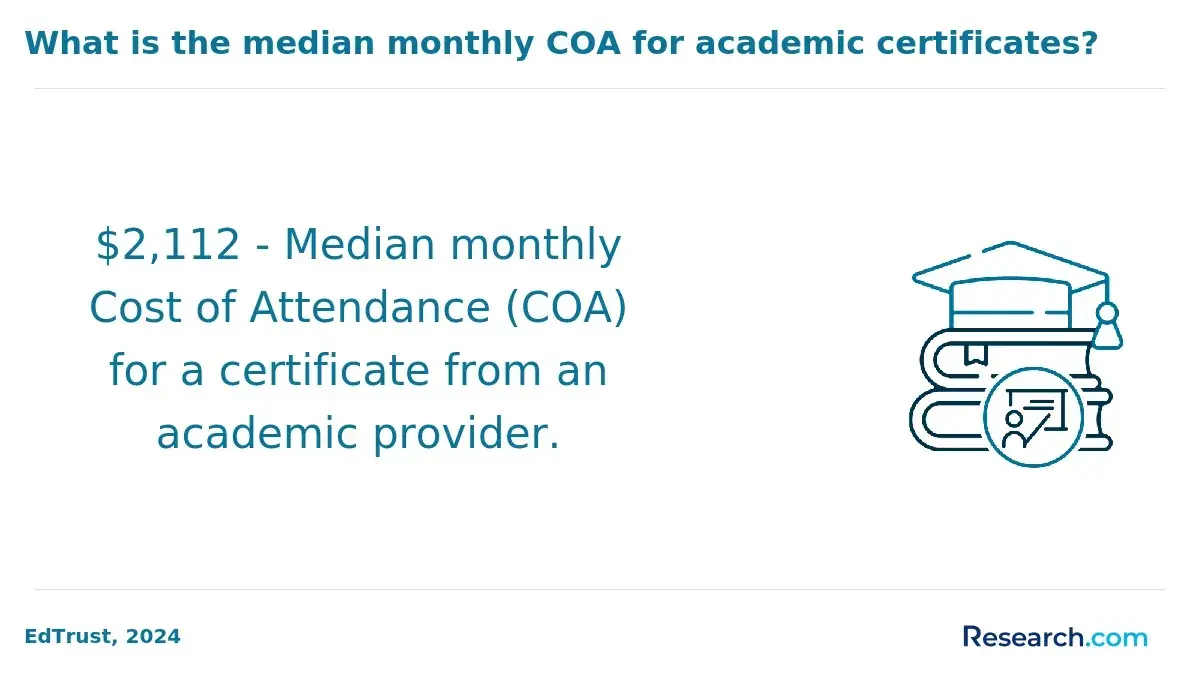
Certifications offer a practical alternative to graduate degrees in biotechnology by boosting professional credibility and improving career flexibility. Studies show that individuals with relevant certifications can experience salary increases averaging 12%, emphasizing their value in the job market.
Below are several respected certifications that can enhance your biotechnology career prospects without the need for advanced degrees.
- Certified Biological Safety Professional (CBSP): This credential verifies expertise in managing laboratory biosafety, ensuring compliance with safety standards, and handling biological risks. It is vital for roles involving biological agents, increasing hiring potential in research and biotech production environments.
- ASCP Molecular Biology Certification: Focused on molecular diagnostics, this certification proves proficiency in essential methods such as PCR and DNA sequencing, which are foundational to many biotechnology processes.
- Regulatory Affairs Certification (RAC): Demonstrating knowledge of regulatory frameworks and product approval pathways, the RAC is important for those involved in navigating complex biotech compliance requirements, making candidates more competitive in the sector.
- Certified Quality Auditor (CQA): Offered by the American Society for Quality, this certification highlights skills in evaluating and improving quality management systems, an integral part of biotech manufacturing and research quality assurance.
- Project Management Professional (PMP): Although not industry-specific, the PMP credential is highly regarded for overseeing complex biotech projects, enhancing leadership capabilities and career advancement opportunities.
These certifications provide targeted knowledge and skills applicable across various biotechnology fields, enabling professionals to showcase expertise that supports career growth and salary gains without returning to graduate education.
Experience plays a significant role in career advancement within biotechnology, as many employers prioritize demonstrated skills, practical problem-solving, and proven performance over formal credentials. Hands-on learning and on-the-job expertise allow professionals to contribute effectively to projects and lead teams, often accelerating their growth without a graduate degree.
Employers especially value candidates who have developed nuanced knowledge through real-world application in technical roles. This practical foundation can be a strong alternative to advanced education in many operational and support functions within biotechnology.
However, relying solely on experience has its limitations, particularly for higher-level or specialized positions that require independent research leadership or advanced data analysis. Entry into these roles can be slower without the theoretical background and professional networks provided by graduate programs.
Additionally, certain sectors expect specific certifications or graduate credentials that experience alone may not fulfill. Experience becomes most valuable when combined with continuous learning, professional development, and a solid track record of accomplishments, offering viable growth opportunities in biotechnology careers focused on technical expertise and operational excellence.
Many biotechnology professionals weigh the benefits and trade-offs of pursuing graduate education due to its strong impact on career and earnings potential. For example, the median annual wage for biological scientists with a master's degree is approximately 20% higher than those holding only a bachelor's degree.
Understanding the challenges tied to stopping at a bachelor's degree can help guide career decisions.
- Slower Career Advancement: Bachelor's degree holders often face obstacles moving into senior or specialized roles, as many leadership and research positions require graduate-level credentials. This can limit upward mobility in certain biotechnology career tracks.
- Reduced Research Opportunities: Without graduate training, access to advanced techniques, cutting-edge equipment, and high-impact projects may be limited. Bachelor-level workers often perform routine laboratory or production tasks rather than engaging in innovative research.
- Competitive Disadvantage: Employers in specialized biotech sectors sometimes prioritize candidates with graduate degrees, especially in areas like drug development and regulatory affairs. This dynamic reflects the real-world impact of careers limited by lack of graduate degrees.
- Specialized Knowledge Gaps: Graduate programs typically provide regulatory and clinical training essential for niche biotechnology fields such as medical device development or clinical trial management. Bachelor's graduates may find fewer job options in these areas.
- Networking Limitations: Graduate study often facilitates connections with faculty, industry leaders, and peers. Bachelor's degree holders usually need to find alternative ways to build similar professional networks, which can require extra time and effort.
For students exploring educational pathways, considering a self-paced accredited online college may offer flexible options to balance work experience with continuing education and enhance long-term prospects.
Return on investment (ROI) in education measures the balance between costs like tuition and time spent against career outcomes such as salary and job stability. For biotechnology bachelor's degree holders, the median annual wage for biological technicians was about $50,000 in 2024, according to the U.S. Bureau of Labor Statistics. Maximizing ROI involves making strategic decisions that increase earnings and career growth without pursuing graduate education.
Here are practical ways to improve long-term ROI with a biotechnology degree.
- Industry Experience: Engaging in internships and cooperative education during your undergraduate studies offers hands-on experience and builds professional networks. These opportunities often lead to higher starting salaries and better job placements, helping you capitalize on your biotechnology degree career paths with the highest ROI.
- Specialize Strategically: Focusing on high-demand subfields like bioinformatics, quality assurance, or pharmaceutical biotechnology can enhance your earning potential. Learning relevant laboratory techniques and data analytics adds valuable skills that employers seek, increasing your long-term salary growth.
- Product-Focused Roles: Pursuing positions connected to product development or regulatory affairs typically offers greater responsibility and compensation. These roles often contribute directly to bringing new therapies or technologies to market, differentiating you from purely research-oriented careers.
- Leadership Skills: Developing communication and project management abilities early in your career accelerates promotion opportunities and salary increases. Demonstrated leadership makes you a standout candidate for advanced positions within biotechnology fields.
- Educational Choices: Consider enrolling in an online bachelor's degree in nutrition or related programs that complement biotechnology expertise. Broadening your knowledge base can open additional career avenues and increase earnings with biotechnology skills.
Deciding if graduate school is worthwhile for biotechnology careers depends on individual career goals, industry demands, and a clear return on investment. While many entry-level biotechnology positions can be secured with a bachelor's degree, roles that require innovation, leadership, or specialized expertise often favor candidates with advanced degrees.
According to labor statistics, professionals holding a master's in life sciences earn nearly 24% more than those with only undergraduate qualifications, highlighting the financial benefits of further education. Considering these factors aids prospective students in evaluating when graduate school adds value to biotechnology job prospects.
Graduate education is especially valuable for biotechnology careers that demand deep technical knowledge, such as genetic counseling, regulatory affairs, and bioinformatics. It also opens pathways to leadership and supervisory positions not typically accessible with a bachelor's alone.
Furthermore, professional fields within biotechnology that require licensure or focus heavily on research usually necessitate advanced degrees. However, pursuing an accelerated healthcare management degree online or similar programs can help weigh costs and benefits more effectively for those aiming to elevate their credentials strategically.
What Graduates Say About Biotechnology Degree Careers That Offer the Best Return Without Graduate School
- Tristan: "Choosing not to pursue a graduate degree in biotechnology was initially a tough call, but it allowed me to enter the workforce earlier and gain hands-on experience. I focused on acquiring certifications and internships that complemented my degree, which boosted my employability significantly. Today, I'm confident that with the right skills, a biotech bachelor's can lead to rewarding career opportunities without the need for advanced degrees."
- Jesiah: "Reflecting on my decision to stop at a bachelor's in biotechnology, I realize how important it was to leverage every chance for professional development. I prioritized learning industry-standard laboratory techniques and bioinformatics tools to stay competitive. This proactive approach helped me land a quality position straight out of college, proving that strategic skill-building can overcome the lack of graduate credentials."
- Christopher: "My biotechnology degree opened doors that I initially thought required graduate education, especially in quality control and regulatory fields. By networking and gaining relevant certifications, I was able to grow professionally without further schooling. I've found that dedication and continuous learning are key to maximizing the value of a biotech degree and thriving in this evolving industry."
Other Things You Should Know About Biotechnology Degrees
In 2027, pharmaceuticals, biotech firms, agricultural technology companies, and healthcare sectors are promising avenues for biotechnology bachelor's graduates seeking high returns. These industries lead in innovation and demand skilled professionals for roles such as research scientist, quality assurance officer, and bioinformatics specialist.
Internships are highly valuable for biotechnology graduates as they provide hands-on experience and industry connections. Completing internships can significantly improve job prospects and salary offers by demonstrating practical competency. Employers often prefer candidates who have proven they can operate in a lab or production environment before hiring.
Laboratory experience is critical in biotechnology careers as it builds technical proficiency and problem-solving skills. Candidates with hands-on lab experience usually find it easier to secure positions with better pay and opportunities for advancement. Practical expertise often sets them apart from others who have only pursued theoretical knowledge.
ASQ’s Certified Quality Technician and Certified Quality Improvement Associate are common entry credentials for biotech quality control roles. Employers often prefer candidates who can document GMP training, SOP compliance, and 1 to 2 years of lab experience, especially for manufacturing, validation, and release-testing positions.
- 15 In-Demand Biotechnology Career Paths to Consider https://jobsblog.danaher.com/blog/biotechnology-career-paths/
- High-Paying Careers in Biotechnology: Best Job Opportunities — Biotech United https://www.biotechunited.com/blogs/high-paying-careers-in-biotechnology-opportunities-you-cant-miss
- What is the Scope After B.Sc. Biotechnology: Career Paths and Growth https://www.lpu.in/blog/what-is-the-scope-after-bsc-biotechnology-career-paths-and-growth/
- Top 6 Advantages of Pursuing a Career in Biotechnology - Blog https://www.mangalayatan.in/blog/top-6-advantages-of-pursuing-a-career-in-biotechnology.html
- Top 15 Highest‑Paying Pharmacy Jobs in the UK 2025 (Including Salaries) https://apexlearning.org.uk/highest-paying-biotechnology-jobs-2025-2026/
- Top Strategies for Maximizing ROI in Biotech Investments https://www.ambrosiaventures.co/post/top-strategies-for-maximizing-roi-in-biotech-investments
- Top 10 Certifications for a Global Biotech Career – Which Ones Are Worth It? https://www.biotecnika.com/certifications-for-global-biotech-career-and-job-opportunities/
- Is a Biotechnology Degree Worth It? Key Benefits and Career Prospects https://www.scuhs.edu/bshs-article/is-a-biotechnology-degree-worth-it-key-benefits-and-career-prospects/
- How to get a biotech certification: steps, benefits & top programs | edX https://www.edx.org/resources/how-to-get-a-biotech-certification
- Biotechnology Credentials | InnovATEBIO https://innovatebio.org/biotech-credentials