2027 Which Biotechnology Degree Careers Offer the Best Work-Life Balance?

Co-Founder and Chief Data Scientist
Choosing Biotechnology careers that balance demanding lab work with personal time is a growing challenge. Many students overlook how roles vary-from rigorous research scientist positions with long hours to regulatory affairs or quality control jobs offering more predictable schedules. A 2025 industry report found that 42% of professionals in clinical biotechnology experience higher work-life satisfaction than those in industrial biotech sectors.
Understanding these differences is crucial when aligning career choices with lifestyle priorities. This article examines Biotechnology career paths emphasizing work-life balance, helping students and professionals identify opportunities that match their professional ambitions and personal wellbeing needs.
Key Points About Biotechnology Careers With Good Work-Life Balance
- Biotechnology regulatory affairs specialists enjoy moderate salaries, strong job growth, and low burnout, with a 2025 survey citing a 15% higher retention rate than lab research roles.
- Quality assurance managers in biotechnology report high job satisfaction and stable employment, combining steady 6% career growth with lower stress scores due to predictable workflows.
- Clinical data managers benefit from competitive salaries and 10% employment growth, supported by flexible schedules and some of the industry's lowest reported burnout levels.
Is working in the Biotechnology industry demanding?
Working in the biotechnology field presents several intense professional challenges that shape daily responsibilities. One key pressure arises from the critical nature of decisions made, which often affect patient outcomes, product integrity, or research validity. This level of responsibility can significantly heighten stress.
Additionally, biotechnology roles demand strong technical expertise and continual adaptation to rapidly advancing scientific methods and technologies. The need for accuracy and constant learning contributes to the workload. Strict regulatory requirements also play a major role, as employees must ensure compliance with detailed government standards, which involves thorough documentation and frequent inspections, further increasing job complexity.
A recent industry survey found that 48% of biotechnology workers identified heavy workloads and tight deadlines as leading causes of burnout. Specific stressors include critical decision pressures, the challenge of maintaining scientific precision, fast-paced project timelines, regulatory compliance demands, and balancing long work hours.
When asked about these stresses, a biotechnology professional who completed an online bachelor's program described the experience as "a constant balancing act." He emphasized the emotional toll of juggling lab accuracy with project deadlines, noting that "unexpected problems in experiments often meant extra hours tracking down errors."
He also mentioned that navigating regulatory paperwork required patience and added pressure, stating, "It wasn't just about the science; documentation could be overwhelming." Despite the challenges, he highlighted that relying on strong time-management skills and prioritizing tasks were essential strategies to manage stress and maintain focus over time.
Which Biotechnology careers are known to offer the best work-life balance?
Several career paths within biotechnology are known to offer a good balance between work and personal time. For example, a 2025 industry survey found that 67% of regulatory affairs specialists have the option to work remotely, enhancing their overall work-life balance. Below is a list of five biotechnology careers recognized for providing strong work-life balance benefits.
- Regulatory Affairs Specialist: This role focuses on ensuring compliance with government regulations and preparing necessary documentation. Professionals typically work standard business hours with significant remote work opportunities, making their schedules more manageable and predictable.
- Clinical Research Coordinator: Coordinators manage clinical trial operations and patient interactions, usually within set hours. Their clear schedules and defined workloads contribute to job satisfaction ratings above 80%, offering a balanced professional life.
- Biotechnology Technical Writer: These professionals create manuals, documentation, and research summaries, often freelancing or working remotely. With 73% working remotely, technical writers can arrange their work around family commitments and personal time.
- Quality Control Analyst: Analysts focus on testing and verifying products within scheduled hours and rarely face overtime. The structured nature of this role typically leads to higher employee retention due to less stress and workload unpredictability.
- Biotech Sales Representative: Though the job involves client interaction and travel, many companies offer flexible scheduling and remote work options. About 64% of sales representatives report satisfactory job flexibility and balanced work hours.
These high work-life balance jobs for biotechnology graduates combine consistent hours, remote work possibilities, and elevated job satisfaction. Students exploring a biotechnology career might also consider programs that accelerate their entry into related fields, such as an accelerated CMA program, which can complement their career goals.
Are there non-traditional careers for Biotechnology professionals that offer better flexibility?
Biotechnology graduates possess a versatile skill set that enables them to transition into non-traditional careers offering better flexibility and work-life balance. According to a recent industry survey, 42% of biotechnology degree holders who moved into alternative roles reported significantly improved work-life balance.
Below are some promising non-traditional career paths that illustrate this trend.
- Science Communication: Creating educational content and managing public relations for research organizations allows for remote work and flexible hours. This role emphasizes creativity and time management over bench work, making it suitable for those seeking work-life balance within biotechnology degree careers with flexible work hours.
- Regulatory Affairs Specialist: Focusing on government compliance rather than lab experiments, this role offers structured yet flexible schedules. Opportunities exist in consultancy and freelance work, providing autonomy and predictability.
- Biotech Consultant: Specializing in healthcare or business strategy, consultants enjoy project-based work formats and often set their own hours with the option to work remotely. This blends scientific expertise with business insight and supports a balanced lifestyle.
- Patent Agent or Advisor: Combining scientific training with legal processes, this niche career features more predictable work hours and fewer emergencies. It is especially appealing for professionals seeking stability and less stress outside traditional lab roles.
- Quality Assurance Roles: These positions emphasize process improvement and compliance in biotech-adjacent industries. They provide structured environments with less pressure from unpredictable research deadlines, contributing to better work-life balance.
For those interested in advancing within these flexible career paths, relevant education such as health administration master programs can enhance qualifications and open additional opportunities in the healthcare and biotechnology sectors.
Biotechnology professionals typically work a standard 40-hour week, mostly during regular daytime hours on weekdays. Entry-level roles like lab technicians and research assistants usually follow predictable schedules that help maintain a steady work-life balance. However, those in senior or managerial positions may occasionally extend their hours when facing project deadlines or regulatory submissions.
While most biotechnology jobs fit within regular lab or office hours, some areas such as pharmaceutical development or clinical trials can demand overtime during intense project phases. Temporary spikes in workload are also seen when companies rush research or prepare for new product launches. Despite these pressures, many employees report manageable schedules that allow personal time outside of work.
Roles with more predictable workflows, such as regulatory affairs, quality control, and data analysis, tend to offer better work-life balance by minimizing urgent deadlines and seasonal fluctuations. Additionally, some organizations now implement flexible or hybrid schedules to support employee well-being without hindering productivity, helping professionals keep a clear boundary between job responsibilities and personal life.
The responsibilities in biotechnology careers often shape the pace and intensity of the workday, directly influencing overall work-life balance. A 2025 industry survey found that approximately 60% of biotechnology professionals report better work-life balance when their roles focus more on experimental design and data interpretation than on emergency problem-solving and reactive communication.
Here are some common work schedules and duties in biotechnology jobs:
- Experimental Design: Designing and conducting experiments to create or improve biological products requires deep concentration and critical thinking. This task often demands extended periods of sustained focus and meticulous attention to detail.
- Data Analysis: Interpreting experimental results is essential for advancing projects and refining processes. It can be time-consuming and requires analytical skills, but it supports quality control efforts.
- Technical Documentation: Writing and maintaining detailed reports and records ensures regulatory compliance and helps communicate findings within teams and to stakeholders. This task involves thoroughness and precision.
- Team Collaboration: Attending meetings, responding to emails, and coordinating with cross-functional groups constitute reactive work. These duties occupy part of the day but typically demand less intense cognitive effort.
- Troubleshooting: Addressing unexpected problems during experiments or production can be stressful. However, this often takes up a smaller fraction of time compared to planned analytical tasks.
Students seeking to enter this field should consider how these biotechnology career responsibilities and daily tasks affect work-life balance. Those aiming for roles with better balance might explore positions focused more on analytical work than reactive duties. For additional information on educational options supporting such career paths, prospective students can investigate opportunities, including free online college application resources.
Remote and hybrid options are becoming more common in biotechnology careers, though availability varies by job type. While positions involving direct lab work generally require on-site presence, roles in data analysis, medical writing, bioinformatics, and regulatory affairs increasingly offer flexible work arrangements. Recent data indicates that about 30-40% of job postings for these hybrid-friendly roles mention remote or hybrid work possibilities.
The limited adoption of remote work largely stems from the hands-on nature of many biotechnology jobs, which demand access to specialized equipment and secure laboratory environments. Nonetheless, improvements in cloud technology and collaborative tools have made remote contributions feasible in tasks such as data evaluation, clinical trial coordination, and grant writing. This flexibility often enhances work-life balance by reducing commuting time and allowing better management of personal responsibilities.
Nevertheless, industry-specific obstacles exist. Strict safety protocols constrain the ability to perform certain experiments remotely, and the sensitivity of proprietary research restricts off-site data access. These factors highlight challenges in fully embracing remote work across all biotechnology sectors, potentially impacting employees' ability to gain work-life balance depending on their specific role and industry segment.
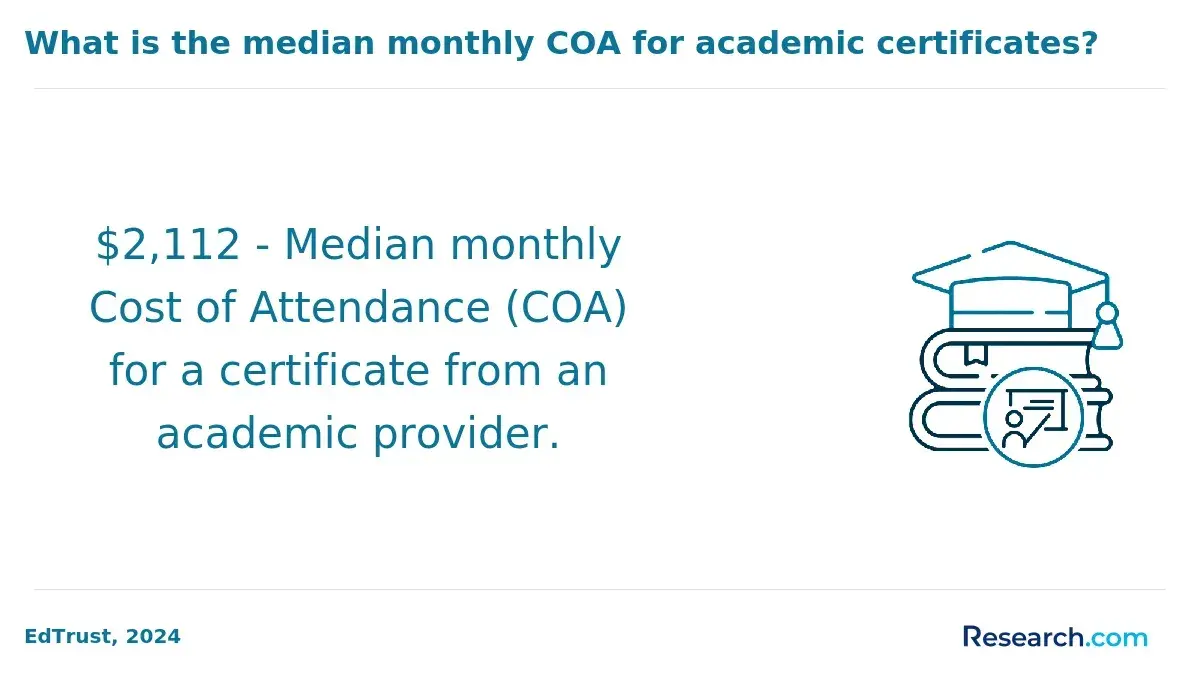
Biotechnology graduates often start with roles like quality control analysts or regulatory affairs specialists, which typically offer balanced schedules and median salaries around $70,000 to $110,000. More specialized positions, such as bioprocess engineers or clinical research scientists, tend to have higher earning potential exceeding $120,000 but come with increased job demands and longer working hours.
Education costs for a bachelor's degree in biotechnology usually range from $40,000 to $60,000, with advanced degrees increasing that investment considerably. A 2025 labor study found that 62% of biotechnology professionals who reported good work-life balance also expressed satisfaction with their compensation, indicating that income levels generally reflect the workload.
Many professionals see a strong return on investment during mid-career stages, including bonuses, profit sharing, and healthcare benefits. However, the income earned often mirrors the level of stress and time commitment expected, requiring individuals to weigh financial rewards against personal time and well-being.
Ultimately, whether the potential income is worth the demands of biotechnology careers depends on personal priorities. Those valuing stability and regular hours may prefer roles with moderate pay but better work-life balance, while others willing to accept higher pressure might benefit financially but face more challenges maintaining personal time over the long term.
Challenges include the pressure to keep pace with rapid technological changes, extended hours spent on detailed research and documentation, and the need to adhere to complex safety and ethical regulations. These factors contribute to cognitive fatigue, prompting many to transition into less demanding areas with improved work-life balance.
Positions like quality control analyst or regulatory affairs specialist usually involve more routine tasks, resulting in decreased mental load and greater sustainability over the long term.
When discussing sustainability in biotechnology careers, a professional who completed an online biotechnology bachelor's degree shared that, "The early years felt overwhelming with constant new protocols and intense problem-solving." He mentioned that navigating changing guidelines and managing detailed reports often left him mentally drained by the day's end.
He reflected that while passion for the field remained strong, finding roles that allowed for more predictable schedules and reduced stress was essential to maintain enthusiasm and avoid burnout over the decades. "Adjusting career paths helped me protect my well-being without stepping away completely from what I love," he added.
Negotiating work-life balance is most effective during the initial job offer stage, as this period is crucial for setting clear expectations. Approximately 62% of biotechnology employers are open to discussing flexible work arrangements, making this the ideal moment to establish boundaries. Consider these strategies to enhance your negotiation outcomes.
- Highlight Project Efficiency: Emphasize your ability to deliver high-quality results within deadlines rather than focusing on hours worked. Showing how your productivity aligns with employer objectives helps justify requests for flexible schedules without compromising output.
- Propose Hybrid Work Models: Suggest a balance of remote and onsite work tailored to your role's demands. For example, remote days can be reserved for tasks requiring deep focus, like data analysis or writing, while on-site presence supports lab collaboration.
- Define Core Hours: Instead of rigid daily schedules, advocate for core hours during which you are consistently available. This promotes flexibility while maintaining team communication and accountability.
- Request Task-Based Evaluations: Align performance reviews with completed assignments and milestones rather than strict time tracking. This approach allows you to manage workload sustainably and supports balanced work-life management.
Applying these negotiation strategies can improve work-life balance in biotechnology careers. Candidates exploring online PharmD programs may find similar approaches beneficial when discussing flexibility in advanced educational and professional settings.
Beyond selecting biotechnology positions that offer flexibility, aspiring professionals should also evaluate the organizational culture of prospective employers, as it greatly influences long-term work-life balance. Here are key factors to consider during your job search:
- Flexible Schedules: Look for employers who provide flexible work hours or remote work options, especially important in laboratory roles where some tasks can be completed off-site. A strong indicator is whether employees genuinely have control over their schedules, which is crucial for achieving a balanced lifestyle. During interviews, ask how flexible hours are supported on a day-to-day basis.
- Wellness Programs: Companies committed to employee health often offer structured wellness initiatives, including mental health support and stress management tailored to scientific staff. Asking about wellness resources during the hiring process reveals whether the organization prioritizes well-being during demanding project cycles.
- Career Development Support: Employers who encourage ongoing education and skill enhancement help manage workloads by aligning responsibilities with personal growth. Inquiry about professional development opportunities and workload adjustments during training signals a healthy work-life balance approach.
- Transparent Workload Management: Clear and fair workload distribution, combined with regular feedback, helps prevent burnout. Candidates should ask about average weekly hours and how project deadlines are monitored to ensure personal time is respected.
For those exploring roles with strong biotechnology employer benefits for work-life balance, it is essential to ask these pointed questions during interviews to identify the best biotechnology companies for flexible work schedules. Additionally, advancing your education through online Psych NP programs or related fields can further enhance your career options and flexibility.
What Graduates Say About Having Biotechnology Careers With Good Work-Life Balance
- Tristan: "Working in the biotechnology field has been a thrilling journey for me. The workload can be intense at times, especially during project deadlines, but the collaborative work culture really helps balance the pressure. The income is competitive, which makes managing a healthy work-life balance genuinely achievable, and the satisfaction I get from contributing to innovative medical solutions is unmatched."
- Jesiah: "Reflecting on my career in biotechnology, I find the most rewarding aspect is the meaningful impact our work has on society. While the hours can occasionally be long, most companies promote flexible schedules and respect personal time, which is crucial for maintaining balance. The financial rewards are decent, but what truly keeps me motivated is the sense of purpose and job satisfaction I experience daily."
- Christopher: "From a professional standpoint, biotechnology offers a unique blend of challenging yet manageable workloads. The industry generally values work-life balance, supported by good pay and positive workplace environments. The job satisfaction derives not only from scientific discovery but also from the potential to improve lives, making this field a fulfilling career choice."
Other Things You Should Know About Biotechnology Degrees
ASQ’s Certified Biomedical Auditor, BPI’s GMP certifications, and NIH training in biosafety or regulatory compliance can support lower-stress roles in quality assurance, validation, and compliance. Employers often prefer 1–3 years of industry experience plus documented Good Manufacturing Practice training.
Biotechnology careers based in urban or biotech hubs may offer more networking opportunities but could involve longer commutes and higher living costs, which impact work-life balance. Positions in smaller companies or research institutions outside major cities might provide shorter commutes and more relaxed environments, enhancing personal time.
Yes, several professional organizations in the biotechnology field advocate for work-life balance by providing resources such as mentorship programs, flexible career development plans, and networking events focused on wellness. Examples include the Biotechnology Innovation Organization (BIO) and various specialty-specific societies.
- What is it like to work in the fascinating world of biotechnology? https://www.nesfircroft.com/resources/blog/what-is-it-like-to-work-in-the-fascinating-world-of-biotechnology/
- How to Negotiate Your Salary in Life Sciences: Step‑by‑Step Guide https://www.epmscientific.com/en-us/industry-insights/career-advice/negotiating-the-salary-you-deserve
- Top Biotech Companies With Best Work-Life Balance (3,161) https://builtin.com/companies/type/biotech-companies/reputation/work-life-balance
- Work-Life Balance in Biotech Top Biotech & Science Recruiters | Quality Results Now https://www.sci.bio/work-life-balance-in-biotech/
- Is biotechnology a good career? The pros and cons https://www.labiotech.eu/expert-advice/is-biotechnology-a-good-career/
- How to Negotiate Your Salary in the Pharmaceutical and Life Science Industry https://www.pharmacv.com/post/how-to-negotiate-your-salary-in-the-pharmaceutical-and-life-science-industry
- Addressing Mental Health in the High-Pressure Biotech World – PharmaDiversity Blog https://blog.pharmadiversityjobboard.com/
- What Does a BioTech Professional Actually Do? A Day in the Life https://www.careertalks.space/careers/biotech-pharma/what-does-a-biotech-professional-do
- High-Paying Careers in Biotechnology: Best Job Opportunities — Biotech United https://www.biotechunited.com/blogs/high-paying-careers-in-biotechnology-opportunities-you-cant-miss
- What Does a Biotechnologist Do? https://www.pharmiweb.jobs/article/what-does-a-biotechnologist-do-