2027 Which Biotechnology Degree Careers Have the Highest Barriers to Entry?

Co-Founder and Chief Data Scientist
A recent biotechnology graduate faces a daunting challenge when applying for clinical research coordinator positions, where certification and several years of hands-on lab experience are often mandatory. In fact, over 60% of mid-level biotech roles now require postgraduate qualifications combined with specialized professional certifications. These increasing demands reflect industry trends toward higher competency standards and stricter regulatory oversight. While entry-level lab technician roles remain relatively accessible, careers such as biopharmaceutical project management or regulatory affairs impose far more rigorous barriers. This article explores which biotechnology degree careers have the highest barriers to entry and explains the factors contributing to their elevated difficulty.
Key Things to Know About Biotechnology Careers With the Highest Barriers to Entry
- Careers with the highest barriers typically require advanced degrees, such as PhDs, with rigorous coursework and research exceeding 6 years post-bachelor's.
- Competitive hiring in specialized biotech fields often demands publication records, internships, and demonstrated lab expertise, limiting opportunities to top candidates.
- Strict credentialing includes professional certifications and minimum experience thresholds, with some roles requiring over 5 years in regulated environments before entry.
Which Biotechnology Careers Are Hardest to Get Into?
Some biotechnology careers are notably hard to enter due to a combination of intense competition and a scarcity of available roles. In many cases, applicant-to-position ratios can exceed 20:1, reflecting the high level of selectivity these fields demand. This competitive landscape shapes which paths are considered the most challenging for aspiring professionals.
The following roles are widely recognized for their rigorous entry barriers and limited availability:
- Biomedical Research: Positions in biomedical research are scarce compared to the number of candidates. The difficulty arises from limited funding and long project durations that restrict hiring frequency.
- Clinical Laboratory Scientist: Despite essential contributions to healthcare, the number of accredited lab positions does not match the growing graduate pool, causing stiff competition.
- Biotech Patent Law: This niche requires expertise in both legal and scientific domains, funneling applicants into a small candidate pool while job openings remain relatively few.
- Regulatory Affairs: Navigating complex compliance rules, regulatory specialists face a narrow job market with only a handful of positions in most organizations.
- Biotech Venture Capital: Careers in venture capital or business development combine scientific knowledge with financial insight, resulting in limited positions and a preference for candidates with extensive experience.
For those weighing their options in biotechnology, understanding which paths have the highest barriers can guide decisions. Some may even explore related fields such as the shortest DNP program to find alternative routes in the broader life sciences domain.
What Academic Requirements Make Biotechnology Careers Harder to Enter?
Academic demands often create significant barriers for those seeking careers in biotechnology, especially when roles require prolonged education or specialized study areas. Approximately 60% of advanced biotechnology careers now mandate a master's degree or higher, reflecting the growing emphasis on extensive academic preparation. Such requirements can delay entry into the workforce and limit accessibility for many candidates.
Key academic challenges contributing to these barriers include the following:
- Advanced Degrees: Specialized biotechnology roles, particularly in research, development, or clinical fields, frequently require candidates to complete master's or doctoral programs. These programs involve substantial coursework, research commitments, and thesis work, increasing the time before individuals can enter the workforce.
- Specialized Coursework: Biotechnology careers often demand in-depth study beyond basic biology or chemistry, including subjects like molecular biology, genetic engineering, and bioinformatics. These specialized courses may require prior knowledge and strong academic performance to access.
- Extended Study Timelines: Many biotechnology fields emphasize practical, hands-on training through laboratory work, internships, or research projects integrated into degree programs. This practical focus often extends the time needed for academic completion.
- Embedded Research Experience: Several biotechnology paths expect students to gain considerable research experience during their graduate studies, which adds to the overall duration and rigor of academic preparation.
- Strict Academic Standards: High GPA requirements and rigorous assessments in core scientific disciplines serve to filter and narrow candidate pools early in their academic careers, making advanced biotechnology programs highly competitive.
What Certifications Are Required for Biotechnology Careers?
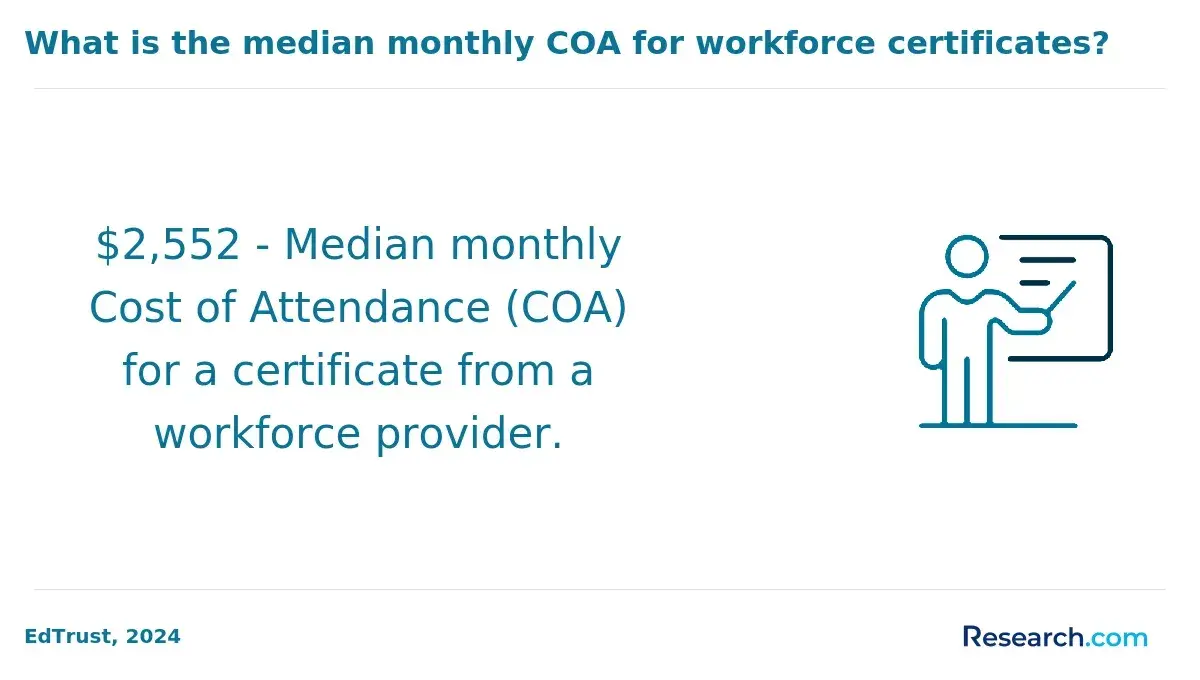
Certifications often act as formal prerequisites within select biotechnology fields, serving as essential credentials for professional practice or specialization. They typically require passing designated examinations or meeting standards established by credentialing organizations. Nearly 40% of biotechnology job postings now specify certification or licensing as mandatory for candidacy.
Below are common examples of certifications that frequently create entry barriers in biotechnology careers:
- Certified Biological Safety Professional (CBSP): This certification emphasizes managing safety protocols and ensuring compliance in biological laboratories, playing a key role in controlling workplace hazards.
- Registered Genetic Counselor (RGC): It verifies expertise in genetic counseling, including adherence to ethical practices and professional standards, thus limiting entry to properly credentialed individuals.
- Clinical Laboratory Scientist (CLS) / Medical Laboratory Scientist (MLS): These certifications confirm proficiency in performing clinical tests and analyses, often required to legally work in diagnostic and research lab settings.
- Good Laboratory Practice (GLP) Certification: This credential ensures familiarity with regulatory frameworks and strict procedures necessary for conducting compliant laboratory studies.
A biotechnology degree graduate shared insight into certification challenges, explaining that "the certification exams were rigorous and demanding, often requiring months of focused preparation." He noted the anxiety around recertification deadlines and how maintaining active certification felt like a continuous hurdle, not just a one-time achievement. He described instances where the complexity of certification processes made the transition from education to professional work stressful, remarking that "even after years of study, getting certified was an eye-opener to the real standards expected in the field."
Experience requirements serve as a major filter in competitive biotechnology careers, helping employers narrow applicant pools to those most qualified. These experience thresholds make certain roles more selective by setting clear expectations about candidates' hands-on backgrounds. Meeting these levels is essential to accessing positions with higher barriers to entry and influencing how competitive biotechnology jobs shape their applicant criteria.
Below are common experience levels employers seek across typical biotechnology roles:
- Entry-Level: These positions often call for little to no prior professional experience. Candidates may bring academic projects or internships but generally lack prolonged, practical work history.
- Early-Career: Requiring about one to three years of relevant experience, this stage reflects foundational industry involvement and the capability to handle routine tasks independently.
- Mid-Level: Usually demanding three to seven years of experience, mid-level roles expect enhanced technical skills, problem-solving abilities, and occasionally supervisory responsibilities.
- Senior-Level: Extensive experience, typically more than seven years, is common here. Senior professionals provide strategic insights and contribute significantly to critical decision-making.
- Specialist or Expert-Level: Certain highly specialized careers need a decade or longer of dedicated experience. These experts are often leaders in innovation and advanced research.
The range of typical experience requirements for competitive biotechnology careers helps define which paths demand greater professional depth. Candidates exploring demanding roles may also consider complementary education options, such as accelerated MHA programs online, to strengthen their qualifications.
High-barrier biotechnology careers demand a blend of advanced and specialized skills that make entry into these roles particularly selective. Employers place strong emphasis on candidates who exhibit technical depth and precise competencies, valuing these traits even more than broad educational credentials. A 2023 industry survey revealed that more than 70% of biotechnology employers prioritize advanced analytical and technical capabilities when evaluating applicants.
The following key skills are commonly essential for securing positions in this competitive field:
- Analytical Thinking: Interpreting complex data and experimental results requires strong critical thinking. This skill ensures professionals can make evidence-based decisions, raising the entry threshold due to the demand for accuracy and detail orientation.
- Technical Proficiency: Expertise in sophisticated laboratory tools, such as gene editing or chromatography, is expected. Mastery of these advanced techniques narrows the talent pool, as it involves specialized knowledge not widely held.
- Regulatory Insight: Navigating industry regulations and quality standards demands comprehensive understanding. This knowledge creates barriers because roles require familiarity with strict compliance and ethical frameworks.
- Innovative Research: Creative design and execution of novel experiments are necessary to contribute original findings. This skill elevates difficulty by pushing professionals to advance scientific knowledge in a competitive environment.
- Collaboration Skills: Effectively communicating complex ideas and working across disciplines is integral. This ability adds complexity since it involves managing diverse perspectives and teamwork.
When I spoke with a professional holding a biotechnology degree, she described the challenge of mastering these skills as both demanding and rewarding. She pointed out that the precise interpretation of data often felt like solving an intricate puzzle where every detail mattered. Learning to operate cutting-edge equipment required patience and repetition beyond initial training. "It was daunting at first, especially balancing innovation with strict compliance," she reflected. Yet, she emphasized how collaborative projects provided unexpected insights, enhancing both her confidence and her ability to communicate sophisticated concepts clearly. This blend of rigor and teamwork, she concluded, is what truly defines high-barrier biotech careers.
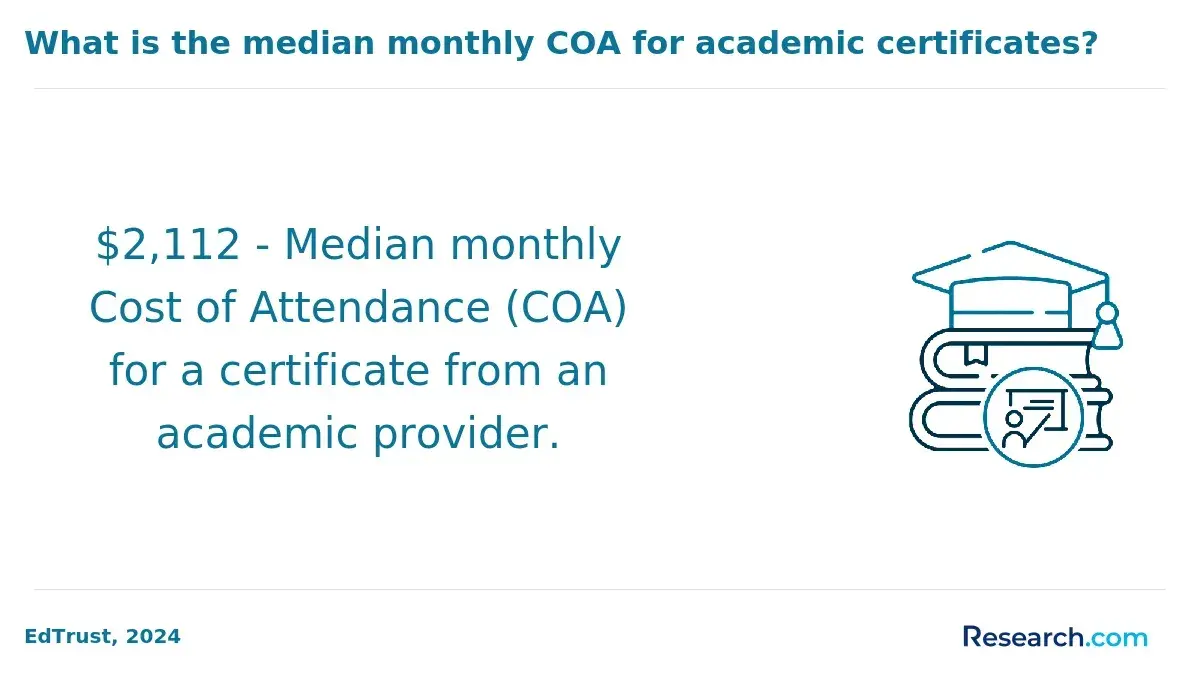
The barriers to entering careers in biotechnology can differ widely based on the specific sector of the industry. Some fields impose more stringent limitations due to factors such as regulatory demands, technical complexity, and innovation levels. These varying conditions make certain biotechnology career paths notably more challenging to break into.
The following industries illustrate where these entry thresholds tend to be the highest:
- Pharmaceutical Development: This sector centers on the invention and validation of new medications, requiring compliance with strict regulatory frameworks. The multifaceted nature of drug creation combined with intensive government oversight significantly increases entry difficulty.
- Biomanufacturing and Industrial Biotechnology: Manufacturing biological products at scale involves complex procedures and tight quality controls. Safety standards and operational intricacies create substantial barriers for newcomers.
- Medical Device Biotechnology: Combining biological science with engineering to develop medical devices demands expertise across disciplines. Regulatory requirements and technical sophistication raise the entry bar in this field.
- Clinical Research Organizations (CROs): Conducting clinical trials crucial to advancing biotech innovations requires adherence to precise methodologies and regulatory systems. These strict controls make entering CRO work particularly challenging.
- Agricultural Biotechnology: Focused on enhancing crops through genetic techniques, this sector faces rigorous scientific and regulatory scrutiny. Such complexities contribute to steeper entry hurdles for professionals seeking roles here.
In these sectors, the combination of regulatory oversight, innovation intensity, and operational demands collectively shapes the elevated barriers to entry characteristic of certain biotechnology careers.
Geographic location significantly impacts entry requirements for biotechnology careers, as regional differences in regulation and workforce standards can either tighten or ease access to these fields. Variations arise from distinct state policies and the local presence of biotechnology industries, influencing how accessible certain roles are to job seekers. In fact, a 2022 survey found that about 35% of U.S. states exhibit considerable differences in biotechnology-related licensing or certification standards compared to national norms.
Several regional factors contribute to the varying stringency of entry requirements in biotechnology careers, including:
- State Licensing Mandates: Some states impose specific licensing or certification requirements to ensure quality and safety, particularly where biotechnology sectors are well established, raising the barrier for entry.
- Regulatory Oversight Intensity: Regions with dense industry clusters often enforce stricter compliance and monitoring, impacting the complexity of meeting entry standards.
- Educational Accreditation: Local training and academic programs may be held to rigorous accreditation criteria, influencing qualifications expected from new biotechnology professionals.
- Urbanization and Demand: Highly urbanized areas usually present more competitive markets with tighter entry controls, whereas less populated regions might have simpler requirements but fewer opportunities.
- Workforce Development Funding: States directing substantial resources to biotechnology workforce initiatives can shape stronger standards and more defined career pathways.
The competitiveness of the biotechnology career hiring in the US is shaped by several key factors, including the high number of applicants relative to the limited number of available roles and the rigorous selectivity of employers. Due to the specialized and technical nature of biotechnology work, employers carefully evaluate candidates to ensure they possess the right expertise. This results in intense competition, with some research positions attracting over 50 applications per vacancy. Such high application-to-job ratios make it challenging for candidates to secure positions in this evolving field.
This competitive environment creates varied hiring dynamics across the biotechnology sector, where the level of selection intensity differs depending on the role. Highly selective positions, such as principal scientists or regulatory affairs specialists, reflect the strategic importance and scarcity of qualified professionals.
Meanwhile, entry-level jobs also face significant pressure from a large applicant pool, underscoring ongoing job market challenges for biotechnology professionals. Prospective students should consider these factors alongside education options, including medical billing and coding online schools that accept financial aid, as part of their broader career planning efforts.
Certain sectors within biotechnology are notably selective in hiring due to limited job openings, stringent performance standards, and their strong reputations. Research shows that some top US biotechnology firms hardest to get hired by receive over 1,000 applications per open position, accepting fewer than 3% of candidates. This highlights the intense competition and rigorous qualifications required.
Below are types of organizations in biotechnology that typically impose higher barriers to entry and the reasons for their strict hiring standards:
- Large Multinational Institutions: These organizations maintain rigorous screening processes to protect their global market position and ensure innovation leadership. Despite having greater resources, competition remains fierce due to their prestigious reputations.
- Highly Selective Research Organizations: Operating under tight budgets and specialized projects, these groups hire only candidates with exceptional qualifications to maximize research impact and funding efficiency.
- Specialized Biotech Firms: Niche firms focusing on cutting-edge technologies demand precise expertise and proven success records, raising the difficulty for new hires to meet these high standards.
- Government Regulatory and Health Bodies: Strict entry criteria help these organizations comply with legal standards and maintain public trust, making their recruitment highly competitive.
- Top-tier Contract Research Organizations (CROs): Due to client demands and specialized services, CROs select from a limited pool of highly experienced professionals, increasing selectivity.
Prospective students considering careers in these highly selective biotechnology companies with toughest hiring standards should carefully plan their education and professional development. Exploring specialized degree paths, such as dietitian master's programs, can provide tailored expertise aligned with rigorous industry demands.
Careers in biotechnology that demand more rigorous qualifications and specialized expertise generally offer higher salaries, reflecting the value placed on skilled professionals. Industry data reveals that roles with advanced responsibilities can earn 30% to 50% more than less demanding positions, illustrating a clear pay premium tied to entry difficulty.
This pattern highlights how employers reward those with rare competencies that justify increased compensation. Such trends are common across biotechnology career salary comparisons, demonstrating a strong link between entry barriers and earning potential in many cases.
Nonetheless, higher barriers to entry do not always translate into the highest salaries across all biotechnology career paths. Some roles requiring extensive credentials may yield moderate pay due to market conditions, funding constraints, or saturation, while certain niche positions with less stringent entry demands might offer competitive compensation driven by innovation and demand.
These nuances mean salary outcomes vary significantly depending on specific fields and economic factors. Individuals interested in career options can explore shortest online PMHNP certificate programs and other educational paths to assess which biotechnology careers align best with their goals and earning expectations.
What Graduates Say About Biotechnology Careers With the Highest Barriers to Entry
- Tristan: "Choosing a biotechnology degree was daunting given the complexity and intense competition in the field, but I knew it was worth the challenge. I focused on gaining hands-on experience through internships and networking relentlessly, which truly boosted my chances in this demanding career path. The degree has been a powerful foundation, opening doors to innovative roles I never imagined possible."
- Jesiah: "Reflecting on my journey, pursuing biotechnology felt like stepping into a world filled with barriers-rigorous coursework and evolving technologies. I trusted that continuous learning and developing specialized lab skills would help me stand out. Today, I see how my biotechnology degree has profoundly shaped my analytical approach and adaptability in a fast-paced industry."
- Christopher: "Professionally, earning a biotechnology degree taught me the value of perseverance amid some of the highest entry barriers in science careers. I was deliberate about building a strong technical background and engaging in research early on, which accelerated my growth. My degree didn't just provide knowledge; it transformed my outlook on solving real-world biological challenges."
Other Things You Should Know About Biotechnology Degrees
Yes, most of the biotechnology careers with the highest barriers to entry require advanced degrees such as a master's or a PhD. These degrees are often essential because they provide specialized knowledge and research experience that bachelor's programs generally do not cover. Positions in areas like genetic engineering, biopharmaceutical development, and clinical research usually mandate this level of education.
Laboratory research experience is critical when pursuing biotechnology roles with high entry barriers. Hands-on experience in a lab setting demonstrates practical skills and familiarity with complex protocols that employers look for. Candidates with internships, graduate research, or postdoctoral work often have a significant advantage in securing these positions.
Yes, biotechnology careers at the top of the difficulty scale often require knowledge of ethical standards and regulatory compliance. Fields involving clinical trials, drug development, and genetic manipulation must adhere to strict guidelines by agencies like the FDA or EMA. Understanding these regulations is a prerequisite for many advanced roles.
Clinical laboratory scientist roles usually require a state license, and biomedical engineer positions tied to medical devices may require professional engineer licensure for certain duties. In biotech, regulatory affairs and GMP compliance roles often expect documented training under FDA rules, while clinical diagnostics work must meet CLIA standards.
- How to get a job in biotech? 5 tips on securing your dream job https://www.labiotech.eu/expert-advice/biotech-job-tips/
- A Biotechnology Recruitment Guide for Employers and Job Seekers | SRG https://www.srgtalent.com/blog/biotechnology-recruitment-guide
- Biotech vs. QA/QC: Which Certification Course is Perfect for You? https://ibri.org.in/blog/biotech-vs-qaqc-which-certification-course-is-perfect-for-you
- Latest News & Blogs https://bdglifesciences.com/blogs/top-skills-for-biotechnology-and-bioinformatics-jobs
- How To Land Your First Job In Biotech - Biotech Magic https://biotechmagic.com/
- Biotechnology Skills | Biotech Careers https://biotech-careers.org/skills
- Breaking Down Barriers to Biotech Careers | InnovATEBIO https://innovatebio.org/ate-project/breaking-down-barriers-to-biotech-careers
- Biotechnology Executive Certification - Biotech Primer Inc. https://biotechprimer.com/product/biotech-exec-cert/
- Barriers in Biotech: To PhD, or not to PhD? Greg Hammond BioTalent https://www.biotalent.com/blog/2023/02/barriers-in-biotech-to-phd-or-not-to-phd
- U.S. Life Sciences Talent Trends 2025 | CBRE https://www.cbre.com/insights/reports/us-life-sciences-talent-trends-2025