2027 Most Valuable Skills You Build in a Biotechnology Degree and Which Careers Use Them Most

Co-Founder and Chief Data Scientist
How do Biotechnology students translate lab techniques into thriving careers? With 14% projected job growth in biotechnology and biological sciences through 2031, mastering both technical skills and soft skills becomes crucial. Recent graduates often question which abilities employers prioritize amid rapidly evolving technologies. Beyond mastering DNA analysis or bioprocessing, adaptability, critical thinking, and regulatory knowledge prove indispensable. This evolving landscape challenges learners to align their education with market demands for research, pharmaceuticals, and environmental sectors. This article identifies the most valuable skills developed during a Biotechnology degree and highlights the careers that depend on them most to guide students toward informed decisions.
Key Benefits of the Most Valuable Skills You Build in a Biotechnology Degree
- Developing advanced analytical and laboratory techniques ensures graduates are job-ready for biotech, pharmaceutical, and medical research sectors, where 85% of roles demand hands-on expertise.
- The interdisciplinary nature of a biotechnology degree fosters adaptability, enabling career transitions into agriculture, environmental science, and bioinformatics industries.
- Strong problem-solving and project management skills cultivated during the program support long-term career growth and leadership opportunities within evolving biotech markets.
What Are the Core Skills Taught in Biotechnology Programs?
Biotechnology programs focus on developing essential skills that prepare students to tackle complex challenges in scientific research and innovation. Over 70% of biotechnology graduates report feeling ready to apply their abilities effectively in professional settings, demonstrating the value of the core skills taught. These competencies help graduates adapt to rapidly evolving environments and contribute to advancements in the field.
Several key skills are cultivated in biotechnology degree core skills developed to ensure students are equipped for diverse roles and responsibilities. These skills include:
- Analytical Thinking: This skill enables students to systematically observe and interpret biological data, applying logical reasoning to solve experimental challenges. It supports data-driven decision-making vital for progress in scientific endeavors.
- Problem Solving: Students learn to identify issues within biological systems and design effective solutions, fostering innovation and improvement in research methodologies and workflows.
- Data Interpretation: Graduates become proficient in analyzing complex datasets and performing statistical evaluations, which are crucial for drawing accurate conclusions and advancing scientific knowledge.
- Effective Communication: Clear and concise presentation of complex scientific information is emphasized, allowing graduates to collaborate across multidisciplinary teams and share research outcomes with varied audiences.
For those interested in advancing their education further, programs such as the shortest DNP program online offer pathways to deepen expertise and enhance career potential.
What Technical Skills Are Taught in Biotechnology Programs?
Biotechnology programs focus on developing essential technical competencies that prepare students to handle complex biological systems in real-world environments. These skills enable the effective application of academic knowledge through hands-on laboratory work and data analysis. Notably, over 85% of biotechnology professionals emphasize digital literacy as critical to their success, highlighting the importance of advanced technical training.
The following are core technical skills emphasized in these programs:
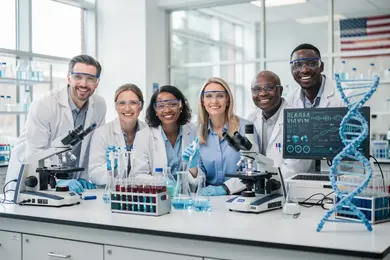
- Molecular Biology Techniques: Students learn processes such as DNA extraction, PCR amplification, and gene cloning. These techniques are fundamental for analyzing and manipulating genetic material, essential in research, diagnostics, and advanced genetic engineering skills for biotechnology careers.
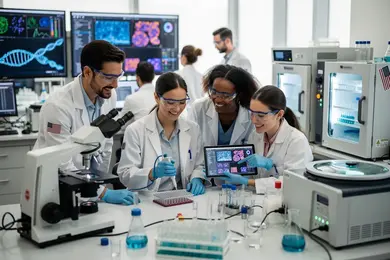
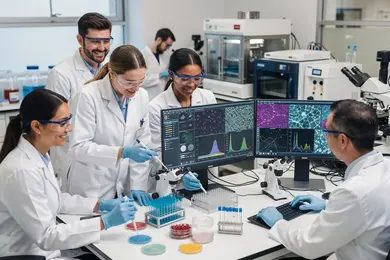
- Bioinformatics: This skill involves using computer software and large databases to interpret complex biological data. Proficiency in bioinformatics is increasingly vital as biotechnology relies more on digital tools to manage and analyze biological information.
- Cell Culture Technology: This includes cultivating and maintaining living cells under controlled conditions. Cell culture is crucial for drug development, vaccine production, and disease modeling, providing a practical foundation in biotechnological laboratory techniques and equipment proficiency.
- Bioprocessing and Fermentation: Students learn to manage microbial growth and biochemical reactions to produce biological products. These skills are central to pharmaceutical manufacturing and industrial biotechnology applications.
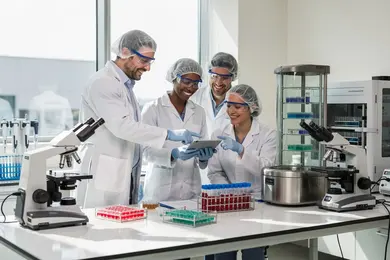
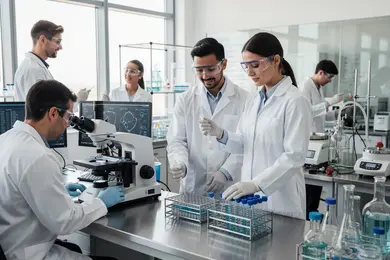
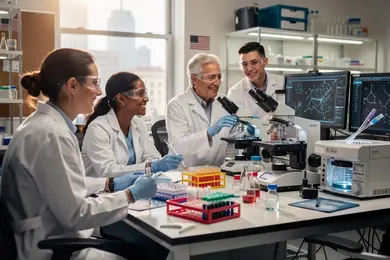
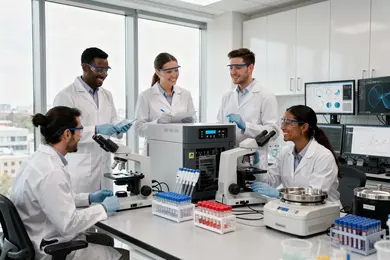
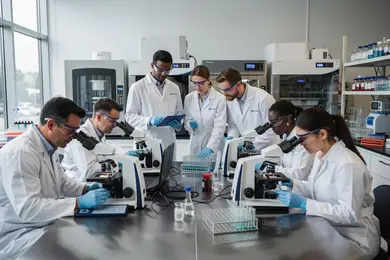
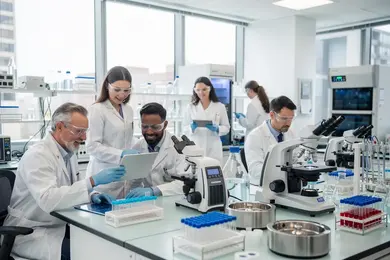
- Laboratory Instrumentation: Training covers the operation of microscopes, spectrophotometers, chromatography, and electrophoresis equipment. Mastery of these tools enables precise analysis of biological samples and supports research investigations.
For those exploring further education pathways relevant to healthcare and advanced practice, resources on the best DNP programs provide valuable insights into related scientific fields.
What Soft Skills Do Biotechnology Students Develop?
Biotechnology programs foster essential interpersonal and behavioral skills that are fundamental to both academic achievement and career readiness. A 2023 survey by the National Association of Colleges and Employers highlights that 92% of employers prioritize strong communication abilities, underscoring the value of these skills in professional settings. These programs nurture various competencies vital for effective collaboration and problem-solving.
Key soft skills developed by biotechnology students include:
- Clear Communication: Students practice articulating complex scientific concepts in ways that are accessible to diverse audiences, whether through written reports or oral presentations, enhancing their ability to share knowledge effectively.
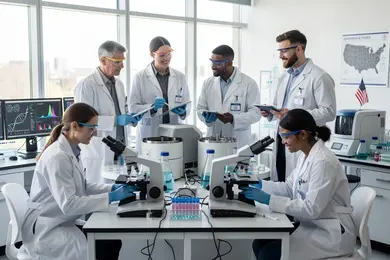
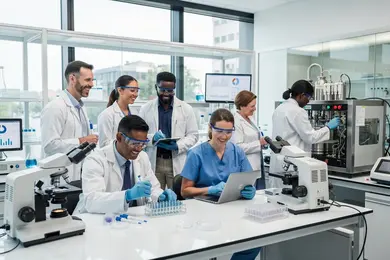
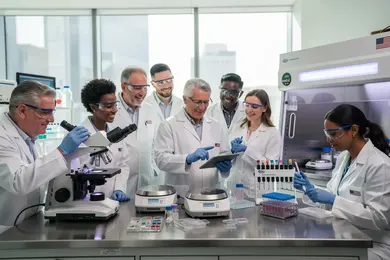
- Collaboration: Group projects and laboratory work teach students how to work harmoniously with others, helping them negotiate roles, distribute tasks, and contribute to shared goals within multidisciplinary teams.
- Critical Thinking: Biotechnology education cultivates the ability to analyze challenges thoughtfully and creatively, preparing students to develop strategic solutions under time constraints or evolving conditions.
- Flexibility: Given the rapidly changing landscape of biotechnology, students learn to adjust their approaches and acquire new techniques, maintaining adaptability in research and professional environments.
- Organizational Discipline: Managing coursework alongside experiments and research responsibilities fosters effective prioritization and time management skills required to meet deadlines consistently.
When asked about the soft skills cultivated during his studies, a Biotechnology degree graduate recalled how difficult it was initially to balance multiple lab assignments with group deadlines. He explained, "Learning to communicate openly with my team was crucial, especially when disagreements arose about experimental procedures. It wasn't just about the science; it was about understanding different perspectives and staying adaptable." He further noted that navigating these challenges helped him gain confidence in managing complex projects and reinforced the importance of ethical decision-making in his work.
More than 85% of employers emphasize transferable skills such as critical thinking and communication when recruiting graduates, highlighting their importance in career adaptability. Developing these skills during a biotechnology degree prepares students to apply their knowledge flexibly across various fields and roles. The following list outlines central competencies gained through a biotechnology degree and how they transfer to diverse career paths.
- Analytical Thinking: Assessing complex data and recognizing patterns sharpens problem-solving and decision-making abilities. These skills are valuable in many sectors, enabling graduates to approach challenges methodically and innovate solutions beyond laboratory contexts.
- Effective Communication: Articulating scientific information clearly, both orally and in writing, is honed throughout biotechnology studies. This competency fosters collaboration and clarity in professional environments such as research, policy, or business settings.
- Project Management: Coordinating experiments by setting objectives, allocating resources, and adhering to timelines cultivates strong organizational skills. Such management capabilities are transferable to leading projects in industry, academia, or nonprofit organizations.
- Problem Solving: Troubleshooting and iterating experimental processes develops resilience and adaptability. Graduates use this skill to navigate uncertainties common in technology development, quality assurance, and innovation sectors.
Students seeking ways to advance their education affordably might consider exploring options with free online college applications. This can be a strategic step in leveraging the transferable skills gained from a biotechnology degree across different careers.
Recent studies reveal that more than 70% of employers in the biotechnology sector struggle to find applicants with the precise technical skills needed. This skill shortage underscores the importance of specialized knowledge for graduates aiming to excel in the field. The following list highlights key competencies currently in high demand among biotechnology professionals.
- Molecular Biology Techniques: Proficiency in methods such as DNA sequencing, PCR, and gene editing is critical for manipulating genetic material. These foundational skills drive advancements in healthcare, agriculture, and environmental science by enabling precise experimental research and product innovation.
- Data Analysis and Bioinformatics: Handling large-scale data from genomic and proteomic studies requires strong computational skills. This expertise ensures accurate interpretation and validation of research findings, which is essential for credible scientific outcomes.
- Laboratory Management: Skills in designing protocols, maintaining quality control, and enforcing safety standards are vital. Effective lab management guarantees reproducibility and reliability, which underpin trust in research and industrial processes.
- Regulatory Knowledge: Understanding the legal frameworks and compliance standards that govern biotechnology ensures that products and research meet ethical and procedural requirements. This knowledge is crucial for navigating product approvals and regulatory environments.
- Critical Thinking: The capacity to analyze complex problems objectively and develop rigorous experimental approaches fuels innovation. This skill supports sound decision-making in both academic research and industry settings.
A professional with a biotechnology degree shared her perspective on the skills in demand today. She recalled facing significant challenges early in her career when experimental results were inconsistent despite repeated efforts. "It was a test of persistence and adaptability," she said, emphasizing how critical thinking helped her navigate unexpected outcomes and refine protocols. Over time, she learned to balance technical expertise with creative problem-solving, which she now sees as essential in both research and practical applications. She described moments of frustration mixed with excitement when breakthroughs finally emerged, underscoring how a combination of skills shapes successful biotechnology careers.
Employers hiring entry-level biotechnology graduates focus on a blend of core scientific knowledge and practical skills required in professional settings. A recent survey indicates that 72% of organizations in the biotech sector identify a gap in candidate readiness, underscoring the need for well-rounded proficiency. This places a premium on graduates who can adapt and contribute effectively from the start.
Several important skills stand out as essential for entry-level biotechnology roles:
- Technical Proficiency: Graduates must demonstrate a thorough grasp of molecular biology, biochemistry, and laboratory methodologies. This includes executing experiments accurately, operating specialized instruments, and effectively interpreting experimental data to support ongoing research.
- Analytical Thinking: The ability to critically assess biological results and troubleshoot issues is vital. Entry-level employees are expected to identify inconsistencies, analyze problems methodically, and recommend improvements to optimize experimental outcomes.
- Communication Skills: Clear and concise communication-both written and verbal-is crucial for documenting research findings and working collaboratively. Biotech employers value graduates who can explain complex scientific concepts to diverse audiences.
- Attention to Detail: Precision in following protocols and maintaining detailed records ensures consistency and reliability in laboratory work. Employers appreciate candidates committed to upholding quality standards and reproducibility.
- Problem-Solving Abilities: Early-career biotechnology professionals often encounter unexpected challenges that require ingenuity and flexibility. Being able to approach problems creatively while applying sound scientific methods helps foster innovation and continuous improvement.
A significant 68% of employers emphasize the importance of biotechnology and related science skills due to their versatility in addressing complex problems across industries. Biotechnology graduates possess competencies that are highly sought after in diverse sectors beyond traditional science roles. These skills enable graduates to contribute effectively to innovation and practical solutions.
Careers leveraging the expertise gained in biotechnology programs include:
- Pharmaceutical Research: Professionals in this field use molecular biology and genetic engineering techniques to develop new drugs, vaccines, and diagnostic tools, advancing healthcare and improving patient care.
- Agricultural Biotechnology: This area focuses on enhancing crop yields and resistance through genetic modification and microbial methods, supporting sustainable farming and addressing global food security challenges.
- Environmental Biotechnology: Specialists apply microbiology and enzymology to bioremediation projects that reduce pollution and promote ecosystem restoration, using biological systems to solve environmental problems.
- Biomedical Engineering: Combining engineering principles with biotechnological knowledge, professionals innovate medical devices and treatments that improve diagnosis and therapy.
- Bioinformatics: This interdisciplinary field uses computational biology skills to analyze biological data, aiding research in genetics, drug development, and personalized medicine.
In all these areas, the analytical thinking, laboratory proficiency, and interdisciplinary approach taught in biotechnology programs provide a strong foundation for addressing complex challenges. The demand for these skills continues to grow, especially in emerging sectors such as synthetic biology and biofuels, where engineering living systems drives sustainable alternatives in energy and manufacturing.
Certain biotechnology skills strongly correlate with higher salaries due to their critical role in advancing research and innovation. Employers value professionals who demonstrate mastery in these areas, reflecting this in compensation decisions. These competencies also align with top-paying biotechnology career skills and competencies that drive success in dynamic industries.
The key biotechnology skills leading to increased salary potential include:
- Data Analysis and Bioinformatics: Proficiency in interpreting large biological datasets results in a strong salary premium, typically between 10% and 20%. This skill enhances research outcomes and accelerates decision-making processes across biotech companies.
- Molecular Biology Techniques: Expertise in CRISPR gene editing and next-generation sequencing often adds $7,000 to $15,000 annually. These specialized techniques are highly prized in pharmaceutical development and genetic research sectors.
- Regulatory Affairs and Quality Control: Knowledge in navigating regulatory requirements and ensuring industry compliance can increase salaries by approximately 10% to 15%. This reduces risk and speeds product approval in competitive markets.
- Project Management Skills: Leading teams and coordinating research timelines brings a salary uplift of about $5,000 to $12,000 yearly. Effective project management enhances productivity and overall organizational value.
Gaining these competencies positions biotechnology graduates favorably, whether seeking roles in research, production, or regulatory functions. Prospective students interested in advanced study or career growth may explore programs like the cheapest online master's in nutrition to complement their existing skills and broaden their expertise within the life sciences.
Internships play an essential role in enhancing practical Biotechnology skills by immersing students in real-world laboratory environments and industry settings. This hands-on experience allows interns to apply theoretical concepts-such as molecular cloning, cell culture, and bioinformatics tools-to actual experiments and research projects, reinforcing academic learning.
Such practical exposure bridges the gap between classroom knowledge and tangible applications, significantly improving student preparedness. Studies highlight that students who complete internships are 20% more likely to secure employment related to their field, demonstrating the benefits of a Biotechnology internship for career development.
Structured internship programs provide clear tasks supervised by industry professionals, enabling students to refine their technical proficiency and adhere to vital scientific protocols, quality control, and safety standards. This supervised real-world practice sharpens their ability to design experiments, troubleshoot technical issues, and interpret results accurately.
Interns also develop crucial soft skills like communication and teamwork by collaborating within multidisciplinary teams, which further supports their professional growth. For those interested in healthcare-related fields, exploring accelerated nursing programs can complement Biotechnology skills with patient-centered expertise.
Presenting biotechnology skills on a resume in a clear and organized manner is crucial for showcasing your qualifications and aligning with what employers look for. A well-structured skills section enables recruiters to quickly evaluate your technical strengths and relevance to the role.
Consider these best practices when listing your biotechnology skills:
- Specificity: Avoid vague terms by naming particular techniques or tools, such as PCR or cell culture, to communicate your expertise precisely.
- Grouping Related Skills: Organize skills into logical clusters like laboratory methods or data analysis to create a concise and readable section.
- Professional Labeling: Use clear headers like "Technical Skills" or "Core Competencies" to help hiring managers easily locate your qualifications.
- Applied Knowledge: Integrate essential skills into your work experience descriptions to demonstrate practical application rather than just listing isolated abilities.
- Relevance and Precision: Focus on the most pertinent skills for the target position, avoiding repetition and emphasizing a balance of hands-on techniques and theoretical understanding.
What Graduates Say About the Most Valuable Skills You Build in a Biotechnology Degree
- Tristan: "As someone who pursued a bachelor's degree in biotechnology, I found that the hands-on laboratory skills and analytical thinking were the most valuable parts of my education. Developing proficiency with cutting-edge techniques was challenging but ultimately rewarding, especially when I transitioned into research roles in pharmaceuticals. These skills have been essential in helping me innovate and solve real-world problems quickly."
- Jesiah: "Reflecting on my master's degree in biotechnology, I realized how much it enhanced my critical problem-solving abilities and interdisciplinary knowledge. The coursework was tough, particularly balancing complex molecular biology with bioinformatics, but it prepared me for careers in both academia and industry. The synthesis of these skills has allowed me to contribute meaningfully to biotech startups focused on sustainable solutions."
- Christopher: "Throughout my biotechnology degree, I developed not only technical expertise but also refined my communication and project management skills, which are often overlooked. Navigating the challenge of coordinating between various teams taught me how essential these soft skills are in clinical research and regulatory affairs. My education has been pivotal in advancing my career within the biotech consulting sector."
Other Things You Should Know About Biotechnology Degrees
Effective communication skills enable biotechnology graduates to clearly convey complex scientific concepts to colleagues, stakeholders, and regulatory bodies. In research and development roles, this clarity facilitates collaboration, troubleshooting, and the presentation of findings, which are critical for advancing projects and securing funding.
Yes, the problem-solving skills honed in biotechnology programs extend beyond the lab. Graduates use these skills in quality assurance, regulatory affairs, and project management to identify issues, develop solutions, and improve processes within the biotech industry and related fields.
Data analysis is a cornerstone skill in biotechnology careers, as it allows professionals to interpret experimental results, optimize processes, and drive decision-making. Careers such as bioinformatics, clinical research, and pharmaceutical development rely heavily on the ability to analyze and draw conclusions from complex datasets.
Most biotechnology programs require biosafety training before students handle live samples. This usually includes BSL-1 and BSL-2 practices, aseptic technique, chemical hygiene, and training on OSHA and CDC/NIH rules. Many labs also require annual refreshers plus written certification before supervised bench work.
- Biotechnology Specialist Skills for Resume (All Experience Levels) https://www.finalroundai.com/blog/biotechnology-specialist-skills-for-resume
- Careers in Biotechnology 2025 | Opportunities, Skills & Trends | IFF https://www.iff.com/media/stories/careers-in-biotechnology-2025/
- Top 6 Advantages of Pursuing a Career in Biotechnology - Blog https://www.mangalayatan.in/blog/top-6-advantages-of-pursuing-a-career-in-biotechnology.html
- 15 In-Demand Biotechnology Career Paths to Consider https://jobsblog.danaher.com/blog/biotechnology-career-paths/
- Top Transferable Skills Needed for Biotech and Pharmaceuticals | Evolve Scientific Recruitment https://www.evolvescientific.com.au/news/top-transferable-skills-for-biotech-pharmaceuticals/
- Eight hot biotechnology careers skyrocketing in demand https://www.labiotech.eu/expert-advice/biotechnology-careers-in-high-demand/
- Top 12 Research Skills & Techniques That Can Get You High Salary Jobs in Biotech & Life Science https://www.biotecnika.org/2023/02/top-12-research-skills-for-high-salary-jobs-in-biotech-life-science/
- ICGEB Soft Skills Training Programme – ICGEB https://www.icgeb.org/icgeb-soft-skills-training-programme/
- Top 6 Reasons to Pursue a Career in the Field of Biotechnology - Muhammad Ali Jinnah University https://jinnah.edu/top-6-reasons-to-pursue-a-career-in-the-field-of-biotechnology/
- A Guide to Crafting a Winning Biotechnology Resume (With Template and Example) - Simply Biotech https://www.simplybiotech.com/craft-a-winning-biotechnology-resume-with-job-skills/