2027 Best Value Online Social Work Degree Programs: Affordable Accredited Options with the Strongest ROI

Co-Founder and Chief Data Scientist
Choosing an online social work degree is a cost, credential, and career decision—not just a search for the lowest tuition. The best-value program is one that keeps total expenses manageable while protecting your eligibility for financial aid, transfer credit, field education, employer recognition, and, when applicable, future licensure.
This matters because social work is a credential-sensitive field. With 85% of licensed social workers employed in healthcare, education, or government sectors that prioritize accredited credentials, students need to look beyond sticker price. A low-cost program can become expensive if credits do not transfer, field placement support is weak, fees are unclear, or the degree does not align with professional requirements.
This guide explains how to compare affordable online social work degree programs by accreditation, tuition structure, flexibility, financial aid, return on investment, employer respect, and career outcomes. It is designed for budget-conscious students, working adults, career changers, and professionals who want a practical way to choose a program that supports both graduation and long-term career growth.
Key Things to Know About the Best Value Online Social Work Degree Programs
- Best-value online social work programs combine competitive tuition, financial aid, transfer credits, and flexible formats to minimize total education expenses for working students.
- Comparing accreditation, graduation rates, support services, program pacing, and career outcomes ensures the chosen program offers true educational and professional value.
- Students must review hidden fees, residency rules, credit transfers, salary potential, and employer recognition to ensure long-term financial stability and career advancement.
What Are the Best Value Online Social Work Degree Programs?
The best value online social work degree programs combine affordable tuition, recognized accreditation, strong student support, flexible scheduling, and clear career relevance. Price matters, but value depends on what students receive for that price: transferable credits, field education support, graduation pathways, and a credential that employers and licensing bodies can recognize.
With national averages showing online education can reduce total degree costs by up to 40%, online programs can be a practical route for students who need to keep working while earning a degree. Still, not every inexpensive program is a good investment. Students should compare total cost, completion time, accreditation status, and career outcomes together.
- Public regional universities: These schools often offer some of the strongest value because they combine regional accreditation, established academic departments, and lower tuition for in-state students. Many also provide part-time and asynchronous online formats for working adults.
- Transfer-friendly colleges: Programs that accept a substantial number of prior credits can reduce both tuition and time to completion. This is especially important for adult learners who have community college coursework, previous bachelor’s-level credits, or related human services training.
- Competency-based programs: These models can benefit students with relevant work experience or strong prior knowledge. Instead of moving only by semester seat time, students may progress by demonstrating mastery, which can shorten the path to graduation when the format fits their learning style.
- Workforce-aligned state systems: Programs connected to public agencies, healthcare systems, schools, or nonprofit employers may offer stronger practical alignment. These pathways can help students connect coursework with the settings where social workers are commonly employed.
A strong value program should not force students to choose between affordability and credibility. When comparing options, confirm whether the school is accredited, whether the program supports required field experiences, and whether tuition estimates include fees. Students comparing affordability across professional fields may also review online PharmD programs as a point of comparison for cost and credential planning.
How Do You Choose an Affordable Accredited Online Social Work Degree?
To choose an affordable accredited online social work degree, start with accreditation, then evaluate total cost, flexibility, credit transfer, field placement support, and outcomes. A program that looks inexpensive on a tuition page may cost more if it has high fees, limited course availability, poor advising, or weak transfer policies.
Nearly 70% of students cite cost and reputation as key factors in their decision-making. For social work students, reputation should be assessed through accreditation, transparency, and graduate outcomes rather than advertising claims.
Use the following criteria when comparing programs:
- Regional accreditation: The institution should hold recognized regional accreditation. This affects federal financial aid eligibility, credit transfer, graduate school options, and employer confidence.
- CSWE accreditation: For professional social work education, Council on Social Work Education accreditation is a key program-level credential. It is especially important for students who plan to pursue advanced standing MSW options or licensure-connected pathways.
- Tuition transparency: Review per-credit tuition, mandatory fees, online learning fees, technology fees, field placement costs, books, and residency requirements. Ask for a full cost estimate for the entire degree, not only one semester.
- Online learning flexibility: Determine whether courses are asynchronous, synchronous, hybrid, accelerated, or cohort-based. Working adults should pay close attention to required login times, group work expectations, and field hours.
- Transfer credit policies: A generous transfer policy can lower the total cost significantly. Confirm the maximum number of credits accepted, minimum grade requirements, course equivalencies, and whether social work major courses must be completed at the institution.
- Graduation and employment outcomes: Review graduation rates, retention data, field placement support, licensure-related disclosures, and employment information when available. Tools such as the College Scorecard can help students compare cost and outcomes across institutions.
Students should also compare online social work programs with adjacent human services or administrative pathways when their goals are still flexible. For example, a healthcare administration bachelor's degree may suit students more interested in organizational leadership than direct social service practice.
Which Online Social Work Degree Programs Offer the Highest ROI?
The online social work programs with the highest ROI are usually those that keep debt low, help students graduate on time, align with employer expectations, and support the next credential step. ROI is not only about the first job after graduation. It also includes whether the degree can support advanced study, licensure preparation, promotions, and long-term career mobility.
Return on investment has become more important as tuition costs rise and student debt surpasses $1.7 trillion nationwide. Graduates from affordable, efficient programs often report median early-career salaries above $55,000, which makes the balance between cost and earning potential especially important.
- Transparent tuition: High-ROI programs publish clear tuition and fee information. Public or state-affiliated institutions may offer in-state or flat-rate pricing that helps students estimate total cost before enrolling.
- Efficient completion pathways: Programs with strong advising, predictable course schedules, and transfer-credit options can help students avoid unnecessary semesters. For working adults, flexible pacing can reduce the risk of stopping out.
- Accreditation and licensure alignment: A program that aligns with state requirements and professional standards is more likely to support future advancement. Students should verify requirements in the state where they plan to work, because licensure rules can vary.
- Field education support: Social work education often depends on supervised field experiences. A high-ROI online program should help students identify appropriate placements rather than leaving them to navigate the process alone.
- Employer recognition: Programs connected to social service agencies, healthcare organizations, schools, or government systems may offer better career relevance and networking value.
- : "I focused on programs offering straightforward tuition and strong support to finish quickly without debt piling up. Balancing work and classes was tough, but flexible schedules made it possible. Knowing the degree aligned with licensure requirements gave me confidence employers saw value in my credential."
This perspective reflects a practical approach to ROI: compare the degree’s total cost with the support systems that help students finish and use the credential effectively.
What Is the Average Cost of an Online Social Work Degree Program?
The average cost of an online social work degree depends on the institution type, residency status, transfer credits, program length, and fees. Public universities generally cost less than private institutions, particularly for in-state students, but the lowest advertised tuition does not always equal the lowest total cost.
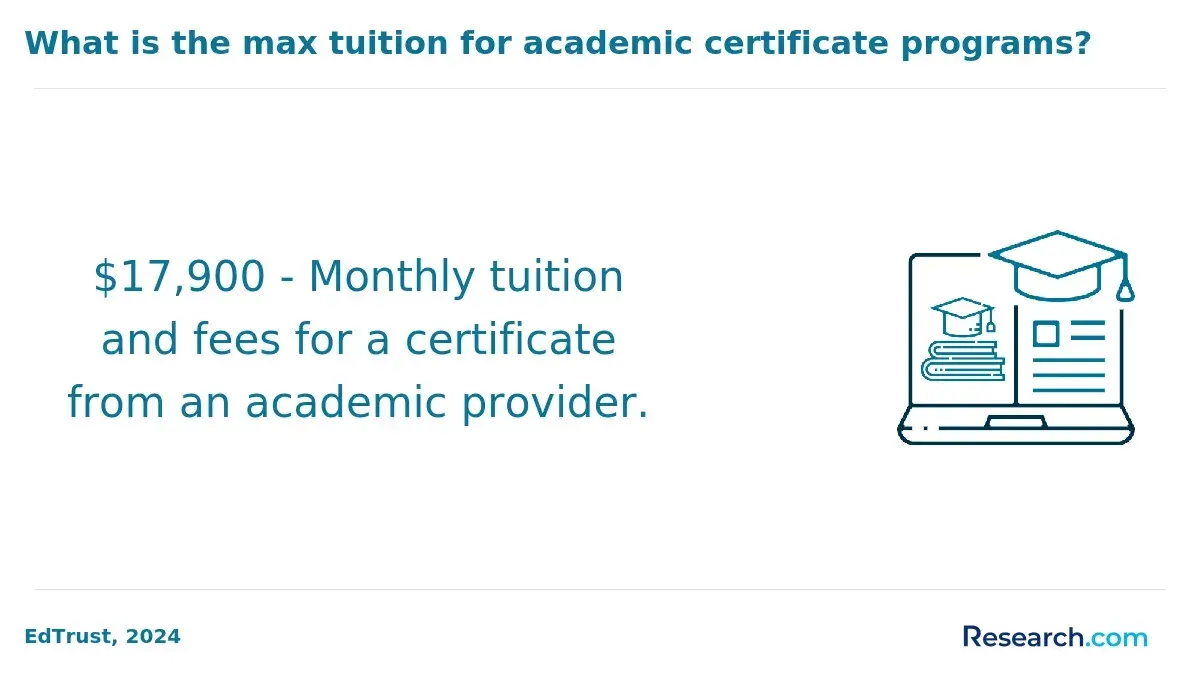
Online social work degree tuition often ranges from $200 to $500 per credit at public institutions for in-state students, while out-of-state fees may nearly double. Students should multiply per-credit tuition by the number of required credits, then add mandatory fees, books, technology charges, field placement costs, and any travel or residency expenses.
- Tuition pricing: Per-credit tuition is the starting point, but students should calculate the full program cost. Ask whether online students pay the same rate regardless of residency or whether out-of-state tuition applies.
- Flat-rate enrollment: Some colleges charge flat-rate tuition per term instead of per credit. This can lower the cost per credit for students who can handle a heavier course load, but it may not benefit part-time students.
- Transfer credits: Accepted transfer credits can reduce both tuition and time in school. Students should request an official or preliminary transfer evaluation before committing when possible.
- Technology and online fees: Online programs may add digital platform, distance learning, administrative, or proctoring fees. These costs may add hundreds of dollars each term, so they should be included in any affordability comparison.
- Program flexibility: Accelerated or self-paced options can reduce opportunity costs if students finish faster. However, faster formats can be demanding for learners who work full time or have caregiving responsibilities.
Students comparing tuition should look for the lowest credible total cost, not simply the lowest per-credit price. Reviewing lists of the cheapest msw programs online can also help prospective graduate students understand how tuition, accreditation, and program structure affect affordability at the master’s level.
Those exploring broader healthcare education options may also compare cost structures with best online nursing PhD programs, especially when evaluating long-term credential investment.
Are Affordable Online Social Work Degrees Respected by Employers?
Affordable online social work degrees can be respected by employers when they come from accredited, reputable institutions and include appropriate field preparation. Employers are generally less concerned with whether a program is online than with whether the degree is legitimate, accredited, and relevant to the role.
Over 70% of hiring managers now express confidence in candidates with regionally accredited online credentials. In social work and human services, employer trust often depends on institutional credibility, field experience, ethical training, and readiness for client-facing or community-based work.
- Regional accreditation: A degree from a regionally accredited public or nonprofit university is more likely to be recognized by employers, graduate schools, and licensing-related processes.
- CSWE alignment where applicable: For social work-specific pathways, CSWE accreditation can be a major signal of professional quality and curriculum relevance.
- Workforce-aligned experience: Programs that include field placements, applied projects, or partnerships with agencies help students demonstrate practical readiness.
- Transparent outcomes: Schools that publish graduation rates, employment information, licensure-related data, or field placement support details make it easier for students and employers to assess quality.
- Nonprofit governance: Nonprofit institutions are often viewed as more mission-focused, though students should still verify outcomes, accreditation, and support services rather than relying on institutional type alone.
- : "I was unsure whether an online program would be taken seriously, but the school’s accreditation, field placement support, and employer connections mattered more than the delivery format. Once I could explain the training and experience I received, the online format was not a barrier."
The key takeaway: affordability does not reduce employer respect when the program is properly accredited, professionally aligned, and transparent about student outcomes.
What Accreditation Should You Look for in an Online Social Work Program?
Students should look for both institutional accreditation and, for professional social work programs, programmatic accreditation from the Council on Social Work Education. Accreditation is one of the most important safeguards for students because it affects financial aid eligibility, transferability, employer recognition, and future education options.
Over 90% of employers prioritize graduates from accredited programs. For social work students, accreditation is also important because many career paths and advanced degree options require a credential from a recognized program.
- Regional accreditation: This applies to the college or university as a whole. It indicates that the institution meets recognized academic and administrative standards and is commonly tied to federal aid eligibility.
- CSWE programmatic accreditation: Council on Social Work Education accreditation confirms that the social work curriculum meets national professional education standards. Students planning to pursue an MSW, advanced standing, or licensure-connected roles should pay close attention to this requirement.
- State authorization: Online students should confirm the program is authorized to enroll students in their state. This is especially important when field placements or licensure-related pathways are involved.
- Nonprofit institutional status: Nonprofit schools may reinvest resources into academic programs and student support, but students should still compare cost, graduation outcomes, and accreditation details.
- Transfer credit policies: Accreditation affects whether credits are likely to transfer into another institution or count toward a future degree. Students should get transfer decisions in writing whenever possible.
- Outcome transparency: Programs that clearly report graduation, employment, field placement, and licensure-related information give students better evidence for evaluating value.
Before enrolling, students should verify accreditation directly through the accreditor or official institutional pages rather than relying only on marketing language.
Which Online Social Work Programs Are Best for Working Adults?
The best online social work programs for working adults offer flexible course delivery, reliable advising, part-time enrollment options, transfer-credit pathways, and field placement support that accounts for employment schedules. Working adults often need more than online access; they need a program designed around real time constraints.
Online education enrollment among adult learners has grown by over 30% in recent years, and many students now balance school with full-time work, caregiving, military service, or career transitions. A program that is technically online may still be difficult if it requires frequent live meetings or daytime field hours without support.
- Asynchronous learning: Courses that allow students to watch lectures, complete modules, and submit assignments on their own schedule are often the most manageable for employed learners.
- Predictable course sequencing: Working adults benefit from programs that publish clear course rotations so they can plan work, finances, and family responsibilities around enrollment.
- Competency-based paths: These options may help experienced learners move faster by demonstrating mastery, though students should evaluate whether the format provides enough structure and faculty support.
- Transfer-credit-friendly policies: Programs that maximize eligible prior credits can lower tuition and shorten the degree timeline for adults returning to school.
- Employer-aligned programs: Schools with agency, healthcare, education, nonprofit, or government connections may provide stronger practical relevance and field placement options.
- Flexible part-time enrollment: Part-time pathways can prevent burnout. Students should confirm maximum completion timelines and whether part-time students receive the same advising and field support as full-time students.
Working adults should ask direct questions before applying: How many hours per week do students usually spend on coursework? Are live sessions required? Can field placements be completed near the student’s location? Are evening or weekend options possible? The answers often reveal whether a program is truly adult-friendly.
What Financial Aid Options Are Available for Online Social Work Students?
Online social work students may qualify for federal aid, institutional scholarships, employer tuition assistance, military benefits, and cost-saving transfer credits. The most important first step is choosing an accredited institution, because many forms of aid depend on accreditation and eligible enrollment status.
Financial aid planning is especially important as nearly 60% of college students report concerns about debt. Employer tuition assistance is also relevant for working adults, with such benefits used by nearly 30% of working adults.
- Federal grants and loans: Eligible students may use need-based grants such as Federal Pell Grants and federal Direct Loans. Grants do not need to be repaid, while loans do. Students should borrow only what they need and review repayment options carefully.
- Institutional scholarships: Many colleges offer merit-based, need-based, transfer, adult learner, or online student scholarships. Deadlines may differ from admission deadlines, so students should ask early.
- Employer tuition assistance: Human services agencies, healthcare employers, schools, government offices, and nonprofit organizations may offer tuition reimbursement or upfront assistance. These programs may require grade minimums, continued employment, or repayment if the employee leaves too soon.
- Transfer-credit optimization: Applying eligible prior credits can be one of the most effective affordability strategies. Students should compare transfer evaluations from more than one school when possible.
- Military and veteran benefits: Active military, veterans, and dependents may be able to use benefits such as the GI Bill and Yellow Ribbon programs at participating institutions.
- Payment plans: Some schools allow students to divide tuition into installments. This does not reduce the price, but it can help avoid larger upfront payments.
Students should compare net cost after aid, not only published tuition. A school with higher sticker tuition may become more affordable if it offers stronger scholarships, transfer credit, or employer partnerships. Students considering related health and wellness fields can also compare aid and ROI considerations with an online masters in nutrition and dietetics.
What Careers Can You Pursue With an Online Social Work Degree?
An online social work degree can prepare students for roles in human services, healthcare, schools, community organizations, government agencies, and nonprofit settings. The exact roles available depend on degree level, state requirements, field experience, and whether the graduate later earns an MSW or licensure-related credential.
The Bureau of Labor Statistics projects a 12% growth in social work employment from 2022 to 2032, much faster than the average for all occupations. This demand reflects ongoing needs in healthcare, mental health, child and family services, aging services, schools, and community support programs.
- Entry-level human services roles: Graduates may pursue positions such as case manager, community outreach specialist, social services assistant, intake coordinator, or mental health aide. These roles often involve connecting clients with services, documenting needs, and coordinating support.
- Child, family, and school services: Some graduates work with children, families, schools, or youth-serving agencies. Responsibilities may include advocacy, resource coordination, family support, or prevention programming.
- Healthcare and behavioral health settings: Social work graduates may support patients, families, and care teams in hospitals, clinics, substance abuse programs, mental health organizations, or long-term care environments.
- Community and nonprofit work: Graduates may help manage programs, coordinate volunteers, conduct outreach, or support community-based initiatives focused on housing, food access, crisis intervention, or public benefits.
- Management and leadership: With experience and additional credentials, social workers may move into supervisory, program management, policy, or administrative roles.
- Remote and hybrid positions: Telehealth, virtual case management, and online resource coordination have expanded flexible work options, though eligibility may depend on role requirements and state regulations.
Students should match their degree plan to the type of work they want to do. Those comparing flexible education routes across care-oriented fields may also review options such as a 6-month RN to BSN program when weighing healthcare and social service career paths.
What Is the Salary Potential for Graduates of Online Social Work Programs?
Salary potential for online social work graduates depends on degree level, role, specialization, employer type, geographic location, experience, and licensure status. The online format itself is usually less important than whether the program is accredited and whether the graduate has the credentials required for the position.
According to the U.S. Bureau of Labor Statistics, employment in social work is expected to increase by 12% through 2032. Strong demand can support job opportunities, but salaries still vary widely across practice areas and regions.
- Industry specialization: Clinical social work, healthcare, school systems, mental health, and substance abuse services may offer different compensation patterns than generalist community roles. Specialized roles often require advanced education or supervised experience.
- Geographic variation: Urban areas and regions with higher costs of living may offer higher salaries, while rural areas may have lower wages but strong demand for qualified professionals.
- Experience and credentials: Entry-level roles typically pay less than supervisory, administrative, or licensed roles. Earning a Master of Social Work can support advancement for students pursuing higher-level practice or leadership positions.
- Accreditation and employer recognition: Graduates from properly accredited programs are better positioned for roles where credential review matters. Employers may verify institutional accreditation, field experience, and licensure eligibility.
- Flexible work models: Telehealth, remote counseling support, and hybrid case management can affect total compensation by changing commuting costs, geographic access, and schedule flexibility.
Students should evaluate salary potential alongside debt. A program with modest tuition, strong completion support, and clear career alignment may produce a better financial outcome than a more expensive program with similar employment options.
What Graduates Say About Best Value Online Social Work Degree Programs
- Bryson: "Finding an affordable, accredited online social work degree program was essential for me as a student on a tight budget. I learned that the best programs were not simply the cheapest; they combined financial aid, clear tuition, and a reputation that made me comfortable investing in the degree. Choosing a high-ROI option helped me feel more confident about building a stable career in social services."
- Tripp: "As a working professional, I needed a program that fit my schedule and still supported career growth. Accreditation, responsive advising, and career services made the biggest difference. The strongest value came from a program that paired affordability with practical experience, networking, and internship opportunities."
- Joshua: "Returning to school as a career-focused adult learner, I wanted an online social work degree that employers would recognize. I prioritized accredited curricula, practical skills, and clear guidance around licensure pathways. For me, the best return came from choosing a program with career counseling, field support, and a realistic plan for moving into areas such as mental health and child welfare."
Other Things You Should Know About Social Work Degrees
Yes, accredited online social work programs typically include supervised field practicums or internships as part of their curriculum. These are arranged locally-near the student's residence-to meet state licensing requirements and provide essential hands-on experience. Online students receive support from faculty and field supervisors to ensure practical skills development alongside theoretical knowledge.
Most state licensing boards recognize accredited online social work degrees if the program meets their educational standards. It is crucial for students to verify that their chosen program holds accreditation from recognized bodies such as the Council on Social Work Education (CSWE). Completing an accredited online degree facilitates eligibility for licensure exams and professional practice across many states.
Online social work programs generally offer considerable flexibility in scheduling coursework to accommodate working adults. Many provide asynchronous classes, allowing students to access lectures and assignments anytime, which helps balance education with employment and personal obligations. However, synchronous sessions or field placement hours may require some fixed scheduling.
In 2027, students in top-value online social work programs typically need a reliable computer, high-speed internet, and access to video conferencing software. Some programs may also require specific applications for coursework, like statistical analysis tools or education platforms, which should be compatible with most modern operating systems.
References
- Accreditation | CASWE-ACFTS https://caswe-acfts.ca/our-activities/accreditation/
- Most Affordable Online MSW Programs | Grad School Hub https://www.gradschoolhub.com/affordable/online/masters/social-work/
- Social Work Degrees https://socialworklicensemap.com/social-work-degrees/
- Financial Aid Resources for California MSW Students https://www.californiasocialworkedu.org/financial-aid-resources-for-california-msw-students/
- Accredited Master of Social Work (MSW) Programs (2026 Update) - MasterofSocialWork.com https://www.masterofsocialwork.com/
- Best Online Master's Programs For Social Work 2025 https://www.psychology.org/social-work/best-masters-programs/
- MSW Tuition: What to Expect | University of Nevada, Reno https://onlinedegrees.unr.edu/online-master-of-social-work/msw-tuition
- Illinois Social Work Scholarships and Financial Resources https://www.illinoissocialworkedu.org/resources-for-social-workers-and-students-in-illinois/financial-resources/