2027 Best Online Social Work Degrees for Jobs

Co-Founder and Chief Data Scientist
The right online social work degree should do more than fit your schedule. It must meet accreditation expectations, prepare you for field education, support your path to licensure where applicable, and make financial sense for the jobs you want after graduation. That decision is especially important for recent graduates, career changers, working adults, caregivers, and veterans who need flexibility without sacrificing credibility.
This guide explains how to evaluate online social work programs with a practical lens: degree level, accreditation, cost, field placement support, curriculum quality, admissions requirements, career outcomes, and salary potential. It also highlights the trade-offs between online and campus-based study so you can choose a program that supports both short-term completion and long-term career mobility.
Key Things to Know About the Best Online Social Work Degrees for Jobs
- Accreditation by the Council on Social Work Education ensures programs meet national quality standards-graduates attain licensure eligibility and employers recognize credentials universally.
- Curriculum rigor integrates evidence-based practice and policy analysis-over 80% of students report readiness for complex client needs and interdisciplinary collaboration.
- Cost balanced with strong career outcomes yields an average 25% salary increase within two years post-graduation-making programs with affordable tuition and job placement support highly valuable.
What Is a Social Work Degree, and What Can It Do for Your Career?
A social work degree prepares students to help individuals, families, groups, and communities respond to social, emotional, economic, and behavioral challenges. Unlike programs focused only on counseling or human services, social work education combines direct client support with policy, advocacy, ethics, community systems, and resource coordination.
Students learn how human behavior is shaped by families, institutions, culture, poverty, trauma, discrimination, health systems, schools, and public policy. Strong programs teach students to assess needs, communicate with clients, document services, coordinate care, respond to crises, and advocate for practical solutions.
At the bachelor’s level, a social work degree can lead to entry-level roles in case management, child welfare, community outreach, behavioral health, and social service agencies. At the master’s level, the degree can support clinical, supervisory, policy, and leadership roles, depending on state licensure rules and the graduate’s supervised experience.
When comparing online options, students should pay close attention to accreditation, field education, faculty experience, practicum placement support, total cost, and graduate outcomes. Those also comparing healthcare or helping-profession pathways may find it useful to review direct admit nursing programs by state to understand how requirements differ across related fields.
How Do Online Social Work Degree Programs Compare to Traditional Campus Programs?
Online and campus-based social work programs can lead to the same degree when they are offered by properly accredited institutions and meet the same academic and field education standards. The main difference is not usually what students study, but how they access classes, interact with faculty, complete group work, and arrange field placements.
| Comparison Area | Online Social Work Programs | Traditional Campus Programs |
| Course delivery | Usually delivered through asynchronous classes, live online sessions, or a mix of both. | Usually delivered through scheduled in-person classes on campus. |
| Flexibility | Often better for working adults, caregivers, rural students, and military-affiliated learners. | Best for students who want a structured weekly campus routine. |
| Faculty access | Depends on virtual office hours, email responsiveness, discussion boards, and live sessions. | Offers easier access to in-person meetings and informal conversations. |
| Peer connection | Built through cohorts, online discussions, group projects, and video meetings. | Built through classes, campus events, study groups, and local networking. |
| Field education | Completed in approved local agencies, often with school support for placement coordination. | Completed through local or regional agency partnerships near campus. |
| Best fit | Students who need geographic and scheduling flexibility. | Students who value face-to-face learning and campus community. |
Accredited online programs should cover the same core areas as campus programs, including human behavior, ethics, research, policy, practice methods, diversity, and supervised fieldwork. Faculty qualifications should also be comparable, especially in programs that use the same instructors across online and campus formats.
The biggest challenge for online students is often not academic quality but logistics. Students need reliable technology, strong time management, and clear communication with advisors about practicum expectations. Before enrolling, ask whether the program helps secure local field placements or expects students to find agencies on their own.
Employer perception has become more favorable toward online degrees from reputable institutions, particularly when the program is accredited and the graduate can demonstrate field experience. In social work, employers tend to care most about licensure eligibility, practicum quality, professionalism, and job-ready skills rather than whether classes were completed online or on campus.
Students comparing professional online degrees across fields can also review the best schools for healthcare administration online for another example of how flexible programs balance academic standards with career preparation.
What Are the Accreditation Standards That Define a Reputable Online Social Work Degree?
Accreditation is one of the most important factors in choosing an online social work degree because it affects licensure eligibility, employer trust, credit transfer, graduate school admission, and financial aid access. A low-cost or convenient program can become a poor investment if its accreditation does not support your career goals.
Students should understand two main forms of accreditation:
- Institutional accreditation: This applies to the college or university as a whole. It is recognized by the U.S. Department of Education and the Council for Higher Education Accreditation (CHEA). Degrees from institutionally accredited schools are more likely to qualify for federal financial aid, transfer credit, and graduate admission.
- Programmatic accreditation: In social work, this usually means accreditation from the Council on Social Work Education (CSWE). CSWE accreditation confirms that the social work program meets professional education standards tied to competencies, curriculum, and field education.
For students who want to become licensed social workers, CSWE accreditation is especially important. Many state licensing boards require or strongly prefer a CSWE-accredited degree. Requirements vary by state, so students should check the licensing board in the state where they plan to work before enrolling.
Unaccredited or poorly accredited programs can create serious barriers. Graduates may discover that their degree does not qualify them for licensure, that credits do not transfer, or that employers question the program’s legitimacy. These problems often appear after tuition has already been paid, which is why accreditation should be verified early.
To confirm a program’s status, use official sources rather than marketing claims. Check the Department of Education’s Database of Accredited Postsecondary Institutions and Programs, the CHEA directory, and the CSWE directory when applicable. If a program says it is “seeking,” “candidate,” or “in process” for accreditation, ask exactly what that means for students who enroll before full approval is granted.
- : "I spent months researching accreditation before enrolling because I knew licensure hinged on it. At first, I felt overwhelmed by all the accrediting agencies, but using the Department of Education's database clarified which schools truly met standards. Securing a CSWE-accredited program gave me confidence that my degree would be accepted by employers and licensing boards alike. It was a relief to avoid the pitfalls others face after graduating from unrecognized programs."
Which Types of Social Work Degrees Are Available Online-Bachelor's, Master's, or Doctoral?
Online social work degrees are available at several levels, and the right choice depends on your current education, career goal, licensure plans, and time horizon. A student aiming for entry-level social service work may not need the same credential as someone planning to become a licensed clinical social worker, program director, researcher, or faculty member.
| Degree Type | Typical Student | Common Career Use |
| Associate's degree | Students starting college or exploring social services. | Paraprofessional support roles or transfer preparation. |
| Bachelor's degree | Students seeking generalist social work preparation. | Case management, child welfare, community outreach, and entry-level agency roles. |
| Master's degree | Students seeking clinical, advanced practice, leadership, or licensure-focused roles. | Clinical social work, supervision, program management, healthcare social work, and specialized practice. |
| Doctoral degree | Experienced professionals seeking advanced leadership, research, teaching, or policy influence. | Executive leadership, advanced practice, university teaching, research, and systems-level work. |
| Post-baccalaureate certificate | Professionals needing prerequisites or targeted preparation before graduate study. | Academic transition, skill development, or preparation for MSW admission. |
Associate's Degree: An associate’s degree can introduce students to human services, psychology, sociology, and helping-profession basics. It may support paraprofessional work, but students should not assume it will meet licensure requirements. It is often most useful as a transfer pathway into a bachelor’s program.
Bachelor's Degree and Completion Programs: A Bachelor of Social Work (BSW) typically takes four years full-time. Online completion programs may be useful for adults who already have transferable college credits. A BSW can prepare graduates for generalist practice and may make them eligible for advanced standing MSW options, depending on the program and accreditation.
Master's Degree: The Master of Social Work (MSW) is the key credential for many advanced and clinical roles. Some MSW programs admit students from non-social work backgrounds, while advanced standing options are usually designed for students with a BSW. Career changers comparing shorter academic pathways may also review accelerated programs for career changers.
Doctoral Programs: Doctoral options include research-focused PhD programs and practice-oriented DSW programs. These degrees are generally designed for experienced professionals who want to teach, conduct research, lead organizations, influence policy, or deepen advanced practice expertise. Completion times vary from three to five years.
Post-Baccalaureate Certificates: Certificates can help students build social work-related knowledge before applying to a graduate program. They may be useful for applicants without a social science background, but they should not be treated as substitutes for accredited BSW or MSW degrees when licensure is the goal.
Enrollment & Completion: IPEDS data show bachelor's programs boast the highest enrollment and relatively steady completion rates, while doctoral studies feature lower enrollment and extended timeframes. Students should use these patterns as context, but their own timeline will depend on transfer credits, full-time or part-time enrollment, field education availability, and program policies.
What Is the Typical Cost of an Online Social Work Degree, and How Can You Finance It?
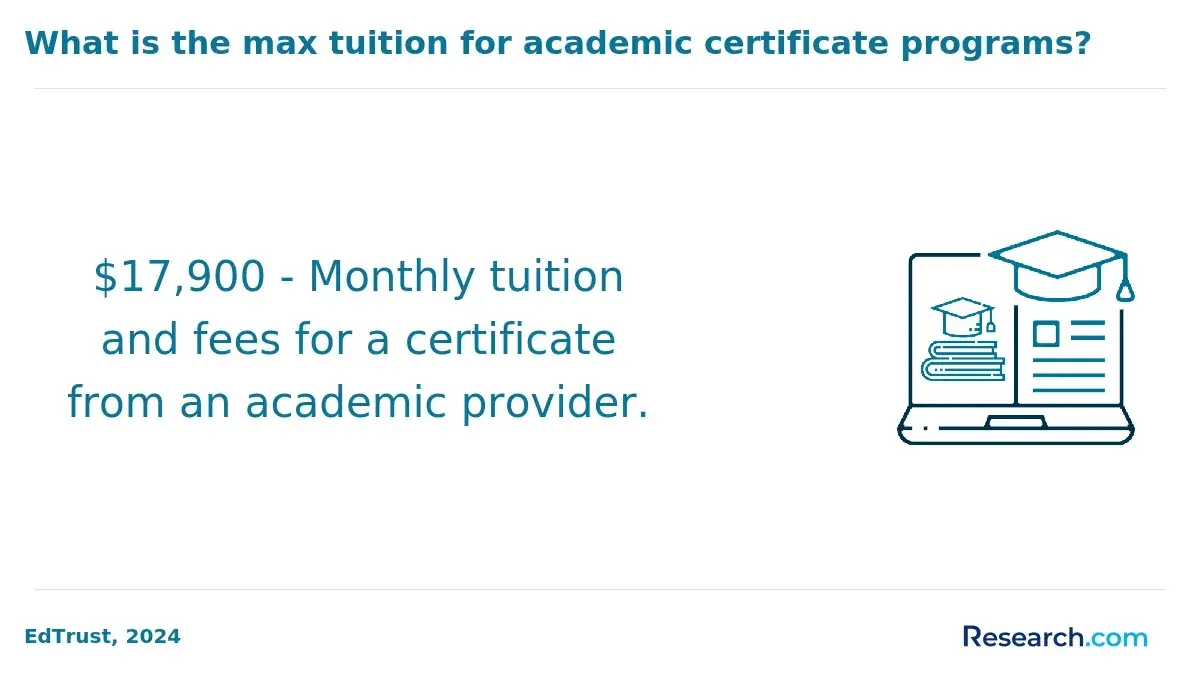
The cost of an online social work degree depends on degree level, institution type, residency status, credit requirements, fees, and fieldwork-related expenses. Public in-state programs typically cost between $5,000 and $15,000 for the full degree. Public out-of-state options tend to be two to three times higher, while private nonprofit schools usually charge anywhere from $20,000 to over $50,000. For-profit institutions often carry steeper fees that may include additional technology charges or other mandatory costs.
Students should compare total program cost, not only tuition per credit. A program with a lower per-credit rate may still cost more if it requires more credits, multiple residencies, higher fees, or unpaid travel for field education. Online students should also budget for application fees, books or digital materials, technology, background checks, placement-related requirements, and possible travel or lodging for residencies and intensives.
Common financing options include:
- Pell Grants: Need-based awards that do not require repayment for eligible undergraduates.
- Federal Student Loans: Subsidized loans may have government-covered interest during school, while unsubsidized loans begin accruing interest immediately.
- GI Bill Benefits: Education funding for veterans and military families that often covers tuition, fees, and housing.
- Scholarships and grants: Awards may be available through schools, professional organizations, state workforce programs, nonprofits, and community foundations.
- Employer tuition assistance: Some human service agencies, healthcare organizations, and government employers help pay for job-related education.
Students comparing MSW affordability should look at net price after aid, not only advertised tuition. Resources focused on the least expensive online msw programs can help narrow the search before reviewing accreditation, field placement support, and licensure alignment.
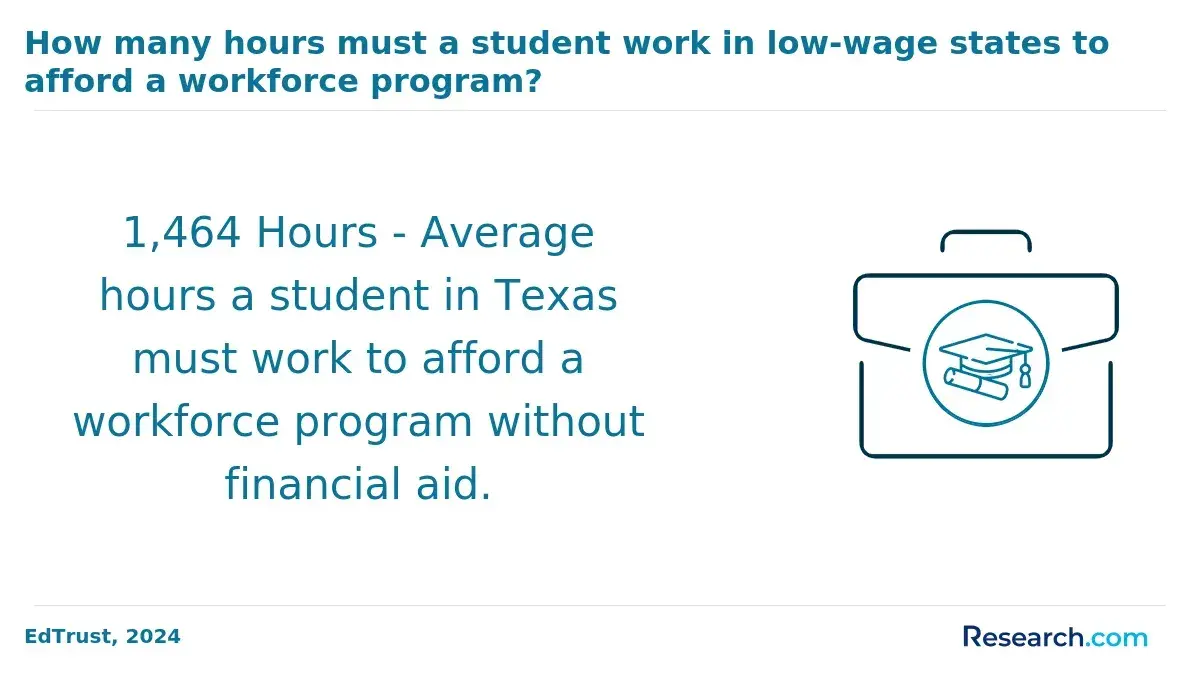
Before borrowing, ask each program for a full cost estimate that includes tuition, fees, field placement costs, residency costs, and expected time to completion. The Department of Education's College Scorecard net price calculator can also help estimate actual expenses after aid. A financially responsible choice is not always the cheapest program; it is the accredited option that fits your goals with the least unnecessary debt.
- : "Navigating the funding process involved careful planning but was ultimately worthwhile. Upfront expenses and required fees felt overwhelming at times, but available grants and veterans' benefits made the goal achievable. It was reassuring to see how scholarship applications and federal aid combined to ease the financial burden. Researching financial resources early also helped prepare for incidental costs like travel for residencies."
How Long Does It Take to Complete an Online Social Work Degree Program?
Completion time depends on degree level, enrollment pace, transfer credits, field education requirements, and whether the program offers accelerated or part-time options. Associate’s programs generally span two years, bachelor’s programs require about four years, master’s degrees range from one to three years, and doctoral studies often take three to six years.
- Enrollment status: Full-time students usually finish faster, while part-time students may need more terms because they are balancing work, caregiving, military service, or other responsibilities.
- Transfer credits: Prior college coursework can shorten a bachelor’s completion pathway if the credits are accepted and apply to degree requirements.
- Advanced standing: Some MSW programs allow eligible BSW graduates to complete a shorter pathway, depending on accreditation, grades, and program rules.
- Accelerated formats: Year-round calendars, shorter terms, and compressed course sequences can reduce time to graduation but may increase weekly workload.
- Competency-based progression: Some programs allow students to move forward by demonstrating mastery rather than waiting for a traditional semester schedule.
- Prior learning assessment (PLA): Students with relevant professional or volunteer experience may be able to receive limited credit, depending on school policy.
- Field placement timing: Practicum requirements can affect graduation dates if approved placements are limited, delayed, or difficult to schedule around employment.
- Program policies: Minimum enrollment periods, maximum completion deadlines, and satisfactory academic progress (SAP) rules can affect financial aid and degree planning.
Part-time bachelor's students often finish between four and five years, while master's degree candidates typically complete within two to three years, even with external commitments. Before enrolling, students should request a realistic degree plan that shows course sequencing, field education terms, and the expected weekly workload.
What Core Curriculum and Coursework Should a Quality Online Social Work Program Include?
A quality online social work program should provide more than a collection of general human services courses. It should follow a coherent sequence that builds professional knowledge, ethical judgment, practical skills, and supervised experience. CSWE-aligned programs typically connect coursework to measurable competencies and field education.
Core coursework should usually include:
- Human behavior in the social environment: How individuals, families, groups, organizations, and communities develop and interact across the lifespan.
- Social welfare policy: How laws, public programs, institutions, and funding systems affect vulnerable populations and service delivery.
- Ethics and professional practice: Confidentiality, boundaries, mandated reporting, documentation, conflicts of interest, and professional decision-making.
- Diversity, equity, and cultural competence: Practice with clients and communities across race, ethnicity, gender, disability, age, religion, socioeconomic status, immigration background, and other identities.
- Research methods and evaluation: How to interpret evidence, assess programs, use data responsibly, and evaluate intervention outcomes.
- Generalist or advanced practice methods: Assessment, engagement, intervention, crisis response, case planning, advocacy, and interdisciplinary collaboration.
- Field education: Supervised practicum or internship experience, typically a minimum of 400 hours, designed to connect classroom learning with professional practice.
- Capstone or integrative seminar: A culminating project, portfolio, policy analysis, case study, or seminar that demonstrates applied learning.
Strong programs also keep the curriculum current. Leading programs routinely review curricula-often every 3 to 5 years-with input from advisory boards of practitioners and industry experts, ensuring inclusion of emerging trends like trauma-informed care, telehealth, and justice-centered approaches.
Evidence from CSWE indicates that programs integrating internships with integrative coursework can boost job placement rates by up to 30%. Students should ask for sample syllabi, field education manuals, course sequencing maps, and competency outcomes before committing to a program.
Which Online Social Work Programs Offer the Best Return on Investment for Working Adults?
The best return on investment for working adults usually comes from accredited programs that combine reasonable total cost, strong field placement support, flexible scheduling, solid completion rates, and credible employment outcomes. A program does not need to be the cheapest to offer strong ROI, but it should help students complete the degree without excessive debt or avoidable delays.
Working adults should evaluate ROI across several factors:
- Total cost after aid: Compare tuition, fees, books, technology costs, residency costs, and lost income from reduced work hours.
- Accreditation: A lower-cost program may have poor ROI if it does not support licensure or employer recognition.
- Field placement support: Delayed or poorly supported placements can extend time to graduation and increase costs.
- Schedule fit: Evening, asynchronous, part-time, and year-round options can help students stay employed while enrolled.
- Employer tuition reimbursement: Tuition assistance can significantly reduce net cost for students already working in social services, healthcare, education, or government.
- Graduation and employment rates: Leading online social work programs routinely report graduation rates above 80%, with a large proportion of graduates securing relevant employment within 12 months due to established connections with public agencies and nonprofits.
- Long-term earnings: Median salaries measured six and ten years after enrollment provide a more useful value signal than short-term marketing claims.
- Student support: Advising, career services, writing support, technology help, and practicum coordination can improve persistence and reduce avoidable setbacks.
Public universities with competitive tuition, especially those that offer in-state tuition reciprocity or lower online rates, often provide strong value. However, students should still verify whether the specific social work program has the accreditation and practicum infrastructure needed for their career goals.
Students comparing online graduate degrees in other helping or health-related fields may also review options such as a cheapest online master's in nutrition to understand how cost, credential value, and career outcomes vary by profession.
For most working adults, the highest-ROI choice is an accredited program that they can complete on time while continuing to meet work and family responsibilities. The best decision is the one that balances affordability with licensure alignment, practical experience, and credible career support.
What Admissions Requirements Do the Top Online Social Work Programs Typically Require?
Admissions requirements vary by degree level and selectivity. Associate and some bachelor’s programs may have open or minimally selective admissions, while competitive online MSW programs often review academic preparation, professional readiness, writing ability, recommendations, and fit with the social work profession.
Common requirements include:
- GPA minimums: Most reputable master's programs expect a minimum undergraduate GPA around 3.0 on a 4.0 scale, though highly selective institutions may require higher.
- Official transcripts: Schools use transcripts to verify degree completion, prerequisite coursework, and academic trends.
- Standardized tests: Many programs have adopted test-optional policies in recent years. Some still request GRE scores, but many prioritize academic history and relevant experience.
- Letters of recommendation: Programs typically request two or three letters from faculty, supervisors, or professionals who can speak to the applicant’s judgment, communication skills, reliability, and readiness for fieldwork.
- Personal statement: Applicants usually explain why they want to study social work, what populations or issues they hope to serve, and how their background has prepared them for the field.
- Resume or professional experience: Volunteer work, internships, case management, advocacy, healthcare, education, military service, or nonprofit experience can strengthen an application.
- Prerequisite coursework: Applicants without a social work or closely related background may need courses in human behavior, social welfare policy, statistics, psychology, sociology, or research methods.
Applicants with a lower GPA should not assume they are automatically disqualified. Some programs consider upward grade trends, strong recommendations, relevant work experience, additional coursework, or a compelling statement of purpose. However, students should be realistic about programs that have firm GPA cutoffs.
Admissions policies can change, especially around test requirements, prerequisite rules, transfer credits, and advanced standing eligibility. Contact admissions offices directly and ask for written clarification before spending time and money on an application. If your goal is clinical licensure, also ask whether the program’s admissions pathway leads to the specific MSW track required in your state.
Students thinking about graduate education in related healthcare roles can compare salary and credential expectations by reviewing resources such as the psychiatric mental health nurse practitioner salary overview.
What Career Paths and Job Titles Are Available to Online Social Work Degree Graduates?
Online social work graduates can pursue many of the same career paths as campus graduates, provided the degree is properly accredited and meets employer or licensure requirements. Job options depend heavily on degree level, state rules, field experience, and whether the graduate earns required licenses or certifications.
Graduates with a bachelor’s degree often begin in direct service or coordination roles, such as:
- Case Manager: Coordinates services for clients facing challenges such as homelessness, disability, illness, family instability, substance use, or economic hardship.
- Child Welfare Specialist: Works with children and families in safety, permanency, and family support settings.
- Community Outreach Worker: Connects underserved populations with resources, education, benefits, and community programs.
- Behavioral Health Technician: Supports mental health professionals by assisting clients in clinical or residential settings.
Graduates with a master’s degree or higher may qualify for more specialized, clinical, supervisory, or policy-oriented roles, depending on licensure and experience. Common titles include:
- Licensed Clinical Social Worker (LCSW): Provides therapy, assessment, diagnosis-related services where permitted, and clinical support in healthcare, mental health, school, agency, or private practice settings.
- Program Manager: Oversees social service programs, staff, budgets, compliance, reporting, and service quality.
- Policy Analyst: Researches laws, public programs, and social welfare systems to inform advocacy, legislation, or agency strategy.
- Research Coordinator: Supports or leads studies, program evaluations, data collection, and outcomes measurement in social work or human services settings.
Social work also supports career transitions for professionals with backgrounds in psychology, education, healthcare, criminal justice, nonprofit work, or public administration. Prior experience can be valuable, but students should confirm whether additional licensure, supervised hours, or state-specific credentials are required for their target job.
Over five to ten years, social workers may move from direct practice into supervision, clinical specialization, program leadership, policy, training, or administration. Common employment settings include hospitals, schools, child welfare agencies, mental health centers, correctional institutions, government agencies, community organizations, and nonprofits.
What Is the Salary Outlook for Professionals with an Online Social Work Degree?
Salary outcomes for online social work graduates depend on the same factors that affect campus graduates: degree level, licensure, experience, location, employer type, specialization, and demand in the local labor market. Online delivery by itself does not determine earnings; the credibility of the program, the graduate’s field experience, and licensure eligibility matter more.
Bachelor's degree graduates generally earn between $45,000 and $60,000 annually, while those with a master's degree-often required for clinical roles-can expect $60,000 to $80,000 or more, especially when holding state licensure or certifications.
- Degree level: Higher degrees typically lead to broader opportunities and stronger earnings potential. Bachelor's recipients see starting wages from mid-$40,000s to $60,000 depending on employer and region. Master's degree holders-necessary for many clinical positions-often command higher salaries, frequently exceeding $70,000.
- Experience: Earnings often rise with time in the field. With five to ten years' experience, social workers often receive 20 to 40 percent salary increases. Senior professionals or supervisors can earn $90,000 or more annually.
- Industry sector: Healthcare and government roles usually offer higher wages compared to nonprofit or educational settings. Private sector jobs-like private counseling or corporate social responsibility-can provide premium compensation.
- Geographic market: Urban centers such as New York, California, and Massachusetts tend to offer noticeably higher salaries than rural areas, though cost of living should also be considered.
- Specialization and credentials: Advanced certifications-such as Licensed Clinical Social Worker (LCSW) or Certified Advanced Alcohol and Drug Counselor (CAADC)-often boost income. Focus areas like mental health or substance abuse regularly command wage premiums.
- Licensure: Online graduates can pursue credentials by fulfilling state licensing protocols and supervised clinical hours, but requirements differ by state.
- Salary projections: Labor statistics forecast continued job growth and steady wage increases in social work fields, though economic and policy shifts influence actual salary trends.
Students should treat salary ranges as planning tools, not guarantees. Before enrolling, review current Bureau of Labor Statistics data, state workforce information, local job postings, and employer requirements in the region where you plan to work.
What Graduates Say About the Best Online Social Work Degrees for Jobs
- Bryson: "Choosing an online social work degree with strong accreditation standards was a game changer for me-knowing that the program met stringent quality measures gave me confidence in my education's value. The curriculum rigor pushed me to develop critical thinking skills essential for real-world social work challenges, far beyond theoretical knowledge. For anyone weighing options, consider how the combination of these factors can truly enhance job prospects in this competitive field."
- Tripp: "Reflecting on my experience, I realize how vital the cost and return on investment were when selecting my online social work program. The affordability made it accessible, but the career outcomes-especially job placement rates and employer recognition-proved even more rewarding. The program's practical experience requirements meant I graduated not just with knowledge, but with real skills employers respected."
- Joshua: "From a professional standpoint, the student support infrastructure of my online social work degree was outstanding-advisors, peer networks, and tech help were always responsive and encouraging. This support was key during intense moments of the curriculum rigor, which thoroughly prepared me for the complexities of the social work profession. Having these resources available made all the difference in successfully navigating the program and entering the workforce confidently."
Other Things You Should Know About Social Work Degrees
In 2027, the best online social work programs offer robust student support services, including academic advising, career counseling, and mental health resources. Networking opportunities are facilitated through virtual events, online forums, and professional organizations, enabling students to connect with peers, alumni, and industry professionals effectively.
Online social work programs incorporate practicum and field experiences by partnering with local agencies near the student's residence. Students must complete a required number of supervised hours-typically ranging from 400 to 900-depending on the degree level. These hands-on placements provide practical exposure critical for licensure and employment readiness.
Employers increasingly recognize online social work degrees from accredited programs as equivalent to traditional degrees, especially when practicum requirements are met. Accreditation by the Council on Social Work Education (CSWE) remains a key factor in hiring decisions. Demonstrated field experience and strong professional skills often weigh more heavily than the mode of study.
References
- Types of Social Work https://www.socialworkers.org/News/Facts/Types-of-Social-Work
- Online MSW vs Campus MSW: 2025 Outcomes & Career Guide https://www.socialworkdegrees.org/online-msw-vs-campus-msw
- Online Social Work Training | Associate Degree | Tuition & Financing - USCI https://www.uscareerinstitute.edu/online-social-work-associate-degree/tuition-financing
- Aurora's Online BSW Prepares Grads for a Variety of Careers https://online.aurora.edu/program-resources/bachelor-social-work-job-opportunities/
- Social Worker (LCSW, MSW) Salary Guide By State https://socialworklicensemap.com/social-work-careers/social-work-salary/
- Most Affordable Online MSW Programs: Review Low-Cost Options https://www.degreesforgood.org/online-degrees/social-work-programs/masters-msw/most-affordable/
- Social Work Additional Admission Requirements https://europe.umgc.edu/online-degrees/masters/social-work-additional-admission-requirements
- What Can You Do with a Social Work Degree? 6 Career Paths https://www.css.edu/about/blog/what-else-can-you-do-with-a-social-work-degree-6-careers-to-consider/
- Where a Social Work Degree Can Take You | ACAP https://www.acap.edu.au/news-and-opinion/where-a-social-work-degree-can-take-you/