2027 Best Stackable Credentials for High-Paying Careers

Co-Founder and Chief Data Scientist
Choosing between a short certificate, industry certification, and degree pathway can be difficult when each promises faster career advancement. Stackable credentials let learners earn smaller, purposeful qualifications that build toward a larger certificate, associate degree, license, or professional role.
The U.S. Bureau of Labor Statistics reports that registered nurses had a $93,600 median annual wage in 2024, while electricians had a $62,350 median. This guide compares practical stacks, costs, timelines, recognition, and career limits so you can choose training that supports your actual target job.
Key Things You Should Know
- High-value stacks combine an entry credential, documented hands-on skills, and an employer-recognized certification or license; an academic certificate alone does not automatically qualify someone for a regulated occupation.
- Healthcare and skilled-trade pathways can offer strong wage potential: registered nurses had a $93,600 median annual wage and electricians had a $62,350 median annual wage in 2024, according to the U.S. Bureau of Labor Statistics.
- Before paying, verify that each course applies to the next credential, confirm licensing eligibility in your state, and compare total costs including exams, tools, clinical requirements, and lost work time.
Top 10 Best Stackable Credentials for High-Paying Careers
Popular Trade School Programs
Trade stacks usually start with a career certificate or pre-apprenticeship, then add paid apprenticeship training, state-required licensing, and specialty credentials. Electrician, HVAC, welding, plumbing, and industrial-maintenance pathways are common choices.
They fit people who want hands-on work and can meet physical, scheduling, and local licensing requirements. A certificate may help secure an apprenticeship but rarely replaces the supervised hours required for a journeyman license. Ask whether coursework is credit-bearing, whether lab fees and tools are included, and whether employers in your area recognize the program.
Healthcare Programs
Healthcare stacks can move from nurse aide or medical assistant training to practical nursing, registered nursing, specialty certificates, and professional certifications. Medical billing, phlebotomy, sterile processing, and health information roles can also provide entry points.
Regulated clinical roles require state-specific approval, supervised practice, and often a licensing examination; a short online certificate alone is usually insufficient. Choose a program with required clinical placements and appropriate programmatic approval. For nursing, verify that the curriculum meets your state board's eligibility rules before enrolling or relocating.
Criminal Justice / Law Programs
Legal studies stacks often begin with a legal assistant or paralegal certificate and may lead into an associate or bachelor's degree. Coursework in legal research, writing, e-discovery, and litigation support can strengthen an office-based career path. Paralegals generally work under attorney supervision and cannot provide legal services independently.
Court reporting, forensic science, corrections, and public-safety programs have different licensing, equipment, or agency requirements. Confirm whether the program is credit-bearing, whether it aligns with employer expectations, and whether specialized software training is included.
Arts & Design Programs
Creative stacks can pair a design certificate with software-specific training, a portfolio, and advanced coursework in UX, motion graphics, web design, or digital marketing. These programs work best for learners who can show completed projects rather than relying on a credential name alone.
Noncredit certificates may teach current tools quickly but may not transfer into a degree. Credit-bearing community-college certificates can offer a clearer academic ladder. Compare instructor feedback, portfolio reviews, software access, and project ownership before choosing an online or campus program.
What stackable credentials lead to the highest salaries?
The highest-paying stacks usually lead toward occupations with substantial technical responsibility, licensure, or a degree requirement. The stack itself is not a salary guarantee: these figures are 2024 U.S. median annual wages for occupations reported by the Bureau of Labor Statistics, and employers may require experience, a license, or a degree beyond the first credential.
| Career direction | Typical stack | Important qualification | 2024 median annual wage for occupation |
| Registered nursing | Nursing prerequisites → approved ADN or BSN → NCLEX-RN licensure → specialty certification | State nursing license required | $93,600 |
| Dental hygiene | Prerequisites → accredited associate or bachelor's program → clinical exam and license | State license required | $94,260 |
| Electrical work | Pre-apprenticeship or certificate → apprenticeship → journeyman license → specialty training | Supervised hours and local rules vary | $62,350 |
| Cybersecurity | IT support certificate → networking skills → security certification → degree or experience as needed | Experience is commonly requested | $124,910 for information security analysts |
Healthcare can have the clearest wage ceiling when a stack culminates in licensure, but clinical programs are selective and time-intensive. Technology stacks can be faster to start, although the information security analyst occupation typically requires related experience and often a bachelor's degree; an entry-level certificate is not equivalent to that role.
How do stackable credentials increase career mobility?
Stackability creates milestones: you can qualify for an entry role, earn income and experience, then apply completed learning toward a larger credential. This reduces the risk of paying for a long program before confirming that you like the field. It is most useful when the same institution documents exactly how certificates apply to an associate or bachelor's degree.
For learners who ultimately need a degree, reviewing best online degrees can help distinguish an accelerated degree completion path from a short, standalone training program.
Mobility is weaker when credentials are noncredit, provider-specific, or unrelated to a recognized license or certification. Get the transfer policy in writing, including maximum transferable credits, grade minimums, expiration dates for technical courses, and whether a future program has separate admission requirements.
Which industries offer the best stackable credential jobs?
The best industry depends on whether you value quick entry, stable demand, remote-work potential, or a route to a licensed profession. BLS projections show especially strong projected growth for wind turbine service technicians at 60% through 2033, but growth rates should be treated as market context rather than a promise of local openings.
| Industry | Useful early credential | Common next step | Best for |
| Healthcare | Clinical support certificate or prerequisites | Licensed practical nursing, registered nursing, coding, or specialty certification | Learners comfortable with regulated, patient-facing work |
| Skilled trades | Pre-apprenticeship or technical certificate | Apprenticeship, license, and specialized systems training | People seeking paid work-based learning |
| Information technology | IT support or networking certificate | Cloud, cybersecurity, or degree-level study | Problem-solvers who will build projects and experience |
| Business operations | Bookkeeping, project tools, or data certificate | Associate or bachelor's degree and role-specific certification | Career changers seeking office-based entry roles |
Do not choose an industry solely because an occupation has a high national wage. Compare local employers, commuting distance, shift requirements, union or apprenticeship access, and the education level listed in actual job postings. If a bachelor's degree is the likely endpoint, compare the cheapest bachelor degree online options alongside the cost of several separate certificates.
Are online stackable credentials as valuable as campus programs?
Online credentials can be valuable when the provider is recognized, the curriculum maps to a known job requirement, and the program includes the practical components the occupation demands. For software, business, IT, and some administrative healthcare skills, online delivery may be a practical fit. For welding, electrical labs, nursing, dental hygiene, and other clinical or equipment-intensive fields, fully online study cannot replace required supervised practice.
Institutional quality matters more than modality for credit-bearing programs. Learners seeking a degree-connected route can compare non-profit online colleges and then verify that the specific certificate - not merely the institution - will transfer as expected.
Ask whether exams are proctored, instructors provide feedback, labs or clinical placements are arranged, and employers recognize the credential. Be cautious of programs that claim online coursework alone qualifies you for a state license without identifying the relevant board requirements.
What accreditation should you check before enrolling?
Check the type of recognition that matches the credential and occupation. Institutional accreditation is most relevant when you need academic credit, federal student aid eligibility, or future transfer. Programmatic accreditation can be essential in regulated fields because state boards may require graduation from an approved program before a licensing examination.
For an industry certification, identify the certifying organization, exam prerequisites, renewal cycle, and whether local employers request it. A training provider can prepare you for a certification exam without awarding the certification itself. For apprenticeships, confirm registration or recognition through the applicable state or federal apprenticeship system.
Red flags include vague claims of "international accreditation," no named accreditor, an inability to state whether credits transfer, or a promise of licensure without state-specific details. Verify approval directly with the relevant licensing board when your career requires one.
How long do stackable credential programs take?
Timing depends on whether the stack is a short skills sequence or a regulated pathway with clinical hours, labs, apprenticeship time, or degree requirements. A noncredit microcredential may take weeks, while a credit-bearing certificate commonly takes one or more terms. Associate-degree and licensed-profession paths generally take longer because they include general education and supervised learning.
Self-paced study can shorten the time spent on theory for experienced learners, but it does not waive fixed clinical, lab, examination, or apprenticeship requirements. When exploring flexible formats, compare accredited self-paced online courses with the requirements of your intended credential pathway.
Ask for a term-by-term plan that identifies prerequisite sequencing, course availability, required attendance, externships, and testing windows. The advertised completion time often assumes full-time enrollment and immediate course access, which may not match a working adult's schedule.
How much do stackable credential programs cost?
Costs vary more by provider, delivery format, and required equipment than by the word "certificate." Community-college credit certificates may charge per credit, while workforce providers often charge a bundled fee. Noncredit courses can cost less upfront but may not qualify for traditional financial aid or transfer into a degree.
Compare the full price rather than tuition alone. The total can include application fees, background checks, immunizations, tools, uniforms, textbooks, software subscriptions, certification exams, licensing applications, travel, and unpaid clinical or practicum time.
Use this checklist before committing money:
- Request an itemized estimate for every required expense through completion, not just the first term.
- Ask whether the credential is credit-bearing and whether credits have an expiration date or transfer limit.
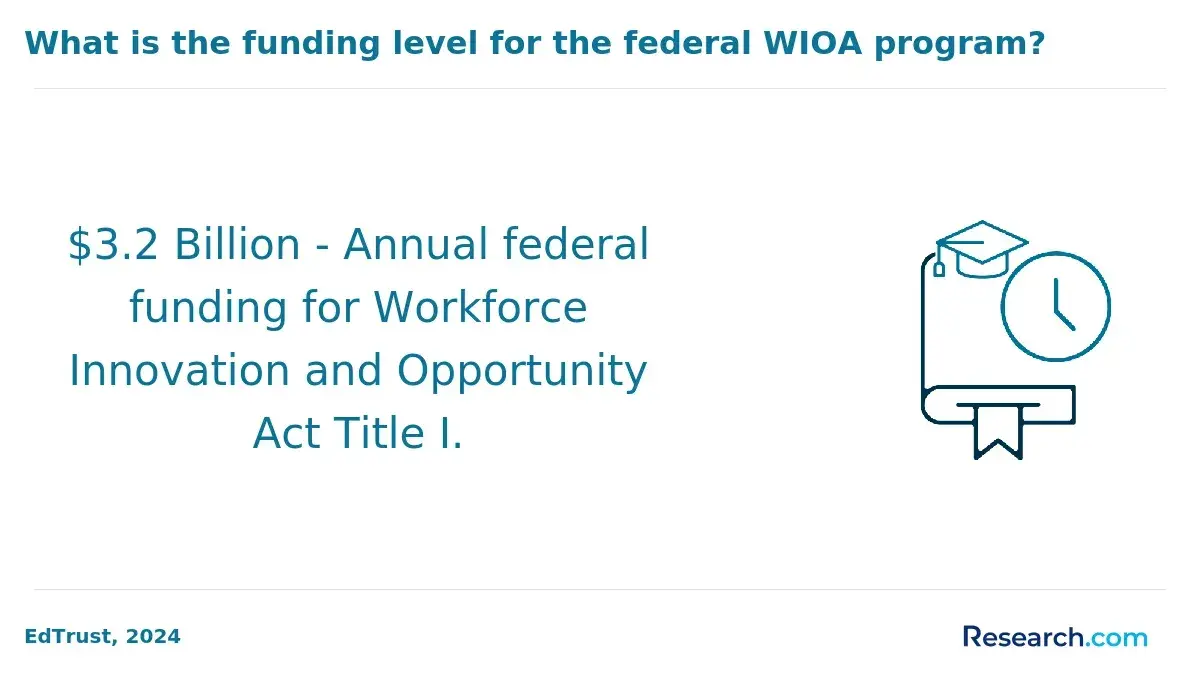
- Check employer tuition assistance, Workforce Innovation and Opportunity Act funding where available, scholarships, and payment plans before borrowing.
- Compare the program's completion requirements with local job postings and likely entry-level wages.
A low-cost program is not automatically the best value if it lacks required labs, clinical placements, employer recognition, or a documented path to the next credential.
What jobs can you get with stackable credentials?
Entry-level jobs depend on the first credential in the sequence, while later credentials may open higher-responsibility roles. Employers also consider experience, background checks, portfolio quality, local licensing rules, and communication skills. A stack should therefore be chosen backward from the job you want, not forward from the shortest available course.
| Starting point | Possible entry-level work | Potential next credential | Key limitation |
| IT support certificate | Help desk technician or desktop support assistant | Networking, cloud, security certification | Advanced cybersecurity roles commonly require experience |
| Medical assistant program | Medical assistant, subject to employer and state rules | Specialty training or nursing prerequisites | Not a substitute for nursing licensure |
| Trade certificate | Helper, trainee, or apprentice candidate | Registered apprenticeship and licensure | License usually requires documented work hours |
| Design certificate | Production artist, junior content, or freelance project work | UX, motion, web, or marketing specialization | Portfolio and software proficiency are central |
Be skeptical of programs that advertise a job title without explaining the additional exam, degree, experience, or licensing step. The strongest option names both the immediate role it supports and the next credential that advances you.
How do you choose the right stackable credential program?
Start with a target occupation and work backward to identify the minimum legal, employer, and educational requirements. Then compare programs based on whether every step has a clear purpose. This approach prevents spending on attractive but disconnected badges.
Use the following process to evaluate a stack before applying:
- Find several local or remote job postings for your target role and note the recurring education, license, certification, software, and experience requirements.
- Identify whether the role requires a state license, an industry certification, an apprenticeship, or a degree; verify requirements with the relevant authority or employer.
- Ask each provider which completed courses apply to the next certificate or degree and request the policy in writing.
- Calculate total cost, required unpaid hours, exam fees, tools, transportation, and the income effect of reduced work hours.
- Compare delivery format with the practical requirements: online theory may work, but labs, clinicals, and apprenticeship hours may require fixed attendance.
- Choose the shortest first step that is recognized by employers and still advances your long-term plan.
A good stack is transparent about its limits. Consider another path - such as a registered apprenticeship, an associate degree, or direct entry into a bachelor's program - when the target role clearly requires it and separate certificates would add time without reducing cost.
Other Things You Should Know About
A stackable certificate is usually an educational award earned after completing coursework that may apply to a larger credential. A professional certification is awarded by a certifying organization after meeting its standards, often through an exam, experience requirement, or renewal process. A program may prepare you for certification without awarding it.
Sometimes they can support entry into skills-based jobs, especially trades and certain technical support roles. They generally do not replace a degree when employers, licensing boards, or graduate programs require one. Check the requirements for the specific job rather than relying on a provider's general claims.
Eligibility depends on the school, program length, credit status, and federal or state rules. Credit-bearing programs at eligible institutions may have aid options, while many short noncredit programs do not. Ask the financial aid office about the exact program rather than assuming all certificates qualify.
Usually not. For entry-level roles, one relevant credential plus demonstrable skills, a portfolio, internship, apprenticeship, or practical experience can be more useful than unrelated badges. Apply once you meet realistic entry requirements, then add credentials based on the next role you want.
References
- New Study Proves Noncredit Credentials Deliver Major ROI | Fast Forward https://fastforwardva.org/new-study-proves-noncredit-credentials-deliver-major-roi/
- Stackable Credentials: Living Links Between Learning and Work https://www.cael.org/resouces/pathways-blog/stackable-credentials-living-links-between-learning-and-work
- Building Stackable Credentials That Truly Deliver Value and Economic Mobility: 7 Steps for Success https://mcacs.talentfirst.net/building-stackable-credentials-that-truly-deliver-value/
- Stackable Certificates & Credentials - Complete College America https://completecollege.org/our-approach/structure/stackable-certificates-credentials
- Does College Pay Off? A Comprehensive Return On Investment Analysis - FREOPP https://freopp.org/whitepapers/does-college-pay-off-a-comprehensive-return-on-investment-analysis/
- Top 11 Medical Certifications You Can Earn in a Year (or Less) https://www.careerstep.com/blog/career-advice/top-medical-certifications/
- What are Stackable Credentials? https://assess.com/stackable-credentials/
- What Are Stackable Credentials and Why Do They Matter? https://www.pltw.org/blog/what-are-stackable-credentials
- 20 Necessary IT Certifications + Salaries I Skillsoft - Skillsoft https://www.skillsoft.com/blog/top-paying-it-certifications