2027 Best Online Certifications for Students With Low GPA

Co-Founder and Chief Data Scientist
A low GPA can limit admission to selective degree programs, but it does not prevent you from building job-ready skills. Online certificates, industry certifications, and career-training programs may use open enrollment, holistic review, placement testing, or minimum GPA policies that differ from traditional colleges.
This guide helps students compare credible options in trades, healthcare, law, and design; understand costs and admission rules; and choose training that supports a realistic career or degree goal. BLS projections show healthcare support occupations are expected to grow 15% from 2024 to 2034, making focused career preparation especially relevant.
Key Things You Should Know
- A low GPA does not automatically disqualify you from online certificates: many noncredit and industry-based programs use open enrollment, while credit-bearing college certificates may review GPA, placement scores, transcripts, or recent academic performance.
- Choose the credential type before enrolling: a college certificate documents completed coursework, while a professional certification is usually awarded by an industry body after an exam and sometimes work-experience requirements.
- Career value varies by field: BLS projects 8% growth for heating, air conditioning, and refrigeration mechanics and installers and 12% growth for medical assistants from 2024 to 2034, but regulated roles can require state-approved training, exams, and licensure beyond a short online course.
Top 10 Best Online Certifications for Students With Low GPA
Popular Trade School Programs
Online trade programs can cover electrical theory, construction estimating, HVAC fundamentals, welding safety, automotive service, or logistics. They work best for students who need flexible academic coursework but can complete required labs, tool practice, apprenticeships, or supervised field hours locally. A certificate may support entry-level preparation, while an associate degree usually adds general education and broader technical coursework. Avoid programs claiming that fully online study alone qualifies you for a hands-on trade license; state rules, apprenticeships, and employer requirements can apply.
Healthcare Programs
Common online or hybrid options include medical billing and coding, pharmacy technician preparation, medical assisting coursework, health information support, and patient care training. Students with lower GPAs may find noncredit workforce programs or community-college certificates more accessible than selective allied-health programs. Clinical roles often require in-person labs, externships, background checks, immunizations, and programmatic approval for certification eligibility. Verify whether a program prepares you for an exam from an employer-recognized certifying organization; finishing a school certificate is not the same as earning professional certification.
Criminal Justice / Law Programs
Online certificates in criminal justice, legal studies, court support, cybersecurity basics, and paralegal studies can introduce legal research, writing, ethics, records management, and public-safety systems. They may suit students seeking foundational knowledge or advancement in administrative support roles. Paralegal education requirements vary by employer, and some employers prefer a degree or a program approved by the American Bar Association. No online certificate independently authorizes someone to practice law, become a police officer, or meet every state-specific public-safety requirement.
Arts & Design Programs
Online design certificates commonly focus on graphic design, digital illustration, web design, user experience, photography, video editing, or digital marketing content. Admission may depend more on a portfolio, basic software readiness, or an introductory course than on GPA. For creative careers, employers often evaluate work samples alongside credentials, so select a program that includes portfolio projects and feedback. A short certificate can build targeted skills, but students seeking art direction or advanced design roles may eventually benefit from a degree and deeper professional experience.
What types of online certifications are best for students with a low GPA?
The best online option depends on whether you need academic credit, a fast skills signal, preparation for a certification exam, or a pathway into a degree. Students with low GPAs generally benefit most from programs with transparent prerequisites and a direct connection to a target occupation.
This comparison separates credentials that are often grouped together but serve different purposes.
| Credential type | Best fit | Typical admission approach | Important limitation |
| Noncredit workforce certificate | Fast, job-specific training | Often open enrollment or basic eligibility screening | Usually does not transfer as college credit |
| Credit-bearing college certificate | Students who may continue to an associate degree | Transcript review, placement, or a stated minimum GPA may apply | Transferability depends on the receiving school |
| Industry certification preparation | Students pursuing an employer-recognized exam | Provider requirements vary; GPA is often not central | Course completion does not automatically confer certification |
| Professional certificate or microcredential | Software, business, design, or digital-skills learners | Usually skills- or enrollment-based | Recognition differs substantially by provider and field |
Choose a credit-bearing certificate if you want a recoverable academic record and possible degree progression. Choose noncredit or industry preparation when speed and a clearly recognized job skill matter more than transferable credits. A program is a poor fit if it promises a credential without explaining its employer recognition, exam eligibility, or required hands-on training.
How do admission requirements work for online certificate programs with flexible GPA policies?
Flexible GPA policies do not always mean "no admission requirements." A college may admit students broadly while still using transcripts to place them into developmental or college-level courses. Other providers do not request transcripts at all because their programs are noncredit training rather than academic credentials.
Ask admissions staff for the requirement in writing before paying an application fee. The most useful questions are:
- Is this a credit-bearing academic certificate, a noncredit training program, or exam-preparation coursework?
- Is there a minimum cumulative or recent GPA, and can professional experience, a personal statement, or placement testing be considered?
- Will prior coursework transfer into the program, and can completed credits apply toward an associate degree?
- Are prerequisites required before clinical, technical, or advanced courses begin?
- What happens if I do not pass a placement assessment or introductory class?
Students who want a lower-cost degree path can also compare cheap online universities, but should confirm that their chosen institution accepts the certificate credits before treating a short program as a bachelor's-degree shortcut.
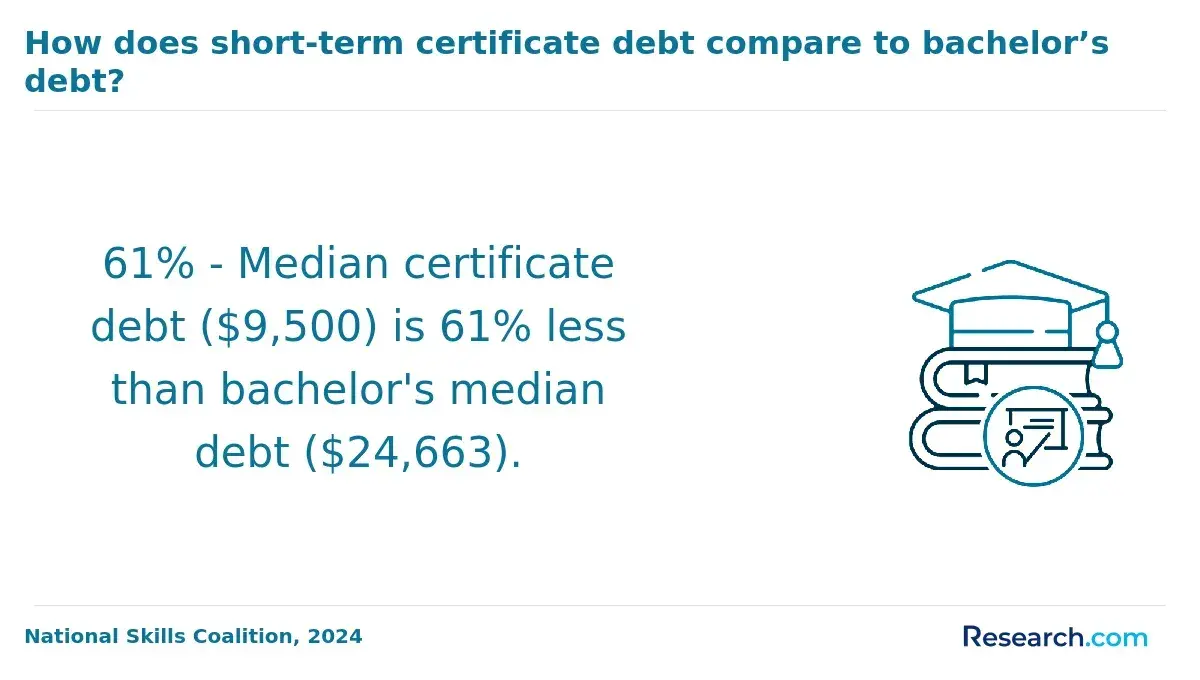
Which accredited schools offer reputable online certificates for students with lower GPAs?
For college-issued certificates, institutional accreditation matters because it affects academic quality oversight, credit transfer decisions, and eligibility for federal aid when the program itself qualifies. Use the U.S. Department of Education database and the accreditor named by the school to verify current status rather than relying only on marketing language. Programmatic accreditation may also matter in health, legal, or technical fields.
Reputable options can include regionally or institutionally accredited community colleges, public universities offering continuing education, and career schools with a documented approval pathway for the target field. A school's admission policy can change by program, so do not assume that broad undergraduate admission applies to a selective nursing, sonography, or clinical program.
If your longer-term plan includes graduate study after rebuilding your record, review easiest masters programs to get into only after confirming that you meet the bachelor's-degree and prerequisite requirements. A certificate can strengthen recent academic evidence, but it does not replace a required undergraduate degree.
How do online certification programs compare to campus-based options for low-GPA students?
Online certificates can reduce commuting and allow students to complete lectures around work or family obligations. They are particularly practical for software, billing, legal research, business operations, and design coursework. Campus-based programs may be stronger when the learning outcome depends on equipment, simulation labs, direct supervision, or employer relationships.
The comparison below highlights the trade-off low-GPA students should weigh: convenience is valuable, but access to required practice and support can be more important than a fully online label.
| Factor | Online or hybrid certificate | Campus-based certificate |
| Scheduling | Often asynchronous for lecture-based courses | Usually fixed meeting times |
| Hands-on learning | May require local labs, externships, or intensives | Typically integrated into scheduled labs |
| Academic support | Depends on virtual tutoring and instructor access | Often easier to access in person |
| Career networking | May require proactive local networking | Can include local employer and faculty connections |
| Best use case | Knowledge-based or flexible career training | Clinical, equipment-heavy, or shop-based preparation |
Students considering a broader two-year route can compare an associate degree online with a certificate. An associate degree generally takes longer but may offer more transferable credits and a wider academic foundation.
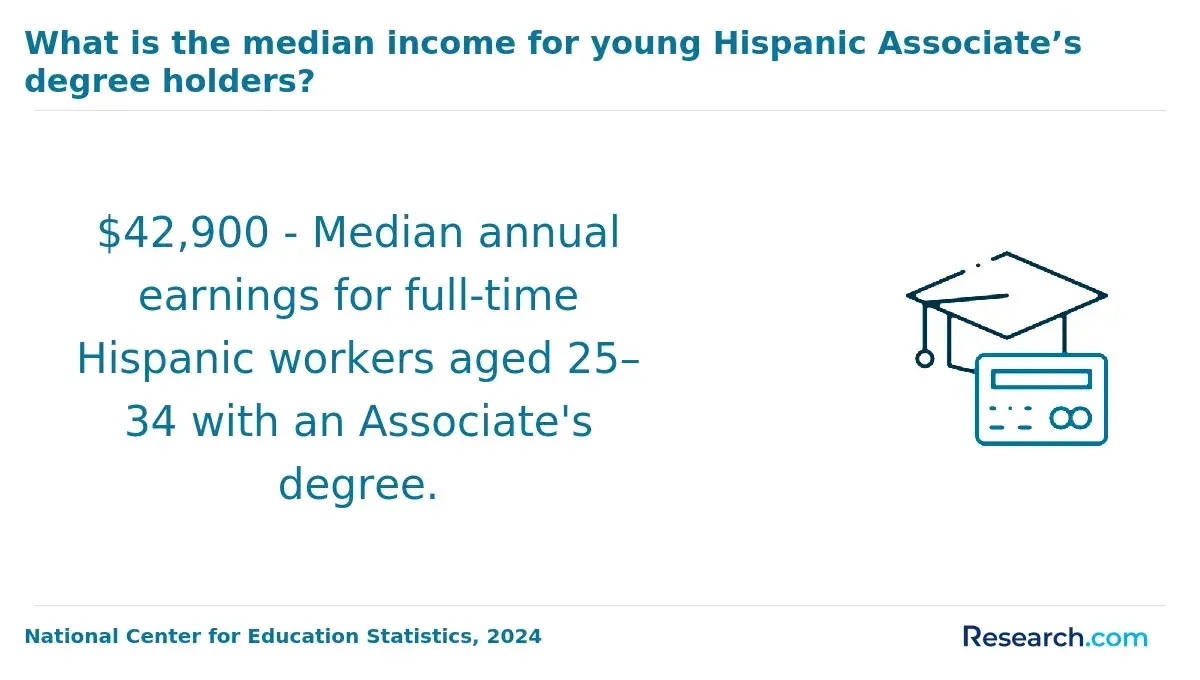
What are typical program length, tuition costs, and financial aid options for online certificates?
Program length can range from a few weeks for a vendor-led professional certificate to one year or more for a credit-bearing college certificate. Cost depends on tuition, credit load, technology fees, books, exam vouchers, tools, uniforms, background checks, and required clinical or lab experiences. College Board reported average published tuition and fees of $4,050 for public two-year colleges in 2024-25; that is a broad benchmark, not the price of any specific online certificate.
Use the following cost categories to compare offers that appear similarly priced.
| Cost or funding factor | What to verify | Why it matters |
| Tuition model | Per credit, per course, or total program price | Accelerated programs can have higher course intensity or fees |
| Required extras | Exams, software, supplies, clinical screening, and travel | These can materially change total cost |
| Federal aid | Whether the eligible program and school participate in Title IV aid | Many short noncredit programs are not eligible |
| Employer assistance | Eligible providers, grade rules, and repayment terms | May lower out-of-pocket cost but can have conditions |
| Payment plans | Fees, due dates, and withdrawal policy | Convenience should not obscure total obligation |
Programs with frequent entry points can be useful when you are ready to begin, but review workload and support first. Compare best online colleges with weekly start dates if start-date flexibility is a major need rather than the only decision criterion.
What coursework and skills do students gain in common career-focused online certificates?
Career-focused certificates should produce observable skills, not simply a completion document. Coursework commonly combines technical instruction with workplace communication, digital tools, documentation, privacy, safety, and problem solving. The right curriculum should align with job postings in your area and, where relevant, the content outline for a separate certification exam.
Students should look for applied assignments that demonstrate competence to employers. Depending on the field, meaningful evidence can include:
- A design portfolio containing briefs, revisions, and final work.
- Medical coding exercises using current coding systems and compliance scenarios.
- Legal research memoranda, case summaries, and document-management practice.
- Technical troubleshooting logs, safety procedures, or simulated service tasks.
- Resume, interview, and job-search support tied to local employer expectations.
AI tools are increasingly part of office, design, and technical workflows, so students should learn responsible use, fact-checking, privacy practices, and how to demonstrate their own underlying skills. Do not choose a program that substitutes generic AI exposure for the field-specific competencies employers actually evaluate.
What entry-level and mid-career jobs can these online certifications help you qualify for?
An online credential can help a candidate pursue entry-level work, especially when paired with a portfolio, supervised experience, or an employer-recognized exam. It is less likely to be sufficient for mid-career or licensed roles that require a degree, documented work hours, or state approval.
This table distinguishes accessible starting points from roles that generally require more than a short certificate.
| Field | Possible entry-level direction | Typical additional step for advancement |
| Trades | Helper, installer trainee, dispatcher, or maintenance support | Apprenticeship, supervised hours, licensing, or manufacturer training |
| Healthcare administration | Billing support, records clerk, scheduler, or coding trainee | Experience and, where valued, professional certification |
| Legal support | Legal assistant, intake specialist, records clerk, or compliance support | Paralegal education, legal specialization, and experience |
| Design | Production artist, junior content assistant, or freelance project support | Stronger portfolio, client experience, and advanced software skills |
Read job descriptions before enrolling. If most target employers request a license, associate degree, bachelor's degree, or prior experience, treat the certificate as one step in a longer plan rather than a complete qualification.
What salary ranges and growth potential are associated with careers requiring these certifications?
Occupational pay data describes workers in an occupation, not what certificate completers automatically earn. Local labor markets, experience, licensing, employer type, shift differentials, and education level can all affect offers. Use national figures as a comparison point, then review local postings and state wage information.
BLS 2024 median annual wages and 2024-34 outlooks illustrate the range across fields associated with common certificate pathways.
| Occupation | 2024 median annual wage | Projected change, 2024-34 | Credential caution |
| Heating, air conditioning, and refrigeration mechanics and installers | $59,810 | 8% | Entry commonly involves postsecondary training and may involve licensing requirements. |
| Medical assistants | $44,200 | 12% | Employers may prefer certification; clinical preparation is commonly required. |
| Paralegals and legal assistants | $61,010 | -1% | Employers may prefer degree-level preparation or experience. |
| Graphic designers | $61,300 | 2% | Portfolio quality and experience are often central to hiring. |
Growth projections are national estimates, not a guarantee of openings in every city. Compare the role's normal entry requirements with the exact credential you are considering before using salary data to estimate return on investment.
How can students with a low GPA choose a high-quality, accredited online certification program?
Students with a low GPA should prioritize evidence of quality and career fit over broad promises of easy admission. A good program offers a transparent curriculum, identifiable instructors, realistic outcomes, clear withdrawal terms, and a verifiable connection to an accredited institution, recognized industry body, or state approval process when applicable.
Before enrolling, take these practical steps to reduce risk:
- Write down the exact job, certification exam, license, or degree goal you want the program to support.
- Check whether the credential is credit-bearing, noncredit, stackable, or eligible for transfer before assuming it advances a degree.
- Verify institutional accreditation and any required programmatic accreditation or state approval directly with the relevant authority.
- Request the complete cost of attendance, including exams, equipment, travel, and clinical or lab expenses.
- Compare the curriculum with several current local job listings and ask whether the program includes supervised practice or career support.
- Get GPA, placement, refund, certification-exam, and licensure-eligibility statements in writing.
Red flags include guaranteed job claims, pressure to enroll immediately, unclear total pricing, vague accreditation language, and promises that an online course alone meets a hands-on licensing requirement. If your GPA reflects an older academic period, consider starting with one manageable credit-bearing course or a stackable certificate to establish recent success before pursuing a larger program.
Other Things You Should Know About
Possibly. Requirements vary by provider and program. Many noncredit workforce programs do not use GPA, while college certificates may have minimum GPA, placement, prerequisite, or selective-program requirements. Ask about the exact program rather than relying on the school's general admission policy.
They can be when the provider is credible and the curriculum matches a recognized skill, certification exam, or job requirement. Employer value is usually stronger when you can show a portfolio, supervised experience, exam result, or relevant work sample.
Some eligible certificate programs at participating schools can qualify for federal financial aid, but many short noncredit programs do not. Complete the FAFSA when appropriate and ask the school's financial-aid office whether the specific program is aid eligible.
Choose a certificate when you need a focused skill quickly or want to test a field at lower cost. Choose an associate degree when your target jobs require broader coursework, you want more transfer options, or you need time to rebuild an academic record through multiple courses.
References
- Best Online Learning Platforms: Prices & Certificates https://learnera.co.uk/blog/education/best-online-learning-platforms/
- 5 of the best online learning platforms to explore during quarantine | EU-Startups https://www.eu-startups.com/2020/03/5-of-the-best-online-learning-platforms-to-explore-during-quarantine/
- Online Certificates for Job-Ready Skills | Grow with Google https://grow.google/certificates
- Which Online Certification Programs Are Recognized by Employers in the U.S.? https://fellow.msicertified.com/blog/which-online-certification-programs-are-recognized-by-employers-in-the-u-s
- The 10 best online course platforms | Zapier https://zapier.com/blog/online-course-platforms/
- 15 Best Online Learning Platforms for Professionals, and Lifelong Learners In 2025 https://buddyboss.com/blog/best-online-learning-platforms-for-professionals-and-learners/
- How Employers View Online Degrees: Interviews with Nine Hiring Executives https://www.onlineeducation.com/features/how-employers-view-online-degrees
- How does a college degree improve graduates' employment and earnings potential? - APLU https://www.aplu.org/our-work/publicuvalues/employment-earnings/
- CourseCareers https://coursecareers.com/blog-posts/best-certifications-start-a-career
- What Employers Actually Think About Online Degrees https://www.onlineu.com/magazine/what-employers-think-about-online-degrees