2027 Best Online Speech Pathology Master's Programs for Residents of Elk Grove, CA

Co-Founder and Chief Data Scientist

Reviewed by Rhea Paul, PhD
SLP Education & Research Expert
Elk Grove residents comparing online speech-language pathology master's programs need more than a convenient class schedule: they need a CAA-accredited degree, viable California clinical placements, and a clear route to state licensure. This guide compares practical online and hybrid options, explains where travel may be required, and identifies the questions to ask before applying. It is designed for prospective SLPs who want to make an informed decision before investing in graduate school.
Key Things You Should Know
- A California license generally requires a qualifying graduate SLP degree, supervised clinical preparation, a required professional experience pathway, and passage of the national Praxis examination; online delivery does not remove these requirements.
- The strongest options for Elk Grove residents are CAA-accredited programs that will confirm California enrollment eligibility, manage or approve Northern California placements, and disclose every campus-immersion requirement before enrollment.
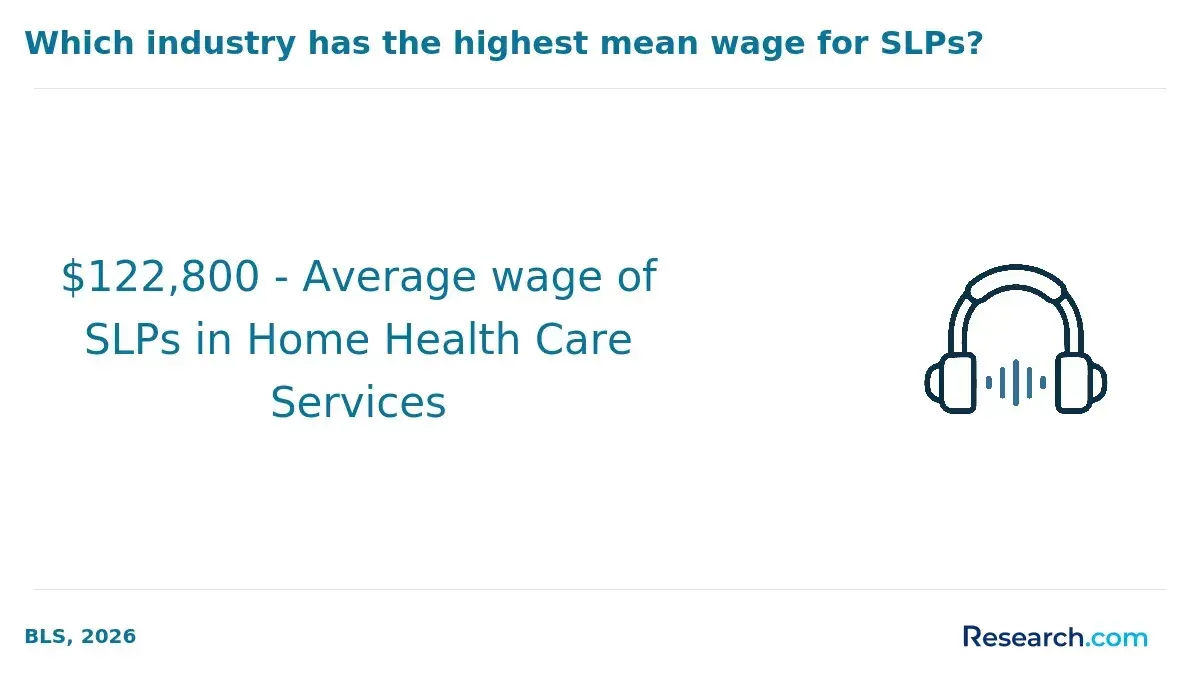
- Speech-language pathologists had a national median annual wage of $97,870 in May 2025, while employment is projected to grow 17% from 2025 to 2035; demand is promising, but students should still compare debt, placement support, and licensure fit.
Which online speech pathology master's programs are best for Elk Grove residents?
There is no universally best online SLP program for every Elk Grove applicant. The most practical choices combine CAA accreditation, California enrollment authorization, realistic placement planning, manageable travel, and a format that fits the applicant's work and family responsibilities.
The programs below are strong starting points because they are established distance or hybrid graduate SLP options. Applicants should confirm current California availability, tuition, clinical-site procedures, and immersion dates directly with each school before paying an application fee.
| Program | Why it may fit an Elk Grove resident | Key trade-off to investigate | Best suited for |
| California State University Monterey Bay | California public-university context may be attractive for applicants seeking regional familiarity and California-focused professional preparation. | Confirm the current delivery model, campus expectations, cohort schedule, and whether clinical sites can be arranged near Sacramento. | Applicants who value a California public option and can accommodate required in-person components. |
| Emerson College | Well-known online SLP pathway with structured distance learning and clinical education support. | Private-university cost, live-session expectations, immersion travel, and California placement availability require careful review. | Students seeking a highly organized online cohort model and able to budget for travel. |
| Baylor University | Online graduate SLP delivery can appeal to students who want a cohort-based professional curriculum. | Ask about California authorization, synchronous scheduling, required immersions, and the school's process for securing placements. | Full-time students comfortable with an intensive, sequenced schedule. |
| New York University | Online graduate study may offer a large-university experience and structured clinical education processes. | Distance does not mean local clinical training is guaranteed; verify California placement procedures and travel obligations. | Applicants who want a national program and can manage private-school costs and required travel. |
Use this as a fit list rather than a prestige ranking. A lower-travel program with reliable California clinical support can be a better choice than a better-known program that expects the student to locate difficult placements independently.
For a broader cost-oriented comparison of SLP online masters, compare published tuition with travel, technology, background-course, and clinical expenses rather than relying on a single advertised figure.
Which programs are accredited by CAA and recognized by California licensure rules?
CAA accreditation is the central academic-quality checkpoint for aspiring SLPs. The Council on Academic Accreditation in Audiology and Speech-Language Pathology is ASHA's specialized accreditor for graduate programs. California applicants should verify a program's current CAA status in ASHA EdFind and review the California Speech-Language Pathology and Audiology and Hearing Aid Dispensers Board requirements separately.
The following comparison explains the distinction between school accreditation and California licensure. A CAA-accredited degree is important, but it is not the only step toward a California license.
| Requirement area | What an applicant should verify | Why it matters in California |
| Program accreditation | Current CAA accreditation status for the specific master's program and campus or delivery pathway. | Accreditation supports eligibility for national certification and is a major safeguard for professional preparation. |
| California enrollment authorization | Written confirmation that California residents may enroll in the current cohort. | State authorization can change, and a school may restrict enrollment in some jurisdictions. |
| Educational licensure disclosure | Whether the school states its curriculum meets, is designed to meet, or has not determined California requirements. | Disclosures identify whether additional coursework or steps may be needed. |
| Clinical education | How the program ensures required supervised clinical experience and approves preceptors. | California and ASHA requirements depend on documented supervised experience, not simply online course completion. |
Do not assume that "ASHA-aligned," "online SLP," or "speech therapy degree" means CAA accredited. Ask admissions for the exact program accreditation designation and confirm it independently. Also remember that school authorization to enroll California residents and professional licensure eligibility are related but separate questions.
What online programs are reachable from Elk Grove and offer required clinical placements?
Reachable does not mean entirely remote. Online SLP master's programs commonly deliver academic courses online but require supervised practica, externships, simulations, or campus immersions. Elk Grove is within the Sacramento metropolitan area, which may offer potential healthcare, school, early-intervention, and rehabilitation settings, but no applicant should presume a specific local site will be available.
Before choosing a program, ask its clinical education office the questions below in writing. These answers reveal whether the program's placement model is realistic for your location and life situation.
- Does the program currently accept California residents and place students in Northern California?
- Does the university secure clinical placements, approve sites proposed by students, or use a hybrid model?
- What travel, lodging, background-check, drug-screening, immunization, and professional-liability costs are the student's responsibility?
- Can placements occur in Sacramento County, or should students expect commuting or temporary relocation?
- How many clinical rotations are required, when do they begin, and can they be completed while working?
- What happens if a site cancels, a supervisor becomes unavailable, or a placement cannot be secured on schedule?
A program that arranges placements may reduce administrative burden, although it cannot necessarily promise a site in Elk Grove. A student-assisted placement model can provide more geographic flexibility, but it demands early outreach, strong organization, and acceptance of the possibility of a longer commute.
How do tuition, fees, and estimated total costs compare across these programs?
Published tuition changes frequently, and online SLP programs do not always present costs in comparable ways. Some list a per-credit charge, some quote a cohort price, and some separate clinical, technology, residency, and university fees. For that reason, applicants should request an official current cost sheet for their expected start term rather than relying on search-result pricing or older blog estimates.
This table identifies the cost categories that should be compared across every program. It helps Elk Grove residents avoid treating tuition alone as the total cost of attendance.
| Cost category | What to request from each school | Why it changes the comparison |
| Tuition basis | Per-credit rate, total cohort tuition, required credits, and whether the rate is locked for the cohort. | A per-credit figure cannot be compared fairly with a total-program quote without knowing required credits. |
| Mandatory institutional fees | Technology, student services, graduation, clinical-course, simulation, and distance-learning fees. | Recurring fees can materially increase the bill beyond advertised tuition. |
| Travel and immersion expenses | Number, location, duration, and estimated out-of-pocket cost of required visits. | Airfare, lodging, meals, ground transportation, and missed work can be significant for California residents attending out-of-state programs. |
| Clinical readiness expenses | Background checks, fingerprints, health records, vaccinations, drug screening, insurance, equipment, and professional attire. | These costs are often required before a placement starts and may not be included in tuition. |
| Living and opportunity costs | Expected enrollment intensity and whether the program advises students to reduce work hours. | A shorter full-time program can cost less in tuition time but more in lost earnings or childcare. |
California public options may deserve close review for residents who prioritize predictable regional policies, but private programs can be practical when they provide stronger schedule or placement support. Compare net cost after grants and scholarships, not only sticker price. Federal aid eligibility, private scholarships, employer tuition assistance, and borrowing limits should be discussed with each institution's financial aid office.
A common mistake is selecting the lowest advertised tuition without calculating travel and clinical costs. Request a written estimated cost of attendance, then build a personal budget that includes commuting from Elk Grove or temporary relocation if a local site is unavailable.
Which programs offer part-time, full-time, or accelerated online formats?
Most entry-level master's programs in speech-language pathology are cohort-based because clinical experiences and prerequisite courses must occur in sequence. "Online" usually describes the academic delivery method, not an on-demand schedule. Students should expect scheduled coursework, group assignments, deadlines, and daytime clinical commitments once practicum begins.
The format comparison below shows the central trade-offs. Confirm the exact calendar with the cohort admissions team because universities may revise course sequencing and immersion requirements.
| Format | Typical advantage | Main limitation | Who should consider it |
| Full-time cohort | Clear progression through academic and clinical requirements, often with the shortest standard completion path. | Clinical rotations can make full-time employment difficult or impractical. | Students with financial flexibility and strong availability for daytime training. |
| Part-time cohort | May spread academic coursework over more terms before intensive clinical work. | Not every distance program offers it, and clinical phases may still require substantial daytime availability. | Working adults who can accept a longer timeline and confirm clinical scheduling early. |
| Accelerated sequence | Can reduce calendar time by using year-round terms and a demanding pace. | Acceleration is not flexibility; the workload can be especially difficult with a job or caregiving obligations. | Students able to prioritize school and meet frequent deadlines. |
Applicants considering accelerated SLP programs online should distinguish a shorter published sequence from a genuinely lower workload. Clinical hours, competency assessment, and supervised experiences cannot simply be compressed away.
For Elk Grove working adults, ask whether live classes are scheduled in Pacific Time or another time zone, whether attendance is mandatory, and when clinical assignments start. A program can appear flexible in its first term yet become incompatible with a standard work schedule during externship.
How do admissions requirements differ for Elk Grove applicants without a CSD background?
Applicants without an undergraduate degree in communication sciences and disorders (CSD) can enter the field, but they usually need prerequisite or leveling coursework before or alongside graduate study. The exact courses, grade requirements, observation hours, and timeline vary substantially by program.
Schools commonly review the following items, but requirements are program-specific and may change by cycle.
- A bachelor's degree from an accredited institution, often in any major if prerequisite coursework is completed.
- Foundational coursework in areas such as phonetics, language development, anatomy and physiology of speech and hearing, audiology, speech science, and statistics.
- ASHA prerequisite content in biological sciences, behavioral or social sciences, statistics, and physical sciences, where required by the program or certification pathway.
- Official transcripts, recommendation letters, statement of purpose, résumé, and any required interview or recorded response.
- Minimum GPA expectations for overall and prerequisite coursework; competitive applicants may exceed the stated minimum.
- Observation documentation, particularly where a program requests guided clinical observation experience.
Applicants changing careers should choose programs with a transparent pathway rather than assuming they can complete missing courses after admission. Leveling coursework can add time, tuition, and scheduling complexity. It is also important to ask whether online prerequisites are accepted and whether they must be completed before the application deadline, before enrollment, or before clinical work begins.
If admission selectivity is a primary concern, review program-specific fit factors rather than searching only for easiest SLP programs to get into. A program with accessible admissions but weak California placement support may be a poor practical choice.
Which programs provide California-friendly practicum and externship arrangements?
A California-friendly clinical model is one that clearly explains how it handles California sites, supervisors, affiliation agreements, student clearances, and contingency planning. It does not necessarily mean that a school guarantees a practicum within Elk Grove or Sacramento County.
When comparing programs, look for these operational signs of a workable placement process.
- A dedicated clinical education office that communicates placement timelines and supervisor requirements early.
- Written confirmation that California residents are eligible for clinical education under the program's current state authorization arrangement.
- A clear explanation of whether the university, the student, or both parties initiate site outreach and affiliation agreements.
- Advance notice of background checks, health documentation, fingerprinting, liability coverage, and site-specific onboarding requirements.
- A policy for delayed, cancelled, or geographically distant placements that explains how graduation timing may be affected.
- Support for required clinical documentation so students can later demonstrate compliance with California and ASHA requirements.
School districts, hospitals, skilled nursing facilities, rehabilitation organizations, private practices, and early-intervention providers may all serve as clinical settings, depending on school agreements and student competency needs. The best program for a California resident is not always the one that advertises the most online coursework; it is the one that can document a credible clinical training plan before the student reaches the placement phase.
Red flags include vague assurances that placements are "available everywhere," pressure to find a site before the school will explain its process, or unwillingness to state whether California learners are currently eligible. Ask for the policy in writing and save it with your enrollment records.
What licensure and CFY pathways follow each program after graduation?
Graduating from a qualifying master's program is the beginning of the professional credentialing process, not the final step. California licensure and ASHA's Certificate of Clinical Competence in Speech-Language Pathology (CCC-SLP) have overlapping but distinct requirements. Applicants should verify current rules with the California licensing board and ASHA before making enrollment decisions.
The typical progression below helps students understand how academic preparation connects to practice after graduation.
- Complete a qualifying graduate SLP program and all required supervised clinical education.
- Apply for the required California temporary or professional authorization as directed by the state board before beginning post-graduate professional experience.
- Complete the required supervised professional experience period under an approved supervisor.
- Pass the Praxis examination in speech-language pathology when required for the applicable credentialing pathway.
- Apply for California licensure and, if desired, ASHA CCC-SLP certification after all applicable requirements are met.
ASHA certification commonly involves a Clinical Fellowship, often called a CF or CFY in informal usage. California's supervised professional experience rules, employer requirements, school-based credential requirements, and ASHA certification standards should not be treated as interchangeable. A school-based role may also involve requirements administered through California education agencies or local employers.
Career setting can influence earnings and work patterns after licensure. For example, clinicians considering neonatal or medically complex care can review context around nicu SLP salary, but specialty compensation varies by employer, region, productivity expectations, shift structure, and experience. It should not be used to justify borrowing beyond a realistic repayment plan.
How do outcomes, graduation rates, and ASHA certification support compare?
CAA-accredited programs are expected to make student outcome information available, commonly including program completion, Praxis pass, and employment measures. These figures are useful, but they should be read carefully because reporting periods, cohort sizes, definitions, and data-collection methods can differ among schools.
Ask every admissions office for its most recent outcomes report and use this comparison framework to evaluate what the numbers actually mean.
| Outcome measure | What it can tell you | Question to ask |
| Program completion rate | Whether students generally finish the curriculum within the school's reported time frame. | Does the figure include students delayed by unavailable clinical placements or leaves of absence? |
| Praxis pass rate | How graduates performed on a national examination during the reported period. | What reporting period and number of test takers are included? |
| Employment rate | Whether responding graduates obtained professional positions after graduation. | How does the school define employment, and how many graduates were included? |
| Clinical and certification support | How the program helps students document hours, identify supervisors, and prepare for post-graduate credentialing. | Who assists students after graduation with California paperwork, CF planning, and verification documents? |
Do not choose a program on a single outcome percentage. Small cohorts can make a rate move sharply from year to year, and a high reported rate does not reveal whether a student can obtain a convenient California placement. Strong outcomes are most meaningful when paired with transparent clinical support and clear licensure guidance.
The national labor market supports careful investment in the profession: the Bureau of Labor Statistics projects 17% employment growth for speech-language pathologists from 2025 to 2035, with about 12,500 openings projected annually on average. That outlook supports demand, but it does not eliminate the need to evaluate program cost, local job preferences, and personal scheduling constraints.
Which programs are the most practical fit for working adults in Elk Grove?
For working adults, the most practical program is usually the one with the most predictable schedule and clinical-placement process, not necessarily the shortest advertised completion time. A full-time online cohort can be realistic for a student with flexible employment, while a part-time or longer pathway may be safer for a parent, caregiver, or employee who cannot leave daytime work immediately.
Use these decision patterns to narrow your list before applying.
- Choose a California-oriented or regional option if minimizing travel, understanding local requirements, and building connections near Sacramento are your top priorities.
- Choose a structured national online program if you want centralized online coursework and can verify California eligibility, immersion travel, and placement support in writing.
- Choose a part-time pathway only after confirming whether practicum and externship remain daytime, full-time commitments later in the curriculum.
- Choose an accelerated sequence only if your finances, household responsibilities, and work arrangement can support year-round intensive study.
- Pause before applying if the school cannot explain who secures placements, whether students have recently trained in California, or how delays affect graduation.
A sensible next step is to contact three to five programs with the same short list of questions: Can I enroll from California? What is the current CAA status? How are Northern California placements handled? What travel is required? What is the total estimated cost for my cohort? Can I work during clinical terms? Comparing written answers will produce a more reliable decision than comparing marketing language.
For many Elk Grove residents, a program is worth pursuing when it provides a verified path to CAA-based preparation, California-compatible clinical education, manageable debt, and a schedule that can survive the practicum phase. If one of those elements is unclear, keep searching rather than assuming it will resolve after enrollment.
Other Things You Should Know About Speech Language Pathology
Usually no. Coursework may be online, but accredited preparation includes supervised clinical experiences and some programs require campus immersions or other in-person activities. Clinical work may occur near Elk Grove, elsewhere in Northern California, or in another location depending on available approved sites.
Not always. Many programs consider applicants with other bachelor's degrees, but they typically require prerequisite or leveling courses. Ask each school which courses you need, the required grades, and whether the courses must be completed before admission.
It may be possible during some academic terms, especially in a part-time format, but clinical practica and externships often require daytime availability. Obtain a term-by-term schedule before assuming a program will work with full-time employment.
The timeline depends on the degree sequence, clinical completion, examination timing, state application processing, and required supervised professional experience. Ask the California licensing board and each program how its graduates typically document the steps, but do not rely on a school to guarantee a specific licensure date.
References
- Online Master's in Speech Pathology Programs: 2026 Guide https://speechpathologymastersprograms.com/
- Best Speech-Language Pathology Programs in America https://www.usnews.com/best-graduate-schools/top-health-schools/pathology-rankings
- Best Online Masters in SLP Programs | CAA-ASHA Included https://www.speechpathologydegrees.com/online/masters-slp
- Best Online Speech Pathology Programs https://www.forbes.com/advisor/education/healthcare/best-speech-pathology-programs-online/
- 2026 Most Affordable Online Speech Pathology Master's... https://www.onlineu.com/most-affordable-colleges/speech-pathology-masters-degrees