2027 Best Online Master's Degrees for Military Spouses

Co-Founder and Chief Data Scientist
A permanent change of station can interrupt a degree just as easily as a job. In the Department of Defense's 2021 Active Duty Spouse Survey, 21% of military spouses in the labor force were unemployed. An online master's degree may help spouses pursue a portable career or advance one they already have - but online coursework does not always mean relocation-proof training or licensing.
This guide compares ten degree fields, then explains how to check in-person requirements, career value, accreditation, costs, and education benefits before enrolling.
Key Things You Should Know
- For the greatest location flexibility, compare business, IT, computer science, cybersecurity, and analytics programs - but verify scheduled classes, internships, and employer expectations.
- Counseling, education, and advanced nursing may offer strong career fit, but state licensing and local clinical or teaching placements can complicate a move.
- My Career Advancement Account (MyCAA) assistance can provide eligible spouses up to $4,000, but it does not fund master's degrees; check other benefits before calculating what you can afford.
Top 10 Best Online Master's Degrees for Military Spouses - Top 10 Programs
Business / MBA Programs
A Master of Business Administration (MBA) teaches finance, operations, strategy, and leadership. It suits spouses who already have work experience and want to move between employers or industries; an MS in accounting or supply chain management offers narrower specialization. Online group projects can travel with you, but scheduled meetings may not fit every duty-station time zone. An MBA does not independently qualify someone for management. Before paying a premium for a particular program, compare its employer connections, career services, and total cost with the experience you could gain while working.
Healthcare Administration & Management Programs
A Master of Healthcare Administration (MHA), healthcare-focused MBA, or MS in healthcare management can prepare experienced professionals for operations, finance, or quality-improvement work. Healthcare organizations exist across the country, but leadership hiring usually depends on relevant experience, not the degree alone. An online program may require an internship or project with a healthcare employer, so ask whether a placement can move if you relocate. Choose an MHA for healthcare-specific operations; consider an MBA if you want broader industry mobility.
Information Technology Programs
An MS in information technology typically emphasizes systems, cloud infrastructure, networking, and technology management. It can fit spouses with technical experience who want roles across industries, including positions that sometimes permit remote work. Check whether labs use remotely accessible systems and whether live troubleshooting sessions are scheduled. If your goal is an entry-level IT job, certifications and practical experience may be a less expensive first step; the master's is most useful when its specialization advances an established career.
Computer Science Programs
An MS in computer science offers deeper study of software, algorithms, and computing systems; some programs also support research or doctoral preparation. It can suit a spouse seeking technical specialization, but applicants without a computing background may need substantial prerequisite coursework. Projects are often portable, while team meetings and exams may be scheduled. Compare required foundations and the program's technical depth: a career changer seeking software-development fundamentals may get better value from a bridge pathway than from a degree designed for experienced programmers.
Cybersecurity Programs
An MS in cybersecurity may cover security engineering, risk, incident response, and policy. The field offers work across sectors, but remote openings can be competitive, and some defense roles require citizenship, a clearance, or access to a particular site. Compare technical programs with governance-focused ones against the jobs you want. Hands-on labs should be available online if you expect to keep studying through a move. A degree can add specialization, but employers may also expect experience and role-specific certifications.
Data Science / Analytics Programs
An MS in data science often combines statistics, programming, and machine learning; an MS in business analytics usually places more emphasis on organizational decisions. Both can lead to portable projects, but remote employment is not guaranteed. Ask whether admission assumes calculus, statistics, or Python proficiency and whether a capstone requires an employer partner. Because AI tools are changing routine analysis, prioritize programs that teach data quality, interpretation, and communicating results - not only how to operate a particular tool.
Education / Educational Leadership Programs
A Master of Education (MEd) may support curriculum, instructional design, or school leadership. Instructional design can offer more geographic flexibility than a state-licensed school role. An educational leadership degree, however, may require teaching experience, supervised fieldwork, and a state-approved preparation pathway before principal licensure. Ask whether the program serves your intended state and can arrange field experiences after a move. If you do not already hold a teaching license, do not assume a leadership master's provides an initial one.
Counseling / Psychology Programs
A clinical mental health counseling master's may lead toward licensure, but supervised practica, internships, exams, and state-specific rules remain. A general MA or MS in psychology usually does not qualify graduates to practice independently as psychologists. Counseling may be worthwhile for a spouse committed to clinical work who can plan placements around likely moves; it is a poor fit if uninterrupted, location-independent study is essential. Confirm the intended state's education requirements and the school's placement support before applying.
Nursing Programs
A Master of Science in Nursing (MSN) can prepare licensed nurses for education, leadership, or advanced practice; eligibility and clinical demands differ sharply by track. Nurse practitioner pathways generally require supervised clinical hours and state authorization, making relocation during training more difficult. Online lectures do not eliminate in-person clinical work. If you are not a registered nurse, check for a separately designed entry pathway rather than assuming you qualify for a standard MSN. Compare each school's clinical-placement policy before committing.
Engineering Management Programs
An MS in engineering management combines technical project work with operations, finance, and leadership. It generally fits engineers or other technical professionals seeking broader responsibility without leaving their specialty. Online coursework may be portable, but collaborative projects can involve fixed meeting times. Some programs expect an engineering or quantitative background. Compare this degree with an MBA: engineering management keeps technical decisions central, while an MBA typically offers broader business training. Neither substitutes for experience required to lead engineering teams.
Which online master's degrees offer the best career opportunities for military spouses?
The best field depends first on what must remain workable after a move: coursework, required fieldwork, professional authorization, or the job itself. The comparison below identifies each field's main portability advantage and the condition most likely to change your decision.
| Degree field | Potential portability advantage | Check before enrolling |
| Business / MBA | Skills used across industries | Live team meetings and the value of prior experience |
| Healthcare administration | Healthcare employers nationwide | Internship arrangements and experience expectations |
| IT or computer science | Work and projects that may be done from many locations | Prerequisites, labs, and remote-job competition |
| Cybersecurity or analytics | Specializations used across sectors | Hands-on training, clearance restrictions, and portfolio quality |
| Education or counseling | Clear professional pathways | State rules and supervised placements |
| Nursing | Demand for established clinical skills | Existing RN eligibility and local clinical requirements |
| Engineering management | Technical leadership skills used by many employers | Required technical background and work experience |
If frequent moves are likely during enrollment, start with programs that allow part-time study and portable projects. If a licensed occupation is the goal, prioritize a valid path to that credential over convenience. No degree makes a particular job inherently remote.
How can military spouses verify online master's program accreditation?
Check institutional accreditation first using the U.S. Department of Education's accreditation database or the Council for Higher Education Accreditation directory. Match the institution's name to its current accreditor; do not confuse a school's approval to operate with accreditation.
Then ask whether the specific degree needs programmatic accreditation or state approval for your goal. Examples include Commission on Collegiate Nursing Education or Accreditation Commission for Education in Nursing accreditation for relevant nursing programs, Council for Accreditation of Counseling and Related Educational Programs accreditation for counseling, and state approval for educator preparation. Requirements vary by occupation and state. Compare the school's written claims with the appropriate accreditor and the licensing board where you expect to practice. A list of military friendly universities online can help you identify schools to investigate, but a designation does not replace these checks.
What military spouse education benefits can help pay for an online master's degree?
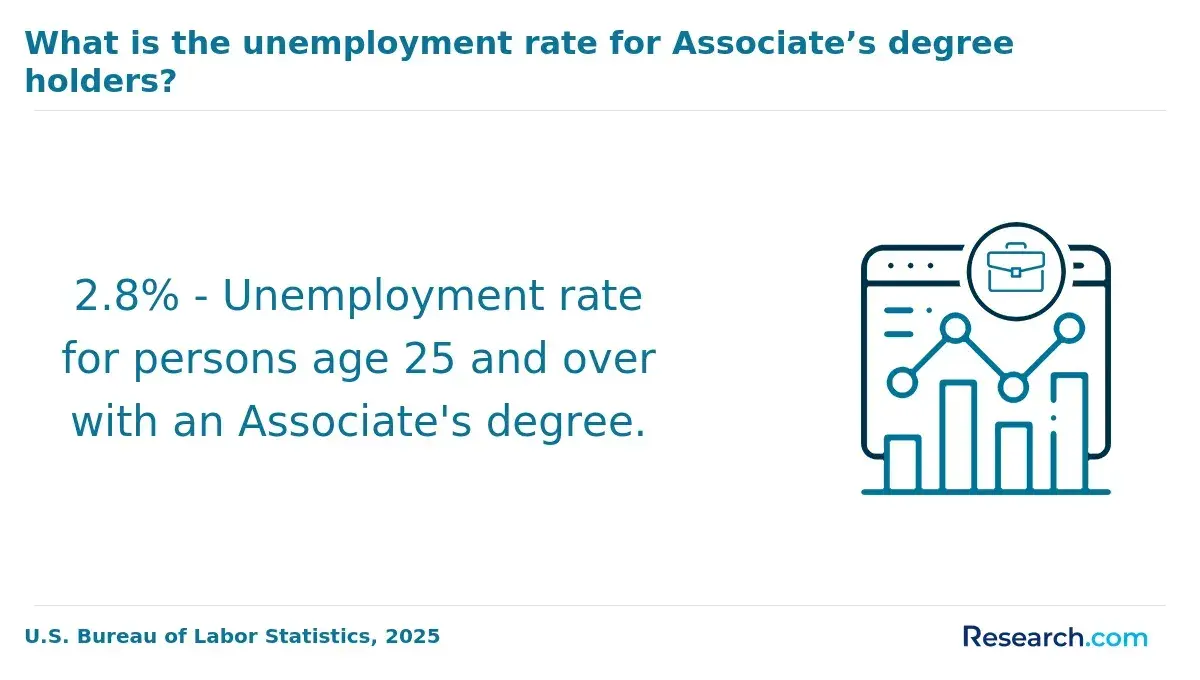
MyCAA can help eligible spouses pay for approved associate degrees, licenses, and certifications, not a master's degree. Do not subtract its allowance from a graduate-program quote. Depending on individual eligibility, other possibilities include transferred Post-9/11 GI Bill benefits, Survivors' and Dependents' Educational Assistance, school scholarships, employer tuition assistance, and federal graduate student aid. These benefits have different rules, and not every spouse qualifies.
Ask the school's military-benefits office which benefits it can certify for the exact online program and whether using one affects another. Then request a written cost estimate after grants and employer assistance, distinguishing aid you need not repay from loans. Because federal benefit and loan rules can change, confirm current eligibility with the administering agency before relying on an award.
Which online master's degree fields support portable careers after relocation?
Business, IT, software, cybersecurity, and analytics skills can transfer between employers without a new professional license each time you cross a state line. That makes these fields useful starting points for spouses who expect repeated moves. Portability is still conditional: an employer may require office attendance, a defense role may be tied to a secure site, and a new local market may value different experience.
Healthcare administration and instructional design can also travel, although openings and experience requirements vary. Clinical counseling, school leadership, and advanced-practice nursing involve more location-dependent training or authorization. Separate career portability from study portability: a degree can be completed online while its internship cannot, or lead to a career that is portable only after licensing in another state.
What are the admission requirements for online master's programs?
Most master's programs require a completed bachelor's degree and transcripts; many also request a statement of purpose, recommendations, résumé, or interview. GPA policies and GRE or GMAT requirements vary by program rather than by the university's undergraduate admissions policy. Technical degrees may require mathematics or programming, an MSN generally requires nursing preparation and licensure, and leadership programs may expect professional experience.
If you are changing fields, ask admissions to identify prerequisite courses and their cost before you apply. Ask, too, whether a previously earned graduate certificate or graduate coursework can satisfy degree requirements; acceptance depends on equivalency, grades, age limits, and the school's residency-credit policy. Work or military experience should not be assumed to earn graduate credit. If application costs are a concern, online colleges with free applications offer leads, but verify the fee for the graduate program you intend to enter.
How do online master's programs compare with campus-based programs?
Online and campus-based master's degrees can teach comparable subject matter, but delivery changes the practical demands. Asynchronous classes allow students to access lessons at different times, not to ignore deadlines. Synchronous classes require attendance at set times; either format may include residencies, exams, internships, clinical work, or student teaching. Campus study offers more in-person contact but is harder to continue after a move.
Ask for a typical term schedule and a complete list of in-person requirements, including who finds placements and what happens after relocation. A flexible online master's may be especially useful while employed, but choose campus or hybrid study if you need facilities or local placements that online delivery cannot provide. If your long-term goal is research rather than immediate professional advancement, online PhD programs for working professionals illustrate a different path to investigate after checking its research and residency expectations.
How long do online master's degrees take, and what do they cost?
Many professional master's degrees require roughly 30-60 graduate credits, but prerequisites, clinical hours, and research requirements can change both the workload and the timeline. Full-time students may finish some programs in about one to two years; part-time study or a placement interrupted by relocation may take longer. An accelerated course calendar does not, by itself, shorten the total degree.
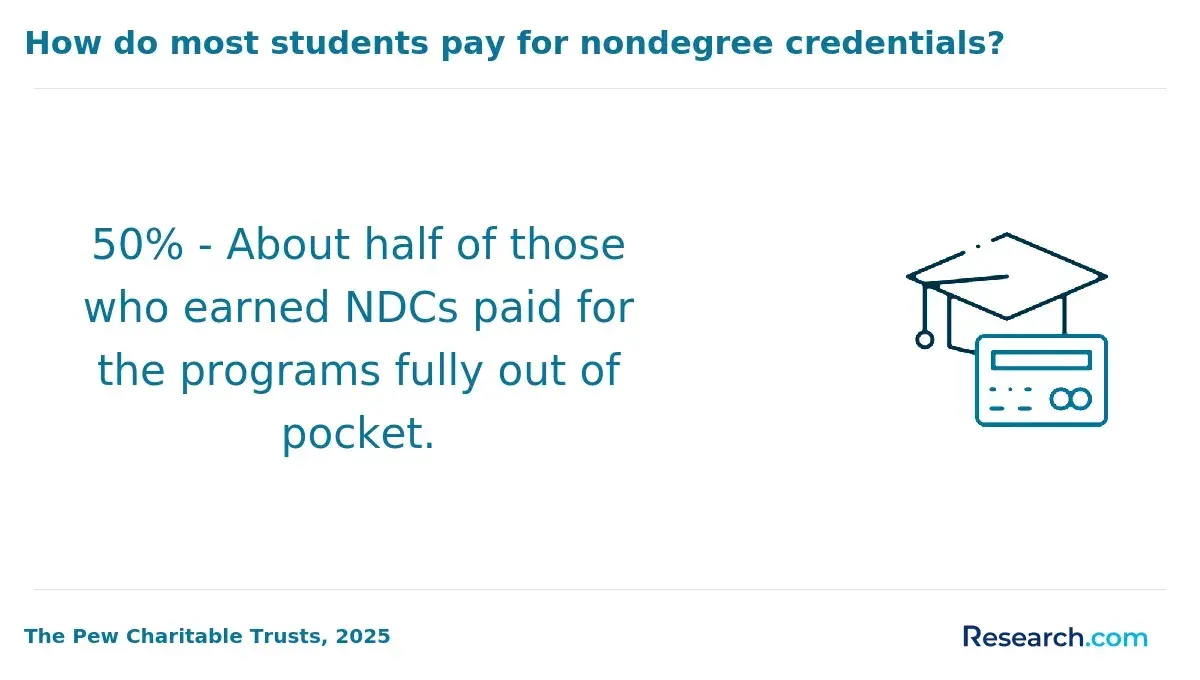
For a meaningful price comparison, ask each school for tuition across all remaining required credits, mandatory and program fees, books or software, travel, and any placement expenses. Check whether a move changes your tuition classification. Eligible prior graduate credits or a stackable graduate certificate may lower the remaining cost, but only after the school confirms how they apply to the degree. A list of the cheapest masters degree options can narrow your search; the lowest per-credit rate is not necessarily the lowest total price.
What careers, salaries, and job outlooks follow popular online master's degrees?
Career data is most useful when paired with the experience a role actually requires. The following U.S. Bureau of Labor Statistics median annual wages are for all workers in each occupation, not the expected pay of new master's graduates.
| Occupation | Median annual wage, 2024 | Important qualification |
| Information security analyst | $124,910 | Employers commonly value relevant technical experience; a master's is not generally the entry requirement. |
| Data scientist | $112,590 | Strong quantitative and programming preparation matters; some positions require graduate study. |
| Medical and health services manager | $117,960 | Relevant healthcare experience is commonly needed for management roles. |
These figures show possible occupational directions, not a return on tuition. Before enrolling, compare local and remote job postings with your current qualifications. If the jobs you want primarily ask for experience, a certification, or a portfolio, test whether that smaller investment would close the gap before financing a master's.
Do military spouses need licenses or certifications after earning a master's degree?
Sometimes. An MBA, IT, analytics, or engineering management degree generally does not confer a state occupational license, although an employer may prefer certifications. By contrast, counseling, teaching, school leadership, and advanced-practice nursing can require specific education, supervised work, examinations, and state authorization after or alongside the degree. A general psychology master's should not be mistaken for a psychologist license.
Before accepting admission to a licensure-track program, identify the credential you want and ask the licensing board in the state where you expect to practice whether the program's coursework and placements meet its requirements. Ask the school how it handles a move during training. Do not rely on a general claim that graduates are "eligible for licensure" without confirming where and under what conditions.
Other Things You Should Know About
Often, but confirm the school permits continued enrollment after a move and can accommodate any scheduled classes, exams, internships, or clinical placements in the new location.
An MBA suits broader business goals, particularly with prior work experience. A specialized degree may be better when a target role calls for technical skills or a specific professional pathway.
Employers can evaluate an online degree alongside the institution's accreditation, relevant skills, experience, and work samples. Check those factors rather than assuming delivery format alone determines its value.
Not necessarily. Ask whether you can study part-time, pause enrollment, and relocate required placements. Waiting may be wiser if an upcoming move would interrupt a tightly sequenced clinical or licensure program.
References
- NYS Nursing: RN License Requirements | nysed.gov https://www.op.nysed.gov/professions/registered-professional-nursing/license-requirements
- Eligibility Requirements | Federal Student Aid https://studentaid.gov/understand-aid/eligibility/requirements
- Going Back to School as a Military Spouse | militaryonesource.mil https://www.militaryonesource.mil/education-employment/for-spouses/going-back-to-school-as-a-military-spouse/
- (General) Subject: Final Regulations for State Authorization | ed.gov https://fsapartners.ed.gov/knowledge-center/library/electronic-announcements/2016-12-19/general-subject-final-regulations-state-authorization
- 5 Education Benefits For Military Spouses | InterCoast Colleges https://www.intercoast.edu/articles/military-spouse-education/
- Licensure | Counseling for Mental Health and Wellness | NYU Steinhardt https://steinhardt.nyu.edu/programs/counseling-mental-health-and-wellness/licensure
- Military Friendly Online Colleges: Taking Courses While Deployed | Baker College https://www.baker.edu/about/get-to-know-us/blog/military-friendly-online-colleges-taking-courses-while-deployed/
- Student Location Policy for Certifications or Professional Licensure Programs | downstate.edu https://www.downstate.edu/education-training/student-affairs/student-policies/locationprocedure.html