2027 Best Online Professional Masters Degrees for Veterans

Co-Founder and Chief Data Scientist
Choosing an online master's degree after military service means weighing more than the subject: your benefits, schedule, civilian career goal, and any in-person requirements all matter. The U.S. Bureau of Labor Statistics projects employment of information security analysts to grow 29% from 2024 to 2034, illustrating opportunity in one field - not a guaranteed outcome for graduates.
This guide compares career-oriented degree paths and shows veterans how to check costs, GI Bill approval, accreditation, and licensing rules before committing.
Key Things You Should Know
- The best fit depends on your target role: an MBA supports broad business advancement, while counseling, teaching, and advanced nursing require closer attention to state licensing rules.
- Fully online study can affect housing benefits: qualifying students taking only online courses generally receive a Post-9/11 GI Bill housing allowance based on half the national average, subject to VA eligibility and enrollment rules.
- Compare the complete cost and required experience - not tuition alone. A degree may include fees, residencies, clinical placements, or prerequisites that change its value.
Top 10 Best Online Professional Masters Degrees for Veterans - Best Programs
Business / MBA Programs
A Master of Business Administration (MBA) is a versatile option for veterans moving toward operations, consulting, finance, or organizational leadership. Military logistics and team leadership may provide useful experience, but an MBA does not itself qualify someone for a management position. Compare generalist MBAs with focused master's degrees in accounting or supply chain management: the latter can make more sense when the target role demands specialized knowledge. Check for team projects, scheduled live classes, career support, and whether the curriculum provides skills you cannot gain more cheaply through work or a certificate.
Healthcare Administration & Management Programs
A Master of Healthcare Administration (MHA), healthcare-focused MBA, or Master of Public Health (MPH) can suit veterans interested in hospital operations, health systems, or population health. An MHA emphasizes healthcare management; an MPH typically emphasizes public-health methods and policy. Prior healthcare or administrative experience can matter substantially for leadership hiring. Compare internships and healthcare employer connections, especially if you are changing fields. These degrees do not grant a clinical license, and some online programs require an in-person practicum.
Information Technology Programs
An MS in information technology commonly covers enterprise systems, cloud infrastructure, databases, and IT strategy. It can fit veterans with communications, systems, or technical-operations experience who want broader responsibility. Check whether the curriculum is technical enough for your intended job: an IT management degree may not substitute for hands-on systems experience. If you already have relevant skills, a focused certification or graduate certificate may be a less expensive first step. Confirm whether labs, projects, or scheduled sessions work with your location and duty or work schedule.
Computer Science Programs
An MS in computer science is best suited to veterans pursuing advanced software, algorithms, or computing work - not simply any job involving technology. Programs may require prior coursework in programming, discrete mathematics, and data structures; career changers may need foundation courses before starting graduate work. Compare applied, project-based options with research or thesis tracks. A strong portfolio and relevant experience remain important, and a master's degree is not generally required for entry-level software development.
Cybersecurity Programs
An MS in cybersecurity may focus on security engineering, risk management, digital forensics, or policy. Veterans with relevant technical or security experience can use it to deepen expertise, but the best track depends on the target job. Compare access to practical labs and the balance between technical work and governance. Security clearances, when a job requires them, are separate from the degree; military service does not ensure an active clearance. Many roles also value experience and certifications, so assess what graduate study adds to your existing qualifications.
Data Science / Analytics Programs
An MS in data science or business analytics can suit veterans who have worked with intelligence, logistics, or performance data. Data science programs often demand more statistics and programming; business analytics may emphasize decisions and communication. Check prerequisites in calculus, statistics, Python, or SQL, along with access to real projects. As AI tools change analytical workflows, the ability to validate results and explain their limitations matters. If foundational math or coding is missing, a bridge sequence could increase both cost and completion time.
Education / Educational Leadership Programs
A Master of Education (MEd) can support teaching practice, instructional design, or school leadership, but these are distinct career paths. Veterans interested in public-school teaching or administration should check the state's certification rules before applying: an educational leadership degree may require an existing teaching license and experience, while a teacher-preparation program may require supervised student teaching. Online coursework does not eliminate local placement obligations. For training roles outside K-12 schools, a non-licensure instructional design track may be a better fit.
Counseling / Psychology Programs
A clinical mental health counseling master's is a potential route toward counselor licensure; a general MA or MS in psychology usually is not equivalent. Veterans seeking to serve military communities should verify the program's state-specific curriculum, supervised practicum and internship arrangements, and licensure disclosures. Graduation alone does not grant a license: examinations and supervised post-degree practice commonly follow. A psychology research degree may make more sense for doctoral preparation than clinical practice, and becoming a licensed psychologist typically requires doctoral-level training.
Nursing Programs
A Master of Science in Nursing (MSN) can prepare eligible registered nurses for education, administration, or an advanced-practice pathway. It is not generally an entry route for veterans without nursing preparation; those applicants should investigate appropriate prelicensure options. Nurse practitioner tracks have specialty-specific clinical placements and state licensure requirements, even when coursework is online. Compare clinical-placement support, required visits, and programmatic accreditation. An administration-focused MSN has different eligibility and career outcomes from an advanced-practice program.
Engineering Management Programs
An MS in engineering management combines technical project work with finance, operations, and leadership. It may fit veterans with engineering or substantial technical experience who want to manage complex teams and systems. Entry requirements vary: some programs expect an engineering degree, while others accept related quantitative backgrounds. Compare the curriculum with an MBA; engineering management is usually the stronger match when technical decisions remain central. Neither degree replaces the experience employers often expect for engineering leadership, and some engineering roles have separate professional-licensure rules.
What are the best online master's degrees for veterans?
The best online professional master's degree for a veteran is the one that matches a defined civilian role while fitting the veteran's benefits, preparation, and location. No single field wins on all of those measures. The comparison below is a starting point, not a ranking of schools or a promise of employment.
Use these career matches to narrow the field before comparing individual programs and their requirements.
| Degree path | Strongest fit | Trade-off to check |
| MBA or MHA | Experienced applicants pursuing business or healthcare operations | Leadership roles often require relevant civilian experience |
| IT or cybersecurity MS | Applicants building on technical or security experience | Practical skills and certifications may matter alongside the degree |
| Computer science or analytics MS | Applicants seeking deeper computing or quantitative work | Prerequisite coursework may add time and cost |
| MEd, counseling master's, or MSN | Applicants targeting a specific practice or education role | Licensing and placements may restrict location and flexibility |
If you are still choosing an undergraduate field rather than ready for graduate admission, explore best degrees to get online first. For graduate applicants, make a shortlist based on the job requirements - not on a broad "best degree" label.
How can veterans use GI Bill benefits for online graduate programs?
Veterans may be able to use Post-9/11 GI Bill benefits for an approved online graduate program, but eligibility is personal and approval must be checked for the specific program and location. The VA determines your benefit percentage and remaining entitlement; the school's certifying official reports enrollment and qualifying charges. Benefits may cover eligible tuition and fees and, when applicable, provide a books-and-supplies stipend and monthly housing allowance.
Delivery format can change the housing payment. For eligible students enrolled more than half time, an entirely online course load generally uses a housing allowance based on half the national average rather than the applicable in-person rate; payments also depend on benefit eligibility and rate of pursuit. A required campus visit does not necessarily make an otherwise online course load eligible for the in-person rate. Confirm how the school certifies each course before budgeting.
Before accepting an offer, ask the school certifying official to confirm program approval, how graduate full-time status is defined, which required courses are covered, and whether a private-school tuition cap or Yellow Ribbon funding affects your balance. If you may qualify for Veteran Readiness and Employment benefits, discuss that option with VA rather than assuming you must use GI Bill entitlement first.
How much do online master's degrees cost for veterans?
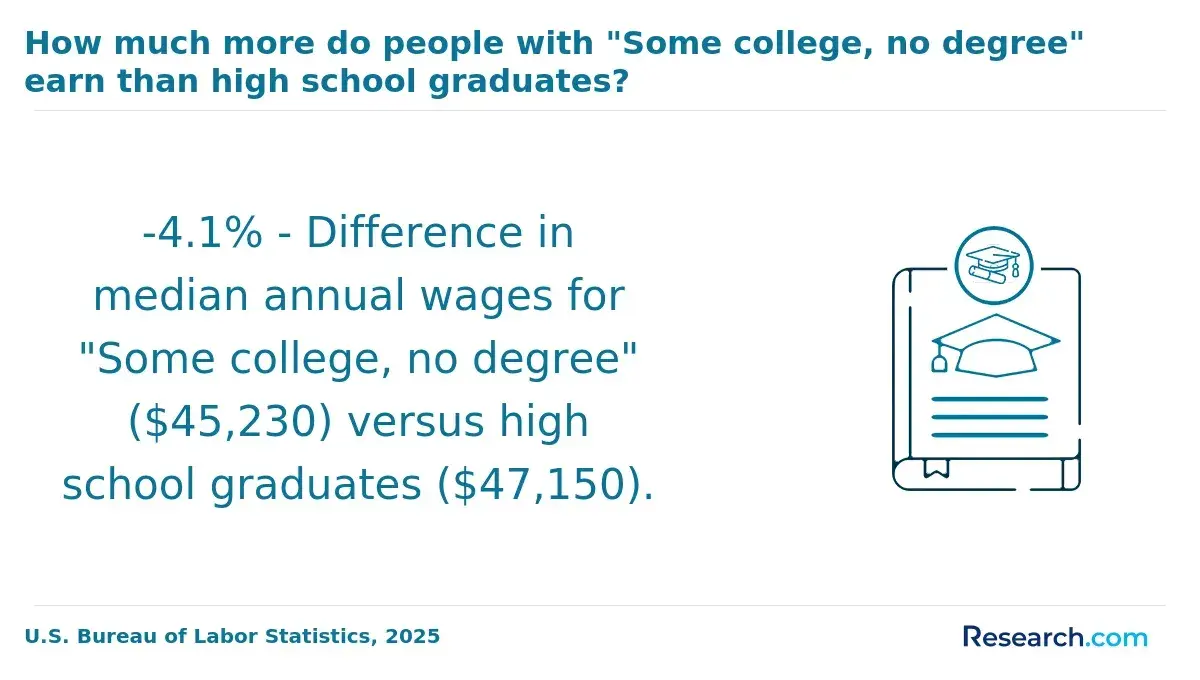
There is no single veteran price for an online master's degree. Your cost depends on the school's graduate tuition, required credits, fees, any residency pricing, and the benefits the VA can apply to your enrollment. A low per-credit rate can still produce a high total bill if the program requires more courses or substantial program fees.
Request a written estimate for the entire degree, including foundation courses, technology and differential fees, books, travel for residencies, and placement-related expenses. Then ask the school certifying official which charges it can certify and how remaining entitlement or Yellow Ribbon participation applies. Compare the resulting out-of-pocket total, not just advertised tuition. Federal aid eligibility, scholarships, employer assistance, and payment plans may help with a gap, but borrowing increases the eventual cost.
A quickest cheapest masters degree comparison can help identify questions to ask, but speed is not a saving if an accelerated schedule prevents you from working or completing required placements.
Which online master's programs offer strong career opportunities for veterans?
Strong opportunities depend on your qualifications as well as the degree. Cybersecurity, data analytics, healthcare administration, and nursing can lead toward growing occupations, but entry requirements differ sharply: an MSN advanced-practice track requires nursing preparation, while many business and technology roles place substantial weight on experience. Military experience may be relevant without mapping directly to a civilian job title.
Judge a program against actual job postings in your preferred location. Look for recurring requirements - software, clinical credentials, supervisory experience, or certifications - and compare them with what you already have. If the gap is a narrow skill rather than a graduate credential, 6-month certificate programs that pay well may be worth evaluating as an alternative. Certificate length and career value vary; check employer requirements before using benefits or paying tuition.
How do veterans choose an accredited online master's program?
Start with institutional accreditation: confirm that the institution holds recognized accreditation and that the credential is a graduate degree. Then check any programmatic accreditation that matters to your goal. Examples include counseling accreditation relevant to a state board, nursing accreditation relevant to the intended nursing pathway, and business accreditation if employers or a future school value it. Accreditation alone does not establish that a program meets every state's licensing rules.
For a regulated role, ask the program for written licensure disclosures covering the state where you intend to work. Also verify who arranges local clinical or practicum placements, whether the school can enroll students in your state, and whether required in-person components are feasible. Red flags include vague answers about placement responsibility, claims that an online degree automatically grants licensure, or an inability to confirm VA program approval.
What are the admission requirements for online professional master's degrees?
Professional master's programs generally require a completed bachelor's degree, transcripts, and an application. Depending on the field, they may also request a statement, recommendations, résumé, interview, portfolio, minimum GPA, GRE or GMAT score, or relevant professional experience. Requirements belong to the graduate program; a university's undergraduate admissions policy is not a substitute.
Check prerequisites early. Computer science and analytics may require specified math or programming courses; an MSN commonly requires registered-nurse eligibility; certain educational leadership tracks expect teaching credentials or experience. Ask whether missing coursework can be completed before or during the degree, whether tests are waived, and whether conditional admission exists. Military training or experience can strengthen an application but does not automatically replace prerequisites or earn graduate credit.
If you have not completed a bachelor's degree, accelerated bachelors degrees may offer a route to the usual graduate admissions starting point. Verify how any prior undergraduate credit applies before estimating your timeline.
How do online and campus-based master's programs compare for veterans?
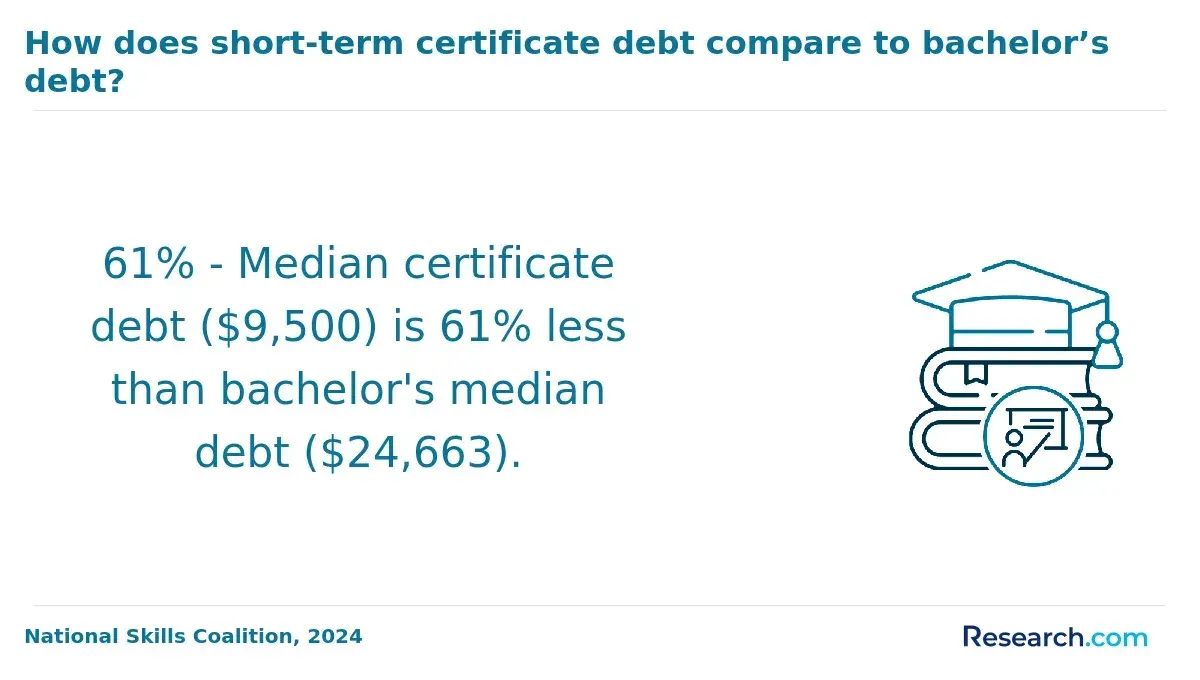
Online study can reduce relocation and commuting, but it is not automatically self-paced. Compare formats against work, family responsibilities, local placement availability, and the way your school certifies enrollment for VA benefits.
The distinctions below show where each format tends to help - and where a veteran may encounter a constraint.
| Format | Potential advantage | Constraint to verify |
| Fully online | Study without routine campus travel | Live meetings, placements, and online housing-allowance rules |
| Hybrid | Some face-to-face instruction while retaining online coursework | Frequency of required travel and how courses are certified |
| Campus-based | Regular access to facilities and in-person activities | Commute, relocation, and fixed attendance times |
Ask for a sample course schedule and a complete list of campus visits, proctored activities, internships, and clinical requirements. Part-time study may be easier to sustain, but it can extend completion and change benefit payments.
Which certifications and licenses may professional master's graduates need?
The required credential depends on the occupation, not simply the degree title. Aspiring mental health counselors should check their state board's education, examination, and supervised-practice rules. Teacher and school-leader certification is also state-specific. Advanced-practice nursing typically involves RN licensure, an appropriate graduate specialty, national certification, and state authorization. A general psychology master's does not by itself qualify someone as a licensed psychologist.
In business, IT, cybersecurity, and project management, employer-requested certifications may demonstrate particular skills but are usually separate from the master's degree. Some have their own experience or examination requirements. Before enrolling, compare the program's curriculum and disclosed outcomes with the exact license or certification requirements for the state and role you want.
What salaries and job outlooks can veterans expect after graduation?
Salary and growth figures describe occupations, not what a master's degree will cause an individual graduate to earn. For example, the Bureau of Labor Statistics reports a May 2024 median annual wage of $124,910 for information security analysts. That figure covers workers across experience and education levels; many security jobs do not require a master's degree.
The BLS projects 29% employment growth for information security analysts from 2024 to 2034, indicating demand at the occupational level rather than guaranteed openings for a particular applicant. For any field on your shortlist, check its BLS occupational profile alongside local job postings. Then weigh likely entry requirements, your existing experience, total education cost, and whether the master's adds something a certificate or continued work experience would not.
Other Things You Should Know About
No. Your eligibility and remaining entitlement matter, and the specific program must be approved for VA benefits. Confirm details with the school certifying official and VA before enrolling.
Possibly. Some require residencies or orientations; clinical, counseling, and teaching tracks may also require local in-person placements. Request the full requirements in writing.
Not automatically. Schools evaluate eligible prior graduate coursework under their own transfer and degree-applicability rules; service or work experience alone should not be assumed to satisfy graduate credits.
Choose an MBA for broad business preparation when it fits your experience and goals. Choose a specialized degree when your target role calls for defined technical, clinical, analytical, or licensing preparation.
References
- GI Bill® Comparison Tool | Veterans Affairs https://www.va.gov/education/gi-bill-comparison-tool/
- Education For Veterans | The Ohio Department of Higher Education https://highered.ohio.gov/initiatives/campus-initiatives/education-for-veterans
- Department of Labor - Jobs for Veterans State Grants (JVSG) Targets and Outcomes | Data.gov http://catalog.data.gov/dataset/jobs-for-veterans-state-grants-jvsg-targets-and-outcomes
- Veterans and Military Families - U.S. Department of Education https://www.ed.gov/higher-education/veterans-and-military-families
- College Navigator - National Center for Education Statistics https://nces.ed.gov/collegenavigator/
- College Affordability and Transparency Center | ed.gov http://collegecost.ed.gov/
- Yellow Ribbon Program Frequently Asked Questions - Education and Training https://benefits.va.gov/GIBILL/yellow_ribbon/yellow-ribbon-frequently-asked-questions.asp
- Education and Training - About This Tool https://www.benefits.va.gov/gibill/comparison_tool/about_this_tool.asp
- College Credit for Military Training & Experiences | dantes.mil https://www.dantes.mil/credit4training/
- Estimate your college cost | USAGov https://www.usa.gov/estimate-college-cost