2027 Best Master's Degree Programs With 2.5 GPA Admission

Co-Founder and Chief Data Scientist
A 2.5 undergraduate GPA does not necessarily close the door to graduate school, but it makes the wording of each program's admission policy especially important. The decision can have financial stakes: the U.S. Bureau of Labor Statistics (BLS) reported median weekly earnings of $1,840 for workers with a master's degree in 2024. That figure covers workers across occupations, not graduates of a particular program. This guide compares degree fields, explains how to identify programs that actually consider a 2.5 GPA, and helps you weigh admission chances against cost, accreditation, and career goals.
Key Things You Should Know
- A 2.5 GPA may meet a published minimum, qualify for conditional review, or fall below a program's cutoff; the graduate program's current policy determines which.
- Business, technology, healthcare management, and education offer different paths, but regulated fields may also require licensure, placements, or a specific bachelor's degree.
- Compare verified admission rules alongside total cost, required coursework, accreditation, and career fit. A low GPA threshold alone does not make a program the best choice.
Top 10 Best Master's Degree Programs With 2.5 GPA Admission
Business / MBA Programs
An MBA is a practice-oriented option for applicants seeking broader management skills; an MS in management or a specialized business field may suit a narrower goal. Professional experience and quantitative preparation can strengthen a 2.5-GPA application, but neither overrides a published minimum. Check whether the MBA itself permits conditional admission or considers a recent-coursework GPA. An MBA does not, by itself, qualify a graduate for a management position; compare its cost with the experience and training employers expect.
Healthcare Administration & Management Programs
A Master of Healthcare Administration (MHA) or healthcare-focused MBA prepares students for organizational, financial, and operational work rather than clinical practice. Applicants with a 2.5 GPA should check both graduate-school rules and any separate MHA standard. Healthcare experience may help in a holistic review, while internships or capstones can affect scheduling. Choose this path for administrative goals, not as a substitute for a nursing or other clinical license; management roles commonly require relevant experience.
Information Technology Programs
An MS in information technology often emphasizes systems, cloud infrastructure, and organizational technology needs. It may be more accessible to career changers than a theory-heavy computer science degree, although programming or networking prerequisites can still apply. For a 2.5-GPA applicant, ask whether the department offers conditional admission and which introductory courses must be finished before degree coursework. Compare hands-on projects and employer relevance with the price of a shorter certificate or industry credential.
Computer Science Programs
An MS in computer science may focus on advanced software, algorithms, or research. A published 2.5-GPA admission route does not necessarily waive programming, discrete mathematics, or other preparation. Bridge coursework can make the path viable for a career changer but add time and expense. Check whether admission is to the master's degree itself or to a preparatory pathway, and whether a thesis, project, or comprehensive examination is required.
Cybersecurity Programs
An MS in cybersecurity can emphasize technical defense, risk management, or policy; the curriculum matters more than the title. Applicants with a 2.5 GPA may find their work experience helpful where a program uses holistic review, but should verify any formal GPA floor and computing prerequisites. A master's degree is not the same as a professional certification or security clearance. Compare labs, projects, and the experience requirements of target jobs before committing.
Data Science / Analytics Programs
An MS in data science commonly requires statistics, programming, and applied modeling; an MS in business analytics may place more emphasis on business decisions. A program that considers a 2.5 GPA can still require strong quantitative prerequisites. Ask whether foundation courses count toward the degree or add to its total cost. Look for substantial projects and decide whether your goal calls for graduate-level modeling or could be met through targeted undergraduate coursework and a portfolio.
Education / Educational Leadership Programs
A Master of Education (MEd) may support curriculum, instruction, or school leadership, but those are different career paths. A 2.5-GPA admission policy does not establish eligibility for a teaching or administrator license. Leadership tracks may require an existing license, teaching experience, and fieldwork. Confirm the program's specific admission rule and your state's credential requirements before applying, particularly if you plan to study online across state lines.
Counseling / Psychology Programs
A counseling master's intended for licensure typically includes supervised practica or internships and must align with state requirements. An MA or MS in psychology may instead be research-oriented and may not lead to counseling licensure. With a 2.5 GPA, verify the specific program's cutoff, required psychology courses, and whether conditional admission applies to licensure tracks. Do not choose a program on GPA accessibility without confirming placement support and the credential it prepares you to pursue.
Nursing Programs
A Master of Science in Nursing (MSN) commonly requires an active nursing license and specified prior nursing education. Advanced-practice tracks can have stricter admission standards, clinical placement requirements, and certification or state-licensure steps. A general graduate-school policy allowing a 2.5 GPA does not establish MSN eligibility. Ask the nursing school which GPA it calculates, whether your license and degree meet entry requirements, and how clinical hours can be completed where you live.
Engineering Management Programs
An MS in engineering management blends technical project work with operations and leadership. Some programs welcome applicants from related technical fields, while others require an engineering degree or specific mathematics courses. Applicants with a 2.5 GPA should verify the program-level rule rather than relying on a general graduate admissions page. This path may fit experienced technical professionals seeking broader responsibilities, but advancement still depends on job performance and employer requirements.
What master's programs accept applicants with a 2.5 GPA?
Programs in the ten fields above may consider applicants with a 2.5 GPA, but a degree field cannot be labeled "2.5-GPA admission" as a whole. No specific university program is ranked here because eligibility requires confirmation from its current, program-level graduate admissions policy. Treat the fields as a shortlist of possible directions, then verify individual programs before paying an application fee.
The distinction between a minimum and an exception is particularly useful when building that shortlist. This comparison shows what common policy language means for an applicant whose undergraduate GPA is 2.5.
| Published policy | What it means at a 2.5 GPA |
| Minimum GPA of 2.5 | You may meet the GPA threshold, subject to how the program calculates it and all other requirements. |
| Conditional admission at or below 2.5 | You may be considered, but must confirm the conditions for continuing in the degree. |
| Holistic review with no stated minimum | You cannot assume a 2.5 qualifies; ask admissions how GPA is evaluated. |
| Minimum above 2.5, with no stated exception | Do not count on admission without written confirmation of an applicable alternative route. |
What admission requirements apply to master's programs accepting a 2.5 GPA?
Most master's programs require a completed bachelor's degree, transcripts, and a graduate application. Depending on the program, they may also request recommendations, a statement of purpose, a résumé, an interview, a portfolio, or GRE or GMAT scores. A test waiver and a GPA exception are separate policies.
Ask whether the stated GPA refers to all undergraduate coursework, the final portion of the degree, the major, or prerequisite courses. Also confirm whether conditional admission is available for your intended master's program and what grades or deadlines its conditions impose. If you have not completed a bachelor's degree, a self-paced bachelor's degree online may be worth exploring first; previous college attendance alone does not establish master's eligibility.
How can applicants strengthen a master's application with a 2.5 GPA?
A stronger application gives reviewers evidence of readiness for the specific curriculum, rather than simply asking them to overlook a GPA. Start by identifying what lowered your grades and which later work best demonstrates improvement.
- Complete relevant prerequisites and highlight strong recent grades, especially in subjects central to the master's program.
- Use your statement to explain academic circumstances briefly, then show what has changed and why you can succeed now.
- Request recommendations from people who can discuss your current academic or professional work in concrete terms.
- Ask whether a graduate course or certificate can support a future application, and whether it could later count toward the degree; never assume transfer credit is automatic.
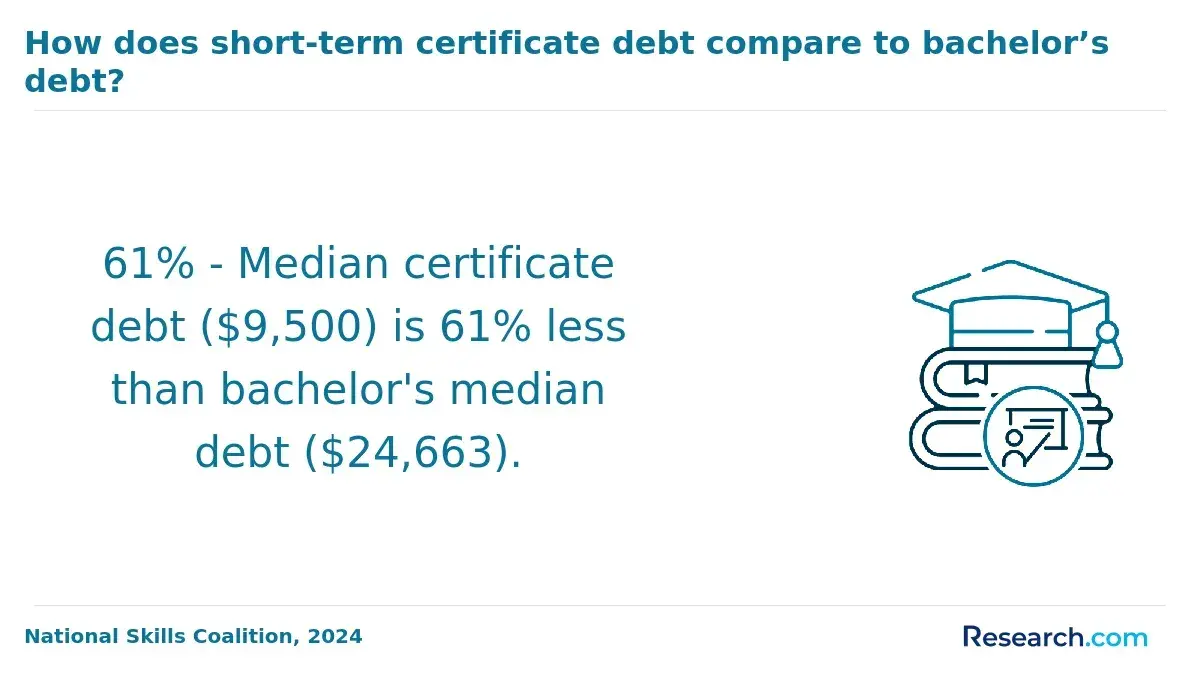
If your immediate goal is a specific workplace skill, certification programs online may offer a smaller commitment while you assess whether a full master's degree adds value.
Are online master's programs with 2.5 GPA admission reputable and accredited?
Online delivery does not determine whether a master's degree is reputable. Verify the institution's recognized accreditation, then check any programmatic accreditation or state approval relevant to your intended profession. An online school's general graduate GPA policy also may differ from the policy for the online program you want.
Descriptions of accredited online degree programs can help you begin a search, but confirm accreditation status and degree requirements with the institution and appropriate accreditor. Ask about scheduled class meetings, campus visits, proctored work, and local clinical or field placements. "Online" does not necessarily mean self-paced or free of in-person obligations.
What coursework and prerequisites do these master's programs require?
Coursework depends on the degree's purpose. An MBA may include accounting and strategy; computer science may require advanced programming; counseling and nursing tracks may combine classroom study with supervised practice. Programs can also require electives, a concentration, a capstone, a thesis, or a comprehensive examination.
For a 2.5-GPA applicant, prerequisites deserve special attention: meeting the GPA minimum does not waive required prior knowledge. Ask for a degree audit or written course plan showing foundation courses separately from degree credits. If you have previous graduate-level coursework, request a transfer evaluation that shows not just credits accepted, but which requirements they satisfy.
How long do master's programs with 2.5 GPA admission take and cost?
Completion time and cost vary with required credits, course availability, enrollment pace, prerequisites, and experiential requirements. A short course term does not mean the whole degree is short. To compare offers fairly, request an estimated schedule and a full-program cost for your circumstances.
The following cost components explain why the lowest advertised tuition rate may not produce the lowest final bill.
| Cost component | Why it matters |
| Graduate tuition and mandatory fees | Rates may differ by program, enrollment level, or residency status. |
| Foundation and required degree courses | Prerequisites can add expense without reducing the credits required for the master's. |
| Placement, travel, and materials | Clinical work, residencies, software, or equipment may add costs beyond tuition. |
| Accepted graduate transfer credit | It may reduce remaining coursework if it applies to degree requirements and residency rules permit it. |
Ask financial aid staff about federal-aid eligibility, scholarships, assistantships, payment plans, and employer tuition assistance. Borrowing eligibility is not the same as affordability; compare the amount you would need to pay or borrow to complete the entire program.
What careers and salaries can these master's degrees lead to?
These degrees can support specialization, a career change, or preparation for a regulated occupation, but outcomes depend on prior experience and additional credentials. For context, BLS reported a 2024 median annual wage of $117,960 for medical and health services managers. That is an occupational median, not an expected salary for MHA graduates; management jobs generally require relevant experience.
Match the degree to the work you want, not just an appealing salary figure. If you are still comparing undergraduate directions, a discussion of majors that make money and are fun may help clarify interests, but graduate study should be judged against your existing qualifications and the requirements of specific jobs.
What is the job outlook for careers requiring a master's degree?
Job growth is occupation-specific, not a feature of a master's degree in general. For example, BLS projects employment of substance abuse, behavioral disorder, and mental health counselors to grow 17% from 2024 to 2034. That suggests demand in the occupation, but applicants still need to check state licensure requirements and local placement opportunities; the projection does not predict an individual graduate's job prospects.
Technology and healthcare needs may change the skills employers seek, so compare current job postings with a program's curriculum. Also distinguish roles that normally require a master's or license from roles where relevant experience, a bachelor's degree, or a targeted credential may be a more direct route.
How should students choose a reputable master's program with a 2.5 GPA?
The best choice is a program that will actually consider your academic record and prepare you for a worthwhile next step. A low GPA threshold is useful only if the degree fits your goal and you can complete its academic, financial, and location-specific requirements.
Before applying, use this sequence to narrow your options and avoid costly assumptions.
- Obtain the current admissions policy for the exact master's program and ask how it evaluates a 2.5 GPA.
- Confirm prerequisites, conditional-admission terms, accreditation, and any licensure eligibility in the state where you intend to work.
- Request the remaining-credit plan, estimated completion schedule, and total cost, including fees and required placements.
- Compare those commitments with the jobs you want and with alternatives such as experience, a certificate, or prerequisite coursework.
Be wary of a school that advertises broad graduate eligibility but cannot explain a selective program's rules, or that calls a degree "fully online" without disclosing required attendance or placements. Get material answers in writing before enrolling.
Other Things You Should Know About
No. Meeting a minimum allows consideration; prerequisites, application materials, capacity, and program-specific selection standards may still apply.
It may help where a program uses holistic review or explicitly offers an exception. It does not automatically override a published cutoff or earn graduate credit.
No. Conditional admission typically requires students to meet specified academic terms after entry. Request those terms before accepting an offer.
Often, but check the program's authorization, required in-person activities, and - if the degree leads to a license - whether it meets the rules of the state where you plan to practice.
References
- What Predicts Graduate Public Health Student Success... - PMC https://pmc.ncbi.nlm.nih.gov/articles/PMC11344981/
- School-Determined Requirements | 2024-2025 Federal Student Aid Handbook https://fsapartners.ed.gov/knowledge-center/fsa-handbook/2024-2025/vol1/ch1-school-determined-requirements
- II. Admission, Advanced Standing and Classification | The MU Faculty Council on University Policy https://facultycouncil.missouri.edu/ii-admission-advanced-standing-and-classification-2/
- Tuition & Fees - UF Online - University of Florida https://ufonline.ufl.edu/tuition/tuition-fees/
- Academic Policies and Requirements for Graduate Students | utk.edu https://catalog.utk.edu/content.php
- Satisfactory Academic Progress: SLU https://www.slu.edu/financial-aid/apply-accept/satisfactory-academic-progress.php
- Graduate Admission Policies | hawaii.edu https://hilo.hawaii.edu/catalog/graduate-admission-policies
- Admission to the University - Academic Catalog https://catalog.mcneese.edu/content.php
- Admissions Policies | University of Maryland Catalog https://academiccatalog.umd.edu/graduate/policies/admissions-policies/
- Admission Requirements https://graduate.appstate.edu/graduate-admissions/apply-graduate-school/application-requirements