2027 Most Affordable Master's Degree Programs for Entrepreneurs

Co-Founder and Chief Data Scientist
An entrepreneur choosing a master's program has a cost problem as well as an academic one: the least expensive tuition rate may not produce the lowest bill or the most useful skills. The U.S. Small Business Administration counted 34.8 million small businesses in 2024, underscoring how many ventures operate in a competitive market.
This guide compares ten graduate fields through an affordability lens, then explains how to calculate total cost, evaluate online options, and decide whether a degree is a better investment than targeted training.
Key Things You Should Know
- Compare total program cost, not tuition alone: required credits, mandatory fees, travel, and prerequisite courses can change which option is cheapest.
- An MBA or entrepreneurship-focused master's offers broad venture preparation; a specialized degree is usually a better fit when the business depends on regulated practice or technical expertise.
- The U.S. Bureau of Labor Statistics reports a 2024 median annual wage of $101,190 for management analysts, but that occupational figure is not a predicted salary for entrepreneurs or master's graduates.
Top 10 Most Affordable Master's Degree Programs for Entrepreneurs - Affordable Programs
Business / MBA Programs
An MBA with entrepreneurship coursework is the broadest choice for founders who need finance, marketing, operations, and strategy. An MS in entrepreneurship may focus more narrowly on launching and testing ventures. For affordability, compare the entire required curriculum: foundation courses for applicants without a business background, premium MBA tuition, and travel for networking events can outweigh an attractive per-credit price. Choose this route when broad management skills will serve the venture; consider a shorter credential if you need only one skill.
Healthcare Administration & Management Programs
A Master of Healthcare Administration (MHA) or healthcare-focused MBA can suit entrepreneurs building healthcare operations, services, or software companies. Compare tuition alongside internships, residencies, and any required campus visits. An MHA teaches management; it does not grant a clinical license or authorize a business to provide regulated services. This path makes more sense when healthcare-specific operations and compliance knowledge justify its cost than when general business training would suffice.
Information Technology Programs
An MS in information technology can help founders manage enterprise systems, cloud services, or technology delivery. Programs vary in technical depth, so compare required prerequisites and whether the curriculum emphasizes building products or managing infrastructure. An inexpensive program that requires several additional foundation courses may cost more than its advertised graduate tuition suggests. Founders seeking a narrowly defined platform skill may find certification and hands-on experience less expensive.
Computer Science Programs
An MS in computer science can be valuable for founders developing software or advanced technical products. It is often a poor low-cost shortcut for someone without programming and mathematics preparation: prerequisite courses can add time and expense. Compare the cost of those courses, access to relevant projects, and whether the degree develops skills the founding team lacks. If the goal is to supervise developers rather than build software, a business or technology-management program may fit better.
Cybersecurity Programs
An MS in cybersecurity may suit founders selling security products or serving clients with substantial security requirements. Examine whether a lower-priced program includes practical labs, security architecture, and governance rather than relying on its title. Budget for required software or lab access and investigate whether relevant professional certifications would meet the same immediate goal at lower cost. A degree alone does not establish professional competence or replace client-specific compliance obligations.
Data Science / Analytics Programs
An MS in data science or analytics can help entrepreneurs build data products and evaluate customer, pricing, or operational evidence. Compare mathematics and programming prerequisites, software costs, and the availability of applied projects. The cheapest program may offer poor value if it lacks the methods your product requires. If you need basic reporting rather than advanced modeling, focused coursework may be a smaller investment.
Education / Educational Leadership Programs
A Master of Education (MEd) or educational leadership degree may help founders developing learning products or operating education services. Check whether courses address the intended customers and setting: school leadership preparation and education-product design serve different goals. A program leading toward school administrator credentials may require teaching experience or state-specific requirements that add cost without helping a non-school venture. The degree itself does not guarantee educator or administrator licensure.
Counseling / Psychology Programs
These degrees have different purposes. A clinical counseling master's may involve supervised placements and state licensure preparation; an academic psychology master's may not qualify graduates to practice independently. For an entrepreneur planning regulated client services, the lowest tuition is irrelevant if the program does not meet the intended state's requirements. Budget for placement travel, supervision, examinations, and any postdegree requirements. For a nonclinical venture, a research or business-focused program may be more economical.
Nursing Programs
A Master of Science in Nursing (MSN) can support ventures led by qualified nurses, including clinical or operational services. Admission commonly depends on nursing preparation and an active RN license, while clinical tracks can require placements and additional certification or licensure. Compare those requirements and related expenses before treating an online tuition quote as the full cost. Entrepreneurs who are not nurses should not view an MSN as a general route into healthcare management.
Engineering Management Programs
An MS in engineering management blends technical project leadership with business decisions and can fit founders managing engineering-intensive products. Check engineering or quantitative prerequisites, project requirements, and any higher program-specific tuition. Its value depends on whether the curriculum addresses product development and operations you will actually manage. A general MBA may be a better purchase when technical depth is already covered by the team.
What Is a Master's Degree in Entrepreneurship?
A Master's Degree in Entrepreneurship is graduate study focused on identifying opportunities, testing business models, financing ventures, and bringing products or services to market. It may be offered as an MS or MA in entrepreneurship, or as an entrepreneurship concentration within an MBA. An MBA generally provides broader management training; a specialized degree may devote more of its curriculum to venture creation.
Neither credential is required to start a business. The purchase is most defensible when its projects, mentorship, and coursework address a clear gap in your preparation. If you need a faster entry into a particular occupation rather than venture-focused graduate training, compare quick degree programs against the longer and potentially costlier master's route.
How Much Does an Affordable Entrepreneurship Master's Degree Cost?
There is no reliable universal price: universities set different graduate rates, and the required curriculum varies. A meaningful comparison starts with tuition for every required credit plus all mandatory charges, then accounts for grants or employer assistance you can actually receive. A low per-credit rate is not proof of a low total price.
The following cost categories show why two programs with similar advertised tuition can produce different bills. Request an itemized estimate for your residency status and expected course load.
| Cost category | What to compare | Why it matters |
| Graduate tuition | Rate and credits required for your degree plan | More required credits can offset a lower rate. |
| Mandatory charges | University, program, technology, and course fees | Fees may apply even to fully online students. |
| Preparation and completion | Foundation courses, capstone materials, and required travel | These expenses may sit outside the advertised tuition figure. |
| Funding | Confirmed grants, assistantships, and employer support | Available aid changes what you pay, not the published price. |
Ask whether quoted tuition changes with residency, enrollment intensity, or academic year. For each offer, calculate the remaining cost after confirmed funding; then consider loan interest and income you may give up while studying. A school's undergraduate net-price figure is not a substitute for a personalized graduate-program estimate.
Are Online Master's in Entrepreneurship Programs Worth It?
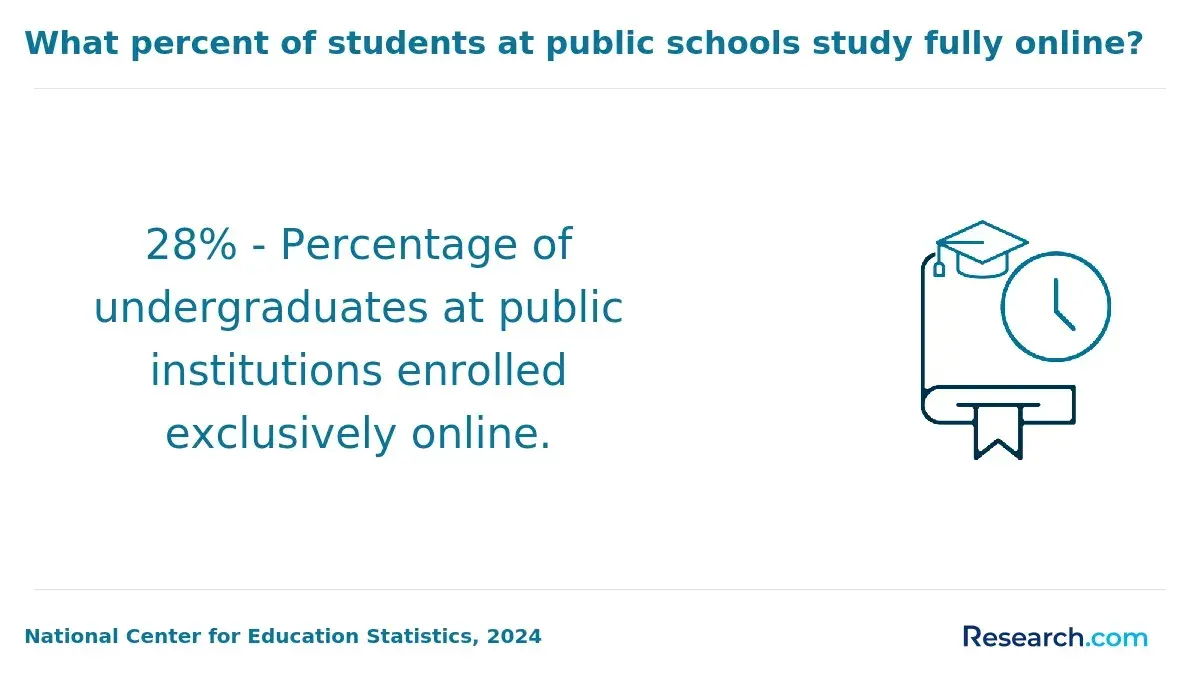
They can be, especially when avoiding a move or commute lowers total cost without sacrificing relevant coursework. Online does not automatically mean self-paced: scheduled classes, group projects, fixed deadlines, campus events, or residencies may still affect work and business operations.
Compare delivery against how you intend to use the degree. An entrepreneur who primarily needs structured coursework may value asynchronous study; someone seeking local collaborators may prefer campus access even if it costs more. If timing matters, lists of online colleges starting soon can help identify schools to investigate, but verify the specific master's program's start dates, attendance rules, and total price directly before applying.
What Do You Learn in a Master's in Entrepreneurship Program?
Common subjects include opportunity assessment, customer discovery, accounting and finance, marketing, operations, and venture strategy. Programs may add electives in innovation, analytics, or industry-specific management. A business plan, venture project, internship, or capstone can turn those subjects into work on a real idea; check the catalog rather than assuming every program includes the same hands-on experience.
Match the curriculum to the problem you need to solve. If the gap is a single practical skill, 4 6 week certification programs online or other focused courses may cost less, though a short course is not equivalent to a master's degree or a guarantee of a professional credential.
What Are the Admission Requirements for Entrepreneurship Master's Programs?
Applicants ordinarily need a completed bachelor's degree. Depending on the institution and program, admission may also involve transcripts, recommendations, a statement of purpose, a résumé, an interview, or evidence of quantitative preparation. MBA programs may weigh professional experience; test, GPA, and prerequisite rules vary and must be checked at the graduate-program level.
If you have not completed a bachelor's degree, an accelerated associate degree online might be an earlier educational step, but it does not establish eligibility for master's admission. Applicants with prior graduate study should request a written evaluation of whether those courses satisfy particular degree requirements before relying on a projected cost or completion date.
How Long Does a Master's Degree in Entrepreneurship Take?
Duration depends on required graduate credits, full- or part-time enrollment, course availability, and culminating work. A thesis, venture capstone, internship, or foundation courses can extend the schedule. Short individual course terms do not establish a short degree-completion time.
Ask for a course-by-course plan showing when each requirement is offered. If you have a relevant graduate certificate or previous graduate coursework, request confirmation of accepted credits, the remaining requirements, and the institution's minimum in-house credit rules. Previous undergraduate coursework should not be counted toward a master's degree unless the school explicitly permits it through a defined pathway.
What Careers Can You Pursue With a Master's in Entrepreneurship?
The most direct path is founding or expanding a venture. Related employment paths can include product development, business development, innovation teams, and management consulting, depending on previous experience and the skills demonstrated. Senior roles usually require a track record beyond the degree.
Choose the field before choosing the credential: a founder building software may benefit more from computer science than a general entrepreneurship program, while someone entering a licensed service profession must prioritize the appropriate qualifying education. For employment rather than business ownership, review actual job postings to determine whether employers request a master's, specific technical skills, or experience you could obtain another way.
How Much Can You Earn With a Master's in Entrepreneurship?
There is no dependable single salary figure for degree holders or business founders. Founder income depends on a venture's revenue, costs, ownership structure, and survival; salaried roles depend on the occupation and experience. For context, the U.S. Bureau of Labor Statistics reports a 2024 median annual wage of $101,190 for management analysts. That is an occupational median, not an earnings estimate for entrepreneurship graduates, and a master's alone does not qualify someone for every analyst position.
Evaluate return on investment against your likely alternative: continuing to work, launching the venture without graduate study, or buying narrower training. Compare the program's remaining out-of-pocket cost and borrowing with the specific capabilities and opportunities it could add - not an occupational median treated as a promised payoff.
How Can You Choose an Accredited Entrepreneurship Master's Program?
Confirm the institution's accreditation through the school and its recognized accreditor; then assess the particular program's curriculum and outcomes. Business-school accreditation can provide another point of comparison, but it does not by itself establish that a program is inexpensive or right for your venture.
Before committing, request an itemized total-cost estimate, a term-by-term degree plan, and written answers about graduate transfer credit, online attendance, and any required travel. Ask how students access venture projects or mentors and what evidence the school has for the outcomes it advertises. A useful red flag is a low headline tuition rate paired with unclear fees or an unusually quick completion claim that assumes prerequisites or transfer credits you do not have.
Other Things You Should Know About
No degree type is consistently cheapest. Compare current, institution-specific total costs for programs that teach the skills your venture needs; required credits, fees, prerequisites, and travel can change the result.
No. An MBA can provide broad management training, but many founders can address a narrower skills gap through experience, mentorship, or targeted coursework.
Potentially. Eligibility depends on the institution, program, and your circumstances. Confirm the school's aid eligibility and review grants, employer assistance, and any borrowing terms before enrolling.
It can be if your venture depends on technical expertise or preparation for regulated work. Choose an entrepreneurship-focused degree when its broader venture curriculum fills the more important gap.
References
- Estimate your college cost | USAGov https://www.usa.gov/estimate-college-cost
- Types of Financial Aid: Grants, Work-Study, and Loans | studentaid.gov https://studentaid.gov/understand-aid/types
- Research Summary: Education and Lifetime Earnings | ssa.gov https://www.ssa.gov/policy/docs/research-summaries/education-earnings.html
- Grow your business - Small Business Administration https://www.sba.gov/counseling/grow-your-business/
- Cost of Attendance (Budget) | 2025-2026 Federal Student Aid Handbook https://fsapartners.ed.gov/knowledge-center/fsa-handbook/2025-2026/vol3/ch2-cost-attendance-budget
- Second Degree Accelerated BSN Program FAQ | IU School of Nursing https://nursing.iu.edu/academics/programs-degree/bsn/accelerated-faq.html
- Startup Accelerators and Venture Services - Innovate Carolina https://innovate.unc.edu/startup-accelerators-and-venture-services/
- Cost & Funding - Graduate School - University of Arkansas https://graduate-students.uark.edu/cost-and-funding/
- Graduate Admission Requirements | University of Cincinnati Admissions https://www.admissions.uc.edu/apply/graduate/requirements.html
- Accelerated Bachelor of Science in Nursing | Cal State LA https://www.calstatela.edu/page/accelerated-bachelor-science-nursing