2027 Best Online College Degrees With Financial Aid Options

Co-Founder and Chief Data Scientist
Choosing an online degree means weighing two questions together: Will it prepare you for the work you want, and can you afford to finish it? The stakes can be substantial. The U.S. Bureau of Labor Statistics (BLS) reports a $133,080 median annual wage for software developers in 2024, but that figure describes an occupation - not the earnings of computer science graduates. This guide compares ten degree fields, with a closer look at master's options, and explains how to assess financial aid, total cost, online requirements, and career fit before committing.
Key Things You Should Know
- The best choice is an accredited, career-relevant degree you can complete at an affordable net cost; the lowest advertised tuition is not necessarily the cheapest path.
- Eligible online students can generally apply for federal aid through the FAFSA, but Pell Grants are primarily for undergraduates, and aid eligibility depends on the school, program, enrollment, and student.
- For a concrete cost benchmark, the maximum Federal Pell Grant was $7,395 for the 2024-25 award year; an individual award may be lower, and current-year amounts must be checked before budgeting.
Top 10 Best Online College Degrees With Financial Aid Options
Business Programs
Online MBA, accounting, and management master's programs suit different goals. An MBA emphasizes broad organizational decisions; accounting may better fit specialized finance or CPA preparation, subject to state rules. Compare required experience, prerequisite courses, total credits, and whether an employer will help pay. Online coursework can be flexible, but group projects and scheduled meetings may not be. Choose a specialized degree over an MBA when the target role calls for specific technical preparation.
Healthcare Programs
Online master's degrees in healthcare administration, public health, and health informatics prepare students for different kinds of work: operations, population health, and health data. Some accept applicants from varied undergraduate majors; others expect healthcare or quantitative experience. An online degree may include a practicum or project with fixed hours. Check whether the curriculum matches the job you want and whether tuition assistance from a healthcare employer reduces your actual cost.
Information Technology Programs
Online master's programs in information technology, cybersecurity, and information systems commonly cover infrastructure, security, and organizational technology needs. Applicants changing careers should check programming or networking prerequisites before comparing prices. A technical certificate may be a less costly first step when the goal is one specific skill; a master's can make more sense for broader study or advancement. Ask how hands-on labs work remotely and whether required software carries extra fees.
Computer Science Programs
An online computer science master's typically emphasizes algorithms, software systems, and advanced computing. It can fit experienced developers seeking deeper technical study, while career changers may first need substantial mathematics and programming preparation. Compare foundation-course costs, project or thesis requirements, and opportunities to build a portfolio. Do not assume that an online computer science degree alone qualifies someone for a software role; employers also assess demonstrated skills and experience.
Nursing Programs
Online MSN programs may focus on leadership, education, or advanced practice. Admission commonly requires an RN license, and advanced-practice tracks can require clinical placements and state-specific authorization. An RN-to-MSN bridge has different eligibility and remaining coursework from a standard MSN. Before accepting aid, confirm who arranges local clinical sites and whether the program meets requirements in the state where you plan to practice.
Psychology Programs
Online psychology master's degrees can support research, behavioral-health-related work, or preparation for further study, depending on the curriculum. A general psychology degree does not by itself confer psychologist licensure. Counseling is a distinct pathway with its own accreditation, supervised training, and state licensing requirements. If licensure is your goal, compare the exact degree title and practicum requirements against your state board's rules before comparing financial aid offers.
Education Programs
Online master's programs in curriculum and instruction, educational leadership, and special education serve different educators. Some are designed for licensed teachers; initial-licensure pathways have separate requirements and may require local student teaching. Employer tuition assistance can materially change the cost for current educators. Check state approval, fieldwork, and whether the degree meets any requirements for the specific license or role you seek.
Criminal Justice Programs
Online criminal justice master's degrees often study policy, administration, research, and justice systems. They may fit professionals seeking analytical or supervisory preparation, but they do not replace agency hiring, academy, or experience requirements. Compare research methods, internship expectations, and employer reimbursement before enrolling. A public administration degree may be a better match if your goal is broader government management rather than a justice-focused role.
Engineering Programs
Online engineering master's programs offer technical specialization, but admission often requires a related bachelor's degree and substantial mathematics preparation. Some include remote labs, a thesis, or occasional campus activities. If professional engineer licensure matters, investigate undergraduate accreditation, experience, examinations, and state rules separately; an online master's is not a substitute for those requirements. Compare laboratory access and total program fees alongside tuition.
Social Work Programs
An online MSW prepares students for social work practice, with required supervised field education completed in person. Applicants with an eligible bachelor's in social work may qualify for an advanced-standing pathway; others typically enter a standard pathway. Verify Council on Social Work Education accreditation, local placement support, and state licensing rules. Fieldwork hours can limit paid-work time, making the least expensive tuition offer a poor fit if its placement schedule is unworkable.
What are the best online college degrees with financial aid?
The best online degree with financial aid is the one that fits your intended career, offers an eligible and properly accredited program, and has a manageable total cost after aid. There is no single best field for everyone. The ten fields above show where master's-level choices differ; students seeking entry-level preparation should also compare associate and bachelor's degrees rather than assume a graduate degree is necessary.
This comparison identifies the main reason to consider each field and the condition most likely to change its value. Availability and aid eligibility must still be confirmed for the specific online program.
| Degree field | Potential fit | Check before applying |
| Business | Management or specialized business work | Whether an MBA or specialist degree fits the role |
| Healthcare | Administration, public health, or health data | Practicum and experience requirements |
| Information technology | Systems and security work | Technical prerequisites and lab access |
| Computer science | Advanced software and computing study | Programming foundations and projects |
| Nursing | Licensed nurses seeking a defined next role | Clinical placement and state authorization |
| Psychology | Research or further-study preparation | Whether the intended occupation requires another degree |
| Education | Teaching specialization or school leadership | Existing-license and state requirements |
| Criminal justice | Justice policy or administration | Agency-specific hiring requirements |
| Engineering | Technical specialization | Prior coursework, labs, and licensure path |
| Social work | Professional social work practice | Program accreditation and field placement |
For graduate study, compare a specialized credential with other most versatile masters degrees only after identifying the roles each could realistically support. A broadly useful degree is not automatically the right preparation for a licensed profession.
Can online students get FAFSA and federal financial aid?
Yes. Online students can generally submit the Free Application for Federal Student Aid (FAFSA) and receive federal aid if they and their school and program meet the applicable rules. Online delivery alone does not disqualify a degree. The school must participate in federal aid programs, and the student must meet requirements such as satisfactory academic progress and eligible enrollment.
Aid differs by level. Pell Grants primarily serve eligible undergraduates who have not earned a bachelor's degree; graduate students generally look to federal loans, assistantships where offered, employer assistance, or other funding. State grants and scholarships may impose residency, enrollment, or program conditions. A school's financial aid office can confirm how a particular online degree is classified.
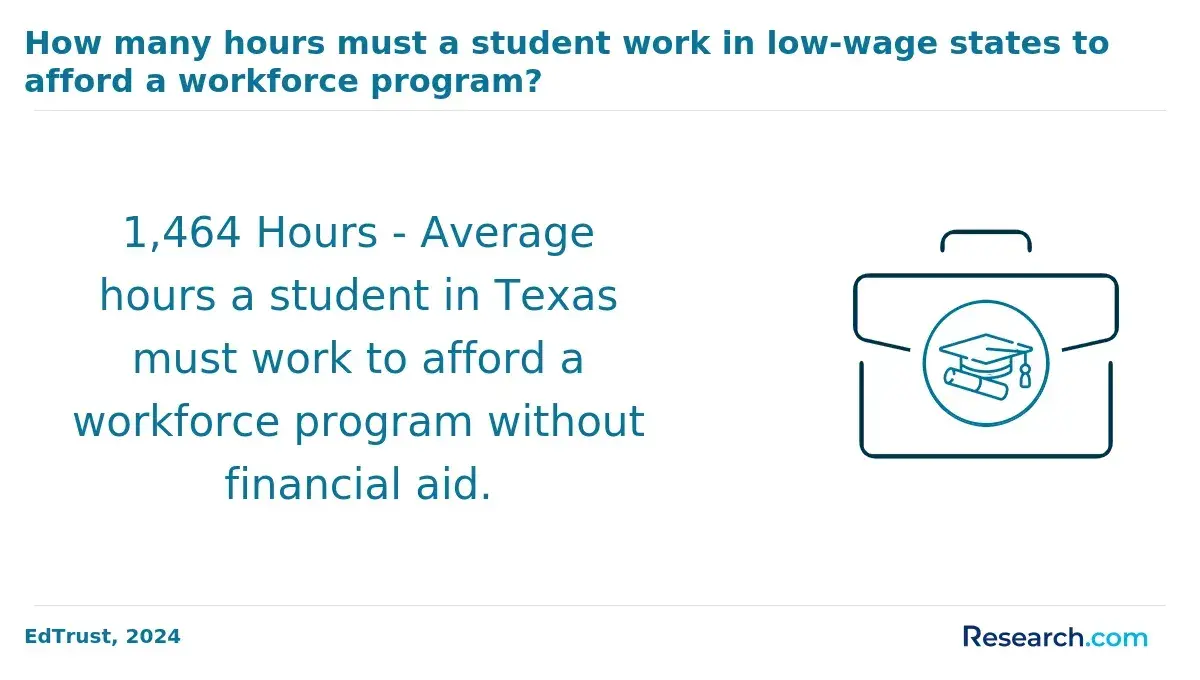
Complete the FAFSA for the relevant award year, then compare each school's offer by separating grants and scholarships from loans. Check renewal conditions and whether part-time study changes the award. An aid offer is not a final price until required fees, books, and any travel or placement costs are included.
How do you choose an accredited online college degree program?
Start with institutional accreditation: confirm the college's accreditor and status through official U.S. Department of Education or accreditor records. Then check whether the specific online degree has any programmatic accreditation needed for your goal. For example, social work, nursing, teacher preparation, and certain engineering pathways can raise distinct accreditation or approval questions.
Next, inspect the catalog and ask admissions for written answers about delivery, required campus visits, live sessions, transfer evaluation, and completion requirements. If a license is the goal, consult the licensing board in the state where you intend to work; institutional accreditation by itself does not establish licensure eligibility.
A common red flag is a school advertising an "accredited online program" without identifying which institution or program is accredited. Another is describing a program as fully online while leaving clinicals, fieldwork, or residencies unexplained. Resolve those questions before paying an enrollment deposit.
Which online degrees lead to high-paying careers?
Computer science, information technology, engineering, and some business specializations can connect to relatively high-paying occupations, but the occupation - not the degree title - determines the appropriate wage comparison. BLS reports a 2024 median annual wage of $133,080 for software developers. That figure includes workers with varied education and experience; it is not a predicted starting salary for an online graduate.
Compare roles you could plausibly enter with your existing experience. An engineering master's may deepen an engineer's specialization but will not erase undergraduate prerequisites. An MBA may support advancement without guaranteeing a management job. For research-intensive careers, compare doctoral costs and requirements - including cheapest online PhD programs in USA - against the actual credential expectations of the occupation.
To evaluate potential return, compare each program's net cost and time away from paid work with the job's entry requirements, local opportunities, and your current earnings. High occupational median pay does not make a costly degree a sound investment when the target job does not require it.
How long do online college degrees take and what do they cost?
Completion time and cost vary by credential, credits still needed, enrollment pace, prerequisites, and experiential requirements. An associate degree generally requires less coursework than a bachelor's; many master's degrees require fewer credits than a bachelor's but start after the qualifying undergraduate education. A clinical or fieldwork requirement can extend a timeline even when classes are online.
The figures schools advertise may represent different things. This table separates the cost measures so you can compare offers on the same basis.
| Measure | What it includes | Why it matters |
| Published tuition | Advertised charge for coursework | May omit required expenses |
| Estimated total program cost | Remaining tuition, mandatory fees, and required materials or activities | Reflects credits still needed and program-specific charges |
| Net cost | Estimated total cost minus grants, scholarships, and applicable employer assistance | Better reflects out-of-pocket cost; loans must still be repaid |
If you are starting undergraduate study, an associates degree online may provide a shorter initial credential or a transfer route. Confirm which courses will apply to a later bachelor's degree before counting on that route to save money.
Request a degree audit showing accepted transfer credits and remaining requirements, plus a term-by-term cost estimate. Compare that estimate with your aid offer; do not treat short individual courses or an advertised transfer-student completion time as the duration every student will experience.
What admission requirements apply to online degree programs?
Requirements depend on degree level and field. Associate and bachelor's applicants usually document prior schooling; some majors have separate admission, prerequisite, or progression standards. Master's applicants generally need a bachelor's degree, and a program may also request transcripts, recommendations, a statement, relevant coursework, professional experience, or a portfolio. Testing and GPA policies vary, so verify the policy for the specific program, not just the institution.
Licensed-profession pathways can have additional entry conditions. An MSN may require an active RN license; an advanced-standing MSW requires a qualifying social work background. Before applying, ask whether prerequisites can be completed online and whether they qualify for the same aid as degree coursework. Conditional admission, when available, should be confirmed in writing along with its academic conditions.
What do online college degree programs teach?
Online degrees teach the same field-specific subject matter identified in their curricula, but the learning experience differs by discipline. Business students may analyze organizational decisions; computer science students build and evaluate software; healthcare students study systems and data; and social work students combine coursework with supervised practice. General education is typically part of undergraduate degrees, while master's programs emphasize advanced field study.
Look beyond course titles to the work you will produce: labs, team projects, a thesis, a capstone, clinical hours, or student teaching. "Online" may mean recorded lessons, scheduled live meetings, or both, often with fixed deadlines. Ask for a sample course schedule and a complete list of in-person requirements before deciding that the format fits your job and family obligations.
What careers and salaries can online degree graduates expect?
Graduates' options depend on the degree level, prior experience, local hiring, and any required license. The figures below are BLS occupational medians for 2024, not graduate salaries or promises of what a new degree holder will earn. They show why it is important to compare an intended occupation with its actual entry requirements.
| Occupation | 2024 median annual wage | Important qualification |
| Software developer | $133,080 | Employers assess technical skills; a computer science degree is one possible preparation route |
| Registered nurse | $93,600 | Requires nursing education and an RN license; an MSN is not required for every RN role |
A business graduate might pursue accounting or operations work; an education graduate might teach or seek a specialized school role; an MSW graduate might pursue social work practice after meeting state requirements. None of those outcomes follows automatically from enrollment. When weighing offers, ask programs for clearly defined outcomes for your degree and student group, and distinguish career-services access from verified employment results.
Which certifications or licenses do online degree graduates need?
Required credentials depend on the occupation and state, not simply on whether a degree is online. Nurses need appropriate licensure; social workers seeking licensed clinical practice generally need an eligible degree, supervised experience, and an examination under state rules. Teachers and professional engineers also face jurisdiction-specific requirements. A business, IT, or computer science graduate may pursue optional industry certifications, but their value depends on the target job.
Before enrolling in a licensure-oriented program, compare its published eligibility disclosures with the relevant state board's requirements for education, exams, placements, and supervised practice. Do not mistake a program's graduation requirements for the complete licensing pathway. Doctoral formats also need careful scrutiny: a PhD no dissertation comparison cannot establish professional license eligibility, and a doctorate is not interchangeable with a master's-level clinical credential.
Other Things You Should Know About
Possibly. Eligibility and award amounts depend on the aid program, your enrollment intensity, and your school's policies. Ask the financial aid office to calculate an offer for your planned course load.
Not necessarily. Tuition, online fees, local placements, and aid vary. Compare the total cost of the credits you still need, not just the advertised price per course.
Only if the school accepts them and applies them to remaining requirements. Request a written transfer evaluation showing major, general education, elective, and residency requirements.
Often not. Coursework may be online while clinicals, practicums, student teaching, or exams require in-person participation. Check the program's requirements and the rules of the state where you plan to work.
References
- Accreditation in the U.S. | ed.gov http://www.ed.gov/laws-and-policy/higher-education-laws-and-policy/college-accreditation/accreditation-in-the-us
- Federal Pell Grants | studentaid.gov https://studentaid.gov/understand-aid/types/grants/pell
- Free Application for Federal Student Aid (FAFSA) | USAGov https://www.usa.gov/fafsa
- How Do Transfer Credits Work? A Guide for Adult Learners | Whitworth Online https://online.whitworth.edu/news-articles/how-do-transfer-credits-work-when-you-go-back-to-school/
- Estimating Costs | Financial Aid - University of Michigan https://finaid.umich.edu/getting-started/estimating-costs
- Estimate Costs and Aid | WVU Hub | West Virginia University https://hub.wvu.edu/planning-and-resources/estimate-costs-and-aid