2027 Best Master's Degree Programs With 8-Week Courses

Co-Founder and Chief Data Scientist
An eight-week course can make graduate study easier to schedule, but it does not make the entire master's degree eight weeks long. If you are balancing work, family, and career goals, the useful question is which field offers the right credential and a workable course sequence. Demand matters, too. The U.S. Bureau of Labor Statistics (BLS) projects strong growth for data scientists, though a degree alone does not secure that job.
This guide compares ten master's fields and shows you how to check course length, completion time, cost, accreditation, and professional requirements before applying.
Key Things You Should Know
- An eight-week course is one class, not an eight-week master's degree; required credits, course availability, and experiential work determine graduation time.
- For career context, BLS reports a May 2024 median annual wage of $112,590 for data scientists, an occupational figure, not a promised salary for analytics graduates.
- Before choosing a program, confirm that its graduate-level courses actually use eight-week terms and that its format meets any licensure or in-person requirements.
Top 10 Best Master's Degree Programs With 8-Week Courses - Best Programs
Business / MBA Programs
A Master of Business Administration (MBA) is a broad, practice-oriented choice for professionals seeking management preparation; a specialized MS in management, finance, or marketing may fit a narrower goal. Eight-week classes can suit working adults, but group projects and scheduled meetings may limit flexibility.
Compare prerequisites, the availability of required courses each term, and whether an internship or capstone extends the timeline. Management positions generally require relevant experience: an MBA alone does not confer one.
Healthcare Administration & Management Programs
A Master of Healthcare Administration (MHA), healthcare management MS, or healthcare-focused MBA can prepare students for operational work in health organizations. An MHA may emphasize healthcare finance, policy, quality, and organizational leadership more than a general MBA.
Eight-week academic classes do not necessarily shorten internships or administrative residencies. Compare the curriculum with the setting you want to work in and check whether the program has relevant programmatic accreditation. Clinical licensure is separate from an administrative degree.
Information Technology Programs
An MS in information technology commonly focuses on applying technology to organizational problems, including infrastructure, cloud systems, and IT governance. It may fit experienced technical professionals seeking broader responsibility or career changers prepared to meet technical prerequisites.
Short terms can concentrate project deadlines, so check how many courses students typically take at once. If your goal is systems management, compare this degree with an MBA concentration; employers may weigh hands-on experience heavily.
Computer Science Programs
An MS in computer science can be a better fit than an IT degree for students seeking deeper study of algorithms, software systems, or computing research. Applicants from other fields may need programming and mathematics prerequisites, which can add time and cost before eight-week graduate courses begin.
Compare thesis and project tracks: a research-oriented thesis may support doctoral plans, while a project may better suit applied goals. Ask whether advanced courses are offered in short terms or only on a different calendar.
Cybersecurity Programs
An MS in cybersecurity may emphasize security engineering, risk management, digital forensics, or policy; the right emphasis depends on the job you want. Eight-week courses can work well for focused technical labs, but verify access to equipment, software, and instructor support.
A cybersecurity degree does not replace experience, employer-required clearances, or role-specific certifications. Compare technical prerequisites and the capstone before assuming that a short-course format is an accessible route into the field.
Data Science / Analytics Programs
An MS in data science often demands more programming, statistics, and machine learning than a business analytics master's, which may focus more on organizational decisions. Choose based on the work you want to perform, not the title alone.
Eight-week terms can make cumulative quantitative assignments demanding, especially alongside a full-time job. Check prerequisites, computing resources, portfolio or capstone requirements, and how often required courses run. Neither degree independently qualifies a graduate for every data role.
Education / Educational Leadership Programs
A Master of Education (MEd) may support curriculum, instruction, or leadership goals, but these are not interchangeable pathways. Teachers seeking an administrative credential should verify their state's approval, experience, examination, and internship requirements before enrolling.
Eight-week online classes may still require observation hours or supervised work at a school. If you do not need licensure, a non-licensure curriculum or learning-design degree may offer a better match with fewer location-dependent requirements.
Counseling / Psychology Programs
A counseling master's intended for professional licensure differs substantially from a general MA or MS in psychology. Licensure-oriented programs usually involve prescribed coursework and supervised field experiences that cannot simply be compressed into eight-week classes.
State rules also govern examinations and supervised practice after graduation. If you want to provide therapy, confirm the exact license the program is designed to support in your state; a general psychology master's may instead serve research or other nonclinical goals.
Nursing Programs
A Master of Science in Nursing (MSN) can support paths in nursing leadership, education, informatics, or advanced clinical practice, but entry requirements and outcomes differ by track. Applicants generally need the appropriate nursing preparation and, for many tracks, an active registered nurse license.
Eight-week theory courses do not eliminate clinical placements, preceptor arrangements, or certification and state licensing requirements. Compare the full track plan, not just its online classroom format, against your intended role.
Engineering Management Programs
An MS in engineering management combines technical decision-making with subjects such as operations, project management, and finance. It may suit engineers seeking to lead complex projects without leaving technical work entirely; an MBA may provide broader business training.
Some programs expect an engineering or quantitative background. Before choosing eight-week classes, check whether labs, team projects, and a final capstone fit your schedule. A management degree does not substitute for the professional experience employers expect in leadership roles.
What Are the Best Master's Degrees With 8-Week Courses?
There is no single best field. The strongest choice pairs a relevant master's credential with a verified eight-week graduate course schedule and a realistic path to completion. The fields above are options to investigate, not a ranking of specific universities or a claim that every program in each field uses eight-week classes.
If you are still deciding whether graduate study fits your goal, compare an easy online masters degree with the preparation and career outcomes you actually need; ease alone is a weak selection criterion.
This comparison narrows the first decision before you compare individual institutions.
| Primary goal | Fields worth comparing | Potential constraint |
| Broad business leadership | MBA; engineering management for technical teams | Leadership jobs usually require experience. |
| Technical specialization | Computer science, cybersecurity, IT, data science | Prerequisites and lab or project workload vary. |
| Healthcare operations | MHA; healthcare-focused MBA | Residencies or internships may affect timing. |
| Regulated professional practice | Counseling, nursing, educational leadership | State rules and supervised work may control the timeline. |
How Do Eight-Week Master's Courses Work?
An eight-week course covers a graduate subject in a shorter teaching block than a conventional semester course. The workload is concentrated, not necessarily reduced. Some schools run consecutive blocks within a longer term; others schedule courses differently, so "eight-week" does not tell you how many required classes you can take in a year.
Ask for a degree map showing every required course and when it is next offered. Check whether courses are asynchronous or meet live, whether you can take overlapping classes, and when the capstone or practicum begins.
Eight-week courses are not automatically self-paced; if controlling your own deadlines is essential, compare that distinction with self paced online college options before choosing a calendar.
Are Online Master's Programs With Eight-Week Courses Accredited?
Yes, an online master's program with eight-week courses can be accredited. Course length and online delivery do not determine accreditation status. Verify the institution through the U.S. Department of Education's accreditation database or the Council for Higher Education Accreditation, then check the status of the specific campus or institution offering the degree.
For regulated careers, institutional accreditation is only the first check. Ask the program and your state licensing board whether the specific degree, track, and delivery arrangement meet applicable educational requirements. Programmatic accreditation or state approval may matter for a particular professional path, and approval in one state does not establish eligibility in another.
Which Master's Programs Offer Online and Campus-Based Options?
Programs in any of these fields may be online, hybrid, or campus-based, but the choice belongs to the individual program and track. An online label can describe coursework while clinicals, practicums, residencies, or student teaching still take place in person.
Use the format comparison below to identify the scheduling question that matters most before requesting a program's current timetable.
| Format | Potential advantage | What to verify |
| Online | Coursework may be accessible away from campus. | Live meetings, fixed deadlines, exams, and local placements. |
| Hybrid | Combines remote work with face-to-face activities. | Campus dates, travel costs, and attendance rules. |
| Campus-based | Regular access to in-person facilities and peers. | Commute, course times, and whether short-term sections are offered. |
What Do You Study in an Eight-Week Master's Program?
What you study depends on the credential and track, not on the length of the teaching block. An MBA may combine accounting, strategy, and operations; an MS in computer science may center on advanced computing; an MEd may emphasize instruction or school leadership. Programs also differ in electives and culminating work, such as a thesis, capstone, portfolio, internship, or supervised placement.
Read the required-course sequence, not just the concentration names. A course may last eight weeks while a thesis, placement, or final project spans a longer period. Research-focused students should also confirm that a short-term format leaves enough opportunity for faculty mentorship and sustained research.
What Are the Admission Requirements for These Master's Programs?
Master's admission normally requires a completed bachelor's degree, but programs may also assess undergraduate coursework, GPA, recommendations, a statement of purpose, and relevant experience.
Some technical programs require mathematics or programming; professional nursing tracks require appropriate nursing credentials; licensure-oriented programs may impose additional screening. GRE or GMAT policies, waivers, and conditional admission vary by graduate program rather than by course length.
If you are choosing your undergraduate path before applying, explore the best bachelor's degrees as career context, then check the actual prerequisites for your intended master's. Prior undergraduate preparation is not ordinarily graduate transfer credit.
Applicants with earlier graduate coursework should request a course-by-course evaluation showing which credits satisfy degree requirements, any grade or age limits, and the credits they must complete at the new institution.
How Long and How Much Do These Master's Programs Take?
The full degree takes longer than its individual eight-week classes. Your timeline depends on required graduate credits, how many courses you take at once, when required classes run, prerequisites, accepted graduate transfer credit, and any thesis or placement. A school's advertised fast finish may assume full-time enrollment or prior qualifying preparation; ask for a personalized term-by-term plan.
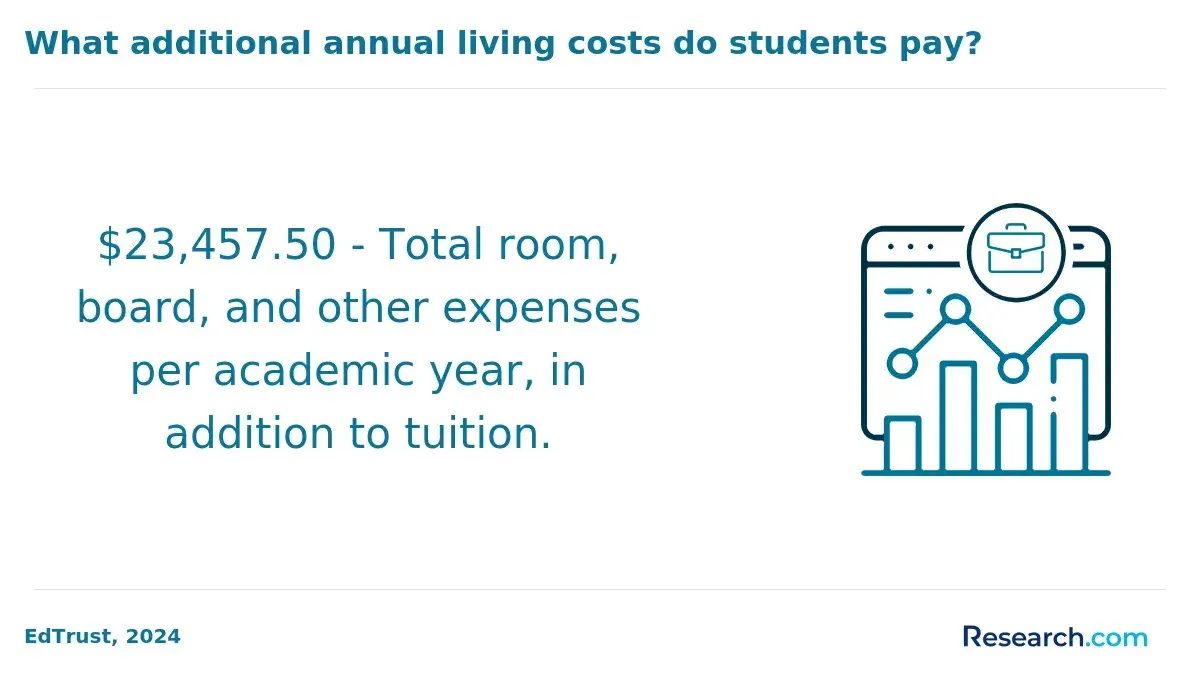
To compare cost, calculate required credits multiplied by graduate tuition per credit, then add mandatory, program, technology, travel, and placement-related expenses. Request an estimate for your residency status and intended pace.
Also check federal aid eligibility, scholarships, assistantships, employer assistance, and payment plans. A lower per-credit price may not produce a lower total bill if the program requires more credits or additional in-person expenses.
What Careers and Salaries Can These Master's Degrees Lead To?
These degrees can support specialization, career changes, or advancement, but occupational pay is not the pay of graduates from a particular program. Experience, location, employer, licensing, and prior education all matter. BLS May 2024 median annual wages provide career context for three relevant occupations.
| Occupation | U.S. median annual wage, May 2024 | Important qualification context |
| Data scientist | $112,590 | Employers may accept different degree levels and expect strong quantitative and programming skills. |
| Information security analyst | $124,910 | Relevant experience and technical skills can matter as much as graduate study. |
| Medical and health services manager | $117,960 | Management roles commonly call for healthcare experience; an MHA alone may not suffice. |
For a return-on-investment decision, compare the degree's full cost and time commitment with jobs for which you are realistically qualified before and after study. A graduate certificate, professional certification, or additional work experience may be a better investment when the target role does not require a master's.
Employer Confidence in Online vs. In-Person Degree Skills, Global 2024

How Do You Choose a Reputable Eight-Week Master's Program?
Start with institutions offering the credential and career preparation you need, then verify the short-course claim using the graduate catalog and current course schedule. Comparison lists of online colleges can help you find candidates, but an institution's general online offerings do not prove that a particular master's uses eight-week classes.
Before paying an application or enrollment deposit, use these checks to expose scheduling and cost surprises:
- Request a written degree plan identifying each required graduate course, its usual length, start dates, and how often it is offered.
- Confirm institutional accreditation and, for regulated roles, ask the relevant licensing board about the exact program and your state.
- Obtain a total-cost estimate covering tuition, mandatory fees, travel, and placements at your expected enrollment pace.
- Ask for an evaluation of any previous graduate credit and a revised completion plan; do not assume all accepted credits satisfy your major requirements.
- Check live attendance, campus visits, fieldwork, and capstone timing against your actual weekly availability.
Red flags include a completion promise without a course sequence, unclear placement support, or a claim that "online" automatically means no in-person obligations. Choose the program whose documented requirements you can finish, not simply the one with the shortest-looking classes.
Other Things You Should Know About Master's Degrees
No. Eight weeks describes an individual course, not the entire degree. Graduation requires completing all credits and any capstone, thesis, or experiential requirements.
Not necessarily. They may cover comparable material on a compressed schedule, with more frequent deadlines. Review the syllabus and expected weekly workload.
Sometimes, but verify the specific track. Live sessions, residencies, clinicals, practicums, and other in-person requirements may still apply.
Course length alone does not decide eligibility. Ask the school's financial aid office how its term structure, your enrollment level, and the program's eligibility affect your aid.
References
- Programmatic Accrediting Agencies | U.S. Department of Education http://www.ed.gov/laws-and-policy/higher-education-laws-and-policy/college-accreditation/programmatic-accrediting-agencies
- Cost of Attendance (Budget) | 2025-2026 Federal Student Aid Handbook https://fsapartners.ed.gov/knowledge-center/fsa-handbook/2025-2026/vol3/ch2-cost-attendance-budget
- Online and Hybrid Graduate Programs | Academics | Columbia University https://www.tc.columbia.edu/academics/online-and-hybrid-graduate-programs/
- Cost of Attendance - Financial Aid and Scholarships | The University of Utah https://financialaid.utah.edu/tuition-and-fees/cost-of-attendance.php
- Cost of attendance definitions | ucdavis.edu https://financialaid.ucdavis.edu/undergraduate/cost/definitions
- Graduate Degree Overview - UNI Catalog https://catalog.uni.edu/graddegreeoverview/
- Tuition & cost of attendance | universityofcalifornia.edu https://admission.universityofcalifornia.edu/tuition-financial-aid/tuition-cost-of-attendance/
- Grad School and Working Full-Time | ASU Online https://asuonline.asu.edu/newsroom/online-learning-tips/grad-degree-while-working-full-time/
- How 8-Week Terms Work | Ivy Tech Community College https://www.ivytech.edu/classes/how-8-week-terms-work/