
2027 Best Professional Masters Degrees With Transparent Tuition

Co-Founder and Chief Data Scientist
A master's program can advertise an appealing tuition rate while leaving you to discover required fees, extra courses, or travel costs later. For working professionals and career changers, the best degree is one whose full cost and career purpose are clear before enrollment. The stakes are real: the U.S. Bureau of Labor Statistics (BLS) projects 29% employment growth for information security analysts from 2024 to 2034, but a growing field does not make every graduate program a sound investment.
This guide compares professional master's degree fields and shows how to check their published costs against your goals.
Key Things You Should Know
- Choose by career goal first: an MBA, technical MS, and licensure-oriented counseling degree solve different problems, even when their tuition totals look similar.
- A transparent price includes required graduate credits, tuition for your residency and delivery status, mandatory fees, and any clinical, residency, or prerequisite costs—not just a per-credit rate.
- Labor-market demand is not a return-on-investment guarantee: BLS projects 29% growth for information security analysts from 2024 to 2034, but experience and job requirements still matter.
Top 10 Best Professional Masters Degrees With Transparent Tuition - Top 10 Degrees
Business / MBA Programs
An MBA suits professionals seeking broader management, finance, and operations skills; a specialized MS in finance or analytics may better serve a narrower goal. Compare the total required credits and published program fees, especially for executive or cohort formats with travel or residency requirements. Ask whether foundation courses add cost for applicants without a business background. An MBA may support advancement, but management jobs generally also depend on substantial work experience.
Healthcare Administration & Management Programs
A Master of Healthcare Administration (MHA) or healthcare-focused MBA can prepare experienced professionals for organizational leadership. Compare healthcare-specific coursework, internships, and whether a published tuition estimate includes required fieldwork or campus sessions. These degrees are not clinical licenses. If your goal is hospital operations, look for relevant placements and employer connections; if it is patient care, verify the separate clinical credential you need.
Information Technology Programs
An MS in information technology often emphasizes enterprise systems, cloud infrastructure, and technology leadership rather than computer science research. It can fit IT professionals moving into architecture or management. Check whether prerequisites, laboratory access, certification preparation, or a capstone carry additional charges. A cheaper program with limited hands-on work may be a poor fit if you need applied experience; professional certifications may be a lower-cost alternative for a specific skill.
Computer Science Programs
An MS in computer science can support deeper software, algorithms, or AI specialization. Career changers should compare prerequisite requirements carefully: bridge coursework can materially increase the price and time beyond the advertised graduate degree. Check whether tuition differs for thesis and coursework tracks and whether required computing resources are included. If your aim is one programming skill rather than advanced study, targeted training and a portfolio may cost less.
Cybersecurity Programs
An MS in cybersecurity may cover security engineering, risk, policy, or digital forensics; these are distinct career directions. Compare the required technical background and the costs of labs, software, or certification exams if they are not included in tuition. Security roles often value practical experience alongside education. A graduate certificate or industry certification may be more efficient if you already have a relevant degree and need a focused credential.
Data Science / Analytics Programs
An MS in data science usually demands more statistics and programming than a business analytics degree, which may focus more on organizational decisions. Review prerequisites before comparing published prices: required mathematics or coding courses can change the total cost. Look for a substantial applied project and clear information about software access. Neither credential replaces evidence that you can work with real data and communicate findings.
Education / Educational Leadership Programs
A Master of Education (MEd) or educational leadership degree may serve practicing teachers, aspiring administrators, or curriculum specialists. The least expensive option is not useful if it fails to meet your state's certification rules. Confirm whether teaching experience, supervised practice, or an in-person internship is required, and include those obligations in your cost comparison. Salary schedules and advancement policies vary by district and employer.
Counseling / Psychology Programs
A counseling MA or MS may be designed for professional licensure; a general psychology master's may not be. Before comparing tuition, confirm the intended license, your state board's education rules, and how the program arranges practicum and internship placements. Supervised hours, examinations, and fees can continue after graduation. A low published price is misleading if required placements are impractical where you live or the curriculum does not meet your licensing goal.
Nursing Programs
A Master of Science in Nursing (MSN) can prepare eligible registered nurses for advanced practice, education, or leadership, depending on the track. Admission may require an RN license and specified clinical preparation. Compare track-specific tuition, clinical placement support, travel, and any extra course or equipment charges. An MSN alone does not confer an advanced practice license: state requirements and national certification may also apply.
Engineering Management Programs
An MS in engineering management blends technical decision-making with operations, finance, and project leadership. It generally fits engineers seeking management responsibility without leaving technical work entirely; an MBA may offer broader business training. Confirm any engineering prerequisites and whether the published price includes team projects or residencies. Employers typically expect relevant engineering experience for management roles, regardless of the graduate credential.
What Are Professional Master's Degrees and Who Should Pursue Them?
A professional master's degree is primarily designed to build skills for practice, specialization, career change, or advancement. Examples include an MBA, MHA, MSN, MEd, and practice-focused MS or MA. The degree abbreviation alone does not tell you whether a program is research-oriented, licensure-eligible, or intended for experienced professionals.
It is worth considering when a specific role requires graduate education, when the curriculum fills a meaningful skills gap, or when an employer will help pay. If you want a narrower skill—or are exploring good jobs for introverts before settling on a career—a certificate, professional credential, or additional work experience may be a better first step. Define the job and its actual requirements before choosing the degree.
Which Professional Master's Degrees Offer the Best Career Outcomes?
There is no universal "best" professional master's degree. The strongest choice connects a verifiable career requirement or skills gap to a program you can complete at a manageable total cost. Healthcare administration can suit experienced healthcare workers seeking operational roles; counseling and some nursing tracks support regulated practice; and technical degrees can deepen specialized skills. An MBA is more versatile but rarely substitutes for management experience.
Compare the top degrees in demand for the future with caution: demand for an occupation does not establish that its workers need a master's. Ask employers whether graduate education changes eligibility or advancement prospects for your target role. Then compare that potential benefit with tuition, time away from work, and a less expensive credential.
How Much Do Professional Master's Degrees Cost in the United States?
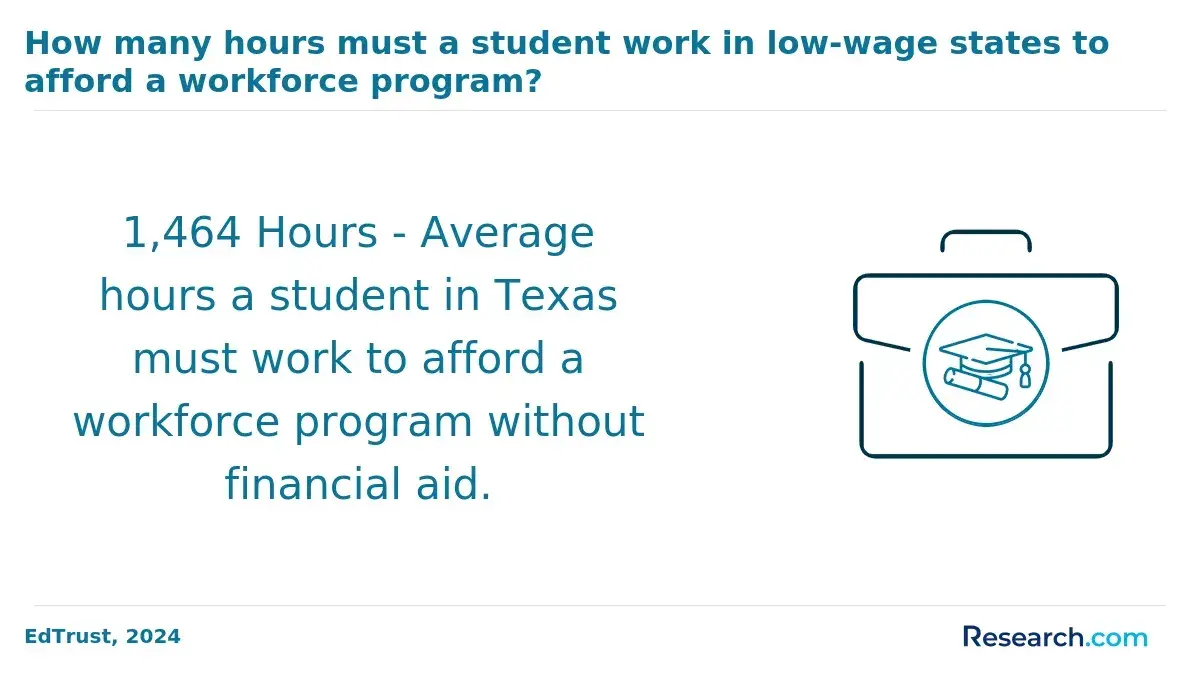
There is no reliable single U.S. price for a professional master's degree. Costs differ by institution, field, residency classification, delivery format, and the credits each student must complete. A published per-credit rate is a starting point, not the total program price. When looking for a low cost masters degree online, compare the amount you would actually be billed through graduation.
The following comparison separates commonly published charges from expenses that may require a direct question to the program. Use it to request a written, itemized estimate for your intended track.
| Cost component | What to compare | Why the quoted tuition may fall short |
| Graduate tuition | Required credits and applicable per-credit or term rate | Rates may differ by residency, track, or enrollment load. |
| Mandatory fees | Program, technology, laboratory, and student fees | Fees may be charged each term or per course. |
| Required experiences | Residencies, clinicals, internships, and travel | Travel and placement-related expenses may be excluded. |
| Additional coursework | Prerequisites, bridge courses, and repeated courses | These may extend enrollment beyond the advertised plan. |
| Funding | Grants, assistantships, employer assistance, and loans | Eligibility and the amount offered differ by student and program. |
For a fair comparison, calculate required tuition and fees using each program's published rules, then add costs the school confirms are required for you. Ask whether approved prior graduate-level coursework could reduce remaining credits; acceptance and degree applicability are separate decisions. A lower sticker price is not necessarily a lower total cost, and borrowed funds must be repaid under their loan terms.
Which Professional Master's Programs Are Available Online?
Business, IT, computer science, cybersecurity, analytics, and engineering management master's degrees are commonly offered online. Education, healthcare administration, counseling, and nursing programs can also have online coursework, but internships, teaching experiences, clinical placements, or residencies may still require in-person attendance.
"Online" does not mean self-paced. Ask whether classes meet at scheduled times, whether placements can be completed near home, and whether campus visits are compulsory. A hybrid program may be easier to complete than a fully online one if its local placements and predictable schedule fit your circumstances. Compare the full timetable—not just the delivery label—before treating flexibility as a benefit.
How Do You Verify Accreditation for a Professional Master's Degree?
Start by confirming that the institution holds recognized institutional accreditation; this matters for credibility and can affect federal financial aid eligibility. A nonprofit university is not automatically the right choice: verify the institution and the specific program rather than relying on ownership or marketing language.
For regulated careers, also check the programmatic accreditation or approval relevant to the occupation and your state. Nursing, counseling, and educator preparation requirements differ, and institutional accreditation alone does not establish licensure eligibility. Confirm the current status with the accreditor or state licensing board, then ask the program to document how its curriculum meets the requirements for the state where you intend to practice.
What Are the Admission Requirements for Professional Master's Programs?
Most professional master's programs require an earned bachelor's degree, transcripts, and an application. Depending on the program, admission may also involve prerequisite courses, a minimum GPA, recommendations, a statement of purpose, an interview, professional experience, or a GRE or GMAT score. Policies vary at the graduate-program level; a schoolwide statement about test waivers or admission does not settle the requirements for a particular master's track.
Check preparation as carefully as selectivity. Technical degrees may require programming or mathematics; an MSN may require an active RN license; leadership programs may prefer relevant work experience. If you lack prerequisites, request a written explanation of which courses you need, whether they must be completed before admission, and what they will cost.
How Long Do Professional Master's Degrees Take to Complete?
Completion time depends on required graduate credits, full- or part-time enrollment, course sequencing, and whether the program includes a thesis, capstone, internship, or clinical placement. A short class term does not make the entire degree short. Ask for a term-by-term plan based on your intended course load and prerequisites, including how often required courses are offered.
Accelerated and combined bachelor's/master's pathways may shorten the remaining schedule only for students who meet their eligibility rules. Previous graduate coursework or a stackable certificate may help if the school accepts it and applies it to degree requirements. Undergraduate credits should not be assumed to count toward a master's. Have the program evaluate prior graduate credit before relying on an advertised finish date or cost.
Which Professional Master's Degrees Lead to Licensure or Certification?
Some professional master's degrees provide education required on a path to licensure; the degree itself is not the license. Counseling programs may lead toward counselor licensure, selected MSN tracks toward advanced practice nursing, and certain education degrees toward administrator or specialist credentials. Requirements can include approved coursework, supervised practice, examinations, certification, and a state application.
By contrast, an MBA, MHA, or general IT master's does not ordinarily grant a professional license. Before enrolling in a regulated-field program, identify the exact credential and state you are targeting. Ask both the program and the relevant board whether the track meets current educational requirements, including any rules affecting online study or out-of-state placements.
What Salaries and Job Outlook Can Graduates Expect?
Occupational wages can show the scale of a career opportunity, but they are not salaries earned specifically by master's graduates. The following BLS national median annual wages for 2024 describe all workers in each occupation, across education and experience levels:
| Occupation | 2024 median annual wage | Master's-degree decision context |
| Data scientists | $112,590 | Compare a master's with the skills and experience you already have; the degree is not universally required. |
| Medical and health services managers | $117,960 | Relevant healthcare experience often matters alongside an MHA or other graduate degree. |
| Information security analysts | $124,910 | Technical experience and role-specific skills can be important; a master's is not a general entry requirement. |
BLS projects strong growth for information security analysts, but projections describe occupations, not placement rates for individual programs. For a realistic return-on-investment check, compare your likely job options with and without the degree, your written total-cost estimate, and any earnings you would give up while studying. Be wary of programs that present occupational median pay as a guaranteed graduate outcome.
Other Things You Should Know About
The school publishes the applicable tuition rate, required credits, and mandatory fees, and explains costs such as prerequisites, residencies, or clinical requirements. Request a written estimate for your track and enrollment plan.
Not necessarily. Extra credits, fees, travel, and a mismatch with your career goal can outweigh a low tuition rate. Compare total required cost and career relevance together.
Yes. Clinical placements, internships, student teaching, laboratories, or campus residencies may be required even when coursework is online. Confirm locations and scheduling before applying.
No. Licensing can require state-approved education, supervised experience, and exams; pay also depends on the occupation, employer, location, and experience. Check the requirements for your intended role.
References
- Occupation Finder: Occupational Outlook Handbook | bls.gov https://www.bls.gov/ooh/occupation-finder.htm
- Fast Facts: Tuition costs of colleges and universities (76) | ed.gov https://nces.ed.gov/fastfacts/display.asp
- Cost of Attendance (Budget) | 2025-2026 Federal Student Aid Handbook https://fsapartners.ed.gov/knowledge-center/fsa-handbook/2025-2026/vol3/ch2-cost-attendance-budget
- Tuition & Other Fees | CSU Northridge https://www.csun.edu/stufin/tuition/tuition-other-fees
- Cost of Attendance - Financial Aid and Scholarships | The University of Utah https://financialaid.utah.edu/tuition-and-fees/cost-of-attendance.php
- Student Fees | Cal State LA https://www.calstatela.edu/finance-onestop/student-fees
- Tuition and Fees - K-State Online https://online.k-state.edu/paying-for-school/tuition-fees.html
- Tuition and Fees | Undergraduate Admission https://admission.ucla.edu/tuition-aid/tuition-fees
- Funding and Financial Aid - Graduate Admissions | UT Dallas https://graduate-admissions.utdallas.edu/apply-to-ut-dallas/funding-and-financial-aid/
- Online and Distance Education | Student Services Center https://studentservices.ncsu.edu/finances/tuition-and-fees/tuition-and-fee-rates/online-and-distance-education/


