2027 Most Affordable Master's Degrees for Career Changers

Co-Founder and Chief Data Scientist
Changing careers with a master's degree can be expensive, especially if you must pay for prerequisite courses before graduate study begins. The decision matters as demand shifts: the U.S. Bureau of Labor Statistics (BLS) projects employment of data scientists to grow 34% from 2024 to 2034, but that outlook does not mean every data science degree will pay for itself. This guide compares ten master's degree fields by career fit and the costs that can change your final bill. It will help you identify promising paths, rule out poor fits, and ask schools for comparable prices before enrolling.
Key Things You Should Know
- The cheapest master's degree is the one with the lowest total cost for your circumstances, not necessarily the lowest advertised tuition rate; prerequisites, required credits, fees, and placements can change the comparison.
- Business, IT, analytics, and some healthcare administration programs may accept applicants from varied undergraduate majors; nursing, counseling, and certain education paths have more restrictive preparation or licensing requirements.
- Career demand is not a return-on-investment guarantee: BLS projects 34% employment growth for data scientists from 2024 to 2034, but a master's degree alone may not qualify a career changer for those jobs.
Top 10 Most Affordable Master's Degrees for Career Changers - Affordable Master's Degrees
Business / MBA Programs
A Master of Business Administration (MBA) can suit career changers moving into business operations, finance, or management. Some programs welcome applicants from any major; others expect work experience or require foundation courses. Compare the full price of an MBA with a narrower MS in management or accounting, including program fees and prerequisites. An MBA may broaden your business skills, but it does not substitute for industry experience or guarantee a management job. If you need one specific skill, a graduate certificate or employer-supported training may cost less.
Healthcare Administration & Management Programs
A Master of Healthcare Administration (MHA) or healthcare-focused MBA can help applicants move toward operations, finance, or quality-improvement work in healthcare organizations. Programs vary in their expectations for healthcare experience and may require an internship or capstone. Compare placement requirements and fees as well as tuition, particularly if you must reduce paid work hours. These degrees generally do not confer a clinical license. Employers may also expect healthcare experience for management positions, so applicants without it should investigate entry-level pathways before paying for graduate study.
Information Technology Programs
An MS in information technology (IT) may be a practical bridge into systems, cloud, or technology operations for someone with transferable business or technical experience. Admissions policies and required programming or networking foundations differ. A lower-priced program can become less attractive if you must buy additional courses to meet prerequisites. Compare hands-on projects, total credits, and course scheduling. If your target job calls primarily for a particular technical skill, a certification and portfolio may be a less costly first step than a full master's degree.
Computer Science Programs
Some MS in computer science programs offer bridge coursework for graduates of other majors; others expect substantial prior mathematics and programming. That distinction is central to affordability: foundation courses can add cost and time without counting toward graduate requirements. Compare the complete route to graduation, not just graduate tuition. An MS may make sense for a substantial technical transition or advanced specialization, while a focused course sequence and demonstrated projects may suffice for some entry-level goals. Check the preparation employers seek for your intended role.
Cybersecurity Programs
An MS in cybersecurity can develop skills in security engineering, risk, policy, or incident response. Some programs accept nontechnical applicants, but foundational networking and computing knowledge still matters. Factor any bridge courses, laboratory costs, and certification-exam expenses into your budget. Cybersecurity roles often require relevant experience; an inexpensive degree is a poor bargain if its coursework does not match the work you want to do. Applicants new to IT may benefit from building technical experience before committing to graduate tuition.
Data Science / Analytics Programs
An MS in data science or analytics can support a transition into statistical analysis and data-driven work. Programs differ substantially: a business analytics degree may emphasize decisions and reporting, while a data science degree may demand more mathematics and programming. Check whether calculus, statistics, or coding prerequisites add to the advertised price. Seek substantial projects using real datasets. Strong occupational growth makes the field worth investigating, but hiring depends on demonstrated skills and experience, not the degree title alone.
Education / Educational Leadership Programs
A Master of Education (MEd) may serve aspiring teachers, current educators, or professionals moving into training roles - but those are different pathways. Many educational leadership programs assume existing teaching experience and may not suit newcomers. If you want a public-school teaching position, verify that the specific program meets your state's initial-licensure requirements and account for student teaching or other placements. A low-tuition leadership degree that does not lead to your intended credential is not an affordable route to that career.
Counseling / Psychology Programs
A counseling-focused MA or MS may prepare students for a specified state licensure pathway; a general psychology master's may not. Compare required practicum and internship hours, placement support, and whether unpaid clinical work will affect your income. Confirm program requirements with the licensing board in the state where you plan to practice before comparing prices. A master's degree alone does not usually grant independent clinical practice: examinations and supervised postdegree experience may also be required. Some psychology careers require doctoral education.
Nursing Programs
A Master of Science in Nursing (MSN) is generally intended for registered nurses, though some institutions offer entry routes for people with a non-nursing bachelor's degree. Those routes can require substantial nursing preparation before advanced study, making their total cost very different from a conventional MSN. Clinical placements, travel, and licensing requirements also matter. Verify the exact entry pathway and its eligibility for your intended nursing role. Do not treat an advertised MSN tuition figure as the price of changing careers into nursing from scratch.
Engineering Management Programs
An MS in engineering management combines technical project work with organizational and financial decision-making. It often makes the most sense for applicants who already have engineering or related technical preparation. A career changer without that background should check prerequisites before assuming the degree provides a direct entry route into engineering. Compare it with an MBA if your goal is general management: the less expensive option depends on required coursework, fees, and whether you can use the credential in your current industry.
What are the most affordable master's degrees for career changers?
There is no universally cheapest master's degree field for career changers. Business, IT, and some analytics or healthcare administration programs can offer relatively direct entry from another major, making them sensible places to compare prices first. Nursing, counseling, and initial teacher-licensure paths can carry additional preparation or placement costs. Actual affordability depends on the institution and your starting qualifications.
The comparison below highlights the expense most likely to be missed when evaluating each field. It is a screening tool, not a price ranking: schools' published tuition and requirements must determine the final order.
| Field | Career-change fit | Cost to investigate beyond tuition |
| Business / MBA | Broad entry, subject to program admissions | Program fees; foundation courses |
| Healthcare administration | Possible without clinical training | Internship and healthcare-experience requirements |
| Information technology | Possible with appropriate technical preparation | Foundation courses and equipment |
| Computer science | Bridge options may be available | Programming and mathematics prerequisites |
| Cybersecurity | Stronger fit with existing IT skills | Technical foundations and certification expenses |
| Data science / analytics | Varies by quantitative background | Statistics, mathematics, and coding prerequisites |
| Education / leadership | Depends on teaching goal and prior credentials | Licensure preparation and placements |
| Counseling / psychology | Possible through the right licensure track | Clinical placements and supervised practice |
| Nursing | Entry routes differ sharply from RN-to-MSN routes | Initial nursing preparation and clinicals |
| Engineering management | Best fit with technical preparation | Prerequisite engineering coursework |
Which master's degrees offer the best career and salary potential?
Technology and healthcare fields offer notable occupational opportunities, but a growing occupation is not necessarily an affordable career change. BLS reports median pay and employment projections for occupations, not the wages caused by earning a particular master's degree. For example, its projected growth for data scientists describes jobs across the occupation; applicants still need the technical skills employers require.
Start with the job you want, then determine whether graduate education adds something you cannot obtain through experience or a shorter credential. An MBA may help someone pivot from an established career into business work, while counseling may require a qualifying master's for a licensure path. If your target role normally accepts a bachelor's degree, compare the graduate investment with work experience and college degrees that pay well before taking on debt. Salary potential belongs in the decision, but it should not outweigh program cost and actual entry requirements.
How much do affordable master's degree programs cost?
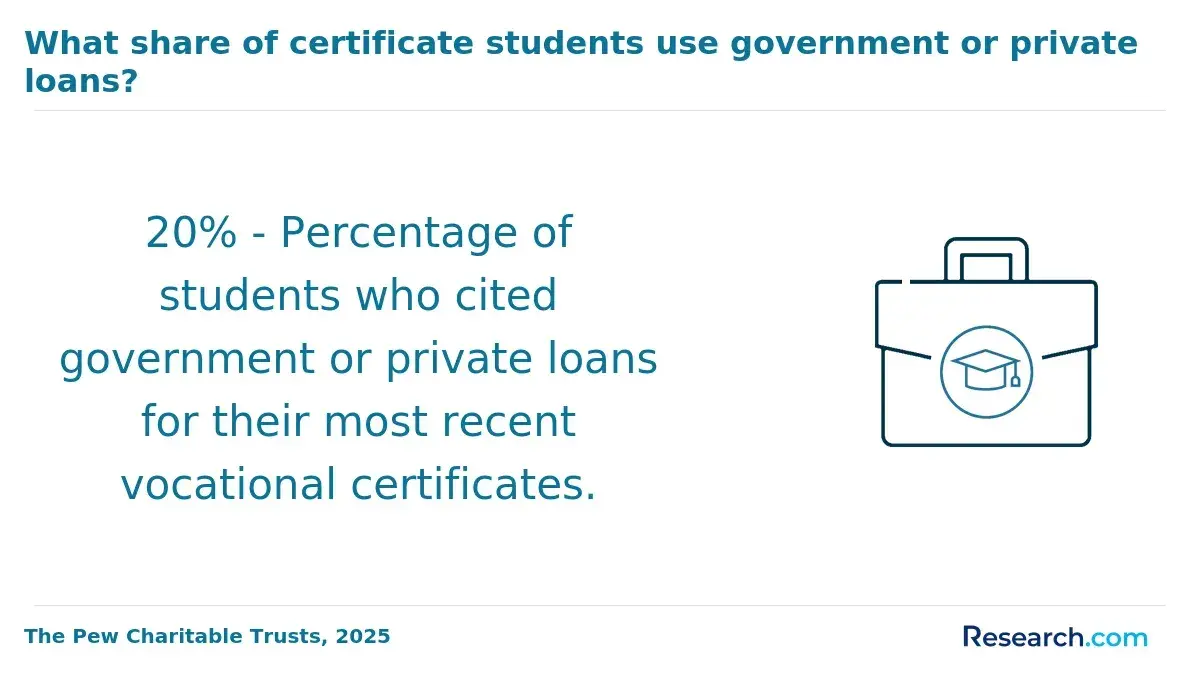
Total program cost is the amount you expect to pay to finish, not a school's per-credit tuition quote. There is no reliable single price for these ten fields: graduate credit requirements, residency classification, tuition schedules, and individual prerequisites vary by school and student. Request a written, itemized estimate for your intended enrollment plan so competing offers cover the same expenses.
These cost categories explain why the least expensive advertised rate may not produce the lowest final bill.
| Cost category | Why it changes the comparison |
| Graduate tuition | Required credits and resident or nonresident rates determine the base charge. |
| Mandatory and program fees | Technology, online, laboratory, or differential charges may apply. |
| Prerequisites | Foundation courses may cost extra and may not count toward the degree. |
| Experiential requirements | Travel, placement expenses, and reduced work hours can add substantial personal costs. |
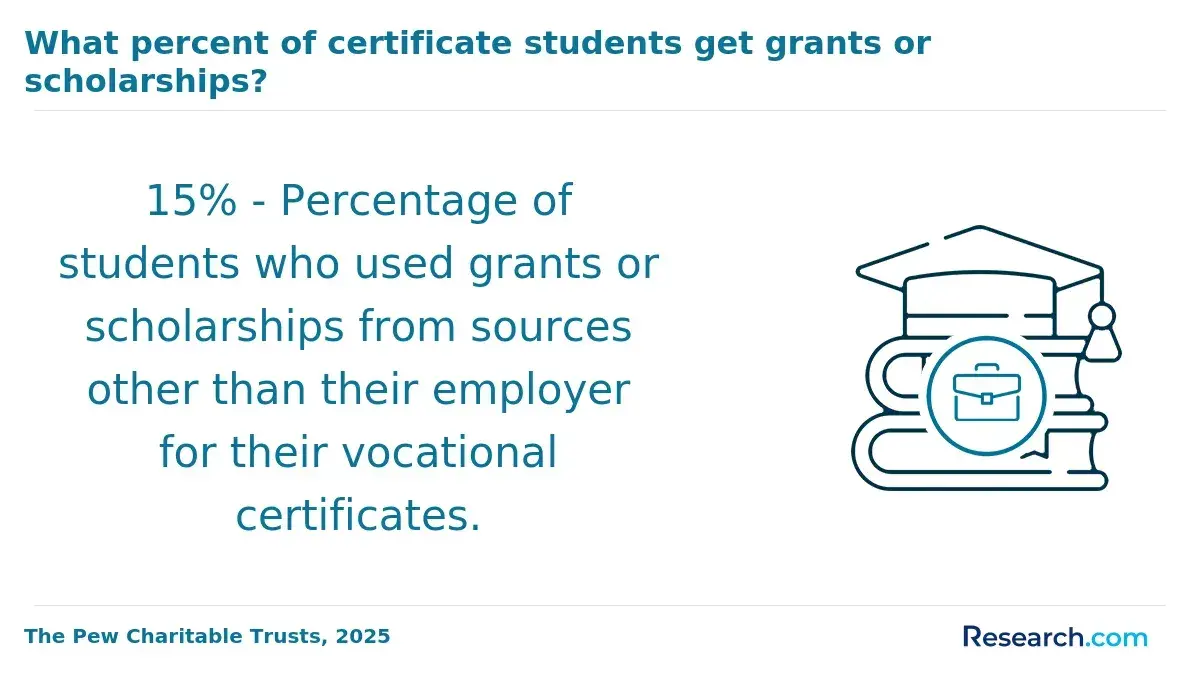
| Funding and eligible prior credit | Grants, employer assistance, and approved graduate transfer credit may reduce what you pay. |
Ask financial aid staff which graduate courses qualify for federal aid and whether prerequisite-only enrollment is treated differently. When researching accredited online colleges that accept FAFSA, confirm aid eligibility for the specific graduate program; a school's participation alone does not establish your award. Distinguish the published price from your net cost after confirmed assistance, and include interest if you plan to borrow.
Are online master's degrees affordable for career changers?
Online study can reduce commuting or relocation expenses, but it does not automatically reduce tuition or make a program self-paced. Compare online-specific fees with campus charges, and ask whether attendance is asynchronous or requires live sessions. Clinicals, teaching placements, internships, labs, or residencies may still require in-person participation.
For someone who moves frequently, including a military spouse comparing an online school for military spouses, placement availability and state licensure rules can matter more than the online label. Confirm where you may complete required work and whether the program supports your intended state credential before paying an enrollment deposit.
What admission requirements apply to career-changing master's programs?
Master's admission normally requires a completed bachelor's degree, but a related major is not always necessary. An MBA or some IT programs may consider applicants from varied fields; computer science, engineering management, and data science may require specific technical preparation. Nursing pathways can require an existing nursing license or separate entry-route coursework.
Check both graduate-school and program-specific rules for GPA, transcripts, recommendations, professional experience, interviews, portfolios, and any GRE or GMAT policy. Ask whether missing prerequisites can be completed after admission, what they cost, and whether they count toward the master's. An absent published minimum GPA or test score is not proof that the program has no selection standards.
How long does it take to complete an affordable master's degree?
Completion time depends on required graduate credits, course availability, your enrollment pace, prerequisites, and culminating work. A part-time student taking sequenced courses may finish much later than a full-time student in the same program. Clinical placements or a thesis can also extend the timeline; short course terms do not establish a short time to graduation.
If you already hold graduate credit or a graduate certificate, request an evaluation showing which courses satisfy degree requirements and which must still be taken at the new institution. A fast track program may reduce time only for students who meet its stated preparation, course-load, and credit conditions. Undergraduate coursework ordinarily supplies prerequisites, not transferable master's credit, unless a published combined-degree policy says otherwise.
What coursework do career changers complete in these master's programs?
Coursework should match the career you intend to enter. MBA students commonly study finance, operations, and strategy; IT and computer science students may take programming, systems, or security courses; analytics students use statistics and data tools. Healthcare administration emphasizes organizational and financial decisions, while education and counseling tracks may include teaching or clinical practice.
Read the actual curriculum rather than relying on the degree name. Distinguish required foundations from graduate core courses, then check electives, concentrations, and the final requirement - such as a capstone, thesis, internship, practicum, or clinical placement. A research-oriented thesis can be valuable for further academic study; a practice-focused project may better suit an immediate occupational transition.
Do affordable master's degrees require licenses or certifications?
Most business and technology master's degrees do not themselves grant an occupational license, though employers may value separate certifications. Regulated paths require closer scrutiny. Counseling practice can require a qualifying degree, supervised experience, examinations, and state licensure. Teaching requirements differ by state and role. Nursing roles require appropriate nursing licensure, with additional requirements for advanced practice.
Confirm the requirements for the exact occupation and state where you plan to work. Ask a program which credential its graduates are academically prepared to seek, then check that claim against the relevant licensing board. Do not assume a degree titled "psychology," "education," or "nursing" qualifies you for every role in that field.
How can career changers choose an accredited master's program?
Begin by confirming that the institution holds recognized institutional accreditation. Then check whether your intended field or licensing pathway calls for particular programmatic accreditation; requirements can differ by profession and state. Accreditation is a necessary check, not evidence that a program is affordable or that graduates get jobs.
Before enrolling, compare written tuition-and-fee estimates for the credits you must complete. Request a prerequisite review, a graduate transfer-credit evaluation if relevant, the course rotation, and details of any required placement or campus visit. Finally, verify licensure eligibility with the appropriate state authority. Warning signs include a price that excludes required fees, vague claims about transfer credit, and promises of a job or salary without evidence.
Other Things You Should Know About
Often, yes. Business and some IT, analytics, and healthcare administration programs consider varied majors. Ask for a prerequisite review first: additional coursework may change both the cost and timeline.
Choose based on the target role. An MBA offers broad business preparation; a specialized MS may provide more relevant technical or field-specific work. Compare their total costs and confirm what employers actually require.
Not necessarily. Verify the specific program's curriculum, placements, and accreditation against the requirements of the state where you intend to practice.
If your target job does not require a master's, a certificate, work experience, or a portfolio may be a lower-cost way to test the transition. If a qualifying degree is required for licensure, compare complete degree costs and confirmed aid before borrowing.
References
- Field of degree: Occupational Outlook Handbook | bls.gov https://www.bls.gov/ooh/field-of-degree/
- Cost of Attendance (Budget) | 2025-2026 Federal Student Aid Handbook https://fsapartners.ed.gov/knowledge-center/fsa-handbook/2025-2026/vol3/ch2-cost-attendance-budget
- Get a Professional Certification or License | Georgia.gov https://georgia.gov/get-professional-certification-or-license
- Professional Licensure - State Authorization Network https://wcetsan.wiche.edu/resources/professional-licensure
- Tuition and Financing | Columbia University School of Professional Studies https://sps.columbia.edu/admissions/masters-degree-applicants/tuition-and-financing
- Career Switcher Program | Extended & Distance Education https://www.su.edu/xde/career-switcher-program/
- Tuition & Costs | New Jersey Institute of Technology https://www.njit.edu/admissions/tuition-costs
- Licensure & Certification - UGA Provost's Office https://provost.uga.edu/oaie/licensure-certification/
- Help and Knowledge Base | University of Maryland Global Campus https://www.umgc.edu/help/article/online-tuition-in-state-vs-out-of-state
- Tuition and Cost of Attendance | Rutgers School of Graduate Studies https://grad.rutgers.edu/funding/tuition-and-cost-attendance