
2027 Most Affordable Master's Degrees for Specialist Roles

Co-Founder and Chief Data Scientist
A low-tuition master's degree can become an expensive mistake if it does not fit the specialist role you want. Demand makes the choice timely: the U.S. Bureau of Labor Statistics (BLS) projects data scientist employment to grow 34% from 2024 to 2034, but a master's degree is not required for every data science job.
This guide compares career-focused degree fields, explains the costs that change your final bill, and shows where accreditation, experience, or licensure matters more than price. Use it to shortlist programs that meet both your budget and your career requirements.
Key Things You Should Know
- The most affordable choice is a qualifying program with the lowest realistic total completion cost, not necessarily the lowest advertised tuition rate.
- BLS reports a $124,910 median annual wage for information security analysts in May 2024; that occupational figure is not a promised outcome for cybersecurity master's graduates.
- Before paying a deposit, confirm institutional accreditation, required credits and fees, and whether the curriculum meets any state licensing rules for your intended role.
Top 10 Most Affordable Master's Degrees for Specialist Roles - Affordable Master's Degrees
Business / MBA Programs
An MBA with a concentration in operations, finance, or analytics can support a move into specialist business work. An MS in a specific business discipline may cost less if it requires fewer credits, but compare the full bill rather than the degree label. Check whether foundation courses add tuition for applicants without a business background. An MBA suits professionals seeking broader management preparation; a focused MS may fit someone targeting a technical specialty. Neither degree substitutes for the experience employers often expect in senior roles.
Healthcare Administration & Management Programs
A Master of Healthcare Administration (MHA) or healthcare-focused MBA can prepare experienced professionals for specialized operations, quality, or finance work. Compare tuition, program fees, and any required internship or residency travel. An online program may still have scheduled activities. Healthcare management generally differs from licensed clinical practice: an MHA does not qualify someone to work as a nurse, therapist, or physician. For applicants already employed in healthcare, employer tuition assistance may change which program is least expensive overall.
Information Technology Programs
An MS in information technology often emphasizes systems integration, cloud infrastructure, or IT operations. It can fit professionals moving from technical support toward specialized systems work, but employers may value hands-on experience or certifications as much as graduate coursework. Compare required credits, lab or software fees, and whether your background triggers prerequisite classes. A lower-cost program with projects tied to your intended role may offer better value than a broader degree with electives you will not use.
Computer Science Programs
An MS in computer science can offer advanced study in software, algorithms, or computing systems. For a career changer, prerequisite programming and mathematics courses can substantially raise the cost beyond published graduate tuition. Research-oriented programs may require a thesis; professional programs may culminate in a project. Choose the path that fits your goal, and ask whether prerequisites count toward the degree. A master's is not universally required for software development, so compare its cost with targeted coursework and experience.
Cybersecurity Programs
An MS in cybersecurity may focus on security engineering, governance, or digital forensics. Affordability depends on total credits, technology fees, and any required labs—not just online tuition. Check whether courses build the skills requested in your target job; a management-heavy curriculum may not suit someone seeking hands-on engineering work. Security experience and certifications can matter alongside the degree. Most cybersecurity roles do not carry a universal professional license, though particular government or regulated-sector positions may impose separate requirements.
Data Science / Analytics Programs
An MS in data science or analytics can develop statistical, programming, and modeling skills. Compare the cost of required mathematics or coding prerequisites, access to computing resources, and the scope of the capstone. An analytics program may emphasize business decisions, while a data science program may require deeper technical preparation; titles alone do not establish that distinction. Applicants with strong quantitative experience may find that a graduate certificate or portfolio project meets their immediate goal at lower cost.
Education / Educational Leadership Programs
A Master of Education (MEd) in curriculum, instructional design, or leadership can serve different careers. A relatively inexpensive program is poor value if it does not meet your state's administrator endorsement or other credential requirements. Compare tuition with student-teaching, internship, assessment, and travel costs where applicable. Teachers should also check district salary schedules and tuition assistance before assuming the degree will raise pay. Some leadership tracks require an existing teaching license or classroom experience.
Counseling / Psychology Programs
A counseling MA or MS intended for professional licensure requires more scrutiny than a low price suggests. Check your state board's rules for coursework, supervised clinical hours, and examinations, plus the program's placement arrangements and applicable accreditation. An academic psychology master's is not interchangeable with a license-qualifying counseling degree; practicing as a psychologist generally requires doctoral-level preparation and licensure. Practicum travel, reduced work hours, and postdegree supervision can materially increase the cost of entering practice.
Nursing Programs
A Master of Science in Nursing (MSN) may prepare registered nurses for education, leadership, or an advanced practice track. Admission and clinical requirements vary by specialty, so confirm your RN license, required experience, placement support, and state eligibility before comparing prices. Clinical travel and time away from paid work can outweigh a tuition difference. An MSN alone does not grant advanced practice authority; certification, examination, and state licensure or authorization may also be required.
Engineering Management Programs
An MS in engineering management combines technical project work with operations or management study. It may suit engineers seeking greater responsibility without moving into a general MBA, although leadership positions still typically depend on experience. Compare total credits, employer reimbursement, and whether a capstone can address a problem at your workplace. Check prerequisites if your bachelor's degree is outside engineering. Depending on the job and state, professional engineer licensure is a separate matter that the master's does not replace.
What Are the Most Affordable Master's Degrees for Specialist Careers?
The most affordable master's degrees for specialist careers are the programs that meet a specific career requirement at the lowest total cost for your circumstances. No field is consistently cheapest across institutions: required credits, residency status, prerequisites, placements, and aid can reverse a tuition-rate comparison. The table identifies the cost factor most likely to change the value of each degree family; it is not a price ranking.
Use these comparisons to decide which fields merit a closer program-by-program cost check:
| Degree family | Career fit | Cost or eligibility factor to check |
| MBA, business MS | Business specialization or management preparation | Foundation courses and program-specific tuition |
| MHA, healthcare MBA | Healthcare operations | Internship or residency requirements |
| IT, computer science, cybersecurity, data science MS | Technical specialization | Prerequisites, labs, and technology fees |
| MEd and education leadership | Teaching specialization or school leadership | State credential alignment and fieldwork |
| Counseling MA or MS, MSN | Potentially licensed practice | Clinical placements and state eligibility |
| Engineering management MS | Technical project leadership | Prerequisites and employer assistance |
Shortlist fields by the work you want to do, then compare specific programs. An inexpensive degree that cannot support the required credential or teach the needed specialty is not a bargain.
Which Specialist Roles Require a Master's Degree?
Some specialist paths require a qualifying master's; others accept a bachelor's degree plus experience. Professional counseling commonly requires a relevant graduate degree for licensure, and advanced practice nursing requires graduate preparation along with additional credentialing. By contrast, employers may hire data scientists, information security analysts, or IT specialists without a master's. Education leadership requirements vary by state and role.
Be precise about the occupation before choosing a degree. A counseling master's should not be mistaken for the preparation generally needed to practice as a licensed psychologist. If that is your goal, compare doctoral requirements and the substantial difference in time and cost; a guide to the easiest doctorate to get is a starting point for exploring alternatives, not evidence that a short doctorate meets psychology licensing rules.
How Much Do Affordable Master's Degrees Typically Cost?
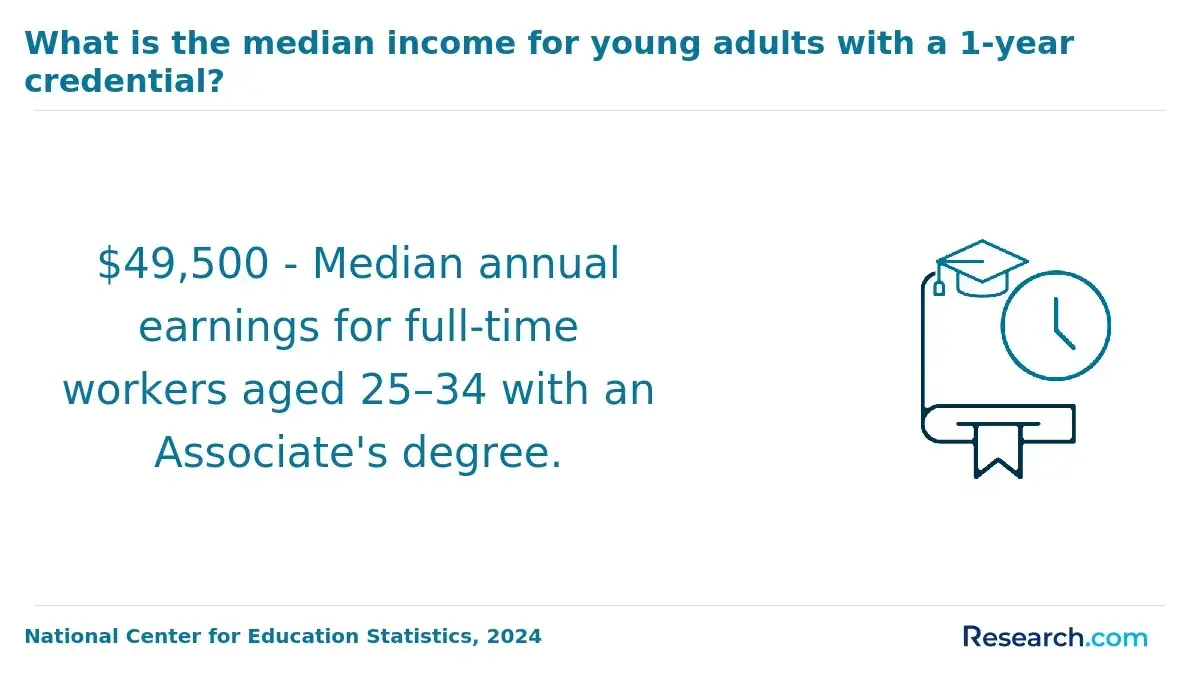
There is no dependable single price for an "affordable" master's across these fields. The useful comparison is the amount you expect to pay to finish: required graduate credits multiplied by your applicable tuition rate, plus mandatory and program fees and any prerequisites, travel, or placement expenses. Sticker tuition is not the net cost after scholarships or employer assistance.
Build the same cost estimate for every program on your shortlist. These checks reveal differences that a per-credit figure can hide:
- Confirm required credits, your residency-based tuition rate, and whether tuition changes after admission.
- Add mandatory, differential, technology, clinical, and graduation fees, along with required travel or materials.
- Ask whether previous graduate coursework will apply to specific degree requirements; accepted transfer credit can reduce cost, but approval is not automatic.
- Subtract confirmed grants or employer benefits, then consider borrowing costs and earnings you may give up during placements or full-time study.
Complete a federal-aid application and check graduate aid eligibility with each school; available aid and loan terms differ from undergraduate options. If graduate school is still some time away, comparing what are the cheapest online colleges can help with earlier educational planning, but undergraduate prices should not be used to estimate graduate tuition.
Which Accreditation Should Affordable Master's Programs Hold?
Start with accreditation recognized by the U.S. Department of Education or the Council for Higher Education Accreditation for the institution. It matters for federal aid eligibility and can affect whether other schools or employers recognize the credential. Then check whether your target profession or state board requires or prefers programmatic accreditation. Relevant examples can include CACREP for counseling, CCNE or ACEN for nursing, and CAHME for some healthcare management programs.
Do not treat accreditation as a substitute for licensure verification. Confirm the program's current status with the accreditor and ask the appropriate state board whether that specific curriculum and its placements meet its rules. This is especially important if you will study online in a different state.
What Do Affordable Master's Degree Programs Include?
Most programs combine core courses, electives or a concentration, and an assessed final requirement. A professional program may end in a capstone or workplace project; a research-oriented program may offer a thesis. Counseling and nursing tracks can require supervised practice, while technical degrees may include labs. Required graduate credits and completion time vary with course sequencing, enrollment intensity, prerequisites, and placement availability.
Before enrolling, request the degree plan—not just the course catalog. Identify which courses run each term and whether the school will evaluate prior graduate-level coursework for transfer. A 4+1 or stackable-certificate pathway may shorten remaining study only when you meet its separate eligibility rules and the credits actually apply to the master's. Ordinary undergraduate credits should not be assumed to count as graduate transfer credit.
What Are the Admission Requirements for Affordable Master's Programs?
Standard admission requires a completed bachelor's degree. Schools commonly review transcripts and may request recommendations, a statement, a résumé, an interview, or evidence of relevant experience. Individual programs can add prerequisites: computer science may require programming and mathematics, while nursing tracks may require an RN license. GPA thresholds, GRE or GMAT policies, waivers, and conditional admission vary; verify the specific graduate program's published rules rather than assuming a university-wide policy applies.
If you have not completed a bachelor's degree, an associate-degree route may be an earlier step. A fast track associates degree online is not a substitute for bachelor's completion or master's admission. Before applying, ask how prerequisite courses affect both your eligibility and your total cost.
Are Online Master's Degrees as Valuable as Campus Programs?
An online master's can be valuable when it comes from an appropriately accredited institution and meets the same relevant career or licensing requirements as a campus option. Delivery format alone does not establish quality—or flexibility. Online courses may have scheduled sessions, fixed deadlines, proctored assessments, or campus visits; clinical and practicum work may still require local placements.
Compare formats against your constraints. Asynchronous study may help with changing work hours, while a campus program may offer easier access to particular labs or placements. Ask each school who arranges field sites and where you can complete them. The better-value format is the one you can finish without unexpected travel, scheduling conflicts, or credentialing problems.
What Salaries and Job Outlook Can Specialist Careers Offer?
Specialist occupations can offer strong pay or growth, but occupational statistics describe workers in those jobs - not the earnings caused by a master's degree. BLS figures also include people with different education levels and amounts of experience.
These U.S. figures provide context for two technical paths and illustrate why career demand must be weighed against graduate cost.
| Occupation | BLS measure | What it means for the degree decision |
| Data scientist | 34% projected employment growth, 2024-2034 | Demand is strong, but a master's is not required for every opening. |
| Information security analyst | $124,910 median annual wage, May 2024 | This is an occupational median, not an expected starting salary or a graduate earnings figure. |
To judge whether graduate study is worth its cost, compare jobs you can pursue now with those requiring the specialization you lack. Review local postings for degree requirements, consider your existing experience, and account for debt and time away from work. A certificate, employer training, or relevant project experience may be the less costly next step when the target job does not require a master's.
Which Licenses and Certifications Do Specialist Roles Require?
Licenses and certifications depend on the job and state, not simply the degree title. Licensed counseling generally involves a qualifying degree, supervised practice, an examination, and a state application. Advanced practice nursing adds role-specific certification and state authorization. School administration may require an educator credential and experience. Cybersecurity certifications and professional engineer licensure serve different purposes and have their own eligibility rules.
Check these requirements with the relevant state board or credentialing body before paying tuition, particularly if you plan to practice across state lines. Some regulated roles also involve background screening. For applicants evaluating how a record could affect career options, the best degrees for felons offer broader degree-planning context; only the applicable board or employer can clarify a particular eligibility decision.
Other Things You Should Know About
There is no universal cheapest field. Compare the full cost of programs that meet your target job's requirements, including credits, fees, prerequisites, and placements.
Sometimes, but online delivery does not establish eligibility. Check program accreditation, curriculum, field placements, and the licensing rules in the state where you plan to practice.
It may be if the coursework fills a documented skills gap or supports advancement. Compare that benefit with the cost of a certificate, relevant experience, or employer training first.
Eligible graduate coursework may reduce remaining credits if the school accepts it and applies it to your degree. Request a written evaluation; do not assume undergraduate courses or professional experience earn master's-level credit.
References
- Program Eligibility, Written Arrangements, and Distance Education | 2024-2025 Federal Student Aid Handbook https://fsapartners.ed.gov/knowledge-center/fsa-handbook/2024-2025/vol2/ch2-program-eligibility-written-arrangements-and-distance-education
- Occupation Finder: Occupational Outlook Handbook | bls.gov https://www.bls.gov/ooh/occupation-finder.htm
- Demand for digital skills, skill gaps and graduate employability | nih.gov https://pmc.ncbi.nlm.nih.gov/articles/PMC11387931/
- Types of Financial Aid: Grants, Work-Study, and Loans | studentaid.gov https://studentaid.gov/understand-aid/types
- admission review process | Penn State World Campus https://www.worldcampus.psu.edu/about-us/news-and-features/the-penn-state-world-campus-admissions-application-review-process
- Admission Requirements | The University of Utah https://miage.utah.edu/admission-requirements.php
- Jobs That Require an MBA: Career Paths and Salaries | Touro University Worldwide https://www.tuw.edu/business/21-jobs-require-mba/
- Cost of Attendance | University of Illinois Springfield https://www.uis.edu/financial-aid/cost-attendance
- Master's Degree Admission Requirements | gwu.edu https://tspppa.gwu.edu/masters-degree-admission-requirements
- The Top 8 Highest-Paying Master's Degrees | Northeastern University Graduate Programs https://graduate.northeastern.edu/knowledge-hub/highest-paying-masters-degrees/


