2027 Best Career Pivot Options for People With an Educational Policy Degree
Audited and Verified:
Our Editorial and Data Verification Process
Research.com uses government datasets, official education statistics and primary institutional information to support its career and degree guides. Our review process checks factual accuracy, occupational definitions, source dates and the requirements associated with the credentials discussed.
How This Article Was Fact-Checked
Our editorial team verifies salary estimates, employment projections, education requirements and program information against original data providers and official organizations. Salary figures are checked against the relevant occupational definitions and reporting periods. Information about licensure, accreditation and required in-person training is reviewed separately.
Fact-checked and verified on:

Co-Founder and Chief Data Scientist
Graduates with an educational policy degree often face uncertainty about their career path-especially when original goals shift or job markets tighten. Many underestimate how their analytical skills, policy knowledge, and stakeholder engagement experience translate into diverse roles beyond education administration. Recent studies show that nearly 45% of educational policy graduates successfully pivot into fields such as public health, nonprofit management, and corporate compliance within five years of degree completion. However, this transition requires strategic credentialing, targeted resume reframing, and expansive networking to enter high-growth sectors effectively. This article explores these factors-guiding educational policy degree holders through actionable career pivot strategies for sustainable professional growth.
Key Things to Know About the Best Career Pivot Options for People With a Educational Policy Degree
- Transferable competencies such as policy analysis, data interpretation, and stakeholder communication enable pivots into government, nonprofit, and corporate roles with strategic influence and research focus.
- Accessible entry-level roles include education program coordination and policy research assistantships-sectors like EdTech and public health show 15%+ growth through 2030, supporting sustainable career shifts.
- Credential enhancement via certifications in data analytics or project management, combined with targeted networking and resume reframing emphasizing impact metrics, strengthens long-term outcomes across diverse professional pathways.
What Career Pivot Options Are Available to People With a Educational Policy Degree?
Career pivoting across industries has become increasingly common and professionally legitimate-fuelled by evolving labor market dynamics, shifting economic demands, and growing awareness that many skills transcend traditional job roles. The Bureau of Labor Statistics (BLS) reports that the average worker changes jobs multiple times during their career, reflecting broader trends of flexibility and lifelong learning. Research from the National Association of Colleges and Employers (NACE) and LinkedIn Workforce Insights highlights that degrees in liberal arts and social sciences, such as educational policy, cultivate transferable competencies-critical thinking, communication, data analysis, and policy evaluation-that unlock diverse career paths. For those seeking the best entry-level roles for educational policy graduates, this versatility opens many doors beyond conventional education roles.
Educational policy graduates often pivot into several high-growth sectors utilizing their broad skillset:
- Public Sector and Government: Graduates leverage expertise in policy design and evaluation in public administration, legislative analysis, or community development, supporting agencies focused on education reform, social services, or workforce initiatives.
- Nonprofit and Advocacy Organizations: Skills in grant writing, program evaluation, and stakeholder coordination enable impactful roles advancing education equity, youth development, and civic engagement efforts.
- Data Analytics and Research: The demand for data-informed decision making propels many toward research analyst positions in think tanks, consulting firms, or education technology companies.
- Corporate Learning and Development: Combining policy knowledge with educational strategies, graduates support employee training, leadership development, and organizational change within private sector enterprises.
- Higher Education Administration: Roles in enrollment management, student affairs, and institutional research leverage knowledge of educational trends and policy impacts.
This article will explore these pathways in depth-offering pragmatic guidance on credential enhancements, networking strategies, resume reframing, and expected career outcomes. Rather than viewing an educational policy degree as limiting, readers are encouraged to approach career change strategically, tapping their versatile training for fulfilling professional opportunities. For those interested in advancing their education credentials, exploring the cheapest PhD programs online can be a practical next step to enhance career flexibility.
Which Industries Outside the Traditional Educational Policy Field Hire Educational Policy Degree Holders?
Graduates with an educational policy degree find opportunities beyond the traditional education sector-where their skills in research, data analysis, program evaluation, and policy development are highly valued across multiple industries. Knowing which sectors actively recruit these graduates-and how well the credential is recognized-can inform strategic career moves and career opportunities beyond educational policy field.
- Government and Public Administration: The largest employer of educational policy graduates, this sector relies on their expertise to develop and assess public programs. Common roles include policy analysts, program managers, and legislative aides. Here, the educational policy degree is widely accepted as a key qualification.
- Nonprofit and Advocacy Organizations: These organizations hire graduates for grant writing, advocacy, and program evaluation. While the degree is respected, candidates must often demonstrate how their policy skills translate into nonprofit goals.
- Research and Data Analytics Firms: Firms engaged in education data science and social research prize analytical skills. Typical roles are research associates or data analysts. Graduates need technical competence, but their degree signals strong analytical foundations.
- Corporate Learning and Development: Corporations with training or corporate social responsibility programs seek graduates for program design and evaluation. The credential is less directly recognized, requiring candidates to highlight transferable skills like adult education.
- Healthcare and Social Services: Public health education and policy compliance roles are entry points here. The degree is relevant but may require additional healthcare-specific training.
- Publishing and Educational Technology: EdTech and educational publishers use graduates' expertise in product development and market research. Success depends on demonstrating emerging tech knowledge alongside the credential.
- Consulting Firms: These firms hire graduates as analysts or consultants for education-related projects. The credential is valued when combined with experience and communication skills.
- Media and Communications: Roles in education reporting and policy communication benefit from an educational policy background, though candidates must emphasize communication abilities alongside policy knowledge.
Distinguishing industry-switching from role-switching is vital. Moving into a new industry but staying within a familiar function like research or operations demands less credential translation. For example, transitioning from government policy analysis to a research firm often aligns well. However, switching roles entirely-such as from policy research to corporate marketing-requires additional skill development and reframing experience.
Informational interviews with educational policy degree holders in target industries provide crucial insights on employer expectations and credential adjustments. This intelligence helps graduates develop a personalized list of target employers-maximizing networking effectiveness and strategic job searching.
For recent graduates and mid-career professionals evaluating whether an educational policy credential provides sufficient foundation for a professional transition, exploring cheapest online masters in mental health counseling might offer complementary career pathways blending policy knowledge with counseling expertise.
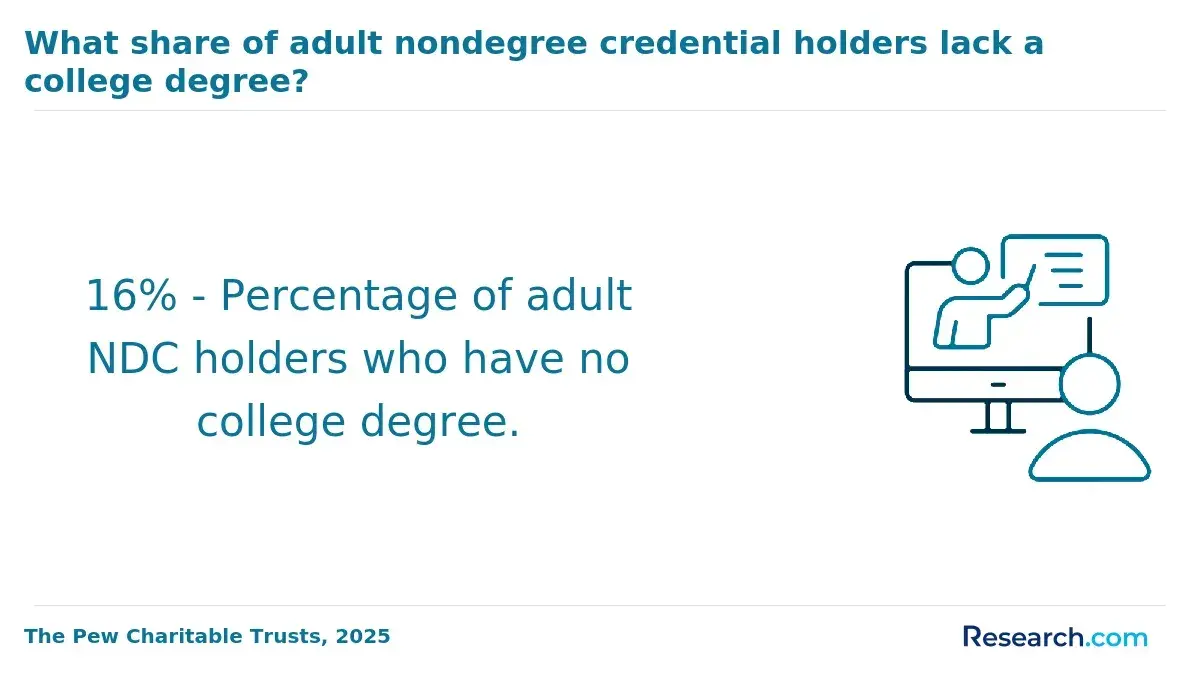
What Transferable Skills Does a Educational Policy Degree Provide for Career Changers?
Analytical Thinking: Programs in educational policy sharpen the ability to critically assess complex systems and data sets, a skill highly transferable to market research roles where consumer trends must be interpreted, and consulting positions that require organizational problem-solving.
Qualitative and Quantitative Research: Graduates acquire expertise in designing studies, collecting data, and conducting analyses, which applies to user experience research focused on human behavior and to policy research roles that depend on evidence-based recommendations.
Effective Communication: Mastery in articulating nuanced concepts clearly-both in oral and written form-is essential within educational policy and translates well to corporate communications and nonprofit advocacy, where influencing diverse audiences is key.
Project Management: Coordinating multifaceted policy initiatives cultivates skills invaluable in healthcare program management and event planning in corporate environments through managing timelines, resources, and stakeholder engagement.
Stakeholder Engagement and Collaboration: The capacity to negotiate and build consensus among diverse groups supports client management in consulting firms and community outreach efforts within public health sectors.
Policy Analysis and Development: Understanding legislative processes equips graduates for roles in regulatory affairs and government agencies focused on drafting and evaluating policies.
Data Literacy and Interpretation: Competency in deciphering educational data prepares professionals for business intelligence and finance analytics positions.
Cultural Competence and Ethical Reasoning: Emphasis on equity and ethics readies graduates for leadership in diversity management and corporate social responsibility initiatives.
Career changers are encouraged to inventory these transferable skills by reflecting on academic projects and internships, mapping them to job requirements in potential pivot fields. Since hiring managers rarely infer these connections, intentionally framing experiences in industry-relevant terms enhances employability. Developing this competency-translation ability is vital-upcoming sections will focus on strategies for resume refocusing and effective networking to communicate this value convincingly.
A professional with an educational policy degree shared how initial uncertainty about applying his skills beyond education gave way to clarity once he methodically linked coursework on research methods with roles in user experience and market analysis. He recalled, "It was daunting to showcase how my academic projects mattered outside academia-I had to practice explaining them in language recruiters recognized." He emphasized that recognizing the versatility of his training and learning to articulate it effectively transformed his job search, turning abstract skills into tangible career opportunities.
Credential Translation: Employers outside education policy often struggle to interpret the practical relevance of an educational policy degree. This challenge is known as credential translation-the process where hiring managers link academic skills and knowledge to specific job needs. Graduates enhance this by crafting resumes that emphasize skills like data analysis and policy evaluation, choosing portfolio work that shows real-world impact, and writing cover letters that directly connect their studies to employer priorities, bridging understanding gaps during hiring.
Degree Type and Institutional Prestige: According to SHRM and NACE data, while degree types influence hiring, employers primarily prioritize proven skills and relevant experience across industries. Graduates from prestigious institutions may gain easier access to large organizations, but smaller employers often weigh adaptability and practical abilities more heavily. GPA matters mainly for recent graduates rather than experienced candidates.
Implicit Bias in Cross-Disciplinary Hiring: Some hiring managers may default to candidates from traditional fields, sidelining educational policy credentials for roles in sectors like business or healthcare. Graduates should counteract this by researching employer openness through LinkedIn alumni and recruitment insights and highlighting transferable skills and certifications. Focusing on tangible achievements rather than relying solely on academic credentials helps overcome passive screening biases.
Organizational Size and Hiring Practices: Larger companies tend to use formal keyword-based screenings emphasizing degree matches, whereas smaller firms favor interviews and portfolios. Therefore, tailoring application materials to each employer's approach is critical for successful hiring outcomes in fields assessing how employers assess educational policy degrees.
Strategic Employer Targeting: New professionals should prioritize companies with histories of cross-disciplinary hiring-discoverable via LinkedIn alumni searches and employee spotlights-to improve credential evaluation odds. Building early evidence of cross-sector skills before broadening job pursuits supports effective career pivots. For further exploration of flexible education options, consider investigating accredited online universities.
Career changers with a degree in educational policy often find entry points across several functional areas where their skills translate effectively. These positions emphasize analytical ability, communication, data management, operations, and program coordination-each benefiting from the interdisciplinary training the degree provides.
- Policy Analyst:
- Involves evaluating and interpreting education laws, preparing detailed reports, and advising stakeholders on policy impacts.
- Essential skills include critical analysis, data interpretation, and clear synthesis of complex information.
- Usually reports to senior advisors or government education officials.
- Background in policy processes and quantitative methods sharpens understanding of legislative environments and program evaluations.
- Data Coordinator:
- Manages collection, validation, and organization of education datasets to support decision-making.
- Proficiency with statistical tools, attention to detail, and database management are key.
- Typically reports to data managers or institutional researchers.
- Training in educational statistics enhances ability to handle nuanced data specific to the education sector.
- Communications Specialist:
- Crafts messaging for diverse audiences through reports, newsletters, and digital platforms within education and advocacy organizations.
- Strong writing, interpersonal skills, and policy knowledge enable targeted, credible communication.
- Reports to communications directors or outreach coordinators.
- Knowledge of educational debates allows more persuasive and informed stakeholder engagement.
- Program Coordinator:
- Facilitates planning and oversight of education initiatives, connecting schools, funders, and government entities.
- Project management and navigating stakeholder priorities are pivotal competencies.
- Reports to program managers or senior leadership.
- Familiarity with education policies and program evaluation supports alignment with strategic goals.
- Operations Assistant:
- Supports administrative, logistical, and budget tasks within educational departments or nonprofits.
- Competencies include organizational skill, professionalism, and basic financial understanding.
- Reports to operations managers or administrative leaders.
- Understanding educational contexts boosts workflow efficiency and goal alignment.
Data from career progression studies illustrate that educational policy graduates typically advance from entry-level to mid-level positions within four to six years-often faster than peers without specialized training. Their analytical expertise, familiarity with educational systems, and internships accelerate this trajectory, reducing the "starting over" anxiety common among career switchers.
Career pivoters should evaluate roles based on how well their skills match requirements, sector-specific salary ranges, reported progression timelines, and whether the role contributes to their long-term goals. Choosing positions that build on existing strengths and have clear advancement pathways ensures the role is a strategic step forward rather than a fallback.
Reflecting on her own journey, a professional with an educational policy degree shared how initial uncertainty about switching fields gave way to confidence after securing a data coordinator position. Although she faced the challenge of adapting to technical software and new reporting structures, her previous training in statistics and policy interpretation proved invaluable. She emphasized that internships provided practical experience that employers highly valued, helping her bypass typical entry-level hurdles. For her, the key was deliberate role selection and focusing on competencies the job sought rather than trying to fit a generic "education" profile.
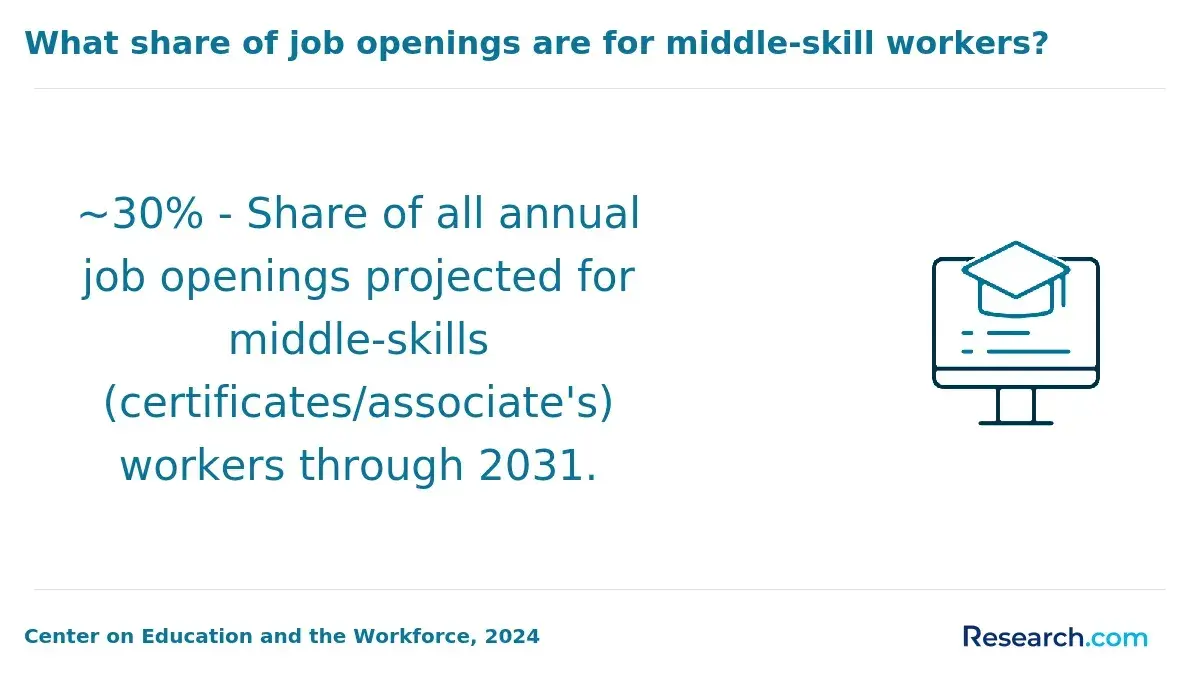
Graduates with an educational policy degree exploring alternative career paths often find compensation varies widely beyond traditional education or public administration roles. Early-career salaries in standard educational policy positions typically range from $50,000 to $65,000, with mid-career pay reaching close to $80,000. In contrast, moving into sectors like financial services, management consulting, or technology generally yields substantially higher income due to factors such as industry profitability, role complexity, and demand for analytical expertise.
- Management Consulting: Offers early-career salaries between $85,000 and $100,000 and mid-career earnings exceeding $150,000. Compensation usually includes a base salary, sizable performance bonuses, and profit-sharing opportunities-reflecting the high-margin, advisory nature of the work.
- Financial Services: Early-career pay ranges from $75,000 to $95,000, with mid-career salaries surpassing $140,000. This sector frequently supplements income with equity, bonuses, and robust benefits, all driven by complex regulatory environments requiring policy expertise.
- Enterprise Technology and Analytics: Graduates with data science or product management skills can command starting salaries above $80,000, growing to $130,000 or more at mid-career. Equity awards and flexible remote work options enhance the overall compensation package amid rapid industry growth.
- High-Growth Startups: While initial base salaries may be modest-around $60,000 to $75,000-equity stakes provide potential for significant long-term wealth. Compensation packages vary widely depending on company stage, demanding a tolerance for volatility.
- Public Sector and Nonprofit Roles: Typically offering lower salaries-$45,000 to $55,000 early-career-these positions emphasize stable benefits and mission alignment but feature slower salary progression due to constrained budgets.
Compensation differences primarily stem from industry economics and value creation. High-margin sectors convert specialized knowledge into lucrative advisory or technology services, while government and nonprofits focus on social impact rather than profit. Therefore, evaluating total compensation-including bonuses, equity, retirement, healthcare, and professional development allowances-is crucial for an accurate comparison.
Moreover, career pivots toward high-paying industries often require investment in credentials and extensive networking. Candidates should realistically balance the time and financial costs of preparation against anticipated salary gains to devise a sustainable transition strategy.
Professionals with an educational policy background bring analytical skills, program evaluation expertise, and a nuanced understanding of systemic change-assets increasingly sought in several expanding sectors. Data from the Bureau of Labor Statistics, LinkedIn Emerging Jobs reports, and the World Economic Forum reveal specific industries where these competencies align with rising employment demand.
- EdTech: Driven by rapid digital learning adoption, EdTech companies seek experts who meld educational theory with policy insight to shape scalable, regulation-compliant tools accommodating diverse learners.
- Health Services and Health Policy: Growth in healthcare delivery and public health programs fuels need for policy analysts to guide compliance, program design, and outcome measurement-roles well suited to educational policy professionals skilled in evaluation and navigating regulatory landscapes.
- Workforce Development and Adult Education: Economic shifts elevate demand for upskilling initiatives targeting displaced or adult learners. Professionals familiar with educational frameworks can lead development, assessment, and policy-aligned improvements, particularly within government or nonprofit employment agencies.
- Data Analytics and Social Research: Increasing reliance on data-driven policy decisions in social services opens paths for those adept at interpreting complex data, conducting impact assessments, and advising strategic planning.
- Government and Public Administration: Investments in policy innovation by local, state, and federal agencies create roles for graduates to craft policies, manage education programs, and ensure compliance in diverse public contexts.
- Nonprofit and International Development: Expanding global education and NGO efforts require professionals versed in policy contexts to coordinate stakeholder engagement, monitor programs, and ensure funding accountability.
Targeting employers in these sectors-often startups, government pilot initiatives, or mission-driven organizations-can smooth career transitions. Such employers value adaptability and demonstrated skills over rigid credentialing, providing accessible entry points for career pivoters. Integrating this sector focus into a job search strategy that balances volume, fit, and compensation is vital, especially as high-growth industries may bring volatility that candidates should weigh alongside personal risk tolerance.
Graduate certificates offer a strategic, cost-effective path for educational policy degree holders to pivot careers without committing to additional full degree programs. According to the National Center for Education Statistics (NCES), these certificates usually require 12 to 18 credit hours and can be completed within 6 to 12 months-significantly less time than typical master's programs. Tuition costs for certificates are also markedly lower, often 30 to 50 percent less than degrees, which makes them attractive for mid-career professionals seeking new skills quickly. This approach supports graduate certificate benefits for educational policy degree holders aiming to build credentials aligned with evolving job markets.
Career Signal Value: While graduate certificates do not fully replace the weight of degrees, research from the American Council on Education indicates increasing employer recognition for certificates as validated skills evidence. Categories commonly pursued by career-pivoting educational policy graduates include data analytics, project management, nonprofit management, UX research, and public health. Labor market studies suggest these certificates can yield 5 to 15 percent salary increases in related fields, reflecting positive labor market returns. Hiring managers in education and public sectors favor certificates with strong accreditation and alumni networks, underscoring the importance of program quality.
Program Selection: Not all certificates provide equal value-credential inflation is a concern that requires careful evaluation. Prospective students should prioritize accreditation, employer recognition, graduate outcomes, and cost-benefit balance. Certificates from reputable institutions or industry-endorsed programs carry more weight in competitive fields and support career pivots more effectively.
Timing for Credential Acquisition: Strategic integration of certificates into career pivots varies:
- Before Applying: To address skill gaps or remove credential barriers.
- During Applications: To demonstrate ongoing commitment to specialization.
- After Landing a Role: For professional development and career advancement.
Graduate certificates complement broader career strategies and facilitate career flexibility for educational policy graduates. For those considering a pivot towards leadership roles or specialized industry niches, blending certificates with traditional credentials-such as pursuing MBA operations management online options-can further enhance career prospects. A 2023 survey found that 62% of professionals who earned graduate certificates saw improved job outcomes within a year, highlighting their growing relevance in career transitions.
Professional certifications differ significantly from academic credentials. While academic degrees demonstrate foundational knowledge obtained through formal study, professional certifications act as labor market signals-particularly crucial for validating a career pivot for educational policy degree holders moving into less familiar fields. These certifications endorse practical, industry-recognized skills, giving employers confidence in candidates who may lack direct experience in the new domain. Certifications provide a meaningful competitive advantage when they align closely with employer expectations in the pivoted role; otherwise, unrelated credentials often have negligible impact on hiring decisions.
Common professional certifications relevant to educational policy graduates seeking adjacent sector roles include:
- Project Management Professional (PMP): Requires 35 hours of project management education and 4,500-7,500 hours of experience; preparation typically takes 3-6 months; cost is around $555. Valued for program coordination and leadership jobs across nonprofits, government, and private sectors.
- Certified Analytics Professional (CAP): Requires a bachelor's degree plus 5 years of analytics experience; exam prep spans 3-4 months; fee about $495. Ideal for policy evaluation, education research, and strategy roles requiring data analysis.
- SHRM Certified Professional (SHRM-CP): Focused on human resources and organizational development; needs a combination of education and experience; exam prep takes 2-4 months; cost roughly $300-$400. Suitable for pivots into HR, talent management, and organizational strategy.
- Salesforce Administrator: No formal prerequisites but Salesforce training recommended; prep averages 1-3 months; exam fee near $200. Important for managing CRM systems in education technology and nonprofit settings.
- Certified Educational Planner (CEP): Requires a master's degree and related experience; preparation time and cost vary. Relevant to educational consulting and counseling careers.
To evaluate the relevance of certifications and ensure return on investment, scan job postings for your target pivot role to identify frequently requested credentials. Reviewing LinkedIn profiles of successful professionals in your intended field and conducting informational interviews can reveal which certifications employers truly value. Integrating certification pursuit strategically within a career pivot timeline is vital. Mentioning in-progress certifications on your resume-with phrases like "anticipated completion" or "candidate for"-signals active professional development and dedication, enhancing your credibility before official credentialing.
Educational policy degree holders exploring credential strategies might also consider exploring 4 6 week certification programs online to efficiently build relevant skills.
Professional certifications for educational policy career pivots represent a focused approach to validating career change with educational policy credentials and maximizing the flexibility of your degree in high-growth and accessible pivot roles.
Freelance and contract work serves as a powerful catalyst for educational policy degree holders seeking career pivots-offering flexibility and real-world experience in burgeoning gig sectors. Recent labor market analysis reveals over 36% of the U.S. workforce participates in freelance roles, underscoring this strategy's growing effectiveness for professional transitions.
Accessible freelance roles for early-stage pivots encompass a range of functions that build relevant expertise and tangible outputs:
- Content Development: Producing educational resources, policy briefs, and synthesized research demonstrates mastery of subject matter and communication skills.
- Research and Data Analysis: Contract assignments involving surveys, data collection, and impact assessments refine analytical capabilities and yield metrics valuable for career portfolios.
- Virtual Assistance: Supporting education-related organizations with administrative tasks enhances project management and secures professional endorsements.
- Communications Consulting: Designing messaging strategies and managing digital engagement highlights strategic aptitude and adaptability.
- Project Coordination: Overseeing freelance deliverables and timelines illustrates organizational strengths sought by prospective employers.
Launching a freelance pivot demands deliberate platform choice-targeting established marketplaces with education and policy clientele maximizes opportunity. Service packaging should highlight transferable skills, bundling offerings like research synthesis with policy evaluation. New freelancers often adopt competitive, below-market rates to gain initial projects and positive feedback.
Positioning an educational policy degree involves promoting expertise in research methodologies, policy analysis, and sector nuances-traits that differentiate candidates in competitive freelance spaces. Translating completed projects into portfolio elements requires thorough documentation of outcomes, client testimonials, and quantifiable impacts to resonate strongly with hiring managers.
The freelance-first path is ideal for those with financial stability and tolerance for uncertainty, though sectors like government or regulated industries may limit freelance openings. For candidates with sufficient runway, engaging in freelance work accelerates cross-sector credibility and shortens the timeline to secure full-time roles aligned with new ambitions.
Intentional networking is vital for Educational Policy graduates shifting careers-especially since they often start without established contacts in their new fields. Research from Harvard Business Review, MIT Sloan Management Review, and labor market sociology highlights the power of "weak ties," or casual acquaintances, to uncover hidden job opportunities, and the crucial role of referral hiring in securing positions.
- Alumni Network Activation: Identify Educational Policy alumni who have moved into your target industry and reach out with personalized messages that reference your shared background. This builds immediate trust and opens doors to advice and referrals.
- Professional Association Entry: Join relevant organizations to connect with industry practitioners and participate in conferences or webinars. Prepare insightful questions and emphasize your Educational Policy foundation to stand out.
- Informational Interview Campaigns: Request 15-20 minute conversations with professionals in roles you aspire to. Use clear, courteous scripts like, "I'm an Educational Policy graduate exploring X field and would appreciate 15 minutes to learn about your experience" to reduce apprehension and encourage positive responses.
- LinkedIn Strategic Connection-Building: Send personalized connection requests highlighting common interests, then nurture relationships by sharing relevant content and engaging authentically-avoiding overt self-promotion.
- Community of Practice Engagement: Participate actively in online forums, special interest groups, or volunteer projects related to your target sector. These low-pressure settings foster learning and relationship growth.
Common networking fears-imposter syndrome, worry about rejection, uncertainty in conversations, and unease with self-promotion-can be eased with prepared language templates for outreach and event introductions that normalize vulnerability while promoting authenticity. Establishing a consistent weekly networking schedule that includes dedicated time, clear outreach goals, and relationship tracking transforms networking from a reactive task into a proactive career habit. Notably, over 70% of jobs are obtained through networking and referrals, underscoring the strategic necessity of these approaches for successful career pivots.
What Graduates Say About the Best Career Pivot Options for People With a Educational Policy Degree
- Grant: "When I graduated with my educational policy degree, I realized that transferable competencies like data analysis and policy evaluation opened doors far beyond traditional roles. Entry-level positions in nonprofit program coordination proved accessible and valuable for building my expertise-especially within high-growth sectors such as edtech and community development. My advice: focus on credential strategies that enhance your analytical skills to remain competitive in evolving job markets."
- Harlan: "Reflecting on my career pivot, I found that thoughtful resume reframing was essential in highlighting my experience with educational policy research to potential employers in government agencies. Networking approaches-particularly attending policy forums and joining professional associations-became crucial for uncovering hidden opportunities. Long-term, this pathway set me up for leadership roles in public administration with a meaningful impact on education reform."
- Archer: "My journey after studying educational policy has been both challenging and rewarding-especially by targeting accessible entry-level roles like education program analyst and policy assistant. Developing a strong network through conferences and mentorship accelerated my growth in high-demand sectors such as higher education and public policy. I also emphasize the importance of lifelong learning and credential strategies to sustain career momentum and adaptability."
Other Things You Should Know About Educational Policy Degrees
Educational policy graduates should emphasize transferable skills such as data analysis, policy evaluation, and stakeholder communication when reframing their resumes. Highlighting experience with research methodologies and familiarity with legislative processes can appeal to employers outside traditional education sectors. Tailoring the resume to fit the language and requirements of the target industry-whether nonprofit, governmental, or corporate-strengthens a candidate's profile during a pivot.
Graduate programs-such as a Master of Public Administration, MBA, or specialized policy certificates-offer educational policy holders structured opportunities to gain sector-specific knowledge. These programs often provide practical training, internships, and networking opportunities that solidify new career paths. Formal credentials from such institutions can validate a candidate's commitment to their pivot and attract employers seeking expertise beyond an initial degree.
The Certified Nonprofit Professional (CNP) credential and the Certified Fund Raising Executive (CFRE) are the most relevant certifications. CNP programs usually require completion of several training modules, while CFRE candidates need documented fundraising experience, education, and a passing score on the CFRE exam.
- 7 High-Paying Jobs In The Field Of Education Besides Teaching https://asiancollegeofteachers.com/blogs/1864-7-High-Paying-Jobs-In-The-Field-Of-Education-Besides-Teaching-blog.php
- 5 Ways a Graduate Certificate in Education Keeps Your Career Moving https://www.acer.org/my/news/article/5-ways-a-graduate-certificate-of-education-keeps-your-career-moving
- Cancel reply https://qatardebate.org/qatardebate-journal/skills-vs-degree/
- Why is Educational Background Important in Hiring? - ADC LTD NM https://adcltdnm.com/why-is-educational-background-important-in-hiring/
- Beyond the Blackboard: Where Else Can Teachers Work? - Mount Kenya University http://mku.ac.ke/beyond-the-blackboard-where-else-can-teachers-work/
- Elevate Your Career By Effective Networking Strategy for Students https://www.mywestford.com/blog/networking-strategies-for-bachelor-students-building-connections-early/
- Do Employers Care About Educational Background? - The European Financial Review https://www.europeanfinancialreview.com/do-employers-care-about-educational-background/
- 6 Networking Tips for Students and New Graduates https://www.shrm.org/topics-tools/news/organizational-employee-development/networking-tips-for-students-new-grads
- Which Education Jobs Are Growing the Fastest? Mostly Non-Classroom Roles. - EdSurge News https://www.edsurge.com/news/2026-03-26-which-education-jobs-are-growing-the-fastest-mostly-non-classroom-roles
- Pivoting to Higher Education: Utilizing Your Transferable Skills https://www.naspa.org/blog/pivoting-to-higher-education-utilizing-your-transferable-skills