2027 Which Educational Policy Degree Careers Have the Highest Barriers to Entry?
Audited and Verified:
Our Editorial and Data Verification Process
Research.com uses government datasets, official education statistics and primary institutional information to support its career and degree guides. Our review process checks factual accuracy, occupational definitions, source dates and the requirements associated with the credentials discussed.
How This Article Was Fact-Checked
Our editorial team verifies salary estimates, employment projections, education requirements and program information against original data providers and official organizations. Salary figures are checked against the relevant occupational definitions and reporting periods. Information about licensure, accreditation and required in-person training is reviewed separately.
Fact-checked and verified on:

Co-Founder and Chief Data Scientist
Many recent graduates aiming for careers in educational policy face daunting credential and experience demands. For example, roles such as senior policy analysts often require at least a master's degree plus five years of specialized experience, which only 30% of applicants possess. Meanwhile, certifications and security clearances further narrow the pool. This intensifying rigor creates significant entry barriers for new professionals in the field, limiting access to high-impact positions. Understanding which educational policy degree careers have the highest hurdles-and the specific qualifications that raise these thresholds-can help aspiring experts strategically navigate their career planning.
Key Things to Know About Educational Policy Careers With the Highest Barriers to Entry
- Extensive education, often including doctoral degrees, is required for top roles, with 75% of senior educational policy positions demanding a PhD or equivalent.
- Highly competitive hiring practices emphasize research publications and leadership experience, narrowing candidate pools significantly.
- Strict credentialing involves both advanced degrees and years of relevant policy or administrative experience, limiting entry to those with significant background.
Which Educational Policy Careers Are Hardest to Get Into?
Certain careers in educational policy stand out for their high barriers to entry, often due to intense competition and scarce available positions. Some roles experience applicant-to-position ratios exceeding 50:1, highlighting their selectivity. These challenges underscore why such careers are consistently among the top educational policy jobs with toughest entry requirements.
Below are several careers widely viewed as difficult to enter due to these factors.
- Federal Educational Policy Advisor: These positions attract a large pool of candidates but offer very limited openings. The high prestige associated with these advisory roles makes the selection process extremely competitive and selective.
- National Think Tank Policy Analyst: Major education think tanks maintain rigorous recruitment standards, admitting only a few qualified analysts at a time. The combination of limited vacancies and high applicant interest raises entry barriers significantly.
- State Educational Policy Director: With only a handful of roles available, these state-level director positions see fierce competition. Their influence on public education heightens demand, making securing such posts quite challenging.
- Government Legislative Liaison: Legislative liaisons within government agencies face selective hiring due to specialized responsibilities. The steady interest from educational policy graduates further intensifies this competitiveness.
- Nonprofit Education Reform Leader: Leadership roles in the nonprofit sector related to education reform are scarce and heavily contested. Despite the nonprofit sector's breadth, these particular leadership positions remain difficult to attain.
Prospective students exploring career options might also consider intersecting fields, and those interested in furthering their expertise through technology may look into degrees in AI online as complementary to educational policy studies.
What Academic Requirements Make Educational Policy Careers Harder to Enter?
Academic requirements often present substantial barriers to entering careers in educational policy, especially when roles demand prolonged study or particular expertise. Many senior positions expect candidates to hold advanced degrees, which can delay workforce entry and increase costs. For example, around 60% of leadership roles in educational policy require a master's degree or higher, underscoring the profession's reliance on extensive academic preparation.
Below are key academic challenges that make access to educational policy careers more difficult:
- Advanced Degrees: Numerous roles in educational policy necessitate a master's or doctoral degree. These programs usually take several years of full-time study, which can extend financial and time commitments significantly.
- Specialized Coursework: Candidates must often master complex topics such as public administration, economics of education, and policy analysis. Such specialized subjects demand strong foundational knowledge and can be a significant hurdle for students lacking prior experience.
- Research Proficiency: Extensive training in research methods and data analysis is frequently required. Many programs expect students to complete rigorous thesis projects or significant research, adding to the academic burden.
- Interdisciplinary Knowledge: Success in this field requires understanding diverse areas like law, sociology, and political science. This breadth of study often lengthens academic programs and complicates curriculum planning.
- Extended Study Timelines: Beyond degree length, some academic paths include additional preparatory courses or part-time schedules that can prolong time to credential completion and delay career entry.
These academic demands shape who can realistically pursue careers in educational policy by increasing both the cost and time needed to qualify for these roles.
What Certifications Are Required for Educational Policy Careers?
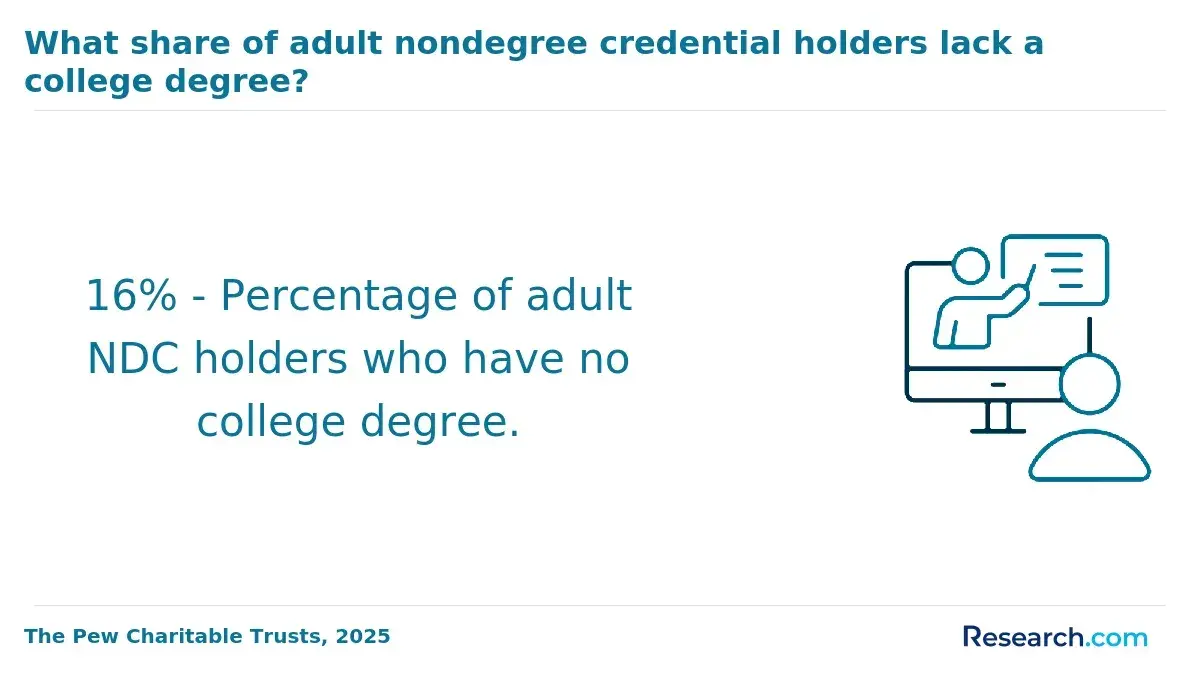
Certifications often act as essential prerequisites in certain educational policy careers, serving as mandatory credentials that validate expertise and authorize professional practice. These credentials help ensure that individuals have met established standards before influencing educational systems or policies. Notably, around 68% of hiring managers in roles related to educational policy consider certification or licensing a fundamental hiring criterion.
Several certifications commonly establish formal entry barriers in the field, including:
- Certified Educational Planner (CEP): This certification is awarded to professionals who specialize in designing and advising educational programs. Earning it requires passing a comprehensive exam that tests knowledge in education planning and policy analysis, reinforcing professional competency.
- Certified Policy Analyst (CPA): Focused on policy evaluation and research methods, this credential certifies an individual's ability to assess educational impact effectively. It is frequently required for positions within government agencies or nonprofit organizations.
- Teaching Licenses: National or state-issued teaching licenses, while primarily for classroom instruction, are often mandatory for some policy roles that demand direct instructional experience or insight into teaching environments.
- Project Management Professional (PMP): Although not exclusive to educational policy, this certification is valuable for managing complex policy initiatives and overseeing federally funded projects, marking a high level of organizational and leadership skill.
An educational policy degree graduate I spoke with shared that obtaining these certifications felt like navigating a challenging gatekeeping system. They explained, "The certification exams tested not only knowledge but practical understanding in ways I hadn't fully anticipated. It was overwhelming at times, especially balancing study with work." This process, they noted, reinforced their sense of professionalism but also highlighted how these credentials serve as significant hurdles for new entrants trying to establish themselves in the field.
Experience requirements significantly shape competitiveness in educational policy careers across the United States. Employers rely on experience thresholds to streamline applicant pools and ensure candidates possess the practical background needed for varying levels of responsibility. These benchmarks create clear distinctions between career stages, influencing job accessibility.
Below are common experience levels found in competitive educational policy roles:
- Entry Level: Typically designed for those with minimal or no prior work experience, these positions often target recent graduates or newcomers. The focus is on foundational learning and skill development within the field.
- Early Career: Positions at this stage usually require about one to three years of relevant experience. Candidates are expected to handle routine tasks independently, including data analysis, policy research, or program support.
- Mid Level: Generally demanding three to seven years of professional experience, these roles involve managing projects and delivering substantive policy insights. Greater specialization and demonstrated outcomes become more important.
- Senior Level: Candidates often need seven to ten or more years of experience with responsibilities that include strategic planning, leadership, and influencing policy direction. Advanced expertise is essential.
Many aspiring professionals also consult resources like online psychology master's programs to understand educational pathways that complement these experience requirements.
Careers with high barriers in educational policy demand a combination of advanced and specialized abilities, making these positions exceptionally selective. A 2023 survey reveals that more than 70% of employers in this field require clear evidence of expertise in critical competencies before considering applicants.
Key skills that contribute to these rigorous entry standards include:
- Analytical Thinking: Mastering the interpretation of complex data and policy texts is vital. This skill allows professionals to critically assess systems and recommend impactful reforms, adding to the intellectual demands of the role.
- Policy Evaluation: The capacity to examine existing policies and predict effects of proposed changes ensures decisions are evidence-driven. This expertise requires deep conceptual insight, making it a challenging skill to acquire.
- Research Mastery: Conducting detailed qualitative and quantitative research underpins sound policy advice. Precision in methodology sets a high competence threshold for newcomers.
- Communication Skills: Effectively conveying intricate policy issues to diverse audiences, including lawmakers, demands clarity and persuasion. The ability to simplify complex information increases selectivity.
- Strategic Foresight: Anticipating long-term outcomes and navigating political landscapes require advanced planning abilities. This foresight is difficult to develop but essential for success in the field.
A professional holding a degree in Educational Policy shared how the combination of these skills felt overwhelming initially. She remarked, "It wasn't just knowing the content; it was about weaving data, policy impacts, and communication into a coherent narrative." She described moments when synthesizing complex research into clear presentations challenged her deeply, yet those experiences ultimately strengthened her confidence. Reflecting back, she emphasized how the interplay of these demanding skills prepared her to handle the multifaceted nature of high-level policy work with more resilience and insight than she had expected.
Barriers to entering careers in educational policy differ widely based on the industry involved. Certain sectors impose stricter entry requirements due to their complex environments, regulatory constraints, or the need for broad stakeholder coordination. These factors shape how challenging it can be to begin a career in various parts of the field.
The following industries are recognized for having some of the highest obstacles to entry:
- Government and Public Administration: This area often requires working within elaborate bureaucratic systems and complying with rigorous legislative and accountability standards. The necessity to align policies with public mandates and extensive regulations heightens entry difficulty.
- International Organizations and NGOs: Engaging in educational policy at a global or nonprofit level demands familiarity with international regulations and the ability to navigate diverse cultural and political landscapes. This international scope and emphasis on diplomacy raise entry barriers.
- Higher Education Administration: Careers here involve managing institutional governance and accreditation, where policies affect complex organizations with multiple stakeholders. These governance challenges increase the threshold for entry.
- Educational Research Institutions: Focused on producing credible, evidence-based policy recommendations, these institutions enforce strict standards for research quality and relevance. Such stringent methodological demands contribute to higher entry requirements.
- Private Sector and Consulting Firms: Operating in competitive markets, these firms require balancing varied client needs with specialized strategic insights. This competitive environment and demand for expertise result in tougher entry conditions.
Each of these sectors demands a deep understanding of unique structural challenges, making them more restrictive and complex compared to other educational policy career paths.
Geographic location plays a crucial role in shaping the barriers to entry for careers in educational policy. Various states and regions enforce distinct regulatory and workforce standards that influence how accessible these roles are. These differences can impact both the initial qualifications required and the professional expectations facing candidates.
Research shows that around 35% of states impose additional specialized certifications or clearances for educational administrators, highlighting significant regional variation in entry requirements.
The following regional factors contribute to stricter entry standards in educational policy careers:
- Licensing Variability: States often have unique licensing and credentialing mandates that raise the threshold for employment in educational policy positions, making it harder for candidates to qualify when moving across regions.
- Regulatory Differences: State education agencies maintain various regulations that affect hiring processes and professional qualifications, leading to inconsistent standards nationwide.
- Urban vs. Rural Demand: Urban areas typically feature more competitive job markets and higher entry requirements due to institutional expectations, whereas rural regions may adjust standards to balance accessibility with local workforce needs.
- Funding and Governance: Regional funding levels and governance structures in education institutions influence regulatory rigor, affecting how demanding the entry criteria are for policy professionals.
- Policy Priorities: State-level emphasis on education policies can lead to differing procedural hurdles related to compliance and continuous professional development within the field.
Such geographic and regulatory disparities require educational policy professionals to navigate complex, location-dependent requirements that shape career accessibility and advancement.
Competitiveness in the hiring process for educational policy careers is influenced by a high volume of applicants, limited role availability, and strict employer selectivity. Typically, the number of candidates far exceeds open positions, with some educational policy roles attracting upwards of 30 applications per vacancy, reflecting the intense demand for these jobs. Employers carefully evaluate applicants to ensure the best fit with organizational goals and complex policy challenges. This dynamic creates a highly competitive environment for prospective professionals pursuing careers in this field, highlighting the hiring challenges and employer expectations that candidates face.
This heightened competition results in varying selection intensity depending on the position. Prestigious research institutions and influential government agencies often exhibit very low acceptance rates, underscoring the selective nature of these roles. Less competitive positions still require strong qualifications due to the specialized demands of educational policy work. For students considering pathways with significant barriers to entry, understanding this variability in competition can help clarify the hiring landscape and emphasize why pursuing a cyber security online degree cost or other rigorous qualifications may be important in similarly competitive fields.
Certain organizations within educational policy fields are known for their high selectivity, tasked with choosing from a large pool of qualified applicants despite limited job openings. These employers often uphold the most rigorous hiring standards, reflecting strong employer reputations and the competitive nature of the sector. Research highlights that some positions in top educational policy organizations receive over 500 applications, with acceptance rates sometimes below 5%.
The following categories represent the most challenging employers to gain entry into:
- Large Governmental Agencies: These agencies influence education policies at national or regional levels, leading to fierce competition as many applicants vie for relatively few roles under strict hiring protocols.
- Elite Think Tanks: Known for driving educational reforms, these organizations require candidates to demonstrate exceptional expertise and accomplishments, maintaining highly selective recruitment practices.
- Major Philanthropic Foundations: Foundations with significant impact on education funding seek professionals with distinctive policy insights and strategic capabilities, contributing to their demanding selection processes.
- International Organizations: With broad global mandates, these groups attract worldwide applicants and set some of the highest standards due to the critical importance of their work.
Prospective students interested in educational policy careers with high barriers to entry may consider complementing their academic pursuits with short certificate programs that pay well to enhance their competitiveness.
Understanding educational policy employer competitiveness in these top organizations can better prepare aspirants for the demanding application processes ahead.
Careers within educational policy that have higher entry barriers often correlate with increased salaries, reflecting the greater responsibilities these positions entail. For instance, senior education administrators earn median wages about 40% higher than entry-level policy assistants, illustrating a broad trend where more demanding roles provide greater financial rewards. This pattern suggests that in many cases, the difficulty of entry aligns with higher compensation, particularly in advanced positions. Exploring such roles helps clarify whether difficult educational policy careers lead to higher salaries and greater financial rewards.
However, this correlation is not uniform across all educational policy paths. Some specialized roles requiring niche expertise or stringent certifications may offer salaries closer to mid-range levels, influenced by budget constraints or government pay scales. Conversely, less rigorous positions might still allow significant salary growth through experience or leadership opportunities. For those seeking to enhance their qualifications quickly, 6 week courses with certificates can provide an expedient route into certain educational policy roles, demonstrating that the correlation between challenging educational policy professions and salary growth opportunities can vary widely.
What Graduates Say About Educational Policy Careers With the Highest Barriers to Entry
- Grant: "Pursuing an educational policy degree was a deliberate choice despite the intense competition and complex credential requirements in the field. I focused on gaining real-world experience through internships and networking, which proved invaluable for standing out. Today, my degree directly influences my ability to advocate for equitable reform in educational systems, which feels truly rewarding."
- Harlan: "Entering a high-barrier career with an educational policy background required me to be strategic about skill-building and advanced studies. Reflecting on my journey, committing to continuous learning and developing a strong understanding of policy analytics were game changers. This degree opened doors to policymaking roles I once thought inaccessible, shaping my professional trajectory profoundly."
- Archer: "Choosing educational policy was daunting considering the rigorous qualifications and competitive market, but I was driven by a desire to contribute meaningfully to education reform. Taking extra certifications and participating in policy forums improved my chances in this tough sector. The impact of my education policy degree has been evident in my ability to craft solutions that influence educational equity on a broader scale."
Other Things You Should Know About Educational Policy Degrees
Most federal education policy analyst jobs require at least a bachelor’s degree, and many prefer a master’s in public policy, education policy, economics, or public administration. Competitive candidates also show 3 to 5 years of research, legislative, or agency experience, plus strong writing and data-analysis skills.
Internships and hands-on experience are crucial for gaining insight into complex educational policy environments, especially in careers with rigorous entry requirements. They provide practical understanding of policymaking, stakeholder engagement, and data analysis, which are often not fully covered in academic programs. These experiences can also build valuable professional networks that aid in career advancement.
Yes, professionals in high-barrier educational policy careers frequently face ethical dilemmas related to equity, confidentiality, and resource allocation. They must balance competing interests of diverse groups while ensuring fair policies and maintaining transparency. Strong ethical standards are essential for sustaining public trust and upholding the integrity of education systems.
- Why Millions Are Locked Out of Quality Education. https://isbss-edu.org/fr/the-state-of-the-crisis-why-millions-are-locked-out-of-quality-education/
- K-12 Work-Based Learning Opportunities: A 50-State Scan of 2023 Legislative Action - Center for American Progress https://www.americanprogress.org/article/k-12-work-based-learning-opportunities-a-50-state-scan-of-2023-legislative-action/
- Shifting Skills: Labor Shortages Drive State Changes to Education, Employment Requirements - The Council of State Governments https://www.csg.org/2023/07/07/shifting-skills-labor-shortages-drive-state-changes-to-education-employment-requirements/
- Addressing the Teacher Shortage: What States Can Do https://learningpolicyinstitute.org/product/teacher-shortage-what-states-can-do-factsheet
- States are leading the effort to remove degree requirements from government jobs | Brookings https://www.brookings.edu/articles/states-are-leading-the-effort-to-remove-degree-requirements-from-government-jobs/
- Education Policy & Planning: Professional Certificate https://www.lsib.lk/Home/CourseDetail
- A Career in Policy: 4 Transferable Skills Gained While Leading a Classroom | Teach For America https://www.teachforamerica.org/stories/a-career-in-policy-4-transferable-skills-gained-while-leading-a-classroom
- With Fewer Degree Requirements, the Federal Government Can Break the "Paper Ceiling" | American Enterprise Institute - AEI https://www.aei.org/op-eds/with-fewer-degree-requirements-the-federal-government-can-break-the-paper-ceiling/
- Jobs in Education Policy: Career and Salary Information | Resilient Educator https://resilienteducator.com/teaching-careers/education-policy-analyst/
- Policy Analyst(s), Education Policy Analysis and Research https://oecd.impactpool.org/vacancies/1163266