
2027 Educational Policy Degree Careers That Do Not Require Graduate School
Audited and Verified:
Our Editorial and Data Verification Process
Research.com uses government datasets, official education statistics and primary institutional information to support its career and degree guides. Our review process checks factual accuracy, occupational definitions, source dates and the requirements associated with the credentials discussed.
How This Article Was Fact-Checked
Our editorial team verifies salary estimates, employment projections, education requirements and program information against original data providers and official organizations. Salary figures are checked against the relevant occupational definitions and reporting periods. Information about licensure, accreditation and required in-person training is reviewed separately.
Fact-checked and verified on:

Co-Founder and Chief Data Scientist
A recent graduate with a degree in educational policy often faces a clear divide in career options: some roles welcome new graduates immediately, while others insist on graduate school or specialized credentials. According to the National Center for Education Statistics, nearly 40% of education-related occupations prefer or require advanced degrees. Entry-level positions like policy analyst assistants or education program coordinators typically do not demand graduate studies but encourage strong practical skills. This article explores careers available without further schooling and highlights pathways that offer lasting employment prospects.
Key Things to Know About the Educational Policy Careers That Do Not Require Graduate School
- Many educational policy roles allow direct workforce entry with a bachelor's degree, supporting timely career start without the need for graduate education.
- Employers often prioritize relevant skills, internships, and certifications over advanced degrees when hiring for entry-level educational policy positions.
- Practical experience gained through internships or project work frequently outweighs academic credentials, providing significant opportunities for long-term growth in the field.
What Career Paths Can You Pursue with a Educational Policy Degree Without Graduate School?
Nearly 40% of educational policy bachelor's degree holders successfully enter the workforce directly, highlighting the degree's broad applicability across various entry-level roles. Opportunities vary depending on the specific job and industry demand, but many positions welcome candidates without requiring graduate school.
Several accessible career options are available for graduates seeking entry-level educational policy jobs with no graduate degree:
- Education Program Coordinator: This role involves supporting program development and management within nonprofits and school districts. A bachelor's degree equips graduates with strong organizational and communication skills that make them suitable for these positions.
- Policy Analyst Assistant: Assisting with research and policy development tasks, these positions rely on data analysis and report writing skills gained during undergraduate studies. They are typically open to bachelor's degree holders.
- Community Outreach Specialist: Graduates can work in schools and education-focused nonprofits to build community relations and increase program engagement. The interpersonal skills fostered in educational policy programs are key assets here.
- Education Consultant (Entry Level): Some consulting firms hire bachelor's graduates to help assess policy impacts and support strategic planning without requiring advanced degrees. Foundational knowledge in policy makes these roles accessible.
- Administrative Support in Educational Institutions: School or education department administrative roles leverage sector knowledge and organizational capabilities that bachelor's degree holders commonly possess.
Those pursuing a career in educational policy without graduate school can find practical pathways by targeting roles that emphasize foundational skills and entry-level responsibilities. For additional guidance on affordable education opportunities beyond the bachelor's level, exploring the cheapest online MSW programs can offer valuable options.
What Are the Highest-Paying Jobs for Educational Policy Degree Graduates Without a Graduate Degree?
Several high-paying careers are accessible to educational policy graduates who hold a bachelor's degree, especially in roles where employers value specialized knowledge and broader workforce demand supports competitive wages. The U.S. Bureau of Labor Statistics reported a median annual wage of about $53,000 in 2023 for education, training, and library occupations, with some policy-related positions exceeding this figure due to their impact and required expertise.
Many well-compensated roles do not require advanced degrees but instead rely on skills gained during undergraduate studies and professional experience. Below are some notable examples:
- Education Consultant: These professionals advise organizations and school districts on policy implementation and curriculum evaluation. Their strategic influence on educational outcomes often translates into higher pay.
- Program Coordinator: Managing educational projects within nonprofits or government agencies, program coordinators ensure compliance with funding requirements and efficient resource allocation, making their roles valuable and well-remunerated.
- Data Analyst: Specialists in analyzing education-related data help inform policy decisions. Their ability to interpret complex datasets and contribute to evidence-based outcomes drives demand and competitive salaries.
- Corporate Trainer: Companies seek experts in educational theory and policy to design and lead employee training programs, roles that enhance workforce productivity and command attractive compensation.
- Policy Analyst: Some entry-level positions in local or state education departments involve researching and drafting policy recommendations without requiring graduate degrees. These government roles often offer stable salary growth over time.
Each of these positions benefits from educational policy graduates' expertise, communication skills, and project management capabilities, all of which contribute to their earning potential and career advancement opportunities.
What Skills Do You Gain from a Educational Policy Degree That Employers Value?
Educational policy degree programs develop versatile skills that employers seek across many industries, particularly in roles that don't require graduate education. A recent survey shows that 91% of employers prioritize transferable skills such as communication, analysis, and problem-solving when hiring candidates with bachelor's degrees.
These degrees build abilities that can be applied broadly in professional settings, including the following key areas:
- Critical Thinking and Analysis: Students learn to assess complex educational issues and policies with a careful, evidence-based approach. This prepares them to tackle workplace challenges thoughtfully and contribute meaningful solutions even early in their careers.
- Effective Communication: Assignments often involve writing reports, presenting findings, and collaborating on projects, strengthening both written and verbal communication. These skills are essential for teamwork, client interactions, and community engagement.
- Research and Data Interpretation: Coursework emphasizes gathering and analyzing data to make informed decisions. This skill is highly valuable in roles related to program evaluation or administrative support.
- Project Management: Managing deadlines, assignments, and group efforts helps students develop organization and planning capabilities essential for coordinating tasks efficiently in professional environments.
- Ethical Reasoning and Social Awareness: Understanding social equity and policy impacts encourages graduates to support inclusive, socially responsible workplaces, a quality many employers actively seek.
A graduate shared that early in their first job, the analytical and communication skills honed through their educational policy studies were crucial for drafting clear reports and adapting to team workflows, which helped them quickly earn trust despite initial challenges in balancing multiple tasks.
Approximately 65% of educational policy graduates secure relevant employment within six months of finishing their bachelor's degree, reflecting strong entry-level hiring trends. Many employers tailor positions specifically for recent graduates, enabling access to early-career roles without requiring prior work experience or graduate school.
Common entry-level job options for educational policy bachelor graduates include roles such as:
- Policy Assistant: These positions are often structured to help fresh graduates gain practical experience by supporting senior staff with research and report preparation, requiring minimal prior expertise.
- Research Coordinator: Entry-level research roles frequently prioritize organizational and communication abilities over specialized knowledge, making them suitable for candidates new to the workforce.
- Program Support Specialist: Graduates can assist with program implementation and community outreach, offering hands-on involvement and skill development within educational environments.
- Data Analyst Assistant: Roles focusing on data gathering and preliminary analysis are accessible to early-career professionals building their technical skills in education policy contexts.
- Advocacy Associate: Early-career advocacy roles help coordinate events and manage communications, suitable for those eager to engage in public outreach and policy awareness efforts.
Graduates exploring educational policy careers without graduate school can find well-defined entry-level hiring pathways that emphasize potential and foundational skills alongside academic achievement. To complement academic credentials, it can be beneficial to review options related to online business degree programs for additional skills valuable in the workforce.
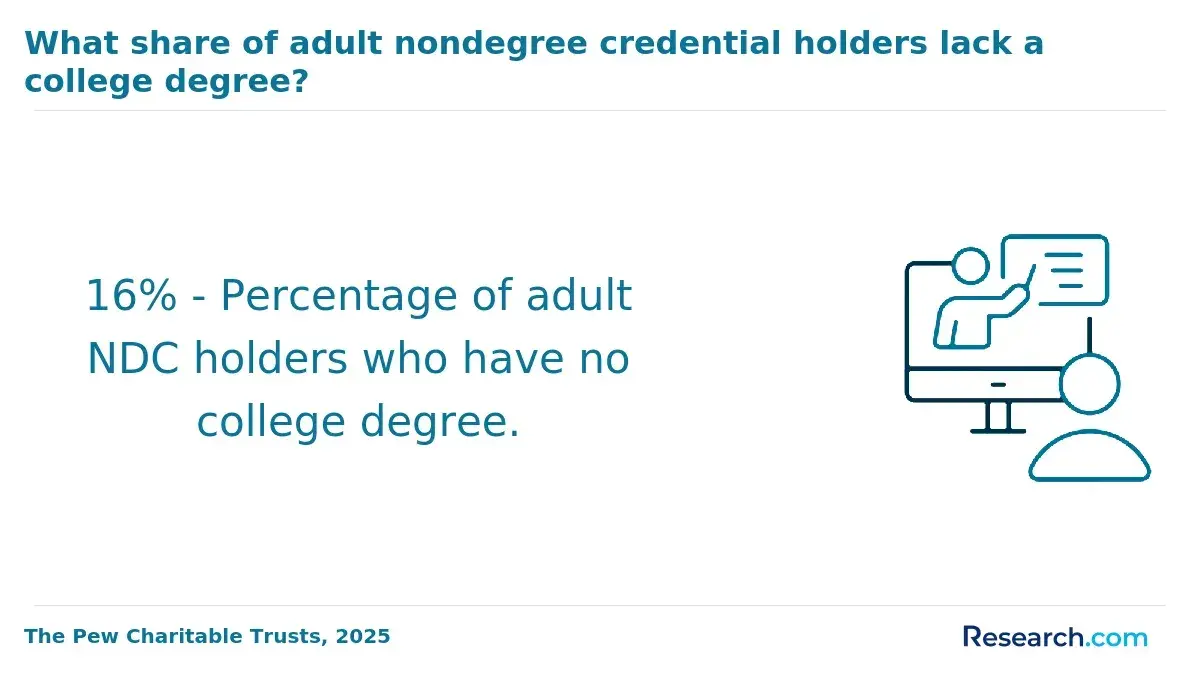
Certifications and short courses provide practical options for educational policy graduates to boost their employability without enrolling in graduate programs. These credentials offer focused training aligned with workplace skills, helping candidates meet employer demands. Notably, a 2023 study by the National Association of Colleges and Employers revealed that 62% of employers value professional certifications and short-term training highly in education-related hiring decisions.
Below are several valuable certifications and courses that support career advancement in educational policy:
- Project Management Professional (PMP): This certification sharpens leadership and organizational skills needed for managing complex projects in education settings, illustrating capability in coordinating initiatives and overseeing policy implementation.
- Data Analysis and Visualization: Certifications such as those from Google or Tableau validate the ability to interpret and communicate data effectively, a key skill for evaluating educational program outcomes and informing policy decisions.
- Grant Writing: Specialized courses teach methods for securing funding, a critical competency for professionals involved in nonprofit education and research-driven policy work.
- Policy Analysis Workshops: Short courses that focus on developing skills in crafting, assessing, and understanding education policies enhance analytical competencies essential to the field.
- Nonprofit Management: Certifications in this area provide insights into governance and financial management relevant to organizations dedicated to education.
A professional with an educational policy degree shared how pursuing a project management certification significantly impacted their career trajectory. They described initial challenges adapting to the certification's rigorous standards but emphasized the practical project coordination skills gained. This credential enhanced their confidence when overseeing complex programs and opened doors to leadership opportunities without the need for further graduate study. The focused, skill-oriented nature of the certification was instrumental in bridging the gap between academic knowledge and workplace demands.
Industries differ significantly in how accessible they are to educational policy graduates without advanced degrees. Some sectors, driven by ongoing workforce demands and broad hiring needs, regularly recruit bachelor's degree holders to fill essential support and coordination roles. Data from the National Center for Education Statistics shows that over 45% of these graduates work in fields valuing practical policy assistance without requiring graduate credentials.
The following industries commonly offer entry opportunities for graduates holding only a bachelor's degree:
- Government Agencies: Local, state, and federal offices often seek bachelor's-level graduates for policy support, community engagement, and program management due to their consistent need to staff education-related initiatives.
- Nonprofit Sector: Organizations focused on education advocacy and youth programs rely on bachelor's holders to handle grants, coordinate projects, and assist with outreach efforts, benefiting from their program-oriented demands and limited budgets.
- Educational Publishing: Companies creating educational content hire graduates to aid in research, content development, and market analysis, valuing adaptability over advanced policy expertise.
- Research Firms: Private evaluators and education research groups frequently employ bachelor's graduates as assistants and data coordinators, leveraging team-based projects that accommodate early-career professionals.
- Corporate Training: Businesses offering workforce development services recruit educational policy graduates to design programs and oversee partnerships, reflecting the versatile application of educational principles in training contexts.
Flexible career structures such as freelance, remote, and non-traditional work models substantially expand opportunities for educational policy graduates by reducing dependence on formal workplace pathways. These digital and independent work formats enable direct engagement in impactful roles without requiring graduate education or extensive prior experience. Recent data shows that approximately 58% of workers holding bachelor's degrees in education-related fields participate in remote or location-independent work, highlighting a growing trend toward flexible career entry.
Several key freelance and remote career pathways offer educational policy graduates viable options to enter the field independently. These include:
- Distributed Research and Consulting Teams: Working on policy analysis and research projects for think tanks and educational organizations, these teams operate remotely, allowing graduates to contribute from any location and collaborate through digital platforms.
- Digital-First Content Development: Freelancing as writers or editors for policy briefs, grant proposals, and educational materials leverages strong communication skills, enabling work solely online without on-site presence.
- Project-Based Independent Contracting: Short-term contracts with school districts, education agencies, or ed-tech companies emphasize results over long-term employment, offering flexible schedules and remote engagement through digital tools.
- Online Education and Advocacy Campaigns: Graduates can coordinate or strategize virtual advocacy efforts via social media and digital marketing, managing policy outreach programs from any location.
- Virtual Workshops and Training Facilitators: Facilitating webinars, designing curriculum, or coaching educators remotely removes geographic constraints and allows flexible involvement in educational policy training.
Graduates with a bachelor's degree in educational policy often begin building their careers by entering the workforce directly, leveraging entry-level opportunities that value analytical skills and understanding of education systems. Early career momentum is shaped by gaining practical experience and exposure to workplace environments in schools, nonprofits, or government agencies. Approximately 65% of educational policy graduates find employment relevant to their field within a year without pursuing graduate school, demonstrating viable pathways into the labor market. For those considering alternative online degrees, options such as a cyber security online degree cost might also be worth exploring for complementary skills.
Long-term career development for educational policy graduates without graduate school is driven by internal progression, increasing responsibilities, and evolving roles within organizations. Growth typically happens through on-the-job learning, leadership development, and broader engagement rather than through formal academic advancement. This pathway varies across administrative, advocacy, or programmatic positions, allowing graduates to build fulfilling careers tailored to their interests and strengths. Those who focus on sustained professional development can influence policy and program outcomes while advancing steadily without additional degrees.
Skipping graduate school is a common pathway for many entering educational policy careers and can allow earlier access to the workforce. While this choice may enhance short-term employment opportunities, it may also influence long-term advancement depending on the sector and career goals. Research shows that over 60% of policy analyst roles in government and nonprofits require a graduate degree, highlighting a potential barrier.
The following points outline key advantages and disadvantages of pursuing entry-level educational policy jobs without graduate degrees:
- Early Workforce Entry: Graduates with a bachelor's degree can start gaining practical experience sooner, which can be valuable in smaller organizations or less formalized settings where hands-on skills are highly regarded.
- Opportunity Costs: Avoiding graduate school reduces tuition costs and lost income during study, which can ease financial burdens and allow investment in strategic experience or alternative certifications, such as accelerated MFT programs.
- Long-Term Progression Limits: Many large institutional employers and selective organizations require graduate education for promotion, making it harder to access advanced roles without a master's degree.
- Flexibility in Career Exploration: Without committing to graduate school, individuals have more freedom to explore diverse roles and sectors within educational policy before deciding on specialization.
Considering bachelor's degrees combined with strategic experience may suffice for immediate entry-level educational policy jobs without graduate degrees, but the master's degree often remains critical for overcoming institutional barriers and accessing leadership positions.
Graduates with a bachelor's degree in educational policy often find diverse opportunities in the job market, though outcomes vary. Employment trends for bachelor's-level educational policy graduates show moderate placement rates, reflecting steady but competitive demand in roles such as program coordination and policy analysis support. Annual salaries typically range between $40,000 and $65,000, influenced by factors like location and sector. This landscape encourages many to explore diverse employment avenues while building foundational experience in the field.
Outcomes differ widely across career paths due to broader labor market dynamics rather than a single uniform pattern. Job market demand and career paths for educational policy degree holders fluctuate with employer type, geographic region, and economic conditions, affecting compensation and advancement prospects. Opportunities span sectors including government, nonprofits, and research, each with unique conditions. Some graduates benefit from specialized roles or competitive environments by leveraging niche skills and networks, much like those highlighted for an online environmental engineering degree, where market factors heavily shape career success.
What Graduates Say About Educational Policy Careers Even Without Pursuing Graduate School
- Grant: "Graduating with a degree in educational policy gave me a solid foundation to jump straight into the workforce. I was able to leverage the critical thinking and policy analysis skills I developed to land a role in a nonprofit focused on school reform. It's rewarding to see how my degree directly translates into making a tangible impact without the need for further graduate study."
- Harlan: "Reflecting on my time post-graduation, I really appreciate how my educational policy degree prepared me for the realities of the job market. The coursework sharpened my ability to interpret complex regulations and communicate effectively with stakeholders, which proved invaluable in my first government position. I often tell others that this degree equips you with practical tools that employers value, even without advanced degrees."
- Archer: "My educational policy degree opened doors that I hadn't anticipated. While many peers opted for graduate programs, I chose to begin my career right away and found success in various education-focused roles. The program's emphasis on real-world policy issues gave me the confidence to address challenges head-on and negotiate solutions from day one."
Other Things You Should Know About Educational Policy Degrees
Employers expect strong skills in Excel, survey analysis, and basic statistical software such as SPSS, Stata, or R. Many entry-level policy jobs also ask for experience interpreting state and federal education data, plus the ability to write briefings and reports for administrators or school boards.
Networking plays a crucial role in educational policy careers without graduate degrees. Building relationships with professionals in the field can open doors to job opportunities, mentorship, and collaboration on projects that enhance your career without the need for advanced degrees.
In 2027, online courses, workshops, and professional certification programs are key continuing education options for educational policy graduates. Programs like those offered by Coursera, edX, and professional organizations focus on policy analysis, research methods, and leadership skills, facilitating career growth without the need for graduate school.
- What Can I Do With a Teaching Degree (Besides Teach)? https://www.alleducationschools.com/blog/what-can-i-do-with-a-teaching-degree-besides-teach/
- Remote Education Consultant Jobs Online - Work From Home | Remote.co https://remote.co/remote-jobs/education-consultant
- 7 Unique Career Paths for Education Graduates | MANCOSA https://www.mancosa.co.za/blog/7-unusual-career-paths-for-education-graduates/
- 7 High-Paying Jobs In The Field Of Education Besides Teaching https://asiancollegeofteachers.com/blogs/1864-7-High-Paying-Jobs-In-The-Field-Of-Education-Besides-Teaching-blog.php
- Types of Entry-Level Jobs for Education Majors | Career Advice & Interview Tips | WayUp Guide https://www.wayup.com/guide/types-of-entry-level-jobs-for-education-majors/
- Why go to graduate school if you want to work in policy? - Emerging Technology Policy Careers https://emergingtechpolicy.org/pathways/graduate-school/1-why-graduate-school/
- Remote Education Jobs https://www.workingnomads.com/remote-education-jobs
- How to Become an Educational Policy Analyst - Graduate Programs for Educators https://www.graduateprogram.org/blog/how-to-become-an-educational-policy-analyst/
- 18 early career jobs that map well to education majors - College Recruiter https://www.collegerecruiter.com/blog/2025/02/28/18-early-career-jobs-that-map-well-to-education-majors
- Five alternatives to a master's degree | edX https://www.edx.org/resources/alternatives-to-a-masters-degree


