
2027 Best Career Pivot Options for People With a Higher Education Degree

Co-Founder and Chief Data Scientist
Faced with uncertain job markets, many with a higher education degree question whether their qualifications translate into viable career pivot options. Transferable competencies-such as critical thinking, communication, and project management-offer entry points into high-growth sectors like technology, healthcare, and renewable energy. However, 72% of career changers find navigating credential strategies and reframing resumes challenging when shifting fields. Networking effectively also plays a crucial role in breaking into accessible entry-level pivot roles. This article explores practical solutions, offering data-driven insights and actionable steps to empower individuals with a higher education background to execute successful career pivots with long-term outcomes in mind.
Key Things to Know About the Best Career Pivot Options for People With a Higher Education Degree
- Leveraging transferable competencies-such as critical thinking, communication, and research skills-enables higher education graduates to target entry-level roles in sectors like technology, healthcare, and finance, where demand grows 15% annually.
- Credential strategies- including targeted certifications and short courses-complement degrees to enhance employability, while resume reframing emphasizes adaptable skills over specific job titles to attract recruiters' attention.
- Networking through professional associations and mentorship programs increases access to hidden opportunities, supporting long-term career outcomes by facilitating strategic pivots into leadership or specialized roles within high-growth industries.
What Career Pivot Options Are Available to People With a Higher Education Degree?
The labor market has evolved to embrace career pivoting as a valid and strategic professional approach-reflected by Bureau of Labor Statistics data showing workers frequently changing careers multiple times. A higher education degree proves especially flexible in this context due to its development of broad, transferable competencies such as critical thinking, communication, project management, and adaptability. This versatility underpins many successful transitions and expands opportunities beyond traditional paths.
Research from the National Association of Colleges and Employers confirms that graduates with a higher education degree possess skills that facilitate pivots into diverse, high-growth career paths for people with a higher education degree. According to LinkedIn Workforce Insights, these career changes often lead to roles emphasizing people management, strategic planning, or technology integration-highlighting the degree's evolving market relevance.
Common career pivot options for higher education degree holders include:
- Educational Administration: Using expertise in curriculum development and policy to move into leadership roles within higher education institutions or K-12 systems.
- Corporate Training and Development: Translating instructional skills into designing and delivering professional development programs within corporate or nonprofit sectors.
- Human Resources and Talent Management: Leveraging knowledge of organizational behavior and communication to recruit, manage, and nurture talent.
- Educational Technology: Merging educational theory with digital tools to support e-learning, instructional design, or software development roles.
- Nonprofit and Community Advocacy: Applying coordination and stakeholder engagement skills to advance education-related social causes or public policy efforts.
Each of these pathways relies on core transferable abilities inherent in a higher education degree, making strategic career pivots both practical and promising. This article will build on this foundation by exploring entry-level pivot roles, credential enhancement strategies-including online AI degree programs-and networking practices that enable graduates and professionals to reframe their experience effectively. Far from limiting, a higher education degree serves as a launchpad for deliberate, informed career shifts aligned with evolving goals and market demands.
Which Industries Outside the Traditional Higher Education Field Hire Higher Education Degree Holders?
Graduates holding a higher education degree often find rewarding career paths beyond academia, with several industries actively seeking their specialized skills. These sectors value graduates' analytical, research, communication, and organizational competencies, which open doors to a variety of roles. Among the top industries hiring higher education degree holders outside academia are:
- Government and Public Administration: This sector relies heavily on higher education graduates for policy analysis, program coordination, and grant management. The credential is widely recognized-especially for federal and state roles requiring advanced research and evaluation expertise.
- Healthcare Administration: Beyond clinical positions, healthcare organizations require administrators and analysts specialized in compliance, quality assurance, and patient education. Higher education graduates bring strong project management and research skills relevant to these functions.
- Corporate Training and Development: Employers with robust learning cultures recruit graduates for instructional design, employee training, and organizational development. While the credential is less directly pipeline-focused here, teaching and curriculum development abilities translate well.
- Market Research and Data Analysis: Firms in this space prioritize analytical and research experience. Roles like market analyst or consumer insight specialist are common, though pairing the degree with data-specific skills usually enhances candidacy.
- Nonprofit and Advocacy Organizations: Program management, fundraising, and outreach roles are typical. Here, the higher education credential signals critical thinking and communication strengths valued by hiring managers.
- Publishing and Media: Content development and editorial positions welcome graduates for their writing and analytical skills, but relevant experience often weighs more heavily than the credential alone.
- Technology and EdTech: Rapid growth in education technology opens opportunities in product development, content strategy, and user training. Success here depends on combining the credential with tech fluency and agility.
Switching industries while maintaining familiar functions-such as research or communications-is generally less credential-intensive than transitioning into entirely new roles. Job seekers can use this strategic distinction to position themselves effectively within high-growth sectors hiring higher education degree holders. This approach supports broader career paths for higher education graduates beyond traditional sectors.
Conducting informational interviews with current degree holders in target industries provides crucial insights into employer expectations, hiring pathways, and necessary competencies. These conversations help transform a general industry overview into a tailored, actionable list of target companies.
For those considering professional pivots, targeted credential strategies or specialized training programs-such as an accelerated online bachelor's degree in psychology-can supplement existing qualifications and enhance competitiveness in diverse fields.
What Transferable Skills Does a Higher Education Degree Provide for Career Changers?
Critical Thinking and Analytical Reasoning: Degree programs train students to scrutinize information and solve intricate problems-skills vital in roles like business strategy, which requires market trend analysis, and public policy development, where evidence evaluation informs decisions.
Research and Data Literacy: Engaging in qualitative and quantitative research during studies prepares graduates for positions such as user experience research, which relies on understanding user behavior, and market research that steers advertising and product strategies.
Communication Skills: Crafting clear, persuasive writing and presentations fosters abilities essential in client relationship management and project coordination, enabling effective interaction across diverse teams and stakeholders.
Project Management and Organization: Meeting deadlines and juggling tasks within academic settings translate directly into event planning and operations management, where methodical execution ensures success.
Interpersonal and Collaborative Abilities: Collaborative assignments and peer interactions in degree programs build teamwork skills transferable to customer service and human resources, both fields dependent on strong interpersonal relationships.
Adaptability and Lifelong Learning: Adjusting to evolving curricula promotes flexibility, a must-have quality in fast-changing technology sectors and consulting environments where continuous skill development meets shifting client demands.
To make these skills visible to potential employers, individuals should carefully audit their academic projects, internships, and coursework-mapping specific experiences to transferable competencies. For example, transforming a research paper into evidence of analytical reasoning or teamwork demonstrates tangible value. This articulation process requires deliberate practice because hiring managers may not automatically link academic experience to workplace capabilities. Upcoming guidance will focus on resume reframing and networking strategies that help candidates present their higher education skills in a compelling, employer-friendly manner.
Reflecting on his journey, a professional who earned a degree in higher education shared that pinpointing relevant transferable skills was initially overwhelming. "It wasn't obvious how a literature review or group project could resonate with recruiters," he explained. He gradually learned to frame his academic work as practical problem-solving and collaborative achievements-"turning abstract college tasks into concrete examples of skills that employers seek." This shift boosted his confidence in interviews and expanded his career options beyond initial expectations.
Credential Translation: Hiring managers often struggle to evaluate a higher education degree from an unrelated field. Credential translation helps decode these academic credentials to determine their relevance and applicability within new industries. Graduates improve outcomes by crafting resumes that highlight transferable skills, choosing portfolio pieces suited to employer expectations, and writing cover letters that clearly connect their degree to the employer's specific needs-key in the evaluation of higher education degrees by employers in related industries.
Degree Factors: Initial screening tends to prioritize degree type and role relevance, while institution reputation and GPA can affect candidate ranking, especially in large organizations with standardized processes. Conversely, smaller or mid-sized employers may focus more on concrete skills and project experience rather than institutional prestige or grades.
Implicit Bias: Some employers may unconsciously undervalue credentials from fields outside the norm for a given role-a barrier in cross-disciplinary hiring. Candidates should counter this bias through detailed employer research, proactive networking, and deliberate skill demonstrations. Passive screening risks sidelining their credentials without these efforts.
Employer Targeting: Focusing early job searches on companies with proven records of cross-disciplinary hiring-identified through LinkedIn alumni data, employee stories, and recruitment content-offers a more welcoming environment for career pivots. These organizations allow graduates to build initial cross-sector experience before broadening their applications.
Organizational Size and Type: Large companies often rely on automated systems that heavily weigh degree relevance, while startups and nonprofits may emphasize adaptability and growth potential over formal academic metrics.
For those interested in a flexible option, consider exploring a criminal justice bachelor degree online to broaden future career pivot opportunities.
Operations Coordinator: Focused on streamlining daily workflows, these coordinators handle logistics, interdepartmental communication, and support project execution.
- Core responsibilities: Managing processes, facilitating collaboration, and maintaining operational continuity.
- Required competencies: Organizational proficiency, familiarity with project tools, and adept problem-solving.
- Typical reporting structure: Usually accountable to operations managers or department heads.
- Relevant higher education training: Studies in management, organizational behavior, and data analysis develop skills in process optimization and critical thinking.
Communications Assistant: Essential for maintaining effective messaging, this role entails content creation, social media management, and event coordination.
- Core responsibilities: Writing materials, handling digital platforms, assisting public relations, and organizing events.
- Required competencies: Strong writing and editing, digital savvy, and creative thinking.
- Typical reporting structure: Reports to communications or marketing leadership.
- Relevant higher education training: Media, journalism, and rhetoric courses build persuasive communication and critical analysis abilities.
Data Analyst: Entry-level analysts collect, analyze, and visualize data to support informed decisions.
- Core responsibilities: Gathering datasets, applying statistical methods, crafting reports, and creating visual summaries.
- Required competencies: Expertise in Excel, SQL, or statistical software, attention to detail, and logical interpretation.
- Typical reporting structure: Reports to senior data professionals.
- Relevant higher education training: Coursework in statistics, mathematics, and research methodologies provides a strong foundation for data handling.
Policy Analyst Assistant: Supporting policy formation, this role involves reviewing literature, synthesizing data, and producing briefs for decision-makers.
- Core responsibilities: Conducting research reviews, summarizing information, and drafting briefing documents.
- Required competencies: Analytical thinking, clear writing, and understanding of policy frameworks.
- Typical reporting structure: Reports to policy analysts or senior researchers.
- Relevant higher education training: Political science, economics, and public administration studies offer essential contextual and research skills.
Sales Representative: Leveraging interpersonal skills to drive revenue, this role focuses on customer needs and closing deals.
- Core responsibilities: Identifying client requirements, delivering presentations, and finalizing sales.
- Required competencies: Communication, negotiation, and relationship management capabilities.
- Typical reporting structure: Reports to sales managers or regional directors.
- Relevant higher education training: Business, psychology, and communication coursework enhances understanding of consumer behavior and persuasive techniques.
Product Coordinator: This function supports product teams by managing schedules, facilitating meetings, and assisting quality assurance.
- Core responsibilities: Overseeing timelines, coordinating cross-team efforts, and ensuring product standards.
- Required competencies: Project management, teamwork, and adaptability.
- Typical reporting structure: Reports to product managers or team leads.
- Relevant higher education training: Business administration, design thinking, and technology courses improve understanding of product life cycles and group dynamics.
Data from labor and salary surveys reveal that graduates with relevant higher education backgrounds and internships typically transition faster from entry-level to mid-career roles-sometimes up to 30% quicker-compared to those lacking these credentials. This acceleration stems from transferable skills, workplace familiarity, and professional networks developed during their studies. Career pivots rarely require starting entirely anew; instead, degree holders often build on a foundation that eases advancement.
One Higher Education graduate shared her journey candidly. Initially daunted by the prospect of switching fields, she embraced roles demanding adaptability and communication, finding her degree's broad focus invaluable. "It wasn't about starting over," she explained, "but about translating what I already knew into new contexts." The process involved patience and strategic skill-building, but the ability to frame her experiences as assets made a significant difference. Her story highlights how deliberate role selection-balancing strengths, growth potential, and personal goals-can transform a pivot into a deliberate career step rather than a setback.
Salary benchmarks for career pivots highlight distinct earning potentials across major industries for those holding higher education degrees. Roles in financial services-such as investment banking, private equity, and asset management-tend to offer starting salaries well above the average for traditional higher education careers, with mid-career professionals benefiting from bonuses and profit-sharing that boost total earnings. This high compensation stems from substantial revenue generation capabilities and incentive-driven pay structures.
- Financial Services: Early- and mid-career compensation is elevated by equity stakes and annual performance bonuses.
- Management Consulting: Consulting careers provide competitive entry salaries that grow over time, leveraging problem-solving skills common among higher education graduates.
- Firms attract talent through bonuses, prestige, and investment in professional development.
- Trade-offs include frequent travel and demanding hours.
- Enterprise Technology: Jobs like software engineering and product management offer solid base pay plus equity awards, especially at rapidly expanding tech firms.
- Comprehensive compensation includes stock options, health coverage, and retirement plan matching.
- Ongoing industry growth supports salary increases.
- High-Growth Startups: Compensation relies heavily on equity, which may deliver outsized returns but carries higher risk.
- Startups often provide flexible work cultures and emphasize innovation.
- Lower base salaries are balanced by potential future equity gains.
In contrast, sectors such as nonprofits, government, and lower-margin industries typically offer lower median salaries due to budget limitations and mission-focused priorities. Understanding these structural differences is essential to avoid evaluating compensation offers in isolation.
Total compensation in high-paying pivot sectors often extends far beyond base salary. Elements like annual bonuses, equity or profit-sharing, retirement contributions, health benefits, professional development funds, and remote work options shape the overall value of employment packages. Developing financial literacy to assess these multilayered components enables more accurate comparisons across opportunities.
Aiming for top-paying fields requires honest assessment-many demand additional certifications, extended preparation, and intensified networking. Candidates should balance potential financial rewards against investments of time, money, and opportunity cost to craft a sustainable transition strategy aligned with their career and personal goals.
Technology: The rapid expansion of technology driven by digital transformation, artificial intelligence, and cloud computing creates roles well suited for those with higher education credentials. Skills in data analysis, product management, and user experience design align with competencies in research, analytical thinking, and data literacy. Technology firms often prioritize demonstrated technical skills and adaptability over a strict degree match-opening doors for career pivoters with relevant projects or certifications.
Healthcare and Biotechnology: Aging populations and medical innovation fuel growth here, demanding expertise beyond traditional clinical roles. Critical thinking, research methodologies, and regulatory knowledge from higher education align with positions in healthcare data analytics, clinical trial coordination, and health informatics. Employers increasingly value candidates blending domain knowledge with flexible learning capabilities, welcoming professionals transitioning from academia or non-clinical areas.
Renewable Energy: Climate concerns and policy shifts drive demand for project management, environmental analysis, and policy research expertise. Higher education graduates' interdisciplinary training supports roles in sustainability assessment and community engagement. This sector's openness to proactive skill development and broad educational backgrounds makes it ideal for career changers seeking impact in growing green industries.
Financial Services and Fintech: Innovation and regulatory complexity in financial sectors require skills in data analytics, compliance, and strategic planning. Quantitative reasoning and ethical analysis from higher education translate into risk management, product innovation, and consulting roles. Startups prioritize learning agility and problem-solving, often presenting flexible entry points for professionals pivoting from unrelated fields.
Education Technology (EdTech): As learning environments integrate digital tools, demand grows for expertise in instructional design, user research, and content development. Pedagogical knowledge, curriculum development, and educational psychology from higher education backgrounds prepare candidates for EdTech roles. Employers often emphasize subject expertise and communication skills-factors that ease lateral moves into this innovation-driven sector.
Logistics and Supply Chain Management: Accelerated by e-commerce and global trade, this sector seeks professionals skilled in operational analysis, process optimization, and strategic sourcing. Systems thinking, quantitative research, and project management from higher education are highly applicable. Technology-driven supply chains reward adaptability and continuous learning, qualities found across diverse academic disciplines.
Creative Industries and Digital Media: Expansion in content creation, marketing technology, and online platforms creates opportunities for those skilled in communication, critical analysis, and project coordination. Higher education graduates' competencies in writing, research, and multimedia literacy apply directly to content strategy, digital marketing, and user engagement analytics. Growing companies focus on portfolios and proven skills rather than traditional credentials, benefiting career pivoters.
Approach employers showing recent growth indicators-such as startup funding or public expansion-with tailored applications highlighting agility, project experience, and a commitment to learning. Rapidly growing sectors tend to favor demonstrated competency over specific credentials, making them more receptive to candidates with higher education degrees who can pivot effectively. Readers should balance the volume of opportunities, compensation potential, and role stability against personal risk tolerance when incorporating these sectors into a broader job search strategy.
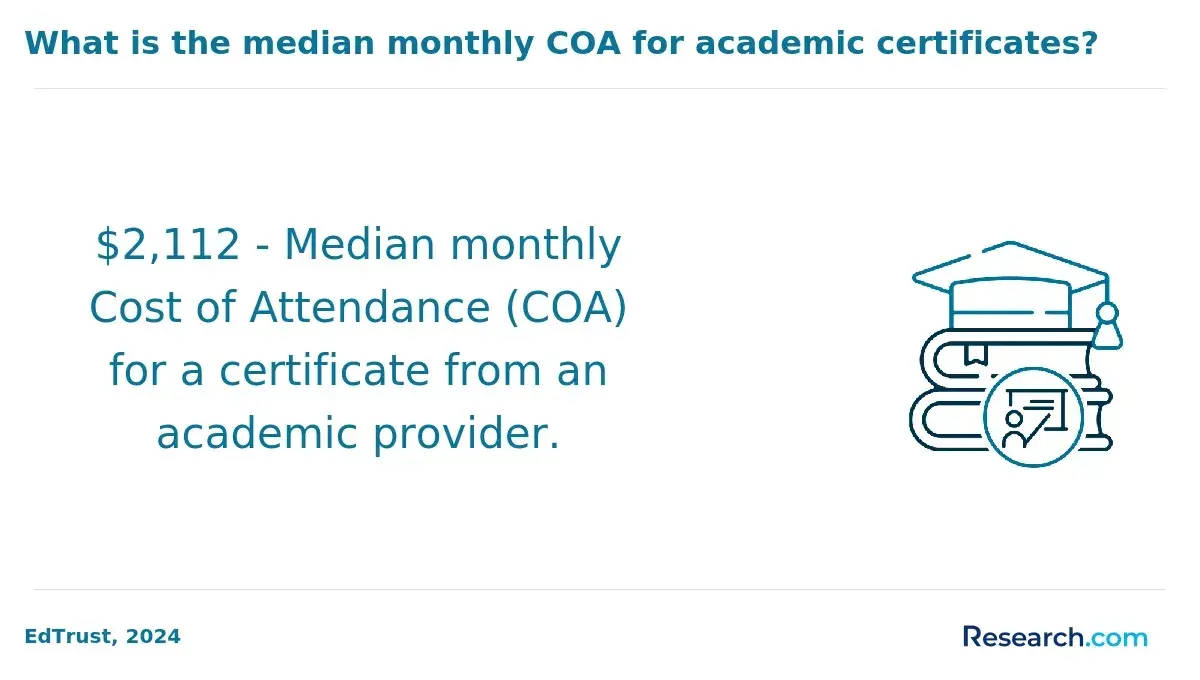
Graduate certificates are targeted credentials that enable higher education degree holders to pivot careers more quickly and cost-effectively than traditional degree programs. According to the National Center for Education Statistics, these certificates typically take six months to a year to complete and cost significantly less than master's degrees. Unlike degrees, graduate certificates emphasize specialized knowledge and practical skills-offering a clear career signal without the longer time commitment. This makes them ideal for professionals seeking skill enhancements without pursuing a full degree.
Key considerations for career pivoters evaluating graduate certificate benefits for higher education graduates include:
- Accreditation: Certificates from regionally accredited institutions or respected professional bodies generally hold greater employer recognition.
- Employer Recognition: Programs aligned with industry standards or endorsed by certification authorities often carry higher labor market value.
- Cost vs. Benefit: Comparing tuition against potential salary increases or advancement opportunities helps assess program value.
- Alumni Outcomes: Employment rates and salary differentials among past graduates provide insight into real-world impact.
Popular graduate certificate categories pursued by those using career pivot strategies using graduate certificates include data analytics, project management, UX research, public health, nonprofit management, and financial analysis. Research shows certificates in data analytics and project management can offer salary premiums of 8% to 15% compared to peers without these credentials, though returns depend on industry and location.
Addressing credential inflation is critical: not all certificates hold equal value. A practical framework helps determine when a certificate is appropriate:
- Before Applying: Overcome hiring barriers by completing certificates that meet job requirements.
- While Applying: Demonstrate commitment to employers by actively pursuing credentials.
- After Landing a Role: Use certificates to continue education and advance within new fields.
Recent data from the American Council on Education indicates nearly 40% of adult learners enroll in graduate certificates specifically to facilitate career changes-underscoring these credentials' role as cost-effective, agile tools for professional reinvention. For those exploring specialized credentials in counseling fields, MFT online programs offer one pathway to pivot with recognized graduate-level preparation.
Professional certifications differ significantly from traditional academic credentials by serving as industry-recognized validations of practical skills-acting as strong labor market signals that complement higher education degrees in career transitions. While academic degrees demonstrate theoretical mastery, certifications confirm up-to-date expertise and readiness for specific roles. These credentials carry the most weight in technical or specialized fields such as project management, data analytics, human resources, and technology administration, offering a meaningful competitive advantage to Higher Education degree holders pivoting careers. However, in sectors prioritizing experiential knowledge or institutional prestige, certifications may have less influence on hiring decisions.
Readers pursuing professional certifications for higher education career pivot should research thoroughly before committing time and expenses. Effective strategies include scanning job postings to identify often-listed credentials, reviewing LinkedIn profiles of professionals in target roles, and conducting informational interviews to gauge employer preferences.
- Project Management Professional (PMP): Requires 35 hours of formal project management training, passing an exam, and documented experience; preparation takes 3-6 months; exam fee approximately $555 for non-members; valued across industries in project coordination roles.
- Certified Analytics Professional (CAP): Requires a bachelor's degree, 3 years in analytics, and passing a certification exam; about 4 months of preparation; exam costs $495; sought after by employers in data analysis and business intelligence.
- SHRM-CP (Society for Human Resource Management - Certified Professional): Requires relevant HR experience or education; 2-4 months of study; costs $300-$400; ideal for corporate and nonprofit HR roles.
- Salesforce Administrator: No prior experience needed; 2-3 months prep; $200 exam fee; critical for managing Salesforce CRM in tech and sales sectors.
- Google Data Analytics Certificate: Accessible to beginners; typically 6 months online; costs vary by platform; recognized for entry-level data analyst positions.
- Certified ScrumMaster (CSM): Requires a two-day course and passing an exam; $1,000-$1,500 including training; relevant for agile project management roles.
In sequencing certification pursuits, start early and prioritize credentials aligned with your target role's needs. Listing certifications "in progress" on resumes and discussing them during interviews signals commitment to continuous professional development and enhances credibility during a Higher Education to new-field transition.
For those exploring in-demand pivot options, including emerging fields, consider pathways linked to an artificial intelligence major to leverage new competencies alongside your existing degree, combining academic foundation with industry-validated certifications for maximum career flexibility.
Freelance and contract work provide a dynamic route for Higher Education degree holders to transition careers efficiently by gaining practical experience and building specialized expertise. The gig economy now engages over 36% of the U.S. workforce-a trend confirmed by recent labor reports-highlighting the growing reliance on flexible, project-based roles as catalysts for professional reinvention.
Accessible Roles: Early career changers with a degree often find entry points in content creation, research assistance, data handling and analysis, virtual support, communications consulting, and project management. Each field offers opportunities to develop a portfolio of work samples, collect client endorsements, and deepen familiarity in a new domain, all of which enhance credibility for full-time applications.
Portfolio Development: Delivering freelance assignments produces tangible outputs-such as written analyses, data visualizations, marketing materials, or strategic communication plans-that serve as compelling evidence of applied skills, often surpassing generic resumes in value.
Credential Leverage: Presenting a Higher Education degree on freelance platforms establishes trustworthiness. Tailoring services by linking academic expertise-for instance, applying social science research skills to market analysis-helps differentiate freelancers and justify competitive pricing.
Launch Strategies: Selecting platforms aligned with the target sector's demands and fee structures is crucial. Beginners should consider fixed-price service packages at rates approximately 15-25% below market averages, gradually increasing them as positive feedback accumulates.
Financial and Industry Fit: A freelance-first approach requires carefully weighing financial buffer and risk tolerance, since income may vary. Not all sectors offer flexible entryways-regulated fields like government IT or healthcare typically limit freelance opportunities.
Resume Translation: Framing freelance projects as measurable results in resumes and professional profiles-highlighting client feedback and quantifiable outcomes-strengthens the appeal for full-time employers in pivot fields.
Intentional networking is critical for Higher Education graduates pivoting careers-research from Harvard Business Review, MIT Sloan Management Review, and labor market sociology highlights the importance of weak ties and referrals in accessing hidden job opportunities often missed by traditional applications. Without existing contacts in a new field, strategic networking becomes essential rather than optional.
Effective networking strategies include:
- Alumni Network Activation: Identify alumni from your Higher Education program who successfully entered your target field. Reach out with focused questions about their experiences to build rapport using shared academic backgrounds.
- Professional Association Entry: Join industry-specific associations, attend their events, and engage actively to connect with practitioners. These groups offer insight into current trends and foster credible professional relationships.
- Informational Interview Campaigns: Schedule brief conversations with professionals to understand their roles and career paths. Use polite, clear language such as, "I'm exploring a move into your field and would appreciate 20 minutes of your time."
- LinkedIn Strategic Connection-Building: Send personalized connection requests citing mutual interests or backgrounds, then follow up with messages emphasizing learning rather than job-seeking.
- Community of Practice Engagement: Participate in online forums, groups, or local meetups within your target sector. Active involvement shows commitment and naturally expands your network.
Networking concerns like imposter syndrome, fear of rejection, or discomfort with self-promotion are common. Frame your outreach as genuine curiosity-introduce yourself by sharing your current focus and eagerness to learn, not by asking directly for jobs. Establish a weekly routine dedicated to networking with goals such as initiating three new contacts and maintaining two ongoing conversations to build momentum.
According to a 2023 study, approximately 70% of jobs are secured through networking, underscoring the value of sustained, systematic relationship-building for career pivot success.
What Graduates Say About the Best Career Pivot Options for People With a Higher Education Degree
- Esteban: "Graduating with a Higher Education degree opened my eyes to the power of transferable competencies-skills like critical thinking and effective communication are gold in sectors like technology and healthcare. For anyone considering a pivot, exploring accessible entry-level roles such as project coordinator or client services specialist proved invaluable as stepping stones. What truly transformed my journey was reframing my resume to highlight these soft skills, which made employers take notice in high-growth industries."
- Alexis: "Reflecting on my post-Higher Education career shift, I can confidently say that strategic networking was my game-changer-connecting with mentors helped me uncover hidden opportunities in sustainable energy and digital marketing. I also found that earning certifications aligned with industry demands gave me a competitive edge. Pivoting isn't just about changing jobs; it's about positioning yourself for long-term growth in dynamic fields."
- Eli: "From a professional standpoint, the most effective career pivot after completing a Higher Education degree involves balancing credential strategies with clear career goals. I pursued short-term certificates while targeting roles in data analytics, an area experiencing rapid expansion. Long-term career outcomes depend heavily on how well you can translate your academic background into relevant workplace skills-and patience is key throughout the process."
Other Things You Should Know About Higher Education Degrees
PMP and CAPM are the main certifications for project management pivots in 2027. CAPM requires a secondary or higher education degree and formal training, while PMP requires 36 months of leading projects with a four-year degree or 60 months without one, plus 35 contact hours or CAPM training.
A typical career pivot for higher education degree holders often spans six months to two years, depending on the complexity of the new field and the level of preparation required. This timeline includes phases for skill development, network building, and job search activities. Graduates who proactively engage in certifications, internships, or part-time roles related to their target industry tend to achieve smoother and quicker transitions.
Graduates transitioning into technology-adjacent careers typically focus on developing foundational tech skills-such as data analysis, digital communications, or learning basic coding languages-alongside their core higher education expertise. Employers value candidates who combine strong analytical and interpersonal skills with emerging technical competencies. Pursuing targeted certifications and hands-on projects can validate this hybrid skill set and increase employability in tech-driven industries.
- Skip minimum wage: 13 high-paying entry-level jobs for uni grads https://www.open.edu.au/advice/insights/high-paying-entry-level-jobs
- Preparing Learners for Success: The Role of Certification in Higher Education https://www.careerstep.com/blog/training/the-role-of-certification-in-higher-edu/
- Elevate Your Career By Effective Networking Strategy for Students https://www.mywestford.com/blog/networking-strategies-for-bachelor-students-building-connections-early/
- 6 Networking Tips for Students and New Graduates https://www.shrm.org/topics-tools/news/organizational-employee-development/networking-tips-for-students-new-grads
- 50 Best Jobs for Former Teachers in 2025 | Devlin Peck https://www.devlinpeck.com/content/best-job-former-teachers
- 5 Lucrative Entry-Level Jobs to Pursue Postgrad https://www.collegexpress.com/articles-and-advice/career-search/articles/explore-careers/5-popular-fields-to-pursue-for-lucrative-entry-level-jobs-after-college/
- Pivoting Careers: How to Progress to a New Field with the Right Degree https://www.zandax.com/education-blog/pivoting-careers-how-to-transition-to-a-new-field-with-the-right-degree
- Top Transferable Skills from Other Professions That Make Career Changers Great Teachers - Moreland University https://moreland.edu/resources/blog-insights/top-transferable-skills-from-other-professions-that-make-career-changers-great-teachers
- How to Advance Your Career in Higher Ed Career Services Leadership - uConnect https://www.gouconnect.com/career-everywhere/how-to-advance-your-career-in-higher-ed-career-services-leadership/
- High-Growth Job Sectors in Europe: Where Structural Demand Is Building | EuroClimateJobs https://www.euroclimatejobs.com/article/924/high-growth-job-sectors-in-europe-where-structural-demand-is-building


