
2027 What Careers Can You Pursue With a Higher Education Degree? Salary Potential, Job Outlook, and Next Steps

Co-Founder and Chief Data Scientist
In today's evolving job market, a recent graduate with a higher education degree faces multiple career possibilities across education, administration, policy, and student services. While many assume that degrees in this field lead only to academic roles, data shows that 35% of graduates find employment in leadership or management positions within education sectors.
Salary potential varies widely, reflecting diverse career paths and regional factors. Understanding the job outlook is crucial for those planning their next steps amid growing demand for skilled education professionals. This article explores career options, expected earnings, industry trends, and practical guidance for higher education degree holders seeking success.
Key Things to Know About the Careers You Can Pursue With a Higher Education Degree
- Careers with a higher education degree span industries such as education, administration, counseling, and corporate training, offering diverse professional avenues beyond traditional academic roles.
- Skills gained through higher education, including critical thinking and leadership, are transferable and valued across sectors, enhancing adaptability in evolving job markets.
- Higher education aligns with long-term professional development by opening pathways for advanced certifications, leadership roles, and increased salary potential over time.
What Careers Can You Pursue With a Higher Education Degree?
A degree in higher education opens doors to a range of career paths across multiple industries, especially within academic institutions and student-focused services. Employment in postsecondary education roles is expected to grow steadily, with the U.S. Bureau of Labor Statistics projecting an 11% increase from 2021 to 2031.
These opportunities reflect diverse job outlook and growth opportunities for graduates in this field.
Careers with a higher education degree salary potential include roles that support students and campus operations. Some key examples are:
- Academic Advisor: These professionals assist students in navigating their educational plans by advising on course selection, degree requirements, and academic goals. Their work directly impacts student retention and success within colleges and universities.
- Student Affairs Specialist: Responsible for managing programs that enhance campus life, including housing, counseling, and student organizations, these specialists foster a supportive and engaging environment for students.
- Admissions Counselor: Admissions counselors evaluate applications, conduct interviews, and promote the institution to prospective students, playing a vital role in enrollment management and promoting campus diversity.
- Registrar: Registrars maintain accurate student records, coordinate class schedules, and ensure adherence to academic policies, providing critical administrative support for institutional operations.
- Financial Aid Officer: These officers help students secure funding through scholarships, grants, and loans, making higher education more accessible and affordable for a diverse student population.
For those interested in exploring these options further, it's helpful to review the best college majors related to these professions and their career trajectories.
What Are the Highest-Paying Careers With a Higher Education Degree?
A higher education degree opens doors to numerous well-paying career opportunities across various industries by equipping graduates with specialized knowledge and skills. Data from the U.S. Bureau of Labor Statistics shows that individuals with a bachelor's degree or higher earn about 67% more than those with only a high school diploma, emphasizing the earning potential tied to advanced education.
This notable wage growth highlights the value of investing in a higher education degree for long-term financial success.
Below are some of the top high salary jobs requiring a higher education degree:
- Petroleum Engineer: Designing and developing methods to extract oil and gas from below the earth's surface, petroleum engineers typically hold a bachelor's degree in engineering. Their annual salaries range between $80,000 and $180,000, making this role one of the highest paying in STEM fields.
- Pharmacist: Responsible for preparing and dispensing medications and advising patients on their proper use, pharmacists must earn a Doctor of Pharmacy (Pharm.D.) degree. Salaries generally fall between $120,000 and $150,000 per year.
- Marketing Manager: These managers plan and oversee marketing campaigns to promote products or services. Holding degrees in business or marketing, their pay ranges from $65,000 to $150,000 annually, depending on experience and industry.
- Financial Manager: Overseeing an organization's financial health by preparing reports and directing investments, financial managers usually possess degrees in finance or business administration. Annual earnings range from $75,000 to $160,000.
- Computer and Information Research Scientist: Creating new computing technologies and solving complex IT problems, these scientists often have degrees in computer science or related fields, with salaries from $100,000 to over $160,000.
These careers illustrate how a higher education degree builds critical expertise and credentials sought by employers. For students exploring educational paths, even specialized areas such as an online masters in marriage and family therapy can lead to rewarding and well-compensated professions.
Prospective and current U.S. students interested in the highest-paying careers with a higher education degree should consider how their chosen field aligns with their salary expectations and job outlook.
What Is the Job Outlook for Higher Education Degree Careers?
Careers linked to a higher education degree generally show favorable employment prospects due to shifting needs in the labor market. As industries evolve with technological advancements and economic growth, there is an increasing demand for professionals who offer specialized skills and critical problem-solving abilities.
The U.S. Bureau of Labor Statistics projects that jobs requiring a bachelor's degree or higher will grow by about 8% between 2022 and 2032, outpacing average job growth rates. This trend reflects ongoing expansion in knowledge-driven sectors like healthcare, technology, business, and education, where educated workers help organizations adapt and innovate. Workforce changes, such as retirements and new technology integration, also create openings for degree holders to fill essential roles.
A professional with a degree in higher education shared that entering the job market felt like navigating uncharted territory. He described the process as a balancing act between enthusiasm and uncertainty, noting, "While my degree provided a strong foundation, I quickly realized that practical experience and networking were just as crucial."
He emphasized that adapting to varied employer expectations and staying updated with industry trends required patience and continuous learning. Despite initial challenges, he found that persistence and leveraging his academic knowledge eventually opened doors, reinforcing the importance of flexibility in today's evolving job landscape.
Completing a higher education degree often equips graduates with essential critical thinking skills, subject expertise, and practical experience, all valuable for launching a career. Research shows that approximately 79% of bachelor's degree holders in the United States secure employment within six months of graduating, reflecting positive hiring trends.
These skills align well with the best starting careers for higher education graduates across various sectors.
Common entry-level positions for individuals with a higher education degree include:
- Marketing Coordinator: This role supports campaign execution, manages internal and external communications, and analyzes market data. A higher education degree hones communication abilities and market research knowledge vital for success in this position.
- Financial Analyst: Entry-level financial analysts evaluate financial data to influence investment strategies and budgeting. Degrees focusing on quantitative methods and financial principles prepare graduates to perform these duties effectively.
- Human Resources Assistant: Assisting with recruitment, employee relations, and administrative HR operations, this role benefits from an understanding of organizational behavior and labor regulations gained through higher education.
- Research Assistant: Often working in academic or corporate environments, research assistants gather and interpret data for studies and reports. Higher education instills research methodologies critical for these responsibilities.
- Project Coordinator: Responsible for planning schedules, allocating resources, and facilitating team communication, this role leverages organizational and collaborative skills sharpened in higher education settings.
For those interested in further specialization, pursuing a data science degree online can expand opportunities in tech-driven careers.
A higher education degree cultivates a broad range of transferable skills valued by employers across various sectors. Studies reveal that over 90% of employers prioritize candidates with strong critical thinking, problem-solving, and communication abilities-skills commonly nurtured through college programs.
These competencies extend beyond specific roles, equipping graduates to thrive in dynamic workplace environments.
The essential skills gained include:
- Critical Thinking: This skill encompasses analyzing data, evaluating different viewpoints, and making informed decisions. It develops through activities such as research projects, essay assignments, and case studies that encourage deep reflection and analytical reasoning.
- Communication: Students refine both written and verbal communication skills by engaging in presentations, group discussions, and composing academic papers, enabling them to express ideas clearly and persuasively.
- Collaboration: Participation in team-based assignments and group work teaches students how to cooperate effectively, resolve conflicts, and work toward shared outcomes.
- Time Management: Managing coursework deadlines alongside extracurricular commitments helps learners build strong organizational and planning skills necessary for balancing multiple responsibilities.
- Research Literacy: Through targeted exercises in identifying, analyzing, and synthesizing information from diverse sources, students enhance their ability to conduct thorough and reliable research.
When I spoke with a higher education graduate about her experience, she emphasized how juggling demanding deadlines honed her resilience and prioritization skills. She recalled moments of stress when multiple projects converged, yet those challenges sharpened her focus and adaptability.
"Learning to ask for help and to set realistic goals was crucial," she explained. These experiences, she said, laid the groundwork for her confidence in managing complex professional tasks today, demonstrating how the skills acquired during her degree continue to influence her career positively.
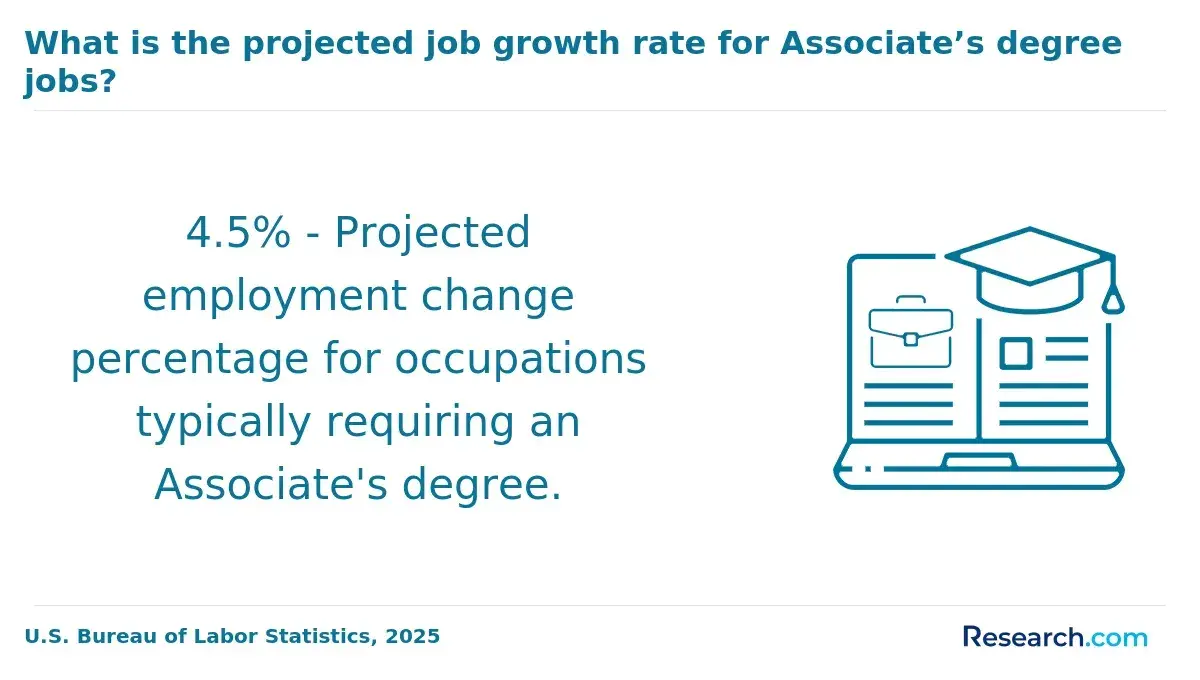
A bachelor's degree in higher education can significantly boost career growth by qualifying graduates for professional roles that do not require additional certifications. According to the U.S. Bureau of Labor Statistics, about 60% of individuals holding a bachelor's degree progress into mid-level or specialized positions within five years of entering the workforce.
This highlights the degree's effectiveness in facilitating upward mobility.
Several advanced career opportunities become available with just a higher education degree, including roles that emphasize leadership and project management skills:
- Academic Advisor: Advising students on course selection and academic planning is central to this role. A higher education degree provides insights into institutional policies and student development, enabling effective guidance.
- Program Coordinator: Managing educational programs by organizing schedules, budgets, and communications is key here. The degree equips individuals with analytical and organizational abilities essential for executing these duties smoothly.
- Admissions Officer: These professionals oversee recruiting and application processes, ensuring student engagement. Knowledge of educational systems gained during coursework underpins success in this position.
- Student Affairs Specialist: This role involves managing campus programs that enrich student life, often dealing with counseling or housing. Skills in leadership and interpersonal communication developed through higher education studies are critical.
Each of these positions combines practical business functions such as communication and program management, making the knowledge gained through a higher education degree vital for career continuation and advancement without needing further formal education.
Many careers connected to higher education degrees require additional certifications or advanced study beyond a bachelor's degree to ensure professionals meet industry standards and maintain competence. For instance, the U.S. Bureau of Labor Statistics reports that over 60% of positions in fields like management, education, and healthcare demand formal licensure or credentials.
Below are some common careers where further certification or advanced degrees are essential:
- Healthcare Professionals: Physicians, physical therapists, and other healthcare providers typically need advanced degrees such as MD, DO, or DPT, along with state licensure, to practice legally. These credentials guarantee specialized medical knowledge and adherence to patient safety standards.
- Certified Public Accountants (CPAs): After earning a bachelor's degree, aspiring CPAs must pass professional certification exams to validate their expertise in accounting principles and ethics. This credential establishes trust and accountability in financial reporting.
- Teachers: In addition to a bachelor's degree in education, teachers generally require state certification or teaching licenses. These ensure educators meet pedagogical standards and understand curriculum requirements specific to their state.
- Licensed Social Workers and Counselors: These roles demand a master's degree in social work or counseling plus passage of licensing exams. Such qualifications enable practitioners to provide mental health services responsibly and ethically.
- Lawyers: Legal professionals complete a Juris Doctor (JD) degree and must pass the state bar exam. These credentials verify comprehensive understanding of laws and adherence to ethical obligations within the legal system.
Graduates with a higher education degree often explore alternative career opportunities beyond traditional roles related to their field of study. Approximately 45% of graduates transition into interdisciplinary employment, highlighting the adaptability and broad skill set honed during their studies.
This versatility allows for diverse professional pursuits that rely on critical thinking and communication skills.
Here are some examples of nontraditional career paths with a higher education degree:
- Educational Technology: Professionals in this area design and implement digital learning platforms to enhance teaching methods. Graduates apply their understanding of learner needs and curriculum design to collaborate effectively with developers and instructional designers.
- Policy Analysis and Advocacy: This field involves researching the impact of education and social policies, suggesting reforms, and engaging community stakeholders. Skills in research and institutional knowledge gained from higher education support shaping effective public policies.
- Corporate Training and Human Resources: Roles in this sector focus on employee development, leadership training, and organizational culture. Graduates use their ability to facilitate learning and manage group dynamics to improve workforce performance.
- Academic Publishing and Communications: Careers here include writing, editing, and producing educational content or scholarly materials. Familiarity with academic standards enhances the credibility and quality of publications.
For those interested in administrative roles, an admin assistant degree offers a practical pathway. These diverse career options demonstrate how higher education graduates can leverage their skills in a variety of sectors, broadening their professional horizons.
Salary potential for higher education graduates varies significantly based on multiple professional and educational factors. For example, industry-based salary differences can lead to earnings that are 30% or more above the national median for degree holders.
These variations highlight the importance of understanding what shapes earnings outcomes for higher education degree holders in the United States.
The key factors influencing salary potential include:
- Industry Choice: Graduates working in sectors such as technology, healthcare, or finance often enjoy higher salary potential compared to those in education or social services. Industry demand and the skills required within each sector significantly impact earnings.
- Level of Experience: Entry-level salaries tend to be lower, but earnings increase steadily with experience and expertise. Career advancement through promotions and added responsibilities also contribute to salary growth.
- Geographic Location: Pay varies by region due to differing costs of living, economic conditions, and labor demand. Metropolitan and economically diverse areas often offer higher salaries than rural regions.
- Specialization Within Field: Graduates focusing on niche areas or high-demand skills, such as data analysis or instructional technology, typically command better compensation. This specialization can shape long-term salary trajectories for higher education graduates.
- Level of Responsibility: Roles involving managerial duties, leadership, or project oversight tend to provide higher compensation. Graduates who attain positions with significant decision-making authority generally experience increased salary potential.
For those considering degree options, exploring opportunities like an online bachelor in mathematics may offer competitive advantages in some of these influencing factors.
Many graduates transition quickly from degree completion to building their careers, with approximately 80% of bachelor's degree holders entering the labor market soon after finishing their studies. Others choose to deepen their knowledge by pursuing advanced degrees or obtaining specialized credentials.
These pathways reflect a range of strategies to advance professionally and adapt to evolving job market demands.
Common options after earning a higher education degree include:
- Workforce Entry: Graduates frequently seek roles aligned with their academic background to gain hands-on experience and develop professional networks that support career growth.
- Further Education: Many enroll in graduate or doctoral programs to specialize, enhance qualifications, or position themselves for leadership and academic careers.
- Career Development: Internships, certifications, and training programs offer opportunities to refine skills, stay updated with industry changes, and strengthen employment prospects.
- Entrepreneurship and Service: Some pursue business ventures or roles in public service, non-profits, or education, leveraging their interests and values for meaningful impact.
What Graduates Say About the Careers You Can Pursue With a Higher Education Degree
- Esteban: "Choosing to study higher education opened my eyes to the diverse career paths available within academic administration, policy, and student services. It was important for me to understand the broader impact of education systems on society before deciding to focus on educational leadership. Earning this degree has not only given me practical skills but has also deepened my passion for creating accessible learning environments."
- Alexis: "The reason I pursued a higher education degree was to explore roles beyond traditional teaching, such as curriculum development and academic counseling, where I could directly support student success. Deciding what career to pursue after graduation became clearer as I gained insights into the challenges faced by institutions today. This degree has been instrumental in advancing my career and shaping my approach to education with an informed and empathetic perspective."
- Eli: "My experience studying higher education was both challenging and rewarding, as it provided me with a comprehensive understanding of policy-making, research, and organizational management within colleges and universities. After graduating, I realized how versatile the degree is for careers in administration, student affairs, and even consulting. This education has profoundly influenced my professional growth and ability to contribute meaningfully to educational reform."
Other Things You Should Know About Higher Education Degrees
In 2027, the job outlook for careers in higher education is expected to grow steadily. The demand for online education and technological integration in learning suggests an increase in job opportunities within educational technology and administration roles.
Many do not require a teaching license, but K-12-adjacent roles in student support, advising, and administration often ask for a master’s degree in higher education, counseling, or administration. Public institutions may also require a background check, FERPA training, and compliance with state employment rules.
Gaining internships or practical experience can significantly improve job prospects in higher education careers. Experiential learning provides hands-on skills, insight into workplace culture, and professional references. While not always mandatory, relevant experience is highly valued by employers and often accelerates career advancement.
Geographic location can affect both the availability and variety of jobs related to higher education. Urban areas tend to offer more positions due to higher concentrations of institutions, while rural regions may have fewer openings but potentially less competition. Salary levels and cost of living are also influenced by location, which may affect overall job attractiveness.
- Jobs That Don't Require a Degree: Your 2026 Guide - tripleten.com/blog https://tripleten.com/blog/posts/jobs-that-dont-require-a-degree
- What Comes After a Bachelor's Degree? Your Next Steps https://potomac.edu/education-selections-after-earning-a-bachelors-degree/
- 18 Highest Paying Jobs With an Education Degree (not teaching) | Devlin Peck https://www.devlinpeck.com/content/jobs-with-an-education-degree
- Life after college: what should I do next? - Advantere School of Management https://advantere.org/life-after-college-what-should-i-do-next/
- What should your next steps be after finishing University? - Association of Learning https://associationoflearning.com/blog/what-should-your-next-steps-be-after-finishing-university/
- Careers You Can Pursue with a Masters in Higher Education https://www.pointloma.edu/resources/education/careers-you-can-pursue-masters-higher-education
- Life Lessons from a Higher Education https://www.collegesavings.org/life-lessons-from-a-higher-education
- Professional Certifications Offer Workers With No College Degree a Pathway to Good Jobs - Advance CTE https://careertech.org/resource/professional-certifications-offer-workers-with-no-college-degree-a-pathway-to-good-jobs/
- How does a college degree improve graduates’ employment and earnings potential? - APLU https://www.aplu.org/our-work/4-policy-and-advocacy/publicuvalues/employment-earnings/
- Benefits of a College Degree on Salary & Earning Potential | UMass Global https://www.umassglobal.edu/blog-news/how-college-impacts-salary-and-future-earning-potential


