
2027 Most Recession-Resistant Careers You Can Pursue With a Higher Education Degree

Co-Founder and Chief Data Scientist
In times of economic downturn, higher education graduates face unique challenges in finding roles that remain stable despite market fluctuations. For many, degrees alone no longer guarantee resilience; professional adaptability and sector choice matter.
Recent data shows that over 40% of recession-resistant roles require advanced skills in healthcare, technology, or education management, highlighting a clear shift in employer demand. As automation transforms traditional jobs, graduates must strategically acquire in-demand competencies alongside their degrees to stay relevant. This article explores the most recession-resistant careers accessible with a higher education degree and offers guidance on how to enhance competitiveness in these evolving fields.
Key Points About Recession-Resistant Higher Education Careers
- Graduates with higher education degrees in academic administration and student services see steady demand, as institutions prioritize retention during economic downturns.
- Careers in educational technology support are growing-these roles help universities implement remote learning, a sector expanding by over 15% yearly according to recent employment trends.
- Policy analysts and grant writers with higher education expertise secure funding and adapt strategies to shifting fiscal landscapes, essential for institutional sustainability in recessions.
What is the employment outlook for graduates of Higher Education?
The employment outlook for graduates with a higher education degree remains robust, especially in careers known for their recession-resistant qualities. Job demand in fields such as healthcare administration, educational services, and information technology management is projected to grow between 8% and 12% over the next decade-well above the national average.
The following points explain key factors behind this steady growth.
- Aging Population: An increasing elderly population sustains ongoing demand for healthcare and education services, leading to strong job prospects in these sectors.
- Stable Funding: Government and institutional support for education programs provide a more consistent funding source than private investment, protecting many academic and administrative roles from economic fluctuations.
- Technical Expertise: As industries rely heavily on complex information systems, graduates skilled in IT management remain in high demand due to their essential role in maintaining and improving infrastructure.
- Low Unemployment: Graduates in healthcare administration report unemployment rates below 3%, illustrating the career resilience available with a higher education degree in these fields.
Those focusing on career prospects for graduates with a higher education degree aiming for job stability should consider these trends closely. Additionally, prospective students may explore affordable options like a cheap MBA online to enhance their qualifications and better position themselves in the evolving job market.
What are the most recession-resistant careers for Higher Education degree graduates?
Certain roles within higher education and adjacent industries are naturally shielded from economic volatility due to their essential functions or regulatory mandates. A recent labor market study projects an 8% growth in demand for recession-resistant professionals with higher education degrees over the next decade.
Below are some of the most resilient careers to consider for stability during economic downturns.
- Healthcare Administrators: They oversee hospital and clinic operations, ensuring efficient patient care and cost management. This role remains crucial since healthcare services are prioritized regardless of the economic climate.
- Certified Public Accountants (CPAs): These professionals provide indispensable financial reporting and tax compliance services. Government regulations and the risks of non-compliance keep CPAs in high demand even in recessions.
- University Professors: Particularly those specializing in education, engineering, and nursing, often benefit from tenured positions and institutional support for essential research and workforce training efforts.
- Human Resources Managers: They help organizations handle layoffs, labor law compliance, and employee relations sensitively during challenging times. Their expertise in managing talent and legal adherence makes them vital during economic contractions.
- Information Security Analysts: As companies focus on protecting sensitive data and systems, cybersecurity roles become indispensable. These analysts help safeguard revenue streams, making their positions difficult to cut.
For students targeting recession-resistant careers for college graduates, exploring programs aligned with these fields is a wise strategy. Those interested in counseling might consider pursuing an online master's in counseling to enhance their qualifications and marketability in a robust job market.
Individuals with higher education degrees aiming for high-demand jobs during economic downturns can benefit from focusing on roles embedded within essential services, regulatory frameworks, or risk mitigation strategies-areas that demonstrate persistent value despite financial uncertainty.
In which industries can Higher Education degree holders find work?
Graduates holding a higher education degree often find career opportunities far beyond the education sector itself. Their advanced skills and knowledge allow them to contribute significantly across diverse industries, many of which remain stable even when economic conditions decline.
For instance, employment in healthcare grows 15% faster than the typical rate for all occupations, underscoring the sustained demand for highly educated professionals. Below are key fields where higher education graduates can leverage their expertise in roles resilient to economic downturns.
- Healthcare: Graduates can take on roles such as healthcare administration and clinical research coordination, utilizing their analytical and organizational skills to support efficient patient care and medical studies.
- Education: Positions such as academic advisors and instructional coordinators rely on graduates' ability to develop academic programs and guide student success, benefiting from ongoing investments in educational infrastructure.
- Public administration and social services: Opportunities include policy analysts and social workers who apply critical thinking and leadership to manage community programs and influence public policy, often shielded from deep budget cuts.
- Technology and information services: Roles like data analysts and cybersecurity specialists require graduates to protect digital assets and interpret complex data, an increasingly vital function despite some sensitivity to economic trends.
A professional who earned a degree in higher education shared his experience transitioning into the workforce. He described the challenge of identifying sectors where his skills would be valued outside traditional academia. "It took time to realize how adaptable the degree really is," he said, noting the importance of networking and targeted job searches.
He recalled moments of uncertainty balanced by the satisfaction of eventually landing a role where his knowledge of educational systems and program management proved critical-a reminder that with persistence, degree holders can navigate diverse career paths successfully.
Job stability in higher education roles tends to be stronger in the public sector compared to the private sector due to differences in funding and organizational goals. Public institutions like government agencies and universities benefit from steady budgets funded by taxpayers or endowments, which often protect positions from layoffs during economic downturns.
For instance, tenure-track roles provide significant job security, with studies showing about 70% of public sector positions remain stable during recessions.
In contrast, private sector jobs in education-related corporate, startup, or for-profit organizations typically face greater vulnerability during economic fluctuations. These roles are often tied to market performance, investor interests, and profitability, meaning job security can be less predictable.
Although startups may offer faster career advancement and innovative environments, they carry higher risks of downsizing. Established companies, however, usually offer more structured growth and benefits that help offset these risks.
Choosing between public and private higher education careers depends largely on individual priorities-whether valuing long-term security or faster professional development. Graduates who prefer stability and a mission-driven environment may lean toward public roles.
Meanwhile, those willing to accept more risk for the chance of rapid progression should consider private sector opportunities. Ultimately, personal tolerance for job risk versus growth potential will guide the best fit in either sector.
Location can significantly impact job stability for higher education graduates, with some states serving as key centers for certain industries. Below are three states where higher education professionals are likely to find enduring employment opportunities.
- California: Home to a vast network of major universities and community colleges, California sustains strong demand for graduates in education-related roles. The state's thriving technology, healthcare, and entertainment sectors create a steady need for skilled administrators, counselors, and program developers. Employment data reflects a 25% higher concentration of education jobs compared to the national average.
- Massachusetts: Known for its elite colleges and research centers, Massachusetts offers consistent openings in academic administration and specialized education positions. The state's leading industries-biotech, healthcare, and finance-depend on qualified educational leaders to cultivate and support an innovative workforce.
- Texas: With rapidly expanding metro areas, Texas emphasizes public education and workforce training to meet evolving labor market demands. The energy, healthcare, and manufacturing sectors rely on education professionals to create and manage effective training programs, with projected growth rates for educational roles reaching 10%.
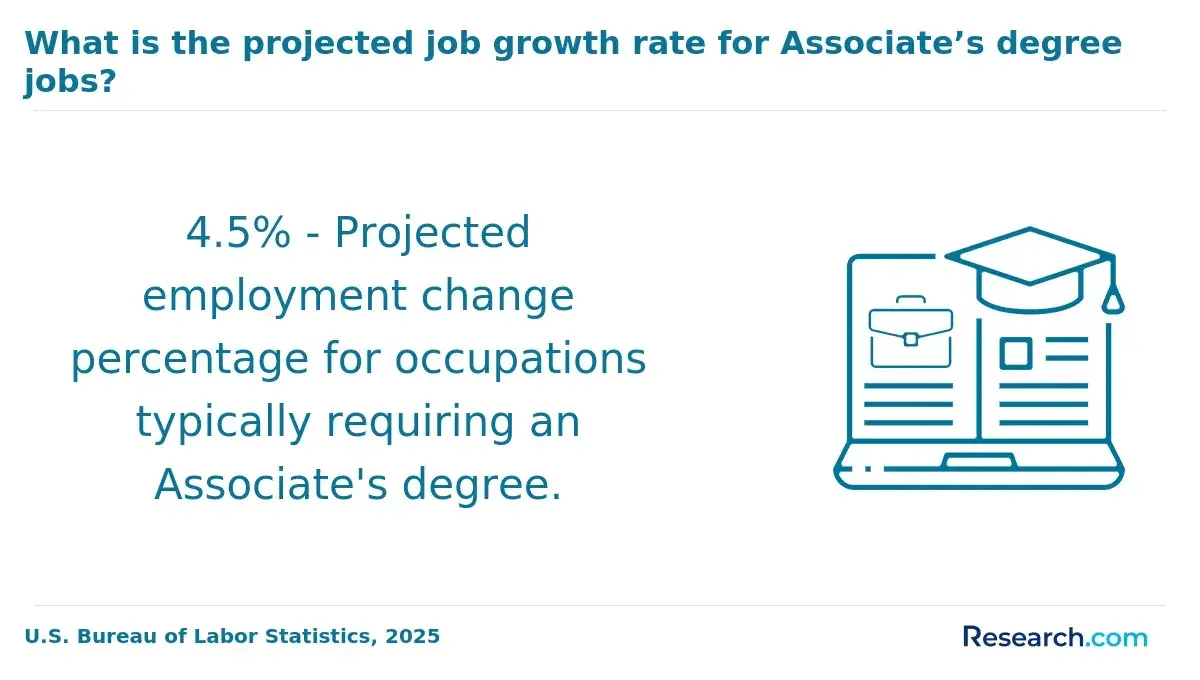
Post-graduate credentials and continuing education serve as a layoff shield by validating specialized, high-demand expertise. Certified professionals see a 15% higher retention rate during economic downturns. These credentials enhance job security and open doors to advanced roles.
Consider the following certification opportunities that can make your career in higher education more recession-proof:
- Certified Education Planner (CEP): This certification focuses on academic advising and student retention strategies, key skills for those working within student support and enrollment management. Professionals holding CEP often gain stable employment opportunities in both public and private sectors of higher education.
- Project Management Professional (PMP): PMP certification equips graduates with skills to efficiently manage complex projects, meet deadlines, and lead operational initiatives. It is especially valuable for roles in educational administration, program coordination, and policy implementation during resource-constrained periods.
- Data Science Certifications: Specializations in analytics and educational data management are increasingly prized as institutions rely on data-driven insights. Graduates with these certifications can work in institutional research, enrollment analysis, or online education platforms that have demonstrated resilience with a 12% growth rate despite economic downturns.
- Certified Fund Raising Executive (CFRE): Targeted at graduates interested in development and alumni relations, CFRE prepares them to sustain funding flows critical to institutional stability in lean periods. This credential supports careers in fundraising and philanthropic engagement within higher education.
- Instructional Design and E-Learning: Certifications in instructional design or e-learning technologies align with the growing demand for remote and hybrid education models. These credentials boost employability in curriculum development and technology-enhanced learning environments.
Choosing the best certifications for job security in higher education aligns a graduate's skills with institutional priorities and emerging trends. For those considering administrative or leadership roles, exploring organizational leadership master's programs can further enhance the potential for career resilience during recessions.
Consistently developing new skills can make professionals less vulnerable to layoffs during economic downturns and organizational changes. Here are five essential cross-functional skills that higher education graduates should cultivate to maintain job security and versatility in the field.
- Data Literacy and Analysis: Understanding how to analyze and interpret data is crucial across various roles, including academic administration and research support. This skill enables graduates to contribute to data-driven decision-making, a priority for many institutions.
- Digital Communication and Instructional Design: As online learning continues to grow, expertise in designing engaging digital content and effectively communicating through virtual platforms strengthens one's value in student services and faculty support functions.
- Project Management: The ability to coordinate, lead, and complete projects equips professionals to handle expanded responsibilities beyond their core duties, improving their adaptability in dynamic higher education environments.
- Diversity, Equity, and Inclusion (DEI) Expertise: Deep knowledge of DEI principles supports campuses' goals of fostering inclusive communities. This competence is increasingly incorporated into job descriptions as institutions commit to equitable educational practices.
- Budgeting and Financial Acumen: Managing limited resources efficiently is critical, especially for departments contending with financial pressures. Financial skills help safeguard roles linked to operational and strategic planning within higher education.
Embedding these competencies into professional profiles helps graduates remain competitive when pursuing roles that demand flexibility, such as academic advising or compliance. Students exploring essential certifications for careers in higher education may also find that combining these abilities with targeted qualifications enhances long-term career durability.
For those interested in advanced degrees, programs like an online PsyD program offer opportunities to further develop relevant skills to thrive in this resilient sector.
School prestige often plays a significant role in securing stable jobs for graduates in higher education fields. Employers may view degrees from well-known institutions as indicators of rigorous training and strong foundational knowledge, which can enhance job security in competitive markets.
This perceived value can be especially important during economic downturns when job openings tighten.
Graduating from a reputed school also provides substantial networking advantages. Strong alumni connections and partnerships with influential organizations often give graduates access to exclusive job opportunities and mentorship that might not be available otherwise.
These networks can speed career advancement and open doors in both academic and administrative sectors of higher education.
Nonetheless, graduates from any accredited higher education program can remain competitive by consistently demonstrating proven performance and professional development. Success in higher education careers increasingly depends on practical skills, adaptability, and a track record of accomplishments rather than institutional name alone.
Proactive career preparation is essential for aligning academic studies with the dynamic needs of the higher education industry-this approach significantly enhances employability and job stability. Consider the following strategies to better position yourself for success in the evolving job market.
- Hands-On Experience: Pursue internships or cooperative education opportunities that provide practical exposure to real-world challenges. These experiences help bridge theory and practice, making candidates highly attractive to employers.
- Applied Research: Get involved in research projects focused on solving tangible problems in your field. This participation builds critical thinking and demonstrates your ability to contribute meaningful solutions.
- Networking Connections: Join professional groups and attend industry events to cultivate relationships and gain insights. Networking opens doors to mentorship, collaborations, and hidden job prospects.
- Soft Skill Development: Strengthen abilities such as effective communication, adaptability, and problem-solving through leadership roles or extracurricular activities. These traits are often decisive in hiring and career advancement.
- Relevant Certifications: Earn credentials or digital skills aligned with emerging trends like data analytics or educational technology. Such qualifications showcase your commitment to staying current and versatile.
In discussing how students can meet job market demands, a professional who earned a bachelor's degree in higher education online shared his perspective. He described how balancing coursework with family and work was challenging but taught him discipline and time management. "I realized that simply completing assignments wasn't enough," he explained.
"I had to actively seek ways to apply my learning outside of class to feel confident entering the workforce." He noted the value of reaching out to instructors and peers for advice and the importance of flexibility in adapting skills to different roles. His experience highlights that success often depends on persistence and the willingness to integrate academic knowledge with practical action.
Careers requiring a higher education degree in recession-resistant fields typically start with an average annual salary around $60,000, increasing to roughly $85,000 for mid-career professionals. This earning potential surpasses the national average across all sectors, highlighting strong financial prospects for those pursuing these roles.
In addition, the projected annual wage growth of 3.5% for these careers notably outpaces the overall workforce growth, reflecting the stability and demand within these professions tied to higher education.
Recession-resistant higher education careers salary trends reveal that some roles, such as education administrators with advanced certifications, offer particularly lucrative income due to their specialized skills in areas like digital learning management and diversity strategy.
In contrast, other positions, including certain academic advising or support roles, may yield lower but steadily stable compensation, ensuring employment security even during economic downturns. This variance in pay underlines the importance of skill specialization and continued professional development.
Income for professionals in higher education also fluctuates based on industry, employer, geographic location, and credentials earned over time. For example, holding targeted certifications can accelerate promotions and provide bonuses.
Furthermore, emerging fields that combine education expertise with technology and analytics often command higher pay. Individuals interested in related fields might also explore an architecture degree, which is another example of a degree program that supports recession-resistant careers.
What Graduates Say About Their Career After Getting a Degree in Higher Education
- Esteban: "Pursuing a degree in higher education was a deliberate choice for me because I wanted a career that could withstand economic downturns. The hands-on experiences and leadership courses I took prepared me to adapt quickly and solve problems effectively in a constantly changing job market. Thanks to this education, I secured a position in educational administration, a field that remains stable regardless of recessions."
- Alexis: "Choosing higher education was driven by my passion for helping others succeed academically and professionally. The degree gave me a deep understanding of institutional frameworks and student development theories, which are essential in my role as a career counselor. This solid foundation allowed me to thrive in an industry that consistently needs skilled professionals, even during economic challenges."
- Eli: "What stood out to me about pursuing higher education was the broad set of skills it offered, from communication to strategic planning. These tools proved invaluable when transitioning into a government education policy advisor role-a sector known for its recession resilience. Reflecting back, the degree wasn't just an academic pursuit; it was a practical investment in long-term career security."
Other Things You Should Know About Higher Education Degrees
Roles that support essential student services and institutional operations tend to be less vulnerable during recessions. This includes academic advising, student affairs, financial aid administration, and information technology support. Positions directly linked to student retention and graduation rates are often prioritized to maintain enrollment and funding.
Master’s and doctoral degrees in nursing, physician assistant studies, accounting, data science, and education most often lead to recession-resistant careers. These programs usually require 30 to 60 credit hours for a master’s degree, while licensed fields also require state board exams or national certification.
Adjunct and part-time roles generally offer less job security compared to full-time positions, especially during economic downturns. Institutions often reduce course offerings or adjunct faculty to cut costs during recessions. However, those who diversify their institutions or combine adjunct roles with other responsibilities may improve their stability.
Yes, professionals with interdisciplinary skills are more adaptable and tend to be more recession-resistant. Combining expertise in areas like data analytics, digital learning technologies, or grant writing with core higher education knowledge increases employability. Institutions value staff who can contribute across multiple departments or initiatives during tight budget periods.
- These states have the most opportunities for college students and recent grads https://www.cnbc.com/2018/08/03/these-states-have-the-most-opportunities-for-college-students.html
- 5 Best Industries for College Graduates https://bhsg.com/resources/5-best-industries-for-college-graduates
- Which States Help Their College Grads Land Good Jobs? | Washington Monthly https://washingtonmonthly.com/2024/04/04/which-states-help-their-college-grads-land-good-jobs/
- Recession-Proof Careers: Jobs Designed to Withstand an Economic Downfall https://uafs.edu/news/2025/uafs-degrees-that-lead-to-recession-proof-careers.php
- Top 15 Recession Proof Jobs for College Graduates https://www.careerprofiles.info/top-recession-proof-jobs.html
- How Universities Are Adapting to the Changing Job Market https://myexeed.com/how-universities-are-adapting-to-the-changing-job-market/
- Recession-Proof Skills: What to Learn When Job Markets Become Uncertain https://ciiskills.in/blog/recession-proof-skills-for-uncertain-job-markets
- 5 Ways to Make Your Career Recession-Resistant | University of Phoenix https://www.phoenix.edu/blog/how-to-make-your-career-recession-resistant.html
- Recession-Proof Plans Study: Professionals Consider Grad School https://online.aurora.edu/recession-proof-with-graduate-school-study/


