
2027 Is a Higher Education Degree Better Than Experience Alone? Salary, Hiring, and Career Growth Compared

Co-Founder and Chief Data Scientist
Individuals seeking careers in higher education face a key dilemma-should they invest in a higher education degree or rely solely on experience and self-directed learning? In many cases, entry into the higher education industry requires formal credentials, effectively limiting access for non-degree holders.
Recent studies reveal that degree holders earn on average 25% more over their careers than those without, reflecting both salary and advancement opportunities. However, experience can sometimes compensate where degrees are absent, particularly in administrative roles. This article examines salary trends, hiring practices, and career growth to help readers decide if pursuing a degree aligns with their professional goals in higher education.
Key Points About Having Higher Education Degrees vs Experience Alone
- Salary data shows degree holders in higher education earn on average 20% more than experienced non-degree peers, especially in administrative and faculty roles.
- Job postings for higher education positions frequently require a relevant degree, limiting opportunities for candidates relying on experience alone.
- Promotion and leadership roles overwhelmingly favor candidates with formal higher education credentials, with 78% of senior positions held by degree holders.
What technical proficiencies can you gain from having Higher Education degrees vs self-teaching?
Professionals gain foundational principles and practical applications through higher education degrees in ways that are difficult to replicate solely through on-the-job learning. While experience offers valuable hands-on skills, degree programs provide comprehensive technical proficiencies built on rigorous theory and structured frameworks. The following are five critical technical skills often developed more effectively through higher education compared to learning purely from work experience.
- Advanced Data Analysis: Degree programs teach advanced statistical methods paired with theoretical foundations, enabling graduates to interpret data qualitatively beyond basic application. Self-taught professionals may develop practical skills but often lack deep context to analyze complex data patterns systematically.
- Algorithm Theory: Understanding the logic and computational complexity behind algorithms is a core component of many degree programs. This conceptual knowledge often escapes professionals who learn only by coding on the job, limiting their ability to innovate or optimize algorithms effectively.
- Problem-Solving Methodologies: Higher education emphasizes systematic approaches grounded in academic frameworks, fostering disciplined thinking. In contrast, self-taught individuals typically develop problem-solving through trial and error without formal methodology, which can affect efficiency and scalability.
- Software Development Lifecycles: Formal programs cover end-to-end software engineering principles, including design, testing, and maintenance. Professionals relying solely on experience might focus narrowly on coding tasks and miss broader lifecycle knowledge essential for team-based development and project management.
- Machine Learning Techniques: Degree curricula often include comprehensive instruction on theoretical models and practical applications of machine learning. While self-teaching can build basic skills, it rarely provides the in-depth understanding needed to handle ambiguous or novel problems professionally.
These distinctions illustrate why the technical skills learned through higher education programs remain highly valued. A 2025 workforce study found that 62% of employers prefer candidates with degrees for roles requiring complex technical problem-solving. For students weighing self-taught vs degree-based technical proficiencies, pursuing structured learning often leads to a more robust foundation.
For those seeking accessible pathways, exploring the easiest online degrees that pay well can provide a balance of instruction quality and career ROI while building essential competencies.
Are there certifications or licenses that only Higher Education degree holders can obtain?
Continuing education and earning additional credentials remain valuable, even as many employers increasingly emphasize skills-based hiring. Still, certain certifications and licenses in the field of higher education are only available to those who hold a degree. Below are several examples of such credentials, which highlight why formal education is often essential for advancing academic careers.
- Certified Higher Education Professional (CHEP): This credential is designed for college and university administrators and staff. It requires a degree in higher education or a closely related field as a prerequisite, demonstrating a commitment to institutional best practices and leadership that can improve job prospects and lead to promotions.
- Senior Professional in Human Resources (SPHR): Though not exclusive to higher education graduates, this certification favors candidates with higher education degrees because coursework in higher education administration is foundational for the exam and related HR roles in academic settings. It confirms expertise in strategic HR management within universities.
- Faculty Licenses: State teaching certifications or other accreditation requirements for tenure-track faculty often mandate a master's or doctorate degree in higher education or a related discipline. These licenses validate pedagogical skills and scholarly competence vital for hiring and promotion.
- Certified College Counselor (CCC): This specialized credential is critical for advising students on academic and career planning and usually requires a master's degree in higher education counseling or student affairs. It ensures adherence to educational standards and ethical practices.
Licenses and credentials exclusive to degree holders reflect a clear preference among employers for formally educated candidates. According to a survey by the National Higher Education Employers Association, 78% of institutions prefer candidates holding relevant higher education degrees when awarding such credentials, underscoring the importance of a degree over experience alone in many cases. For those exploring options, considering degree programs from cheap online colleges may provide a practical pathway to achieving these essential qualifications.
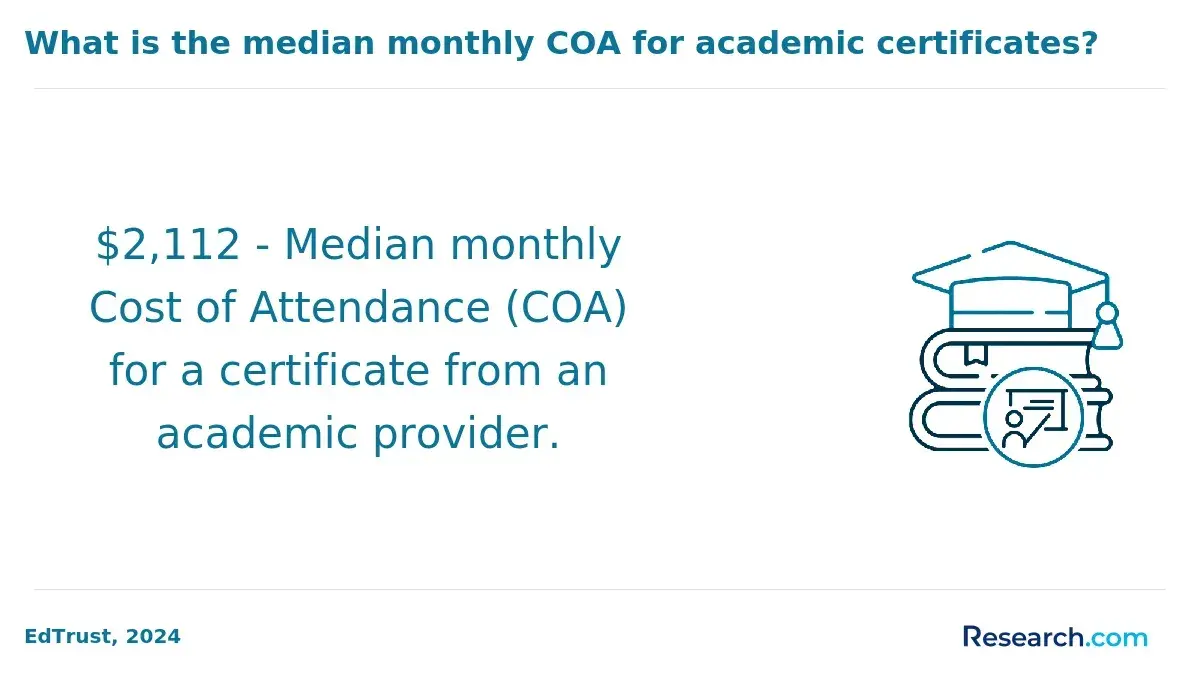
Will a degree in Higher Education make you more employable?
The job market generally favors candidates with a degree in higher education for many roles, especially in academic advising, administration, and student services. Employers often prefer formal credentials because they reflect mastery of specific knowledge areas like educational policies and institutional regulations. While experience alone can be valuable, most institutions use degrees as a baseline requirement, particularly when licensure or specialized training is necessary.
However, some positions, particularly in technology or operational support within higher education, are beginning to recognize skills and certifications as alternatives to traditional degrees. This trend is still limited and less prevalent in core academic or administrative roles. Ultimately, personal career objectives should guide the decision to pursue a degree, as some paths require formal education, while others may allow room for experience-driven advancement.
The author spoke with a professional who earned an online bachelor's degree in higher education and shared his insights on employability. He described the journey as "challenging but rewarding," noting how balancing coursework with work commitments tested his time management skills. He emphasized that the degree opened doors to interviews that previously seemed inaccessible, stating, "Without the credential, I doubt I would have gotten my foot in the door." However, he also stressed the importance of practical experience alongside education, suggesting that combining both gave him the confidence and qualifications employers sought. This blend of formal learning and real-world application shaped his positive outlook on how a higher education degree affects employability.
Some jobs in higher education require formal degrees due to the specialized knowledge and certification standards involved, while other positions prioritize skills and job-readiness, sometimes allowing experience alone to suffice. Below are examples illustrating the differences in career opportunities available to higher education degree holders versus non-degree holders.
- University Professors: These roles focus on teaching, research, and producing scholarly work. They usually demand a doctoral degree because of the expertise and research experience necessary, making formal education essential for advancing in academia.
- Academic Researchers: Concentrating on advancing knowledge through specialized studies, academic researchers typically hold doctoral degrees. Formal credentials are often required to secure funding and credibility, though experienced assistants may contribute without higher degrees.
- Higher Education Administrators: Managing policies, admissions, and planning, these positions generally require at least a bachelor's degree and often a master's. While some junior roles might be accessible based on experience, career advancement is limited without formal education.
- Counselors: Supporting student mental health and academic advising, counselors usually need master's degrees in counseling or related fields and licensure. Equivalent training may allow certain entry-level roles under supervision but not independent practice.
Students exploring career opportunities for higher education degree holders should weigh the benefits of formal qualifications. While some paths offer limited roles to professionals relying solely on experience, most stable and well-paid options in higher education favor candidates with academic credentials. For those considering alternatives, exploring paralegal online programs may provide insights into accelerated education options with practical career focus.
Overall job prospects with a higher education degree remain strong, with almost 72% of positions in the sector requiring formal academics, compared to just 15% growing for experience-only roles. This highlights the increasing value institutions place on official qualifications for hiring and promotion decisions.
Degree holders often benefit from structured networking opportunities embedded within higher education institutions. These include access to alumni networks, career fairs, and mentorship initiatives that create channels for referrals and introductions, increasing the likelihood of job placements. Meanwhile, professionals without degrees usually depend on their personal and workplace connections or participation in informal industry groups, which can require more proactive effort and may offer less consistent results.
Students in higher education frequently gain entry to exclusive platforms like specialized digital forums and curated employment listings-resources not as readily accessible to those without formal credentials. Additionally, mentorship from faculty and alumni provides valuable guidance and connections. In contrast, non-degree workers build networks primarily through their immediate environment and external meetups, which might lack the same breadth or formality.
The higher education sector strongly encourages networking as a key component for career advancement, offering well-established ecosystems that support relationship building and skill development. While it is possible to establish effective professional networks without a degree, higher education tends to accelerate early career growth by providing dependable and expansive networking assets that are less available outside this system.
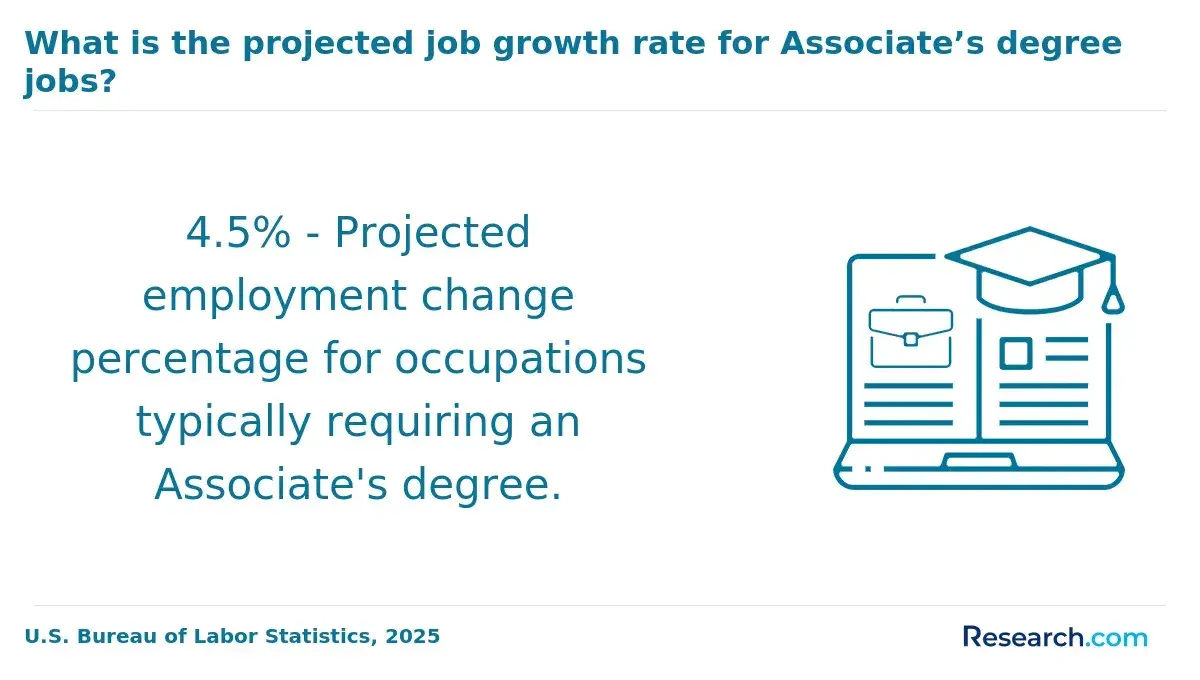
Possessing a higher education degree can make candidates more qualified for certain positions within the higher education sector, particularly those involving leadership or advanced administrative duties. Such degrees often serve as formal proof of expertise and dedication, which can be crucial for moving up in this field. Below are some key reasons why higher education credentials can influence promotion prospects.
- Leadership Qualification: Advanced degrees frequently act as prerequisites for high-level roles, signaling specialized knowledge and a commitment to professional development that employers seek in leaders.
- Access to Career Advancement: Holding a degree can open doors to structured growth opportunities, including leadership training, committee roles, and tenure-track positions that require formal education credentials.
- Experience Limitations: Although experience and self-directed learning can contribute to promotions, they tend to be less recognized for leadership tracks and often require longer periods to achieve similar advancement.
Professionals with higher education degrees tend to start with salaries approximately 20-30% above those who depend solely on experience or self-teaching. This wage gap often expands as careers progress, with degree holders commonly accessing roles that offer faster income growth, such as managerial or senior positions. On the other hand, non-degree professionals sometimes face an income ceiling unless they acquire significant industry certifications or expertise. The impact of higher education qualifications on professional salary growth remains clear, especially in fields where formal credentials unlock better advancement opportunities.
Non-degree holders can still enhance their income outlook through continuous skill development, certifications, and building a strong professional network. In some industries, practical experience and a portfolio carry weight, but a relevant formal degree frequently provides an edge during salary negotiations and hiring decisions. For example, pursuing a specialized cyber security degree can boost both credentials and earning potential.
The cost of pursuing a higher education degree in the United States typically ranges from $20,000 to $50,000 per year, varying by institution and field of study. Graduates usually need about 10 to 15 years to earn back their investment by benefiting from higher income potential. Research shows that over a lifetime, degree holders earn around 30% more compared to those who rely solely on experience and self-teaching.
Financial aid such as scholarships, grants, and subsidized loans can significantly reduce upfront education costs, helping students minimize debt and improve return on investment (ROI). Accelerating degree completion through extra credits or summer courses allows earlier entry into the workforce, shortening the break-even period. Combining academic credentials with internships or part-time work also enhances experience and employability, boosting salary prospects and career growth.
The higher education sector is increasingly integrating AI tools and automated systems, reshaping many administrative and teaching functions. This shift creates volatility, especially during economic downturns, as institutions seek efficiency and cost reductions. However, professionals holding degrees in higher education often possess skills such as critical thinking, adaptability, and technical proficiency that are less susceptible to automation. These abilities help them maintain relevance as job roles evolve, reducing the risk of displacement compared to those without formal credentials.
In contrast, individuals relying mainly on experience or self-directed learning might face greater challenges. Employers tend to favor candidates with verified qualifications that signal readiness to engage with new digital tools and shifting demands. Without a degree, workers may find it harder to demonstrate their capacity for ongoing learning or to navigate the increasing complexity of AI-driven processes. Consequently, degree holders have a stronger buffer against layoffs tied to automation and economic fluctuations.
When asked about his experience, a professional who graduated from an online higher education bachelor's program reflected on unexpected benefits during industry changes. He shared, "Initially, I was unsure if investing time in a degree would pay off, especially balancing work and family. But the program exposed me to cutting-edge technologies and encouraged problem-solving skills that I now use daily." He described feeling more confident during recent organizational shifts, noting that "my degree helped me adapt faster and contributed to keeping my role secure when others were let go." This perspective highlights how formal education can provide both practical tools and psychological resilience amid job market uncertainties.
What Graduates Say About Their Higher Education Degrees
- Esteban: "Pursuing a degree in higher education truly set me apart in a competitive job market. The comprehensive curriculum helped me develop critical skills that made me job-ready from day one. Moreover, my degree opened doors to promotions faster than I expected, significantly enhancing my salary potential."
- Alexis: "Reflecting on my journey, earning a higher education degree was invaluable. It not only gave me a solid foundation in the theories and practices of the field but also cultivated adaptability in various institutional roles. Having this qualification has consistently been a key factor in my professional growth and confidence in leadership positions."
- Eli: "My higher education degree was essential for establishing credibility and advancing within the industry. The practical experience embedded in the program made transitioning into the workforce seamless and competitive. Additionally, holding this degree markedly improved my employment opportunities and has been crucial in negotiating benefits and salary raises."
Other Things You Should Know About Higher Education Degrees
In 2027, salary potential often favors candidates with higher education degrees, as many industries continue to associate degrees with advanced skillsets and specialized knowledge. While experience is crucial, degree holders may benefit from higher starting salaries and more opportunities for raises and promotions, though this pattern varies by industry and role.
Employers often screen for regionally accredited degrees, and many graduate programs expect at least a 2.5–3.0 GPA for admission. For licensed fields, employers may also verify program accreditation from bodies such as ABET, AACSB, CCNE, or CAEP before considering the credential valid.
Career advancement speed can vary widely and is influenced by industry norms, individual performance, and networking. Degree holders may initially progress faster due to meeting formal criteria for promotions and access to management training programs. However, self-taught professionals who continually develop skills and demonstrate impact can advance quickly, sometimes bypassing traditional routes.
Higher education degrees are often recognized globally, making it easier for degree holders to pursue opportunities in international job markets. Experience alone may not translate as clearly across borders without standardized credentials. Hence, degrees can facilitate smoother transitions and enhance credibility when seeking employment abroad.
- How to get a teaching certificate if you already have a bachelor's degree | edX https://www.edx.org/resources/how-to-get-a-teaching-certificate-if-you-already-have-a-bachelors-degree
- Certificate of Higher Education | Requirements & more | Uni Compare https://universitycompare.com/advice/student/what-is-a-certificate-of-higher-education
- Certificate of Higher Education - Wikipedia https://en.wikipedia.org/wiki/Certificate_of_Higher_Education
- From Higher Education to the Career Paths: Students’ Perspectives of Education and Employability https://www.asianinstituteofresearch.org/JEBarchives/from-higher-education-to-the-career-paths%3A-students%E2%80%99-perspectives-of-education-and-employability
- Measuring the Return on Investment of Higher Education: Breaking Down the Complexity https://bipartisanpolicy.org/explainer/measuring-the-return-on-investment-of-higher-education-breaking-down-the-complexity/
- The Impact of Higher Education on Career Advancement and Personal Development https://aithor.com/essay-examples/the-impact-of-higher-education-on-career-advancement-and-personal-development
- Started Your Career? How a College Degree Can Still Benefit You https://online.utsa.edu/blog-content/started-your-career-how-a-college-degree-can-still-benefit-you/
- College is worth the money for most graduates, new Fed research finds—here's the median return on investment https://www.cnbc.com/2025/04/18/median-return-on-investment-for-a-college-degree.html
- The Importance of Networking During University Years - Cyprus West University https://www.cwu.edu.tr/the-importance-of-networking-during-university-years/
- The importance of networks for career advancement in academia https://blog.aare.edu.au/the-importance-of-networks-for-career-advancement-in-academia/


