
2027 Higher Education Degree vs Bootcamp vs Certificate: Which Path Leads to Better Career Outcomes?

Co-Founder and Chief Data Scientist
Choosing between a higher education degree, a bootcamp, or a certificate can feel overwhelming-each promises distinct career benefits but varies widely in cost, duration, and employer appeal. For instance, graduates with a higher education degree earn a median salary 36% higher than those with only bootcamp certificates, highlighting significant differences in salary outcomes. Employers also differ in credential preferences, with some valuing formal degrees more while others prioritize demonstrated skills from bootcamps. This article analyzes salary, job placement rates, return on investment, networking opportunities, and long-term growth-helping readers identify which path aligns best with their career goals and learning style.
Key Things to Know About Which Path Leads to Better Career Outcomes: Higher Education Degree, Bootcamp, or Certificate
- Higher Education degrees typically yield higher long-term salary outcomes-around 20% more over a career-due to strong employer preference for formal credentials in academic roles.
- Bootcamps excel in job placement speed-often securing roles within six months-and suit career changers seeking practical skills without extended study periods.
- Certificates offer high return on investment and flexible learning-ideal for working adults-though networking opportunities and long-term growth are more limited compared to degrees.
How Does Higher Education Degree Compare to Bootcamps and Certificates in Total Program Cost and Time to Completion?
Prospective students today face a genuine choice between a multi-year degree investment and faster, lower-cost alternatives like bootcamps or professional certificates-neither path automatically being the right answer for every learner. A traditional higher education degree typically involves enrolling in a bachelor's (usually four years full-time) or associate's degree (often two years full-time) program. These programs integrate general education with specialized coursework and require a significant time and financial commitment. According to the National Center for Education Statistics (NCES), the average tuition and fees at public four-year institutions were approximately $10,600 annually for in-state students, with private institutions costing more. Part-time options are available but extend the overall timeline.
Bootcamps offer intensive, short-term training-usually 8 to 26 weeks-focused on skill-building in technical fields such as coding or data science. Tuition varies widely, averaging from $10,000 to $18,000 based on data from review aggregators like SwitchUp and Course Report. Many bootcamps provide flexible payment plans or income-share agreements. These programs emphasize rapid workforce entry through either full-time immersive schedules or part-time formats for working professionals. Meanwhile, professional certificates are offered by platforms like Coursera, Google, or industry bodies, available in self-paced or instructor-led formats. Certificates focus on discrete skills or credentials achievable in weeks to months and generally cost less than $5,000, with some free or low-cost options allowing learners to balance education with work.
Considering higher education degree program cost versus bootcamp and certificate expenses, key comparisons highlight distinct trade-offs:
- Cost: Degrees require a substantial financial investment-roughly $20,000 to $80,000 overall depending on the institution and program length-compared to $10,000-$18,000 for bootcamps and often under $5,000 for certificates.
- Time to Completion: Degrees generally take 2 to 4 years full-time or longer part-time; bootcamps span 2 to 6 months full-time with extended part-time options; certificates can be completed within weeks or months.
- Flexibility and Format: Traditional degrees follow academic calendars, bootcamps offer intensive, condensed schedules, and certificates provide the greatest flexibility with self-paced or instructor-led learning paths.
Average time to complete higher education degrees compared to bootcamps and certificates is a critical consideration-but it does not alone address outcomes like salary, employer recognition, or networking opportunities. For those seeking alternatives to traditional degrees, exploring options such as 1 year online masters programs may also offer accelerated advancement paths. The following sections delve deeper into how these education pathways shape long-term career growth and return on investment.
What Career Outcomes Can Higher Education Degree Graduates Expect Compared to Bootcamp and Certificate Completers?
Career outcomes for higher education degree graduates compared to bootcamp and certificate completers reveal distinct differences influenced by field and employer preferences. Employment rates within six months of completion generally favor degree holders-often exceeding 85%-while bootcamp graduates report employment between 70% and 80%, with certificates showing more varied results depending on the discipline. This aligns closely with employer preferences for higher education degrees versus bootcamp and certificate credentials, as many employers still prioritize formal education in established industries.
- Employment Rate: Degree holders typically achieve higher placement rates shortly after graduation, reflecting broader curricula and stronger hiring momentum.
- Median Starting Salary: According to the NACE Early Career Salary Survey, degree graduates earn median starting salaries 10% to 30% higher than bootcamp or certificate completers. Bootcamp salaries may surpass some certificate programs, particularly in tech-focused roles.
- Job Title Level: Graduates with degrees often begin in analyst, specialist, or coordinator roles, while bootcamp and certificate completers frequently start in junior positions. However, skills-based hiring in software development increasingly allows bootcamp alumni to enter mid-level roles.
- Outcome Gaps: While the gap between degree and non-degree outcomes can be large in traditional sectors, it narrows significantly in tech and emerging fields as employers accept alternative credentials. Nonetheless, degrees often retain a competitive edge during hiring.
- Data Reliability: Bootcamp outcome data is frequently self-reported, which may lead to survivorship bias or selective reporting. Prospective students should seek independently audited outcomes or verification via CIRR membership.
- Influencing Factors Beyond Credentials: Career outcomes depend on more than credentials alone-portfolio strength, networking, geographic location, and industry demand all play critical roles.
This overview incorporates trusted labor market data and encourages learners to consider personal circumstances alongside educational choices. For those exploring advanced options, examining executive MBA programs can be a valuable next step in career advancement.
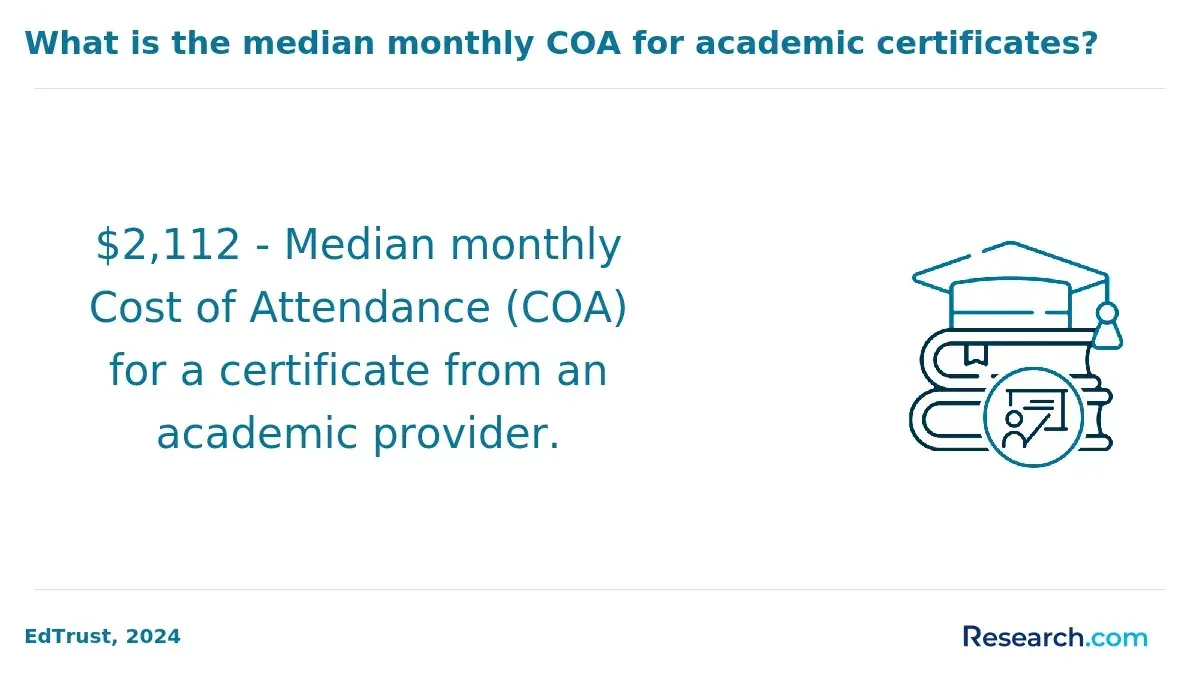
Which Higher Education Pathway - Degree, Bootcamp, or Certificate - Offers the Highest Starting Salary for Graduates?
Data from the Bureau of Labor Statistics, NACE, LinkedIn Salary Insights, and Glassdoor show that graduates with traditional degrees generally start with higher median salaries-around $50,000 to $60,000-compared to bootcamp and certificate holders, who often begin between $40,000 and $55,000. Employer type plays a significant role: large enterprises tend to favor degree credentials, offering more competitive salaries, while startups may weigh technical skills more heavily, sometimes narrowing the pay gap for bootcamp or certificate completers.
- Industry and Role Differences: Positions demanding specialized expertise or leadership in higher education administration usually require degrees and pay more initially. In contrast, roles focused on technical skills, such as educational technology support, reveal smaller salary gaps between educational pathways.
- Location Impact: Urban markets with high living costs consistently offer greater pay across all credentials, yet degree holders often retain a salary advantage. Some emerging tech hubs show more demand for bootcamp graduates, which can lead to competitive starting salaries in those areas.
- Career Growth Patterns: Degree holders typically advance more rapidly into higher-paying leadership or specialized roles, due to credential requirements for promotions. Bootcamp and certificate graduates may see slower salary increases but can reach parity in technical or operational roles through experience and skill expansion.
- Individual Variation: Median salary data masks significant personal differences influenced by prior experience, program quality, geographic flexibility, and specialization. Comprehensive return-on-investment evaluations are essential for a clearer cost-adjusted salary outlook.
A professional who earned a higher education degree reflected on his experience, emphasizing the challenges of balancing coursework with part-time work. He described moments of doubt during rigorous projects but ultimately felt the degree opened doors to roles requiring leadership potential that would have been inaccessible otherwise. "It wasn't just about the salary at the start," he shared, "but knowing that the credential would support my growth long-term gave me confidence when I faced setbacks." His journey highlighted how the degree pathway aligned with his ambitions for advancement in administration rather than purely technical roles.
Employer preferences for higher education credentials in the United States vary considerably across industries and company types. Research from LinkedIn Talent Insights and SHRM hiring surveys indicates that a formal degree remains a critical screening tool in sectors such as regulated industries-including finance and healthcare-large enterprises, government roles, and consulting firms. Here, degrees signify verified expertise and foundational knowledge, maintaining their influence on hiring and promotion decisions.
Conversely, sectors driven by innovation and practical skills-such as technology startups-have increasingly embraced bootcamps and professional certificates. These credentials often reflect up-to-date, applicable skills in areas like software development and data analytics, allowing certificate holders to compete on near-equal terms with traditional degree holders. This trend responds to the evolving emphasis on demonstrable competencies rather than solely academic attainment.
Skills-based hiring initiatives, championed by major tech companies and government agencies, aim to diversify talent pools and lower credential barriers. However, outcome data reveal that actual hiring practices frequently fall short of these policies-degree holders still dominate senior-level roles and positions prioritizing stability. Non-degree candidates tend to gain more entry and mid-tier opportunities, where performance and portfolios weigh more heavily.
- Large Enterprises & Government: Degrees remain a common requirement, especially for compliance and security-sensitive posts.
- Startups and Tech: Greater emphasis on certificates and bootcamps linked to relevant skills supports flexible hiring.
- Consulting and Finance: Degrees prevail, though supplemented by skill-based assessments in some cases.
For those evaluating educational pathways, understanding these distinctions is essential. Decisions should reflect targeted employer expectations rather than assumptions about uniform credential value. For example, exploring a video game development degree might offer advantages in entertainment and tech sectors where specialized knowledge is prized.
Admission standards for accredited higher education degree programs typically include several structured criteria that both filter candidates and indicate academic quality.
- GPA Minimums: a baseline academic performance threshold usually between 2.5 and 3.0 on a 4.0 scale.
- Prerequisite Coursework: applicants must complete foundational classes relevant to their desired field to ensure preparedness.
- Standardized Tests: programs frequently require scores from exams like the SAT or ACT, though test-optional policies are becoming more common.
- Letters of Recommendation: these provide insight into the applicant's abilities and character from educators or professionals.
- Application Timelines: strict deadlines require early planning to meet admissions schedules.
- Open Enrollment: bootcamps and certificate programs typically remove these academic barriers, welcoming learners regardless of formal qualifications and focusing on motivation and relevant skills.
- Flexible Start Dates: multiple entry points throughout the year allow quicker program access.
- Minimal Documentation: recommendation letters and standardized testing are rarely demanded, simplifying application processes.
- Accessibility: these formats better serve working adults, career changers, and underrepresented populations facing financial, geographic, or time constraints.
Selectivity in degree program admissions acts as a quality signal employers often trust, distinguishing candidates through academic rigor. In contrast, bootcamps and certificate programs must demonstrate value via strong employment outcomes, instructor expertise, curriculum strength, and recognized accreditation instead of relying on entry barriers. Prospective students should honestly evaluate their academic history and personal circumstances to decide if degree program requirements present meaningful quality indicators or unfair structural hurdles.
One professional who built her career after completing a higher education degree reflected on how the admissions process felt daunting yet reassuring. She recalled the pressure of meeting deadlines, securing recommendation letters, and preparing for standardized tests. However, after overcoming those hurdles, she valued how the selective admissions gave her confidence in the program's rigor and how employers recognized the credential. She also noted that for those without her academic background, programs with fewer barriers might offer a faster, more accessible route-emphasizing that each pathway suits different goals and situations.
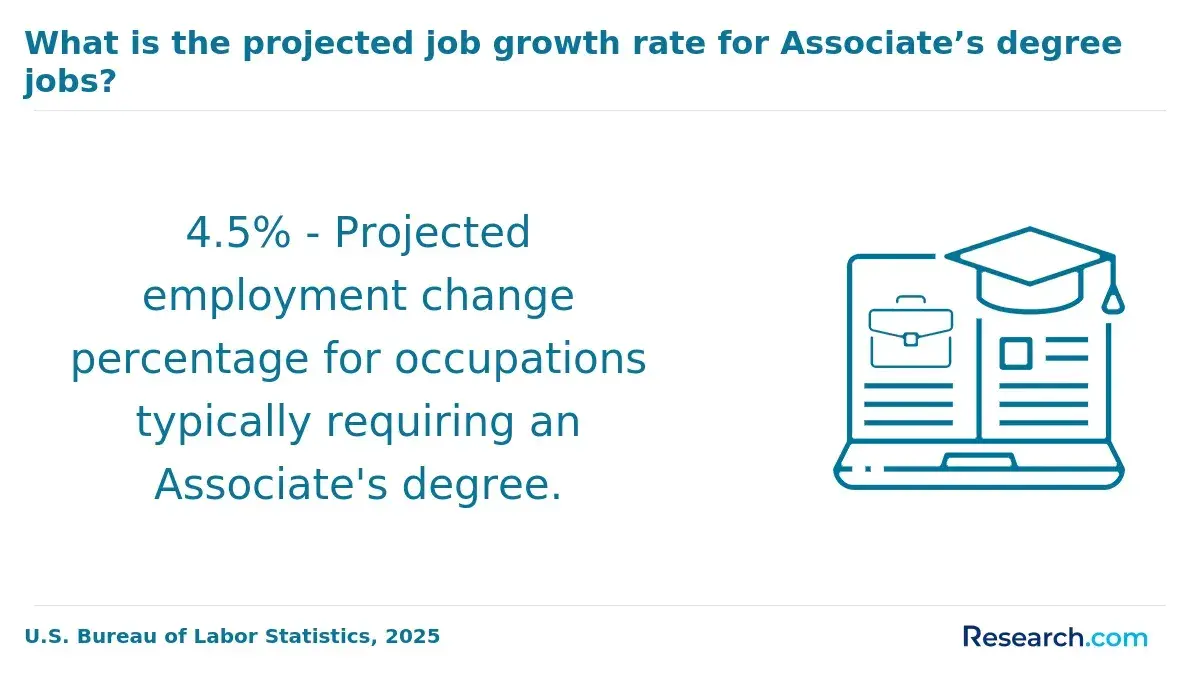
The curriculum structure differs widely among degree programs, bootcamps, and certificate courses-each tailored for distinct learner goals and timelines.
- Degree Programs: These offer a broad, layered curriculum balancing foundational knowledge and specialized study.
- General Education: A mix of humanities, sciences, and social sciences builds critical thinking and adaptable skills applicable across various fields.
- Major Coursework: Focused study of core theories and methods within the chosen discipline ensures in-depth conceptual grasp alongside practical abilities.
- Electives and Research: Options for specialization through electives and thesis or capstone projects develop independent analytical skills and lasting career flexibility.
- Bootcamps: These condensed, skill-intensive programs concentrate on quickly equipping learners with job-ready abilities through hands-on projects.
- Applied Learning: Emphasizes real-world tools and techniques relevant to specific roles over theoretical background.
- Portfolio Development: Projects integrated throughout help showcase competencies tailored to employer expectations.
- Limitations: Due to time constraints, bootcamps often exclude broader foundational theories and electives, potentially restricting future role expansion relative to degree holders.
- Certificate Programs: Certificates span a spectrum from beginner credentials to advanced professional validation.
- Entry-Level: Designed for newcomers to establish essential technical skills and support early-career roles or supplement other education.
- Advanced Certifications: Target experienced professionals seeking to deepen expertise aligned with specific job functions or industry standards.
- Market Impact: Their value varies with employer recognition, prior experience, and relevance-offering flexible pathways without the time investment of degrees or bootcamps.
Return on investment (ROI) in higher education measures how quickly learners recoup their total costs-including tuition, fees, materials, and the opportunity cost of foregone income during enrollment-through increased earnings after completion. Opportunity cost is a crucial factor since a two- or four-year degree requires not only tuition payments but also the salary lost while studying, substantially influencing ROI compared to shorter programs like bootcamps or certificates.
Three distinct learner profiles highlight how ROI varies:
- Recent High School Graduate: With little prior income to forgo, opportunity cost is lower. Over five years, bootcamps often yield the fastest ROI due to minimal upfront costs and quick job placement, followed by certificates. Degrees have slower initial ROI because of longer study durations but generally provide higher cumulative salary premiums across ten years.
- Mid-Career Professional Leaving a $50,000 Job: The opportunity cost is significant. Pursuing a degree can mean losing $100,000+ in income during study. Bootcamps and certificates-often completed part-time or within months-offer faster ROI by reducing income disruption, although their long-term salary growth may not match degrees.
- Part-Time Learner Maintaining Employment: Since income continues, opportunity cost is minimized. ROI depends mainly on program costs and salary increase. Certificates and bootcamps provide quick skill acquisition with moderate ROI, while degrees require longer commitments but can unlock advanced specialization and career advancement.
ROI is a vital but incomplete evaluation metric-some careers mandate degree credentials, which also provide deeper expertise, broader networks, and greater advancement opportunities. Learners should weigh personal goals, employer credential preferences, and long-term career growth alongside ROI when selecting their pathway.
Job placement rates between degree programs, bootcamps, and certificate programs vary significantly due to differences in data sources and definitions. Degree programs typically report through IPEDS graduate outcomes surveys or institutional career services reports-tracking employment closely aligned with the student's major for a precise view of career outcomes. In contrast, bootcamp placement often relies on self-reported data or independently audited numbers from CIRR-certified programs, which impose transparency standards. However, many bootcamps provide unaudited statistics, making direct comparisons difficult.
The variation in how "placement" is defined critically impacts reported rates.
- Definition of Placement: Degree programs usually track employment directly relevant to the student's field, while many bootcamps and certificate programs count any related or adjacent work-sometimes including freelance gigs-as placement, which can artificially boost their success figures.
- Reporting Methodology: CIRR-certified bootcamps offer audited and more credible outcomes compared to most self-reported data. Degree program data often benefit from standardized federal reporting, but institutional surveys may vary in rigor.
- Career Services Quality: Strong career support-encompassing employer partnerships, resume coaching, mock interviews, and alumni networks-plays a vital role in improving placement rates across all pathways. Evaluating this infrastructure helps prospective students assess the true value of a program.
- Benchmarking Data: Instead of relying on aggregate percentages, learners should request placement outcomes broken down by role type, salary range, and time-to-placement. This deeper insight allows better comparison and avoids misleading generalizations.
Those exploring job placement rates for higher education bootcamps versus degree programs or certificate programs and degree outcomes on job placement should scrutinize how each institution presents its data. Programs vary widely-sometimes even within fields such as communications, where pursuing masters in communications demonstrates how different reporting methods may skew perceived success. Understanding these nuances empowers students and working professionals to make informed choices aligned with their career goals.
Networking and alumni access often outperform formal education in long-term career development, serving as one of the most durable assets across educational pathways. Degree programs in higher education offer the most comprehensive networking opportunities, featuring alumni associations, career fairs, faculty connections, and professional organizations such as Greek life or industry-specific groups. These networks are frequently enhanced by institutional employer partnerships that support internships and job placements. The prestige and geographic footprint of the degree-granting institution greatly influence the reach and impact of these professional connections-graduates from well-known or highly ranked universities generally attain broader access to influential communities.
- Degree Programs: Robust infrastructure with lifelong alumni connections, formal career services, and extensive employer partnerships, ideal for leveraging networking opportunities in higher education degree programs.
- Bootcamps: Smaller, newer networks centered around cohort experiences; however, established bootcamps have fostered strong alumni referral cultures and close employer pipelines that enhance hiring, especially in technology-adjacent fields.
- Certificate Programs: Credential provider networks-like those affiliated with Google Career Certificates or Salesforce Trailhead-create growing professional communities offering peer interaction, mentorship, and limited access to hiring managers, though typically less extensive than degree or bootcamp networks.
While degree programs usually provide the most expansive networking crucial for senior roles, bootcamps are emerging as effective pathways by leveraging tight-knit alumni cultures and employer partnerships. Certificate programs primarily act as entry points or skill enhancers, where alumni access benefits depend heavily on the provider's industry connections and community initiatives rather than legacy networks. Learners should evaluate network quality and accessibility carefully alongside other factors to optimize career outcomes.
For learners interested in specialized fields, exploring an applied artificial intelligence degree illustrates how focused programs combine rigorous academics with powerful networking structures that can accelerate career trajectories.
Geographic factors strongly influence how degree programs, bootcamps, and certificate pathways perform in the job market. In major metropolitan hubs like San Francisco and New York, bootcamps and certificates often yield higher placement rates and salaries due to dense employer networks and local program concentration. Bootcamp graduates tend to benefit greatly from these connections, whereas those moving away from these centers may see reduced job prospects.
In regional and mid-sized markets, employers generally prefer traditional degrees because of greater familiarity with academic credentials and a steadier employer base. Bootcamps and certificates remain valuable but face tougher competition where networking opportunities are limited and industries less reactive to rapid skill updates.
Smaller and rural markets typically favor degrees given their entrenched employer relationships and lower awareness of bootcamp or certificate credentials. Success for non-degree programs often depends on local industry needs or the ability of graduates to secure remote work. Certificates targeting specific niche skills may have pockets of viability depending on demand.
The growth of remote work has moderated geographic disparities-allowing graduates of all pathways to vie for positions paying metropolitan-level salaries regardless of location. This broader access increases competition nationally, especially for bootcamp and certificate holders who rely heavily on skill demonstrations over traditional credentials.
- Employer Networks: Local density and credential recognition significantly shape outcomes for each pathway.
- Remote Work: Expands opportunity but intensifies competition across all credential types.
Placement Variability: Bootcamp success heavily depends on staying within or near the program's home market.
Recent data shows a 15% rise in remote job placements for bootcamp graduates since 2020, underscoring remote work's impact on shifting geographic advantages.
- Enterprise & Government Preferences: Large corporations and government bodies typically require bachelor's or higher degrees as initial screening criteria. These credentials are often viewed as proof of perseverance, analytical ability, and a solid academic foundation. Despite some publicized removal of degree requirements, hiring data shows that degrees remain predominant among newly hired professionals in conventional sectors.
- Startups and Skills-First Employers: Emerging companies, digital agencies, and startups increasingly prioritize skills and tangible outcomes-like portfolios, coding tests, and relevant work samples-over formal degrees. Bootcamp graduates and certificate holders with proven competencies are welcomed, often evaluated alongside degree holders from a more comprehensive perspective.
- Shifting Attitudes Since 2020: While many major employers have publicly eliminated degree requirements, actual hiring trends reflect a gradual shift. There is a modest rise in hiring candidates without degrees-especially for roles that rely heavily on technical skills-but degrees still strongly influence many hiring decisions.
- Research Recommendations: Candidates are advised to move beyond stated hiring policies by personally researching target employers. Informational interviews with hiring managers provide nuanced insights, while reviewing LinkedIn profiles of recently hired employees reveals real-world credential trends and skill emphases.
What Graduates Say About Which Path Leads to Better Career Outcomes: Higher Education Degree, Bootcamp, or Certificate
- Esteban: "Choosing a bootcamp was a game-changer for me-its focus on practical skills and high job placement rates meant I could jumpstart my career without years of debt. Employers I've spoken to often prioritize bootcamp certifications alongside traditional degrees, especially for tech roles, which significantly boosted my salary trajectory early on. Plus, the networking opportunities within the bootcamp community gave me connections that have been invaluable for long-term growth."
- Alexis: "Reflecting on my experience with a higher education degree, I see it as a solid foundation offering broad theoretical knowledge and credentials that many employers still highly respect. While the return on investment takes longer to realize compared to shorter programs, the networking access and tailored support for career advancement have opened doors to leadership roles I didn't anticipate. For learners who enjoy deep academic exploration and long-term career growth, pursuing this path is definitely worthwhile."
- Eli: "From my perspective, earning a certificate was the most efficient way to align career goals with current market demands-quick, affordable, and focused on specific skills that employers want now. Although certificates may not always carry the same weight as degrees, high return on investment and flexibility make them ideal for working professionals or those seeking a career pivot. This path's adaptability is perfect for learners who value speed and relevance over traditional credentials."
Other Things You Should Know About Higher Education Degrees
Higher education degree holders typically experience more sustained career growth over time due to the comprehensive knowledge base and critical thinking skills developed during their studies. Bootcamp and certificate completers often gain faster entry into the workforce but may encounter slower progression without further education. Long-term advancement often favors degree holders because many senior roles and leadership positions still require or prefer a formal degree.
In 2027, degree holders often experience greater long-term career growth due to comprehensive education and networking opportunities. Bootcamps and certificates offer faster entry into tech and niche roles, but typically with a cap at mid-level positions unless paired with further education or experience.
During economic downturns, degree holders generally retain an advantage due to employer preferences for stable, well-rounded qualifications. Bootcamp and certificate holders might face higher job market volatility because these credentials are sometimes seen as less rigorous. However, in rapidly evolving fields like technology, bootcamp graduates with in-demand skills can still find opportunities despite a tight labor market.
A regionally accredited degree is the most likely to pass applicant tracking system filters, because many systems screen for “bachelor’s degree” or “associate degree” first. Bootcamp certificates usually help only when the employer explicitly accepts them or when they are paired with recognized industry certifications.
- Benefits of Having a Strong Alumni Platform https://www.odilo.us/blog/benefits-of-having-a-strong-alumni-platform/
- CourseCareers https://coursecareers.com/blog-posts/online-courses-vs-bootcamps-vs-college-which-path-gets-you-job-ready-faster-in-2026
- College vs Bootcamp ROI Showdown https://oboe.com/learn/college-vs-bootcamp-roi-showdown-14mhfe3/comparing-outcomes-college-vs-bootcamp-roi-showdown-4
- Professional Certificates vs College Degrees: What Employers Really Care About https://careerkarma.com/blog/professional-certificates-vs-college-degrees-what-employers-really-care-about/
- Searching for a New Homeland: How Geography Matters in the College Selection and Career Decisions of STEM PhDs | Journal of STEM Education: Innovations and Research https://www.jstem.org/jstem/index.php/JSTEM/article/view/2632
- Geography and College Attainment: A Place-Based Approach https://www.higheredtoday.org/2017/06/19/geography-college-attainment-place-based-approach/
- Data Science Bootcamp vs Degree ROI: 2026 Analysis | Let's Data Science https://letsdatascience.com/blog/bootcamp-vs-degree-vs-self-taught-the-honest-roi-in-2026
- What Career Readiness Actually Looks Like in Higher Education | PeopleGrove https://www.peoplegrove.com/resource-library/what-career-readiness-actually-looks-like/
- Coding Bootcamp Grads Earn More Than College Grads: Developer Salary Report https://arc.dev/talent-blog/developer-starting-salaries/
- High-Paying Certificate Programs in the US https://www.ism.ws/certifications/certificate-programs-that-pay-well/


