2027 Best Bachelor's Degree Programs With Credit for Life Experience

Co-Founder and Chief Data Scientist
If you have years of work, military, volunteer, or professional training behind you, starting a bachelor's degree from zero may not make sense. The National Student Clearinghouse Research Center reported in 2024 that 36.8 million U.S. adults under 65 had some college credit but no credential, making credit for prior learning a major pathway back to completion. This guide is for adults comparing flexible bachelor's programs. You will learn which majors commonly accept life experience credit, how schools evaluate it, what to verify before enrolling, and how to choose a program that saves time without sacrificing quality.
Key Things You Should Know
- Credit for life experience is usually awarded through formal prior learning assessment, not automatically; common methods include portfolios, military transcript review, standardized exams, industry certifications, and ACE-reviewed training.
- Cost savings can be meaningful because the College Board reported 2024-25 published tuition and fees of $11,610 for in-state public four-year colleges and $43,350 for private nonprofit four-year colleges, before room, board, books, and fees.
- The best programs are institutionally accredited, transparent about credit caps and residency rules, and aligned with your career goal, especially in regulated fields such as nursing, teaching, engineering, and healthcare.
Top 10 Best Bachelor's Degree Programs With Credit for Life Experience
Business Degrees
Business administration, management, accounting, marketing, and human resources degrees often work well for life experience credit because many adults bring supervisory, sales, budgeting, operations, or entrepreneurship experience. Schools may evaluate corporate training, military leadership, project management certifications, or a portfolio tied to course outcomes. According to BLS May 2024 wage data, management occupations had some of the highest median wages among broad occupational groups, but outcomes vary by role and industry. Choose this path if you want promotion eligibility, career mobility, or a foundation for graduate study.
Healthcare Degrees
Healthcare administration, health sciences, public health, and allied health completion programs may award credit for licenses, clinical training, military medical experience, or approved professional certifications. These programs fit medical assistants, paramedics, respiratory therapists, billing specialists, and healthcare supervisors seeking non-licensure bachelor's options. Be careful with clinical careers: credit for experience rarely replaces required supervised practice, state licensure, or programmatic accreditation. A healthcare administration degree can support management roles, while health science may be better for students planning graduate clinical study.
Information Technology Degrees
Information technology bachelor's programs often recognize certifications, vendor training, military IT work, help desk experience, networking experience, and systems administration portfolios. This degree fits adults who want applied roles in infrastructure, cloud support, database administration, IT management, or technical support leadership. AI and automation are changing routine IT tasks, so compare programs for cloud, cybersecurity, scripting, data management, and project-based labs. BLS May 2024 data places many computer and IT occupations above the national median wage, but employers still look closely at skills and certifications.
Computer Science Degrees
Computer science degrees are more theory-heavy than IT degrees, so life experience credit may be harder to apply to algorithms, discrete math, data structures, and software engineering foundations. Still, experienced developers may receive credit through portfolios, exams, prior college coursework, or documented professional training. This path fits students aiming for software development, AI-related roles, data engineering, or graduate study. BLS May 2024 wage data reported strong median pay for software developers, but competition increasingly rewards demonstrable coding ability, internships, GitHub-style projects, and technical interviews.
Cybersecurity Degrees
Cybersecurity programs may award credit for military cyber roles, security operations experience, digital forensics work, incident response training, or certifications such as Security+, CySA+, CISSP, or GIAC credentials when school policy allows. This degree is especially useful for adults moving from IT support, networking, law enforcement, or military service into security analyst roles. BLS May 2024 data lists information security analysts among high-wage technology occupations. Prior learning credit helps, but employers also value labs, capture-the-flag practice, clearance eligibility for some roles, and current technical certifications.
Psychology Degrees
Psychology bachelor's programs may accept prior learning for human services, counseling support, crisis work, training, leadership, or social service experience, but core research methods and statistics courses usually must be completed academically. This degree fits students interested in case management, human resources, user research, social services, or graduate study. It is not enough for independent clinical practice, which typically requires graduate education and state licensure. Choose programs with strong research, ethics, diversity, and applied experience components if you plan to continue into counseling, psychology, or social work.
Nursing Degrees
Nursing is one of the most regulated degree areas, so credit for life experience is limited by state boards, clinical-hour requirements, and nursing accreditation rules. RN-to-BSN programs may award transfer credit for an associate degree in nursing, active RN licensure, or prior nursing coursework, but they do not usually replace required clinical or community health experiences. BLS May 2024 data reported strong median pay for registered nurses compared with many occupations. Verify CCNE or ACEN accreditation, state authorization, clinical placement rules, and whether the program meets your state's requirements.
Education Degrees
Education degrees may recognize classroom aide work, military training, early childhood credentials, paraprofessional experience, or prior college coursework. However, teacher licensure programs must meet state requirements for fieldwork, student teaching, exams, and approved educator preparation. This degree fits paraprofessionals, childcare workers, substitute teachers, and career changers who want a licensed or non-licensed education role. Do not assume an online education degree qualifies you for certification in every state. Check CAEP accreditation when relevant, state approval, placement support, and whether life experience credit applies only to electives.
Criminal Justice Degrees
Criminal justice bachelor's programs commonly evaluate police academy training, corrections experience, military police work, emergency management training, homeland security coursework, or professional certifications. This degree can support roles in law enforcement leadership, corrections administration, probation, security management, and public safety. BLS May 2024 wage data for protective service occupations varies widely by agency, location, union status, and rank. Credit for experience can shorten completion, but promotion rules may still require academy credentials, civil service exams, background checks, or agency-specific training.
Engineering Degrees
Engineering bachelor's degrees usually allow less life experience credit than applied or management majors because ABET-aligned curricula require sequenced math, science, design, and lab work. Engineering technology programs may be more flexible for technicians, drafters, manufacturing specialists, or military technical personnel. If your goal is professional engineer licensure, confirm ABET accreditation and state board rules before enrolling. BLS May 2024 data shows many engineering roles pay above the overall national median, but the degree's value depends heavily on specialization, licensure goals, and hands-on technical preparation.
What is a bachelor's degree with credit for life experience and how does it work?
A bachelor's degree with credit for life experience is a standard undergraduate degree in which a college evaluates college-level learning you gained outside a traditional classroom. The key phrase is college-level learning: schools are not supposed to award credit merely for years worked, job titles held, or personal maturity. They evaluate whether your experience matches the learning outcomes of specific courses.
Most bachelor's degrees require about 120 semester credits. Prior learning credit may apply to electives, general education, major requirements, or lower-division coursework, depending on the school. Many colleges also require a residency minimum, meaning you must complete a certain number of credits directly through that institution even if you bring extensive prior learning.
The table below summarizes the most common ways colleges translate experience into credit. Use it to compare whether your background is likely to be recognized before you apply.
| Credit method | What it evaluates | Best fit | Important limitation |
| Portfolio assessment | Documented learning mapped to course outcomes | Experienced professionals with complex work histories | Requires evidence, writing, and faculty review |
| Military transcript review | ACE-recommended military training and occupations | Veterans, active-duty service members, and reservists | Credits may transfer as electives rather than major courses |
| Standardized exams | Knowledge in subjects such as composition, math, business, or history | Students who can test out of familiar subjects | Minimum scores and accepted exams vary by school |
| Industry certifications | Validated technical or professional competencies | IT, cybersecurity, healthcare, business, and public safety workers | Only approved certifications usually count |
| Competency-based education | Demonstrated mastery of required competencies | Self-directed adults who can move quickly through known material | Requires strong time management and independent study habits |
How can you earn college credit for work, military, or prior learning experience?
You can earn college credit for prior learning by following a school's formal evaluation process. The smartest approach is to gather evidence before you enroll, because some colleges limit how much outside credit they will accept after admission.
Use this sequence to build a strong credit request and avoid losing time on undocumented experience:
- Request official transcripts from every college you attended, even if you completed only a few courses.
- Collect military records such as a Joint Services Transcript, Community College of the Air Force transcript, or official training documentation if applicable.
- List professional licenses, certifications, apprenticeships, employer training, continuing education, and vendor credentials.
- Ask the school which exams it accepts, such as CLEP, DSST, AP, IB, or institutional challenge exams.
- If portfolio credit is available, match each experience to a course description and provide evidence such as work samples, evaluations, training syllabi, project summaries, or supervisor verification.
- Request a written preliminary transfer and prior learning estimate before committing financially.
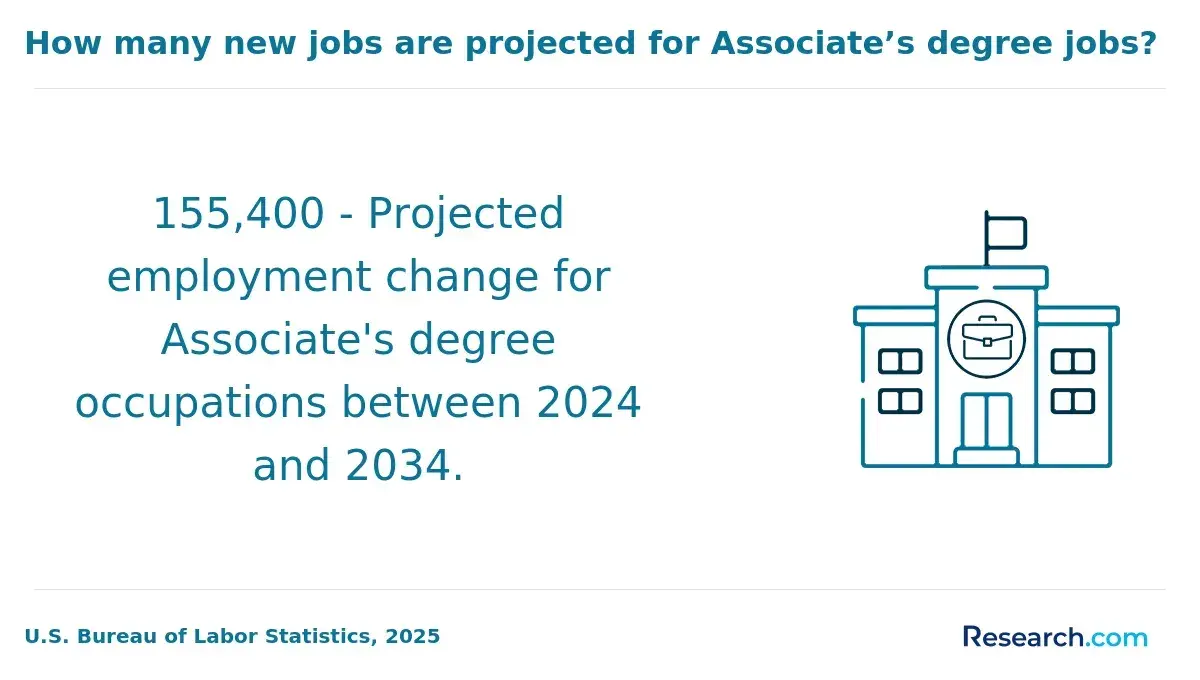
Adults who are earlier in their college journey may find that starting with an online associates degree creates a cleaner transfer pathway before moving into a bachelor's completion program. This can be useful when a four-year school has strict general education or lower-division credit requirements.
How do online bachelor's programs compare to campus options for life experience credit?
Online bachelor's programs are often the best fit for working adults seeking credit for life experience because they are usually designed around transfer credit, flexible scheduling, and adult learner advising. Campus programs may offer stronger face-to-face support, labs, and local employer networks, but they can be less flexible for students with full-time jobs or military obligations.
The comparison below shows where online and campus formats typically differ. Use it to decide which format fits your schedule, learning style, and need for hands-on support.
| Factor | Online bachelor's programs | Campus bachelor's programs |
| Scheduling | Often asynchronous or evening-friendly | Usually tied to fixed class meeting times |
| Prior learning focus | Often stronger in adult completion programs | Varies widely by institution and department |
| Hands-on learning | May use simulations, local placements, or virtual labs | May provide on-site labs, clinics, studios, or field experiences |
| Networking | Broader geographic peer network | Stronger local employer and alumni access in some regions |
| Best for | Working adults, military students, parents, and transfer students | Students who need structured routines, labs, or in-person mentoring |
One current trend is the growth of competency-based and accelerated online formats. These can be efficient if you already know the material, but they are not automatically easier; they require disciplined study habits and careful verification of transfer, accreditation, and financial aid rules.
What accreditation and quality standards should these programs meet?
The strongest bachelor's programs with life experience credit meet the same quality standards as traditional programs. Start with institutional accreditation recognized by the U.S. Department of Education or the Council for Higher Education Accreditation. Many employers and graduate schools care less about whether the program was online and more about whether the institution is properly accredited and the degree matches the role.
Some majors require or strongly benefit from programmatic accreditation. The table below highlights quality checks that matter by field and explains why they affect your decision.
| Program area | Quality standard to check | Why it matters |
| Business | AACSB, ACBSP, or IACBE when relevant | Can strengthen credibility for business schools, employers, and graduate programs |
| Nursing | CCNE or ACEN plus state board approval | May affect licensure, employer acceptance, and graduate nursing admission |
| Engineering | ABET for many engineering and engineering technology paths | Often important for professional engineer licensure and technical credibility |
| Education | State-approved educator preparation and CAEP when applicable | Teacher certification rules are state-specific and cannot be assumed |
| Cybersecurity | NSA Center of Academic Excellence designation when available | Signals alignment with recognized cybersecurity education standards |
Red flags include vague accreditation claims, pressure to enroll immediately, no written prior learning policy, unrealistic promises about graduating "almost instantly," and refusal to explain how credits apply to your actual degree plan.
What admission requirements and documentation are needed to receive life experience credit?
Admission requirements vary, but most bachelor's completion programs ask for a high school diploma or equivalent, official college transcripts, a minimum transfer GPA if prior college work exists, and proof of identity or residency for tuition classification. Selective majors may require prerequisites, a higher GPA, background checks, immunizations, placement tests, or active professional licensure.
For life experience credit, documentation matters more than broad claims. Admissions and prior learning offices usually want evidence that is verifiable, current enough to be relevant, and connected to specific course outcomes.
Prepare these materials before speaking with an advisor so you can receive a realistic estimate:
- Official transcripts from colleges, military education providers, professional training organizations, and testing agencies.
- Licenses, certifications, apprenticeship records, continuing education certificates, and employer-sponsored training records.
- Job descriptions, supervisor letters, performance reviews, project summaries, work samples, or portfolios when the school permits them.
- Course descriptions or syllabi from older coursework, especially if credits were earned many years ago or at a school that changed names.
- A written degree audit showing which credits satisfy major, general education, elective, and residency requirements.
A common mistake is counting all "accepted" credits as equally useful. A school may accept 60 credits but apply many of them as electives, leaving you with most major requirements still unfinished.
How do these programs structure curriculum, majors, and general education requirements?
Most bachelor's programs include general education, major courses, electives, and sometimes a capstone, internship, practicum, or clinical requirement. Life experience credit is easiest to apply to electives and lower-division requirements. It is harder to apply to upper-division major courses that require theory, labs, supervised practice, research methods, or discipline-specific sequencing.
Before choosing a major, compare how each degree structure treats transfer and prior learning credit. The table below shows the practical difference between common curriculum categories.
| Curriculum component | Typical role in the degree | How life experience credit may apply |
| General education | Builds broad skills in writing, math, science, humanities, and social science | May be satisfied through transfer courses or exams |
| Major core | Covers required knowledge in the chosen discipline | May accept prior learning only when it closely matches course outcomes |
| Electives | Allows flexibility beyond required courses | Often the easiest place to apply military, professional, or portfolio credit |
| Capstone | Integrates learning through a final project or assessment | Usually must be completed at the school |
| Clinical, practicum, or fieldwork | Provides supervised professional preparation | Rarely waived in regulated fields |
If speed is your priority, choose a major where your existing learning overlaps with required courses. If licensure or graduate admission is your priority, choose the curriculum that meets external requirements even if it takes longer.
How long do these degrees take and how much can life credit reduce cost and time?
A traditional full-time bachelor's degree often takes about four academic years, while adult completion programs may take one to three years depending on transfer credits, course load, term format, and prior learning credit. Life experience credit can reduce both time and cost, but only when it applies to required degree credits rather than unused electives.
The table below uses simple planning scenarios to show how credits can affect completion. Treat the figures as planning examples, not guaranteed outcomes, because tuition and credit policies vary by school.
| Starting point | Credits still needed for a 120-credit degree | Likely planning implication |
| No prior credit | About 120 credits | Usually requires the longest timeline and highest total tuition |
| 30 accepted credits | About 90 credits | May remove roughly one academic year of full-time coursework |
| 60 accepted credits | About 60 credits | Often fits bachelor's completion pathways |
| 90 accepted credits | About 30 credits | May be fast, but residency and upper-division rules become critical |
The College Board's 2024-25 tuition data shows why credit evaluation matters: published tuition and fees differ sharply between in-state public and private nonprofit four-year colleges. However, total value depends on net price after aid, credit applicability, fees, books, technology costs, time away from work, and whether the degree supports your career target.
If you plan to continue after the bachelor's degree, compare graduate timelines early. Some adults use accelerated bachelor's completion as a bridge to 1 year master's programs online, but graduate admission requirements may still require prerequisites, GPA minimums, or field-specific experience.
What careers and industries value bachelor's degrees earned with life experience credit?
Employers usually value accredited bachelor's degrees with life experience credit when the degree is legitimate, relevant, and supported by skills. The transcript may not always label every prior learning credit in the same way, but graduate schools and employers can ask how credits were awarded. Transparency is important, especially in licensed or highly technical fields.
The table below connects common degree choices to career directions and recent U.S. labor market context. Use it to evaluate fit rather than to predict a specific salary.
| Degree area | Common career directions | Market context to consider |
| Business | Operations, management, sales leadership, HR, entrepreneurship | Advancement often depends on experience, measurable results, and leadership record |
| IT and cybersecurity | Systems support, cloud administration, security analysis, network operations | Certifications and current technical skills often matter alongside the degree |
| Healthcare administration | Clinic operations, patient services, compliance support, health program coordination | Healthcare employers may prefer applicants with field experience and strong compliance knowledge |
| Education | Teaching, training, instructional support, childcare administration | Licensure requirements vary by state and role |
| Criminal justice | Law enforcement leadership, corrections, probation, emergency management, security | Agency rules, background checks, and academy requirements may be decisive |
BLS May 2024 wage data shows that bachelor's-level fields such as software development, information security, management, nursing, and engineering often report median wages above the overall U.S. median. That does not mean every graduate reaches those figures; location, specialization, work history, certifications, and employer type all influence outcomes.
For some workers, a full bachelor's degree is not the immediate next step. If your goal is a quick skills upgrade or a role-specific credential, compare degree plans with easy licenses and certifications to get online before committing to a multi-year program.
How can you choose the best bachelor's program that fairly evaluates your experience?
The best bachelor's program is not simply the one that advertises the most credit for life experience. It is the one that applies your credit efficiently, protects your eligibility for financial aid or licensure, and leads to a degree employers or graduate schools will recognize.
Use these questions when speaking with admissions, transfer, or prior learning advisors. Ask for answers in writing whenever possible.
- Is the institution accredited by an accreditor recognized by the U.S. Department of Education or CHEA?
- How many prior learning credits can I earn, and how many can apply to my specific major rather than electives?
- What residency requirement must I complete at your school?
- Which exams, certifications, military credits, employer trainings, or portfolio processes do you accept?
- What fees apply for portfolio review, transcript evaluation, exams, technology, graduation, and online courses?
- Will this program meet licensure, certification, graduate admission, or employer requirements in my state or industry?
- Can I see a degree audit before I enroll or pay a large nonrefundable deposit?
- What student support is available for adult learners, including advising, tutoring, career services, and credit evaluation appeals?
Also think beyond the bachelor's degree if your target career requires advanced education. A fast undergraduate pathway can help, but it should preserve your GPA, prerequisites, and academic foundation for future options such as 1 year PhD programs online no dissertation only when those programs are credible and appropriate for your field.
Avoid programs that promise unlimited credit for life experience, refuse to identify the accreditor, cannot explain state authorization, or make salary claims that sound guaranteed. A reputable school will evaluate your learning carefully because the value of the degree depends on academic integrity.
Other Things You Should Know About
No. Legitimate colleges may award credit for documented college-level learning, but they still require you to complete a set number of credits through the institution and meet major, general education, and graduation requirements.
It depends on the school, major, documentation, and credit method. Some programs may accept a large block of transfer and prior learning credit, while others limit it to electives or lower-division courses.
Employers generally focus on whether the school is accredited, the degree is relevant, and the applicant has the required skills. Problems arise when the institution lacks recognized accreditation or makes unrealistic credit promises.
No. Transfer credit usually comes from prior college courses. Life experience credit comes from evaluated learning outside traditional college classes, such as military training, exams, certifications, portfolios, or competency assessments.
References
- CAEL | Why Credit for Prior Learning (CPL) or Prior Learning Assessment (PLA) Matters https://www.cael.org/lp/cpl-pla
- How many credits for a bachelor's degree? | edX https://www.edx.org/resources/how-many-credits-do-you-need-for-a-bachelors-degree
- Top Online Schools That Accept Transfer Credits https://www.edvisorly.com/student-guides/online-schools-that-accept-transfer-credits
- How does a college degree improve graduates’ employment and earnings potential? - APLU https://www.aplu.org/our-work/4-policy-and-advocacy/publicuvalues/employment-earnings/
- Finish the degree you started (without starting over) https://news.newmanu.edu/finish-the-degree-you-started-without-starting-over/
- Is College Worth It? - Public Policy Institute of California https://www.ppic.org/publication/is-college-worth-it/
- Prior Learning Assessments - Center for American Progress https://www.americanprogress.org/article/prior-learning-assessments/
- Comparing Outcomes Across Credentials | HESA https://higheredstrategy.com/comparing-outcomes-across-credentials/
- College Credit for Your Work and Life Experience | University of Phoenix https://www.phoenix.edu/tuition-financial-aid/prior-learning-assessment.html
- Glossary of Terminology in Prior Learning Recognition https://academyone.com/glossary