2027 Best Bachelor's Degree Programs for Military Spouses

Co-Founder and Chief Data Scientist
Military spouses often need a bachelor's degree that can survive relocations, deployment cycles, childcare changes, and state licensing rules. Cost matters too: College Board reported average published in-state tuition and fees at public four-year colleges at $11,610 for 2024-25, before housing, books, and other expenses.
This guide is for military spouses comparing flexible, career-focused degree options. You will learn which majors travel best, when online learning makes sense, how benefits can reduce costs, and what to check before enrolling so your degree supports your next move instead of limiting it.
Key Things You Should Know
- Portable majors such as business, information technology, cybersecurity, psychology, education, and healthcare can fit military spouse careers because many related roles exist nationwide or remotely.
- Cost should be evaluated beyond tuition: College Board's 2024-25 published tuition benchmark for in-state public four-year colleges is $11,610, but books, fees, technology, childcare, and transfer-credit loss can change the real price.
- Salary potential varies sharply by field; BLS May 2024 wage data show computer and cybersecurity roles generally outpace many education and social-service roles, while licensed fields may require state-specific approvals.
Top 10 Best Bachelor's Degree Programs for Military Spouses
Business Degrees
A business bachelor's degree is one of the most flexible choices for military spouses because it can lead to roles in operations, accounting, human resources, marketing, logistics, and entrepreneurship. It fits students who want broad career options rather than a single licensed path.
Look for regional accreditation, transfer-friendly policies, and concentrations that match mobile work, such as project management, analytics, or supply chain. BLS May 2024 data place the median wage for management analysts at about $101,000, but entry-level roles often start lower and depend on experience, location, and industry.
Healthcare Degrees
Healthcare bachelor's programs can work well for spouses who want stable demand and meaningful work, but the best option depends on licensing. Health administration, public health, and health information management are generally more portable than clinical programs that require state approval.
These degrees can lead to care coordination, compliance, medical office management, or public health roles. Before enrolling, ask whether internships can be completed near a new duty station and whether the curriculum aligns with certifications such as RHIA, depending on the program's focus.
Information Technology Degrees
An information technology degree is practical for military spouses who want remote-friendly work and employer-recognized technical skills. Programs usually cover networking, systems administration, cloud platforms, databases, troubleshooting, and IT project support. It is a strong fit for students who like applied problem-solving more than heavy theory.
Look for programs that embed certifications such as CompTIA, Cisco, AWS, or Microsoft credentials. Because IT hiring often values skills demonstrations, choose a program with labs, portfolios, internships, or capstone projects instead of coursework alone.
Computer Science Degrees
Computer science is best for military spouses who want deeper technical preparation for software development, data systems, artificial intelligence, or graduate study. It is usually more math- and programming-intensive than information technology.
BLS May 2024 wage data show software developers had a median wage of about $133,000, making this one of the strongest salary paths among bachelor's-level options. The trade-off is rigor: students should expect algorithms, data structures, software engineering, and substantial coding projects. A portfolio or GitHub-style project record can matter as much as the diploma.
Cybersecurity Degrees
Cybersecurity degrees suit spouses interested in protecting systems, investigating incidents, managing risk, and supporting national-security or private-sector employers. This field can be especially relevant near military communities, defense contractors, and federal agencies.
BLS May 2024 wage data place information security analysts at a median wage of about $125,000, though many workers enter through help desk, networking, or systems roles first. Prioritize programs with hands-on cyber ranges, incident-response labs, security policy coursework, and preparation for certifications such as Security+, CySA+, CISSP, or cloud security credentials.
Psychology Degrees
A psychology bachelor's degree can be a strong foundation for military spouses interested in counseling, human services, research, human resources, case management, or graduate study. It is not usually enough to become a licensed therapist; most counseling, clinical psychology, and social work roles require a graduate degree and state licensure.
This major fits students who value human behavior, communication, and research skills. To improve employability, look for programs with statistics, research methods, internships, and electives in trauma, family systems, organizational psychology, or child development.
Nursing Degrees
A Bachelor of Science in Nursing can offer strong demand and clear career identity, but it is less flexible than many online majors because clinical placements and state board requirements matter. BLS May 2024 data show registered nurses had a median wage of about $94,000, with variation by state, shift, employer, and specialty.
Military spouses should check whether a program is approved by the state board of nursing, whether it supports NCLEX preparation, and how it handles relocation before clinical rotations. Compact-state licensure may help, but rules still vary.
Education Degrees
An education bachelor's degree can fit spouses who want classroom, instructional support, curriculum, tutoring, or youth-program careers. The main challenge is teacher licensure, which is state-specific even when reciprocity exists. Before choosing this major, verify whether the program leads to licensure in your current state and whether it supports transfers if you move.
Spouses who want more portability may consider non-licensure tracks in instructional design, child development, training, or educational technology. These can lead to corporate training or remote education roles without a classroom license.
Criminal Justice Degrees
A criminal justice degree can support careers in law enforcement, corrections, probation, homeland security, emergency management, victim advocacy, and compliance. It may appeal to spouses near federal agencies, bases, courts, or public-safety employers.
However, sworn law-enforcement roles often require academy training, background checks, physical standards, and state or agency-specific rules. To improve mobility, consider programs with courses in cybercrime, emergency management, intelligence analysis, or public administration. Ask schools whether internships can be completed locally after a PCS move.
Engineering Degrees
Engineering can offer strong long-term salary potential, but it is usually one of the least flexible bachelor's paths because many programs require sequenced labs, calculus, physics, and design studios. It fits spouses who can commit to a rigorous schedule and want roles in civil, mechanical, electrical, industrial, or systems engineering.
ABET accreditation is especially important for many engineering careers and future professional engineer licensing. Online engineering options exist, but students should confirm lab requirements, proctored exams, transfer rules, and whether local hands-on components are available after relocation.
Which bachelor's degrees work best for military spouses?
The best bachelor's degree for a military spouse is usually the one that balances portability, career demand, cost, licensing burden, and personal fit. A high-paying major is not automatically better if it requires in-person labs you cannot complete after a move, and a flexible online major is not ideal if it does not lead to the work you actually want.
The comparison below summarizes how common degree paths differ for military spouses. Use it to narrow choices before looking at individual schools.
| Degree area | Best fit | Main advantage | Main caution |
| Business | Spouses who want broad career options | Works across industries and locations | May require internships or experience to stand out |
| Information technology | Students who want applied technical work | Remote and hybrid opportunities are common | Skills and certifications matter alongside the degree |
| Computer science | Strong math and coding students | High salary potential in software and data roles | More rigorous and less forgiving for casual learners |
| Cybersecurity | Students interested in risk, defense, and systems protection | Strong demand in government and private sectors | Many roles expect technical experience first |
| Nursing | Students seeking licensed clinical practice | Clear career path and strong demand | Clinical placements and state rules can limit mobility |
| Education | Future teachers or training professionals | Useful in schools, tutoring, and learning design | Teacher licensure varies by state |
If you expect multiple PCS moves, prioritize programs with asynchronous classes, generous transfer-credit policies, remote advising, and flexible internship placement. If you expect to stay in one state long enough to complete clinicals or student teaching, licensed fields such as nursing or education may become more realistic.
Are online bachelor's programs better for military spouses?
Online bachelor's programs are often better for military spouses because they reduce the disruption caused by relocation, deployment schedules, and unpredictable family responsibilities. They are not automatically better, though. The right format depends on the major, your learning style, and whether the degree requires labs, clinical hours, student teaching, or local fieldwork.
Online learning is strongest when the program is designed for adults rather than simply recording campus lectures. If you need a broader school search, compare options built around an online school for military spouses and check whether the institution offers military-specific advising, transfer support, and deployment flexibility.
Use the following comparison to decide whether online, campus, or hybrid study fits your situation. The best choice is the format that lets you complete the degree without sacrificing accreditation or required experiences.
| Format | Best for | Strength | Risk to check |
| Fully online | Frequent movers, working spouses, parents | Highest flexibility | May not work for clinical or lab-heavy majors |
| Hybrid | Students near a stable duty station | Combines flexibility with in-person support | Required campus days may conflict with moves |
| On campus | Students needing labs, cohorts, or local placements | More direct access to facilities and faculty | Least portable during PCS changes |
Before enrolling online, confirm how exams are proctored, how group projects work across time zones, whether classes are synchronous, and whether you can pause or adjust enrollment during deployment-related disruptions.
How do military spouse education benefits help pay for college?
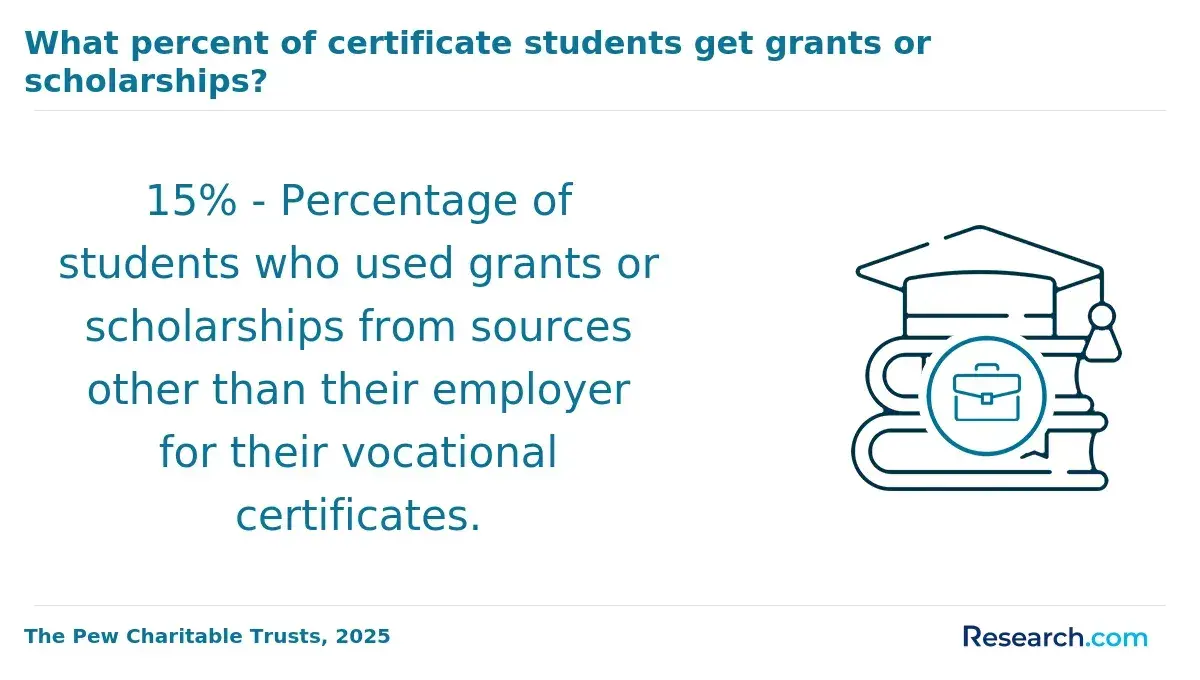
Military spouse education benefits can lower out-of-pocket cost, but each benefit has rules, eligibility limits, and program restrictions. The most important step is to match the benefit to the credential before you enroll, not after tuition is due.
Common funding sources include MyCAA for eligible spouses, transferred Post-9/11 GI Bill benefits when available, state tuition assistance, institutional military spouse scholarships, employer tuition reimbursement, federal grants, and payment plans. MyCAA is commonly associated with career training and associate-level pathways, so spouses pursuing a bachelor's degree should verify whether their specific program and school qualify before relying on it.
Use this sequence to reduce avoidable costs and funding mistakes:
- Ask the school for a full cost of attendance, not just tuition per credit.
- Request an official transfer-credit evaluation before committing.
- Confirm whether military spouse scholarships stack with federal aid.
- Check whether dropping, pausing, or moving affects benefit repayment.
- Compare the total cost against realistic entry-level roles in your target field.
If speed is important because of an upcoming PCS or career deadline, compare accelerated degree programs carefully. Faster programs can save time, but they may increase weekly workload and reduce flexibility if your family schedule changes suddenly.
What accreditation should military spouses look for?
Accreditation is one of the most important quality checks for military spouses because it affects credit transfer, graduate school eligibility, employer recognition, licensure, and access to federal financial aid. At minimum, the institution should be accredited by an agency recognized by the U.S. Department of Education or the Council for Higher Education Accreditation.
Programmatic accreditation matters when a field has licensing, certification, or professional standards. This table summarizes common examples so you know what to ask admissions before enrolling.
| Field | Accreditation or approval to check | Why it matters |
| Nursing | State board approval plus ACEN or CCNE when applicable | Supports NCLEX eligibility and employer confidence |
| Engineering | ABET | Often important for engineering roles and professional licensure |
| Business | AACSB, ACBSP, or IACBE when available | Can signal stronger business-program review |
| Education | State approval and CAEP when applicable | Helps determine teacher-licensure alignment |
| Health information management | CAHIIM when applicable | May support eligibility for field-specific credentials |
A common mistake is assuming that "nationally known" means properly accredited. Always verify accreditation directly through official databases and ask the program how its approval applies if you move to another state.
What careers can military spouses pursue with a bachelor's degree?
A bachelor's degree can prepare military spouses for careers in business operations, technology, healthcare administration, education, public service, cybersecurity, social services, and management. The most portable careers usually have broad employer demand, remote or hybrid options, and limited state-specific licensing barriers.
The table below connects common bachelor's degrees with realistic career directions. These are not guarantees; job title, pay, and advancement depend on experience, location, employer, certifications, and networking.
| Degree | Possible career paths | Portable skill set |
| Business | Operations coordinator, HR specialist, project coordinator, analyst | Budgeting, management, communication, analytics |
| Information technology | Systems analyst, network support specialist, cloud support associate | Troubleshooting, infrastructure, security basics |
| Cybersecurity | Security analyst, risk analyst, compliance analyst | Threat analysis, policy, monitoring, incident response |
| Psychology | Case manager, HR assistant, research assistant, behavioral health support | Research, communication, human behavior |
| Education | Teacher, tutor, instructional designer, training coordinator | Curriculum, assessment, facilitation |
| Healthcare administration | Clinic manager, patient services coordinator, compliance assistant | Healthcare systems, records, operations |
Some spouses eventually pursue graduate study after gaining experience. If that is part of your plan, compare bachelor's programs by prerequisites and advising support for most valuable master's degrees, especially in fields such as data analytics, healthcare administration, counseling, education leadership, or business.
Which bachelor's degrees offer the best salary potential?
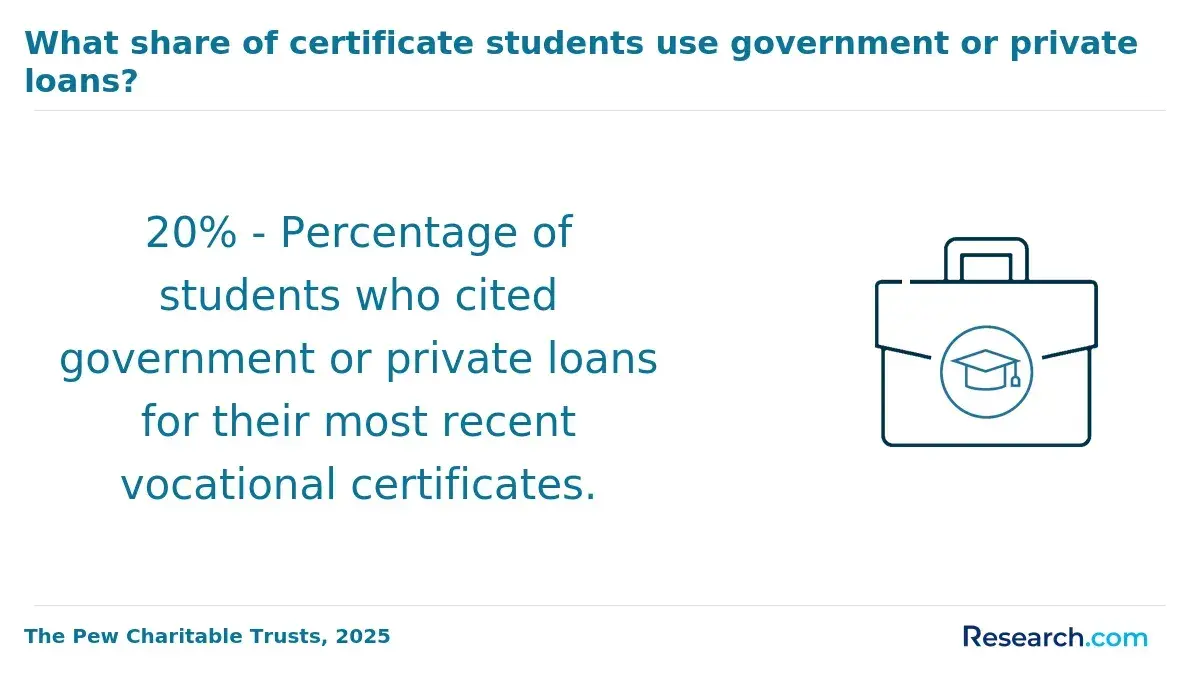
The bachelor's degrees with the strongest salary potential for military spouses tend to be computer science, cybersecurity, engineering, information technology, nursing, finance, accounting, and some analytics-focused business programs. Salary potential is not the same as guaranteed income. It depends on experience, certifications, local labor markets, security clearance eligibility, remote-work access, and whether the role is entry-level or specialized.
BLS May 2024 wage data are useful because they show national medians for occupations, not promises for individual graduates. Use the figures below as a comparison tool, then research job postings in the cities or remote markets where you are most likely to work.
| Career area | Relevant bachelor's degree | BLS May 2024 median wage context |
| Software development | Computer science | About $133,000 for software developers |
| Cybersecurity analysis | Cybersecurity or IT | About $125,000 for information security analysts |
| Registered nursing | Nursing | About $94,000 for registered nurses |
| Management analysis | Business | About $101,000 for management analysts |
| Accounting | Accounting or business | About $82,000 for accountants and auditors |
The highest-ROI choice is usually not the highest-wage occupation on a chart. It is the degree you can complete affordably, use in your likely locations, and connect to internships, certifications, or experience before graduation.
How long does a bachelor's degree take for military spouses?
A bachelor's degree usually requires about 120 credits. Full-time students commonly finish in about four academic years, while part-time students may take longer. Military spouses with transfer credits, prior college, CLEP or DSST exams, military-affiliated training, or year-round online enrollment may finish faster.
Timeline matters because PCS moves can interrupt course sequencing, especially in programs with labs, clinicals, or student teaching. Ask whether courses are offered every term or only once a year; missing a required course can delay graduation more than the move itself.
For spouses already thinking beyond the bachelor's degree, it can help to understand graduate timelines early. Some career paths require advanced credentials, and comparing the easiest master's degree to get online can clarify whether a future graduate program would realistically fit your family and work schedule.
To estimate your timeline, request a written degree plan showing accepted credits, remaining requirements, course availability, fieldwork requirements, and the earliest realistic graduation term.
What admission requirements do military spouses need?
Admission requirements vary by school, but most bachelor's programs ask for an application, official transcripts, proof of high school completion or prior college work, and sometimes a personal statement. Test scores are less common than they used to be at many institutions, but selective programs may still request them or require prerequisites.
Program-specific requirements matter more than general admission for fields such as nursing, education, engineering, and computer science. You may need prerequisite courses, minimum GPA thresholds, background checks, immunization records, placement tests, or separate admission to the major after completing lower-division coursework.
Before applying, gather the documents that commonly slow down military spouse applications:
- Official transcripts from every college previously attended.
- Joint Services Transcript or spouse-related education documentation when relevant to transfer evaluation.
- Residency and military-affiliation documents for tuition or scholarship review.
- Course descriptions or syllabi for older credits that may need manual evaluation.
- Licensure or background-check documents for clinical, teaching, or public-safety programs.
Avoid enrolling before you know how many credits will transfer. A school that accepts you quickly but evaluates credits late can cost you extra terms and extra tuition.
How do military spouses choose a reputable bachelor's program?
Military spouses should choose a bachelor's program by checking fit, flexibility, cost, accreditation, support, and career outcomes together. A reputable program should be transparent about total cost, transfer credits, licensure alignment, student support, and graduation requirements.
Use these questions when speaking with admissions, advising, or financial aid. They are designed to reveal whether the program can handle military-family realities instead of only describing its marketing features.
- Is the institution properly accredited, and is the program accredited or state-approved if my career requires it?
- How many of my credits transfer, and will I receive the evaluation in writing before enrolling?
- Are classes asynchronous, synchronous, or mixed, and what happens if my time zone changes?
- Can internships, clinicals, labs, or student teaching be completed near a new duty station?
- What is the total cost after fees, books, technology, and required materials?
- What military spouse scholarships, grants, or tuition discounts are available, and do they stack?
- What career services are available to online students and alumni?
- What happens if I need to pause enrollment because of deployment, childcare, or relocation?
Red flags include pressure to enroll immediately, vague accreditation claims, unwillingness to provide transfer results in writing, unclear licensure disclosures, poor credit-transfer policies, and promises about salary or job placement. A trustworthy school gives you enough information to compare options without rushing you.
Other Things You Should Know About
Business, information technology, cybersecurity, and psychology are often among the most flexible because they can apply to many employers and locations. The best choice depends on whether you want remote work, licensure, graduate school, or a specific career path.
Yes, many can. Fully online programs are common in business, IT, cybersecurity, psychology, criminal justice, and some healthcare administration fields. Clinical programs such as nursing or teacher-preparation programs may still require in-person placements.
Not necessarily. Licensed fields such as nursing, teaching, and counseling can be worthwhile, but spouses should check state rules, reciprocity, compact agreements, and placement requirements before enrolling. Licensing can complicate relocation if not planned carefully.
Start with transfer credits, federal aid, military spouse scholarships, employer tuition assistance, and written cost estimates from each school. Avoid choosing only by tuition per credit; fees, lost credits, books, and delayed graduation can make a cheaper-looking program more expensive.
References
- Honoring Military Spouses in Civilian Employment Programs https://www.exploredowciviliancareers.com/civiliancareers/militaryspouses
- Best Bets: Military Spouse Careers that Don't Require A License https://www.hiringourheroes.org/resources/best-bets-military-spouse-careers-that-dont-require-a-license/
- Social Work Programs for Military Spouses in California https://www.californiasocialworkedu.org/best-social-work-schools-military-spouses-in-california/
- 10 Best Healthcare Jobs for Military Spouses by Brookline https://www.brooklinecollege.edu/blog/best-healthcare-jobs-for-military-spouses/
- How Military Spouses Can Build a Successful Career https://www.umgc.edu/blog/how-military-spouses-build-successful-career
- Top Scholarships for Military Spouses and Children https://www.aafmaa.com/resource-center/top-scholarships-for-military-spouses-and-children
- Supporting Military Families in Career | Operation Family Fund https://www.operationfamilyfund.org/veteran-spouse-employment-supporting-military-families-through-career-transitions/
- Military Scholarship Search https://search.militaryscholar.org/
- Must Know Scholarship Programs for Military Spouses https://www.militaryfamily.org/must-know-scholarship-programs-for-military-spouses/
- Military spouses need support in their educational journeys - EdNC https://www.ednc.org/perspective-missing-from-the-conversation-supporting-military-spouses-in-the-college-transfer-process/