2027 Art Studies Degree Careers Ranked by Salary, Growth, and Work-Life Balance
Audited and Verified:
Our Editorial and Data Verification Process
Research.com uses government datasets, official education statistics and primary institutional information to support its career and degree guides. Our review process checks factual accuracy, occupational definitions, source dates and the requirements associated with the credentials discussed.
How This Article Was Fact-Checked
Our editorial team verifies salary estimates, employment projections, education requirements and program information against original data providers and official organizations. Salary figures are checked against the relevant occupational definitions and reporting periods. Information about licensure, accreditation and required in-person training is reviewed separately.
Fact-checked and verified on:

Co-Founder and Chief Data Scientist
Choosing a career path after earning an art studies degree often involves balancing salary expectations, growth potential, and work-life harmony-factors that can feel at odds. Many graduates face uncertainty when their passion for the arts meets the reality of competitive salaries and evolving job markets. For instance, while some art studies careers show a 9% projected growth rate over the next decade, others offer less financial reward or limited advancement opportunities. This article ranks art studies degree careers based on these three key elements, providing readers with a clear, data-driven guide to making strategic career decisions aligned with their personal and professional goals.
Key Things to Know About Art Studies Degree Careers Ranked by Salary, Growth, and Work-Life Balance
- Art studies careers such as graphic design offer median salaries around $50,000 annually-highlighting moderate earning potential compared to other creative fields.
- Employment in museum curation and art direction is expected to grow by 5% to 8% through 2030-indicating steady opportunities for advancement.
- Many art studies roles provide flexible schedules and remote work options-contributing to better work-life balance than traditional office jobs in comparable sectors.
How Are Art Studies Degree Careers Evaluated and Ranked Across Salary, Growth, and Work-Life Balance?
The evaluation of art studies degree careers relies on a three-pillar framework that combines salary, career growth, and work-life balance to offer a well-rounded assessment of career paths. Focusing only on salary overlooks other important dimensions like future job security and daily satisfaction-elements that significantly impact long-term career fulfillment.
- Salary: This measure uses median wage data from the U.S. Bureau of Labor Statistics' Occupational Employment and Wage Statistics, reflecting typical earnings across different art studies degree careers and providing insight into the financial rewards graduates can expect.
- Career Growth: This pillar assesses employment outlook over the next decade based on BLS projections, highlighting which art-related fields have expanding opportunities and greater potential for advancement in a changing job market.
- Work-Life Balance: A composite metric derived from sources like the American Time Use Survey, Glassdoor employee reviews, and industry-specific satisfaction surveys. It evaluates factors such as hours worked, flexibility, stress, and overall job satisfaction-essential for maintaining a healthy professional life.
This tri-dimensional approach helps current undergraduates and recent graduates consider art studies degree career salary growth evaluation methods beyond simple paychecks. It supports informed decisions by valuing meaningful advancement and sustainable lifestyles equally.
The rankings serve as decision-making aids rather than rigid hierarchies-individual priorities such as valuing flexibility over income can shift which career path might be best. Prospective students and mid-career professionals alike will benefit from exploring this nuanced evaluation.
The careers examined here include graphic designers, art directors, museum curators, multimedia artists, and fine artists. Each is reviewed through this evidence-based framework, enabling direct comparison of strengths and trade-offs in salary, growth potential, and work-life balance for those holding an art studies degree. For those considering flexible educational options, many online colleges provide accessible pathways into these fields.
Which Art Studies Degree Career Paths Offer the Highest Starting and Mid-Career Salaries?
Graphic Design: Entry-level graphic designers typically start with median salaries around $45,000, increasing to about $75,000 or more after a decade of experience. The compensation premium is driven by the high demand for visual communication skills across multiple industries-combined with growing digital media needs. Designers who master specialized software and maintain up-to-date portfolios command higher salaries. Employers in larger private firms or advertising agencies tend to offer superior pay compared to small nonprofits or public sector roles. This path is popular among those with an art studies degree career salary rankings focused on digital creativity and branding.
Art Directors: Median starting salaries for art directors who hold art studies degrees often exceed $60,000, rising to over $100,000 mid-career. The elevated pay reflects the responsibility of overseeing creative projects and teams, requiring both artistic expertise and leadership skills. Barriers to entry include years of industry experience and a strong network. Private media and marketing companies generally pay more than smaller arts organizations, while regional salary differences are pronounced in urban creative hubs. This role's earnings and leadership potential make it a top choice in highest paying art studies degree jobs in the US.
Industrial Designers: Industrial designers begin near $50,000 at entry and can reach upwards of $90,000 with experience. Their compensation advantage stems from blending artistic skills with engineering and product functionality-making them vital in product development sectors. The scarcity of professionals who combine creativity with technical knowledge contributes to higher wages, especially in manufacturing-heavy regions and large corporations.
Curators and Museum Specialists: While entry-level curators start lower, often around $40,000, their mid-career salaries can climb toward $80,000, particularly in prestigious institutions. The compensation is tied to advanced education requirements, specialized knowledge, and the cultural value of collections managed. Public institutions may offer more limited salaries but provide stability and benefits, whereas private museums sometimes pay premiums for top talent.
Multimedia Artists and Animators: Starting salaries usually fall near $45,000, but experienced professionals in this field can earn $85,000 or more. The industry's rapid growth fueled by entertainment, gaming, and advertising sectors drives demand. Skill specialization in 3D modeling or visual effects, combined with a robust portfolio, enables higher pay. Employers with large project budgets in metropolitan areas tend to offer the best compensation.
Regional salary variation and employer type significantly influence these figures-see the geographic section for a detailed analysis on location-based earnings differences. Those interested in expanding their qualifications might explore CACREP accredited counseling programs to complement their art studies background for diversified career options.
What Do the Bureau of Labor Statistics Job Growth Projections Reveal About the Future of Art Studies Degree Careers?
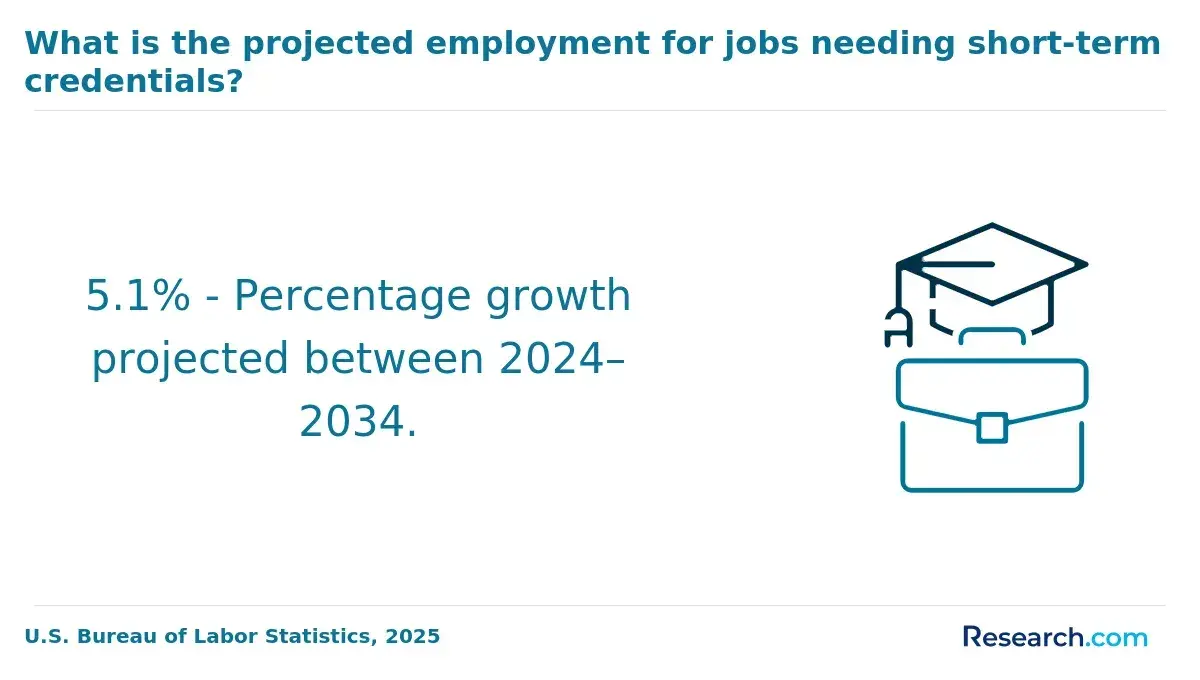
The Bureau of Labor Statistics (BLS) forecasts varied growth rates across career paths available to art studies degree holders-highlighting which roles are expanding faster than the national average of roughly 5-7% and which are lagging or declining. This differentiation can guide strategic decisions for graduates and professionals considering advancement or transition.
- Strong Growth: Occupations such as multimedia artists and animators are anticipated to grow by approximately 18% over the next decade. This surge stems from rising demand for digital content in entertainment, online platforms, and marketing, fueled by technological innovation.
- Moderate Gains: Postsecondary art educators maintain steady growth near the national average, reflecting increased enrollment in creative programs and sustained emphasis on arts education.
- Design Sector Expansion: Careers like graphic designers and art directors show growth rates between 4% and 8%, driven by digital marketing trends and the need for compelling visual communications in diverse industries.
- Flat or Negative Growth: Traditional roles such as craft artists and select fine artists face stagnant or shrinking opportunities due to automation, changing tastes, and funding constraints. To thrive, professionals may find success by targeting niche markets, teaching, or utilizing digital platforms to widen their audience.
- Driving Factors: Several macro trends influence these patterns:
- Technological Advances: Software and digital media advancements boost demand for multimedia skills.
- Demographic and Cultural Trends: Aging populations increase interest in heritage arts and educational offerings.
- Industry Growth: Expansion in advertising, entertainment, and online content creation creates openings.
- Investment in Arts: Public and private funding for arts education and community programs supports job stability.
- Geographic and Sector Differences: BLS projections represent national norms-local, regional, and sector-specific circumstances can significantly alter growth prospects, underscoring the need to consider these contextual factors in career planning.
A professional who completed an art studies degree shared that navigating career expectations was daunting at first, given the mixed job market signals. He explained, "While the digital creative roles felt promising, I was aware that traditional fine arts jobs might not offer the same security." He emphasized the importance of adapting by building digital skills and exploring teaching opportunities, noting, "It took time and trial to find where my strengths aligned with market demand." His experience illustrates how graduates can proactively respond to growth patterns-leveraging emerging sectors while remaining flexible to shifting landscapes in the arts field.
Work-life balance metrics for art studies careers involve several measurable indicators that offer a detailed understanding of how roles support both personal wellness and job demands. Key factors include average weekly hours worked, which often range from 35 to 45 in many positions like museum curation and graphic design, though entry-level roles may require additional overtime. Schedule predictability varies widely-educational and administrative art jobs usually maintain stable hours, while freelancers and performers often face irregular timing tied to projects or events.
- Remote and Hybrid Availability: Digital-focused roles such as graphic design or arts marketing frequently provide more remote options, enhancing flexibility, whereas traditional hands-on art careers rarely offer this due to the nature of the work.
- Paid Time Off Norms: Institutional art roles typically include standard PTO comparable to other sectors, but freelance artists manage time off independently with little formal support.
- Employee-Reported Satisfaction: Review platforms like Glassdoor, Indeed, and Payscale reveal that mid-career professionals generally report better work-life harmony than those at earlier stages, reflecting experience and stronger negotiating position.
Measuring work-life harmony in US art studies professions also requires recognizing differences by employer type, sector, and career phase. Early-career educators or artists may face heavier workloads compared to mid-career peers. Importantly, individuals can shape their balance by choosing employers with flexible policies, negotiating terms, and selecting career paths aligned with desired lifestyles. Treating work-life balance as a dynamic factor helps sustain fulfilling careers.
For those considering options, exploring affordable online master's programs offers a pathway to advance qualifications while maintaining personal balance.
A composite ranking model was used to balance salary, career growth, and work-life harmony equally, reflecting priorities typical of graduates seeking steady financial and professional advancement alongside a sustainable lifestyle. This multi-factor approach reveals career paths that provide a rewarding blend of income, opportunity, and personal well-being.
- Art Director: Combines strong earnings and solid growth with a reasonably positive work-life balance, notable for leadership roles and creative influence that appeal to those eager for career progression without sacrificing artistic involvement.
- Animator: Excels in growth potential and work-life flexibility, although salary is moderate; steady industry expansion and adaptable project schedules make it ideal for those valuing schedule control.
- Graphic Designer: Offers stable growth and good work-life balance with moderate pay, supporting careers across diverse sectors where consistency and personal time management are important.
- Museum Curator: Less lucrative on salary but with strong work-life balance and job stability, attractive for those drawn to art preservation and meaningful engagement without high stress.
- Art Therapist: Rewards with meaningful work and improving salary and growth prospects, paired with a balanced lifestyle suitable for professionals motivated by service and wellness.
- Illustrator: Characterized by income variability offset by flexibility and balance; moderate growth sustains a career centered on independence and creative freedom.
- Set Designer: Matches fair pay and steady growth with balanced hours, making it well suited to theatrical and film production cycles that encourage downtime.
Those prioritizing income might rearrange these rankings to favor careers like art director and set designer, while those valuing balance above all could place museum curator and art therapist higher. Adjusting these weights helps tailor choices to individual needs and aspirations.
A professional who launched her career after earning an art studies degree reflected on how she navigated these considerations. Initially overwhelmed by the options, she found that focusing equally on growth, salary, and lifestyle led her to a role that matched her creative passions without compromising personal time. She noted, "Balancing opportunities felt like a puzzle-I had to weigh what I wanted long term, not just what paid best now." Her experience underscores that a thoughtful, balanced approach often leads to both satisfaction and sustainable success in art-related careers.
Pursuing a focused specialization within art studies can significantly influence earnings, career progression, and lifestyle balance. Instead of a broad approach, targeted expertise opens distinctive paths supported by data from the Bureau of Labor Statistics and industry salary reports.
- Salary: Areas such as graphic design, art therapy, museum curation, digital animation, and art education offer diverse income levels. Digital animators tend to achieve higher pay due to technical demands and software mastery. In contrast, art therapists usually earn less but benefit from increased healthcare investment.
- Career Growth: Expansion prospects vary by field: digital animation positions are projected to grow between 4% and 6% over ten years, reflecting escalating demand. Museum curators face slower growth near 2%, yet their roles remain vital for cultural preservation. Roles in art education grow steadily but at a moderate pace, closely tied to public school budgets.
- Work-Life Balance: Specializations with tight deadlines and client interactions like graphic design and digital animation often compromise work-life balance due to overtime or freelance work. Conversely, museum curation and art therapy careers generally afford more predictable hours, fostering better lifestyle stability.
Entering these fields typically requires early commitments to graduate studies, specialized certifications, or dedicated internships. For example, certification in art therapy or a Master's in Museum Studies is crucial, while graphic design emphasizes a strong portfolio and software credentials.
Decisions made early can lead to accelerated salary growth in niche areas but may encounter plateau effects in less dynamic sectors. Alternatively, generalists who build expansive strategic and leadership skills sometimes surpass specialists in earnings at senior management levels, particularly in arts administration and education leadership roles.
- Recent Trend: The 2023 BLS data reveals art careers emphasizing digital and multimedia capabilities are growing at a rate 15% higher than traditional art roles, underlining the increasing value of technological skills in the field.
Geographic location significantly shapes median salaries, employment growth rates, and work-life balance for art studies graduates across the United States, as highlighted by BLS sub-national Occupational Employment and Wage Statistics and state workforce development data. Exploring regional differences provides valuable insights for career planning.
- Northeast: This region offers some of the highest median salaries, especially in major metros like New York City and Boston. Despite strong opportunities in museums, galleries, and digital media, high living costs often reduce effective purchasing power. Job growth is moderate but steady, while work-life balance can be strained by longer commutes and expenses.
- Southeast: Moderate salaries here are offset by lower living costs, improving real compensation. Cities such as Atlanta and Miami exhibit promising growth in design and digital arts. Generally, work-life balance is favorable, bolstered by shorter commutes and affordable housing.
- Midwest: Graduates find a balanced mix of reasonable pay and affordable living. Chicago leads in opportunities and salary, with stable growth in community arts and education. Work-life balance tends to be positive due to less congestion and family-oriented environments.
- Southwest: Tech hubs like Austin drive rising salaries and significant job growth in multimedia and interactive arts. Although living costs are rising, they remain more affordable than coastal metros. Flexible work practices enhance work-life balance in many specialties.
- West: The West Coast features rapid job growth and top salaries in creative arts tech and entertainment, especially in San Francisco and Los Angeles. However, very high housing and taxes often offset gains. Remote and hybrid work models increasingly allow graduates to earn West Coast wages while living in more affordable areas.
Major metropolitan areas usually present higher pay but come with steep living expenses that can limit net financial benefits. In contrast, mid-tier markets may offer superior overall financial outcomes after adjusting for housing, taxes, and daily costs. The rise of remote and hybrid work has partially decoupled compensation from location for some art studies fields-enabling professionals to maintain income benchmarks of expensive cities while enjoying better affordability and lifestyle elsewhere.
Integrating geographic strategy into career decisions means weighing your specific art studies concentration against personal priorities such as commute time, community culture, housing affordability, and proximity to family. This balanced approach helps optimize both financial and lifestyle outcomes over the course of a professional journey.
Salary differences between public sector and private sector art studies careers are evident at entry, mid, and senior levels, with private sector roles generally offering 10 to 20 percent higher base pay due to market-driven demand in areas like design firms, advertising, and media. However, the total compensation picture changes when factoring in public sector benefits-defined-benefit pensions provide long-term security, loan forgiveness programs are often available through government arts agencies, and health and retirement coverage in the public sector boosts overall pay value significantly.
- Salary: Private sector roles typically offer higher base salaries at entry, mid, and senior levels compared to public sector positions. The compensation gap-often 10 to 20 percent higher private pay-reflects market-driven demand in industries like design firms, advertising, and media. However, public sector jobs compensate with substantial benefits that narrow this salary gap considerably.
- Defined-benefit pensions provide long-term financial security lacking in many private roles.
- Loan forgiveness programs are more accessible in government arts agencies, easing early-career financial burdens.
- Superior health and retirement coverage in the public sector add measurable value to total compensation.
- Growth: Public sector art studies growth is concentrated in federal, state, and local cultural agencies focused on heritage preservation, public arts funding, and educational outreach-supported by infrastructure investments and demographic shifts encouraging community engagement.
- Federal initiatives expanding digital archives and museum collections provide notable hiring opportunities.
- Private sector growth is strongest in technology-driven creative fields such as digital media, user experience design, and freelance art consulting, reflecting broader economic trends toward innovation.
- Work-Life Balance: Data highlights that public sector employment generally offers more predictable schedules, generous leave policies, and higher employee satisfaction scores related to work-life balance-with flexibility and paid time off as common benefits.
- Private sector workers often face project-driven deadlines and variable hours that can challenge balance.
- Work-life balance varies widely by position, agency, and career stage; senior public sector roles may demand extended hours, while private startups often promote flexible but intensive schedules.
Exploring art studies career paths involves nuanced trade-offs across salary, growth, and lifestyle-making it essential to weigh these factors carefully. For some, supplementing their skills with targeted credentials, such as a bookkeeping certification, might open additional avenues combining financial acumen with creative expertise.
Advanced degrees and certifications significantly impact salary, career growth, and work-life balance for art studies professionals, although their benefits vary based on credential type and career objectives. These factors should be weighed carefully, especially considering the data from the National Association of Colleges and Employers (NACE) and occupational insights from the Bureau of Labor Statistics.
- Master's Degree: This typically provides a 15-25% salary premium above a bachelor's degree. Earning a master's generally takes 1-3 years with substantial tuition costs. It opens pathways to specialized roles such as museum curators, arts administrators, and educators who enjoy accelerated career growth and often greater autonomy. These positions frequently allow for more flexible schedules, supporting a better work-life balance, which is a top consideration in assessing advanced degrees' impact on art studies career salary growth.
- Doctoral Degree (PhD): Offering sometimes 30% or more salary increases beyond master's levels, a doctoral takes 3-6 years and demands significant financial and time commitments. It primarily grants access to senior academic, research, and policy roles not reachable otherwise. While these roles can bring schedule control, the pressures of grant acquisition and publication requirements can negatively affect work-life balance despite higher pay and career growth.
- Professional Certifications: Credentials like arts therapy licensure or gallery management certificates cost less and take less time than degrees. They provide modest salary increases around 5-15%, enhance marketability, and often support career growth within niche fields. However, these jobs can involve strict hours or deadlines, sometimes challenging work-life balance, even as income improves. For those seeking certifications, evaluating their effect on work-life balance in art studies professionals is crucial.
- Return on Investment Consideration: Aligning credential choices to priorities-whether maximizing salary, career growth, or personal time-is essential. Accumulating multiple credentials without focus can lead to high costs and burnout without proportional benefits. Those exploring available programs may consider a degree in human services as an alternative pathway that can complement art studies careers with relevant interdisciplinary skills and manageable time investments.
Remote Work Availability: Careers such as graphic design, digital media art, and art direction frequently offer remote or hybrid work options, with about 40% to 50% of roles supporting some form of location flexibility. In contrast, positions like gallery management, museum curation, and art restoration usually require employees to be onsite due to the hands-on, artifact-centered nature of their duties.
Salary Interaction: Roles that accommodate remote work often provide salaries comparable to their in-person counterparts. Geographic arbitrage can allow professionals in lower-cost areas to earn higher-market wages by working remotely for major urban or international organizations, effectively increasing their purchasing power. However, some employers implement location-based pay scales that may reduce compensation for remote art professionals compared to those working onsite.
Career Growth: Although initial concerns suggested that remote art workers might face slower advancement due to limited visibility, hybrid and remote work patterns have become more accepted in fields like digital design and advertising. In these sectors, career progression largely depends on skill and portfolio strength rather than physical presence. Traditional art roles relying on face-to-face networking may still favor onsite presence for promotions.
Work-Life Balance: Remote work offers benefits such as eliminated commutes, flexible schedules, and increased autonomy. However, risks include blurred boundaries between work and personal life, potentially causing burnout. These effects vary according to personality and home environment-with introverted or organized individuals often benefiting more from remote setups, while others may find the always-on culture challenging.
Recent Statistic: Owl Labs (2023) reports that 58% of creative professionals in art-related fields now prefer hybrid work arrangements, highlighting a marked trend toward flexible work options.
Several art studies career paths offer a strong work-life balance without compromising salary or growth potential, according to data from Glassdoor, PayScale, and the BLS American Time Use Survey. These roles blend creative freedom with structured work environments, supporting consistent satisfaction across income, advancement, and lifestyle.
- Museum Curator: Working primarily in public or private museums, curators benefit from stable schedules aligned with institutional hours, minimizing overtime and weekend demands. Salaries are competitive for their expertise, and steady growth is driven by rising interest in cultural tourism and preservation efforts.
- Predictable hours and clear project timelines help curators maintain healthy personal boundaries.
- Art Therapist: Often employed in hospitals, educational settings, or private practice, art therapists experience flexible schedules alongside meaningful therapeutic work. PayScale reports competitive compensation relative to stress levels, with the BLS projecting faster-than-average job growth.
- Health care frameworks typically provide structured hours and institutional support conducive to balance.
- Graphic Designer (In-House): Full-time positions within corporations or organizations usually offer set hours, clear deadlines, and income stability. The digital media sector's upward trend supports career growth, and in-house roles rank higher for work-life balance than freelance options due to consistent routines.
- Balance depends on employer culture and size, making careful job selection important.
- Arts Administrator: Managing nonprofits or arts organizations, these professionals enjoy regular schedules with modest pay but solid sector growth. Their coordination-focused duties reduce creative intensity, easing time pressures.
- Strong management support and collaborative teams enhance balance in these roles.
The perception of work-life balance varies individually and is influenced by factors such as organizational culture and personal boundaries. These rankings serve as a guide for researching employers rather than guaranteeing specific experiences. Notably, a 2023 PayScale survey found that over 60% of art-related professionals reporting good balance also express higher job satisfaction, underscoring the value of evaluating salary, growth, and lifestyle together.
What Graduates Say About the Art Studies Degree Careers Ranked by Salary, Growth, and Work-Life Balance
- Landen: "Pursuing a degree in art studies truly opened my eyes to the diverse career paths available. I found that while salaries might not always top the charts compared to tech fields, the long-term career growth in creative roles is substantial thanks to evolving industries and demand for innovation. The best part for me has been the day-to-day work-life balance-having control over my schedule makes every project feel rewarding without the burnout."
- Nicholas: "From my experience with art studies, salary is a realistic starting point but grows steadily as you build your portfolio and reputation. Career growth felt more organic to me-it's about continuous learning and networking rather than rapid promotions. Professionally, I appreciate how a balanced work life is often possible here, which lets me put more thought and passion into my creations without constant stress."
- Maverick: "The journey through art studies gave me a clear perspective on career dynamics: initially modest salaries can improve significantly with specialization and experience. Long-term growth is promising, especially in interdisciplinary fields combining art with technology. I've also realized the importance of maintaining a healthy work-life balance-creative energy thrives best when you aren't overworked, which this field tends to respect more than most."
Other Things You Should Know About Art Studies Degrees
Employers usually expect a curated portfolio of 10 to 20 strong pieces, a short artist statement, and evidence of process work such as sketches or mock-ups. For digital roles, a website or PDF portfolio is standard, and file names should clearly label medium, date, and project role.
The industry sector plays a critical role in determining an art studies graduate's salary, growth potential, and work-life balance. For example, those working in commercial sectors like advertising or design agencies often earn more but face more intense deadlines. Careers in education or nonprofit arts organizations usually offer steadier hours and better work-life balance but may have slower salary growth and fewer promotions.
Art studies graduates can enhance their long-term outcomes by strategically selecting entry-level roles with clear paths for advancement and stable work hours. Gaining diverse skills, such as digital media or project management, increases employability and potential salary. Additionally, networking and seeking mentorship early on can open doors to higher-paying positions with better career prospects and sustainable schedules.
- Discover the Highest Paid Jobs in the Art Field https://rossettiart.com/blogs/news/what-is-the-highest-paid-job-in-art
- Work-Life Balance in Remote Working and How to Maintain It https://cuckooworkout.com/how-to-maintain-work-life-balance-in-hybrid-and-remote-work/
- Report: In the Arts, Master’s Degree ‘Doesn’t Have Substantial Impact’ on Wages https://www.artnews.com/art-news/news/powarts-salary-survey-results-12822/
- These are the artistic careers with the most job opportunities - TAI ARTS https://taiarts.com/en/blog/artistic-careers-with-job-opportunities/
- Dave Riedstra https://daveriedstra.com/news/2018-10-02-work-life-art-balance-study.html
- 6 Highest-Paying Careers With a Master of Arts in Education https://online.meca.edu/news-events/2025-06-15/6-highestpaying-careers-with-a-master-of-arts-in-education
- What’s the anatomy of work-life balance for artists? http://www.bazant-hegemark.com/handbook/whats-the-anatomy-of-work-life-balance-for-artists/
- Best High Salary Courses After 12th Arts for Creative & High-Paying Careers https://synarionacademy.com/best-high-salary-courses-after-12th-arts-for-creative-careers/
- Public vs Private Sector Careers: Salary, Stability, Benefits, and How to Choose https://www.crawljobs.com/blog/public-vs-private-sector-jobs-career-guide/
- Careers in the Arts: Who Stays and Who Leaves? https://snaaparts.org/findings/reports/careers-in-the-arts-who-stays-and-who-leaves