2027 Best Career Pivot Options for People With an Art Studies Degree
Audited and Verified:
Our Editorial and Data Verification Process
Research.com uses government datasets, official education statistics and primary institutional information to support its career and degree guides. Our review process checks factual accuracy, occupational definitions, source dates and the requirements associated with the credentials discussed.
How This Article Was Fact-Checked
Our editorial team verifies salary estimates, employment projections, education requirements and program information against original data providers and official organizations. Salary figures are checked against the relevant occupational definitions and reporting periods. Information about licensure, accreditation and required in-person training is reviewed separately.
Fact-checked and verified on:

Co-Founder and Chief Data Scientist
Graduates with an art studies degree often face uncertainty when seeking viable career paths beyond traditional roles-skills such as critical thinking, creativity, and visual communication are highly transferable but underleveraged. Nearly 47% of art studies alumni successfully transition to fields like marketing, UX design, and digital content creation within five years, leveraging accessible entry-level roles to build new competencies. This shift requires strategic credentialing, targeted networking, and resume reframing to highlight relevant proficiencies. This article explores evidence-based career pivot strategies-covering high-growth sectors and long-term outcomes-to empower art studies degree holders at all stages to navigate professional transitions with confidence and clarity.
Key Things to Know About the Best Career Pivot Options for People With a Art Studies Degree
- Art studies graduates possess strong visual communication and critical thinking skills-ideal for pivoting into digital marketing, UX design, or content strategy within high-growth tech and creative industries.
- Credentialing through short courses in project management or data analytics enhances employability-coupled with resume reframing to highlight transferable competencies for accessible entry-level roles.
- Networking via professional associations and targeted platforms increases opportunities-long-term outcomes show pivots lead to median salary growth of 15% within three years in alternative creative sectors.
What Career Pivot Options Are Available to People With a Art Studies Degree?
Career pivoting is increasingly recognized as a professional norm rather than an exception-reflecting the fluidity of today's job market. Data from the Bureau of Labor Statistics (BLS) show workers often transition between roles and industries to seek greater satisfaction and financial growth. The National Association of Colleges and Employers (NACE) emphasizes transferable skills like critical thinking, communication, and creativity, which are especially integral to an art studies degree. Additionally, LinkedIn Workforce Insights highlight how many with liberal arts backgrounds thrive across diverse fields, demonstrating the adaptability that degrees in art studies foster.
An art studies degree offers a broad foundation, blending visual literacy, interpretative analysis, project management, and cultural awareness. These skills enable graduates to pursue various career directions-making the shift into new roles both practical and strategic. Here are the most common pivot options for art studies graduates, illustrating this wide-ranging applicability:
- Creative Industries: Careers in graphic design, advertising, and digital content creation benefit from strong aesthetics and visual communication, areas where art studies graduates excel in high-growth job options for art studies degree holders.
- Education and Outreach: Opportunities include arts education, museum curation, and community arts programs, where subject expertise and communication skills drive cultural contributions.
- Marketing and Communications: Research, storytelling, and visual messaging skills prepare graduates for roles in brand management, social media strategy, and public relations.
- Technology and User Experience: The rise of UX/UI design and digital media production shows how artistic sensibility enhances usability-offering pivot opportunities in expanding tech sectors.
- Nonprofit and Cultural Management: Positions in arts administration, grant writing, and event coordination require organizational abilities married to arts passion.
This spectrum of transferable careers for art studies graduates affirms that the degree is far from limiting-it is a springboard for deliberate and informed professional pivots rather than reactive career moves. As many look to enhance credentials or explore entry points within these sectors, options like completing cheap online MSW programs can complement their skill sets and broaden their opportunities for upward mobility.
Which Industries Outside the Traditional Art Studies Field Hire Art Studies Degree Holders?
Graduates with an art studies degree often find valuable opportunities in a range of industries beyond the traditional arts and cultural sectors. Labor market data from sources such as BLS Occupational Employment and Wage Statistics, Lightcast, and LinkedIn Talent Insights reveal several high-volume industries that actively recruit art studies graduates-each leveraging their unique skills in different ways.
- Marketing and Advertising: High demand for creativity, visual communication, and conceptual thinking drives this sector's hiring of art studies graduates as graphic designers, brand strategists, content creators, and visual merchandisers. The credential is well recognized here, especially when complemented by digital skills.
- Education and Training: Art studies credentials support roles from K-12 art educators to museum educators and adult education instructors. This degree often serves as a formal teaching qualification, and graduates shifting inside education to roles like curriculum development find it carries weight.
- Publishing and Media: Graduates fill roles such as illustrators, editors, art directors, and multimedia specialists. While editorial experience is sometimes required, employers value the foundational artistic and design skills the degree provides.
- Technology and User Experience (UX): Art studies grads pivot into UX design, interaction design, and digital content development, leveraging strong visual communication and human-centered design abilities. However, technical training is often necessary to compete effectively.
- Corporate Communications and Public Relations: Graduates contribute to branding, social media management, and event design. The credential is less directly recognized here, requiring active translation of art skills into strategic communication and measurable business outcomes.
- Nonprofit and Cultural Institutions: Roles such as program coordination, grant writing, and outreach rely on the credibility the degree offers, with enhanced prospects from knowledge of nonprofit operations.
- Retail and Fashion: Visual merchandising, product design, and creative direction roles welcome art studies graduates, viewing the degree as foundational when paired with trend awareness and consumer psychology.
- Research and Analytics: Though less common, some graduates enter research roles analyzing cultural trends and consumer behavior. This pivot requires combining the degree with data literacy and research skills.
Career changers evaluating whether an art studies credential provides a sufficient foundation for a professional transition should distinguish between switching industries while maintaining familiar roles-such as shifting from art education to corporate training-and switching functional roles outright, which demands more targeted skill acquisition. Informational interviews with art studies alumni working in these diverse sectors offer invaluable insights, helping graduates build a personalized list of target employers based on real-world hiring nuances.
Prospective students and recent graduates interested in broadening their career flexibility might also explore complementary credentials, such as an accelerated bachelor's degree psychology, which can enhance understanding of human behavior in many of these fields.
Understanding industries hiring art studies degree holders and career opportunities outside traditional art studies fields empowers graduates to strategically leverage their skills in high-growth sectors while shaping long-term career outcomes.
What Transferable Skills Does a Art Studies Degree Provide for Career Changers?
- Critical Thinking: Art studies cultivate the ability to analyze complex materials and viewpoints, a competence crucial in consulting for dissecting intricate business problems and in policy development for assessing legislative effects on communities.
- Visual Communication: Proficiency in expressing concepts visually benefits marketing professionals crafting compelling ads and UX designers optimizing user interfaces for better engagement.
- Qualitative Research: In-depth exploration of cultural and historical contexts hones skills transferable to user experience research, market analysis, and content strategy roles that depend on nuanced understanding of human behavior.
- Project Management: Overseeing exhibitions and group projects builds organizational prowess, budget foresight, and deadline adherence, applicable in event planning, nonprofit leadership, and corporate project workflows.
- Creative Problem-Solving: Facing artistic challenges fosters innovative thinking valuable in technology development, advertising, and new product ideation.
- Interpersonal Communication: Regular critique sessions enhance verbal and written skills needed for education, public relations, and client interactions requiring clear, diplomatic communication.
Attention to Detail: The meticulous nature of art evaluation sharpens precision essential for roles in quality control, editing, and data assessment where accuracy is paramount.
Graduates should systematically inventory their skills by reflecting on academic tasks, internships, and projects-mapping specific achievements to these competencies to make their value evident to employers who might not otherwise connect the dots. For example, linking a gallery curation to public speaking prowess or a thesis deadline to project coordination strengthens this narrative. Presenting transferable skills convincingly is a craft, and subsequent guidance on resume refinement and networking will help articulate these assets persuasively in new career contexts.
A professional who earned an art studies degree recounted overcoming initial self-doubt when pivoting into a market research role, noting that "translating my academic experiences into industry language was one of the biggest hurdles." He described how dissecting art criticism trained him in critical evaluation, which directly benefited data interpretation tasks. The process of inventorying specific project outcomes-from managing a student exhibition timeline to collaborating on research papers-boosted his confidence. "It wasn't just what I learned, but how I framed those skills that opened doors," he reflected, underscoring the importance of deliberate communication in successful career transitions.
Employers assess an art studies degree through credential translation-a method where hiring managers interpret its value relative to their industry standards. This process shapes how transferable skills from an art studies degree are recognized across career pivots. Survey data highlights several critical factors influencing these evaluations.
- Degree Type: Bachelor's degrees in art studies often signal creativity and critical thinking, though technical or business certifications boost appeal when specific skills are needed.
- Institution Prestige: Degrees from well-known schools carry extra influence at larger firms, while smaller or more adaptive organizations emphasize portfolio quality and demonstrable skills.
- GPA: Although relevant in some sectors, GPA is usually secondary in art-related shifts-practical outcomes and internship experience weigh heavier.
- Degree Relevance: Hiring managers value educational alignment with job duties more in creative-adjacent fields than in STEM-focused areas.
- Implicit Bias: Traditional employers may undervalue art studies degrees due to ingrained norms; graduates must counter this through employer research, networking, and confidently showcasing transferable skills.
- Resume and Portfolio Framing: Craft targeted language that links academic projects to employer needs, choose portfolio pieces that highlight applicable competencies, and write cover letters that connect art studies skills to the role.
- Employer Selection: Target companies with proven cross-disciplinary hiring-identifiable via LinkedIn alumni networks, employee spotlights, and recruiting messages emphasizing diverse skill sets-to build a foundation before expanding your search.
For those considering further credentials to enhance career flexibility, exploring the cheapest online doctorate may provide additional advantages.
Graduates with an art studies degree often find pivoting into new career paths more accessible than assumed-especially into roles that utilize their core skills without requiring a complete restart. Early career data highlight several functional roles where art studies alumni commonly enter, offering clear opportunities across industries.
- Communications Coordinator:
- Responsible for creating content, managing messaging, and supporting campaigns across digital and print platforms.
- Needs strong writing, storytelling, and multimedia proficiency.
- Typically reports to communications managers or marketing directors and collaborates across teams.
- Art studies sharpen visual literacy and narrative ability, crucial for effective audience engagement and message crafting.
- Operations Assistant:
- Focuses on logistical support, project tracking, and resource coordination.
- Requires organization, attention to detail, and familiarity with office tools.
- Reports to operations managers and works across departments.
- Art training cultivates discipline in project management through studio projects and event coordination.
- Junior UX Designer:
- Involves user research, wireframing, and iterative design collaboration.
- Demands empathy, design software skills, and problem-solving.
- Reports to senior designers or product managers within product teams.
- Art degrees provide foundational design principles and critical thinking, essential when learning specialized UX methods.
- Sales Support Specialist:
- Maintains client data, prepares sales materials, and assists account executives.
- Requires communication, client management, and data accuracy.
- Reports to sales managers and supports front-line sales functions.
- Art studies boost creative problem-solving and presentation skills, enhancing client communication and marketing quality.
- Policy Research Assistant:
- Collects qualitative data, synthesizes reports, and aids in policy drafting.
- Needs critical analysis, research techniques, and clear writing.
- Reports to policy analysts or coordinators, often in nonprofit or government settings.
- Art education enriches interpretive skills and cultural understanding vital in policy contexts.
Contrary to fears of starting anew at entry level, data show that art studies graduates typically advance from entry to mid-career roles within three to five years-quicker than peers lacking relevant credentials-thanks to transferable skills and targeted internship experience. This progression underscores the degree's real-world value beyond traditional art careers.
Choosing which pivot role to pursue benefits from a fit-assessment approach balancing skill alignment, expected salary growth, speed of advancement, and ultimate career goals. This strategy ensures the initial role serves as a deliberate stepping stone rather than a fallback option.
Reflecting on her experience, a professional who built her career post-art studies described the pivot journey as challenging yet affirming. "I worried I'd have to start completely over," she shared, "but leaning into what I'd learned-like storytelling and design thinking-helped me find roles that valued my background." She emphasized the importance of targeted applications and seeking internships that bridged art studies with practical workplace skills. "That blend made the difference," she noted, highlighting how persistence and focus can transform uncertainty into opportunity.
Graduates holding an art studies degree often see lower median salaries in traditional roles like museum curation or arts education. Transitioning into sectors with higher pay can greatly enhance earnings by applying transferable skills such as creative problem-solving, communication, and project management. Below are some of the top career pivot options, ranked by median early- and mid-career salaries compared to typical compensation in art studies fields.
- Financial Services: Positions like financial analyst or client relations manager usually offer median starting salaries above $70,000, with mid-level roles exceeding $120,000. Compensation includes base pay, bonuses, and retirement benefits, though obtaining credentials like CFA may be necessary.
- Management Consulting: Early-career consultants earn between $75,000 and $90,000, while mid-career consultants can make $140,000 or more. Success in this area depends on strong networking, analytical capabilities, and often an MBA or similar advanced degree.
- Enterprise Technology: Roles such as product manager or UX/UI designer start around $80,000 to $100,000, with mid-career salaries surpassing $150,000. Equity and bonuses frequently comprise a large portion of total compensation.
- High-Growth Startups: Startup roles related to creative leadership or marketing can pay over $90,000 early in careers and include equity or profit-sharing components that may lead to significant financial gains. Evaluating these offers requires solid financial literacy due to variability in equity value.
Differences in remuneration largely stem from each industry's financial model-financial services, consulting, and tech companies generate more revenue per employee, enabling richer compensation through bonuses and equity. In contrast, nonprofits and government roles generally have lower salaries but may offer job stability and mission-driven satisfaction.
Total compensation packages often combine base salary, bonuses, equity or profit sharing, retirement matching, health coverage, professional development funds, and remote work benefits. Evaluating the full package, rather than just base salary, is essential in fields such as technology or startups where equity can be a substantial income component.
High-paying pivot paths usually require significant investment in additional training, certifications, and networking. Balancing these preparation costs-time, money, and opportunity cost-against the potential financial rewards helps ensure a well-informed, strategic career change.
Professionals with an art studies background hold distinctive strengths in visual literacy, creativity, critical thinking, and cultural analysis-assets directly aligned with the demands of several rapidly expanding industry sectors. Based on Bureau of Labor Statistics ten-year projections, LinkedIn Emerging Jobs reports, and World Economic Forum insights, these sectors offer strategic entry points for candidates with interdisciplinary art studies training.
- Technology and Digital Media: The surge in digital content creation and user experience design demands professionals who integrate artistic sensibility with technical skills. Art studies graduates excel in visual communication and storytelling-core to developing engaging user interfaces and interactive platforms.
- Advertising and Marketing: Digital advertising growth fuels demand for creative strategists proficient in visual composition and cultural critique, making art studies training highly relevant for brand narrative development and social media campaign design.
- Entertainment and Gaming: Expanding gaming and streaming industries seek talent with expertise in concept art, visual development, and immersive storytelling-areas where art studies graduates uniquely contribute to aesthetic direction and audience engagement.
- Education and E-Learning: Remote learning technologies increase the need for educational content designers who use visual pedagogy effectively. Art studies backgrounds are ideal for creating engaging, culturally informed learning materials.
- Nonprofit and Cultural Institutions: Museums, galleries, and cultural organizations are enlarging outreach efforts and digital initiatives, valuing art studies graduates for curatorial, educational, and communications roles tied to cultural preservation and inclusion.
- Healthcare and Wellness: Emerging fields like arts therapy and patient experience design rely on creativity to boost mental health outcomes. Art studies professionals who augment their credentials can leverage their knowledge of art's cognitive and emotional influence in these interdisciplinary roles.
High-growth sectors increasingly prioritize adaptability, portfolios, and demonstrated skills over traditional credentials-traits that make them more accessible to art studies graduates pivoting careers. Targeting these dynamic fields demands a strategic balance of opportunity volume, career fit, and risk tolerance due to inherent job volatility. Identifying employers expanding their talent pipelines involves networking in professional associations, attending industry events, and showcasing transferable competencies through targeted resumes and projects.
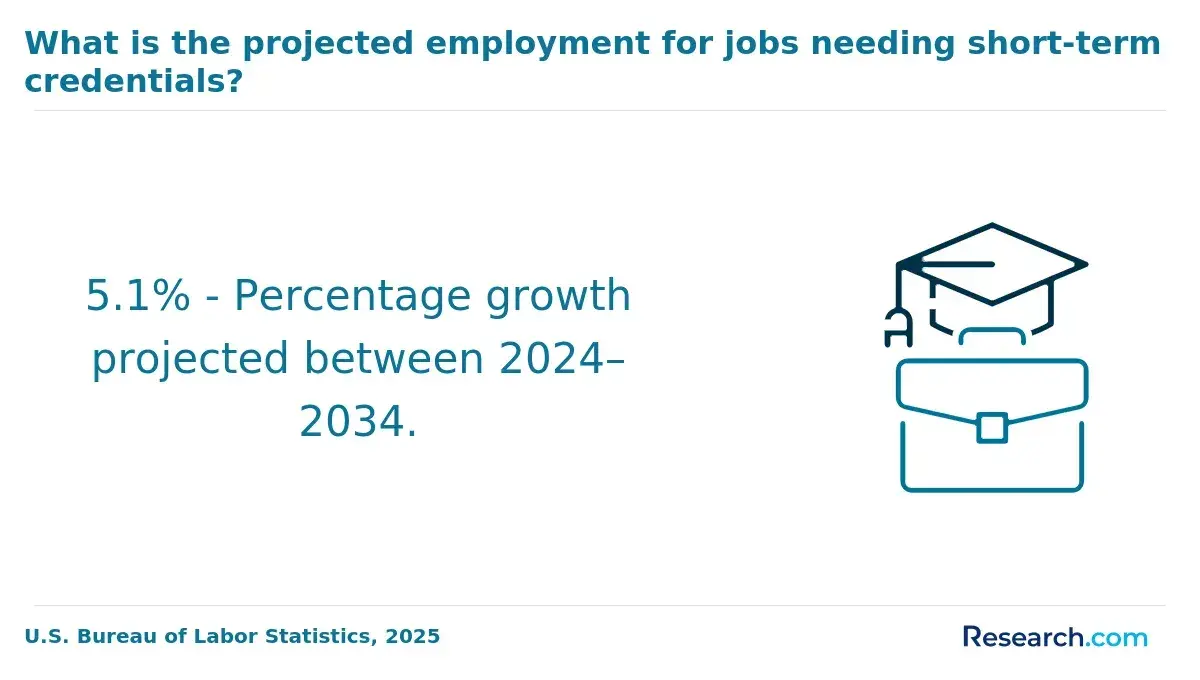
Graduate certificates provide a strategic option for earning a graduate certificate to advance art studies careers, offering targeted skills without the extended time or expense of full degree programs. The National Center for Education Statistics (NCES) reports these programs usually take 6 to 12 months of part-time study and cost under $10,000, making them accessible to recent graduates and mid-career professionals. Unlike master's degrees that last years, certificates focus on specific competencies such as data analytics, project management, or UX research-building on an art studies foundation while matching labor market demands.
- Differences in Time and Cost: Graduate certificates require less time and financial commitment than degrees, allowing quicker upskilling with lower debt.
- Career Signal Value: Research from the American Council on Education indicates that well-chosen certificates offer credible employer signals, especially where job-ready skills in tech, nonprofit management, and business are valued. However, not all certificates offer equal returns due to credential inflation; evaluating accreditation, employer recognition, alumni outcomes, and costs is essential for choosing worthwhile programs.
- Data Analytics: Enhances skills for roles in market research and cultural institutions.
- Project Management: Equips graduates to lead creative projects with budgets and deadlines.
- UX Research: Applies art studies' insights into human perception to digital product design.
- Nonprofit Management and Financial Analysis: Open doors to mission-driven sectors and business functions.
- Labor Market Returns: Salary data show project management and UX certificates often increase median earnings by 10-20%, while data analytics can yield slightly higher returns within tech sectors. Nonprofit management certificates may offer modest pay growth but expand access to meaningful career options.
- Timing and Strategy: Integrating certificate pursuit into a broader pivot plan is key: earning a credential before applying removes barriers; pursuing one while applying signals ongoing development; obtaining post-hire supports continued growth. This phased approach aligns the credential strategy with individual career pathways. Enrollment in graduate certificate programs has increased by 15% over five years, demonstrating their growing importance in career transitions. For those exploring the breadth of career flexibility a degree in art studies can provide, including options such as online real estate degree programs, graduate certificates represent a practical and evidence-based path.
Professional certifications serve as focused labor market signals-unlike academic credentials that reflect broad theoretical knowledge, certifications demonstrate specific, practical skills recognized by employers. For those validating an art studies career pivot with credentials, certifications offer an important competitive edge in fields where the original degree may not directly indicate role readiness. However, their impact varies: where hands-on expertise is critical-such as technology or project management-certifications carry more hiring weight than in roles emphasizing broad educational background.
Key professional certifications for art studies graduates seeking career pivots include:
- Project Management Professional (PMP): Requires 35 hours of project management education and passing a challenging exam; preparation typically takes 3-6 months. Widely valued across industries for project coordinator and manager roles.
- Certified Analytics Professional (CAP): Requires a bachelor's degree, professional analytics experience, and exam success; prep usually spans several months. Fits data analyst and business intelligence fields well.
- SHRM-CP (Society for Human Resource Management-Certified Professional): Needs HR-related experience and passing the certification exam; preparation varies from 3-6 months. Preferred for HR generalists and specialists.
- Salesforce Administrator: Involves passing Salesforce's certification exam after 2-4 months of study; highly prized in customer relationship management (CRM) roles.
- Google UX Design Certificate: Provides foundational user experience design skills over several months of online courses; valuable for digital design and UX roles adjacent to art studies.
Before committing time and cost, research certification relevance thoroughly. Scan job postings for required credentials in your target field, examine LinkedIn profiles of professionals who have successfully pivoted to identify common certifications, and conduct informational interviews to understand the employer's perspective. This approach prevents unnecessary expenses and focuses effort on meaningful labor market signals.
Strategically sequencing certifications during a career pivot is essential-build skills progressively without overwhelming commitments. Candidates should highlight in-progress certifications on resumes and in interviews by noting anticipated completion dates, signaling motivation and adaptability even prior to earning formal credentials.
For further guidance on flexible educational pathways supporting career pivots, consider exploring an accelerated human services degree online program as another credential avenue to complement professional certifications.
The gig economy offers art studies graduates a powerful route to enter new professional fields through freelance or contract work. Recent market data reveal a 25% surge in creative and administrative freelance roles on platforms like Upwork and Fiverr, highlighting how short-term engagements help career changers acquire skills and build credibility without immediate full-time commitments.
- Accessible Roles: Freelancers with art studies backgrounds commonly begin in areas such as content creation, research, data entry and analysis, virtual assistance, communications consulting, and project management-roles that align naturally with skills like communication, critical thinking, and organization.
- Portfolio Development: Each freelance engagement contributes tangible examples of work and achievements that strengthen professional portfolios, demonstrating applied expertise beyond academic credentials.
- Professional Networking: Positive client feedback often translates into references and referrals, expanding a career pivoter's network within their target industry.
- Industry Knowledge: Contract assignments deepen familiarity with sector-specific tools, standards, and terminology, turning abstract academic skills into practical competencies.
- Launching Practicalities: Choosing appropriate freelance platforms, clearly defining services, setting competitive but realistic rates, and framing an art studies degree as signaling creativity and analytical thinking are essential to success. Documenting projects carefully helps convert short-term gigs into enduring portfolio highlights and resume assets valued by full-time employers.
- Financial and Risk Evaluation: Freelance-first strategies require consideration of personal finances, tolerance for fluctuating income, and suitability of target sectors-regulated or government fields may limit freelance options, while others offer abundant contract work. For those with sufficient financial runway, freelancing can significantly accelerate establishing cross-sector credibility needed for a lasting career transition.
Pivoting careers without established networks in your new industry demands intentional relationship-building-especially for graduates of art studies. Labor market sociology emphasizes the strength of weak ties-casual acquaintances who unlock hidden opportunities and referrals-while Harvard Business Review highlights referral hiring's significant impact on successful placements. This makes strategic networking indispensable rather than incidental.
- Alumni Network Activation: Locate art studies alumni who've transitioned into your target field. Reach out with a focused, respectful message-such as, "I admire how you moved from art studies to [target field]. Could we schedule 15 minutes for an informational interview about your experience?"
- Professional Association Entry: Join industry-specific organizations to access conferences, workshops, and professional communities. Volunteer or contribute actively to discussions to build credibility and familiarity.
- Informational Interview Campaigns: Methodically request conversations with diverse professionals, preparing questions about required skills and industry insights. Approach these as learning opportunities to ease discomfort around self-promotion.
- LinkedIn Strategic Connection-Building: Send personalized connection requests referencing shared interests or backgrounds-e.g., "As a fellow art studies alum pursuing [target field], I'd welcome connecting to learn from your journey." Follow up thoughtfully to sustain engagement.
- Community of Practice Engagement: Engage regularly in online or local groups related to your new career interests. Consistent participation fosters natural, trust-based relationships over time.
Common anxieties like imposter syndrome, fear of rejection, or uncertainty about initiating conversations can be mitigated using authentic, interest-focused scripts-shifting dialogue away from immediate job asks toward genuine connection. Crafting frameworks around curiosity and shared passions normalizes vulnerability and boosts confidence.
Establish a weekly networking routine-dedicate fixed times to outreach, informational interviews, and community involvement. Track your progress and relationship growth, transforming networking into a proactive career development habit. Recent LinkedIn data shows that 85% of job placements arise through referrals, underscoring disciplined networking's vital role for art studies graduates redefining their professional paths.
What Graduates Say About the Best Career Pivot Options for People With a Art Studies Degree
- Landen: "Studying art studies sharpened my adaptability - a transferable competency that truly opened doors when I transitioned into digital marketing. I found entry-level roles like content creator accessible, allowing me to build on my creativity while learning valuable tech skills. Networking through alumni events was crucial - it helped me connect with mentors who guided my pivot into a high-growth sector successfully."
- Nicholas: "Reflecting on my journey from art studies to user experience design, I realized how vital resume reframing was in highlighting my research and visual communication skills. Credential strategies, such as obtaining a UX certification, made my profile stand out in this competitive field. Over time, the long-term career outcomes have far exceeded my expectations - offering stability and continuous learning."
- Maverick: "The enthusiasm I developed in art studies fueled a confident switch to education technology - a rapidly growing industry eager for creative thinkers. I recommend leveraging transferable skills like critical thinking and storytelling when pursuing accessible entry-level roles such as instructional designer. Also, investing in networking approaches - like joining professional groups - profoundly impacted my growth and opportunities."
Other Things You Should Know About Art Studies Degrees
Art studies degree holders should emphasize transferable skills such as critical thinking, creativity, project management, and visual communication when reframing their resumes. Highlighting accomplishments in collaborative projects, research, and presentations can show adaptability to different industries. Tailoring the resume to focus on relevant keywords and competencies for the target role increases the chances of catching employers' attention in new fields.
Art studies graduates are well-suited for roles in digital marketing due to their creativity and visual skills. Opportunities include positions as content creators, social media managers, and digital ad designers. Digital marketing roles allow them to leverage their artistic eye and storytelling abilities in a commercial context.
A UX portfolio should include 3 to 5 case studies showing research, wireframes, prototypes, and final designs. Hiring managers also look for user-testing notes, tools used, and measurable outcomes, such as a 20% reduction in task time or a higher completion rate.
Graduates leverage their design thinking and problem-solving skills to enter roles such as user experience (UX) design, digital content creation, or multimedia production. By acquiring technical skills-often through short courses or boot camps-they enhance their qualifications. Success also depends on demonstrating collaboration between creative and technical teams, which art studies programs frequently encourage.
- Careers in the Arts: Who Stays and Who Leaves? https://snaaparts.org/findings/reports/careers-in-the-arts-who-stays-and-who-leaves
- How Artists Can Use Leverage to Grow Their Business | Artsy Shark https://www.artsyshark.com/2020/07/15/use-leverage-to-grow-your-art-business/
- What Can You Do With and Art Major? Turning an Art Degree Into Income https://www.erikalancaster.com/art-blog/what-can-you-do-with-an-art-major-turning-an-art-degree-into-income
- Artist Certifications: Best Credentials to Advance Your Career | Teal https://www.tealhq.com/career-paths/artist-certifications
- Career Guidance Important for Arts Students - CP HR Services https://www.cphrservices.in/why-should-career-guidance-important-for-arts-students/
- What can you do with an Art degree? https://www.falmouth.ac.uk/study/undergraduate/what-can-you-do-art-degree
- The Role of Professional Certifications in Career Change https://riddleworkforce.com/the-role-of-professional-certifications-in-career-change/
- What can I do with an Art degree? https://www.bcu.ac.uk/blog/art-and-design/what-can-i-do-with-an-art-degree
- 10 entry-level arts jobs to consider (part 1) https://www.artshub.com.au/news/career-advice/10-entry-level-arts-jobs-to-consider-part-1-2719282/