2027 Which Art Studies Degree Careers Offer the Best Return Without Graduate School?
Audited and Verified:
Our Editorial and Data Verification Process
Research.com uses government datasets, official education statistics and primary institutional information to support its career and degree guides. Our review process checks factual accuracy, occupational definitions, source dates and the requirements associated with the credentials discussed.
How This Article Was Fact-Checked
Our editorial team verifies salary estimates, employment projections, education requirements and program information against original data providers and official organizations. Salary figures are checked against the relevant occupational definitions and reporting periods. Information about licensure, accreditation and required in-person training is reviewed separately.
Fact-checked and verified on:

Co-Founder and Chief Data Scientist
Rising tuition costs are prompting many prospective art studies students to question the value of extended education. With average undergraduate debt surpassing $30,000, the prospect of enrolling in graduate programs can feel financially burdensome. Meanwhile, the art studies field offers various entry-level roles that require only a bachelor's degree, enabling quicker workforce entry and earlier income generation.
Some of these positions show promising salary growth without the need for further schooling. This article examines which art studies degree careers offer the best return on investment without graduate school, aiming to guide students toward financially sustainable career paths.
Key Benefits of Art Studies Degree Careers That Offer the Best Return Without Graduate School
- Strong earning potential and early salary growth in art studies careers contribute to a significant long-term return on investment, with some bachelor's degree holders earning up to 25% more than peers without degrees.
- Stable job demand and expanding career growth opportunities in creative industries ensure financial security for graduates, supported by consistent 5% annual employment growth forecasts through 2030.
- Accessible entry requirements without graduate education facilitate faster workforce entry, enabling art studies graduates to gain professional experience and increase earnings sooner.
Which Art Studies Careers Offer the Best Return Without Graduate School?
Evaluating the return on investment (ROI) for careers stemming from art studies is essential, especially for students considering the financial and time commitments of further education.
According to the U.S. Bureau of Labor Statistics, jobs in design-related fields with only a bachelor's degree often offer steady growth rates and median salaries that comfortably surpass national averages, highlighting viable career options without the need for graduate school.
When assessing ROI, it is important to consider not just salary but also career longevity and opportunities for advancement, which together create a sustainable and rewarding professional path.
Several art studies careers stand out for delivering strong long-term returns without requiring graduate education:
- Graphic Designer: This role leverages creativity and technical skills to create visual content for marketing, publishing, and digital platforms. The bachelor's degree is typically sufficient for entry and advancement, and experienced graphic designers can move into senior creative or managerial positions that offer competitive salaries and stability.
- Art Director: Often achievable with a bachelor's degree plus industry experience, art directors oversee the visual style and creative strategy of projects for advertising, publishing, or media firms. This position combines creative control with leadership opportunities, contributing to enhanced earning potential over time.
- Animator: Working in film, television, gaming, or digital media, animators design motion graphics and characters. A bachelor's degree provides the necessary foundations, and with growing demand for digital content, animators enjoy solid career prospects and income growth.
- Industrial Designer: Specializing in creating and developing product designs for consumer goods, industrial designers benefit from a bachelor's degree paired with an aptitude for both aesthetics and functionality. Their work directly influences manufacturing and commercial success, ensuring longevity and steady salary increases.
What Are the Highest-Paying Art Studies Jobs Without a Master's Degree?
Evaluating earning potential in art studies careers without pursuing a master's degree is essential for students focused on maximizing financial return. Data from the U.S. Bureau of Labor Statistics shows that art directors earn a median annual wage of about $101,850, illustrating that lucrative opportunities exist without graduate education.
The following roles highlight the highest-paying art studies jobs accessible with just a bachelor's degree.
- Art Director: Art directors manage the visual style and imagery across various media like publications and advertising. Salaries range from $70,000 to over $120,000 annually, reflecting the leadership and creative skills required for this top-paying position.
- Animator: Animators produce moving images for film, video games, and marketing. Earning between $60,000 and $100,000 per year, they are in high demand within entertainment and advertising sectors, which drives their competitive salaries.
- Senior Graphic Designer: Senior-level graphic designers, particularly those skilled in digital media and branding, make $55,000 to $95,000 annually. Their ability to merge artistic talent with marketing insight significantly increases their earning potential.
- Multimedia Artist: Multimedia artists create animation and special effects for diverse media platforms. With salaries from $65,000 to $105,000, they combine technical expertise and artistic ability, making this a well-compensated option in art studies careers.
Career mobility depends on applying analytical skills to evolving organizational needs. Graduates achieve high ROI by entering these sectors immediately. Professionals aiming for rapid credentialing later may find 1-year PhD programs online, no dissertation useful for accessing leadership roles while maintaining the momentum gained in these positions.
Which Industries Offer High Salaries Without Graduate School?
Choosing the right industry significantly influences salary outcomes for individuals holding a bachelor's degree in art studies, with wage differences across sectors reaching up to 40%. Certain fields consistently offer higher pay by valuing creativity and strategic insight, even without advanced degrees.
Here are several prominent industries known for strong earning potential for art studies graduates.
- Technology and Digital Media: This dynamic field rewards innovation in digital design, multimedia, and user experience. Salaries typically fall between $60,000 and $100,000 annually, reflecting thriving demand for creative expertise in tech-driven projects.
- Entertainment and Media Production: In film, television, and gaming, art studies graduates leverage their creative talents on large-scale productions. Compensation often ranges from $50,000 to upwards of $90,000, supported by the commercial success of entertainment ventures.
- Advertising and Marketing: With a focus on visual storytelling and branding, this sector offers salaries generally between $55,000 and $95,000. Continuous growth in digital marketing fuels competitive pay for creative professionals.
- Corporate Design and Branding: Companies invest heavily in maintaining strong brand identities, providing stable income from $60,000 to $90,000. The strategic importance of branding drives consistent demand without typically requiring advanced degrees.
When discussing which industries offer high salaries without graduate school, a recent art studies degree graduate shared valuable insights. He mentioned feeling uncertain initially about identifying a viable career path that matched his creative skills and salary expectations.
Through persistence and adapting to industry trends, he found rewarding roles in digital media where his bachelor's background was sufficient for growth and compensation. He emphasized the importance of leveraging on-the-job experience and professional networking, noting, 'It wasn't about having the highest degree but about demonstrating creativity and relevance in evolving markets.'
This real-world experience highlights how graduates can achieve strong income without advanced education by focusing on industries with robust demand for their skills.
Choosing entry-level jobs with clear advancement opportunities is vital for art studies graduates aiming to develop their careers without additional schooling. The U.S. Bureau of Labor Statistics anticipates many arts-related fields to grow at 8% or more through 2030, highlighting promising prospects for motivated individuals.
Below are some entry-level roles that often serve as stepping stones to higher positions.
- Gallery Assistant: This role offers hands-on exposure to art curation, sales, and event coordination. It builds foundational skills that can lead to gallery manager or curator roles with experience.
- Art Educator Assistant: Positions such as K-12 or museum educator assistants develop communication and programming skills. These jobs often lead to teaching or administrative roles within art education institutions.
- Junior Graphic Designer: Early work with design software and client collaboration prepares professionals for senior designer or creative director careers.
- Art Technician: Handling and installing artworks provides practical experience essential for museum conservator or collections manager roles.
- Marketing Assistant: Combining creativity with strategic planning, this position can evolve into communications or development director roles in arts organizations.
Gaining experience in these positions cultivates diverse skills and increases eligibility for leadership roles. Those interested in expanding their qualifications might also explore MLIS programs, which complement art studies with valuable knowledge in library and information science.
Enhancing specific skills can have a direct impact on salary growth for art studies degree holders. Studies reveal that over 70% of employers prioritize skills rather than formal education when setting compensation levels. The following points highlight essential abilities that help increase earning potential by combining versatility with practical knowledge.
- Digital Proficiency: Expertise in digital tools like graphic design software and video editing boosts productivity and market appeal. Professionals skilled in creating engaging visual content across various media tend to attract better-paying projects and clients.
- Project Management: The capability to organize, lead, and complete creative projects efficiently ensures deadlines are met and workflows remain smooth. This skill often leads to leadership responsibilities and improved compensation through recognized reliability.
- Communication Skills: Being able to clearly express ideas both verbally and in writing facilitates better collaboration with clients and teams. Strong communication builds trust and professionalism, often resulting in higher-paying assignments.
- Business Acumen: Knowledge of budgeting, marketing, and negotiation enables individuals to manage freelance work and entrepreneurial efforts effectively. This understanding supports higher earnings by optimizing rates and client relationships.
- Adaptability and Continuous Learning: Staying current with industry trends and new technologies helps art studies graduates remain competitive. Offering innovative solutions through ongoing skill development can command premium wages.
A professional with a Art Studies degree shared that early in her career, navigating freelance opportunities was intimidating due to uncertain income and client demands.
She emphasized how developing strong communication and business skills was a turning point, allowing her to confidently negotiate projects and set realistic deadlines. 'I realized that beyond artistic talent, understanding my clients and managing expectations was crucial,' she said.
This approach not only stabilized her workflow but also opened doors to higher-paying contracts. Reflecting on the journey, she noted that embracing learning outside traditional art skills made a significant difference in her financial growth.
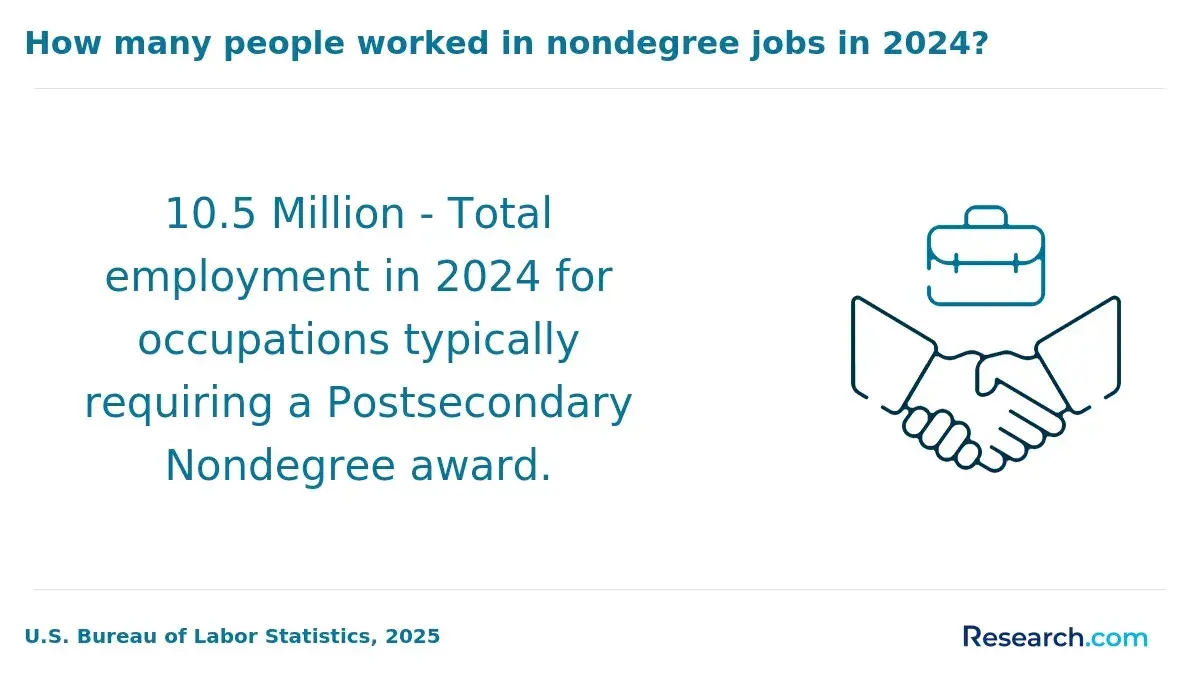
Certifications offer a practical alternative to master's degrees by enhancing professional credibility and expanding career options in art studies fields. Data from 2023 shows that certified professionals in creative industries enjoy a 15% higher job placement rate and up to 12% salary increases compared to those without certifications.
The following list outlines key certifications that can significantly boost career potential for art studies graduates.
- Certified Art Appraiser: Awarded by organizations such as the International Society of Appraisers, this certification validates expertise in art and antique valuation. It is essential for roles involving art appraisal, auctions, and investment evaluation, demonstrating specialized knowledge sought by employers.
- Project Management Professional: While not limited to art, PMP certification equips art professionals with advanced project management skills. This credential supports leadership in handling exhibitions, cultural programs, and creative team coordination, enhancing professional versatility.
- Adobe Certified Expert: Focused on mastery of leading design software including Photoshop and Illustrator, this certification reflects advanced technical capabilities. Possessing this credential signals proficiency valued across numerous art and design career paths.
- Museum Studies Certificate: Offered by accredited institutions, this certification emphasizes skills in curation, preservation, and museum administration. It helps refine expertise crucial for advancing within museums and galleries.
- Graphic Design Certification: Provided by recognized bodies, this credential confirms a strong grasp of design principles and digital tools. It broadens career opportunities by validating skills in visual communication and creative production.
Professional experience plays a crucial role in career advancement within many art studies fields, as employers increasingly value demonstrated skills, practical knowledge, and a solid portfolio over formal credentials. On-the-job learning cultivates nuanced expertise and adaptability to industry trends, offering tangible proof of an individual's capabilities.
This hands-on approach often drives faster career growth in roles where creativity and performance are key. Practical experience allows candidates to showcase successful projects that can sometimes outweigh the mere possession of academic degrees.
However, relying solely on experience has its limitations, especially for entry into higher-level roles that may favor advanced degrees or formal qualifications.
Certain specialized positions, such as museum curators or conservators, commonly require graduate credentials as prerequisites. Nonetheless, experience becomes most valuable in sectors that reward innovation, portfolio strength, and real-world problem-solving, including graphic design and gallery management.
Those targeting these areas should weigh their options carefully, considering that a robust work history and demonstrated competence may offer a better return on investment than pursuing graduate studies alone.
Many art studies professionals carefully weigh the trade-offs of not pursuing graduate education, especially considering the financial impact of skipping graduate school in art studies. Data from the U.S. Bureau of Labor Statistics shows that master's degree holders earn approximately 20% more per week than those with only a bachelor's degree in related fields.
This significant difference influences career decisions for many, highlighting several limitations that arise for those who stop at a bachelor's degree. Below are some key challenges to consider.
- Slower Advancement: Career progression in museums, galleries, and academic settings often favors candidates with graduate degrees. Many leadership and specialized roles require a master's or higher, which can limit opportunities for bachelor's degree holders seeking rapid upward mobility.
- Restricted Access to Specialized Roles: Graduate programs provide essential training, credentials, and networking for curated positions like museum curators, arts administrators, or conservators. Without these qualifications, individuals may find their careers limited to broader or less senior roles.
- Competitive Hiring Disadvantages: Employers increasingly use graduate degrees as a baseline for screening candidates in art studies fields. Lack of advanced qualifications can place bachelor's degree holders at a competitive disadvantage during the hiring process.
- Limited Exposure to Advanced Theory and Research: Graduate education offers deeper understanding of critical theories and research methods, which can enrich one's expertise. Without this exposure, career options often skew toward less specialized positions that emphasize practical skills over analytical depth.
For students considering alternative paths, some roles in entrepreneurship, art production, or market-facing careers may offer strong salary potential without graduate education. Prospective candidates can also explore options like an online doctorate in organizational leadership to enhance leadership skills later in their careers.
Careers limited by no graduate degree do present challenges, but strategic choices and understanding the trade-offs can help maximize career success and earnings over time.
Return on investment (ROI) in education balances the cost and time invested with the career outcomes and earning potential achieved. For bachelor's degree holders in creative fields, the median starting salary is around $50,000, though smart choices can increase this considerably over time. Below are practical strategies to maximize ROI with an art studies degree.
- Specialize in High-Demand Fields: Focusing on subfields like digital media, UX design, or art direction aligns skills with employer demand, improving marketability and boosting salary growth.
- Gain Practical Experience: Pursuing internships, apprenticeships, or project work during college builds a professional network and offers real-world skills that lead to better entry-level positions and faster advancement.
- Leverage Industry Connections: Choosing schools with strong employer ties and alumni networks can enhance job placement, leading to earlier access to higher-paying jobs and better long-term earnings.
- Develop Complementary Skills: Mastering project management, marketing, or relevant software increases versatility and appeal to employers, improving career opportunities beyond core art studies.
- Prioritize Career Growth: Taking roles that offer advancement potential, even with modest starting pay, often results in faster salary increases and leadership roles, strengthening overall ROI.
These strategies reflect some of the best career strategies for art studies graduates without graduate school. Students seeking reliable affordability options might also explore online schools for real estate as alternative or complementary educational paths.
Deciding whether graduate school is worth it for art studies careers depends largely on your professional goals, industry standards, and the long-term financial return on investment. Research shows that those with a master's degree in arts-related fields can earn about 20% more over a lifetime compared to individuals holding only a bachelor's degree.
Considering these earnings differences alongside your intended career path is essential. For students exploring options, there are also resources like cheap online colleges to consider for affordable graduate education routes.
Graduate education in art studies benefits those aiming for specialized roles such as museum curators, licensed art therapists, or arts administrators, where advanced credentials are often required or strongly preferred. It also offers a strategic advantage for leadership positions and academic research careers, which typically demand terminal degrees.
However, many creative fields prioritize practical experience and a strong portfolio over formal graduate education. Knowing when to pursue graduate education for art studies careers is crucial to align with employer expectations and maximize long-term career and salary growth.
What Graduates Say About Art Studies Degree Careers That Offer the Best Return Without Graduate School
- Landen: "Pursuing an art studies degree without immediately jumping into graduate school was the best decision for me. Instead, I focused on building a strong portfolio and gaining hands-on experience through internships. These practical steps have opened doors to creative roles that value my skills and passion over advanced degrees."
- Nicholas: "Reflecting on my journey, choosing not to pursue a graduate art studies degree allowed me to enter the job market sooner and refine my craft on the job. I invested time in networking and continuous learning outside academia, which boosted my career growth significantly. The impact of my art studies degree was profound, providing a foundation I could build upon professionally."
- Maverick: "My art studies degree has been essential in shaping my professional path, even without graduate school credentials. I strategically sought out workshops and freelance opportunities that expanded my skillset and industry knowledge. This proactive approach helped me stand out in creative sectors where practical experience often outweighs further formal education."
Other Things You Should Know About Art Studies Degrees
In 2027, art studies graduates without a graduate degree frequently find employment with design firms, advertising agencies, media companies, galleries, and nonprofit arts organizations, where practical skills and creativity are highly valued over formal education.
Yes, internships play a crucial role in gaining hands-on experience, building professional networks, and enhancing employability. They often bridge the gap between academic knowledge and real-world applications, making candidates more competitive. Internships in galleries, museums, or design studios provide exposure to industry practices valuable for career growth.
A well-curated portfolio is essential in art studies fields, as it visually demonstrates skills and creativity to potential employers or clients. A portfolio can outweigh the absence of a graduate degree by showcasing practical capabilities and unique projects. Ongoing portfolio updates highlight professional growth and adaptability to trends.
Gallery coordinators and museum technicians often earn about $40,000 to $55,000 a year without a graduate degree, with higher pay in large cities and major institutions. The U.S. Bureau of Labor Statistics reports museum technicians and conservators had a median wage of $50,890 in May 2024.
- 11 Most Profitable Art-Related Majors - Art Business News https://artbusinessnews.com/2021/06/11-most-profitable-art-related-majors/
- Professional Certificate in Art and Design Research https://www.ncad.ie/postgraduate/professional-development-short-courses/professional-certificate-in-art-and-design-research/
- 10 entry-level arts jobs to consider (part 1) https://www.artshub.com.au/news/career-advice/10-entry-level-arts-jobs-to-consider-part-1-2719282/
- Discover the Highest Paid Jobs in the Art Field https://rossettiart.com/blogs/news/what-is-the-highest-paid-job-in-art
- 7 Reasons to Pursue a Creative Arts Degree in 2025 https://www.yorkvilleu.ca/blog/bca/reasons-to-pursue-a-creative-arts-degree/
- The Top Creative, High-Paying Jobs Without a Degree (2024) https://academyofanimatedart.com/creative-jobs-without-a-degree/
- Visual Artist Certifications: Best Credentials to Advance Your Career | Teal https://www.tealhq.com/career-paths/visual-artist-certifications
- Master's Degree vs. Experience: What's More Valuable for Your Career? https://www.investopedia.com/articles/personal-finance/041415/masters-degree-vs-work-experience-which-one-more-valuable.asp
- High-Paying Artist Jobs Without a Degree https://careerkarma.com/blog/jobs-for-artists-without-degrees/
- 40 Arts Jobs You Can Get With Your Fine Art Degree https://www.format.com/magazine/resources/art/arts-jobs