2027 What Careers Can You Pursue With an Art Studies Degree? Salary Potential, Job Outlook, and Next Steps
Audited and Verified:
Our Editorial and Data Verification Process
Research.com uses government datasets, official education statistics and primary institutional information to support its career and degree guides. Our review process checks factual accuracy, occupational definitions, source dates and the requirements associated with the credentials discussed.
How This Article Was Fact-Checked
Our editorial team verifies salary estimates, employment projections, education requirements and program information against original data providers and official organizations. Salary figures are checked against the relevant occupational definitions and reporting periods. Information about licensure, accreditation and required in-person training is reviewed separately.
Fact-checked and verified on:

Co-Founder and Chief Data Scientist
Deciding to pursue an art studies degree often raises questions about viable career options and financial stability. Many recent graduates wonder if their creative skills can translate into a sustainable livelihood, especially in a competitive job market. Data from the National Endowment for the Arts shows that employment in art-related occupations grew by 5% between 2018 and 2028, reflecting a steady demand for creative professionals in design, education, and media industries.
This article explores the range of careers available to art studies graduates, examines salary potential and job outlook, and outlines practical next steps for those preparing to enter the field.
Key Things to Know About the Careers You Can Pursue With a Art Studies Degree
- Art studies degrees open doors across diverse sectors, including education, marketing, museum curation, and media, reflecting the broad applicability of creative expertise.
- Skills in critical thinking, visual communication, and project management gained in art studies are transferable to business, technology, and nonprofit roles.
- Continuing education and networking can increase salary potential and career advancement, as approximately 9% job growth is expected in creative occupations through 2031.
What Careers Can You Pursue With a Art Studies Degree?
An art studies degree opens doors to diverse career paths across various industries, blending creativity with cultural insight. Employment in arts and design occupations is projected to grow by approximately 4% in the coming years, reflecting stable demand for these specialized skills. Many graduates find rewarding roles that draw on their passion for art and cultural engagement.
Common career options for those with this background include:
- Art Curator: Art curators oversee museum or gallery collections, organizing exhibitions and researching artworks. They connect audiences to art by crafting compelling narratives and selecting pieces that enhance cultural understanding.
- Art Educator: These professionals teach art history, techniques, and criticism at various educational levels, fostering appreciation and knowledge. Their work deeply relates to the background gained from an art studies degree.
- Gallery Manager: Responsible for managing gallery operations, gallery managers coordinate exhibitions, sales, and events to highlight artists' talents and promote their work effectively.
- Art Historian: Specialists in art history research and analyze artistic movements and cultural contexts. They often contribute to academic research or publish findings that enrich the field.
Exploring these roles can help graduates identify high-paying jobs for art studies graduates in the US that match their interests. For students considering further specialization or complementary skills, exploring options like online ai degree programs may also expand career possibilities.
What Are the Highest-Paying Careers With a Art Studies Degree?
An art studies degree can unlock access to rewarding careers that blend creativity with strategic thinking across various sectors. According to the U.S. Bureau of Labor Statistics, salaries for art studies graduates vary widely, with many roles offering median pay exceeding $50,000 and strong wage growth potential. This degree equips students with both critical and cultural skills that employers value in design, media, and beyond.
Here are some of the highest-paying art studies careers in the US to consider:
- Art Director: Art directors lead the visual style and imagery for magazines, advertising, film, and product packaging. They manage creative teams and ensure projects meet branding goals. Salaries typically range from $55,000 to $120,000, reflecting the leadership and artistic demands of the role.
- Graphic Designer (Senior or Specialized): More advanced graphic designers, especially those skilled in user experience (UX) or motion graphics, can earn between $50,000 and $90,000. An art studies degree lays the essential foundation in design principles and technical expertise vital for success in this field.
- Animator: Animators produce visual effects and animations for gaming, film, and digital media by combining artistry with software skills. They usually earn from $60,000 to $100,000, depending on experience and industry focus.
- Art Conservator: These specialists restore and preserve artworks and cultural artifacts. Roles require in-depth art knowledge often acquired through an art studies program and pay between $45,000 and $90,000.
- Museum Curator or Director: Professionals managing collections and exhibits in museums earn median salaries usually between $50,000 and $100,000. An art studies background is critical for success in these positions.
Students aiming to pursue top salary jobs for art studies graduates should also explore complementary skills to enhance employability. For those researching options, resources like easiest college majors with high pay provide valuable guidance on career-aligned degrees in the arts and related fields.
What Is the Job Outlook for Art Studies Degree Careers?
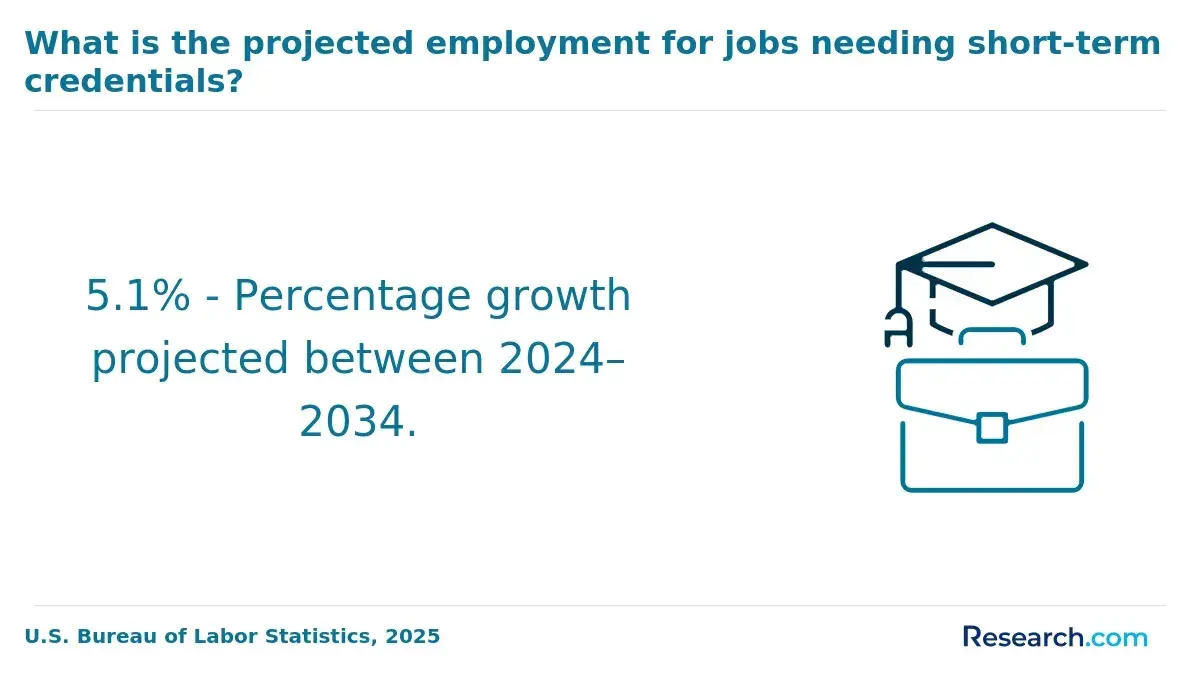
The job outlook for careers linked to an art studies degree shows steady growth influenced by evolving technology and expanding creative demands. The U.S. Bureau of Labor Statistics projects about a 3% employment increase in arts and design occupations from 2022 to 2032, indicating a stable market comparable to the average for all jobs. Demand is rising in sectors like digital media, advertising, and entertainment, where creativity meets advancing technology. Fields such as marketing, film, and cultural organizations continue to hire professionals who can combine traditional artistic skills with digital expertise. Over time, adapting to new digital tools and expanding creative problem-solving abilities will be crucial for those entering the workforce.
When asked about the job outlook, a professional with a degree in art studies described a journey that involved balancing optimism with practical challenges. He shared, "Finding the right opportunities took patience because the market is competitive and constantly changing." He emphasized how important it was to continuously develop both digital skills and a strong creative portfolio. "Navigating shifts in the industry meant learning to be flexible and open to diverse roles beyond what I initially expected," he noted, explaining that persistence and adaptability were key in managing uncertainty and seizing emerging opportunities.
An art studies degree develops essential skills in visual interpretation, creative problem-solving, and cultural understanding, making graduates competitive for entry-level careers across creative and cultural sectors. Nearly 73% of art studies degree entry-level careers seekers secure jobs related to their field within a year, demonstrating the degree's practical value in the job market. These roles leverage the unique blend of theoretical knowledge and practical training the program provides.
Many job options are available to recent graduates with an art studies degree, including:
- Gallery Assistant: This role supports daily gallery functions such as exhibition setup, managing collections, and engaging visitors. The degree's emphasis on art history and curation equips graduates to communicate effectively about artworks and artists.
- Museum Technician: Responsibilities include art installation, collection maintenance, and assisting curators. Coursework covering materials and conservation techniques prepares graduates well for preserving and handling art objects.
- Art Educator: Often found in community centers or museums, these educators introduce audiences to artistic concepts. Training in pedagogy and art theory forms a strong foundation for teaching roles.
- Graphic Design Assistant: This position assists design teams in creating visual materials. While additional technical skills may develop on the job, creative principles from an art studies degree provide a valuable artistic perspective.
- Art Handler: Charged with transporting and installing artwork safely, this job benefits from knowledge of art media and fragility learned during the degree. Proper handling ensures artworks' preservation throughout logistics.
For students exploring educational options, finding an affordable psychology degree online can also complement an art studies degree by adding insight into human behavior relevant to educational and cultural sectors.
An art studies degree cultivates a versatile skill set valued across creative and professional fields. Graduates often develop strong creative thinking and adaptability, competencies that 78% of employers say are essential in today's evolving job market. These capabilities support success in diverse industries, from design to education.
Key skills acquired through an art studies program include:
- Visual Literacy: This involves interpreting and creating visual messages, enhanced by courses in art history and studio work that teach symbolism, composition, and design principles. It strengthens communication by enabling clearer storytelling through images.
- Critical Thinking: Evaluating artworks within cultural and historical contexts enhances the ability to analyze complex problems and develop well-reasoned viewpoints, a skill sharpened by essay writing and class discussions.
- Creative Problem-Solving: Hands-on projects and critiques encourage students to devise innovative solutions, whether crafting original art or curating exhibitions, fostering flexible and inventive approaches.
- Research Skills: In-depth study of artists and movements builds proficiency in gathering and assessing information, as well as academic writing, preparing students for rigorous intellectual inquiry.
- Collaboration and Communication: Group projects and presentations develop teamwork and the capacity to articulate ideas effectively to varied audiences.
When asked about the skills gained from her art studies degree, a recent graduate reflected on the challenges of balancing creative ambition with constructive critique. She shared how initial vulnerability in receiving feedback evolved into confidence, enabling her to clearly express complex concepts. "Navigating collaborative projects taught me patience and the importance of diverse perspectives," she noted. These experiences deepened her ability to adapt and communicate, which she now considers invaluable in her professional life.
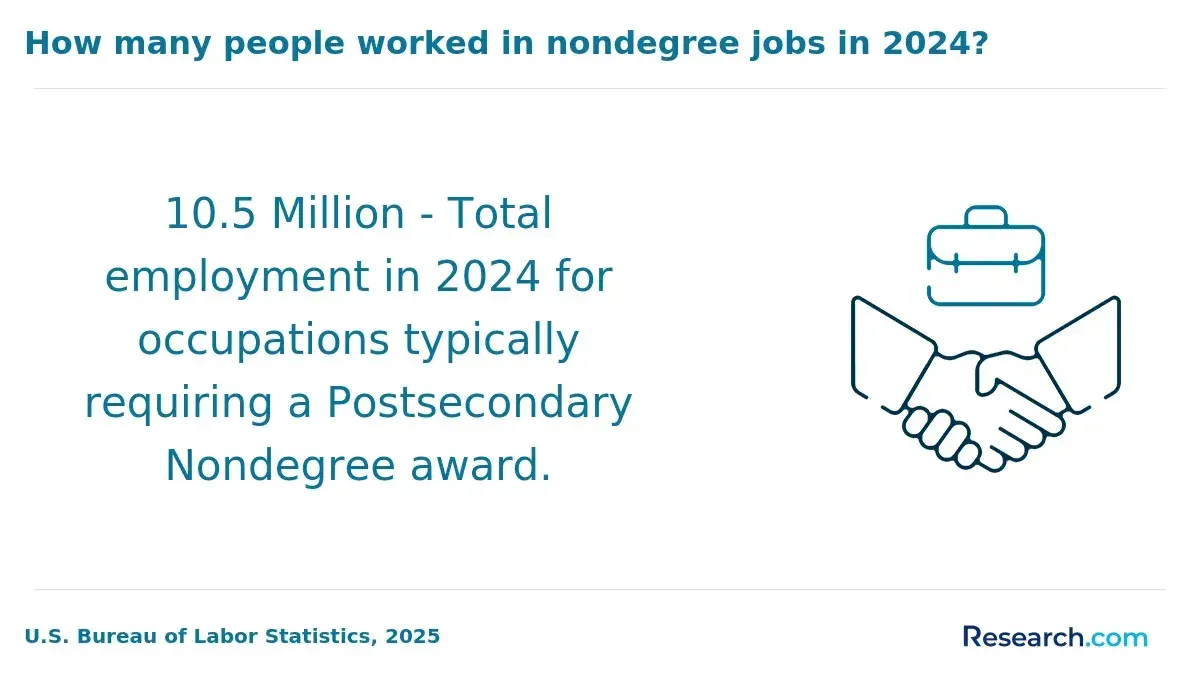
A bachelor's degree in art studies offers a solid stepping stone for advancing into professional roles that do not require additional certifications or formal education. Data from the National Center for Education Statistics reveals that nearly 45% of graduates with bachelor's degrees in creative fields reach mid-level or supervisory positions within five to seven years. This illustrates significant career mobility based solely on degree attainment.
Careers that exemplify this advancement include the following:
- Art Director: Responsible for managing the visual aspects of media such as magazines, advertising, and film productions, art directors use design knowledge and creative leadership skills. Graduates can rise to this role by showcasing experience and project oversight abilities developed during their art studies.
- Gallery Manager: Overseeing gallery operations, curating exhibitions, and maintaining artist relationships are key duties of this position. The critical artistic insight and communication skills gained in an art studies program enable graduates to succeed and advance beyond assistant roles.
- Visual Arts Coordinator: Often employed by schools or nonprofits, this role involves planning arts programs, budgeting, and community engagement. The organizational and analytical competencies from an art studies degree support leadership in managing such initiatives effectively without further credential requirements.
- Creative Project Manager: Leading project timelines and facilitating collaboration among creative teams in advertising or multimedia firms is central to this role. Graduates with art studies backgrounds are well-prepared to take on managerial responsibilities thanks to their visual communication and teamwork skills.
- Arts Administrator: This role focuses on fundraising, grant writing, and policy tasks within arts organizations. The knowledge of art history and cultural contexts acquired during undergraduate studies equips graduates to navigate administrative challenges successfully.
Many careers linked to art studies require qualifications beyond a bachelor's degree, often including certifications or advanced degrees. Nearly 40% of professionals in art-related fields hold graduate degrees, highlighting the value of higher education and licensure for career success. These credentials not only ensure competency but also meet industry standards for specialized roles.
The following are key careers in art studies where additional certifications or graduate education are commonly necessary:
- Art Therapy: Art therapists use creative methods to support mental health treatment, requiring a master's degree and professional licensure. These credentials are essential to demonstrate both clinical proficiency and adherence to ethical standards in therapy.
- Museum Curators: Typically needing a master's or doctoral degree in art history or museum studies, curators develop expertise to manage collections, conduct research, and present scholarly work. Advanced education is crucial for leadership and specialized knowledge in this field.
- Art Educators: Teaching art at secondary or postsecondary levels often requires state licensure and/or advanced degrees. These requirements ensure educators are qualified to deliver curricula and meet certification standards, especially in public education.
- Conservators and Restorers: Professionals preserving and restoring art usually complete graduate programs with specialized certifications, combining expertise in chemistry and historical techniques. This advanced training is vital to maintain the integrity and longevity of artworks.
Graduates with a background in art studies often pursue career paths beyond traditional roles, demonstrating the versatility of their degree. Studies reveal that nearly 40% of college graduates work in fields unrelated to their major, highlighting the adaptability of art studies graduates in diverse professional environments. This flexibility opens the door to numerous alternative opportunities.
Here are some promising alternative career options for art studies graduates that extend well beyond typical art-related positions:
- User Experience Design: UX designers create digital products that are both functional and visually appealing. Graduates leverage their understanding of aesthetics and human perception to design engaging interfaces that improve user satisfaction.
- Marketing and Advertising: Professionals in this field use visual storytelling and branding to develop compelling campaigns. The ability to analyze cultural trends and employ visual media effectively supports success in this fast-evolving industry.
- Arts Administration and Nonprofit Management: These roles involve curating exhibitions, managing budgets, and developing programs. The interdisciplinary communication and organizational skills from an art studies degree help bridge connections among artists, patrons, and institutions.
- Content Creation and Digital Media: Graduates produce multimedia content for platforms ranging from social media to publishing. Skills in visual composition and media literacy equip them to thrive amid changing digital landscapes.
Students interested in expanding their career options might also consider supplementing their art studies degree career paths beyond traditional roles with additional qualifications like a business administration online degree to enhance their versatility and marketability.
Salary potential for art studies graduates varies widely depending on several professional and educational factors. According to recent data, wages can differ by as much as 40% between industries, reflecting the diverse opportunities within the field. These variations often mirror the combination of experience, location, and specialization choices graduates make.
Several key factors influence these outcomes, as outlined below.
- Industry Choice: The sector where a graduate works plays a crucial role. Those employed in entertainment, advertising, or corporate design often earn higher salaries compared to peers in smaller galleries, nonprofits, or community arts programs, highlighting the impact of regional job market trends for art studies careers.
- Experience Level: Entry-level roles tend to start with lower pay, but as professionals build skills and portfolios, earning potential generally rises. Mid-career artists and arts administrators typically command better compensation through accrued expertise and reputation.
- Geographic Location: Salaries for art studies graduates vary significantly depending on the job market of their location. Large metropolitan areas or regions with vibrant creative industries offer better-paying positions compared to rural or less economically diverse locales, often reflecting differences in living costs.
- Specialization Within Art Studies: Focus areas matter; those concentrating on digital media or graphic design usually have stronger earning prospects due to greater commercial demand, whereas traditional art disciplines may yield lower pay.
- Role Responsibility Level: Positions involving leadership, project management, or advanced technical skills generally provide higher salaries than entry-level or purely creative roles.
Students aiming to improve their salary outcomes might consider programs at low gpa colleges that offer flexible support tailored to diverse academic backgrounds.
About 69% of bachelor's degree holders in art studies enter the job market within a year after graduating, highlighting the tendency for graduates to seek employment quickly. Many also choose additional education to deepen their skills or improve career prospects. Various paths exist to leverage their artistic knowledge and talents effectively.
Common directions for graduates include the following:
- Workforce Entry: Many graduates begin careers in galleries, museums, design agencies, or educational settings where their creative and analytical skills are highly valued. Early roles or internships provide essential practical experience and industry connections.
- Graduate Studies: Pursuing advanced degrees like a master's in fine arts, art history, or museum studies is a popular route to enhance expertise and qualify for specialized academic, research, or curatorial positions.
- Specialized Training: Certification programs and workshops in digital arts, graphic design, or art restoration are common for graduates seeking to broaden technical skills or shift career focuses.
- Professional Networking: Joining art organizations, attending conferences, or participating in artist residencies offers opportunities for building industry relationships and staying informed about the evolving arts landscape.
What Graduates Say About the Careers You Can Pursue With a Art Studies Degree
- Lydia: "Pursuing an art studies degree was a decision fueled by my passion for creativity and cultural expression. It opened my eyes to diverse career paths, from museum curation to art therapy, which I hadn't initially considered. This degree truly allowed me to merge my love for art with meaningful work, shaping a fulfilling professional journey."
- Nicholas: "Studying art studies taught me to approach careers with both critical thinking and creativity, which has been invaluable in my role as a graphic designer. Choosing a path felt overwhelming at first, but understanding the versatility of the degree gave me confidence to explore roles that combine visual storytelling and innovation. It's been rewarding to see how my education impacts every project I tackle."
- Maverick: "The impact of earning an art studies degree extended beyond technical skills; it gave me the ability to analyze historical contexts and contemporary issues through an artistic lens. Deciding to work in arts education was a reflection of my desire to inspire others as I was inspired. This degree equipped me with a professional foundation to advocate for the arts in meaningful ways."
Other Things You Should Know About Art Studies Degrees
Yes. Most art studies careers, such as illustrator, graphic designer, and fine artist, do not require a state license. Freelancers usually need only a business registration, tax ID, and client contracts; local seller’s permits or city business licenses may apply depending on location.
Yes, internships offer valuable hands-on experience and networking opportunities that can lead to full-time employment. Participating in internships allows art studies students to apply their classroom knowledge in real-world settings and build professional connections within their desired industries. Many employers look favorably on candidates with relevant internship experience.
Proficiency in digital tools such as Adobe Creative Suite, 3D modeling software, and digital painting platforms is increasingly essential. Many art-related professions demand familiarity with these technologies to meet modern creative and production standards. Developing strong technical skills alongside traditional art techniques can improve employability and project versatility.
Networking and joining professional associations can greatly benefit art studies graduates by providing access to industry news, job leads, and mentorship opportunities. Associations often host workshops, exhibitions, and events that help members stay engaged with trends and connect with peers and potential employers. Active participation can lead to career advancement and collaboration prospects.
- Art https://www.careerpilot.org.uk/job-sectors/subject/art
- Top 10 Career Options After BA Degree | Best Jobs & Courses https://geu.ac.in/blog/career-options-after-ba-degree/
- Alternate Careers for Art Majors https://www.nec.edu/blog/alternate-careers-for-art-majors
- Tips for Becoming an Artist Without Going to Art School - Lo Harris https://www.loharris.com/learn/how-to-become-an-artist-without-going-to-art-school
- 12 Entry-Level Positions to Begin Work in Arts - Art Business News https://artbusinessnews.com/2021/06/12-entry-level-positions-to-begin-work-in-arts/
- Where an arts degree can take you https://www.artshub.com.au/news/career-advice/where-an-arts-degree-can-take-you-2510983/
- Top 10 Highest Paying Jobs for Arts Majors - Best Colleges Online https://www.bestcollegesonline.org/highest-paying-jobs/arts-majors/
- What Is The Highest Paying Job In Art? Here Are 12 Jobs With Great Salaries - Learn How to Sell Art Online - Art Storefronts Blog https://blog.artstorefronts.com/what-is-the-highest-paying-job-in-art/
- Top Career Options After BA in 2026 – High Paying Jobs & Courses https://www.foundit.sg/career-advice/career-options-after-ba/
- New study debunks myth that arts graduates end up in low-paying jobs https://www.vice.com/en/article/new-study-debunks-myth-that-arts-graduates-end-up-in-low-paying-jobs/