2027 Are There Any One-Year Online Higher Education Degree Programs Worth Considering?

Co-Founder and Chief Data Scientist
Choosing a one-year online higher education degree is really a question of fit: can you handle an accelerated graduate workload, and will the credential help you move into administration, student affairs, instructional leadership, policy, or another education-focused role? These programs appeal to working professionals who want a faster route to advancement, but the label “one-year” can be misleading. Many accredited options are closer to 12-18 months or 15-24 months, depending on transfer credits, course load, practicum requirements, and school policies.
Higher education programs usually focus on how colleges, universities, and postsecondary systems operate. Coursework may cover student services, institutional leadership, budgeting, policy analysis, assessment, equity, governance, and program evaluation. For professionals already working in education, a short online program can sharpen management and decision-making skills. For career changers, it can provide a structured entry point into college administration or related education roles.
This guide explains whether a one-year timeline is realistic, what programs are available, what to check before enrolling, how much these degrees typically cost, and how to evaluate financial aid, workload, and career value before committing.
Key Points About One-Year Online Higher Education Degree Programs
- One-year online Higher Education degrees offer accelerated pathways compared to traditional multi-year programs, focusing on practical skills and leadership within educational institutions.
- Students should expect rigorous coursework and limited elective options, reflecting industry-demanded competencies like curriculum design, policy analysis, and administration.
- Enrollment in such programs often includes working professionals; about 40% are mid-career educators seeking credential advancement without campus attendance.
Is It Feasible to Finish a Higher Education Degree in One Year?
Finishing an online higher education degree in one year is possible in limited cases, but it is not the standard path. The most realistic one-year option is usually an accelerated master’s program, not an associate or bachelor’s degree. Graduate programs have fewer general education requirements and often serve students who already have relevant academic or professional experience.
Even then, many programs described as accelerated take 12 to 18 months rather than exactly one calendar year. A strict one-year timeline usually requires full-time enrollment, year-round study, few or no breaks between terms, and a program structure that allows courses to be completed in a compressed sequence.
When a one-year timeline is more realistic
- You already hold a bachelor’s degree: Master’s programs are better suited to accelerated completion because students enter with completed undergraduate coursework.
- The program is designed for acceleration: Short terms, multiple start dates, and year-round course availability can reduce delays.
- You can study full time: A one-year plan may be difficult for students balancing full-time work, caregiving, or unpredictable schedules.
- There are no major fieldwork barriers: Practicums, internships, capstones, and research projects can extend the timeline if approvals or site placements take time.
- You have eligible transfer credits: Some programs allow prior graduate coursework to reduce the remaining credit load.
Undergraduate degrees in higher education-related fields are usually harder to finish in one year unless the student transfers in a substantial number of credits. Associate and bachelor’s degrees require broader foundational coursework, so completion depends heavily on prior learning, accepted transfer credits, and institutional limits.
The main trade-off is intensity. A faster program can help you reach a credential sooner, but it leaves less time for reflection, networking, internships, and gradual skill development. Before enrolling, ask the school for a written degree plan showing the exact courses, start dates, practicum expectations, and expected graduation term.
Are There Available One-year Online Higher Education Degree Programs?
Strictly one-year, fully online, accredited higher education degree programs are not widely available from major U.S. institutions. Students will find more programs advertised as accelerated, flexible, or fast-track, but many of these take 15 to 24 months in practice. Completion speed often depends on transfer credits, course sequencing, enrollment intensity, and whether the program includes a practicum, capstone, or field-based requirement.
For that reason, students should treat “one-year” as a claim to verify, not a guarantee. Ask whether the published timeline applies to all students or only to those who enter with transfer credits, take the maximum course load, or study continuously without breaks.
Programs and related accelerated options to review
- Southern New Hampshire University (MS in Higher Education Administration): This 36-credit program covers budgeting, leadership, and policy analysis. It accepts up to 12 transfer credits. Most students finish in 15-24 months, though transfer credits may shorten the timeline.
- Western Governors University (MA in Mathematics Education, Secondary): WGU uses a competency-based model that lets students move through material at their own pace. The average completion time is 18 months. The program includes advanced math coursework and teaching methodology.
- Grand Canyon University (Master of Education in Early Childhood Education): This online program is built around six-week courses and includes an in-person practicum. It offers scheduling flexibility, but it is not a guaranteed one-year degree.
These examples show the practical reality of the market: students can find accelerated education-related programs, but a precise one-year higher education degree is uncommon. If speed is your top priority, compare programs by required credits, accepted transfer credits, term length, fieldwork requirements, and whether all required courses are offered often enough to avoid waiting for the next term.
Students considering shorter online credentials may also want to review the best 6-month online associate degree programs to understand how accelerated options differ by credential level.
Why Consider Taking Up One-year Online Higher Education Programs?
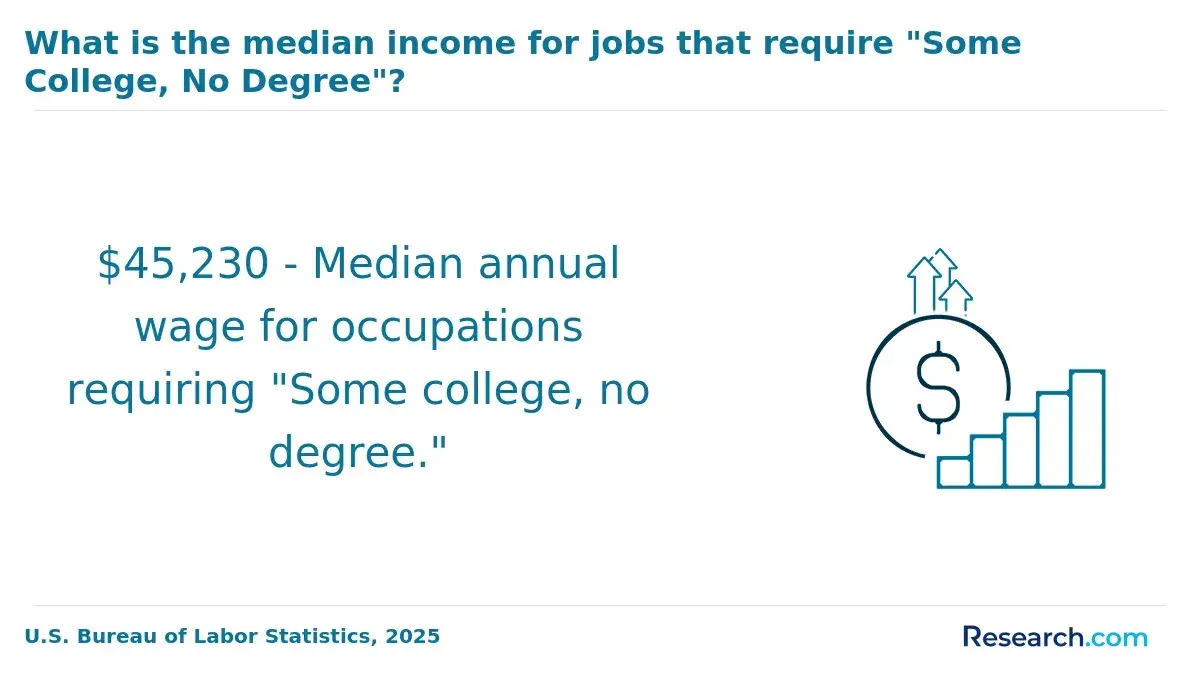
A one-year or accelerated online higher education program can make sense if you already know your career direction and need a graduate credential to compete for advancement. These programs are most useful for professionals aiming for roles in student affairs, academic advising, enrollment management, institutional operations, program coordination, policy, or education leadership.
The biggest advantage is time. A shorter program can help you apply new skills sooner, reduce the period spent juggling school with work, and potentially lower total education-related costs. However, the value depends on accreditation, employer recognition, curriculum relevance, and whether the pace is sustainable for your life.
- Faster career movement: Accelerated programs can shorten the typical 2-3 year trajectory to about one year in some cases, helping students pursue promotions or career transitions sooner.
- Potential cost savings: Less time enrolled may reduce fees and related expenses, although total tuition depends on the school, credit requirements, and financial aid package.
- Flexibility for working professionals: Online formats, especially asynchronous courses, can make graduate study more manageable for students with jobs or family responsibilities.
- Focused preparation: Higher education programs often emphasize practical topics such as student services, program evaluation, leadership, budgeting, and policy analysis.
- Career changer support: A compressed graduate program can help professionals from adjacent fields build knowledge of colleges, universities, and postsecondary systems.
- Stronger qualifications for some roles: Bachelor’s degree holders may use an advanced credential to improve their competitiveness for higher education administration or student support positions.
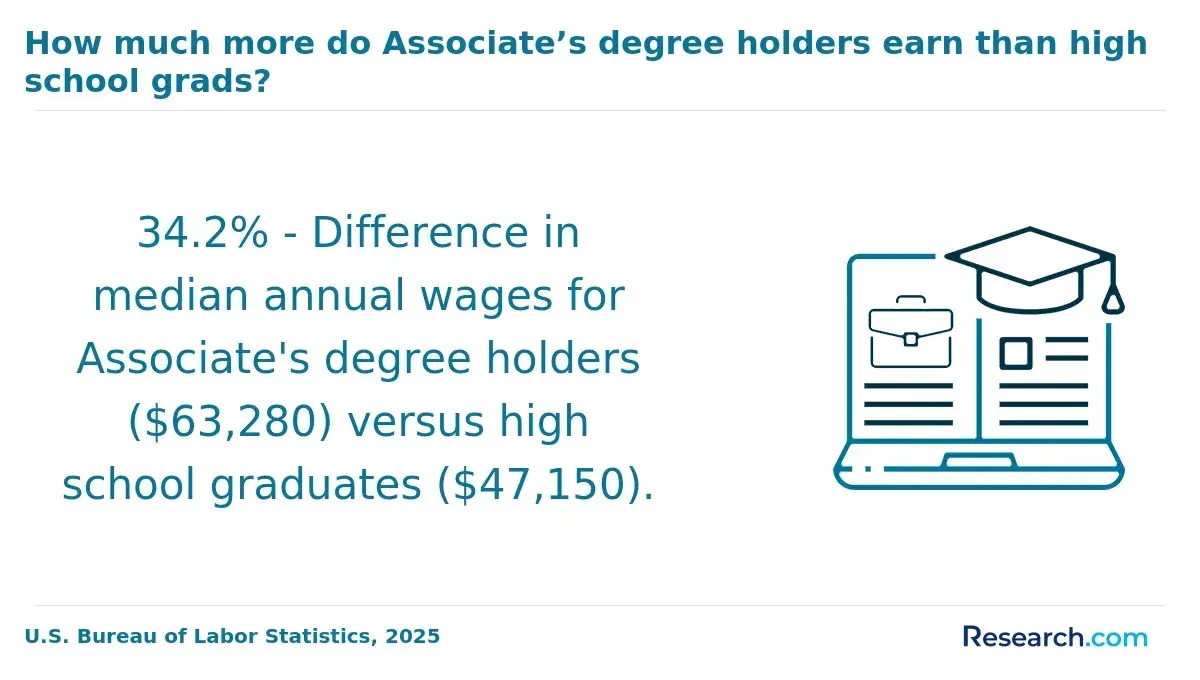
Students should not assume that an accelerated degree automatically leads to a raise or promotion. Salaries vary by role, institution type, geographic area, experience, and job market conditions. Still, graduate education can affect earning potential: master’s holders earn on average over $297 more weekly than those with only bachelor’s degrees.
If you are still deciding on an undergraduate path before moving into graduate study, it may help to compare practical degree options such as the easiest bachelor degree to get. The best choice is not simply the fastest degree, but the one that aligns with your career goal, budget, schedule, and tolerance for an intensive workload.
What Are the Drawbacks of Pursuing One-year Online Higher Education Programs?
The main drawback of a one-year online higher education program is compression. You may cover the same broad themes as a longer program, but with less time to absorb material, build relationships, complete optional experiences, or explore electives. For some students, speed improves motivation. For others, it creates stress and limits the depth of learning.
- Heavy course load: Accelerated programs often require multiple demanding courses at once or back-to-back terms with little downtime.
- Higher burnout risk: Reading, writing, group projects, and applied assignments can become difficult to manage when compressed into a short schedule.
- Less time for networking: Higher education careers often depend on professional relationships. A shorter online format may reduce informal interaction with faculty, classmates, and campus leaders.
- Limited field experience: Some programs have fewer internship or practicum opportunities, and required placements may be harder to complete quickly.
- Reduced elective flexibility: A one-year plan may leave little room to specialize in areas such as student affairs, assessment, policy, or enrollment management.
- Scheduling conflicts: Synchronous sessions, group work, practicums, or capstone deadlines can be challenging for students working full time.
- Less margin for life disruptions: Illness, job changes, family obligations, or a missed course sequence can push graduation beyond the advertised timeline.
Prospective students should also be cautious about programs that emphasize speed more than outcomes. An accelerated degree is only worthwhile if it is accredited, academically credible, relevant to your target roles, and realistic for your schedule. Before applying, ask current students or admissions staff how many hours per week successful students typically spend on coursework and whether full-time employment is common in the program.
What Are the Eligibility Requirements for One-year Online Higher Education Programs?
Eligibility requirements vary by institution, but accelerated online higher education programs are usually designed for students who already have a strong academic foundation and can manage graduate-level work at a fast pace. Most master’s programs require a bachelor’s degree from a regionally accredited institution. Some programs prefer applicants with a background in education, psychology, higher education administration, student affairs, counseling, leadership, or a related field.
Admissions can be more selective when a program is short, cohort-based, or leadership-focused. Schools want evidence that applicants can write clearly, analyze policy and data, manage deadlines, and connect the degree to a realistic career goal.
- Minimum undergraduate GPA: Often a 3.0 or higher, though this varies by institution.
- Official transcripts: Required from all postsecondary institutions previously attended.
- Letters of recommendation: Usually from professors, supervisors, employers, or colleagues who can speak to your academic ability, leadership potential, or professional readiness.
- Resume/CV: Used to evaluate relevant work experience, leadership responsibilities, student support experience, or administrative background.
- Personal statement or essay: Typically asks why you want to study higher education, what career goals you have, and why the accelerated format fits your plans.
- Standardized test scores: Some programs require GRE or GMAT scores, though many waive this for applicants with strong professional experience.
- Prerequisite coursework: May be required in research methods, statistics, education foundations, or related areas if your background is outside the field.
- Professional experience: Often valued or required, especially for programs focused on leadership, administration, or student affairs.
- Background checks: Occasionally necessary if internships or field experiences involve K-12 or higher education settings.
- Interviews: Sometimes used to assess fit, communication skills, motivation, and readiness for an intensive program.
Placement exams are less common, but a program may use them to confirm readiness for graduate-level coursework. Online programs may also offer rolling admissions or multiple start dates, which can help students begin sooner. Because one-year online higher education options are limited, confirm every requirement directly with the institution before investing time in an application.
If you are weighing cost against long-term value, reviewing the highest earning master's degrees can provide additional context on how graduate credentials differ by field.
What Should I Look for in One-year Online Higher Education Degree Programs?
The right accelerated program should be fast, credible, affordable, and aligned with the jobs you want. Do not choose a program based only on completion time. In higher education, employer trust, institutional accreditation, practical curriculum, and professional connections can matter as much as speed.
- Accreditation: Confirm that the institution holds recognized accreditation. Accreditation affects employer recognition, transferability, graduate school options, and financial aid eligibility. You can start by reviewing top accredited non-profit online colleges.
- Realistic completion timeline: Ask whether students commonly finish in one year or whether the timeline depends on prior credits, continuous enrollment, or unusually heavy course loads.
- Transfer credit policies: For bachelor’s-level pathways, accelerated completion often depends on prior coursework. Some one-year bachelor’s programs may require bringing in substantial transfer credits, often accepting up to 90 transfer credits out of the typical 120 needed. For graduate programs, ask how many credits can transfer and whether they must match specific courses.
- Curriculum relevance: Look for courses tied to your target role, such as student affairs, institutional research, academic advising, enrollment management, policy, leadership, budgeting, assessment, or program evaluation.
- Course delivery format: Synchronous programs require live attendance. Asynchronous programs allow more schedule control. Hybrid field experiences, practicums, or internships may still require approved local placements.
- Faculty credentials: Online courses should be taught by qualified faculty with relevant experience in higher education administration, student services, research, policy, or academic leadership.
- Student support: Accelerated students need responsive advising, technical support, library access, career services, and clear communication about course sequencing.
- Workload intensity: Ask how many hours per week students typically spend on coursework and whether the program is realistic for someone working full time.
- Career outcomes: Request information about common job titles, employer types, internship support, alumni networks, and how the program helps students translate coursework into career opportunities.
A strong program should be transparent about its pace and limitations. Be cautious if admissions staff cannot explain the exact sequence of courses, the total cost, fieldwork requirements, or what happens if you need to slow down.
How Much Do One-year Online Higher Education Degree Programs Typically Cost?
One-year online higher education degree programs, especially master’s programs, generally cost between $14,000 and $45,000 total. Per-credit tuition can vary widely, typically ranging from about $470 to over $1,000. The final price depends on the school, the number of required credits, residency rules, fees, transfer credits, and whether the institution is public or private.
Private institutions usually charge more than public institutions, though this is not always the full story. Some public universities charge different rates for in-state and out-of-state students, while some online programs use a flat tuition rate regardless of residency. Fees can also add to the cost, including technology fees, graduation fees, course materials, and possible costs related to practicums or field experiences.
Transfer credit can reduce the total cost if the program charges by credit and accepts prior coursework toward degree requirements. However, students should confirm transfer decisions before enrolling because not all credits apply to the degree plan.
Compared with traditional four-year online undergraduate degrees, which can range from approximately $40,500 at public schools to over $63,000 at private ones, a shorter graduate program may require a smaller total commitment. Still, affordability should be judged by net price after aid, employer support, loan borrowing, expected career benefit, and whether the program can be completed on the advertised timeline.
What Can I Expect From One-year Online Higher Education Degree Programs?
Students in an accelerated online higher education program should expect a demanding, structured experience with frequent deadlines. These programs are designed to move quickly, so success depends on planning, time management, and steady participation from the first week.
A one-year online master’s in higher education typically compresses two to three years of coursework into just twelve months. Courses may be delivered through asynchronous modules, live virtual sessions, online discussions, group projects, papers, case studies, presentations, and applied research assignments. Some programs also include a capstone, portfolio, internship, practicum, or policy analysis project.
Common topics in the curriculum
- Institutional governance and leadership
- Student affairs and student services
- Higher education policy and law
- Budgeting, finance, and resource management
- Assessment, accreditation, and program evaluation
- Data-driven decision-making
- Equity, access, and student success
- Academic administration and curriculum development
Graduates can develop practical skills in communication, leadership, policy interpretation, assessment, program planning, and institutional problem-solving. These skills may apply to roles in academic administration, student services, advising, enrollment, institutional research, program coordination, or curriculum support, depending on prior experience and the local job market.
The format also has limits. Students may have fewer chances for campus-based networking, informal mentoring, internships, and elective exploration. If you need extensive hands-on experience to enter the field, look closely at whether the program includes applied projects or field placements. If you are comparing education degrees with other career routes, reviewing trades that pay well can help you evaluate alternative paths with different timelines and training models.
Are There Financial Aid Options for One-year Online Higher Education Degree Programs?
Financial aid may be available for one-year online higher education programs if the school and program meet eligibility requirements. The most important first step is confirming accreditation and federal aid eligibility directly with the institution. A program that is online or accelerated is not automatically ineligible, but students must meet the rules for the specific aid source.
- Federal financial aid: Eligible students can complete the FAFSA to be considered for federal grants, loans, and work-study opportunities. Applicants generally must meet requirements related to financial need, U.S. citizenship or eligible non-citizen status, enrollment status, and satisfactory academic progress.
- State financial aid and scholarships: Some states offer grants or scholarships that may apply to online learners. Eligibility can depend on residency, institution type, program type, enrollment level, and application deadlines.
- Institutional scholarships: Universities may offer merit-based, need-based, departmental, or graduate scholarships. Accelerated students should ask whether awards are available for every term in the condensed schedule.
- Private scholarships and grants: Professional associations, foundations, and education-focused organizations may fund students pursuing leadership, administration, teaching, or student support careers.
- Employer tuition assistance: Some education professionals receive tuition support from employers, especially when the degree is related to their current role or advancement path. Policies vary by employer and may require continued employment after graduation.
Accelerated timelines can make financial planning more complicated because tuition bills may come closer together. Ask the financial aid office how aid is disbursed, whether you must maintain a certain number of credits each term, and what happens if you slow down or take a break. Also compare the total net price, not just the sticker price, before deciding which program is affordable.
What Higher Education Graduates Say About Their Online Degree
- : "Completing my Higher Education degree in just one year was a game-changer for my career. The accelerated program allowed me to quickly apply new skills in my job, leading to a promotion within months. Plus, the investment was reasonable compared to traditional degrees, making it a smart choice. — Tracy"
- : "The competency-based approach really suited my learning style, letting me focus on mastering each subject without unnecessary delay. I appreciated how the curriculum was designed to be flexible yet rigorous, which helped me balance work and study effectively. This degree truly enhanced my professional outlook. — Sutton"
- : "The one-year online degree program exceeded my expectations in both quality and speed. Being able to finish faster than a traditional degree saved me time and money while delivering solid academic outcomes. I feel more confident in my skills and ready to take on new challenges in the education field. — Ezekiel"
Other Things You Should Know About Pursuing One-Yeas Higher Education Degrees
It should be accredited by a U.S. Department of Education-recognized regional or national accreditor, such as HLC, SACSCOC, MSCHE, NECHE, NWCCU, WSCUC, or DEAC. For education-related programs, check whether the school or program also aligns with state licensure rules and CAEP standards where relevant.
In 2027, one-year online Higher Education programs often incorporate virtual labs, simulations, and partnerships with local businesses to provide practical training. Many programs work closely with industry partners to offer remote internships or on-site placements near the student’s location to fulfill practical requirements.
Students should research program accreditation, faculty qualifications, and post-graduation outcomes to choose a reputable one-year online Higher Education program in 2027. Reading reviews and speaking with alumni can offer additional insights into the program's credibility and effectiveness.
References
- 2025 List of Accredited Online Degree Programs https://www.onlineu.com/degrees
- Could You Earn a Fast, Online Bachelor’s Degree in 12 Months? https://flex.wisconsin.edu/stories-news/earn-fast-online-bachelors-degree-in-12-months/
- How to Choose an Online College in 10 Easy Steps https://straighterline.com/blog/choose-accredited-online-college-10-easy-steps
- Best 1-Year Online Master’s Programmes You Can Study in 2025 | Mastersportal https://www.mastersportal.com/articles/2905/best-1-year-online-masters.html
- Admissions - MA HEA - Pace University Online https://online.pace.edu/graduate-programs/ma-higher-education-administration-student-affairs/admission-requirements/
- five-reasons-online-learning-is-growing https://www.waldenu.edu/programs/resource/five-reasons-online-learning-is-growing
- Average Cost of Online College [2025]: Yearly Tuition + Fees https://educationdata.org/average-cost-of-online-college
- 5 Pros and Cons for Studying a Distance Learning Degree in 2025 | Distancelearningportal https://www.distancelearningportal.com/articles/174/why-study-distance-learning-degree.html
- The 10 Benefits of Online Learning - School of Education https://drexel.edu/soe/resources/student-teaching/advice/benefits-of-online-and-virtual-learning/
- Benefits and challenges of online learning for higher education - Online study Brunel https://onlinestudy.brunel.ac.uk/blog/benefits-and-challenges-of-online-learning-for-higher-education