2027 Are There Any One-Year Online Clinical Research Management Degree Programs Worth Considering?

Co-Founder and Chief Data Scientist
The key question is not simply whether you can earn an online Clinical Research Management degree in one year. It is whether an accelerated option will give you enough academic depth, practical preparation, and professional credibility for the role you want. Clinical research management sits at the intersection of healthcare, regulation, data quality, ethics, and project operations, so program length matters—but so do accreditation, practicum expectations, faculty expertise, and career alignment.
One-year options can be useful for experienced healthcare, pharmaceutical, biotechnology, or research professionals who need a faster credential. However, true one-year online degrees in this field are uncommon, and many programs advertised as accelerated are certificates, graduate certificates, or master’s programs that take longer than a calendar year. This guide explains what is realistic, what programs are available, what to compare before applying, and how to evaluate cost, workload, financial aid, and outcomes.
Key Points About One-Year Online Clinical Research Management Degree Programs
- One-year online Clinical Research Management degrees offer accelerated paths compared to traditional 2-4 year programs, focusing on practical regulatory and trial management skills specific to clinical settings.
- These programs often attract working professionals seeking up-to-date knowledge on FDA regulations, protocol design, and data management without campus visits or extended time commitments.
- Students should expect rigorous coursework with advanced technology use, but limited electives or research opportunities, reflecting the specialized nature of clinical research careers.
Is It Feasible to Finish a Clinical Research Management Degree in One Year?
Finishing a full online Clinical Research Management degree in one year is possible only in limited cases. For most U.S. students, completing an associate, bachelor’s, or master’s degree in Clinical Research Management within one year is not realistic, especially when the program is accredited and includes applied research, practicum, or capstone requirements.
At the master’s level, many accredited programs require two years of full-time study. Even when coursework is online, students may still need to complete a practicum, internship, capstone, or applied project that requires careful scheduling and faculty oversight. These requirements are important because clinical research management is not only theoretical; professionals must understand trial operations, regulatory documentation, data integrity, participant protection, and cross-functional coordination.
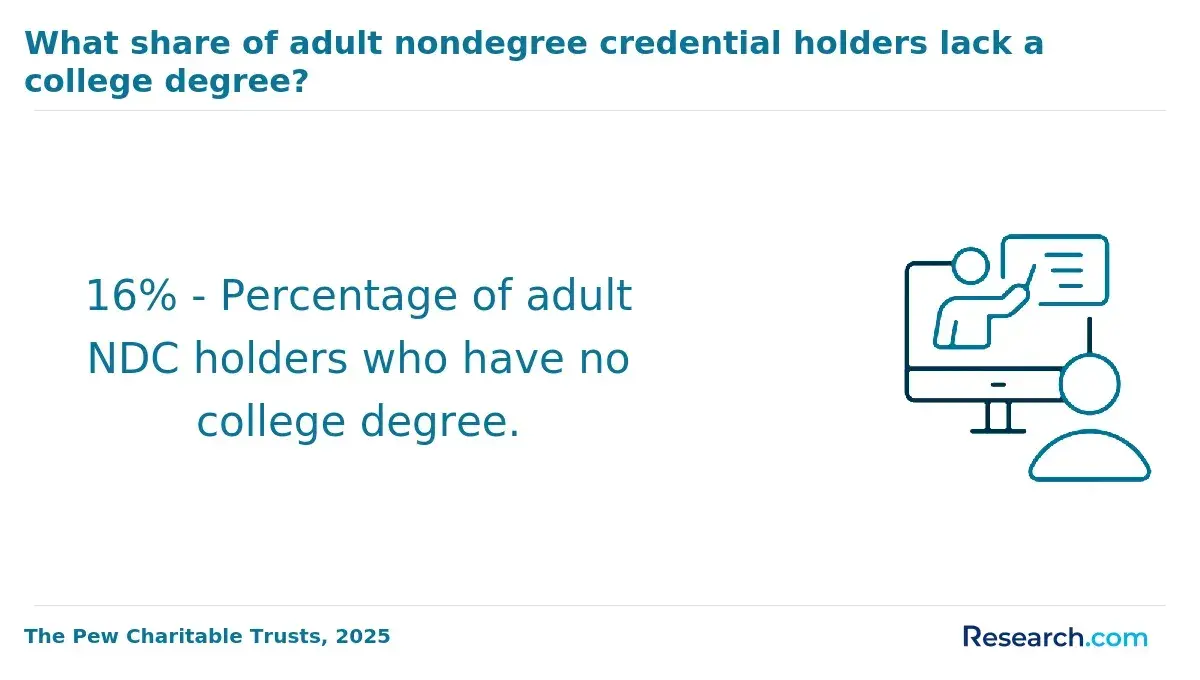
Shorter credentials are more common. Some universities offer accelerated certificates or specialized workshops that can be completed in under a year, but these are not the same as full academic degrees. A certificate may help a professional build focused skills or prepare for a career move, while a degree usually carries broader academic requirements and may be more valuable for long-term advancement.
Completion time depends on several factors:
- Transfer credits: Students with prior graduate or undergraduate coursework may shorten the timeline if the school accepts those credits.
- Program format: Accelerated terms can reduce calendar time but usually increase weekly workload.
- Practicum or capstone requirements: Applied components can extend completion time, especially when they involve clinical sites or faculty-approved projects.
- Prior experience: Experienced professionals may move more efficiently through applied coursework, while career changers may need more time to build foundational knowledge.
The practical takeaway: one-year online Clinical Research Management degrees are rare. If a program promises a one-year timeline, review the credit load, accreditation, practicum expectations, and whether it is a degree or certificate before assuming it will meet your career goals.
Are There Available One-year Online Clinical Research Management Degree Programs?
True one-year online Clinical Research Management degree programs in the U.S. are limited. Most accredited master’s programs require 18-24 months of full-time study, while faster options are more likely to be certificates, graduate certificates, or accelerated pathways designed for professionals who already work in healthcare, pharmaceuticals, biotechnology, or research administration.
When comparing programs, look beyond the advertised timeline. A program that takes “about a year” may still require intensive course loads, applied projects, professional experience, or practicum work. You should also confirm whether the credential is a degree, graduate certificate, or non-degree professional program, because each carries different academic and career value.
For a broader look at accelerated graduate formats, review the one-year master’s degree options.
- University of North Texas Health Science Center: Offers on-campus/hybrid and online Master of Science options in Clinical Research Management requiring 38 semester credits. The program is typically completed in 18 months full-time. Students complete either a six-month internship practicum or a 6-credit capstone project, making it a strong option for learners who want applied training but should not be treated as a standard one-year degree.
- Ohio State University: Offers a fully online, asynchronous Master of Clinical Research program for working professionals. The program ends with a culminating project that applies best practices. Graduates are eligible to sit for ACRP and SoCRA certifications after one year of professional experience, which may be important for students planning to pursue industry-recognized credentials.
- University of Central Florida: Offers an 18 credit-hour graduate certificate in Research Administration that can be completed in one year. It is broader than clinical research management, but it may work for students who want a faster credential and the option to transfer credits into UCF’s full master’s program.
The best fit depends on your current experience and career target. If you need a full graduate degree for leadership roles, expect the timeline to be closer to 18-24 months. If you need targeted skill development, a one-year certificate may be more realistic and less disruptive.
Why Consider Taking Up One-year Online Clinical Research Management Programs?
A one-year or accelerated online Clinical Research Management program can make sense if you already have relevant experience and need a faster way to formalize your skills. These programs are often attractive to clinical research coordinators, nurses, laboratory professionals, regulatory affairs staff, pharmaceutical employees, and healthcare administrators who want to move into research operations or management without leaving work.
The main advantage is speed, but speed should not be the only reason to enroll. The best accelerated programs help students build practical competence in clinical trial operations, regulatory compliance, ethics, project coordination, documentation, and data management. For working professionals, online delivery can also make graduate study more manageable.
Common benefits include:
- Accelerated learning: Condensed coursework can shorten the time needed to complete a credential. Some accelerated degrees compress traditional two-year curricula into 12 to 16 months, though actual completion time varies by school and program structure.
- Practical skill development: Coursework often covers regulatory compliance, clinical operations, project management, trial documentation, and data analysis. These skills can support roles such as clinical research coordinator, clinical operations specialist, clinical project manager, or clinical trial director.
- Career advancement: A formal credential may help experienced professionals qualify for management responsibilities, especially when paired with clinical research experience and professional certification.
- Online flexibility: Asynchronous courses can help students continue full-time employment while studying. This is especially valuable for professionals who cannot relocate or attend scheduled campus classes.
- Focused professional network: Online programs designed for working adults may connect students with classmates already employed in healthcare, biotechnology, pharmaceuticals, academic medical centers, or contract research organizations.
The strongest candidates for accelerated programs are usually self-directed learners with prior exposure to healthcare, research, compliance, or data-heavy environments. Career changers can still benefit, but they should be realistic about the learning curve and may prefer a longer program with more structured support.
If you are comparing graduate programs based on speed and workload, you may also find Research.com’s guide to the easiest master’s degrees to complete useful for understanding how program design affects difficulty.
What Are the Drawbacks of Pursuing One-year Online Clinical Research Management Programs?
The biggest drawback of a one-year online Clinical Research Management program is intensity. Clinical research involves complex regulations, ethical responsibilities, scientific documentation, participant protections, data quality standards, and operational deadlines. Compressing that material into a short timeline can make the program demanding, especially for students working full time.
Before enrolling, consider the following trade-offs:
- Heavy course intensity: Accelerated programs may require students to study multiple advanced topics at the same time, including clinical trial design, regulatory affairs, ethics, data management, and research operations. Falling behind can be difficult because courses move quickly.
- Less time for applied learning: A shorter schedule may leave less room for reflection, skill practice, and gradual development. This can be a concern for students with little prior clinical or research experience.
- Reduced in-person networking: Online formats may offer fewer spontaneous interactions with faculty, mentors, and peers than campus-based programs. Students need to be intentional about attending virtual events, joining discussion boards, and building professional connections.
- Work-study strain: Balancing full-time employment with accelerated coursework can be difficult. Students may need to adjust work schedules, reduce other commitments, or use employer support to stay on track.
- Limited program availability: Few accredited programs offer Clinical Research Management degrees specifically in a one-year online format, so students may need to consider 18-24 month programs or certificate pathways.
A shorter program is not automatically a better program. It may be the right choice if you have clinical research experience, strong time management skills, and a clear career goal. It may be the wrong choice if you need extensive foundational training, hands-on supervision, or a slower academic pace.
To improve your chances of success, review the weekly time commitment before applying, ask about practicum or capstone scheduling, speak with admissions staff about support services, and confirm whether the curriculum prepares students for the roles or certifications you plan to pursue.
What Are the Eligibility Requirements for One-year Online Clinical Research Management Programs?
Eligibility requirements for one-year online Clinical Research Management programs vary by credential level. A bachelor’s-completion program, graduate certificate, and master’s degree will not have the same admissions standards. In general, schools look for academic readiness, relevant science or healthcare preparation, and evidence that the applicant can succeed in an accelerated online format.
Because clinical research is regulated and documentation-heavy, programs may also value applicants who understand healthcare settings, laboratory work, patient care, pharmaceuticals, data management, or research administration. Professional experience is not always mandatory, but it can strengthen an application and help students handle applied coursework.
- Bachelor's-Level Requirements: These programs typically require completion of 45-60 college credits from an accredited institution with a minimum GPA of 2.5. Prerequisite coursework often includes English composition, mathematics, science with lab, social sciences, and humanities. Applicants are usually asked to submit a resume, personal statement, and at least one letter of recommendation. Some bachelor’s programs, such as George Washington University’s BSHS in Clinical Research Administration, are no longer accepting new students, so applicants should verify current availability before planning around a program.
- Master's-Level Requirements: A completed bachelor’s degree is required, often in life sciences, health sciences, or a related field. Some programs consider applicants from other academic backgrounds but may require prior coursework in biology, chemistry, or statistics. Clinical research, healthcare, pharmaceutical, or laboratory experience can make an application stronger. Common materials include official transcripts, a statement of purpose, resume, and letters of recommendation.
- Certificate Programs: Certificate programs are often more flexible than degree programs. Requirements may include undergraduate coursework in biological sciences, healthcare experience, or relevant industry experience. For example, Rutgers University’s online certificate requires either a life sciences background or five years' pharmaceutical experience.
- Additional Admission Factors: Background checks and placement exams are uncommon but may be required for programs with clinical practicums. International students may need transcript evaluations. Most online programs do not require campus visits, although some master’s tracks may include local practicum completion.
Before applying, compare requirements line by line. Pay close attention to GPA minimums, science prerequisites, professional experience expectations, recommendation letters, and whether the school accepts transfer credits. Also confirm whether the program is currently accepting new students, since availability can change.
Students researching graduate programs with strong earnings potential may also want to compare CRM with other highest-paying master’s degrees in healthcare, technology, and management fields.
What Should I Look for in One-year Online Clinical Research Management Degree Programs?
When evaluating one-year online Clinical Research Management programs, focus on credibility, curriculum fit, applied experience, and career outcomes. A fast program is only worthwhile if it prepares you for the work you plan to do and is recognized by employers or academic institutions.
- Accreditation and recognition: Confirm that the institution is properly accredited. Also look for evidence that the curriculum aligns with clinical research standards and certification expectations from organizations such as ACRP or SoCRA. Be careful with schools that emphasize speed but provide little information about academic quality or professional relevance.
- Faculty expertise: Strong programs are taught by faculty with clinical research, regulatory affairs, biostatistics, healthcare, pharmaceutical, or trial operations experience. Faculty background matters because students need practical examples, not only textbook theory.
- Curriculum quality: Look for coursework in clinical trial design, regulatory affairs, research ethics, data management, clinical operations, quality assurance, project management, and documentation. Some programs emphasize leadership and grant writing, while others focus more on regulatory compliance, site management, or research administration.
- Applied learning: Ask whether the program includes a capstone, practicum, internship, simulation, or project based on real clinical research problems. Applied work can be especially important if you are trying to move from coursework into a new role.
- Delivery format: Fully asynchronous programs offer maximum flexibility, while live online sessions may provide more interaction and structure. Choose the format that matches your work schedule and learning style.
- Credit transfer policies: If you are starting with a certificate, confirm whether credits can transfer into a master’s program. If you are entering a degree program, ask how many transfer credits may be accepted and whether there are time limits on prior coursework.
- Total cost: Compare tuition, technology fees, books, materials, and any practicum-related expenses. Also ask about scholarships, federal aid eligibility, payment plans, and employer tuition reimbursement.
- Student support: Online students should have access to academic advising, library resources, technical support, career services, and faculty office hours. Accelerated programs are harder to complete without reliable support.
- Program outcomes: Ask for available information on graduation rates, job placement, alumni roles, employer connections, and certification preparation. Programs that prepare students for ACRP or SoCRA certifications may be valuable for candidates pursuing clinical research credentials.
Match the program to your goal. If you want clinical operations leadership, prioritize management, project planning, and trial oversight. If you want regulatory work, look for regulatory affairs and compliance depth. If you want data-centered roles, review data management and analytics coursework carefully.
For students trying to reduce upfront costs, Research.com’s list of accredited online schools with no application fee may help identify institutions with lower application barriers. Also review clinical research management certificate requirements before applying, especially if you may later transfer certificate credits into a degree.
How Much Do One-year Online Clinical Research Management Degree Programs Typically Cost?
One-year online Clinical Research Management degree programs in the U.S. usually range from $12,000 to $35,000 in tuition. Cost varies by school type, program length, credit load, delivery format, and whether the credential is a degree or certificate. Public universities tend to offer more affordable rates, averaging about $29,000 annually, while private institutions may charge up to $42,700 for the same duration.
Credit requirements are a major cost driver. Programs commonly require 30 to 36 credits, while certificates may require fewer credits and therefore cost less overall. However, a certificate may not carry the same value as a full degree for promotion, graduate study, or leadership roles.
Students should calculate the total cost of attendance, not just tuition. Common additional expenses include:
- technology or online learning fees;
- textbooks, software, or course materials;
- lab materials, if required;
- background checks or compliance documentation for practicum work;
- certification exam preparation or professional association fees, if pursued separately.
Many students reduce out-of-pocket costs through scholarships, federal aid, payment plans, or employer tuition assistance. Working professionals should ask their employer whether clinical research management coursework qualifies for reimbursement, especially if the degree supports their current role or a planned internal promotion.
Compared with traditional four-year undergraduate degrees in clinical research or related health fields, which often exceed $40,000 to $100,000 before financial aid, one-year online programs can offer a faster and potentially more cost-effective path to specialized training. The value depends on whether the program leads to the skills, credentials, and opportunities you need.
What Can I Expect From One-year Online Clinical Research Management Degree Programs?
In a one-year or accelerated online Clinical Research Management program, expect a structured, fast-paced curriculum focused on the operational and regulatory side of clinical trials. These programs are usually designed for working adults, so courses may be delivered online with asynchronous lectures, discussion boards, case studies, projects, and faculty feedback.
Typical subject areas include clinical trial design, regulatory compliance, research ethics, study coordination, data management, quality assurance, clinical operations, project management, and research documentation. Some programs also include leadership, grant writing, research administration, or healthcare innovation depending on their focus.
Applied learning is often a major component. Students may complete a capstone project, culminating project, practicum, internship, or experiential assignment connected to a clinical research site or real-world research problem. These experiences help students move from understanding concepts to applying them in trial planning, documentation, monitoring, or operational decision-making.
You should also expect a demanding schedule. Accelerated coursework can require consistent weekly study time, strong organization, and early communication with instructors. Students balancing work and family responsibilities should ask admissions staff for realistic workload estimates before enrolling.
Graduates may use the training to pursue or advance in roles at healthcare institutions, academic medical centers, regulatory agencies, contract research organizations, pharmaceutical companies, biotechnology firms, and research organizations. Outcomes depend on prior experience, location, employer needs, and whether the program supports certification preparation or applied training.
If you are still comparing flexible online options outside clinical research, Research.com’s guide to the best online trade schools may help you explore other career-focused pathways.
Are There Financial Aid Options for One-year Online Clinical Research Management Degree Programs?
Yes. Financial aid may be available for one-year online Clinical Research Management programs, but eligibility depends on the school, credential type, accreditation status, enrollment level, and student circumstances. Degree programs are more likely than non-degree programs to qualify for federal aid, but students should confirm details directly with the financial aid office before applying.
Common funding options include:
- Federal and State Aid: Accredited programs, including master’s degrees, may qualify for federal loans and need-based grants when students complete the FAFSA early. State aid eligibility varies by residency and state-specific programs.
- Scholarships: Schools and outside organizations may offer scholarships based on merit, academic performance, financial need, or professional goals. Some institutions offer awards such as the Award of Excellence. National organizations such as the American Heart Association and NIH also fund scholarships for clinical research students.
- Employer Tuition Assistance: Some employers pay part or all of tuition for relevant graduate study. This can be especially useful for employees in healthcare, pharmaceutical, biotechnology, regulatory, or research settings. Employer support may require continued employment or a service commitment after graduation.
- Private Grants and Professional Associations: Foundations and professional associations may offer limited funding for students entering clinical research or healthcare research careers. These awards can be competitive and may require early applications.
- Payment Plans: Some programs offer payment plans that spread costs across the accelerated term, which can help students manage cash flow without delaying enrollment.
Before committing, ask whether the program is eligible for federal aid, whether certificate students qualify for the same aid as degree students, and whether reducing course load would affect aid eligibility. Also compare total net cost after grants, scholarships, employer assistance, and fees.
What Clinical Research Management Graduates Say About Their Online Degree
- : "Completing the one-year online Clinical Research Management degree accelerated my career in ways I hadn't imagined. The competency-based structure allowed me to focus on mastering essential skills rather than just passing time, which made the entire experience incredibly efficient. Considering the average cost of attendance was reasonable, this program was a smart investment for my future. — Pedro"
- : "The flexibility of the accelerated Clinical Research Management program was a perfect fit for my busy schedule. I was able to balance work and study without compromising the quality of my learning, and I genuinely feel prepared to take on leadership roles in clinical trials. Reflecting on my journey, the program's practical approach exceeded my expectations. — Marvin"
- : "From a professional standpoint, the one-year Clinical Research Management degree provided me with critical industry insights and skills that I could immediately apply on the job. The online format was well-organized, and the fast pace challenged me to stay disciplined and engaged. Knowing that the cost was competitive made me confident I was making a worthwhile commitment. — Bennett"
Other Things You Should Know About Pursuing One-Year Clinical Research Management Degrees
Yes, professionals transitioning from non-healthcare backgrounds can find success in a one-year online Clinical Research Management degree. Many programs offer foundational courses to bridge knowledge gaps and prepare students for roles in clinical research management.
To enroll in a one-year online Clinical Research Management degree in 2027, applicants generally need a bachelor’s degree. Some programs may also require prior coursework in science or healthcare-related fields and may ask for professional experience in clinical research.
While a one-year online Clinical Research Management degree offers foundational skills, its condensed format may not be comprehensive enough for immediate industry entry. Students might need additional practical experience or internships to fully prepare for real-world challenges in clinical research management.
References
- Online vs. On-Campus Clinical Research Courses: Which is Right for You? - HackMD https://hackmd.io/@Hl8v8ClPRa2GdBiYBOE0Sg/ry_cLmjNA
- Master’s in Clinical Research Online - MSc Programs https://progress.futurelearn.com/degrees/award/masters/subject/healthcare/clinical-research
- Benefits of Online Clinical Research Certification https://ccrps.org/clinical-research-blog/benefits-of-getting-clinical-research-certification-online
- Students in Fully Online Programs Report More Positive Attitudes toward Science Than Students in Traditional, In-Person Programs https://pmc.ncbi.nlm.nih.gov/articles/PMC5749962/
- Conducting and Monitoring Clinical Trials - Online | Akademia Leona Koźminskiego Warszawa https://www.kozminski.edu.pl/pl/oferta-edukacyjna/studia-podyplomowe/conducting-and-monitoring-clinical-trials-online
- BSHS in Clinical Research Administration https://cra.smhs.gwu.edu/bshs-clinical-research-administration
- Clinical Research Management (MS – online) - Biomedical Science Graduate Programs https://school.wakehealth.edu/education-and-training/graduate-programs/clinical-research-management-ms
- How to Determine the Best Clinical Research Course for You https://viares.com/blog/clinical-research-career/how-to-determine-the-best-clinical-research-course-for-you-online-and-beyond/
- M.S. in Clinical Research Management https://shp.rutgers.edu/ms-clinical-research-management/
- Grow your Skills with Online Clinical Research Courses : Beginner, Intermediate, Advanced - clinogenesisresearchinstitute https://clinogenesis.com/grow-your-skills-with-online-clinical-research-courses/