2027 Are Online Forensic Psychology Master's Degrees Respected by Employers? Hiring Trends & Career Outcomes

Co-Founder and Chief Data Scientist
Imagine a prospective student weighing the benefits of an online forensic psychology master's degree against a traditional campus program. Employers sometimes question the rigor and credibility of online degrees, complicating job prospects. According to recent data, 67% of hiring managers in mental health fields now consider graduates from accredited online programs equally qualified as those from on-campus programs. Despite this progress, variations in institutional reputation and program quality still influence hiring decisions. This article explores accreditation standards, employer perceptions, and career outcomes tied to online forensic psychology degrees to guide readers in making informed educational and professional choices.
Key Benefits of Knowing Whether Online Forensic Psychology Master's Degrees Are Respected by Employers
- Employer acceptance of online forensic psychology master's degrees has increased, with over 65% of hiring managers recognizing them as equivalent to traditional degrees when properly accredited.
- Graduates of reputable online programs often demonstrate equal workplace performance, benefiting from skills-based hiring trends that prioritize practical competencies over delivery format.
- Online degree holders report similar access to promotions and salary growth, supported by institutional reputation and documented alumni success in forensic psychology careers.
How Have Employer Perceptions of Online Forensic Psychology Master's Degrees Changed Over the Past Decade?
Employer attitudes toward online forensic psychology master's degrees have evolved significantly since the early 2010s. Initially, many hiring managers viewed these credentials skeptically, influenced by the negative stigma surrounding for-profit colleges, which were often criticized for low academic standards and aggressive recruitment. This skepticism shaped hiring trends for graduates with online forensic psychology master's degrees in the US, as employers questioned the rigor and credibility of online programs compared to traditional campus-based education.
The COVID-19 pandemic accelerated this shift, forcing a rapid expansion of remote learning. As institutions adapted, employers gained firsthand experience with the quality of online education across many fields, including forensic psychology. This led to increased acceptance, with practical exposure helping reduce earlier doubts about the validity of online credentials.
Recent data supports this change. Champlain College's 2023 survey found that 84% of employers are now more open to online education credentials than before the pandemic, highlighting a measurable change in openness. Accreditation status and the reputation of the awarding institution have since become the key criteria for employers, who prioritize program quality and outcomes over the mode of instruction.
Prospective students should carefully evaluate programs, considering such factors as academic rigor and institutional prestige when exploring online options, including online MSW programs affordable that demonstrate strong standards.
What Do Hiring Managers Actually Think About Online Forensic Psychology Graduate Credentials?
Employer perceptions of online forensic psychology master's degrees have evolved considerably over the last decade. Surveys by the National Association of Colleges and Employers (NACE) and the Society for Human Resource Management (SHRM) reveal that many recruiters now view online credentials as comparable to traditional degrees when the program is accredited and reputable. These findings reflect shifting attitudes in hiring manager views on online forensic psychology graduate programs across various industries.
Nonetheless, preferences vary by sector and company size. Public agencies and forensic institutions, often governed by strict regulations, maintain a closer scrutiny of degree format, favoring candidates from established campus-based programs due to concerns about practical training and networking. In contrast, private employers, particularly in consulting and behavioral health, emphasize demonstrated skills and applied experience over delivery mode.
Geography plays a role as well. Metropolitan areas with dense academic networks display greater acceptance of online forensic psychology credentials, reflecting a normalization of remote education. Conversely, smaller or rural regions tend to remain more skeptical.
Recruiters underscore skill application as paramount. One SHRM-quoted hiring manager stated, "What matters most now is the candidate's ability to apply forensic psychology methods effectively, not whether their degree was completed online." Internships and hands-on projects embedded in programs help address concerns about online learning and increase candidate appeal.
For those exploring advanced degrees, it is useful to consider affordable online doctoral programs as part of their career planning. Growing acceptance of online credentials alongside skills-based hiring suggests graduates can navigate salary negotiations and career advancement effectively when choosing the right program.
Does Accreditation Determine Whether an Online Forensic Psychology Master's Degree Is Respected?
In evaluating online forensic psychology master's programs, accreditation stands as a primary indicator of quality and acceptance. Regional accreditation ensures the institution meets broad academic standards, confirming legitimacy across all fields of study. Programmatic accreditation, however, is more specialized, zeroing in on disciplines like forensic psychology to verify professional and curricular rigor. Employers and licensing bodies often weigh both, valuing programmatic accreditation as a stronger assurance of industry-relevant training.
To confirm accreditation status, prospective students should consult official resources such as the U.S. Department of Education's Database of Accredited Postsecondary Institutions and Programs (DAPIP) and the Council for Higher Education Accreditation (CHEA) directory. These databases validate institutional standings and help distinguish recognized programs from those lacking formal recognition. While the American Psychological Association (APA) predominantly accredits doctoral-level psychology programs, other credentialing organizations offer programmatic recognition for master's level forensic psychology, enhancing marketability.
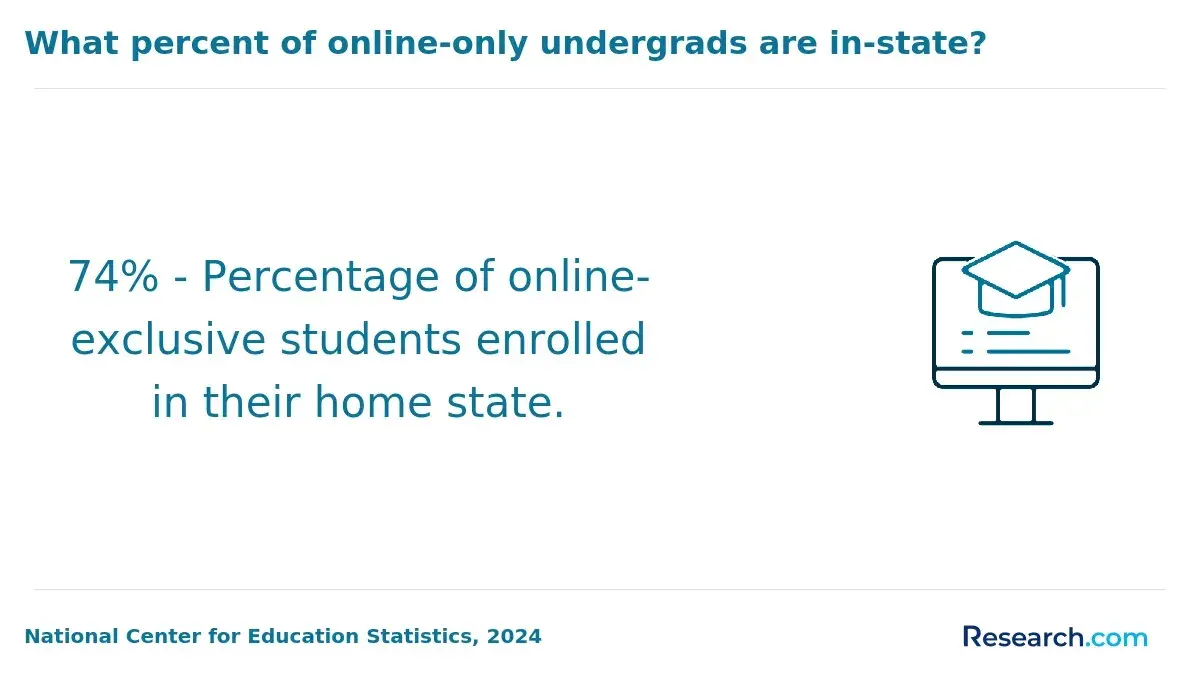
Programs without recognized accreditation are generally dismissed by employers and can complicate licensure and certification pursuits. Recent data from the National Center for Education Statistics highlights that over 40% of graduate students enroll in online programs, yet adherence to accredited pathways remains the decisive factor in employer acceptance.
A professional who enrolled in an online forensic psychology master's program to transition careers shared that navigating accreditation was their biggest concern. "I spent weeks cross-checking the school's credentials through official sites before enrolling," he recalled, emphasizing how crucial it felt to select a program recognized by employers. He described initial skepticism from hiring managers, who requested proof of the program's standing, but noted that once accreditation was established, it opened doors. "Knowing the degree was respected gave me confidence during interviews," he explained, though he admitted encountering confusion over lesser-known accrediting bodies. His experience underscores that accreditation influences not just enrollment decisions but also professional acceptance and ongoing career development.
Institutional reputation carries significant weight in how employers evaluate an online forensic psychology master's degree. This "brand premium" means the prestige of the degree-granting school influences hiring decisions, regardless of whether the program was completed on campus or online.
Leading universities such as John Jay College of Criminal Justice and the University of Denver offer flagship online forensic psychology degrees that adhere to the same faculty expertise, curriculum, and academic standards as their traditional campus programs. According to the 2023 National Association of Colleges and Employers (NACE) employer surveys, over 70% of employers say institutional reputation strongly impacts their hiring choices, underscoring the importance of school name recognition in the job market.
Despite this, prospective students should be wary of prioritizing prestige alone. A well-accredited mid-tier program with robust industry partnerships, hands-on training, and strong career placement rates can sometimes provide greater practical value than a top-ranked institution lacking employer connections. Employers in forensic psychology increasingly focus on candidates' skills and professional readiness, emphasizing program rigor aligned with workplace demands. Prospective students can benefit from exploring all factors, including program quality alongside reputation, to assess potential career outcomes.
Online forensic psychology degree reputation in the job market has improved as stigma fades and employer acceptance grows, particularly for programs maintaining high standards. For those seeking affordability alongside quality, this cheapest online master's in counseling resources might offer relevant insight.
The 2024 Education Pays report from the U.S. Bureau of Labor Statistics reveals that workers holding a master's degree earn notably higher median weekly wages and face lower unemployment rates compared to those with only a bachelor's degree. In the forensic psychology field, data from the BLS Occupational Outlook Handbook confirms this trend: professionals with a master's can expect salaries roughly 15-25% above bachelor's-level earners. This reflects the value of advanced expertise in specialized roles like forensic assessments or program management.
Regarding delivery modes, studies from NYU SPS and other academic institutions show minimal salary discrepancies between online and traditional on-campus programs when controlling for school reputation and program quality. This demonstrates that an online forensic psychology master's from a credible institution commands similar respect and market value as classroom-based degrees.
Evaluating return on investment is crucial. Typical program costs range from $15,000 to $40,000, with completion spanning 1.5 to 3 years. For someone who boosts their annual income by $10,000 compared to a bachelor's graduate, tuition expenses can often be recovered within a few years, supporting the financial viability of pursuing a master's degree.
Recent trends also show a 25% increase in employer preference for candidates with advanced degrees in psychology-related fields, indicating growing demand for higher qualifications.
A professional who built her career after completing an online forensic psychology master's degree shared that at first, she worried whether her online credential would hold weight during salary negotiations. She recalls, "I focused heavily on choosing a program with strong accreditation and faculty who were leaders in forensic psychology, which reassured employers." Despite early uncertainties, she noted that "the skills I gained and the network I built were crucial for advancing my career, and my salary offers matched those of peers from traditional programs." Reflecting on her experience, she emphasizes that investing time in rigorous coursework and professional connections ultimately made the online path equally rewarding in terms of salary and growth opportunities.
Government and public sector roles top the list for acceptance of online forensic psychology master's degrees. These employers prioritize accredited credentials and relevant skills, often valuing experience and certification alongside academic qualifications.
- Public Sector Preference: Government agencies lead in accepting online forensic psychology degrees, relying on accreditation and proven skills rather than delivery method. Federal and state law enforcement, correctional facilities, and court services typically recognize the rigor of accredited online programs, positioning these graduates as strong candidates in the public arena.
- Healthcare Caution: Healthcare entities take a more cautious stance. While hospitals and mental health institutions increasingly acknowledge the quality and flexibility of online degrees, especially with expanding telehealth services, hands-on clinical experience remains a decisive factor. Candidates from fully online programs may face challenges in clinical placements or roles demanding extensive in-person training.
- Consulting Variability: Within consulting firms, acceptance varies widely. Larger Fortune 500 companies often emphasize degrees from well-known, traditional universities, potentially disadvantaging online graduates. In contrast, smaller consultancies and startups prioritize practical skills, project portfolios, and results, offering greater opportunities for those with online credentials who can demonstrate proficiency.
- Skills-Based Hiring: Increasing adoption of competency-focused recruitment reduces bias against online degree holders and broadens employer openness.
- Tech and Nonprofits: Industries adjacent to forensic psychology-including technology and nonprofit sectors-are growing more receptive. Tech firms engaged in cybersecurity or digital forensics value technical expertise paired with forensic psychology knowledge, while nonprofits often favor mission-driven candidates with applicable skills and relevant experience over the mode of degree completion.
Reflecting broader hiring trends, the National Association of Colleges and Employers (NACE) reports that approximately 70% of employers now use skills-based hiring practices. This shift reduces the emphasis on whether a degree was earned online or on-campus, focusing instead on candidates' demonstrated competencies and real-world performance, thereby enhancing opportunities for online forensic psychology graduates across sectors.
Many online forensic psychology master's programs offered by established universities mirror their on-campus equivalents in syllabi, faculty, and assessment methods. This curriculum consistency ensures that graduates receive comparable academic rigor, which plays a crucial role in employer evaluations. Regional and programmatic accreditation bodies mandate uniform quality benchmarks that online programs must meet, providing further reassurance that degrees earned online uphold the same standards as traditional formats.
A frequent concern about online learning is the potential loss of peer interaction and collaboration. However, numerous programs now include synchronous classes, virtual cohorts, and project-based learning to effectively simulate the dynamic classroom experience. These interactive elements support the development of teamwork and critical thinking skills essential for forensic psychology professionals.
Some forensic psychology specializations require hands-on labs or clinical placements that can be difficult to replicate online. Leading programs address these practical components by partnering with local facilities or offering hybrid options to ensure students fulfill necessary experiential requirements.
Enrollment data shows a growing acceptance of online psychology education, with graduate program participation increasing by over 25% in recent years according to the National Center for Education Statistics. This trend reflects both employer trust and student demand for flexible, accredited options that maintain academic quality.
The format of online learning plays a pivotal role in developing job-ready skills for forensic psychology careers. Initially met with skepticism, today's accredited online forensic psychology master's programs foster critical competencies valued by employers, such as project management, digital literacy, and time management. These skills align with the National Association of Colleges and Employers (NACE) career readiness framework, which online students cultivate through self-directed study and asynchronous communication.
Distance learning in forensic psychology encourages strong organizational skills as students manage coursework independently, a necessity in fast-paced forensic settings. The use of digital collaboration tools also equips students for remote and hybrid work environments increasingly common in forensic practice and research. Well-designed curricula integrate project-based tasks and virtual teamwork to mirror real-world challenges, reinforcing communication and problem-solving capabilities.
Employer feedback and alumni outcomes indicate that graduates from online forensic psychology programs perform comparably-and sometimes exceed-the practical skills demonstrated by their on-campus counterparts. However, career advancement may require online students to proactively engage in networking and seek alternatives to traditional on-campus mentorship and recruiting events.
Prospective students exploring online forensic psychology options should also consider the availability and reputation of programs. For those interested in related fields, exploring an LMFT degree can provide additional career pathways.
Graduate employment outcomes and alumni data provide essential insights into the actual value of online forensic psychology master's degrees for prospective students. While national averages like NCES IPEDS graduation rate data offer background context, prospective students should obtain detailed program-level data directly from schools. Requesting official placement rates, median starting salaries, and lists of employer partners can reveal how effectively a program supports graduates in gaining relevant employment.
Comparing a program's statistics to National Association of Colleges and Employers (NACE) graduate outcomes benchmarks helps determine whether an online forensic psychology master's degree graduate employment rates and salary figures surpass, meet, or fall below industry standards. Programs reporting outcomes above these sector averages often indicate stronger connections with employers and a better reputation in the labor market.
Because many institutions self-report outcomes, caution is advised. Data verified by third parties-such as audits by accounting firms or participation in NACE surveys-are more trustworthy and signal a commitment to transparency. Reliable data help prospective students evaluate alumni career outcomes for online forensic psychology master's programs with greater confidence.
Employers increasingly recognize online degrees from accredited and rigorous programs, but they often weigh demonstrated skills and professional experience heavily. Students should balance outcomes data with accreditation and reputation when selecting programs. Exploring online degree programs accredited by recognized bodies can further ensure educational quality and market value.
Several outdated misconceptions persist regarding online forensic psychology master's degrees, but recent evidence shows these views are increasingly unfounded. A notable 2022 Excelsior College/Zogby survey revealed that 83% of executives regard online degrees as equal in quality to traditional ones, signaling a shift in employer perspectives.
- Academic Quality: Accredited online programs maintain rigorous standards, dispelling myths of inferior education or lower competency.
- Accreditation Recognition: Employers trust reputable institutions offering recognized online forensic psychology degrees equivalent to campus programs.
- Program Demands: Coursework and practical experience requirements mirror those of on-campus, ensuring graduate preparedness.
- Remote Work Shift: The pandemic normalized virtual environments, boosting acceptance of online education credentials.
- Skills-Focused Hiring: Employers emphasize proven professional abilities and results rather than how education was delivered.
Career prospects for those with an online forensic psychology master's degree are promising, especially in fields like clinical psychology, counseling, and social work. According to the U.S. Bureau of Labor Statistics, occupations requiring or benefiting from a master's degree in these areas are projected to grow about 8% between 2032 and 2034, outpacing overall job growth. Median salaries for these roles generally fall between $80,000 and $90,000, depending on specialization and geography.
Data from the BLS Monthly Labor Review reveals that earning an advanced degree typically increases annual wages by roughly $24,588, moving average earnings from approximately $69,459 to $94,047 in related disciplines. This financial boost highlights the tangible benefits of graduate education in forensic psychology and connected fields.
Once professionals establish a strong performance record in their positions, the distinction between online and traditional degrees tends to diminish in importance for hiring managers and promotion panels. This indicates that online credentials hold lasting value throughout a career.
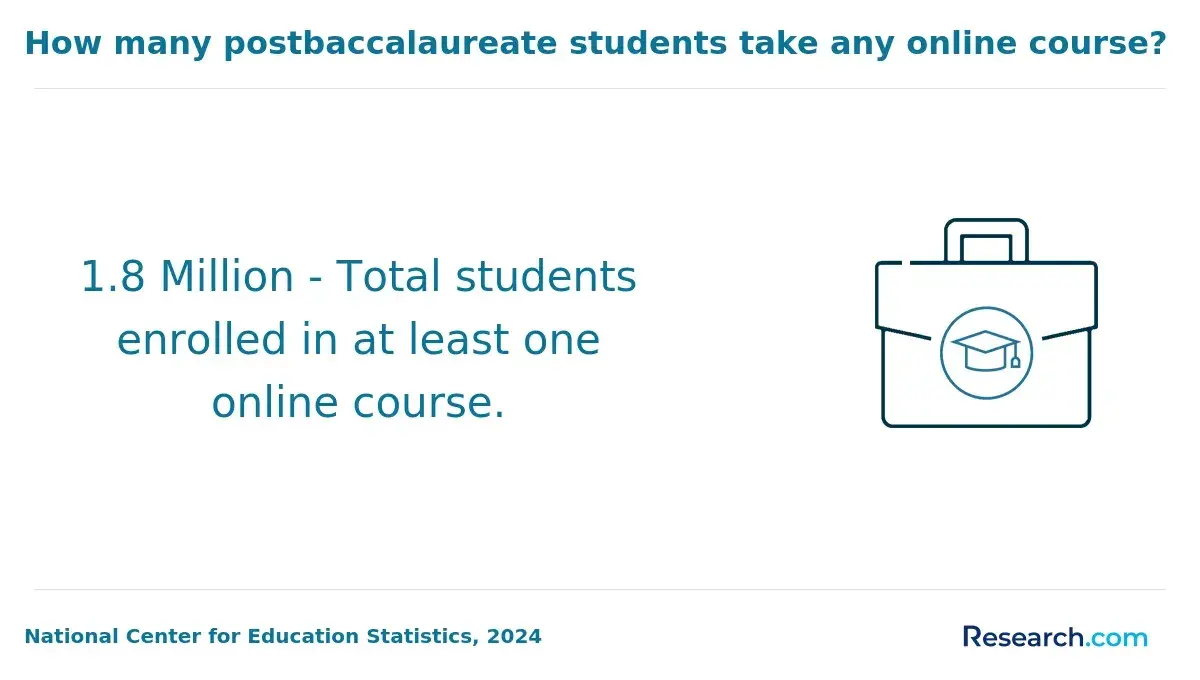
Enrollment statistics from the National Center for Education Statistics show over 2.5 million graduate students studied exclusively online in 2023-24, reflecting widespread acceptance of online graduate education by employers and the marketplace.
What Graduates Say About Employer Reception to Their Online Forensic Psychology Master's Degree
- Esteban: "When I decided to pursue an online forensic psychology master's degree, I was initially unsure how my employer would view it. To my surprise, they were very supportive and recognized the value of an accredited program, which boosted my confidence significantly. This degree has opened doors to specialized roles that I hadn't previously considered available to me."
- Alexis: "Reflecting on my journey, earning an online forensic psychology degree was a pivotal step in my career change. My employer was cautious at first but came to appreciate the rigorous accreditation of my program and the practical skills I gained. The experience taught me that choosing a reputable online school is crucial in gaining professional trust and advancing in this field."
- Eli: "I approached pursuing my online forensic psychology master's degree with a professional mindset, knowing the importance of credibility in this area. My employer's positive reception affirmed that reputable online education is valued just as much as traditional routes. It has made a tangible difference in how confidently I engage with forensic cases and collaborate with colleagues."
Other Things You Should Know About Forensic Psychology Degrees
Employers often value 300 to 600 supervised practicum or internship hours, especially for applied roles in corrections, victim services, and court-related settings. Programs should document the placement site, supervisor credentials, and learning outcomes. Some states also require fieldwork aligned with licensure or agency standards.
Prospective students should inquire about the program's accreditation status, faculty expertise, availability of supervised practicum opportunities, and alumni employment outcomes. It is critical to confirm that the degree meets licensure requirements and is recognized by key forensic psychology boards. Asking about connections with criminal justice agencies and opportunities for hands-on training can also help gauge program quality and employer receptiveness.
- Online Master's Degree in Forensic Psychology https://www.monroeu.edu/academics/king-graduate-school/online-masters-degree-forensic-psychology
- Best Online Master's & Doctoral Programs In Psychology 2025 https://www.psychology.org/rankings/best-online-graduate-degree-programs/
- Careers With a Forensic Psychology Master’s Degree | Chicago School https://www.thechicagoschool.edu/insight/career-development/career-options-masters-degree-forensic-psychology/
- Forensic Psychology Online https://www.forensicpsychologyonline.com/
- Master’s in Forensic Psychology Online https://www.snhu.edu/online-degrees/masters/ms-in-psychology/forensic-psychology
- 5 Truths and Myths About Forensic Psychology } All Psychology Schools https://www.allpsychologyschools.com/blog/forensic-psychology-myths/
- Forensic Psychology Salary for Masters in Psychology Grads https://mastersinpsychologyguide.com/articles/what-is-the-salary-outlook-for-masters-in-forensic-psychology-grads/
- How To Become A Forensic Psychologist: A Complete Guide https://online-learning-college.com/knowledge-hub/careers/become-forensic-psychologist/
- Online Master's Degrees in Forensic Psychology & Counseling https://www.counselingschools.com/programs/masters/forensic-psychology
- Top 10 Career Paths with an Online Master’s in Forensic Science https://www.stevenson.edu/online/about-us/news/top-10-career-paths-with-an-online-masters-in-forensic-science/