2027 Competency-Based Online Forensic Psychology Master's Degrees

Co-Founder and Chief Data Scientist
Many working adults seeking to pivot into forensic psychology find traditional master's programs inflexible, especially when balancing jobs or family. Competency-based online forensic psychology master's degrees offer a solution by allowing learners to progress at their own pace, focusing on demonstrated mastery rather than credit hours.
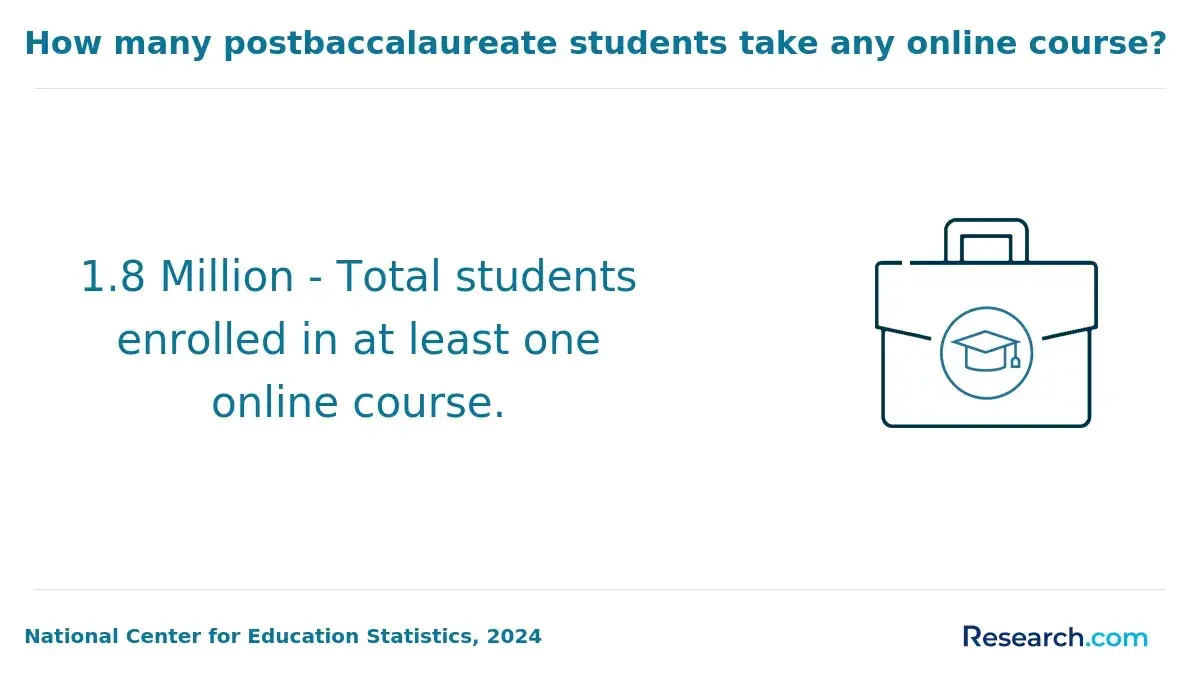
According to the National Center for Education Statistics, over 40% of graduate students now enroll in online programs, indicating rising demand for flexible education models. This article explains how competency-based education operates, outlines admission requirements, and compares these programs to traditional formats, helping prospective students choose the best path for advancing their careers efficiently.
Key Benefits of Competency-Based Online Forensic Psychology Master's Degree
- Competency-based online forensic psychology master's degrees offer flexibility for working professionals to progress at their own pace, accommodating varied schedules without sacrificing career or personal commitments.
- These programs enable accelerated skill acquisition through mastery of clearly defined competencies, often reducing time to completion compared to traditional credit-hour models.
- Students gain access to a global network of peers, instructors, and industry experts, enhancing cross-cultural collaboration and broadening professional opportunities in forensic psychology fields worldwide.
What Is a Competency-Based Forensic Psychology Master's Degree, and How Does It Work?
Prospective students interested in a competency-based forensic psychology master's degree online will find that this model shifts the focus from traditional credit hours to demonstrated mastery of essential skills. This approach suits learners who prefer flexibility and a results-oriented pace. Below are the defining features of how competency-based learning works in forensic psychology master's programs.
- Mastery Over Seat Time: Students advance by proving competence in core forensic psychology concepts rather than accumulating fixed classroom hours, allowing for faster completion if mastery is demonstrated early.
- Self-Paced Learning: Programs structure content into modular units, enabling students to work independently and manage progress according to their schedules, which is ideal for working professionals.
- Assessment-Driven Progress: Regular practical evaluations such as case analyses and projects replace traditional exams focused on memorization, emphasizing applied knowledge critical to forensic psychology.
- Faculty and Mentor Support: Continuous guidance from instructors and mentors helps clarify difficult topics, supports assessment feedback, and fosters student success throughout the program.
- Alignment With Adult Learners: These programs reduce unnecessary repetition and schedule constraints, with over 30% of graduate students now favoring competency-based education for its adaptability and relevance.
This educational model benefits many students targeting specialized forensic psychology training by integrating flexible, skill-centered learning. Those curious about related options may explore quick degrees that pay well to see how competency-based programs compare across fields.
What Are the Admission Requirements for a Competency-Based Online Forensic Psychology Master's Program?
Applicants aiming for competency-based online forensic psychology master's programs must meet specific criteria aligned with the unique structure of these degrees. Understanding minimum GPA and prerequisites for competency-based forensic psychology master's degrees can improve an applicant's chance of acceptance. Below are key admission standards prospective students should prepare for:
- Bachelor's Degree and Transcripts: Candidates need a bachelor's degree from an accredited institution, typically in psychology, criminal justice, or a related discipline. Official transcripts verify academic performance and prerequisite coursework, though some programs may offer foundational courses for those with non-related degrees.
- Letters of Recommendation: Usually two to three recommendations from academic or professional contacts are required to attest to the applicant's capability for graduate study and potential success in forensic psychology.
- Professional Experience Preferences: Prior forensic psychology or related work experience is often preferred though not always mandatory. Experience demonstrates relevant competencies and aligns well with the self-paced, skills-driven nature of competency-based education.
- Standardized Test Waivers: Unlike traditional programs, many competency-based programs waive GRE or GMAT requirements, focusing instead on demonstrated skills and academic readiness, which supports a holistic evaluation approach.
- Holistic Applicant Evaluation: Admission committees evaluate the entire application portfolio-including transcripts, recommendations, experience, and personal statements-to ensure alignment with program standards and student potential.
Applicants can strengthen their submissions by emphasizing forensic psychology competencies and relevant experience, illustrating readiness for graduate study under a competency framework. Prospective students interested in flexible graduate programs might also explore 1 year msw programs online no bsw as an example of accelerated pathways with similar flexibility and admission strategies.
What Is the Minimum GPA Requirement for a Forensic Psychology Competency-Based Master's Program?
Prospective students exploring competency-based online forensic psychology master's programs often wonder about GPA expectations during admissions. Clarifying these academic standards helps applicants determine their eligibility and prepare effectively. Consider the following key points regarding typical GPA requirements and alternative evaluations:
- General GPA Thresholds: Accredited competency-based forensic psychology master's programs typically look for a minimum undergraduate GPA near 3.0 on a 4.0 scale, reflecting readiness for graduate-level study.
- Admission Flexibility: Some programs may be open to candidates with slightly lower GPAs if they can demonstrate significant relevant work experience, professional accomplishments, or subject-matter expertise in forensic psychology.
- Alternative Assessment Tools: Many CBE models incorporate portfolio reviews, competency-based assessments, or prior learning evaluations to better capture an applicant's abilities beyond traditional GPA metrics.
- Variation Among Institutions: Since GPA criteria differ by school, applicants should carefully examine each program's admissions policies to understand specific requirements and standards.
- Personalized Admissions Support: Connecting directly with admissions representatives can offer valuable insights tailored to individual academic backgrounds and professional histories.
A professional who enrolled in a competency-based online forensic psychology master's program shared that despite a lower undergraduate GPA, his extensive law enforcement background helped him gain admission. He emphasized the importance of showcasing relevant experience, noting, "It wasn't just about numbers - my portfolio and real-world knowledge opened doors." He advised prospective students to proactively communicate with admissions teams to navigate application challenges and highlight unique qualifications that transcend GPA alone.
Prospective students considering a competency-based online forensic psychology master's degree should understand the flexible pacing options that these programs offer. Students control their progress based on their mastery and availability, making it easier to balance education with other commitments. Below are key considerations about program duration and related benefits.
- Flexible Timelines: Students can finish their studies in as little as 12 months if they dedicate substantial time and focus. Conversely, those managing work and family responsibilities may take up to three years, reflecting the adaptable nature of time to complete online forensic psychology master's program options.
- Subscription-Based Tuition Models: Many programs charge tuition on a subscription basis, incentivizing faster completion. This approach helps motivated learners reduce overall costs by accelerating their progress, while also allowing quicker workforce entry.
- Prior Learning Assessment and Transfer Credit: Students with relevant experience or previous coursework can often skip certain competencies through PLA or transfer credits. This recognition of prior knowledge speeds up the degree completion process substantially.
- Self-Paced Mastery Approach: Unlike traditional credit-hour models, competency-based programs require students to demonstrate mastery before moving forward. This model supports individualized pacing without losing academic rigor.
- Setting Realistic Goals: It's essential to factor in work hours, family duties, and familiarity with forensic psychology topics when planning a timeline. Establishing achievable milestones helps maintain steady progress and prevents burnout.
For those exploring career opportunities, understanding best bachelor degrees to get can be valuable when aligning your educational path with market demands.
For prospective students considering a competency-based online forensic psychology master's degree, understanding tuition options is essential for planning their investment. Two prevalent pricing models are used in these programs, each offering distinct advantages. Below are the primary elements commonly found in cost structures for competency-based education.
- Subscription-Based Tuition: This model charges a fixed fee for a designated term, permitting unlimited coursework and competency completion within that timeframe. It encourages accelerated progress as students can move at their own pace without additional charges for extra competencies.
- Per-Competency or Per-Credit Pricing: Costs are assessed based on the number of competencies or credits completed. Although this offers flexibility for learners who prefer a slower pace, it may lead to higher overall expenses if progress is extended.
- Cost Advantages Over Traditional Programs: Competency-based degrees typically come with lower total costs compared to traditional master's degrees, largely due to reduced time-to-completion and leaner institutional expenses.
- Financial Aid Accessibility: Various funding options such as federal loans, employer tuition reimbursement, and scholarships tailored for forensic psychology students can substantially lower net tuition expenses.
- Comprehensive Cost Assessment: Beyond tuition, students should evaluate supplementary fees like technology charges, study materials, and the indirect cost of balancing education with work or other commitments.
A professional who transitioned careers after earning an online forensic psychology master's degree shared that budgeting was a significant concern. She explained, "Navigating the subscription tuition model helped me plan my time efficiently because I wasn't forced to pay per course, which motivated me to complete competencies rapidly." She also mentioned that identifying scholarships specifically for forensic psychology helped ease financial pressure. The process demanded thoughtful calculation of additional expenses like software access and textbooks, reminding her that tuition is only part of the financial picture. Overall, the flexible pricing structure allowed her to focus on learning without the constant worry of escalating costs.
For prospective students evaluating competency-based online forensic psychology master's degrees, accreditation directly impacts the value of their credential and access to federal aid. The following points outline why accreditation matters and how to verify it before enrollment.
- Regional Accreditation: Major regional accreditors like the Higher Learning Commission (HLC), Southern Association of Colleges and Schools Commission on Colleges (SACSCOC), and WASC Senior College and University Commission (WSCUC) assess institutions for comprehensive quality standards that cover faculty expertise, curriculum integrity, and student support services essential for CBE programs.
- Programmatic Accreditation: While no accreditor focuses solely on forensic psychology, program endorsements from specialized bodies such as the American Psychological Association (APA) help confirm that a program maintains rigorous professional standards and assesses competency appropriately.
- Competency Assessment Focus: Because CBE programs prioritize the demonstrated mastery of skills over traditional credit hours, accredited programs must employ strong, outcome-based evaluations to validate student learning relevant to forensic psychology practice.
- Accreditation Verification: The U.S. Department of Education's Database of Accredited Postsecondary Institutions and Programs (DAPIP) offers an official resource to confirm whether an institution and its programs meet recognized accreditation standards, helping students avoid unverified or misleading claims.
- Avoiding Predatory Accreditors: Some programs falsely advertise accreditation from unrecognized or illegitimate organizations. Students should exercise due diligence to ensure accreditation claims are valid, as degrees from unaccredited programs may lack market and academic credibility.
For prospective students exploring competency-based online forensic psychology master's degrees, it is important to know that these programs focus on clearly defined, measurable learning outcomes that align with industry standards and professional expectations. This approach ensures relevant, practical mastery rather than accumulation of traditional credit hours. Below are key areas commonly emphasized in such programs.
- Analytical Reasoning and Critical Thinking: Students develop skills to evaluate psychological evidence, interpret data, and apply scientific reasoning-essential for sound decision-making in forensic settings grounded in research and ethics.
- Domain-Specific Technical Skills: Programs stress hands-on competence in forensic psychology fundamentals like psychological assessment, profiling, and understanding legal procedures, often through practical projects simulating real casework.
- Ethical Practice and Professionalism: Given the sensitive nature of forensic work, students learn ethical decision-making, confidentiality, informed consent, and professional boundaries within legal contexts.
- Applied Learning through Competency Units: Curricula are modular, focusing on competency units that integrate assessments and projects reflecting real-world forensic psychology challenges rather than traditional coursework.
- Leadership and Communication Skills: The ability to communicate effectively with legal professionals and multidisciplinary teams is emphasized, alongside leadership training for consultation, policy development, and advocacy roles.
Prospective students should review each program's competency framework carefully to ensure it aligns with their specific career goals in forensic psychology and meets professional standards.
Competency-based online forensic psychology master's programs rely heavily on technology to deliver course content and assessments in flexible, accessible formats. The technology infrastructure shapes how students interact with material and instructors, making it crucial to understand before enrolling. Below are key elements that define the platforms used in these programs:
- Learning Management Systems (LMS): These programs typically utilize robust LMS platforms such as Canvas, Blackboard, or proprietary systems designed for competency tracking. These systems centralize course materials, assignments, and assessments, providing an organized and adaptable environment for students.
- Asynchronous Learning: Core to competency-based education, asynchronous learning allows students to engage with forensic psychology content on their own schedule. This flexibility supports learners balancing study with professional or personal commitments, emphasizing mastery over time-driven progress.
- Synchronous Elements: Some programs incorporate live sessions, virtual labs, or group discussions to enhance real-time interaction. These synchronous components help deepen understanding and facilitate engagement with instructors and peers.
- Accessibility and Mobile Compatibility: Quality platforms include accessibility features such as screen readers and keyboard navigation, ensuring all students can participate fully. Mobile compatibility also enables studying from smartphones or tablets, increasing convenience and flexibility.
- Technical Support Services: Reliable support is vital in online learning. Leading CBE forensic psychology programs offer dedicated help desks and troubleshooting resources to quickly resolve technical issues and minimize disruptions.
Prospective students should request a platform demo or trial period to evaluate whether the technology aligns with their preferred learning style and device capabilities. For those seeking an affordable graduate school option, assessing technology infrastructure is an essential step in choosing the right online forensic psychology competency based learning platforms.
Prospective students exploring competency based assessment methods in forensic psychology online programs will find that mastery demonstration significantly differs from traditional exam formats. Instead of timed tests, these programs emphasize practical and integrative approaches to evaluating student expertise. This section highlights the main features of assessment and mastery demonstration in forensic psychology CBE programs.
Key aspects include:
- Performance-Based Assessments: Students demonstrate competencies through tasks such as case analyses, simulations, and real-world problem solving, which better reflect professional forensic psychology demands compared to conventional exams.
- Faculty Evaluation with Standardized Rubrics: Experienced faculty or competency assessors measure student work using detailed rubrics aligned to forensic psychology professional standards to ensure objective and consistent evaluation.
- Capstone Projects and Portfolios: Comprehensive projects or portfolios requiring integration of multiple competencies enable students to showcase their cumulative knowledge and skills, often including reflective components.
- Opportunities for Resubmission: When initial mastery criteria are not met, students can revise and resubmit assignments, fostering a growth-oriented, supportive learning environment rather than imposing penalties.
- Employer-Relevant Demonstrations of Mastery: Authentic evidence collected through these assessments often provides stronger proof of real-world abilities, which many employers value more highly than traditional letter grades.
Incorporating these rigorous, competency based assessment methods in forensic psychology online programs offers a meaningful alternative to traditional exams, making them attractive for learners seeking flexible, practical education paths. Additionally, students interested in expanding their skills in related fields may consider pursuing an online cyber security degree to further enhance their professional portfolios.
Prospective students pursuing a competency-based online forensic psychology master's degree often bring valuable experience and training that may count toward their credential. Recognizing how prior learning assessment (PLA) works can help these students gain credit by validating existing knowledge and skills. Below are some common ways forensic psychology CBE programs assess and award credit for prior learning:
- Portfolio Evaluation: Applicants submit comprehensive portfolios including work history, certifications, and relevant projects. Faculty evaluate these materials to determine if the student has already mastered competencies that align with program requirements.
- Standardized Exams: Exams like CLEP (College-Level Examination Program) and DSST (DANTES Subject Standardized Tests) are used to verify knowledge in specific areas, allowing students to bypass certain courses upon passing.
- Challenge Exams: Some institutions offer their own competency-specific exams. Passing these tests demonstrates proficiency and may reduce required coursework.
- Transfer Credit Caps: Most programs limit the proportion of credits that can be earned through transfer or PLA, typically allowing between 30% and 50% of the total credits needed for graduation.
- Time and Cost Efficiency: Leveraging prior learning credits can significantly shorten the time required to complete the degree and lower tuition expenses. Gathering detailed documentation of forensic psychology experience and credentials early is advisable.
Prospective students pursuing a competency-based online forensic psychology master's degree can gain valuable insights into career growth opportunities tied to this credential. Employers increasingly prioritize verified skills over traditional academic achievements, making a competency-based education (CBE) approach especially beneficial. The following points highlight key aspects of how this degree supports professional advancement.
- Emphasis on Proven Skills: Graduates can present portfolios showcasing real-world competencies, which helps distinguish them from candidates relying solely on transcripts and grades during job interviews and applications.
- Relevant Career Roles: Common job titles include forensic psychologist assistants, criminal behavior analysts, victim advocates, and correctional treatment specialists-roles typically found within criminal justice, legal, and mental health sectors.
- Competitive Compensation: Entry-level salaries generally start near $50,000 annually, while mid-career professionals may earn between $70,000 and $90,000 depending on experience and employer type.
- Industry Recruitment Demand: Organizations such as law enforcement, rehabilitation centers, government agencies, and legal firms actively seek candidates with advanced forensic psychology expertise, valuing the hands-on, applicable skills fostered by CBE programs.
- Networking and Career Development: Engaging with professional forensic psychology associations and leveraging alumni networks related to CBE programs greatly increase access to mentoring, job leads, and ongoing education crucial for sustained career success.
What Graduates Say About Their Competency-Based Online Forensic Psychology Master's Degrees
- Eunice: "I chose the competency-based online forensic psychology master's degree because it allowed me to progress at my own pace while balancing a full-time job. The affordability of the program was a deciding factor, making high-quality education accessible without overwhelming debt. Since graduating, I've gained confidence in applying practical skills directly to my forensic work, which has truly enhanced my professional impact."
- Aldrin: "Reflecting on my journey, the flexibility of the competency-based format was invaluable during a period of major life changes. The cost-effectiveness made it feasible to pursue advanced study without financial strain, which many traditional programs lacked. Earning this degree has not only broadened my expertise but also opened doors to leadership roles within the forensic psychology field."
- Magnus: "As a working professional, I appreciated how the competency-based online forensic psychology program focused on demonstrating real-world skills rather than seat time. This practical approach, coupled with a reasonable tuition fee, aligned perfectly with my career goals and budget. Completing the program has empowered me to contribute more effectively to multidisciplinary teams and pursue specialized certifications."
Other Things You Should Know About Forensic Psychology Degrees
Most programs require a bachelor's degree from an accredited institution, official transcripts, a résumé, a statement of purpose, and two recommendation letters. Some also ask for a minimum 3.0 GPA, prerequisite psychology or statistics coursework, and a writing sample before review by the admissions committee.
Competency-based forensic psychology master's programs differ from traditional online programs mainly in pacing and assessment. CBE allows students to progress by demonstrating mastery of specific skills and knowledge at their own pace, often accelerating completion if prior experience exists. Traditional programs follow a fixed semester schedule with credit-hour requirements and standard grading, while CBE focuses on learning outcomes and practical competencies directly aligned with professional standards.
One advantage of an online competency-based forensic psychology master's degree is its flexibility, allowing students to learn and be assessed according to their personal schedule and experience. This model can shorten time-to-degree and reduce unnecessary coursework. However, some challenges include the need for strong self-discipline and motivation, and the possibility that some employers or academic institutions may not yet fully value this format. Additionally, CBE programs can be less common, limiting school options compared to traditional formats.
- Master's In Forensic Psychology: Courses And Requirements https://www.psychology.org/degrees/forensic-psychology/masters/
- M.Sc. Forensic Psychology Courses, Career, Fees, Eligibility, Admission 2026 https://www.lpu.in/programmes/msc-forensic-psychology
- Measuring mastery: Best practices for assessment in competency-based education https://www.academia.edu/16912279/Measuring_mastery_Best_practices_for_assessment_in_competency_based_education
- Top 10 Affordable Online Master’s In Forensic Psychology - GradSchoolHub.com https://www.gradschoolhub.com/affordable/online/masters/forensic-psychology/
- Forensic Psychology: Online Master's Degree Programs https://www.criminaljusticeprograms.com/specialty/forensic-psychology/online-masters-degree/
- An Overview of Forensic Psychology CE Trainings https://www.streamlineforensics.com/blog/overview-of-forensic-psychology-continuing-education-ce-platforms
- How long would I be studying for forensic psychology? https://www.thestudentroom.co.uk/showthread.php
- Earning Your Forensic Psychology Degree Online | All Psychology Schools https://www.allpsychologyschools.com/online-degrees/forensic-psychology/
- Online MSc Forensic Psychology | North Wales Management School https://online.wrexham.ac.uk/msc-forensic-psychology/
- Implications for Artificial Intelligence in Forensic Psychological Practice and Board Certification https://abpp.org/newsletter-post/implications-for-artificial-intelligence-in-forensic-psychological-practice-and-board-certification/