2027 AI, Automation, and the Future of Geoscience Degree Careers

Co-Founder and Chief Data Scientist
Geoscience graduates entering the workforce face an evolving landscape where AI and automation increasingly influence traditional roles such as field surveying and data analysis. For instance, over 60% of geoscience employers now report integrating AI tools into routine tasks, reshaping skill demands and job structures. Many students and professionals worry about staying relevant amid these rapid technological changes. This article examines how AI and automation are transforming career paths within geoscience degree fields. It aims to guide readers in adapting their skills and strategies to thrive in a future where technology and human expertise coexist.
Key Things to Know About AI, Automation, and the Future of Geoscience Degree Careers
- AI and automation are transforming geoscience roles by enhancing data analysis, reducing manual tasks, and enabling more precise modeling, with 65% of industry firms adopting AI tools by 2025.
- Employers increasingly prioritize skills in machine learning, programming, and data interpretation alongside traditional geoscience knowledge for competitive career prospects.
- Automation may reduce some entry-level jobs but creates specialization opportunities, boosting advancement potential for professionals skilled in integrating technology with geoscience expertise.
What Geoscience Industries Are Adopting AI Fastest?
Identifying which industries are rapidly adopting AI technology is essential for predicting future demand and shifts in geoscience degree careers. This insight helps current and prospective professionals focus on developing the right skills and understanding evolving workflows. Here are three leading sectors implementing automation in geoscience:
- Energy and Oil & Gas: This sector uses AI to enhance exploration and resource management through advanced machine learning that analyzes geological data quickly and accurately. Its growth points to a future workforce adept in combining geoscience expertise with AI-driven technologies.
- Environmental Monitoring and Climate Science: AI helps model complex environmental systems and forecast changes by processing large datasets from sensors and satellites. The increasing need for experts skilled in AI-augmented environmental analytics reflects the trend toward data-intensive approaches in this field.
- Mining and Mineral Exploration: AI optimizes exploration efforts, safety, and extraction efficiency by interpreting geospatial and subsurface data. This trend signals growing demand for geoscience professionals who integrate advanced AI tools in both fieldwork and office settings.
Such adoption illustrates top geoscience sectors implementing automation, creating new opportunities and challenges. Future geoscience careers will require blending classical knowledge with AI competencies to stay competitive. Students interested in interdisciplinary learning might also explore options like an online SLP program to understand how technology integrates across related fields.
Which Geoscience Roles Are Most Likely to Be Automated?
For students and professionals planning geoscience careers, recognizing which roles face higher automation risk is essential in adapting skills and staying competitive. A 2023 U.S. Bureau of Labor Statistics report estimates that nearly 30% of routine data analysis tasks within geoscience will be automated over the next ten years, reflecting growing AI adoption and technological change. The geoscience careers vulnerable to AI automation typically involve repetitive or standardized processes, as outlined below.
- Data Analysts and GIS Technicians: These positions rely heavily on handling and interpreting large spatial and geophysical datasets. Automation tools and AI systems can process this data more quickly and accurately, thereby reducing the demand for manual data analysis and routine interpretation tasks.
- Routine Geological Surveyors: Basic fieldwork such as measurements and sample gathering are increasingly performed using drones and autonomous instruments. These technologies boost efficiency but diminish the need for human presence in routine geological surveys.
- Environmental Monitoring Specialists: Automated sensors and real-time monitoring platforms now continuously track environmental variables, cutting down the frequency of repetitive manual reporting. This transition pushes environmental specialists toward more advanced analytical and decision-making roles.
Roles concentrated on repetitive data processing or standardized field procedures are most affected by automation impact on geoscience jobs. Developing strong analytical capabilities and embracing emerging technologies will be crucial for long-term career sustainability. Students interested in expanding their expertise may consider exploring related fields or advanced programs like CACREP accredited online masters counseling programs to diversify their skills and opportunities.
What Parts of Geoscience Work Cannot Be Replaced by AI?
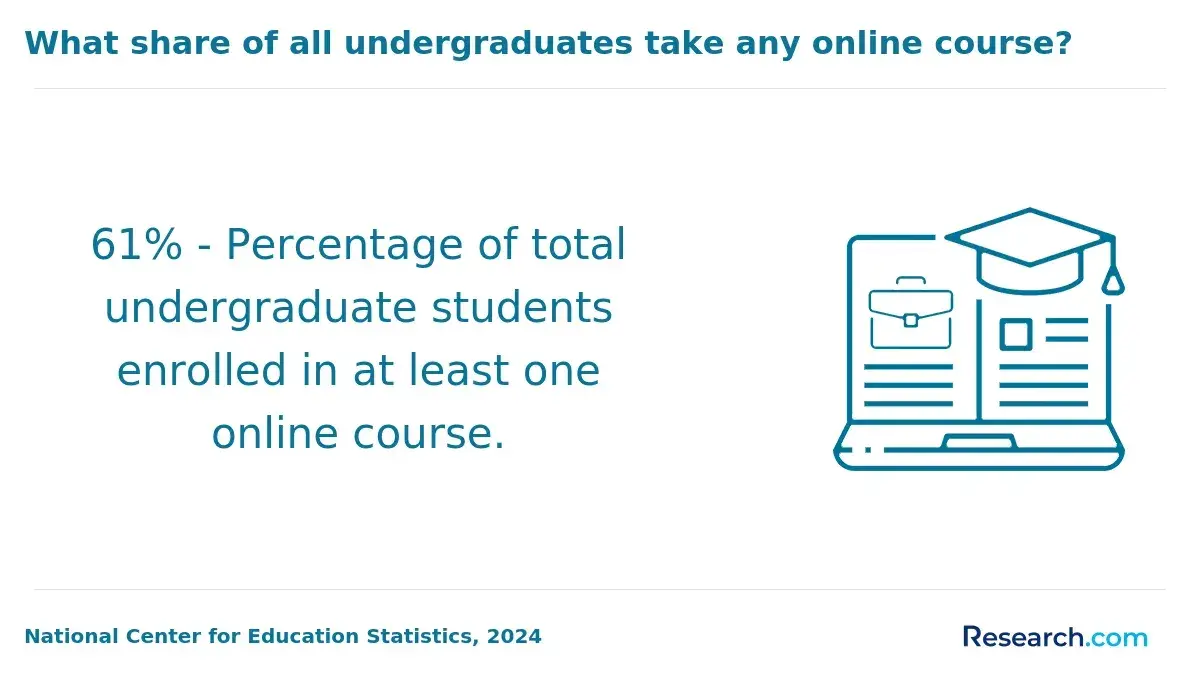
For students and professionals in geoscience, recognizing which tasks remain beyond the reach of AI is essential for developing resilient careers. The World Economic Forum reports that nearly 50% of workplace activities will continue to depend on human creativity and judgment throughout the 2030s. This highlights the importance of skills that AI cannot replicate, as outlined below.
- Fieldwork Adaptability: Human expertise in geoscience fieldwork is vital because real-world environments present unpredictable challenges that require quick adaptation and problem-solving. AI systems lack the flexibility and tactile awareness needed to navigate complex, changing conditions on-site.
- Data Interpretation: Interpreting incomplete or ambiguous geoscience data demands expert intuition and deep domain knowledge. Human professionals excel at drawing insightful conclusions where automated analysis might miss nuance or context.
- Collaborative Communication: Effective interaction with diverse stakeholders involves negotiation, ethical deliberation, and relational skills that AI cannot emulate. Human geoscientists manage these dynamics to align scientific goals with societal needs.
- Research Design: Creating and adjusting methodologies in response to evolving scientific priorities relies on creative thinking and critical evaluation. This strategic planning process resists automation due to its inherently adaptive nature.
- Socio-Environmental Insight: Understanding the broader cultural, economic, and policy contexts of geoscientific findings requires nuanced judgment and empathy. Such integration of socio-environmental factors ensures responsible decision-making beyond pure technical analysis.
These complex responsibilities call for geoscience critical thinking and decision making, combined with interpersonal skills that machines cannot provide. Those pursuing this field may benefit from exploring related online courses for psychology degree to enhance communication and ethical reasoning abilities essential in professional practice.
The rise of AI technologies is opening new career paths and expanding opportunities for geoscience professionals. Demand for AI-related skills in this field is projected to increase by more than 30% over the next five years, driven by advancements in automation and machine learning. Below are some emerging roles shaped by this trend.
- Geospatial Data Scientists: These experts develop machine learning models to analyze data from satellites and sensors. Their work focuses on environmental monitoring and resource management, requiring both geoscience knowledge and advanced computational skills, which sets them apart from traditional data analysts.
- Environmental Modelers: Specialists in this role use AI-powered simulations to forecast climate impacts, natural disasters, and groundwater behavior. Their insights help improve decision-making accuracy and depend on blending earth science expertise with AI-driven predictive techniques.
- Automation Specialists: Professionals design and manage autonomous equipment like drones and robotic sensors to gather geological data in remote or hazardous locations. This role demands proficiency in robotics and programming, expanding beyond typical fieldwork responsibilities.
- AI Geoscience Software Developers: These programmers create custom AI applications tailored to interpret seismic, mineral, or atmospheric datasets. Their role bridges software development and domain-specific geoscience knowledge, enabling more sophisticated data analysis tools.
- Risk Assessment Analysts: Using AI algorithms, they evaluate geological hazards and develop strategies to enhance infrastructure resilience. This role requires strong analytical skills and an understanding of how to apply AI to real-world risk management challenges.
AI proficiency is becoming essential for geoscience graduates as the field increasingly relies on automated data processing and analysis. Recent research highlights a rise of more than 40% in AI integration within geoscience roles over the past five years, signaling a growing need for specialized skills. The following five competencies are vital for those aiming to excel in AI-driven geoscience careers.
- Data Analysis: Mastering techniques to clean, process, and interpret extensive datasets is crucial for building and evaluating AI models that generate reliable geoscientific insights.
- Programming Proficiency: Skills in Python, R, or similar programming languages enable geoscientists to create, adapt, and deploy AI algorithms tailored to specific geological challenges.
- Machine Learning Knowledge: Understanding foundational concepts like classification, regression, and neural networks allows graduates to apply AI tools effectively in interpreting earth science phenomena.
- Domain Knowledge: Strong familiarity with geoscience theories ensures AI applications are grounded in accurate scientific principles and address practical problems.
- Analytical Thinking: The capacity to critically assess AI outcomes and troubleshoot models helps prevent misinterpretations and enhances decision-making in exploration and environmental monitoring.
When discussing these skills with a professional who holds a degree in geoscience, he shared how transitioning into AI-driven roles involved a steep learning curve. "Initially, the biggest hurdle was adapting from traditional fieldwork to coding and data science tasks," he explained. He recalled moments of frustration when debugging complex scripts but emphasized that perseverance paid off as he began to see how integrating AI improved resource identification accuracy. "It wasn't just about tech skills," he noted, "but understanding how geological context shapes data patterns made all the difference." This blend of technical ability and scientific insight, he said, ultimately broadened his career opportunities and deepened his engagement with the field.
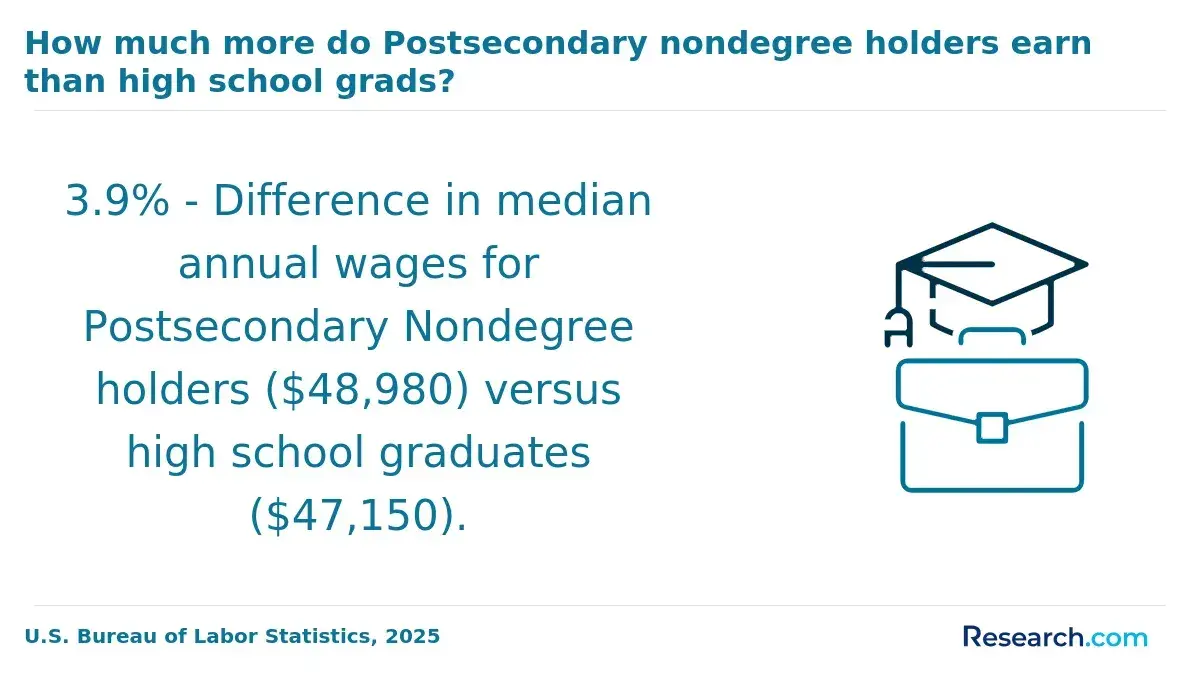
Knowing whether geoscience degree programs teach AI-relevant skills is vital for students aiming to enhance their employment potential in a tech-driven job market. Nearly 40% of these programs have updated their curricula in the past five years to include training in data analysis, machine learning, and computational modeling. Below are key ways geoscience programs are integrating-or sometimes missing-AI competencies.
- Foundational Programming: Many programs now introduce coding courses focused on languages such as Python and R, enabling students to build essential computational skills that are foundational for AI applications in geoscience.
- Data Science Integration: AI-related data science methods are increasingly incorporated into courses on geospatial analysis and environmental modeling, helping students leverage large datasets for more accurate interpretations.
- Hands-On AI Projects: Practical projects using AI tools allow students to analyze complex geological data, fostering experience with automation techniques that are becoming standard in industry workflows.
- Interdisciplinary Electives: Some curricula offer electives that bridge geoscience and computer science, broadening students' exposure to AI principles through cross-disciplinary learning opportunities.
- Limited Advanced Training: Despite progress, a portion of programs still provide only basic software instruction without delving into advanced AI concepts, potentially leaving graduates less prepared for evolving workplace demands.
This evolving curriculum emphasis promotes skill development through real-world applications such as laboratory exercises and field data processing. Graduates with these competencies gain a competitive advantage by combining domain expertise with technological fluency, which is increasingly valued in modern geoscience careers where AI and automation play a growing role.
Pursuing AI-focused certifications and training is essential for geoscience graduates to stay competitive in a workforce increasingly influenced by automation and advanced data technologies. These credentials equip graduates with practical AI and data analysis skills necessary for modern geoscience applications. Below are several recognized programs that support this professional growth:
- Certified Analytics Professional (CAP): This certification emphasizes analytics processes and methodologies, helping graduates develop the ability to interpret complex datasets. Such skills are valuable for resource exploration and environmental modeling, where large volumes of geoscientific data require detailed analysis.
- Google Data Analytics Professional Certificate: Focused on fundamental data cleaning, visualization, and analysis techniques, this program provides geoscience students with core competencies needed for handling diverse datasets in fieldwork and laboratory settings.
- IBM AI Engineering Professional Certificate: Covering machine learning, deep learning, and AI concepts, this training enables graduates to create AI models that automate tasks like geological mapping and predictive risk assessment, enhancing efficiency in the geoscience field.
- Esri Technical Certification in GIS: While specializing in geographic information systems, this certification integrates AI-driven spatial analysis, which is increasingly important in disciplines such as hydrology and environmental monitoring.
When I asked a graduate of a geoscience degree program about her thoughts on which certifications or training helped her adapt to AI, she shared that initially navigating the options felt overwhelming. "I wasn't sure where to start," she explained, "but focusing on programs that combined AI applications with spatial data made a big difference." She described how completing a certificate integrating GIS and AI tools transformed her approach to problem-solving, allowing her to automate data-heavy tasks and focus on interpretation. The confidence gained through that specialization opened doors to roles requiring both domain knowledge and AI fluency, highlighting the value of targeted professional development for advancing a geoscience career.
AI adoption shapes compensation in geoscience careers by elevating demand for advanced technical skills and increasing productivity, with professionals using AI often seeing salary boosts of 10% to 25% over those relying solely on traditional methods. This trend highlights the growing value employers place on AI expertise, which influences salary structures in several key ways:
- Higher Demand for Specialized Skills: Employers prioritize candidates skilled in AI, machine learning, and data automation, resulting in competitive salaries for those proficient in these areas.
- Automation of Routine Tasks: AI reduces time spent on repetitive duties, enabling geoscientists to focus on complex analysis and strategic decision-making, which commands better pay.
- New High-Paying Roles: Emerging positions that blend domain knowledge with AI capabilities offer increased earning potential compared to traditional roles.
- Productivity-Driven Compensation: Enhanced efficiency through AI tools leads to greater organizational value, often reflected in salary growth.
- Emphasis on Lifelong Learning: Continuous upskilling in AI technology is essential to remain competitive, positioning professionals for higher wages in evolving markets.
These factors underscore the importance of integrating AI skills for career advancement and improved earnings in the geoscience field.
Identifying sectors with the highest AI-driven demand is crucial for students and professionals assessing Geoscience degree pathways and career prospects. Recent labor market data shows a 15% increase in job openings in AI-enhanced geoscience fields over the last five years, reflecting significant growth fueled by automation and advanced data analytics. The following highlights key areas where AI-driven job growth in geoscience sectors is most pronounced.
- Energy Industry: AI technologies like machine learning and automation are revolutionizing renewable energy development and oil and gas exploration. These innovations optimize resource extraction and site analysis, driving demand for geoscience graduates skilled in AI applications and energy sector challenges.
- Environmental Monitoring: AI assists in managing vast datasets from satellites and sensors, improving climate modeling and natural hazard prediction. This supports careers focused on ecosystem changes and environmental risk assessment, expanding opportunities for professionals combining environmental science with AI expertise.
- Mining Sector: AI enhances mineral discovery and operational efficiency, enabling more precise exploration and extraction processes. This generates new roles requiring a blend of traditional geoscience knowledge with data science and AI proficiency to boost productivity and sustainability.
- Government and Urban Planning: Agencies involved in disaster management and urban development increasingly utilize AI to analyze geographic data and model scenarios. This growth demands geoscience professionals who can integrate advanced analytics with policy and planning frameworks, contributing to public safety and infrastructure resilience.
The rise of high-demand AI roles for geoscience professionals underscores the importance of interdisciplinary skills, blending domain expertise with programming and analytics to unlock innovative solutions. For those interested in expanding their qualifications, exploring affordable EdD programs can be a strategic step toward enhancing career prospects in this evolving field.
Proactive planning is essential for students pursuing geoscience career paths where AI integration is reshaping traditional roles and workflows. Anticipating these changes early allows students and professionals to develop relevant skills and remain competitive. Below are key strategies to consider when planning a geoscience career in the age of AI.
- Develop Data Analytics Skills: AI relies on processing large datasets, so gaining proficiency in programming languages such as Python and mastering big data analysis tools is crucial. These skills enable geoscience students to interpret complex data and leverage AI effectively.
- Embrace Interdisciplinary Learning: Combining geoscience expertise with knowledge in computer science, machine learning, or robotics offers a competitive edge. This approach supports collaboration on AI-driven projects that are increasingly common in the field.
- Gain Experience with AI Applications: Participating in internships or research projects involving AI technologies helps students understand practical uses and emerging trends. Hands-on experience is valuable for adapting to AI-enhanced workflows.
- Focus on Critical Thinking: While AI excels at pattern recognition, human judgment remains indispensable for contextual insights and nuanced decision-making. Students should cultivate analytical skills that complement AI capabilities.
- Stay Current with Trends: Regularly updating knowledge through workshops, online courses, and conferences ensures skills evolve alongside rapid AI advancements. Lifelong learning is key to thriving in future geoscience jobs in the AI era.
- Build Communication Skills: Effectively conveying AI-driven findings to diverse audiences is vital. Strong communication complements technical proficiency and enhances collaboration within multidisciplinary teams.
For those starting out, exploring a foundational associate degree can be a practical step toward entering this evolving field, providing essential skills and a pathway to advanced study or careers in geoscience and AI integration.
What Graduates Say About AI, Automation, and the Future of Geoscience Degree Careers
- Adam: "Working in AI-driven geoscience has completely transformed my professional outlook. The automation tools I now use for data analysis have streamlined my workflow immensely, allowing me to focus on complex problem-solving rather than routine tasks. My geoscience degree gave me a solid foundation in interpreting geological data, which is essential when managing AI models that require domain-specific insights."
- Zamir: "Reflecting on my career, the integration of AI in geoscience has presented both exciting opportunities and challenges. The knowledge I gained in geoscience about earth systems has been crucial in adapting to AI-driven predictive modeling, while automation has increased the demand for multidisciplinary skills. I see AI as a key factor ensuring the long-term growth and stability of careers in our field, as it continuously evolves and expands the possibilities of geological research."
- Izza: "AI and automation have elevated the scope of research and fieldwork in AI-influenced geoscience careers. The analytical and technical skills taught in my geoscience program were invaluable when collaborating with data scientists and developing AI algorithms tailored for geological applications. I am confident that embracing these technologies will secure sustained career development and position geoscience professionals as leaders in innovation."
Other Things You Should Know About Geoscience Degrees
Environmental consulting, mineral exploration, oil and gas subsurface analysis, and hazard mapping will use AI and automation most often in 2027. These roles rely on large datasets, satellite imagery, seismic interpretation, and predictive models, where machine learning speeds up pattern detection and reduces manual data processing time.
Ethical concerns include ensuring transparency in AI-driven decision-making processes and avoiding biases that can arise from incomplete or unrepresentative data. Geoscientists must consider the environmental and societal impacts of automation, especially when affecting resource management and land use. Responsible use of AI involves adherence to professional standards and continuous evaluation of AI tools' implications.
By 2026, AI is expected to complement rather than replace traditional fieldwork in geoscience careers. While AI can enhance data analysis and predictive modeling, fieldwork remains crucial for ground-truthing data and understanding complex environmental systems in their natural settings.
- AI Role in Mineral Exploration: Tech Meets Geology https://discoveryalert.com.au/mineral-exploration-ai-advancements-2026/
- AI, automation, and the future of work: Ten things to solve for https://www.mckinsey.com/featured-insights/future-of-work/ai-automation-and-the-future-of-work-ten-things-to-solve-for
- How to Convince Your Geoscience Team to Utilise AI Solutions https://blog.earthanalytics.ai/how-to-convince-your-geoscience-team-to-use-ai-solutions
- Can AI mitigate the global shortage of geologists? https://www.mining-technology.com/features/can-ai-mitigate-the-global-shortage-of-geologists/
- Msc Artificial Intelligence for Geospatial Data Analysis https://www.hull.ac.uk/study/postgraduate-taught/courses/artificial-intelligence-for-geospatial-data-analysis-msc
- Can AI mitigate the global shortage of geologists? - Mine | Issue 145 | October 2024 https://mine.nridigital.com/mine_oct24/can-ai-mitigate-the-global-shortage-of-geologists
- The AI Revolution is Coming for GIS: What You Need to Know About Microsoft's Latest Warning https://geospatialtraining.com/the-ai-revolution-is-coming-for-gis-what-you-need-to-know-about-microsofts-latest-warning/
- Will AI Replace Geologists? https://www.aapg.org/news-and-media/details/explorer/articleid/65587
- Will AI take geologists jobs? | Coring Magazine https://coringmagazine.com/article/ai-take-geologists-jobs/
- What will it take to scale AI in Africa’s O&G sector? https://www.slb.com/insights/what-will-it-take-to-scale-ai-in-africas-o-and-g-sector