2027 Accredited MLIS Programs With Local Practicum Options

Co-Founder and Chief Data Scientist
Choosing an MLIS is not just about finding an online or nearby degree; it is about confirming that the program's accreditation, curriculum, and practicum process support the library job you want. The U.S. Bureau of Labor Statistics reports a $64,320 median annual wage for librarians and library media specialists, making program fit financially consequential.
This guide helps prospective librarians compare accredited options, verify local fieldwork access, estimate costs and timelines, and avoid enrollment decisions that may limit employment or licensure options.
Key Things You Should Know
- For most professional librarian positions, choose a master's program accredited by the American Library Association (ALA); many programs require about 36 credit hours, although total requirements vary by school.
- A local practicum can be completed at a public, academic, school, special, or archive library near you, but students should obtain written confirmation of placement rules and supervision before enrolling.
- The median annual wage for librarians and library media specialists was $64,320 in May 2024, but earnings and hiring requirements vary substantially by role, employer, state, and prior experience.
What is an accredited MLIS program and why does accreditation matter for librarians?
An accredited Master of Library and Information Science (MLIS), sometimes called an MLS, MSLS, or Master of Information, is a graduate degree that prepares students to organize, preserve, locate, evaluate, and provide access to information. In the United States, ALA accreditation is the primary programmatic standard recognized by many public, academic, and special-library employers for professional librarian roles.
Accreditation evaluates the program rather than guaranteeing a job. It signals that the curriculum, faculty, student support, governance, and assessment processes meet ALA standards. That distinction matters: institutional accreditation alone does not necessarily make an information degree equivalent to an ALA-accredited MLIS in an employer's hiring process.
The comparison below shows why prospective students should start with the credential requirement attached to their target job rather than with delivery format alone.
| Program type | Typical fit | Key consideration |
| ALA-accredited MLIS | Professional public, academic, special-library, archive, and many school-library pathways | Often preferred or required in job postings for librarian-level positions |
| Non-ALA-accredited information master's | Some data, records, user-experience, or technology-focused roles | May not meet a librarian job requirement |
| Graduate certificate | Skill-building or a focused supplement to an existing degree | Usually does not replace an MLIS for professional librarian roles |
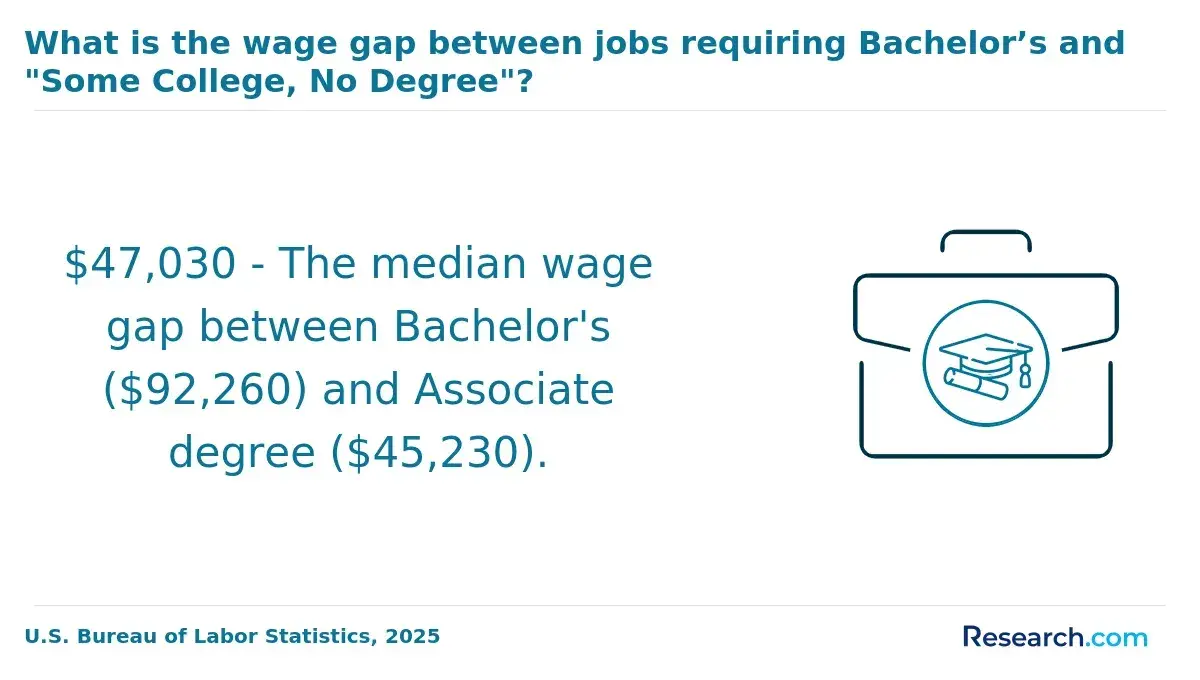
| Bachelor's degree or associate degree | Library assistant, technician, circulation, or support roles | Requirements vary by employer and may offer a lower-cost entry route |
Before applying, verify the program's current ALA accreditation status directly with the school and compare it with postings from the library systems where you hope to work. Accreditation is especially important if you may move states, seek academic-library employment, or want flexibility across library sectors.
An MLIS is usually a strong fit for people who enjoy public service, research support, information organization, teaching, community programming, digital collections, or records work. It may be a weaker investment for someone who wants only a narrow technical role that employers commonly fill through computer science, data analytics, or vendor-specific experience.
How do MLIS practicum and fieldwork requirements work, and why is local access important?
A practicum, internship, field experience, or directed fieldwork course places an MLIS student in a working information setting under an approved supervisor. Requirements differ: some programs make fieldwork optional, some require it for selected concentrations, and others embed experiential work in a capstone. A local practicum option means the school permits, helps arrange, or approves a site in the student's community rather than requiring travel to campus.
Local access matters because practicum hours often occur during regular library operating hours. A placement near home can reduce travel, make part-time enrollment more realistic, and help students build relationships with regional employers. It is not, however, the same as a guaranteed placement. Schools may require students to identify a site, meet a minimum number of hours, obtain site approval, and secure a qualified supervisor.
Ask each program these questions before you commit, ideally by email so you can retain the answer.
- Is a practicum required, optional, or concentration-specific, and how many supervised hours does it involve?
- Can I complete it at a library, archive, museum, school, government agency, or nonprofit in my county?
- Does the program arrange placements, provide leads, or expect students to secure their own site?
- What supervisor credentials, affiliation agreements, background checks, and insurance requirements apply?
- May I use my current workplace, and if so, must the practicum duties be different from my regular job?
A good local site should expose you to work aligned with your goals. Someone targeting youth services may benefit from programming, collection development, and family outreach in a public library.
An aspiring academic librarian may need research instruction, liaison work, scholarly communication, or metadata experience. Students interested in archives should seek processing, description, digitization, preservation, or access projects rather than assuming any library placement will provide relevant training.
A common mistake is waiting until the final term to investigate placement rules. Instead, identify two or three plausible sites before enrolling, ask whether they have hosted interns, and make sure the program will approve them. This is particularly important in rural areas, small towns, and highly competitive metropolitan markets.
How can you compare online and campus MLIS programs that offer local practicum placement?
Online MLIS programs can be a practical choice when they offer asynchronous coursework and approve local fieldwork, while campus programs can provide easier access to faculty, university libraries, and nearby partner organizations. Neither format is automatically better. The right choice depends on your schedule, learning preferences, target specialty, and the school's documented practicum support.
Working adults comparing an online master's degree should be cautious about treating speed as the only advantage. An accelerated course sequence can reduce time in school, but it may leave less room to complete a practicum, build a portfolio, or manage intensive reading and group work alongside employment.
Use the following comparison to decide which delivery model supports your situation.
| Decision factor | Online or hybrid MLIS | Campus-based MLIS |
| Course scheduling | Often more flexible, especially with asynchronous courses | May include fixed meeting times and commuting |
| Local practicum | Must be explicitly approved and may be student-arranged | May have established regional partners, but availability can still vary |
| Networking | Requires deliberate outreach to local professionals and virtual classmates | Can offer more frequent in-person contact and campus employment |
| Learning style | Best for self-directed students comfortable with online collaboration | Best for students who value face-to-face discussion and structure |
| Travel costs | Usually lower for coursework; fieldwork travel may remain | May include recurring commuting or relocation expenses |
Compare the same items across every school: accreditation status, total credits, tuition for distance students, required synchronous sessions, practicum approval process, access to career services, and whether library databases and advising are available remotely. Do not assume that "100% online" means every requirement can be completed without travel; orientations, residencies, presentations, or fieldwork may still involve location-based expectations.
Students who need schedule flexibility should favor programs that publish course rotations and permit part-time progression. Students seeking a career in a particular city may benefit from a campus program with deep employer relationships there, provided the cost difference is reasonable.
What admission requirements and prerequisites do accredited MLIS programs typically expect?
Accredited MLIS programs typically require a completed bachelor's degree from an institution recognized by the university, but applicants do not usually need an undergraduate library science major. Programs commonly welcome applicants from English, history, education, business, computer science, social science, arts, and other backgrounds because libraries need varied subject knowledge.
Admissions policies vary, so review the published requirements for each program rather than relying on general expectations. Many schools request a transcript, statement of purpose, résumé, recommendation letters, and an application fee. Some consider a minimum undergraduate GPA, while others use holistic review or offer conditional admission for applicants whose academic record needs additional context.
The table identifies how common application materials affect an applicant's preparation.
| Application item | What programs generally assess | How to strengthen it |
| Undergraduate transcript | Academic readiness and consistency | Address relevant improvement or unusual circumstances briefly if needed |
| Statement of purpose | Career goals, fit, and communication skills | Name the library setting or information work you want to explore |
| Résumé | Transferable service, research, technical, teaching, or organizational experience | Include library volunteering, customer service, databases, projects, and leadership |
| Recommendations | Professionalism, academic ability, and readiness for graduate work | Ask people who can give specific examples of your work |
| Writing sample or interview, if required | Analysis, communication, and program fit | Use a clear, original example that reflects careful research or problem-solving |
Prerequisite courses are uncommon for general MLIS admission, but specialized tracks may expect or recommend experience with technology, statistics, a foreign language, teaching, or a subject discipline. School-library licensure pathways may impose additional education coursework, examinations, or state-specific conditions.
Applicants changing careers should not assume they need another bachelor's degree first. Relevant volunteer work, part-time library employment, archival projects, tutoring, public-facing service, or basic metadata training can help clarify goals and produce stronger application examples at far lower cost.
What core courses and specializations are offered in most accredited MLIS curricula?
Most accredited MLIS curricula combine broad professional foundations with elective courses and a concentration. Core study usually covers information organization, reference and user services, research methods, management, ethics, information policy, and technology. The degree is broader than shelving books: graduates learn how people discover, assess, preserve, and use information in physical and digital environments.
Specializations can help focus electives and practicum choices, but they do not always create separate job eligibility. Review the actual course list, not just the concentration title, to see whether it develops skills employers request.
| Common focus area | Typical coursework | Potential settings |
| Public librarianship | Readers' advisory, programming, community engagement, collection development | Public libraries and community organizations |
| Academic librarianship | Research instruction, scholarly communication, subject liaison work | Colleges, universities, and research libraries |
| School librarianship | Youth literature, instructional collaboration, school-library administration | K-12 schools, subject to state requirements |
| Archives and digital curation | Archival description, preservation, digitization, metadata | Archives, museums, government, and cultural institutions |
| Data and information management | Databases, taxonomy, data stewardship, information architecture | Corporations, nonprofits, government, and libraries |
Technology is increasingly part of library work. Artificial intelligence tools can assist with discovery, transcription, coding, and routine workflows, but they also create needs for information literacy, privacy analysis, copyright awareness, accessible design, and responsible evaluation of automated outputs. Choose courses that teach both practical tools and the ethical judgment needed to use them.
A frequent error is selecting a specialization solely because it sounds marketable. Instead, match courses and assignments to the portfolio you need. For example, an archive-focused student should seek tangible finding aids or digitization work, while an academic-library candidate should look for teaching practice and research-support experience.
How long does it take to complete an accredited MLIS and what does it cost?
Completion time and cost depend on credit requirements, residency status, course load, transfer-credit policy, and whether a practicum adds a separate term. Many MLIS programs are designed for roughly two years of full-time study, while part-time students often take longer. Some schools permit limited transfer credit from comparable graduate coursework, but policies vary and transfer approval should never be assumed.
Students considering fast completion should compare workload, not only calendar length. Guides to the best accelerated programs can help frame pace options, but an accelerated MLIS is appropriate only if you can sustain intensive reading, projects, group work, and fieldwork without compromising learning or employment obligations.
Rather than relying on a published per-credit figure alone, estimate the complete cost of attendance. The following cost categories show what can materially change the total investment.
| Cost category | Why it matters | What to verify |
| Tuition and mandatory fees | Usually the largest direct expense | Distance rate, in-state eligibility, and fee schedule |
| Books, software, and technology | Costs can vary by course and existing equipment | Required platforms, laptop expectations, and digital-material fees |
| Practicum expenses | Local placement may still require commuting, checks, or unpaid time | Travel, background checks, insurance, and scheduling impact |
| Lost work time | Internship hours or fixed classes can affect earnings | Whether work-based practicum is permitted and course meeting times |
| Financing costs | Borrowing can raise the long-term cost of the degree | Federal aid eligibility, assistantships, scholarships, and repayment estimates |
To control costs, prioritize public-university options you can attend at a predictable tuition rate, apply early for departmental scholarships, ask about graduate assistantships, and compare employer tuition benefits. Avoid choosing a program solely because its tuition appears low if it requires expensive travel, prolonged enrollment, or a practicum arrangement you cannot realistically complete.
An MLIS can be a sound investment when it is aligned with a role that requires or strongly prefers the degree, your projected borrowing is manageable, and the program creates usable experience and professional connections. It is less compelling when the desired job does not require the credential or when the total debt would be difficult to repay on likely local wages.
What library and information science careers can you pursue with an accredited MLIS?
An MLIS can lead to careers in libraries, archives, museums, government agencies, health systems, universities, nonprofits, and private organizations. Job titles vary, and not every position requires the same specialization or credentials. Local practicum experience can be especially valuable because it demonstrates that you understand the day-to-day work of a specific setting.
The table connects common career directions to the work typically involved and the preparation that can make an applicant more competitive.
| Career path | Typical responsibilities | Useful preparation beyond the MLIS |
| Public librarian | Reference, programming, collections, technology help, community services | Customer service, programming, outreach, and local practicum experience |
| Academic librarian | Research help, instruction, subject support, collections, scholarly services | Teaching experience, subject knowledge, and research-support portfolio |
| School librarian | Instructional collaboration, literacy support, collection management | State credential or endorsement, which may include teaching requirements |
| Archivist or digital collections specialist | Appraisal, arrangement, description, preservation, access | Archival practicum, metadata work, and digitization projects |
| Special librarian or information professional | Research, knowledge management, taxonomy, competitive intelligence | Industry knowledge and technical or data-management skills |
Students uncertain about a specialization can test fit through volunteer work, a practicum, informational interviews, or a part-time library job. Library assistant and technician positions may offer useful exposure, though they do not automatically lead to librarian roles and may have different education requirements.
For career changers, avoid assuming that the degree alone substitutes for demonstrated service, teaching, technical, or subject expertise. Build a portfolio of class projects, presentations, instructional materials, metadata records, program plans, or research guides that reflects the work you intend to pursue.
What salary ranges and earning potential do MLIS graduates see in different library roles?
Salary depends on location, employer type, collective bargaining agreements, management responsibility, specialization, and experience. The U.S. Bureau of Labor Statistics reported a median annual wage of $64,320 for librarians and library media specialists in May 2024. A median is a midpoint across a broad occupation; it is not a starting-salary promise and should be compared with wages in the region where you plan to work.
The Bureau of Labor Statistics projects 3% employment growth for librarians and library media specialists from 2024 to 2034, about as fast as the average for all occupations. This suggests steady replacement and service needs rather than a uniform expansion in every community, so local job postings and retirements matter when evaluating prospects.
Use this role-based context to interpret pay information carefully.
| Role context | Factors that can affect pay | Best way to evaluate local potential |
| Entry-level public library work | Municipal budget, service area, union contract, hours, and degree requirement | Review current local government and library job postings |
| Academic librarian roles | Institution type, faculty status, subject expertise, and teaching duties | Compare postings from colleges and universities in target regions |
| School librarian roles | Teacher pay schedules, degree lane, license status, and district rules | Check district salary schedules and state credential requirements |
| Archives or special collections | Institution funding, technical expertise, and project-based work | Examine nearby cultural-institution and government openings |
| Corporate or specialized information work | Industry knowledge, technical tools, and location | Search relevant industry titles, not only "librarian" |
For a realistic return-on-investment estimate, compare your expected total borrowing with entry-level wages from actual local postings, not broad national medians. Include the possibility of part-time, temporary, or geographically limited openings, particularly in competitive academic and archival fields.
What licensure, certification, or state requirements apply to school and public librarians?
Professional librarian jobs generally do not use one national occupational license. Requirements instead come from employers, state agencies, school districts, civil-service systems, or funding rules. The largest distinction is between public or academic librarianship and school librarianship: a school role commonly requires a state-issued educator license, endorsement, or certification in addition to, or integrated with, an MLIS.
Prospective school librarians should verify requirements with the state education agency and the university's licensure office before applying. Rules can address teacher preparation, student teaching, examinations, fingerprinting, grade-level authorization, and reciprocity. Completing an ALA-accredited MLIS by itself may not qualify someone to work as a licensed K-12 school librarian.
The following overview helps distinguish degree requirements from credentials that are controlled elsewhere.
| Employment setting | Common requirement pattern | What to verify |
| Public library | MLIS often preferred or required for professional positions | State, county, municipal, and civil-service job rules |
| Academic library | ALA-accredited MLIS commonly expected | Subject expertise, faculty-status expectations, and hiring criteria |
| K-12 school library | MLIS or school-library degree plus state credentialing is common | State endorsement, teaching prerequisites, and district requirements |
| Archives and museums | MLIS, history, archival training, or related graduate preparation may be accepted | Employer preference for archival coursework and experience |
| Special libraries | Requirements vary by industry and job function | Subject-domain knowledge, security requirements, and technical skills |
Do not enroll in an online track labeled "school library" until the school confirms in writing whether it is approved for licensure preparation in your state. States may restrict out-of-state programs or require additional local steps. Licensure rules can change, so verify them close to application and graduation dates.
Older learners and career changers may also want flexible ways to test interest before committing to graduate tuition. Exploring open university free courses for over 60s can be one low-risk way to refresh research, technology, or academic-study habits, although free courses do not replace MLIS credit or licensure preparation.
How can you evaluate and choose a reputable MLIS program with strong local partnerships?
A reputable MLIS program should make it easy to confirm accreditation, curriculum, faculty access, student services, costs, and experiential-learning procedures. Strong local partnerships can be valuable, but do not treat a long list of partner logos as proof that a placement will be available when you need one. Ask how many students were placed locally, who secures the site, and what happens if a proposed site is unavailable.
Use a structured review process so an appealing website or low tuition figure does not outweigh employment fit.
- Define your target setting, such as public, academic, school, archive, or specialized information work.
- Confirm current ALA accreditation and, if relevant, state approval for school-library licensure.
- Map the curriculum against the skills and experience named in several local job postings.
- Get the practicum policy, local-site approval process, and any residency expectations in writing.
- Calculate total attendance costs and compare them with realistic local pay and financing needs.
- Speak with admissions, career services, and ideally current students or recent graduates about support and placement outcomes.
Watch for red flags: unclear accreditation language, vague statements that students "may" receive placement help, no published tuition breakdown, a curriculum with few relevant electives, or admissions staff who cannot explain state licensure limitations. Also avoid choosing based exclusively on rankings, perceived ease, or duration.
Resources discussing easy college degrees online may help contextualize workload questions, but an MLIS should be chosen for career alignment, not because it appears less demanding than another graduate path.
The best program is the one that meets the credential standard for your intended role, fits your schedule and budget, and gives you a credible route to supervised experience in the community where you want to build a career.
Other Things You Should Know About Library Science
No. Some programs require fieldwork, some make it optional, and others require it only for certain concentrations. Check the degree plan and practicum handbook, then ask whether a local site can be approved.
Possibly. Many programs allow work-based placements only when the practicum includes new duties, separate supervision, and formal approval. Obtain approval before registering for the course.
Many professional public-library positions prefer or require it, but requirements vary by employer and state. Support roles may have different education requirements, so review job postings for your target library system.
It may be part of the pathway, but school librarians commonly need a state educator license or school-library endorsement. Confirm your state's requirements and whether the program supports licensure in your location.
References
- 2025's Most Affordable Library Science Degrees (MLIS) Online https://librarysciencedegreesonline.org/affordable-library-science-programs/
- Training https://www.clarkcountyohio.gov/743/Training
- Emergency Management | UCLA Extension https://www.uclaextension.edu/business-management/leadership-management/certificate/emergency-management
- Free Training Resources - National Emergency Number Association https://www.nena.org/page/freetrainingresources