
2027 Accelerated vs. Traditional Forensic Nursing Degrees: Pros & Cons

Co-Founder and Chief Data Scientist
Choosing between accelerated and traditional forensic nursing degrees involves weighing speed against depth. Accelerated programs cater to working adults or career changers, offering quicker completion times-often within 12 to 18 months-while traditional degrees allow for a more flexible pace and thorough academic engagement, usually spanning two to four years. Recent data shows a 25% rise in enrollment in accelerated nursing programs across the U.S., reflecting their growing appeal.
This article compares time commitment, learning experience, and career outcomes for both paths. It addresses essential factors students should consider to select the most suitable forensic nursing degree based on their personal and professional goals.
Key Points About Accelerated vs. Traditional Forensic Nursing Degrees
- Accelerated forensic nursing degrees allow students to complete coursework in a condensed timeframe, ideal for working professionals seeking faster career advancement.
- Traditional programs typically provide a more comprehensive and slower-paced learning experience, offering deeper clinical immersion and schedule stability.
- While accelerated paths often demand intensive time management, both formats require a nursing license and lead to similar forensic nursing career qualifications.
What Are the Differences Between Accelerated vs. Traditional Forensic Nursing Programs?
Accelerated and traditional forensic nursing programs differ primarily in pacing, scheduling, and the intensity of the learning experience. These variations shape how students engage with course material and manage their time. Below is a comparison of the key structural differences to highlight how these program formats uniquely support student needs and preferences.
Differences between accelerated and traditional forensic nursing programs include:
- Course Intensity: Accelerated forensic nursing program requirements involve a compressed curriculum where students must quickly assimilate information, often handling overlapping courses with limited breaks. Traditional programs allow for a more measured workload, supporting deeper comprehension through extended study periods.
- Learning Format and Flexibility: Accelerated tracks often provide online or hybrid options, granting working professionals the flexibility to balance employment and studies, including adaptable scheduling for clinical rotations. In contrast, traditional programs mainly use fixed in-person schedules that encourage consistent, face-to-face interaction with faculty and peers.
- Cohort Experience and Networking: Students in accelerated programs usually form smaller, more diverse cohorts composed of career changers, creating a focused but less socially immersive environment. Traditional students benefit from established cohort models that foster stronger peer relationships and long-term mentorship opportunities.
- Support Services: Accelerated programs tend to offer advising tailored to adult learners but require high self-direction. Traditional forensic nursing programs typically provide broader campus resources and longer-term access to academic support and mentorship.
Those considering which forensic nursing path suits them best may assess these differences along with broader educational trends, such as the college majors in demand, to align their studies with career goals and personal circumstances.
How Fast Can You Finish an Accelerated vs. Traditional Forensic Nursing Program?
Program length varies significantly between accelerated and traditional forensic nursing degrees. Accelerated formats condense coursework into shorter, intensive terms, while traditional paths follow a standard academic pace over several years. Understanding these differences helps students choose a path that fits their needs and schedules.
Here is a comparison of the completion timelines and factors influencing the duration of both accelerated forensic nursing program duration and traditional forensic nursing degree completion time.
- Transfer Credits and Prior Education: Students who already hold a bachelor's degree or have completed relevant prerequisites can often shorten their program duration, especially in accelerated formats which typically require a non-nursing bachelor's degree for entry.
- Full-Time vs. Part-Time Enrollment: Full-time students usually finish faster; for example, master's degrees in forensic nursing can take two years full-time but up to three years part-time in traditional programs.
- Course Intensity and Format: Accelerated programs are highly intensive with fewer breaks, demanding a full-time workload, while traditional programs offer a more manageable pace and greater flexibility.
- Clinical Hour Requirements: Both program types require hands-on clinical hours, but accelerated programs often integrate these tightly, increasing daily workload but reducing total completion time.
- Prerequisite Completion: Accelerated tracks normally expect all prerequisites completed beforehand, which can add time if students need to fulfill these first.
Most accelerated programs, like an accelerated BSN, take roughly 16 to 18 months if you already hold a bachelor's degree in another field. In contrast, traditional forensic nursing degree completion time often spans about four years for a BSN. For master's degrees, accelerated routes allow completion in about two years full-time, whereas traditional formats may take up to three years.
For those exploring options, considering online colleges with open admission policies might offer more flexible entry points into these programs.
What Are the Admission Requirements for Accelerated vs. Traditional Forensic Nursing Programs?
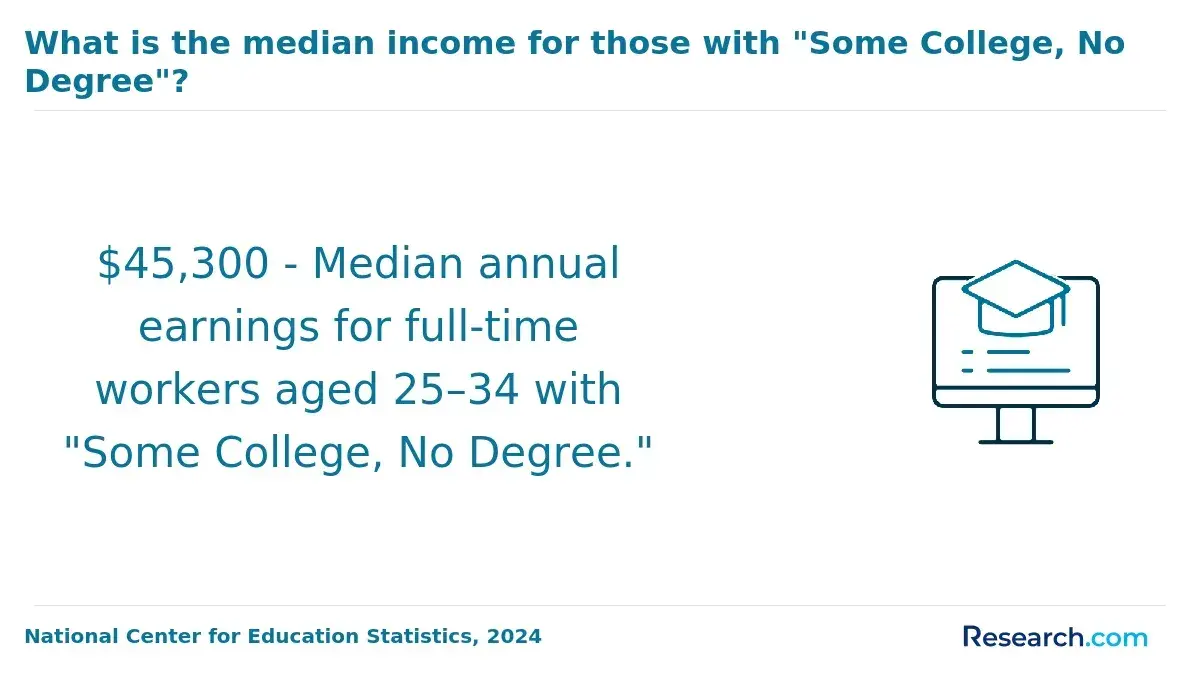
Admission requirements for accelerated and traditional forensic nursing programs often share common standards, such as GPA thresholds, prerequisite coursework, and standardized test scores. However, they differ considerably in how they assess academic readiness and prior professional experience. Understanding these differences can help applicants determine which pathway best aligns with their background and goals.
Key distinctions in admission expectations for accelerated forensic nursing program admission requirements versus traditional forensic nursing degree entry criteria include:
- Prior Degree Requirement: Accelerated programs generally require applicants to hold a bachelor's degree in a non-nursing field, targeting career changers with established academic records. Traditional programs typically accept students straight from high school or with a GED, providing broader access to those beginning their nursing education journey.
- Prerequisite Coursework: Accelerated forensic nursing applicants must complete specific college-level courses like microbiology, anatomy, physiology, and statistics before applying. In contrast, traditional programs embed these courses throughout the nursing curriculum, allowing students to fulfill them during their studies.
- Academic Performance: Accelerated programs are highly competitive, often demanding a minimum GPA of 3.0 or higher to ensure students can handle the program's intensity. Traditional programs may accept lower GPAs, sometimes as low as 2.0, particularly for associate degree pathways.
- Healthcare Experience: Some accelerated programs prefer or require prior healthcare experience, such as clinical work or volunteering, reflecting the need for readiness to engage in immersive clinical training. Traditional forensic nursing degree entry criteria rarely expect previous healthcare exposure.
- Testing Requirements: Both program types commonly require standardized test scores, including exams like the TEAS or HESI. However, accelerated programs place greater emphasis on these scores due to limited cohort sizes and competitive admissions.
Students interested in advancing their education further might explore options like a cheap online doctorate, which can complement a forensic nursing background and enhance career opportunities.
Accelerated forensic nursing courses condense essential curriculum into a shortened period, allowing completion in approximately 9-12 months for certificates and 14-24 months for degrees. These programs contrast with traditional courses, which typically span 2-4 years, by emphasizing a faster pace, heavier workload, and more flexible delivery methods.
The following points outline the main structural differences between accelerated and traditional forensic nursing programs:
- Course Length: Accelerated programs compress content into a brief timeframe, ideal for students with prior academic experience seeking quick advancement. Traditional courses extend over multiple years, catering to those preferring a steady, measured pace.
- Weekly Workload: Learners in accelerated tracks handle intense, concurrent coursework demanding significant focus, while traditional students engage with fewer subjects per term, allowing deeper reflection and absorption.
- Instruction Style: Accelerated courses often use online or hybrid formats to offer flexibility and concentrated modules, suiting self-motivated professionals. Conversely, traditional programs rely more on in-person, semester-based teaching conducive to gradual skill acquisition.
- Student Fit: The fast-track nature best serves driven individuals aiming for rapid career progression; traditional paths favor those needing extended time to master complex material.
- Quality Assurance: Both approaches uphold rigorous accreditation, practicum involvement, and comprehensive assessments to ensure graduates are fully prepared for forensic nursing roles despite differences in structure.
Tuition and overall costs for forensic nursing programs can vary notably between accelerated and traditional formats. Accelerated programs often have similar per-credit charges as traditional ones but usually require fewer semesters, resulting in lower total tuition. These differences reflect both educational timelines and related expenses.
Below are key cost-related factors comparing the two formats:
- Program Duration and Total Cost: Accelerated programs typically finish in 12 to 20 months, whereas traditional routes span 2 to 3 years. Shorter durations lead to fewer semesters of tuition and reduced living expenses, making accelerated programs less costly overall.
- Tuition Rate per Credit: Both program types generally charge comparable rates per credit, often around $350 to $800 depending on the institution and residency. For example, some accelerated programs list rates near $375 per credit, aligning closely with traditional costs.
- Opportunity Cost: Completing an accelerated forensic nursing degree sooner allows students to enter the workforce earlier, minimizing lost income and increasing affordability when compared to longer traditional paths.
- Additional Expenses: Traditional students incur higher ancillary costs like housing, transportation, and fees due to extended enrollment periods. Accelerated students reduce these expenses by finishing more quickly.
- Financial Aid Availability: Both formats offer financial aid options, but accelerated students face heavier course loads per term, which might limit eligibility for work-study or part-time employment funding.
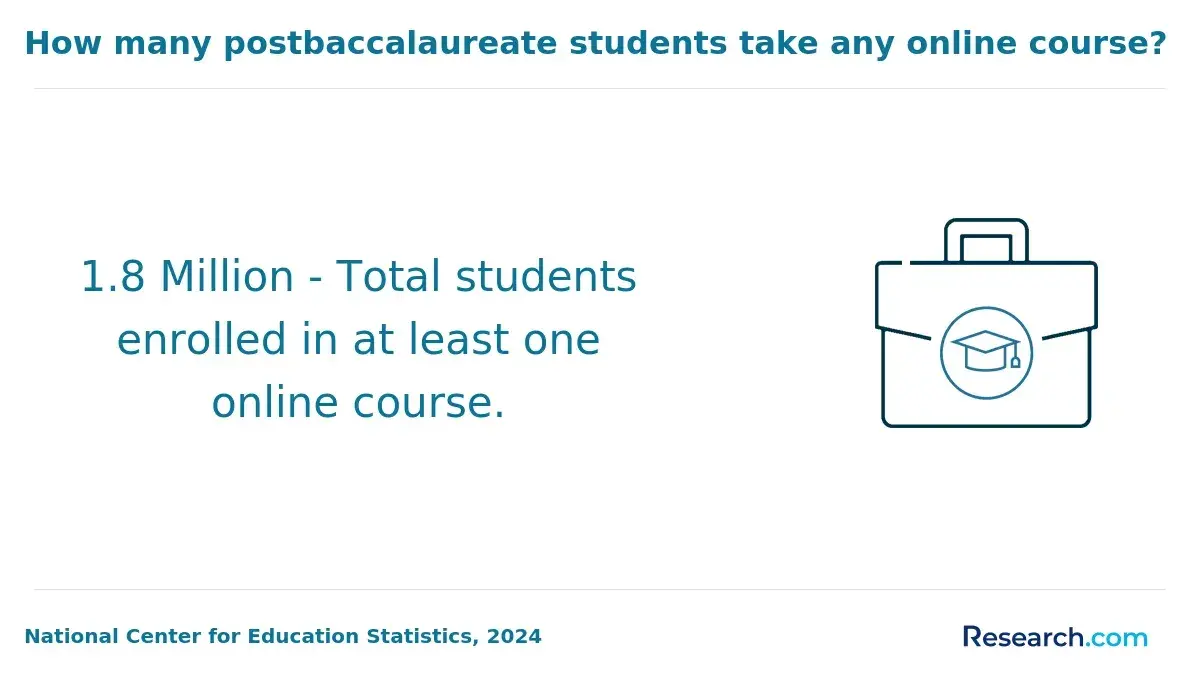
Both accelerated and traditional forensic nursing degree students in the U.S. may qualify for financial aid, but eligibility and funding timelines vary depending on program length and enrollment status. Understanding these differences can help students plan their finances more effectively as they pursue their education.
Here's a comparison of key financial aid aspects for each program format:
- Federal Aid Eligibility: Accelerated students usually need to maintain full-time enrollment to maximize federal loans and grants, whereas traditional students often have more flexibility, including part-time attendance options.
- Scholarship Opportunities: Scholarships are available to both, with some specifically aimed at forensic nursing majors. Award amounts range widely, and application deadlines may align differently with each program's schedule.
- Employer Tuition Assistance: Both formats qualify for employer support, though some employers favor traditional programs for stable timelines, while others encourage accelerated degrees through special incentives.
- Aid Disbursement Timing: Accelerated programs may have unique aid release schedules due to shorter terms, requiring students to be proactive with renewals and budgeting compared to more predictable traditional cycles.
A professional who completed an accelerated forensic nursing program shared that navigating financial aid felt intense but rewarding. He explained, "Applying for aid was quick, but because the terms moved so fast, I had to stay very organized to meet all the deadlines."
He appreciated how scholarships targeted at forensic nursing helped ease the financial burden, though coordinating employer assistance with accelerated timing was sometimes a challenge. Reflecting on his journey, he noted, "The fast pace pushed me to be disciplined, but having clear aid options made it possible to focus on my studies without as much stress."
Effective student support is vital for academic achievement, and forensic nursing programs vary considerably in how they provide these services depending on whether the pace is accelerated or traditional. The type, timing, and delivery of support differ, influencing the student experience and success. Below is a comparison of common support systems found in both program formats.
Accelerated and traditional forensic nursing programs differ notably in student services:
- Academic Advising: Traditional programs offer ongoing, in-person advising throughout multiple years, fostering long-term mentorship and personalized guidance. Accelerated programs, condensed into 12 to 18 months, primarily rely on virtual or scheduled advising focused on immediate needs and rapid progress.
- Tutoring Services: Students in traditional programs benefit from a wider range of options, including peer tutoring and faculty office hours with flexible timings. In accelerated programs, tutoring is often online or group-based, designed for fast-paced support but limited by tighter schedules.
- Career Services: Traditional students have access to extended career fairs, workshops, and networking events allowing exploration over time. Accelerated students receive targeted career counseling with workshops tailored to quick job placement within their compressed timelines.
- Peer Interaction: Generally more frequent in traditional settings due to longer enrollment periods, peer support includes on-campus study groups. Accelerated students often rely on virtual collaboration to maintain peer connections under time constraints.
Employment outcomes are a crucial factor when deciding between accelerated and traditional forensic nursing programs. Both formats offer strong career prospects, but the time it takes to find a job can vary due to multiple influences. Below are key insights into job placement trends and factors affecting hiring for graduates of each program type.
- Employer Perception: Some employers appreciate accelerated program graduates for their adaptability and rapid completion, while others prefer traditional graduates, believing they have more comprehensive training and clinical experience.
- Career Readiness: Graduates from traditional programs often feel better prepared for complex patient care scenarios, which may lead to greater employer confidence. Accelerated graduates may face initial concerns about practical readiness despite finishing sooner.
- Industry Demand: The Bureau of Labor Statistics projects 6% growth for registered nurses through 2033, including forensic roles. Data shows online and accelerated graduates find jobs at rates similar to traditional peers when programs include strong clinical components.
- Job Placement Speed: Surveys indicate approximately 68% of online graduates and 70% of traditional graduates secure employment within six months. Accelerated paths can shorten time to workforce entry but hiring often depends on local job market conditions.
Reflecting on this, a professional who earned a traditional forensic nursing degree shared that despite a rigorous curriculum and extensive clinical hours, she felt well-prepared and confident entering job interviews. She described the job search as intense but rewarding, noting that her thorough training helped her stand out to employers. "The steady pace allowed me to build strong relationships with mentors and clinical supervisors," she explained, which proved invaluable when seeking employment.
Her experience highlights how depth of training can positively impact hiring speed, even if the timeline is longer than accelerated options.
Accreditation ensures academic quality and legitimacy for both accelerated and traditional forensic nursing programs, regardless of pacing or delivery format. This process guarantees that programs meet established educational standards, which affects financial aid eligibility, credit transferability, and employer recognition. Students enrolled in accredited forensic nursing programs can have confidence that their education is respected by nursing boards and certifying organizations alike.
Whether a student chooses an accelerated track or a traditional program, accreditation confirms the program's commitment to quality and professional readiness. This equivalency is essential for those planning to advance their nursing careers or pursue certification.
The accreditation process typically applies equally to both program formats, though institutions may design accelerated coursework differently to meet rigorous standards within a shortened timeframe. Regional or programmatic accrediting bodies such as the Commission on Collegiate Nursing Education (CCNE) or the Accreditation Commission for Education in Nursing (ACEN) evaluate these programs under the same criteria.
Students should always verify that their chosen institution holds valid, current accreditation to ensure their degree will be recognized for licensure and employment. For those seeking affordable education options, considering inexpensive online colleges that accept fafsa can be a practical step. Overall, understanding accredited forensic nursing programs accreditation standards and the role of CCNE ACEN accreditation for nursing degree programs is crucial before committing to any program.
Choosing between an accelerated and traditional forensic nursing degree depends largely on your career goals, schedule flexibility, and preferred learning pace. Both options have distinct advantages that align with different personal circumstances. To decide on the best fit, consider the following key factors when evaluating how to choose forensic nursing program format.
Key factors include:
- Time Commitment: Accelerated programs condense coursework into 16-18 months, enabling faster workforce entry but demanding intensive, full-time study. Traditional programs last about four years, offering a more gradual pace suited for those balancing education with work or family responsibilities.
- Learning Style: Accelerated degrees favor students who thrive in fast-paced, high-pressure environments and can manage continuous, rigorous study. Research shows accelerated students often report higher stress but achieve better grades compared to traditional students, who may benefit from a less intense schedule.
- Career Goals: If you already have a non-nursing bachelor's and want to start quickly in forensic nursing, accelerated programs are ideal. Traditional programs suit students seeking a comprehensive nursing education from the start or needing greater flexibility. Both routes prepare graduates for the NCLEX-RN exam and a forensic nursing career.
For those interested in maximizing educational and earning potential, exploring options such as the highest paying online certifications can also complement your forensic nursing path. Considering the best accelerated vs traditional forensic nursing degree programs with these factors in mind will help you make an informed, confident decision tailored to your professional priorities and lifestyle.
What Students of Accelerated vs. Traditional Forensic Nursing Programs Say About Their Degree
- Truce: "Enrolling in the traditional forensic nursing program allowed me to deeply absorb the material at a comfortable pace, which was ideal for balancing work and studies. While the cost was somewhat high, around $30,000 per year, the comprehensive curriculum and experienced faculty made it worthwhile. This degree has truly equipped me to make a meaningful impact in helping victims of trauma. "
- Jorge: "The traditional forensic nursing program was a solid choice because it gave me time to develop practical skills and build confidence over semesters. However, the extended timeline meant a longer financial commitment and delayed career entry; the average cost of $28,000 annually felt steep at times. I appreciate the thorough preparation, but sometimes the pace felt slower than I wished. "
- Luca: "The accelerated forensic nursing program was intense but efficient, condensing what would normally be years of study into just over a year. The fast pace meant less time to absorb every detail, but it helped me enter the workforce quickly and reduce tuition costs, which were approximately $25,000 total. Despite the demanding schedule, this program perfectly matched my career goals and time constraints. "
Other Things You Should Know About Traditional vs. Accelerated Forensic Nursing Degrees
In 2027, employers generally recognize accelerated forensic nursing degrees as equivalent to traditional degrees in terms of academic qualifications. Acceptance often depends on the program's accreditation and the reputation of the institution. It's crucial for candidates to ensure that their accelerated programs meet industry standards to be favorably seen by employers.
Most forensic nurses pursue SANE-A or SANE-P certification through the International Association of Forensic Nurses after completing an approved program and the required clinical hours. These credentials support practice in sexual assault and pediatric forensic nursing and are often preferred by employers.
In 2027, employers generally recognize accelerated forensic nursing degrees similarly to traditional ones. The key is accreditation: both types of programs must meet industry standards for credibility. Employers focus on accreditation, clinical skills, and applicant competency, not the program's duration.
- Traditional and Accelerated BSN Student Expenses » College of Nursing » University of Florida https://nursing.ufl.edu/programs/bachelor-of-science-bsn/traditional-bsn/traditional-and-accelerated-bsn-student-expenses/
- Forensic Nursing https://onlinelearning.csuohio.edu/programs/msn-forensic-nursing-online
- Forensic Nursing Admissions Requirements https://www.oakland.edu/nursing/graduate-programs/msn-forensic-nursing-program/admission
- Traditional vs. Accelerated BSN: Choosing the Right Nursing Program https://www.stjohns.edu/news-media/johnnies-blog/traditional-vs-accelerated-bsn-choosing-right-nursing-program
- Accelerated BSN vs. Traditional BSN - ABSN@CTX https://absn.concordia.edu/blog/accelerated-bsn-vs-traditional-bsn/


