
2027 How to Verify Accreditation for Forensic Nursing Degree Programs

Co-Founder and Chief Data Scientist
Many prospective students face challenges verifying accreditation for forensic nursing degree programs, risking enrollment in unaccredited institutions. This oversight can jeopardize financial aid, transferability of credits, and eligibility for licensure in an evolving field. Recent studies show that approximately 30% of forensic nursing programs in the U.S. operate without recognized accreditation, complicating graduates' career prospects.
Ensuring a program's accreditation status is crucial for academic credibility and professional success. This article details practical methods to confirm forensic nursing program accreditation, guiding students through authoritative sources and evaluation criteria to make informed educational decisions confidently.
Key Benefits of Accredited Forensic Nursing Degree Programs
- Accreditation ensures academic quality by meeting rigorous standards, which is critical for maintaining program integrity and student competence in forensic nursing.
- Only accredited forensic nursing programs qualify students for federal financial aid, increasing access and affordability for aspiring professionals.
- Employers and licensure boards widely recognize accredited degrees, enhancing graduate employability and eligibility for certification in forensic nursing careers.
What Does Accreditation Mean for Forensic Nursing Degree Programs?
Accreditation is a formal evaluation process in higher education that ensures programs meet established standards of quality and rigor. For forensic nursing degree programs, accreditation is typically granted by specialized bodies such as the Commission on Collegiate Nursing Education (CCNE) or the Accreditation Commission for Education in Nursing (ACEN).
Over 7,000 institutions and programs nationwide hold accreditation from recognized agencies, highlighting the importance of accreditation in forensic nursing education and its role in maintaining academic credibility. This validation provides prospective students with assurance that the curriculum and institutional resources meet rigorous national standards.
Practically, accreditation affects forensic nursing program quality by ensuring consistent, comprehensive training aligned with current professional expectations. It confirms that faculty qualifications and educational content are regularly reviewed and updated, fostering continuous improvement.
Students enrolled in accredited programs benefit from structured learning experiences that develop essential forensic nursing competencies. Additionally, students interested in related fields or advanced studies might also explore related paths, such as a pharmacy degree, to further expand their healthcare expertise.
What Types of Accreditation Should a Forensic Nursing Degree Program Have?
Recognizing the different types of accreditation is essential for evaluating the quality and legitimacy of forensic nursing degree programs, as accreditation impacts academic standards, credit transfer, and career prospects. The following key accreditation types should be considered when researching forensic nursing education:
- Institutional Accreditation: This accreditation evaluates the entire college or university and confirms compliance with broad academic quality standards. It influences credit transferability and eligibility for federal financial aid, ensuring students attend a reputable school.
- Programmatic or Specialized Accreditation: Focused on forensic nursing or nursing programs specifically, this type certifies that the curriculum meets industry and professional standards. It is crucial for students aiming for licensure and employment within forensic nursing roles, as it affects preparedness and employer recognition.
- Regional vs. National Accreditation: In the United States, regional accreditation is generally seen as more prestigious and widely accepted than national accreditation. Regional accreditation often plays a significant role in credit acceptance by other institutions and can enhance graduate employment opportunities.
- Licensure and Professional Practice Accreditation: Depending on state regulations, some programs require accreditation relevant to licensure or professional practice. These accreditations prepare students for certification exams and ensure they meet the standards necessary for successful forensic nursing careers.
Prospective students interested in advanced opportunities can also explore the easiest online DNP programs, which may offer additional pathways to specialization and career advancement in forensic nursing education.
How Can You Verify If a Forensic Nursing Degree Program Is Accredited?
Confirming accreditation is crucial for verifying the quality of a forensic nursing degree program, ensuring eligibility for federal financial aid, and supporting licensure or career advancement. Proper accreditation safeguards that the program meets recognized academic standards and is accepted by employers and certification bodies.
To verify accredited forensic nursing programs near me, consider these steps:
- U.S. Department of Education Database: Use the official Database of Accredited Postsecondary Institutions and Programs (DAPIP) to check if the school and its forensic nursing program are federally recognized. This government resource lists accredited institutions and ensures the program qualifies for federal aid.
- Council for Higher Education Accreditation (CHEA): Review CHEA's directory of legitimate accrediting bodies and accredited schools. This nonprofit oversees accreditation quality and provides a trustworthy way to confirm that a forensic nursing program holds recognized accreditation.
- Contact the School Directly: Request written verification or accreditation certificates from the program's administrative office. Direct confirmation allows you to verify claims and understand the scope and validity of the accreditation.
- Programmatic Accreditation: Determine whether the forensic nursing program has specialized accreditation from professional organizations. These program-specific credentials highlight adherence to industry standards and can often be verified on respective accreditor websites.
For students interested in related fields, exploring options like a healthcare administration online degree may provide additional pathways in the healthcare sector.
Spotting warning signs of unaccredited forensic nursing programs is crucial to safeguarding academic credibility, qualifying for financial aid, and securing future career opportunities. These indicators help students make informed decisions before committing time and resources.
Below are several key red flags to consider:
- Claims of "Lifetime" Accreditation: Legitimate accreditation involves ongoing periodic reviews to ensure quality standards are met. Programs boasting permanent or lifetime accreditation without renewals may lack validity and should be viewed with skepticism.
- Absence of Recognized Accreditor: Reliable programs list accreditation from agencies acknowledged by the U.S. Department of Education or the Council for Higher Education Accreditation (CHEA). If no recognized accrediting body is named or verification fails through official sites, the program's credibility is questionable.
- Unusually Low Tuition: Tuition fees significantly below the market rate for forensic nursing degrees may suggest inadequate educational resources or compromised program quality. Prospective students should compare costs carefully against accredited options.
- Misleading Program Details: Vague descriptions that minimize clinical training, omit essential licensure preparation, or make unrealistic job placement promises raise concerns. Transparent curriculum information and clear certification pathways are hallmarks of valid programs.
Online forensic nursing degree programs can indeed hold accreditation, which is essential for ensuring academic integrity, access to financial aid, and recognition by employers and licensing boards. Accreditation from official agencies confirms that the program maintains rigorous standards comparable to traditional campus programs, covering areas such as curriculum relevance, instructional quality, and measurable student learning outcomes.
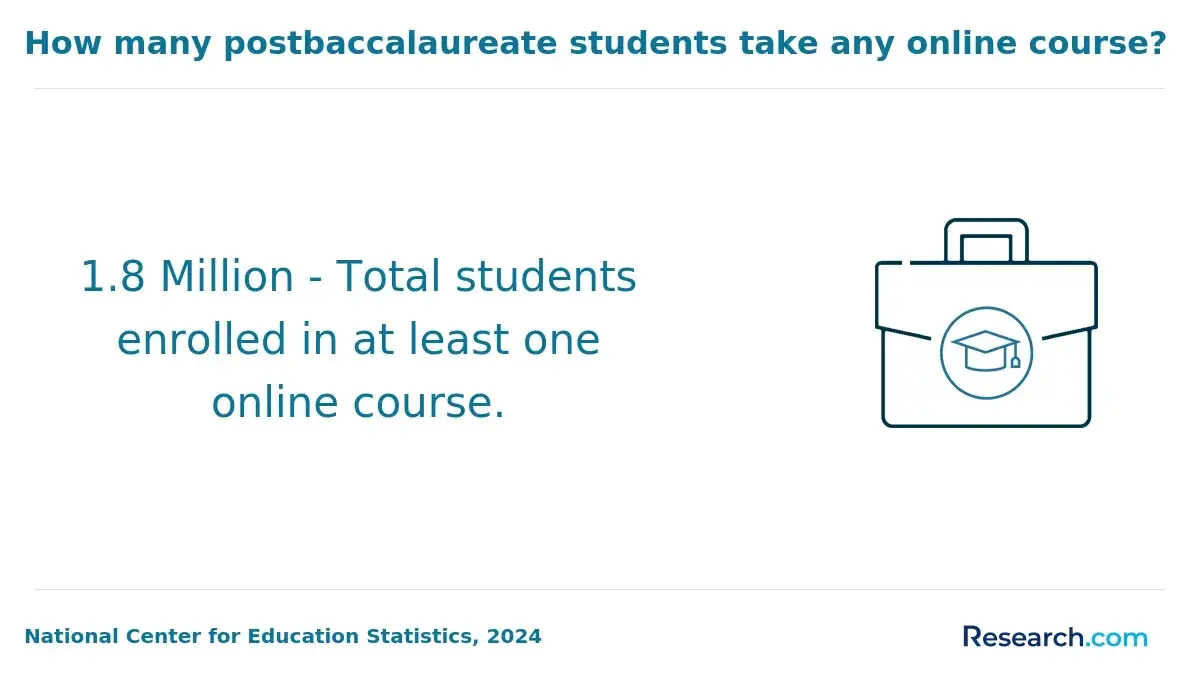
Data from the National Center for Education Statistics shows that over 80% of students pursuing online degrees enroll in accredited programs, underscoring the widespread legitimacy of online education. These accrediting bodies enforce the same evaluation criteria regardless of whether the program is delivered in person or online, guaranteeing consistent institutional oversight and value across both formats.
When asked about his experience, a graduate of an online forensic nursing degree program shared that navigating coursework while balancing work and family responsibilities was initially overwhelming. He appreciated the program's accreditation as it gave him confidence in the education's credibility when applying for jobs and licenses.
"Knowing the degree was recognized made the late-night study sessions feel worth it," he said, describing how he relied on faculty support through virtual office hours and peer discussion boards to stay engaged. Despite the challenges, he found that the structured curriculum and consistent quality of instruction helped him feel prepared for his professional role in forensic nursing.
Accreditation is a critical factor for students pursuing licensed or regulated forensic nursing careers, as it directly influences their ability to obtain professional licensure. The following points highlight how accreditation affects licensure eligibility and related professional opportunities:
- Licensure Exam Eligibility: Graduating from an accredited program is often a mandatory prerequisite for sitting for licensure or certification exams in forensic nursing. Without recognized accreditation, candidates may be disqualified from these essential assessments, hindering their entry into the profession.
- State and Regional Licensing Boards: Many licensing authorities require applicants to have completed accredited education before granting licensure. Programs lacking proper accreditation may result in delayed or denied licensure by state or regional boards, restricting legal practice.
- Professional Recognition: Employers and regulatory bodies frequently prefer or require credentials from accredited programs. Graduates from non-accredited courses may encounter difficulties securing employment or advancing their careers due to reduced professional credibility.
- Additional Barriers: Attending a non-accredited program can limit access to federal financial aid and complicate credit transfers between institutions. This affects not only financial planning but also academic progression and long-term career development in forensic nursing.
Ensuring a forensic nursing program is accredited by reputable educational bodies guarantees comprehensive training that meets national or regional standards, encompassing both nursing and legal competencies essential for licensure and safe practice.
For students who transfer schools, pursue advanced degrees, or relocate, the ability to transfer credits from an accredited forensic nursing program is crucial for saving time and reducing costs. Several factors determine whether these credits will be accepted by another institution.
- Institutional Accreditation: Credits from programs accredited by recognized agencies are more likely to transfer because they meet established academic standards. Schools generally trust these accreditations over regional-only or unrecognized ones, which can affect acceptance.
- Course Equivalency: Receiving institutions evaluate if the forensic nursing courses completed align with their own curriculum, credit hours, and learning outcomes. Close alignment increases the likelihood that credits will be accepted toward degree requirements.
- Transfer Policies: Each school enforces specific rules on how many credits can be transferred, restrictions on applying credits to particular degrees, and deadlines for transfer approval. These policies greatly influence the final credit count.
- Credit Limits: Some programs cap the number of upper-level or specialized forensic nursing credits that can be transferred, especially when it comes to professional certifications or licensure eligibility, which can limit prior coursework applicability.
When I asked a graduate of a forensic nursing degree program about her experience with credit transfer, she reflected on the challenges she faced. "Even though my credits came from an accredited program, the process felt daunting because each school asked for detailed syllabi and transcripts," she explained. She recalled some frustration but also highlighted the importance of persistence and clear communication with advisors.
Ultimately, her proactive approach helped her transfer most of her credits, allowing her to focus on advancing her career without starting over. "It was a learning curve, but having those credits recognized felt rewarding and validated my prior efforts," she added.
Accreditation plays a vital role in determining eligibility for federal, state, and institutional financial aid, with more than 85% of students receiving federal assistance attending accredited programs. Considering this, several key factors impact how accreditation influences financial support options.
- Federal Aid Eligibility: Students must enroll in accredited programs to qualify for Title IV aid, including Pell Grants and federal loans. Without accreditation, access to these essential funds is usually denied, limiting financial resources for forensic nursing students.
- State and Military Benefits: Many states require accreditation for programs to qualify for state-sponsored scholarships or tuition assistance. Additionally, veterans and active military personnel need accredited enrollment to utilize benefits such as the GI Bill.
- Institutional Scholarships: Colleges and universities typically reserve scholarships and grants for students in accredited programs to ensure academic standards and compliance. Lack of accreditation often results in fewer institutional funding options and higher personal expenses.
Program accreditation plays a critical role in shaping career prospects and job market credibility for students pursuing forensic nursing fields. Research shows that graduates from accredited health programs have a 25% higher employment rate within the first year compared to those from non-accredited institutions.
This impact highlights the importance of accreditation in influencing employability. Below are several key ways accreditation affects job outcomes for students.
- Employer Recognition: Accreditation assures employers that a forensic nursing program meets established educational standards, reassuring them that graduates possess the necessary skills and knowledge. This recognition often makes accredited graduates the preferred choice, enhancing their hiring potential.
- Professional Credibility: Completing an accredited program signals rigor and quality, boosting a candidate's credibility among employers and colleagues. In forensic nursing, where precision and adherence to legal protocols are paramount, this professional credibility is essential.
- Licensure and Certification Eligibility: Many licensing boards and certifying organizations require candidates to graduate from accredited programs. Without accreditation, students may be ineligible for advanced certifications or state licensure, which limits career advancement opportunities and job prospects in this specialized field.
- Job Market Competitiveness: Accreditation ensures a consistent level of education, helping graduates stand out in a competitive job market. When exploring career paths, students should verify program accreditation as it directly influences long-term employability and success in forensic nursing careers. For those looking for affordable educational pathways, exploring the cheapest FNP programs online can provide valuable options as well.
Accreditation can significantly influence earnings potential for forensic nursing graduates by ensuring academic quality and industry readiness. Data shows that the average annual salary for forensic nurses from accredited programs ranges from $65,000 to $90,000, whereas graduates from non-accredited programs typically earn between $50,000 and $70,000.
Several key factors contribute to this salary difference:
- Employer Preference: Accredited programs are often favored by employers who associate accreditation with higher-quality training and competency, increasing job opportunities and potential wages.
- Advanced Role Eligibility: Graduates from accredited programs are more likely to qualify for senior clinical positions that offer better compensation, reflecting the enhanced skills and education they receive.
- Industry Recognition: Accreditation provides professional credibility within forensic nursing circles, which can translate to improved networking prospects and career stability.
- Long-term Career Growth: Those with accredited credentials generally experience easier career advancement and salary increases over time due to verified educational quality and a stronger professional standing.
Prospective students researching forensic nursing programs should verify accreditation status carefully, as it impacts not only immediate salary but also licensure and financial aid eligibility. For those interested in further education pathways, exploring the cheapest BSN to DNP programs can be a strategic step toward higher earning potential and leadership roles within the field.
Ultimately, graduates from accredited forensic nursing programs salary comparison data demonstrates the value accreditation adds to a forensic nursing career, emphasizing the impact of accreditation on forensic nursing career earnings.
What Graduates Say About Their Accredited Forensic Nursing Degree
- Trudy: "Completing an accredited forensic nursing degree was a game-changer for me. I learned early on that accreditation ensures the program meets rigorous standards, which was crucial when verifying the school's credentials through official accrediting bodies. This recognition has not only enhanced my confidence but also opened doors to advanced professional opportunities in forensic healthcare. "
- Veronica: "My journey through forensic nursing was deeply reflective, especially regarding accreditation's role in quality education. I carefully researched multiple programs and confirmed their status with accrediting agencies, realizing that such verification was fundamental to my success. Graduating from an accredited program has given me a solid foundation and respect in my professional community. "
- Lucas: "From a professional standpoint, understanding the accreditation process of forensic nursing degrees was vital before enrolling. I took deliberate steps to authenticate the program's credentials, knowing this scrutiny would pay off in my career credibility. Today, holding an accredited degree has been instrumental in establishing my expertise and advancing in the forensic medical field. "
Other Things You Should Know About Forensic Nursing Degrees
A legitimate forensic nursing program should show institutional accreditation from a U.S. Department of Education-recognized agency, plus any relevant nursing-program approval from CCNE or ACEN. If the program leads to RN licensure, confirm the state board of nursing also recognizes the degree or clinical pathway.
Yes, forensic nursing degree programs often must comply with both state nursing board regulations and national standards set by accrediting bodies. These regulations include curriculum requirements, faculty qualifications, and clinical practice hours. Compliance guarantees that programs adhere to accepted educational and ethical standards in forensic nursing.
In 2027, students can verify accreditation by checking the program's status with recognized accrediting bodies such as the Commission on Collegiate Nursing Education (CCNE) or the Accreditation Commission for Education in Nursing (ACEN). Students should also look up the program in the U.S. Department of Education's Database of Accredited Postsecondary Institutions and Programs.
- Credentials - International Association of Forensic Nurses https://www.forensicnurses.org/page/Credentials/
- Forensic Nurse Career Guide: How to Become a Forensic Nurse (2025 Guide) https://nurseslabs.com/forensic-nurse-career-guide/
- Online RN to MSN - Forensic Nursing | Aspen University https://www.aspen.edu/nursing/rn-msn-forensic-nursing/
- Professional Quality of Life and Turnover Intention in Forensic Nurse Program Coordinators: Implications to Forensic Nurse Workforce Development https://www.nursingcenter.com/journalarticle
- How much do Forensic Nurses Make in The USA? | Shiftmed Blog https://www.shiftmed.com/professionals/blog/how-much-do-forensic-nurses-make/
- Forensic Nursing https://www.rntomsn.com/specialties/forensic-nursing/
- Forensic Nursing Programs Online & Campus - MSN, Certificate https://www.forensicscolleges.com/programs/forensic-nursing
- Forensic Nurse Specialist: Essential Qualifications and Training https://aihcp.net/2024/08/15/forensic-nurse-specialist-essential-qualifications-and-training/
- FNCB Answers to Frequently Asked Questions - Forensic Nursing Certification Board https://goforensicncb.org/frequently-asked-questions/


