2027 Transfer Guide for Career Changers

Co-Founder and Chief Data Scientist
Changing careers is less about starting over and more about translating what you already know into a credential employers trust. The U.S. Bureau of Labor Statistics reported that workers with a bachelor's degree had median weekly earnings of $1,543 in 2024, but the right path may be a certificate, associate degree, bachelor's, or graduate program depending on your target role. This guide is for adults comparing education options, transfer credits, timelines, costs, and career outcomes so they can choose a practical route without wasting time or tuition.
Key Things You Should Know
- A career-change transfer plan should start with your target job, then work backward to the required credential, licensure, experience, and transfer-credit policy.
- Costs vary widely: College Board's 2024 data lists average published tuition and fees at $4,050 for public two-year in-district colleges and $11,610 for public four-year in-state colleges, before aid and living costs.
- Certificates can be faster, but regulated careers such as nursing, teaching, counseling, accounting, and many healthcare roles may require accredited degrees, exams, supervised hours, or state licensure.
What is a transfer guide for career changers?
A transfer guide for career changers is a planning tool that helps you move from one field to another without losing unnecessary time, credits, money, or momentum. It connects your previous college credits, work experience, military training, certifications, and professional skills to a new academic or career pathway.
The main goal is not simply to "transfer schools." For career changers, the bigger decision is whether your past learning can shorten the route to a new role. That might mean applying general education credits to a bachelor's degree, using prior learning assessment for workplace training, choosing a bridge program, or selecting a certificate that stacks into a degree later.
The table below shows the major parts of a career-change transfer plan and why each one affects your decision. Use it as a quick diagnostic before speaking with admissions or enrolling.
| Transfer planning area | What it means | Why it matters for career changers |
| Prior credits | College courses you completed at another institution | Accepted credits can reduce time to completion and total tuition |
| Prior learning | Workplace training, licenses, military training, portfolios, or exams | Some schools award credit for documented learning outside college |
| Career alignment | How well the program matches your target job requirements | A cheaper or faster program may still be a poor choice if it does not lead to the role you want |
| Accreditation | Institutional or programmatic quality recognition | It can affect credit transfer, financial aid, licensure, graduate admission, and employer recognition |
| Format | Online, hybrid, evening, weekend, or campus study | The best format is the one you can finish while meeting career and licensing requirements |
A strong transfer guide also helps you avoid common traps. One of the biggest mistakes is asking, "What program can I get into fastest?" before asking, "What credential does my target employer or licensing board actually recognize?"
How do I identify transferable skills for a new career?
Transferable skills are abilities you can carry from your current field into a new one. They include communication, leadership, data analysis, customer service, project coordination, budgeting, technical troubleshooting, documentation, and compliance. The key is to describe them in the language of your target industry, not just the language of your old job.
Start by comparing your current responsibilities with job postings for the role you want. Look for repeated verbs, tools, certifications, and outcomes. If postings mention "stakeholder management," for example, your experience coordinating clients, vendors, patients, students, or internal teams may be relevant even if your old job title looks unrelated.
Use the following process to identify skills that can transfer and gaps that may require education or training.
- Choose three to five target job titles and collect current U.S. job postings for each one.
- Highlight repeated requirements, including tools, degrees, certifications, years of experience, and soft skills.
- List examples from your current or past work that prove you have related experience.
- Separate true gaps from wording gaps; a wording gap may only require resume translation, while a true gap may require coursework or supervised practice.
- Match each gap to the shortest credible learning option, such as a course, certificate, degree concentration, bootcamp, internship, or licensure pathway.
Career changers often underestimate their existing value. A retail manager moving into human resources may already have experience with scheduling, employee conflict, training, and compliance. A teacher moving into instructional design may already know curriculum planning, assessment, learning outcomes, and classroom technology.
If you are still deciding what to study, reviewing fun majors in college that pay well can help you explore fields that combine interest, earnings potential, and practical employment options.
A useful way to test your transferability is to compare skills by career direction. The table below summarizes examples, but your exact fit depends on job postings, local labor demand, and employer expectations.
| Current background | Transferable strengths | Possible new direction | Likely gap to address |
| Sales or customer service | Communication, persuasion, client management, CRM use | Business development, recruiting, account management, customer success | Industry-specific software or analytics |
| Teaching or training | Instruction, assessment, facilitation, learning design | Instructional design, corporate training, academic advising | Authoring tools, learning management systems, portfolio samples |
| Healthcare support | Patient communication, documentation, compliance, scheduling | Nursing, health information, medical billing, healthcare administration | Prerequisites, clinical hours, certification, or licensure |
| Operations or logistics | Process improvement, vendor coordination, inventory, reporting | Supply chain, project management, operations analysis | Data tools, project methods, or industry credential |
| Administrative work | Organization, records, scheduling, budgeting, internal coordination | HR, project coordination, paralegal studies, office management | Legal, HR, or technical terminology and software |
Which degree or certificate should I choose for a career change?
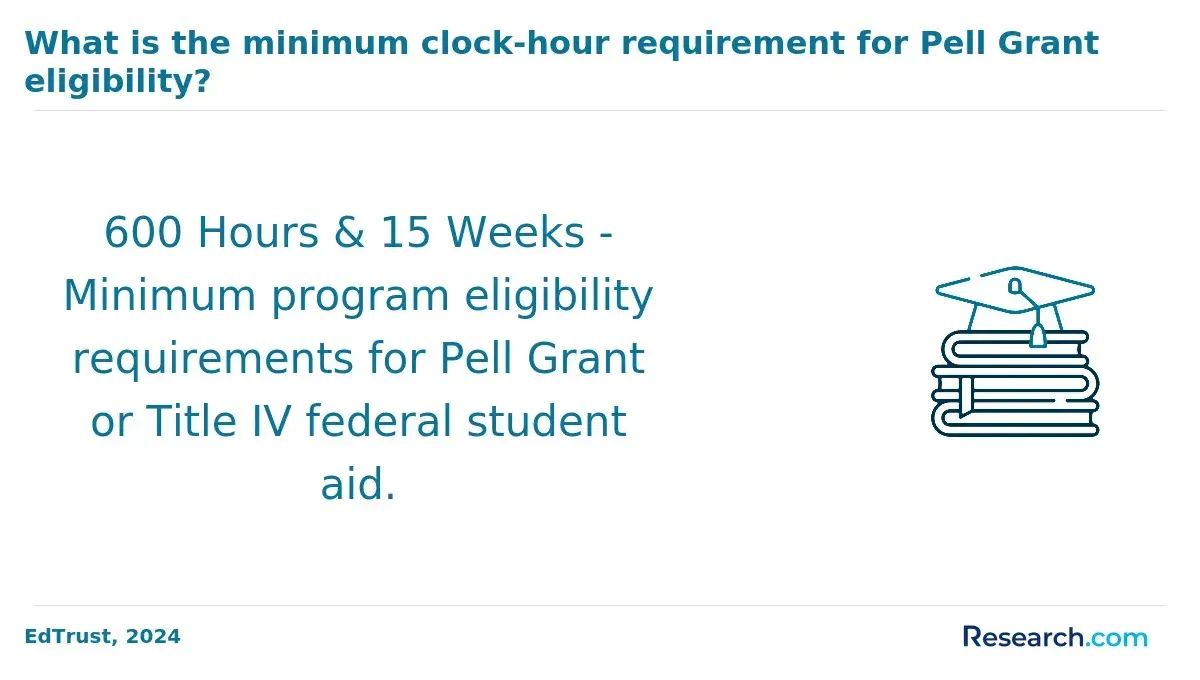
The right degree or certificate depends on how regulated your target career is, how much education you already have, and whether employers in the field value formal degrees, certifications, portfolios, or experience more. A certificate can be enough for some technology, business, and administrative pivots, while healthcare, education, engineering, accounting, counseling, and law-related paths often have stricter credential rules.
Use the credential as a bridge to a specific job, not as a vague restart. Before choosing, check job postings, professional licensing rules, graduate admission requirements, and whether the credits can transfer into a higher credential later.
The table below compares common education routes for career changers. It is designed to help you identify which option fits your goal before you commit to an application.
| Option | Best fit | Typical advantage | Main caution |
| Short certificate | Adults who need targeted skills for a non-licensed role | Fastest route to new competencies | May not carry degree credit or meet employer requirements |
| Industry certification preparation | Workers entering IT, project management, HR, healthcare support, or business operations | Can signal job-ready skills | Certification alone may not replace required experience |
| Associate degree | Students entering technical, healthcare support, or transfer pathways | Lower average tuition at public two-year colleges | May need careful transfer planning for bachelor's completion |
| Bachelor's degree completion program | Adults with prior college credits who need a four-year credential | Can convert old credits into a marketable degree | Not all credits apply to the new major |
| Post-baccalaureate certificate | Bachelor's holders who need prerequisites or specialized training | Focused route without completing a second bachelor's | May not be enough for licensure or leadership roles |
| Master's degree | Career changers entering advanced practice, analytics, management, education, or counseling paths | Can reposition a bachelor's holder into a new profession | Higher cost and admissions expectations |
| Doctorate | Professionals pursuing research, clinical, academic, executive, or advanced specialty roles | May be required or preferred for certain senior paths | Requires careful ROI review due to time and cost |
Cost should shape your decision, but it should not be the only factor. College Board's 2024 Trends in College Pricing data reports average published tuition and fees of $11,610 for in-state students at public four-year institutions. That figure helps you benchmark affordability, but your real cost depends on transfer credits, grants, employer tuition assistance, program length, fees, books, commuting, childcare, and lost work hours.
If you are considering advanced study after a career pivot, comparing a cheap doctorate degree online may be useful, but only if a doctorate clearly supports your professional goal.
A smart rule is to choose the least expensive credential that is still credible, accredited, transferable, and sufficient for your target role. Avoid programs that sound fast but do not clearly connect to jobs, licensure, or further education.
Are online programs better than campus programs for career changers?
Online programs are not automatically better than campus programs, but they can be a strong fit for career changers who work full time, care for family members, or need access to a program outside their local area. Campus programs may be better when your target field requires labs, clinical placements, studio work, equipment, or intensive networking.
Online learning is now mainstream in U.S. higher education. The National Center for Education Statistics reported in 2024 that distance education remained widely used after the pandemic-era surge, which means more adults can compare online, hybrid, and campus options rather than assuming one format is unusual. The practical question is whether the format supports your schedule and meets your career requirements.
The table below compares online and campus formats through the lens of career changers, not traditional first-time students.
| Factor | Online program | Campus program | Best decision clue |
| Schedule | Often more flexible for working adults | Usually more fixed around class meeting times | Choose the format you can sustain through completion |
| Hands-on learning | May use simulations, local placements, or short residencies | Often easier for labs, studios, clinics, and equipment-based learning | Verify how required practice hours are completed |
| Networking | Can be strong if the program has active cohorts and employer connections | Often more natural through campus events and local employers | Ask how career services support adult learners |
| Transfer credits | Adult-focused online programs may have generous policies | Policies vary widely by institution and department | Request a written transfer evaluation before enrolling |
| Licensure | May or may not meet requirements in your state | Often designed around the school's home-state rules | Confirm state authorization and licensure alignment |
If flexibility is your top priority, comparing affordable online degree programs can help you narrow options before speaking with admissions teams.
Career changers should be cautious with online programs that promise speed without explaining student support, transfer-credit limits, internship placement, state authorization, or employer recognition. A high-quality online program should make its accreditation, faculty qualifications, curriculum, outcomes, and technical requirements easy to verify.
How do I check accreditation before enrolling in a program?
Accreditation is one of the most important checks you can make before enrolling. In the U.S., institutional accreditation affects federal financial aid eligibility, credit transfer, graduate admission, and employer confidence. Programmatic accreditation may also matter when a specific field has licensing or professional standards.
The most reliable starting point is the U.S. Department of Education's Database of Accredited Postsecondary Institutions and Programs, commonly called DAPIP. You can also verify recognized accrediting agencies through the Council for Higher Education Accreditation. Do not rely only on a school's website, advertisement, or admissions representative.
Follow these steps before paying an application fee or deposit. This sequence helps you verify both the school and the specific program you plan to enter.
- Search the institution in the U.S. Department of Education's accreditation database and confirm that the listed school name matches the school you are considering.
- Check whether the accreditor is recognized for institutional accreditation and whether the school has any public sanctions or warnings.
- For licensed fields, identify the programmatic accreditor required or preferred in your state or profession.
- Ask the school in writing whether the program meets licensure, certification, or exam eligibility requirements in your state.
- Request a written transfer-credit evaluation before enrollment if prior credits are central to your plan.
- Confirm whether credits from the program are commonly accepted by graduate schools or partner institutions if you may continue later.
Common red flags include pressure to enroll immediately, vague accreditation language, unclear tuition and fees, no published faculty or curriculum information, and claims that credits are "widely transferable" without written agreements. Accreditation does not guarantee job placement, but lack of appropriate accreditation can create serious barriers.
What admission requirements do career-change programs usually require?
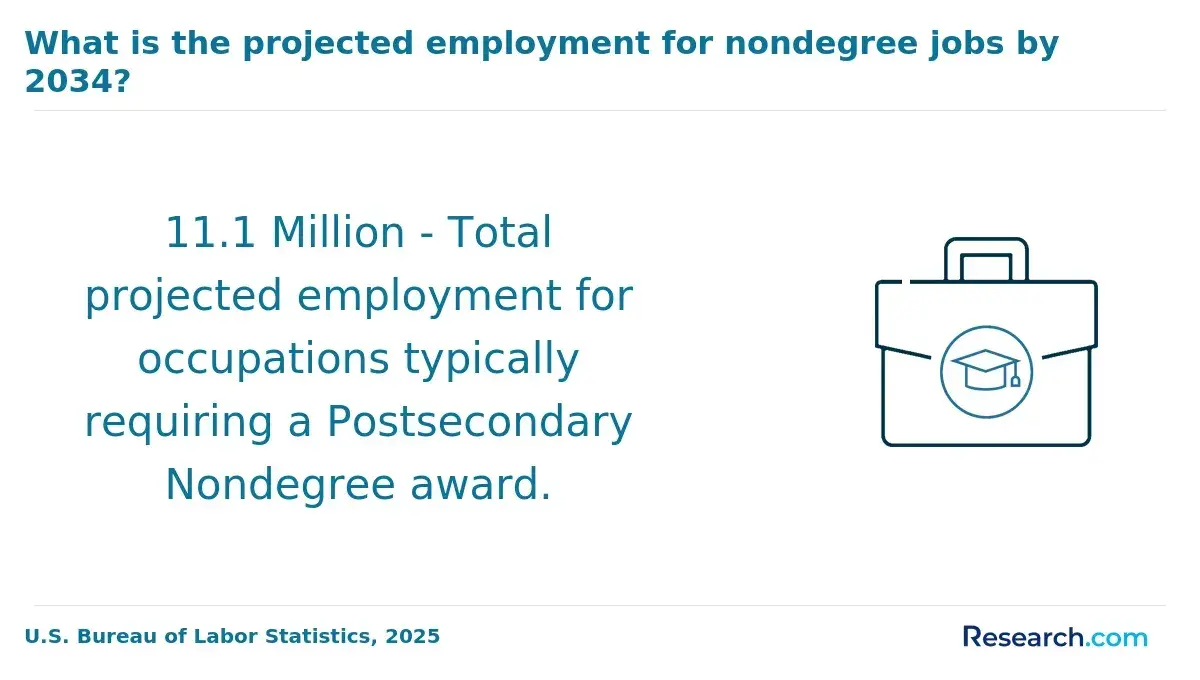
Admission requirements for career-change programs vary by credential level and field. Some certificates are open admission, while bachelor's completion, nursing, teaching, counseling, engineering, and graduate programs may require prerequisites, a minimum GPA, entrance exams, background checks, interviews, or documented work experience.
For adults returning to school, admissions teams often look at more than recent grades. They may review prior college transcripts, professional experience, military training, industry certifications, resumes, essays, recommendation letters, or placement assessments. However, competitive or licensed programs may still enforce strict academic prerequisites.
The table below summarizes common requirements by program type so you can anticipate what documents or preparation you may need.
| Program type | Common requirements | Career changer note |
| Workforce certificate | Application, high school diploma or equivalent, placement test in some cases | Good for quick skill building, but ask whether credits stack into a degree |
| Associate degree | Application, transcripts, placement or prerequisite review | Can be cost-effective for technical or transfer pathways |
| Bachelor's completion | Prior college credits, transcripts, minimum GPA, general education review | Request a degree audit before assuming old credits will apply |
| Post-baccalaureate certificate | Bachelor's degree, transcripts, prerequisites, statement of purpose | Useful when you need focused preparation without a full second degree |
| Master's degree | Bachelor's degree, GPA review, resume, essays, recommendations, prerequisites | Some programs accept unrelated majors if prerequisites are completed |
| Licensed professional program | Prerequisites, background check, health records, supervised hours, exam eligibility requirements | Always verify state-specific rules before enrolling |
If your GPA is a concern, do not assume you are out of options. Some schools use conditional admission, probationary admission, transfer pathways, or adult learner policies. Researching universities that accept 2.0 GPA can help you identify schools more open to applicants with uneven academic histories.
A common mistake is hiding weak grades instead of explaining improvement. If your record includes older low grades, admissions committees may respond better to a clear explanation, recent coursework, professional achievements, and evidence that you can handle the program now.
How long does a career-change degree or certificate take?
The timeline for a career-change degree or certificate depends on the credential, transfer credits, course load, prerequisites, clinical or internship requirements, and whether courses are offered year-round. The fastest option is not always the best if it overloads your schedule or fails to meet career requirements.
Adult learners should plan around completion, not just admission. A part-time program that you can finish may be better than an accelerated program that forces you to pause work, borrow more, or retake failed courses.
The table below gives typical completion ranges. Exact timelines vary by school, credit transfer, field requirements, and enrollment intensity.
| Credential | Typical time for career changers | What can shorten it | What can lengthen it |
| Short certificate | A few months to one year | Self-paced courses, prior experience, year-round starts | Limited course availability or required externship |
| Associate degree | Two years full time; longer part time | Accepted transfer credits and summer study | Developmental courses or sequencing of technical classes |
| Bachelor's completion | One to three years depending on transfer credits | Generous transfer policy and prior learning credit | Major prerequisites or upper-division residency requirements |
| Second bachelor's degree | Two to three years in many cases | Completed general education requirements | Lab sciences, clinicals, or limited cohort admission |
| Master's degree | One to three years | Full-time study or accelerated terms | Prerequisites, capstone, practicum, or thesis |
| Doctorate | Three or more years in many professional and research pathways | Clear dissertation or project structure, transfer credit, strong advising | Research delays, clinical hours, residency requirements, or dissertation revisions |
Accelerated options can be useful when the credential is respected and your life allows the workload. For some advanced professionals, researching 1-year PhD programs online no dissertation may clarify what alternative doctoral formats claim to offer, but you should verify accreditation, program requirements, and whether employers in your field recognize the credential.
Before enrolling in an accelerated program, ask how many hours per week students typically spend on coursework, whether courses are asynchronous, whether you can pause without penalty, and what happens if a required course is not offered when you need it.
What courses are included in career-change degree programs?
Career-change degree programs usually combine general education, major courses, applied projects, electives, and sometimes internships, labs, clinical rotations, or capstones. The course mix depends heavily on the field. A cybersecurity program may emphasize networks and risk management, while a nursing program requires science prerequisites and clinical practice.
The most important question is whether the curriculum builds the competencies employers or licensing boards expect. A program should not only list courses; it should show how those courses connect to skills, tools, exams, portfolios, or supervised practice. The table below shows common course categories and what they are meant to accomplish for career changers.
| Course category | Purpose | Examples |
| Foundational courses | Build basic field knowledge for students coming from another background | Introductory accounting, anatomy, programming fundamentals, psychology, statistics |
| Technical or major courses | Develop the specialized skills needed for the target role | Database systems, health assessment, instructional design, financial reporting, legal research |
| Applied practice | Translate classroom learning into work-like performance | Labs, simulations, case studies, portfolios, projects, practicums |
| Professional preparation | Prepare students for workplace expectations and hiring processes | Ethics, communication, compliance, project management, career seminar |
| Capstone or internship | Demonstrate readiness through an integrated project or supervised experience | Consulting project, clinical rotation, teaching placement, analytics portfolio |
AI and automation are changing what many programs teach. Career changers entering business, technology, healthcare administration, marketing, education, or analytics should look for curricula that include responsible technology use, data literacy, cybersecurity awareness, workflow automation, and ethical decision-making. These topics are increasingly relevant even in roles that are not strictly technical.
Common curriculum mistakes include choosing a program with outdated software, no applied projects, weak career support, or electives that do not match the target job. Ask for a current course sequence and compare it with real job postings before you enroll.
What jobs can I get after a career-change program?
The jobs you can get after a career-change program depend on your previous experience, credential level, local labor market, internships, portfolio, licensure, and how well you position your background. A program can open doors, but employers still evaluate relevant skills and evidence of readiness.
Salary should be used as context, not as a promise. The U.S. Bureau of Labor Statistics' May 2024 wage data shows that information security analysts had a median annual wage of $124,910, reflecting strong demand for cybersecurity skills. For a career changer, that figure is useful only if the education path also builds the technical foundation, experience, and certifications employers expect.
The table below lists common career-change destinations and the type of preparation usually associated with each one. Requirements vary by employer and state.
| Career direction | Possible entry roles | Common education or preparation | What helps career changers stand out |
| Technology | Help desk analyst, junior developer, data analyst, cybersecurity analyst | Certificate, associate, bachelor's, bootcamp, portfolio, certifications | Projects, GitHub or portfolio samples, internships, prior domain knowledge |
| Healthcare | Medical assistant, health information technician, RN, healthcare administrator | Certificate, associate, bachelor's, clinical program, licensure preparation | Patient-facing experience, compliance knowledge, strong science prerequisites |
| Business and operations | Project coordinator, operations analyst, HR specialist, supply chain associate | Certificate, bachelor's, MBA or specialized master's for some roles | Process improvement examples, analytics tools, leadership experience |
| Education and training | Teacher, instructional designer, corporate trainer, academic advisor | Teaching license pathway, education degree, certificate, portfolio | Training samples, curriculum projects, classroom or coaching experience |
| Finance and accounting | Bookkeeper, staff accountant, financial analyst, payroll specialist | Certificate, bachelor's, accounting coursework, exam preparation | Spreadsheet skills, accuracy, compliance mindset, internship or project work |
| Public service and legal support | Paralegal, case manager, policy assistant, nonprofit program coordinator | Certificate, associate, bachelor's, field-specific training | Writing samples, documentation skills, community experience |
Your first job after a career-change program may not be your final target role. Many adults use an entry position to gain industry experience, then move into a more specialized or senior role after one to three years. This is especially common in technology, healthcare administration, HR, project management, and analytics.
To improve your odds, build proof while you study. Complete projects that match job postings, ask about internships or practicums, join professional associations, request feedback from people already in the field, and rewrite your resume to connect your past experience to your new direction.
Do I need licensure or certification after completing my program?
You may need licensure or certification after completing your program, especially if your new career involves public safety, healthcare, education, counseling, accounting, law-related services, engineering, or skilled trades. Licensure is usually granted by a state agency or board, while certification is often issued by a professional organization, vendor, or industry body.
The difference matters. A certification can improve employability in some fields, but a license may be legally required before you can practice. For example, completing a nursing program is not the same as being licensed as a registered nurse; graduates generally must meet state board requirements and pass the required exam.
The table below explains common credential categories so you can ask the right questions before enrolling.
| Credential type | Who issues it | Where it commonly matters | What to verify before enrolling |
| State license | State licensing board or agency | Nursing, teaching, counseling, social work, real estate, accounting, trades | Whether the program meets your state's education and supervised practice rules |
| Professional certification | Professional association or credentialing body | Project management, HR, medical coding, financial planning, safety | Education, experience, exam, renewal, and continuing education requirements |
| Vendor certification | Technology or software company | Cloud computing, cybersecurity, networking, software platforms | Whether employers in your target role request that credential |
| Board certification or specialty credential | Specialty board or professional body | Advanced healthcare, counseling specialties, finance, legal support | Whether it requires a prior license, degree, or supervised hours |
Before choosing a program, contact the relevant state board or professional body directly and confirm requirements. This is especially important for online programs, because a school located in one state may not automatically meet licensing rules in another state.
Common mistakes include assuming a certificate equals certification, assuming a degree automatically leads to a license, and failing to budget for exam fees, background checks, renewal costs, or continuing education. Build those requirements into your timeline and cost estimate from the start.
Other Things You Should Know About
Yes, if your target field values skills, experience, portfolios, or certifications more than a specific degree. Many business, technology, operations, sales, and administrative roles allow non-degree transitions, but licensed fields often require formal education.
It depends on the school, your grades, course age, accreditation of the previous institution, and how well the credits fit your new program. Always request a written transfer evaluation before enrolling.
A certificate can be enough when it teaches a specific skill employers request and your past experience supports the transition. It may not be enough for regulated careers or roles that consistently require a degree.
The biggest mistake is choosing the fastest or cheapest program without confirming accreditation, transfer-credit fit, licensure alignment, total cost, and job relevance. Start with the target career requirements, then choose the credential.
References
- Your Guide to Transferrable Skills for a Career Change | Career Development https://www.icslearn.co.uk/blog/career-development/your-guide-to-transferrable-skills-for-a-career-change/
- How To Change Career When You've No Idea What To Do Next | https://www.careershifters.org/expert-advice/how-to-change-career-when-youve-no-idea-what-to-do-next
- Changing Careers? How to Write a CV That Sells Transferable Skills https://nextcv.net/en/blog/career-change-cv-guide
- Program and eligibility criteria | Study https://www.uottawa.ca/study/make-changes-undergraduate-program/program-eligibility-criteria
- How to Verify a US Partner School's Accreditation Before Committing https://www.amerigoeducation.com/news/how-to-verify-a-us-partner-schools-accreditation-before-committing
- The best degrees for people who want a career change https://arden.ac.uk/knowledge-base/career-advice/the-best-degrees-for-career-change
- MIQR – Berufliche Umschulung, Weiterbildung & Integration https://mitteldeutsches-institut.de/en/career-changers/
- Certifications for Career Changer https://udallas.edu/academics/colleges-schools/college-of-business/executive-education/career-change/index.php
- The Complete Career Change Guide: Transferable Skills, Financial Planning, and Making the Leap https://careerbldr.com/blog/career-change-complete-guide/
- Top Careers for Psychology Master’s Graduates https://www.onlinemastersdegrees.org/best-programs/for-career-changers/